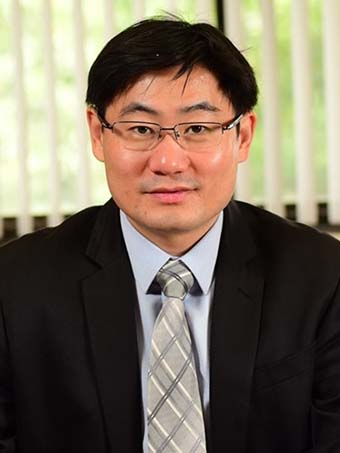
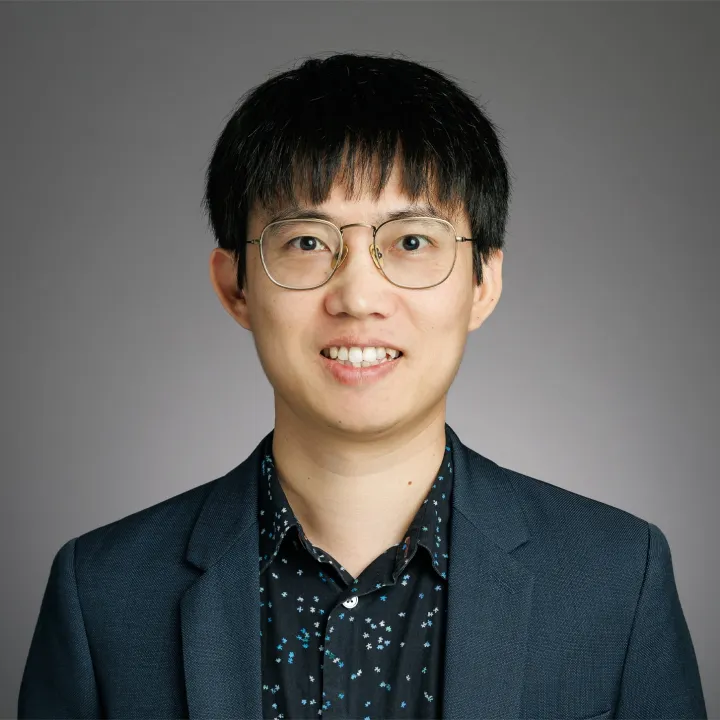
Professor CHEN Wei (National University of Singapore) holds the Provost's Chair Professorship (2023-2026) and serves as Vice-Dean (Research) with joint appointments in the Departments of Chemistry and Physics. His research focuses on molecular-scale interface engineering for 2D materials-based devices and interface-controlled nanocatalysis in energy/environmental applications. PhD in Material Science, NUS (2004) Lee Kuan Yew Research Fellow (2006-2008) Established Surface and Interface Lab (2009) Director, NUS Research Institute (Fuzhou) His work on 2D optoelectronic memory (Nat. Comm. 2018), Kagome lattice design (Nano Lett. 2020), and single-atom catalysis (Nat. Comm. 2021) has been recognized by multiple high-impact publications and the Clarivate Highly Cited Researcher status (2017-2021). Awards include the NRF Investigatorship (2023) , Mitsui Chemicals-SNIC Industry Award (2020) , and Singapore Young Scientist Award (2012) . Grants from NUS, Singapore MOE, CREATE/CRP programs, and A*STAR support his exploration of interface engineering for neuromorphic computing and energy-efficient nanocatalysts . Current projects include monolayer blue phosphorus synthesis and solid electrolyte interphase engineering for lithium batteries.
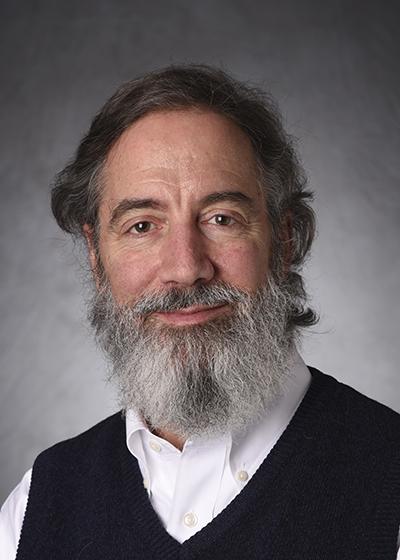
Ralph H. Colby serves as Professor of Materials Science and Engineering and Chemical Engineering at Pennsylvania State University's College of Earth and Mineral Sciences, holding the Corning Faculty Fellowship. His research focuses on molecular-level dynamics in complex fluids, particularly polymers, ionomers, and liquid crystalline systems. With over 130 publications and authorship of the textbook Polymer Physics (2003), he directs an active research program examining structure-property relationships in soft matter. B.S. in Materials Science and Engineering, Cornell University (1979) M.S. in Chemical Engineering, Northwestern University (1983) Ph.D. in Chemical Engineering, Northwestern University (1985) Professor Colby's research spans polymer physics, rheology, and materials for energy applications. His group employs mechanical rheology, dielectric spectroscopy, and scattering techniques to investigate ion transport in single-ion conductors for batteries, dynamics of glass-forming liquids, and self-assembly in polyelectrolyte systems. Current work emphasizes structure-property relationships in ionomers, liquid crystalline polymers, and branched architectures. Analysis of recent publications reveals consistent focus on ionomer membranes for energy applications, processing-structure relationships in advanced polymers, and fundamental dynamics of complex fluids. Key trends include increasing integration of computational modeling with experimental characterization, expansion into sustainable materials processing, and growing emphasis on applications in battery technology and biomedical materials. Penn State Faculty Scholar Medal for Outstanding Achievement (2022) Bingham Medal, Society of Rheology (2012) American Chemical Society Fellowship Corning Faculty Fellowship in Materials Science and Engineering Professor Colby leads multiple federally funded projects including NSF's 'Fundamental Studies of Flow-Induced Polymer Crystallization' and DOE's 'Conduction mechanisms and structure of ionomeric single-ion conductors'. His group maintains strong industry partnerships with Corning Incorporated and participates in interdisciplinary initiatives like the Penn State Intercollege Graduate Degree Program in Materials Science and Engineering. Current research includes collaborations on breast cancer adherence interventions in Rwanda and conjugated polymer development for flexible electronics. The Colby Research Group operates specialized facilities for rheological characterization, dielectric spectroscopy, and X-ray scattering at Penn State's Materials Research Institute. The team maintains active collaborations with national laboratories and international research groups, focusing on translating fundamental polymer physics discoveries into practical applications for energy storage and advanced manufacturing.
Dr. Martin Anthony Fascione is a Reader in Chemistry at the University of York, where he leads the Fascione Lab within the Department of Chemistry. His research focuses on the interface between chemistry and biology, particularly in the field of chemical glycobiology. He has established himself as a leading researcher in carbohydrate chemistry with expertise in synthetic methods and biological applications. Dr. Fascione received his Ph.D. from the University of Leeds in 2009 under the supervision of W. Bruce Turnbull, followed by a Marie Curie International Outgoing Fellowship at the University of British Columbia with Prof. Steve Withers and the University of York with Prof. Gideon Davies. Since August 2014, he has been at the York Structural Biology Laboratory, progressing from Lecturer to his current position as Reader. His research centers on complex sugars (glycans) and their roles in biological processes and disease, with particular emphasis on sialic acid-like molecules critical for bacterial pathogens. The Fascione group develops chemical tools to study and perturb glycan activity in vivo using synthetic and enzymatic carbohydrate chemistry, organocatalysis, enzymology, and molecular biology. Key research areas include pseudaminic acid biosynthesis, protein bioconjugation, and glycoconjugate development for therapeutic applications. Analysis of Dr. Fascione's recent publications reveals a strong focus on bacterial glycans, particularly pseudaminic acid, and their role in pathogenesis. His work combines synthetic chemistry with biological applications, developing novel methods for protein modification, carbohydrate synthesis, and glycan-based therapeutics. Major themes include bioorthogonal chemistry, enzymatic synthesis of complex carbohydrates, and the development of glycoconjugates for therapeutic and diagnostic applications. Dr. Fascione has received significant recognition for his work, including: Marie Curie International Outgoing Fellowship (2012-2014) ERC Consolidator Grant (2022) As an active researcher, Dr. Fascione supervises PhD students and collaborates extensively with researchers in the UK and internationally. His laboratory is involved in multiple research projects focused on chemical glycobiology for infectious disease research and therapeutic development. The Fascione Lab has established itself as a leading center for research at the chemistry-biology interface, with particular expertise in carbohydrate-active enzymes and glycan-based tools for biological investigation.
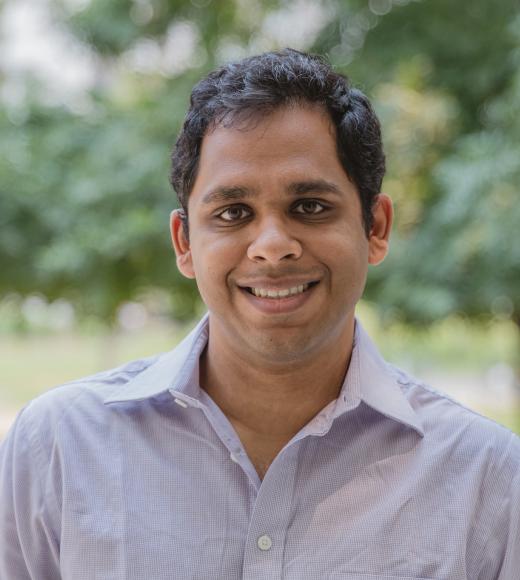
Ambarish Kulkarni is an Assistant Professor in the Department of Chemical Engineering at the University of California, Davis. His research focuses on multi-scale molecular modeling, data science for materials discovery, catalysis, and separations. He combines quantum chemistry methods (e.g., wave function theory, density functional theory) with classical simulations and machine learning to design novel materials for applications in catalysis, energy storage, and environmental remediation. Specific areas of interest include methane activation, CO 2 capture, and heterogeneous electrocatalysis. His work bridges theory and experiment, collaborating with experimental groups to validate computational findings. Notable projects include: Developing catalysts with atomically dispersed metals for enhanced reactivity Designing zeolite materials for selective chemical transformations Creating machine learning workflows to accelerate material discovery Recent research highlights the role of water in CO 2 adsorption mechanisms, the dynamic behavior of confined nanoparticles, and redox-cycling phenomena in zeolite-embedded catalysts. His computational tools like the Multiscale Atomic Zeolite Simulation Environment (MAZE) enable detailed analysis of complex material behaviors. No scientific awards are explicitly listed in the provided information. His advising activities and grants are not detailed in the current data, but his extensive publication record indicates active research collaboration and funding support.
Professor Jun Huang is a faculty member in the School of Chemical and Biomolecular Engineering at the University of Sydney, where he holds the rank of Professor and is Director of the Laboratory for Catalysis Engineering. He is also a Domain Leader for Materials at the nanoscale at Sydney Nano Institute and a member of several interdisciplinary institutes, including the China Studies Centre and Sydney Institute of Agriculture. His research focuses on catalysis engineering, with an emphasis on developing sustainable processes for renewable fuels, pollutant treatment, and greenhouse gas mitigation. Huang has held prestigious awards such as the Australia Research Council Future Fellowship (2022) and the Sydney Accelerator Fellowship (2018). Education: Huang earned his PhD from the University of Stuttgart (2008) and completed postdoctoral research at Georgia Institute of Technology and ETH Zurich. He joined the University of Sydney in 2010 as a Lecturer, advancing to Senior Lecturer, Associate Professor, and Professor. Research Interests: Huang's work centers on catalyst design for green chemical processes, including biomass conversion to biofuels, wastewater treatment, and CO2 utilization. He emphasizes sustainable manufacturing and environmental impact reduction through innovative catalytic systems. Current Projects: These include catalytic transformation of hydrocarbons/CO2/biomass, nano-catalysts for renewable energy, and advanced NMR spectroscopy for catalysis analysis. Collaborative projects involve anti-cancer therapies and drug pharmacology studies. Awards: Over 15 awards, including the 2021 ACS Sustainable Chemistry & Engineering Lectureship and 2017 Vice-Chancellor’s Research Excellence Award. Teaching: Huang instructs courses such as CHNG2801 (Conservation Processes), CHNG3802 (Industrial Systems), and advanced chemical engineering topics. He supervises PhD/Master students in catalysis and sustainable engineering. Labs/Teams: Leads the Catalysis Engineering Lab and collaborates with Sydney Nano Institute on nanomaterials research.
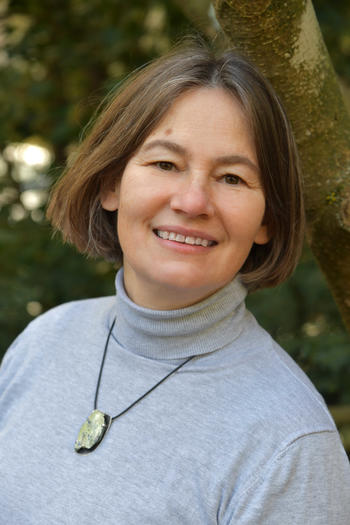
Iris Yu is an Assistant Professor in the Civil and Environmental Engineering department at the National University of Singapore (NUS) . Her research focuses on green chemistry and biomass conversion , particularly utilizing microwave-assisted processing and green solvents to transform food and biomass waste into sustainable chemicals and materials. She actively contributes to teaching courses like Green Catalysis and Circular Economy , while leading a team of researchers in biorefinery and waste valorization projects. Her scientific awards include the L'Oréal-UNESCO for Women in Science Singapore Award 2024 MIT Technology Review Innovator Under 35 (TR35) Asia Pacific 2023 Fellow of the Royal Society of Chemistry (2023–Present) Clarivate Highly Cited Researcher (Cross-Field) 2022–2023 World's Top 2% Scientist by Stanford University 2023 Yu’s research interests span biomass upcycling microwave technology bioresource utilization catalysis fundamentals green and sustainable chemistry platform chemical production . Her publications frequently address microwave-assisted biorefineries , catalytic hydrogenation mechanisms , and sustainable solvent impacts on biomass conversion. She serves on editorial boards for journals like Science of the Total Environment and ACS Sustainable Chemistry & Engineering , and mentors students in the IRIS@NUS internship program. Her lab’s work has been recognized in awards such as the Best Student Poster at SIWW2024, highlighting innovative approaches like microalgae-based food waste valorization .
Dr. Freija De Vleeschouwer is a postdoctoral researcher and teaching faculty member in the Department of Chemistry at Vrije Universiteit Brussel (VUB) in Brussels, Belgium. With an ORCID identifier 0000-0003-0563-1509, she has established herself as a prominent researcher in computational chemistry with 927 citations and a 15 h-index. Her academic journey includes multiple FWO postdoctoral fellowships and a Research Professor appointment in Basic, Nature & Applied Sciences (2020). Dr. De Vleeschouwer's research focuses on the application of computational quantum chemical methods to solve complex problems in molecular design and materials science. Her work spans several key areas including density functional theory, molecular reactivity, self-healing polymers, and nonlinear optical materials. She employs a multidisciplinary approach combining computational predictions, molecular dynamics simulations, and experimental validation to advance understanding in these fields. Her recent research output demonstrates a strong trend toward computational-experimental integration, particularly in the development of self-healing polymer networks through Diels-Alder chemistry. She has also made significant contributions to understanding hexaphyrin compounds and their optical properties using explainable machine learning approaches. This work bridges traditional computational chemistry with modern data science techniques. Scientific Awards: FWO postdoctoral fellowship (2010) for molecular design using conceptual DFT FWO postdoctoral fellowship (2013) for inverse molecular design in radical chemistry Poster prize at the 15th International Congress of Quantum Chemistry (2015) Research Professor in Basic, Nature & Applied Sciences (0.1 ZAP) (2020) Dr. De Vleeschouwer actively supervises graduate students and has served on PhD committees. Her research is supported by multiple competitive grants including FWOTM and SRP projects. She organizes international conferences, including the 19th International Conference on Density Functional Theory and its Applications (2022), and participates in international collaborations such as research stays at Palacky University Olomouc. She leads several active research projects through 2026-2027, including FWOTM1148 on accelerating Diels-Alder kinetics in self-healing polymers and SRP73 on molecular and material property prediction using combined quantum chemical approaches.
John Miller is a Professor of Chemistry at Western Michigan University (WMU), located in Kalamazoo, MI. He holds a Ph.D. from Princeton University (1992), an M.A. from Princeton (1989), and a B.A. from Harvard University (1986). His research focuses on biofuels, waste reduction, photochemistry of surfaces, atmospheric aerosols, and science communication. He actively engages in developing sustainable energy solutions through algal biofuel research and environmental remediation. Miller is also treasurer of the Kalamazoo Section of the American Chemical Society. Teaching responsibilities include courses in physical chemistry, general chemistry, and chemical kinetics. His work bridges environmental and energy challenges, with notable contributions to odor analysis in biodiesel feedstocks and surface chemistry innovations. The 15 highlighted articles reflect interdisciplinary research spanning from astrophysics instrumentation to biofuel production and atmospheric chemistry. Though no specific scientific awards are listed, his professional roles and extensive publication record underscore his contributions to the field. Collaborations involve environmental engineering and analytical chemistry methodologies, particularly in waste-to-energy processes and sensor technologies.
Beate Paulus is a Professor for Theoretical Chemistry at the Freie Universität Berlin , affiliated with the Chemistry and Biochemistry college and the Chemistry department. Her research focuses on advanced quantum chemical methodologies and applications to 2D materials, spintronics, and catalysis. Current affiliation: Freie Universität Berlin Key research areas: Quantum Chemistry, Density Functional Theory, 2D Materials, Spintronics, Electrocatalysis Her work spans computational modeling of electronic structures, magnetic properties, and chemical reactions using Density Functional Theory (DFT) with specialized corrections. She investigates systems like MoS2 , graphene heterostructures , and transition metal complexes , aiming to understand and optimize properties for energy applications, biosensors, and nanoelectronics. Recent publications highlight her contributions to quantum mechanical fluorine tunnelling , spin-selective transport in doped nanoribbons , and surface functionalization strategies for 2D materials. Her group also explores mechanically interlocked molecules and redox-responsive polymers with potential biomedical applications. Beate Paulus leads the Paulus Group , which actively publishes in high-impact journals and collaborates on interdisciplinary projects involving experimental and theoretical approaches.
Prof. Dr. Stefan Huber is a Full Professor (W3) at the Faculty of Chemistry and Biochemistry , Ruhr-Universität Bochum , Germany. His research focuses on non-covalent interactions in organocatalysis , particularly halogen bonding , chalcogen bonding , and cyclopropenium derivatives for applications in molecular recognition , crystal engineering , and radical stabilization . Full Professor since 01/2022 Associate Professor (W2) 2014-2021 Independent Researcher at TU Munich 2009-2013 Research Interests include: Design of halogen/chalcogen bond donors for catalysis Supramolecular chemistry in solution and solid phases Quantum chemical modeling of transition states and binding strengths His work bridges experimental synthesis (NMR, X-ray, ITC) with computational methods , supported by the ERC Starting Grant (2015-2020) and collaborations within the RESOLV Cluster . Scientific Awards : Hoechst Dozentenpreis (2016) Robert-Sauer-Preis (2014) Hans-Fischer-Gedächtnispreis (2013) Ernst-Otto-Fischer-Lehrpreis (2012) Thieme Chemistry Journals Award (2010) Students : Over 20 Ph.D. and Master’s students, including Dominik Reinhard, Tim Steinke, Raffaella Papagna, and Julian Stoesser. The group maintains modern synthesis labs and collaborates with institutions like the University of Geneva and TU Munich .
John D. Imig, Ph.D., is a Professor and Chair of the Department of Pharmaceutical Sciences at the University of Arkansas for Medical Sciences (UAMS). He holds a B.A. in Biology from Blackburn College and a Ph.D. in Physiology & Biophysics from the University of Louisville. His research focuses on understanding how fatty acids influence cardiovascular, kidney, and metabolic functions. The Imig laboratory employs advanced techniques such as animal phenotyping, 3-D/organoid cell culturing, drug design, and omics approaches to develop therapies for cardiovascular, renal, and metabolic diseases. Dr. Imig is a Fellow of the American Heart Association and American Physiological Society, and holds memberships in prestigious organizations including the American Association for the Advancement of Science and the American Society of Nephrology. He has received notable awards such as the Arkansas Research Alliance Scholar (2022), Lewis K. Dahl Memorial Lecture (2019), and the American Heart Association Established Investigator (2004). His research emphasizes multi-target drug development for metabolic diseases, renal fibrosis mechanisms, and the role of epoxylipids in hypertension. Recent studies include investigations into chemotherapy-induced kidney and heart damage, dual enzyme inhibitors, and protective agents for organ transplantation. Collaborative efforts in drug design and omics-based approaches drive translational outcomes for clinical applications. Dr. Imig leads a lab renowned for integrative research spanning basic molecular mechanisms to preclinical drug testing. His work bridges academia and industry, addressing unmet clinical needs in cardiovascular and renal therapeutics. Ongoing projects explore novel therapies targeting epoxide pathways and nuclear receptors to combat chronic diseases.
Mingjiang Zhong is an Associate Professor in the Department of Chemical & Environmental Engineering at Yale University, with additional appointments in Materials Science and Chemistry. His research is centered on the development of advanced synthetic methodologies for functional organic materials and organic-inorganic hybrid systems. Education: B.S., Peking University Ph.D., Carnegie Mellon University His research interests lie at the intersection of polymer chemistry, materials science, and sustainability. He focuses on polymer-derived carbon materials and hierarchical nanostructures for applications in energy conversion, catalysis, and environmental technologies. His group combines sophisticated molecular design with advanced analytical techniques to probe and control complex soft matter behaviors . An analysis of his 15 most recent publications reveals a strong and consistent research trajectory in controlled radical polymerization , particularly in developing novel methods for branching and stereocontrol . His work frequently involves block copolymer self-assembly to create functional nanocomposites and membranes, with a growing emphasis on applications in water treatment (e.g., anti-scaling polymers, desalination membranes) and energy (e.g., electrocatalysts, ion conductors). Scientific Awards and Honors: Camille Dreyfus Teacher-Scholar Award (2022) Wiley Journal of Polymer Science Early Career Investigator (2021) 3M Non-Tenured Faculty Award (2020) National Science Foundation CAREER Award (2019) ACS PMSE Young Investigator (2019) ACS Petroleum Research Fund Doctoral New Investigator (2017) Dr. Zhong leads an active research group, mentoring numerous graduate students and postdoctoral scholars, as evidenced by frequent lab news celebrating student achievements such as passing qualifying exams and successful PhD defenses. His group has secured significant recognition, indicating strong support for research grants. The lab is equipped with state-of-the-art instrumentation for polymer synthesis and characterization, including GPC, GC, and preparative chromatography systems.
Prof. Dr. rer. nat. Fritz E. Kühn is a Professor of Molecular Catalysis at the Department of Chemistry within the TUM School of Natural Sciences at Technische Universität München (TUM). His research spans organometallic chemistry, medicinal chemistry, and molecular catalysis, focusing on carbene ligated metal precursors for task-specific applications in catalysis and biomedical fields. Current research emphasizes oxidation/hydrogenation catalysis with transition metals Active collaborations with industrial partners for small molecule activation Dean of Studies at TUM School of Chemistry since 2016 Spokesperson for TUM Graduate School (Chemistry department) Recent publications highlight advancements in gold(I) NHC complexes for cancer therapy , single-atom rhenium catalysts , and asymmetric epoxidation systems . His work aligns with UN SDGs through sustainable catalytic processes. Scientific recognition includes the Otto Roelen Medal and Hans Fischer Prize . Key research tools include N-heterocyclic carbenes, computational modeling, and industrial process optimization.
Sui Zhang leads a research group focused on membrane science and technology, addressing challenges in water, energy, and sustainability. Their work emphasizes engineering membrane transport pathways at molecular, nano, and micro-scales, with a focus on nanoporous materials such as graphene, 2D laminar membranes, and polymers. Key research areas include antifouling surface engineering, high-efficiency separations, and applications in gas separation and organic solvent nanofiltration. Collaborations leverage machine learning to accelerate material design and membrane fabrication. Their technology for high-flux, antifouling membranes has been licensed for commercialization, highlighting practical industrial impact. The group actively collaborates globally, with members including postdoctoral researchers and advanced students in materials science and chemical engineering. Research Interests: Design of nanoporous membranes for CO2 capture, gas separation, and water treatment Surface engineering for fouling resistance and enhanced permeability Integration of machine learning in materials discovery Development of sustainable synthesis methods for eco-friendly membranes Recent advances include licensed antifouling membrane technology and breakthroughs in MOF-based composite membranes for hydrogen purification. The team’s patent (WO2020076240) underscores commercial viability. Advising spans interdisciplinary projects with 10+ active researchers, and grants focus on advancing membrane-based solutions for environmental and energy challenges.
Prof. Dr. Vera Krewald is a Professor for Quantum Chemistry at Technische Universität Darmstadt, Department of Chemistry. She leads a research group focused on theoretical and quantum chemistry approaches to understand electronic structures and properties of inorganic and transition metal complexes. Her work bridges computational methods with experimental spectroscopy to explore magnetic interactions, electron transfer processes, and catalytic mechanisms. Professor for Quantum Chemistry (W3) at TU Darmstadt (since 11/2023) Professor for Theoretical Chemistry (W2, tenure track) at TU Darmstadt (12/2018-10/2023) Research Group Leader at University of Bath (01/2017-11/2018) Prof. Krewald's research focuses on applying quantum chemistry methods to understand the electronic structure and functioning of inorganic complexes. Her group makes predictions about spectroscopic, magnetic, and other measurable properties of transition metal complexes, with particular interest in systems that exhibit unexpected properties, magnetic coupling, challenging molecular transformations, or promising catalytic activity. Key research areas include electron transfer processes, photophysics and photochemistry of transition metal complexes, nitrogen activation and splitting, oxygen reduction catalysis, and the development of theoretical methods like the Angular Overlap Model. Analysis of Prof. Krewald's recent publications reveals a strong focus on iron-based catalysis, particularly for energy-related applications like the oxygen reduction reaction in fuel cells. Her work frequently combines computational quantum chemistry with experimental spectroscopy, especially Mössbauer spectroscopy, to characterize active sites in catalysts. There's also significant emphasis on electron transfer processes, photochemical activation of small molecules like dinitrogen, and the development of computational tools for analyzing magnetic properties and metal-ligand bonding. 2022: Dozentenpreis from the chemical industry fund (Fonds der Chemischen Industrie) 2021: Award from the Dr. Hans Messer Stiftung for early career researchers 2021: ADUC Award from the German association of university professors in chemistry 2014: Otto Hahn Medal of the Max-Planck-Society 2013: Participant at 63rd Lindau Nobel Laureate Meeting 2008-2013: German National Academic Foundation fellowship Prof. Krewald leads a research group with 2 postdocs, 6 PhD candidates, and several B.Sc./M.Sc. students. Her group has secured funding from multiple sources including the DFG, Leverhulme Trust, Merck'sche Gesellschaft für Kunst und Wissenschaft e.V., NHR Verein e.V., and Deutsche Bundesstiftung Umwelt. She serves as vice-speaker of SFB 1487 "Iron, upgraded!" (2022-2025), demonstrating her leadership in coordinated research efforts. Her group actively collaborates with experimental researchers to elucidate reaction mechanisms and identify catalytically active species. The Krewald Research Group operates within the Department of Chemistry at TU Darmstadt, with strong connections to collaborative research centers including SFB 1487 "Iron, reimagined!", SFB 1633 "Pushing Electrons with Protons", and SPP 2491 "Interactive Switching of Spin States". The group is also involved in the Quantum Bio-Inorganic Chemistry Society, which Prof. Krewald co-founded and serves as Secretary General. Their work combines high-level quantum chemical calculations with experimental validation to address fundamental questions in inorganic chemistry and catalysis.