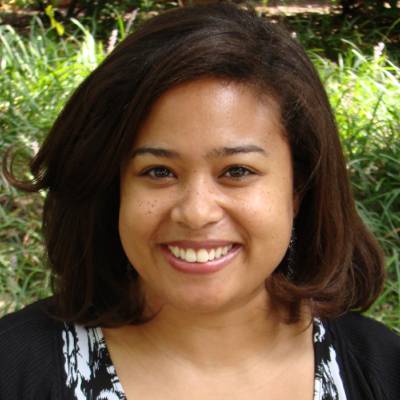
Inga Berre is a Professor at the Department of Mathematics, University of Bergen, and serves as Director of the Center for Modeling of Coupled Subsurface Dynamics (CSD). She leads the Porous Media Research Group and was appointed Argyris Visiting Professor at the University of Stuttgart's SimTech Cluster of Excellence in 2023. Research Interests: Mathematical modeling, partial differential equations, numerical methods for coupled thermo-hydro-mechanical-chemical processes in subsurface systems, and fault reactivation induced by injection/production. Scientific Leadership: Member of SIAM Council (2022-2027), Chair of SIAM GS activity group (2021-2022), Co-Chair of SET-Plan Deep Geothermal Implementation Working Group (2019-2021), and Chair of the Joint Program Geothermal, European Energy Research Alliance (2018-2021). Awards: 2011 Meltzer Award for Young Researchers. Advisory Roles: Member of Scientific Advisory Boards for GFZ (2024-2027) and SFB1313 (2018-), among others. Teaching: Developed courses on calculus, functional analysis, mathematical modeling, and numerical methods at the Bergen Summer Research School.
Mikael B. Skov is a Vice Dean and Professor at the Technical Faculty of IT and Design of Aalborg University , Denmark. His research spans human-AI interaction, robotics, and user experience, with a focus on trust signaling in clinical AI, swarm robotics, and sound zones for domestic environments. Role: Vice Dean for Research Department: Computer Science Research Interests: Skov investigates how humans interact with AI and robots in healthcare and domestic settings, emphasizing trust calibration, alert design, and acoustic comfort. His work includes developing frameworks for UX maturity in robotics organizations and studying long-term adoption of sound zone systems. Recent Projects: As principal/co-investigator, he leads the HERD project on human-AI collaboration in robot swarms (2021–2025) and supervises Data og Bæredygtig Mad (2020–2023), an HCI perspective on sustainable food systems. Publications: His 2024 work includes studies on AI explanations in clinical training, music applications with intermittent interactions, and multi-robot supervision. Earlier projects (2001–2020) focused on mobile device usability, UX practices, and context-aware computing.
Konstantinos Karapiperis is a Tenure Track Assistant Professor at EPFL's Laboratory of Multiscale Modeling of Materials (LMD), within the School of Architecture, Civil and Environmental Engineering (ENAC). His research integrates mechanics , multiscale modeling , and data science to study geomaterials and structural materials. PhD in Applied Mechanics (minor in Applied Mathematics), Caltech Postdoctoral Researcher & Lecturer, ETH Zürich (Marie Skłodowska-Curie Fellowship) Research focuses on granular materials , architected materials , and nonlocal modeling using techniques like Level-Set Discrete Element Method (LS-DEM) and machine learning . Recent work explores fracture control via graph neural networks and thermodynamics-informed models. Selected scientific award: Marie Skłodowska-Curie Fellowship Teaches courses in Soil Mechanics and Multiscale Modeling . PhD students include Thomas Henzel and Hrishikesh Gopakumar Menon. His Data-Driven Mechanics Laboratory (LMD) develops predictive tools for granular and structured material behavior.
Ephrat Livne-Ofer is an Adjunct Professor in the Department of Management and Organizations at the Leonard N. Stern School of Business, New York University, a position she has held since January 2017. She teaches courses at both undergraduate and graduate levels, including Leadership and Management and Organizations. Education: PhD in Management, The London School of Economics and Political Science, 2015 MSc in Employment Relations and Organizational Behavior, The London School of Economics and Political Science, 2008 MBA, Tel-Aviv University, 2005 BA and BSc, Tel-Aviv University, 2002 Her research focuses on the employee-organization relationship, particularly on perceptions of workplace exploitation and their consequences. She has developed a validated scale to measure employee perceptions of exploitation and has demonstrated its negative impact on organizational outcomes and individual well-being. Her work also explores how personality traits influence helping behaviors in organizations. Using both quantitative and qualitative methods, her research contributes to organizational behavior, human resource management, and business ethics. The 15 most recent articles reflect a strong focus on organizational behavior, with recurring themes in workplace exploitation, employee trust, personality influences, and leadership ethics. The keywords span management, psychology, human resources, and ethics, while sub-fields include psychological contracts, organizational justice, prosocial behavior, and ethical leadership. Her publications appear in top-tier journals such as the Academy of Management Journal and Journal of Organizational Behavior . Scientific Service and Engagement: Reviewer, Journal of Organizational Behavior Reviewer, Journal of Business Ethics Reviewer, European Management Review She advises on organizational behavior topics and contributes to academic discourse through peer review and publication. Though no formal grants or student advisees are listed, her scholarly contributions indicate active engagement in research and teaching. She is affiliated with NYU Stern’s academic community and contributes to leadership and management education. Professor Livne-Ofer is involved in research teams focused on organizational behavior and ethics. Her work is often collaborative, involving interdisciplinary approaches to understanding workplace dynamics. She is likely part of research groups examining psychological contracts, employee well-being, and ethical leadership within academic and applied settings.
Professor David Alldred is a Professor of Medicines Use and Safety at the University of Leeds' School of Healthcare, within the Faculty of Medicine and Health. His expertise spans medicines optimisation, patient safety, deprescribing, and care home medication management. He leads key research initiatives such as the NIHR Yorkshire and Humber Patient Safety Research Collaboration's 'Decluttering Safely for Safety' theme and co-leads the School of Healthcare's Quality and Safety research theme. Education: PhD (clinical research on care home medication review), MSc in Clinical Pharmacy, PGCert in Learning and Teaching, and BPharm (Hons). Professional memberships include Fellowships of the Royal Pharmaceutical Society and the Higher Education Academy. Research focuses on improving medication use for older adults in care homes and underserved populations, employing systematic reviews, qualitative studies, and RCTs. Notable projects include the CHUMS study (Department of Health-funded medication error analysis in care homes) and leadership roles in NIHR Programme Grants like CHIPPS and CHARMER. He collaborates with NHS England to implement medicines optimisation programs and co-designed multilingual medication review resources to reduce health inequalities. Awards include the Pharmacy Practice UK Research Award (2015) and NIHR Senior Investigator status (2025). His work emphasizes translating evidence into clinical practice, with over 150 publications and supervising NIHR-funded doctoral students in critical care, diabetes, cystic fibrosis, and geriatrics. Led the Care Homes' Use of Medicines Study (CHUMS), contributed to NICE guidelines for care home medicines management, and developed interventions like the Medicines at Transitions Intervention (MaTI) for heart failure patients. His research themes address polypharmacy reduction, medication safety across care transitions, and pharmacist-led deprescribing strategies.
Calin Belta is the Brendan Iribe Endowed Professor of Electrical and Computer Engineering and Computer Science at the University of Maryland, College Park. He is affiliated with the Institute of Systems Research (ISR) and the Maryland Robotics Center (MRC), and holds a Research Professor position at Boston University's College of Engineering. His work bridges control theory, formal methods, and machine learning to ensure safety in cyber-physical and data-driven systems, with applications in robotics, autonomous driving, and systems biology. Research Interests: Focus on dynamics and control theory, formal methods for verification and control synthesis, robotics, autonomous systems, and synthetic biology. Recent projects include PROGENIC (collaborating with MIT, UChicago, and UDelaware) and safety-critical control for heterogeneous robotic teams. Key Achievements: General Chair of the 2025 MRC Symposium, recipient of AFOSR Young Investigator Award (2008), NSF CAREER Award (2005), and IEEE Fellow. His work on formal methods for autonomous systems has led to impactful tools for safety assurance in robotics and AI. Grants: NSF EFRI PROGENIC grant (2024), multiple industry partnerships. Advising: Mentored students like Wenliang Liu (PhD 2024, now at Amazon), and collaborator Marius Kloetzer (shared HSCC Test of Time Award 2025). Labs/Teams: Maryland Robotics Center, Institute for Systems Research, and Boston University collaborations.
Dr. Pammla Petrucka is a Professor at the University of Saskatchewan's College of Nursing and affiliated with the School of Public Health. A USask graduate with degrees in Nursing (BScN, MN, PhD), she focuses on marginalized populations' health through innovative methodologies like qualitative and mixed methods. Her research emphasizes Women’s Health, Global Health, Menstrual Hygiene Equity, and One Health initiatives. Current projects include improving healthcare accessibility in developing regions and addressing menstrual hygiene disparities. She teaches courses on leadership in nursing, rural nursing practices, and evidence-based health care. Dr. Petrucka’s work has been nationally and internationally funded, supporting collaborative research teams across disciplines. She has authored numerous peer-reviewed publications addressing global health challenges and cultural barriers to healthcare access. Her honors and fellowships reflect recognition for advancing nursing science and public health equity. Grants & Funding: Successfully secured funding at local, provincial, national, and international levels for research projects. Advising: Mentors a large cohort of graduate and undergraduate students in nursing and public health. Labs/Teams: Leads interdisciplinary groups focused on global health equity and maternal-child health interventions. Her sabbatical (July 2024–June 2025) will likely expand her work on One Health innovations and menstrual hygiene advocacy.
Bryon Aragam is an Associate Professor of Econometrics and Statistics and Robert H. Topel Faculty Scholar at the University of Chicago Booth School of Business. His research focuses on the intersection of causality, statistical machine learning, and probabilistic modeling, with particular emphasis on applications to artificial intelligence systems including large language models like ChatGPT and generative models like DALL-E. Dr. Aragam completed his PhD in Statistics and a Masters in Applied Mathematics at UCLA, where he was an NSF graduate research fellow. Prior to joining the University of Chicago, he was a project scientist and postdoctoral researcher in the Machine Learning Department at Carnegie Mellon University. Research Focus: Causal structure learning in probabilistic generative models Key Areas: Causal machine learning, deep generative models, latent variable models, statistical learning theory Applications: AI interpretability, ethics, and fairness in artificial intelligence systems Teaching: Business Statistics, Econometrics and Statistics Colloquium His recent publications demonstrate a strong theoretical foundation combined with practical applications, particularly in understanding and improving AI systems. His work spans causal discovery, graphical models, deep learning, and latent variable modeling, with particular attention to the theoretical properties of these methods and their applications to real-world AI challenges. The research shows a progression toward increasingly complex problems in causal representation learning and AI interpretability. Scientific Awards: Robert H. Topel Faculty Scholar NSF Graduate Research Fellow Dr. Aragam's work has been published in top statistics and machine learning venues including the Annals of Statistics, Neural Information Processing Systems (NeurIPS), the International Conference on Machine Learning (ICML), and the Journal of Machine Learning Research (JMLR). His research group publishes broadly across both statistical and machine learning communities, demonstrating the interdisciplinary nature of his work at the intersection of statistics, machine learning, and causal inference. As a data science consultant for technology and marketing firms, Dr. Aragam has applied his expertise to problems in survey design, customer retention, logistics, and ranking, bridging the gap between theoretical research and practical applications.
Professor Holly Thorpe is a Professor of Sociology in Te Huataki Waiora / School of Health at the University of Waikato, specializing in Sport and Human Movement. She serves as Associate Dean Research in the Division of Health PVC Office and is an internationally recognized sociologist of sport, physical culture and gender whose work has earned prestigious fellowships and awards including Fulbright, Leverhulme, and Royal Society honors. Her educational background includes a PhD from the University of Waikato and Papa Reo Level 1 certification from Te Wananga o Aotearoa, reflecting both academic excellence and cultural engagement with Māori language and knowledge systems. Professor Thorpe's research centers on equity and inclusion in sporting cultures, with particular attention to women's health and wellbeing, sport and gender, and the impact of social media on athletic experiences. She employs critical and feminist theoretical frameworks with expertise in qualitative methods to examine how sport, physical activity, and health intersect in rapidly changing social landscapes. Her work spans gender studies, feminist methodologies, sports science, sociology of health, and digital media studies within sporting contexts, with a strong commitment to community-engaged research. Her extensive publication record reveals consistent thematic focus on contemporary issues including menstruation in sport, digital technologies and athlete experiences, pandemic impacts on wellbeing, and the gendered dimensions of mega-sport events. Her work frequently employs intersectional analysis and collaborates across disciplines to address complex questions about embodiment, identity, and social change in sporting cultures, particularly as they relate to women and marginalized communities. Professor Thorpe's significant scholarly recognition includes: Royal Society Early Career Research Excellence Award for Social Sciences (2018) Fellow of the North American Society for the Sociology of Sport (2018) Royal Society James Cook Fellowship for a two-year project focused on women's wellbeing through and beyond pandemic (2021) She actively supervises students and has secured substantial research funding including the Te Punaha Matatini CORE Research Institute project 'Youth Wellbeing in Uncertain Times: The Voices of Rangatahi from Flood-Effected Tairāwhiti Gisborne' (2023-2025). Professor Thorpe collaborates extensively with international and national sports organizations including the International Olympic Committee, High Performance New Zealand, Sport New Zealand, Skateistan, and Voice in Sport to ensure her research has real-world impact on policy and practice. She serves as Series co-editor for 'New Femininities in Digital, Physical and Sporting Cultures' and maintains active media engagement through The Conversation and other outlets. Professor Thorpe leads several significant research initiatives including 'Reimagining Fields of Play' (2023) and co-organized the 'Gender, Health and Wellbeing Symposium' (2022), demonstrating her commitment to creating spaces for critical dialogue about sport, gender, and health while advancing culturally responsive methodologies that center Indigenous and diverse perspectives.
Adrien Auclert is an Associate Professor in the Department of Economics at Stanford University. He holds prestigious research affiliations including Research Fellow at the Centre for Economic Policy Research (CEPR), Senior Fellow at the Stanford Institute for Economic Policy Research (SIEPR), Research Associate at the National Bureau of Economic Research (NBER), and member of the French Council of Economic Analysis. His research centers on inequality, macroeconomics, and international economics with a focus on heterogeneous-agent models (HANK). He develops computational tools like the Sequence-Space Jacobian to analyze fiscal/monetary policy, debt relief, and global imbalances. His work bridges theoretical macroeconomics with urgent policy questions, particularly examining how distributional heterogeneity shapes aggregate economic dynamics. Recent publications reveal a dominant trend in studying household-level heterogeneity's role in macroeconomic transmission mechanisms. Auclert demonstrates how fiscal stimulus, monetary policy, and trade shocks propagate asymmetrically through income/wealth distributions, with significant implications for inequality dynamics and policy design in open economies. His scientific honors include: Research Fellow, Centre for Economic Policy Research Senior Fellow, Stanford Institute for Economic Policy Research Research Associate, National Bureau of Economic Research Member, French Council of Economic Analysis Auclert actively engages in policy formulation through the French Council of Economic Analysis, co-authoring influential notes on fiscal consolidation and monetary policy. He is co-organizing the upcoming SITE workshop "Macroeconomics in the Sequence Space" at Stanford (September 8-10, 2025), advancing methodological frontiers in heterogeneous-agent modeling.
Virginia Pitzer is a Professor of Epidemiology (Microbial Diseases) at Yale School of Public Health, where she joined as an assistant professor in 2012. She serves as Co-Director of the Public Health Modeling concentration and is an Affiliated Faculty member at the Yale Institute for Global Health. Dr. Pitzer is also a member of the Graduate Studies Executive Committee overseeing the PhD program and currently serves as Co-Editor-in-Chief for PLOS Computational Biology. She has contributed to World Health Organization advisory groups, including the Immunization and Vaccine-related Implementation Research Advisory Committee (WHO IVIR-AC). Dr. Pitzer's research focuses on mathematical and statistical modeling of infectious disease transmission dynamics, with special emphasis on rotavirus, typhoid fever, and Respiratory Syncytial Virus (RSV). Her work examines how interventions such as vaccination, improved treatment of cases, and improvements in sanitation affect disease transmission at the population level. She has published extensively on vaccine effectiveness, transmission patterns across age groups, and the impact of vaccination programs in both high and low-income countries. Her research has significant implications for public health policy and vaccine implementation strategies globally. Dr. Pitzer has received recognition for her scholarly contributions through her editorial role at PLOS Computational Biology and her participation in WHO advisory committees. Her work bridges mathematical modeling with practical public health applications, particularly in global contexts where infectious diseases pose significant challenges. As Co-Director of the Public Health Modeling concentration, Dr. Pitzer plays a key role in training the next generation of researchers in mathematical epidemiology. Her collaborative approach is evident through her numerous co-authored publications with researchers across Yale and international institutions. The Pitzer Lab continues to advance methodologies for modeling infectious disease transmission and evaluating public health interventions.
Heather A. Jones, Ph.D., serves as Associate Professor in the Department of Psychology within Virginia Commonwealth University's College of Humanities and Sciences, holding joint appointments with the Department of African American Studies, Department of Pediatrics, and Institute for Women's Health. As a licensed clinical psychologist in Virginia, she maintains an active research program focused on reducing mental health disparities through culturally responsive interventions. Ph.D. in Psychology, University of Maryland at College Park (2006) Dr. Jones' research centers on three interconnected pillars: Black children and families' mental health, maternal mental health across the perinatal spectrum, and training culturally competent clinical psychologists. Her work specifically examines ADHD manifestations in Black youth, impacts of racial discrimination on adolescent mental health, and integration of behavioral health services within primary care settings. She employs mixed-methods approaches to address systemic barriers in mental healthcare access for underserved communities. Analysis of her 2023-2025 publications reveals consistent emphasis on health equity through studies of cultural competence in cancer survivorship, ADHD treatment representation gaps, and digital interventions for perinatal depression. Her methodological approaches span latent class analyses of service utilization, content analyses of historical research biases, and clinical trials of integrated care models, all contextualized within structural determinants of health. Dr. Jones has received significant recognition for her contributions: VCU College of Humanities and Sciences Distinguished Teaching Award (2023) VCU Department of Psychology Outstanding Mentoring Award (2023) Elizabeth Fries Young Investigator Award (2016) Clinical and Translational Research Award (2016) She actively mentors students, particularly supporting Black graduate trainees in pediatric psychology as evidenced by numerous student co-authorships. As Principal Investigator, she directs the $1.4M HRSA-funded Primary Care Psychology Training Collaborative providing pro bono services to urban Richmond and rural Virginia communities, recently expanded through an additional $1.1M grant serving Latinx immigrants and refugees. Her federally funded work consistently bridges research, clinical service, and community engagement. Dr. Jones co-directs the Families and Mental Health Research Lab and Primary Care Psychology Training Collaborative, leading interdisciplinary teams comprising psychology graduate students, pediatric residents, and community health workers. These initiatives operate within VCU's integrated primary care clinics, focusing on implementation science to scale evidence-based practices for underserved populations while training the next generation of healthcare providers.
Marcel Lubbers is a Professor of Interdisciplinary Social Science: Relations between groups and cultures at Utrecht University's Faculty of Social and Behavioural Sciences. He leads the European Research Centre on Migration and Ethnic Relations (ERCOMER) and serves as a board member of the Interuniversity Center for Social Science Theory and Methodology (ICS). As associate editor of the European Sociological Review (ESR), he significantly influences academic discourse in migration and political sociology. His work represents Utrecht University in the focus area Migration and Societal Change, connecting research with broader societal implications. Professor Lubbers' research program centers on migration's societal impacts, particularly examining how immigration influences nationalism, Euroscepticism, and voting behavior. His work adopts both macro-level perspectives on societal cohesion and micro-level analyses of immigrant integration processes. Recent publications reveal his focus on political extremism, interethnic relations, and the psychological mechanisms behind public attitudes toward migration. His methodology combines large-scale survey analysis, comparative European studies, and longitudinal approaches to track attitude changes over time. Lubbers' scholarly output shows consistent engagement with contemporary political challenges, including analyses of radical right voting patterns, the workplace as a setting for interethnic contact, and the impact of national nostalgia on political attitudes. His research demonstrates methodological sophistication through meta-analyses, mixed-methods approaches, and innovative survey designs like the Dutch Parliamentary Election Study and Dutch Ethnic Minority Election Study. Through web publications on platforms like Stukroodvlees.nl and contributions to the Migration Advisory Council, Lubbers actively bridges academic research and public policy debates. His work provides evidence-based insights on migration policy, electoral behavior, and societal integration that inform both scholarly and policy discussions in the Netherlands and beyond.
Kai A. James is an Associate Professor in the Department of Aerospace Engineering at the University of Illinois at Urbana-Champaign (UIUC), with affiliations in Computational Science and Engineering. He holds a Ph.D. (2012) and M.A.Sc. (2006) from University of Toronto, and B.A.Sc. (2004) in Engineering Science. His research focuses on multidisciplinary design optimization, topology optimization, aeroelasticity, and nonlinear mechanics, with applications to aerospace structures, additive manufacturing, and smart materials. He teaches courses such as Structural Design Optimization (AE 498), Nonlinear Solid Mechanics (AE 598), and Finite Element Analysis (ME 471). His honors include the NSF CAREER Award (2018), Scott White Aerospace Engineering Fellow (2020), and UIUC Teacher of the Year (2017). His work spans academic publications (over 50 journal/conference articles listed) and innovations in topology optimization frameworks for complex systems. Recent research emphasizes bi-stable structures (e.g., cardiovascular stents, morphing airfoils), thermomechanical design of shape-memory alloys, and spatial packing optimization for engineering systems. His lab, located in Talbot Laboratory, develops computational tools for multiphysics and multiscale design optimization.
Lily Hsueh is an Associate Professor of Economics and Public Policy (with tenure) at the School of Public Affairs, Arizona State University (ASU), and a Visiting Scholar at the Woods Institute for the Environment, Stanford University. She is affiliated with multiple research centers, including the Julie Ann Wrigley Global Futures Laboratory, the Center for Environmental Economics and Sustainability Policy, the Center for Organization Research and Design, and the Political Economy Working Group at ASU. She earned her Ph.D. in Public Policy and Management from the University of Washington, an M.S. in Economics from University College London, and a B.A. in Economics from the University of California, Berkeley. Prior to her academic career, she worked as a Senior Analyst at the Federal Reserve Bank of San Francisco. Dr. Hsueh’s research focuses on the intersection of economics, politics, and governance in environmental policy. She investigates how alternative governance systems—such as voluntary programs and market-based mechanisms—affect policy outcomes in areas like climate change, toxic chemicals, and marine resources. Her work emphasizes the role of firms, institutions, and governments in shaping environmental governance and social equity. Her recent publications explore trends in corporate climate disclosure, sustainable public procurement, participatory budgeting, and the health impacts of environmental disasters. These studies employ rigorous econometric methods and contribute to both academic and policy debates on sustainability and governance. Recipient of the 2020–21 AAUW American Fellowship Two-time winner of the Distinguished Teaching Award at ASU (2016–17, 2021–22) Recipient of the 2023 Professor of Impact award (student-initiated) Elected to the APPAM Policy Council (2024–2028) Editorial board member of PLOS Climate Dr. Hsueh has secured research funding from NOAA, the V. Kann Rasmussen Foundation, and ASU. She actively mentors students and junior scholars and is currently completing a book with MIT Press titled Corporations at Climate Crossroads . She also leads curriculum development in economics and public policy at ASU and teaches across undergraduate, master’s, and Ph.D. levels. She is involved in several research teams and initiatives, including the Political Economy Working Group and the Sustainable Procurement Research Group at ASU, and collaborates with interdisciplinary teams at Stanford on climate governance research.