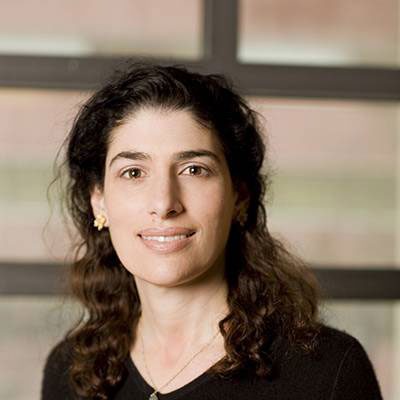
Hilary Ann Coller is a Professor at the University of California, Los Angeles (UCLA), jointly appointed in the Department of Molecular, Cell and Developmental Biology and the Department of Biological Chemistry within the College of Letters and Science. She leads a research laboratory focusing on cellular quiescence, metabolism, and their implications in cancer and disease progression. Her research integrates molecular biology, epigenetics, and systems approaches to study: Transcriptional and epigenetic control of quiescence Metabolic adaptations in tumor microenvironments RNA biology and gene regulation networks Development of biomedical technologies (e.g., biosensors) Recent publications (2022–2025) highlight trends in: Cellular quiescence mechanisms and transcription factor dynamics Cancer epigenetics and metabolic reprogramming Innovative tools for metabolomics and drug monitoring Educational research on remote STEM training programs She directs multiple NIH-funded projects, including R01CA221296 (stromal autophagy in melanoma) and R01GM086465 (microRNA mechanisms). Her lab mentors graduate students and postdocs, and she co-leads UCLA’s Bruins-in-Genomics summer initiative for undergraduate computational biology training.
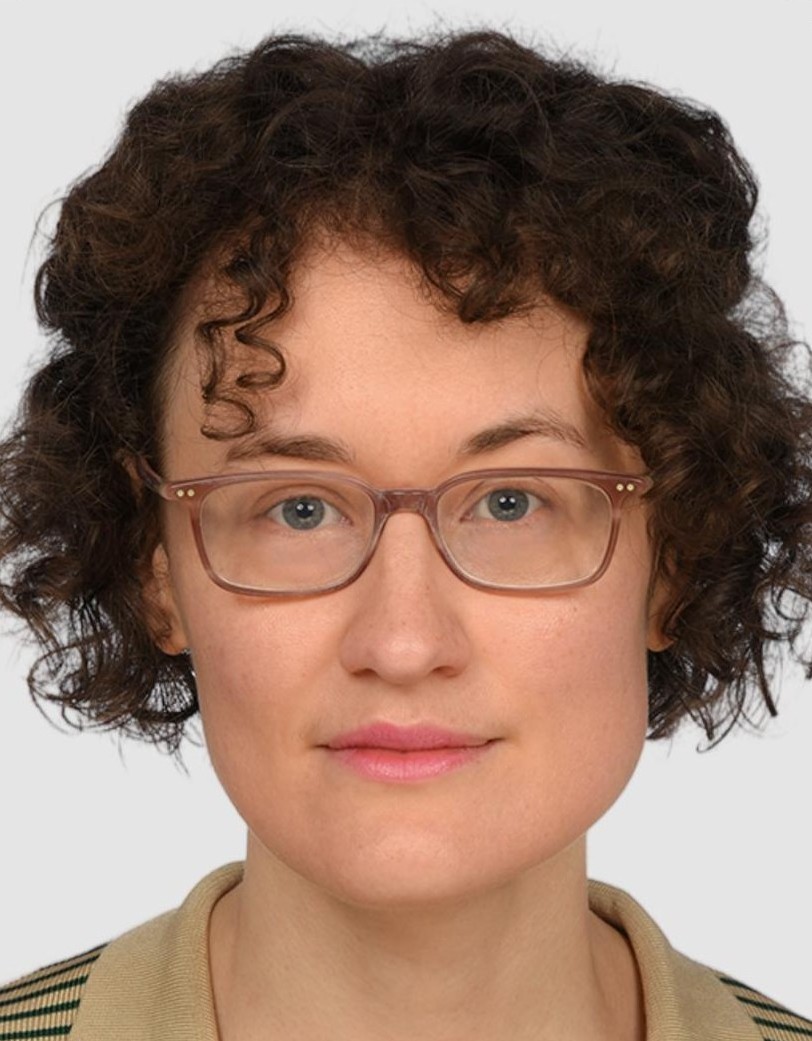
Clarissa Alicia Kroll is a Research Fellow affiliated with the Professorship for Climate Dynamics at ETH Zurich's Department of Environmental Systems Science. Her research focuses on tropical atmospheric circulation, stratospheric water vapor dynamics, and process-based model evaluation. She holds an ETH Postdoctoral Fellowship (2024) and contributes to high-performance computing projects involving km-scale weather and climate simulations on systems like Alps and Daint. Her work spans interdisciplinary fields including climate dynamics, atmospheric chemistry, and medical physics. Key research areas include the impact of volcanic eruptions on stratospheric moisture, hydrometeor transport pathways in the tropical tropopause layer, and improving computational models for MRI-guided radiation therapy. Research Highlights: Analysis of indirect stratospheric moisture changes post-volcanic eruptions Development of high-resolution climate models (ICON-Sapphire) Investigation of spatial distortion effects in medical imaging Publications reflect her dual expertise in climate science and medical physics, with recent contributions to Communications Earth and Environment , Environmental Research Letters , and Geoscientific Model Development . She actively collaborates with global research networks on both climate systems and computational healthcare technologies.
Nina Dronkers is an Adjunct Professor in the Department of Neurology at the University of California, Davis, and a Visiting Scientist in the Department of Psychology at UC Berkeley. Her academic career spans over four decades, with expertise in cognitive neuroscience, aphasia, and neurodegenerative disorders. She has held roles as Director of the Center for Aphasia and Related Disorders at the VA Northern California Health Care System and served as President of the Academy of Aphasia and the Society for the Neurobiology of Language. Dr. Dronkers earned her A.B. in Linguistics, M.A. in Educational Psychology, and Ph.D. in Neuropsychology, all from UC Berkeley. Her research focuses on brain-language relationships, including cerebral localization of language functions using advanced neuroimaging techniques. She pioneered studies on aphasia recovery, the neural basis of speech production, and the role of white matter pathways in language disorders. Her work bridges clinical and experimental neuropsychology, with over 100 peer-reviewed publications. Notable contributions include the discovery of the insula’s role in articulation and the re-examination of historical cases like Leborgne (Broca’s Patient) using modern MRI. She has led numerous NIH- and VA-funded grants, mentored dozens of students and fellows, and received prestigious awards such as the VA Research Career Scientist Award and Contra Costa County’s 'Woman of the Year.' Dr. Dronkers has advised over 30 graduate students and postdoctoral fellows, contributing to their success in neuropsychology and neurology. Her labs and collaborations span institutions like UC San Diego, UCSF, and the Max Planck Institute, advancing interdisciplinary research in neurodegenerative diseases and language rehabilitation.
Javier Vela is a University Professor and Associate Chair of the Department of Chemistry at Iowa State University, where he also serves as a faculty scientist with the Ames National Laboratory. His research program focuses on the synthesis and characterization of nanostructured materials with applications in energy conversion, chemical catalysis, and fluorescence imaging, with over one hundred peer-reviewed publications and patents to his name. Dr. Vela received his educational training at prestigious institutions: B.S. (with Honors) in Chemistry from UNAM (2001) M.S. in Chemistry from University of Rochester (2003) Ph.D. in Chemistry from University of Rochester (2005) Following his doctoral studies, he completed postdoctoral research at the University of Chicago and Los Alamos National Laboratory before joining Iowa State University in 2009, where he received tenure in 2015, became a full professor in 2019, and was named University Professor in 2020. Dr. Vela's research program centers on the development of novel nanomaterials, particularly focusing on: Synthesis of nanostructured materials for energy applications Development of inorganic compounds for chemical catalysis Design of fluorescent materials for imaging applications Surface chemistry and structural characterization of nanocrystals Lead-free semiconductor materials for sustainable technologies Advanced solid-state NMR techniques for nanomaterial characterization His group employs a range of advanced techniques including solid-state NMR spectroscopy, dynamic nuclear polarization, and computational methods to understand nanomaterial structure-property relationships at the atomic level. Analysis of Dr. Vela's recent publication record reveals a strong focus on advanced materials characterization techniques, particularly solid-state NMR applications to nanomaterials. His work spans multiple disciplines including materials science, analytical chemistry, and environmental chemistry, with particular emphasis on sustainable energy solutions and advanced characterization methods. A significant portion of his recent work addresses challenges in nitrate reduction for sustainable ammonia production and the development of lead-free semiconductor alternatives through innovative synthesis approaches. Dr. Vela has received numerous prestigious awards and honors: Fulbright Scholar in Italy (2024) ACS Fellow (2021) John D. Corbett Endowed Professor (2020-2023) AAAS Fellow (2018) NSF CAREER Award (2013) Multiple LAS awards including Cassling Innovator (2018) and Early Achievement in Research (2014) ACS Midwest Stanley C. Israel Award (2014) As an educator and mentor, Dr. Vela has directed twenty doctoral and four master's theses while successfully mentoring numerous undergraduate researchers, including three NSF graduate research fellowship awardees. His research has been supported by significant funding including the NSF CAREER Award and various other grants that have enabled his group to investigate nanostructured materials for energy conversion, chemical catalysis, and fluorescence imaging applications. His service to the chemical community includes serving as Councilor for the Ames local section of the American Chemical Society, Program Chair for the Midwest Regional Meeting in 2018, and Treasurer of the Division of Inorganic Chemistry. Dr. Vela leads an active research group focused on inorganic and materials chemistry, with strong connections to the Ames National Laboratory where he has been a faculty scientist since 2010. His group collaborates extensively with researchers across disciplines to address challenges in sustainable energy and advanced materials development, maintaining an active presence in the scientific community through publications, conference presentations, and editorial board service for journals including ACS Energy Letters, Chemistry of Materials, and ACS Applied Engineering Materials.
Max Besbris is Associate Chair and Associate Professor of Sociology at the University of Wisconsin-Madison. His research examines how individuals make decisions in economic markets, how these decisions are affected by social interactions, and their impact on racial and socio-spatial inequalities, with particular focus on housing, neighborhoods, and the effects of climate change on real estate values and residential decision-making. Education: Ph.D. in Sociology from New York University (2017). Research interests span multiple sociological domains: Communities and Urban Sociology: Studies how neighborhood dynamics shape social outcomes Demography and Ecology: Analyzes population patterns and environmental interactions Economic Sociology: Investigates social dimensions of economic transactions Social Stratification: Examines systems of inequality and mobility Climate Change Impacts: Focuses on environmental effects on housing markets His recent publications demonstrate a consistent focus on housing markets, neighborhood effects, and inequality mechanisms. The research shows strong thematic convergence around rental market dynamics, disaster impacts on housing, segregation mechanisms, and market intermediaries. Spatial inequality and discrimination emerge as persistent concerns across multiple studies. Dr. Besbris holds affiliations with several university research centers including the Center for Demography and Ecology, Center for Financial Security, and Institute for Research on Poverty.
Qiongshi Lu is an Associate Professor at the University of Wisconsin–Madison, affiliated with the Department of Biostatistics and Medical Informatics within the School of Medicine and Public Health. He also holds affiliate faculty positions in the Department of Statistics, Computer, Data & Information Sciences at the College of Letters and Science. His research focuses on developing statistical methods for human genetics, including genome-wide association studies (GWAS), gene-environment interactions, and genetic risk prediction. Lu’s work bridges computational biology, epidemiology, and clinical genetics, with a particular emphasis on understanding complex trait variability and resilience mechanisms in neurodegenerative diseases like Alzheimer’s. His lab (qlu-lab.org) explores innovative statistical frameworks such as PIGEON for gene-environment interaction analysis and has contributed to tools like the R package 'ipd' for predictive data inference. Recent studies highlight his interdisciplinary approach, addressing topics from congenital heart disease genetics to socioeconomic health gradients using large-scale genomic datasets. While no formal advisees are listed, his research collaborations span multiple institutions and disciplines.
Asier Altuna Garcia De Salazar is an Associate Professor at the University of Deusto, affiliated with the Faculty of Philosophy and Letters. He teaches at the Bilbao campus, focusing on Modern Languages, Vasque Language and Culture, and English Studies. His courses include Unseen Translation , Socio-cultural History of the Arts through Literature , and English Poetry and Drama , all taught in English, alongside Academic Writing at the doctoral level. His research primarily explores Irish Literature, with recent work addressing transculturalism, dysfunctional families, silence in cultural practices, and Basque representations in Irish literature. Education: Licenciado and PhD in Philosophy and Letters (English Philology) from the University of Deusto. Research Contributions: He participates in projects like INTRUTHS 2: Articulations of Individual and Communal Vulnerabilities in Contemporary Irish Writing (PID2020-114776GB-I00) and prior initiatives such as MINECO’s FFI2017-84619-P and FFI2011-23941. He has also contributed to European Union-funded projects like SPEAQ and TUNING initiatives aimed at enhancing higher education quality and cross-cultural academic frameworks. Labs/Teams: Member of the Comunicación y Género research group. Additional interests include academic writing pedagogy and language tutorials.
Elena Panteley is a Research Director at the CNRS and a member of the Laboratoire des Signaux et Systèmes (L2S) at CentraleSupélec. She holds a PhD in Applied Mathematics from Saint Petersburg State University (1997) and has extensive experience in research, including roles at the Institute of Problems in Mechanical Engineering, Russian Academy of Sciences (1986–1998). She co-chairs the International Graduate School of Control at the European Embedded Control Institute (EECI-IGSC) and serves as a Book-reviews Editor for Automatica and Associate Editor for IEEE Control Systems Letters . Education: PhD in Applied Mathematics, Saint Petersburg State University, 1997 MSc/BSc in relevant fields (implied by career progression) Research Interests: Focuses on stability and control of nonlinear dynamical systems, networked systems, multi-agent systems, and their applications. Her work emphasizes robust control, consensus algorithms, synchronization, and distributed control strategies for autonomous systems. She explores theoretical frameworks like Lyapunov methods and adaptive control, with practical applications in robotics and communication networks. Publications: Over 100 peer-reviewed articles in top journals like IEEE Transactions on Automatic Control and Automatica . Recent trends include advancements in consensus algorithms for multi-agent systems, synchronization of nonlinear oscillators, and control under communication delays. Awards: No specific awards mentioned, but contributions to control theory and networked systems are widely recognized. Grants/Advising: Leads research on adaptive control, network synchronization, and robotics. Collaborates internationally and advises on projects involving autonomous vehicles and distributed systems. Labs/Teams: Active in L2S and affiliated with CNRS, contributing to teams like MODESTY, COMEDY, and SYCOMORE. Engaged in transverse research on energy, industry automation, and healthy systems.
Vanessa Woods is an Associate Teaching Professor in the Department of Psychological & Brain Sciences at the University of California, Santa Barbara (UCSB), within the College of Letters & Science. Her primary focus is teaching and undergraduate research mentorship. She earned her BS in Biopsychology and Ph.D. in Neuroscience (Behavioral Pharmacology emphasis) from UCSB. Education: BS in Biopsychology, PhD in Neuroscience (UCSB) Her research through the ACCESS Lab examines factors influencing student success in academic settings, with a focus on: Active learning techniques in STEM Mentoring's role in student achievement Increasing underrepresented student participation in STEM K-12 student identity development as scientists Key achievements include securing a $3M Department of Defense grant for SciTrek-BioTech (as part of a university-wide team) and winning the UCSB Distinguished Teaching Award. She actively engages undergraduates as research assistants in her lab, emphasizing year-long commitments and independent work. Grants: $3M DoD Grant (2021), APA Conference Grant (2021) The ACCESS Lab collaborates on initiatives like the 2025 Western Psychological Association conference and maintains a lab space in 3811 Psychology East.
Christopher V. Trinacty is an Associate Professor of Classics at Oberlin College, affiliated with the College of Arts and Sciences. He holds a PhD from Brown University (2007), MA from the University of Arizona (2000), and BA from Pitzer College (1996). His primary research focuses on Seneca the Younger, particularly his tragedies and Naturales Quaestiones , exploring Stoic philosophy and intertextuality with Augustan poets like Horace, Virgil, and Ovid. He has published a commentary on Seneca’s Natural Questions and contributed to volumes such as C.H. Sisson Reconsidered . Trinacty teaches Latin and Greek language, Roman history, and courses integrating public humanities projects, such as an Ancient Science class website . He curated an exhibition on the island of Aegina at Oberlin’s Terrell Library and actively presents at international conferences (e.g., University of Athens, University of Cincinnati). His work bridges classical literature with modern interpretations, as seen in studies linking Seneca to contemporary media like Batman. Education: PhD in Classics, Brown University, 2007 MA in Classics, University of Arizona, 2000 BA in Classics, Pitzer College, 1996 Research Interests: Senecan tragedy and philosophy, Augustan poetry reception, Stoic natural science, intertextuality in Roman literature, ancient science communication, and digital humanities. Recent Scholarly Work: Explores Seneca’s engagement with Augustan literary tradition, the impact of natural disasters on Stoic thought, and cross-media adaptations of classical myths. Key publications include Senecan Tragedy and the Reception of Augustan Poetry (2014) and commentary on Seneca’s Natural Questions (2022). Labs/Teams: Leads Oberlin Classics’ public humanities initiatives, including student-driven commentaries and digital projects like Horace’s Epistles website.
Judith Butler is the Maxine Elliot Professor in the Department of Comparative Literature and the Program of Critical Theory at the University of California, Berkeley, and holds the Hannah Arendt Chair at The European Graduate School / EGS. She is one of the most influential philosophers and critical theorists of our time, known for her groundbreaking work on gender, sexuality, and political philosophy. Butler's academic journey began with a PhD in philosophy from Yale University in 1984, following studies at Bennington College and a Fulbright Scholarship to Heidelberg University. She has taught at Wesleyan University, George Washington University, Johns Hopkins University, and Columbia University before joining UC Berkeley in 1998. Her research interests span multiple interconnected fields: Gender and Queer Theory - particularly the concept of gender performativity that revolutionized feminist and LGBTQ+ studies Ethics and Political Philosophy - focusing on vulnerability, precarity, and relationality Critical Theory - examining power structures and social norms Philosophy of Language - exploring the performative aspects of speech and discourse Contemporary Jewish Thought - particularly critiques of Zionism and explorations of binationalism Political Resistance - analyzing forms of collective action and public assembly Butler's work has evolved from her early focus on gender performativity to increasingly address questions of ethics, vulnerability, and political resistance. Her concept of 'precarious life' has become central to contemporary discussions of human rights, war, and social justice. More recently, she has focused on the political dimensions of public assembly and collective action. Her influential contributions have been recognized through numerous academic invitations and her position as one of the most cited humanities scholars worldwide. Butler has been actively engaged in socio-political discourse beyond academia, particularly on issues related to: Palestine-Israel relations and critiques of Zionism Human rights and the ethics of war LGBTQ+ rights and gender identity Freedom of speech and censorship Religion in the public sphere
Dr. Jennifer Thigpen is an Associate Professor of History and Vice Chancellor for Academic Affairs at Washington State University (WSU). She also serves as Director of Learning Innovations at the Global Campus and Director of ADVANCE WSU, which focuses on institutional transformation in higher education. Her research explores 19th-century U.S. history with a focus on women and gender, the U.S. West, and colonialism. Education: Ph.D. in History from the University of California, Irvine (2007). Research Interests: Dr. Thigpen’s work examines intersections of gender, empire, and colonialism in Pacific and Western U.S. contexts. She has published widely on missionary networks, indigenous resistance, and gendered dynamics in colonial settings. Her book Island Queens and Mission Wives (2014) redefined understandings of Hawaiian-Pacific history through a gendered lens. Awards: Recipient of the William F. Mullen Teaching Award (2023), Excellence in Institutional Service Award (2023), and multiple fellowships including the James H. Bradley Fellowship (2020) and Jensen-Miller Award (2011). Administrative Roles: In addition to her faculty role, she leads initiatives to enhance academic innovation and equity through her directorships. Her work at ADVANCE WSU emphasizes systemic change in STEM fields.
Arturo Orellana is a Full Professor in the Department of Chemistry at York University, specializing in organic synthesis, catalysis, and medicinal chemistry. His research focuses on natural products synthesis, development of new synthetic methods, and heterocyclic compounds with therapeutic potential. He leads the Orellana Lab, actively mentoring graduate and undergraduate students. Key affiliations include the Faculty of Science and collaborations with institutions like Roche. Education details are not explicitly provided, but his professional trajectory includes extensive academic and industrial engagement. His research aligns with UN goals for health and sustainable consumption. Recent work includes publications in Organic Letters , Organic Process Research and Development , and Science Signalling . Students supervised include PhD candidates like Jiaqi Shi and Faizan, along with M.Sc. students such as Abel, Matthew, and Bill. His lab hosts postdoctoral researchers like Dr. Andrei Nikolaev and undergraduates like Natasha. No scientific awards are listed, but his work emphasizes impactful contributions to organic chemistry and drug discovery. Research grants and funding sources are not detailed, but his group's activities include sabbatical work, international presentations (e.g., at Roche, University of Zurich, and University of Paris), and active participation in conferences like the International Congress for Heterocyclic Chemistry. The Orellana Lab collaborates widely, with projects involving reaction development, natural product synthesis, and applications in medicinal chemistry. Future work likely focuses on expanding synthetic methodologies and translating discoveries into therapeutic applications.
Emilia Kilpua serves as Professor in Space Physics at the University of Helsinki since 2020, following her progression from University Lecturer (2015) to Associate Professor (2015-2020). She currently leads the Doctoral Programme in particle physics and universe sciences, co-leads the Academy of Finland Center of Excellence in Sustainable Space (2018-2026), and coordinates the Marie Skłodowska-Curie SWATNET network (2021-2025). Her academic foundation includes a PhD in theoretical physics (space plasma physics) from the University of Helsinki (2005), with formative research at Max-Planck-Institute of Aeronomie and NASA Goddard Space Flight Center during doctoral studies. Professor Kilpua's research program centers on solar-terrestrial interactions , with particular emphasis on: Coronal mass ejections and solar eruptions in interplanetary space Solar wind-magnetosphere coupling mechanisms Van Allen radiation belt dynamics and geomagnetic storm evolution Space weather forecasting and auroral phenomena Her extensive publication record (approximately 200 peer-reviewed articles, 6400+ citations, h-index 43) demonstrates consistent contributions to space physics, recently expanding to planetary science through her 2023 appointment as Principal Investigator for the BepiColombo solar X-ray instrument targeting Mercury observations in 2025. Major recognitions include: Väisälä Prize from the Finnish Academy of Science and Letters (2021) Membership in the Finnish Academy of Science and Letters (2020) and Finnish Society of Sciences and Letters (2023) ERC Consolidator Grant funding excellence (2016) As Doctoral Programme Head, she oversees PhD training in particle physics while leading major collaborative initiatives including the Academy of Finland Center of Excellence and EU SWATNET network. Her grant portfolio demonstrates exceptional success in securing competitive funding for space weather research and instrumentation development. Her research group operates within the Academy of Finland Center of Excellence framework, focusing on space weather impacts and sustainable space operations, with current instrumentation development highlighted by the BepiColombo mission leadership.
Dr. Lin Xu is an Associate Professor at the Optoelectronics Research Centre (ORC), University of Southampton. His expertise lies in Fibre Lasers and Nonlinear Optics, focusing on mode-locked fibre lasers, mid-infrared systems, and biomedical applications. He leads or co-leads research projects with total funding exceeding £8M, including initiatives like 'Transformative Healthcare 2050' and 'EVacuAted OptiCal Fibres'. Education: PhD in Laser Engineering from Shanghai Institute of Optics and Fine Mechanics (2012). Joined ORC in 2013. Research: Active in pulsed fibre lasers, nonlinear amplification, and mid-IR technologies. Key interests include Ytterbium/Thulium systems, optical parametric devices, and applications in multiphoton imaging and laser surgery. Recent work emphasizes ultrafast lasers and biomedical integration. Publications: Recent studies cover femtosecond thulium lasers, hollow-core fibre oscillators, and Raman amplification in silicon core fibres. Articles span Optics Letters , Optical Engineering , and Light: Science & Applications . Grants & Leadership: Managed over £8M in grants as PI/Co-I. Serves as Review Editor for Frontiers in Photonics and on OPTICA's Nonlinear Optics Technical Group. Labs & Teams: Member of Gas Photonics in Hollow Core Fibres and Pulsed Fibre Lasers groups. Collaborates on interdisciplinary projects bridging photonics and biomedicine.