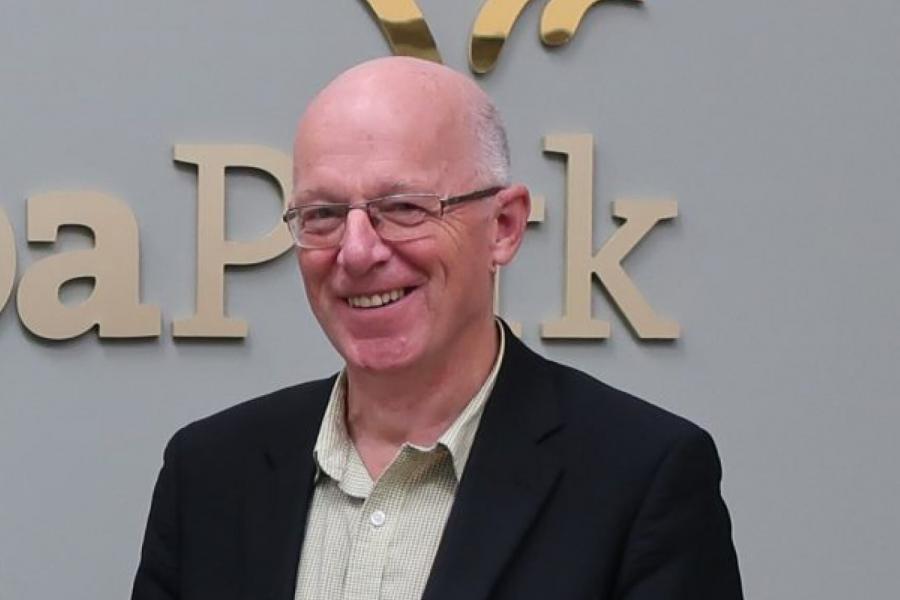
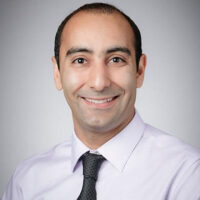
Sushmita Roy is a Professor at the University of Wisconsin–Madison, affiliated with the Department of Computer Sciences and the College of Letters and Science. Her research focuses on developing computational methods in statistical machine learning to understand gene regulatory networks in living cells, particularly under environmental, developmental, disease, and evolutionary contexts. She explores bulk and single-cell genomic data integration to study processes like cell fate specification, host-microbe interactions, and diseases such as cancer and neurodevelopmental disorders. Her work emphasizes three key areas: inference of genome-scale transcriptional networks, evolutionary analysis of regulatory networks, and 3D genome organization dynamics. Roy’s lab collaborates across disciplines, leveraging genomic data from plant and mammalian systems. She has contributed to methodologies for analyzing chromatin accessibility, single-cell profiling, and network-based models of pathogen systems. Her affiliations include Wisconsin Institutes for Discovery, and she is a leader in computational biology and systems genomics research.
Mehdi Abdollahi is an Associate Professor at Chalmers University of Technology's Department of Food and Nutrition Science. His research focuses on alternative proteins, food biotechnology, and plant-based hybrid foods, with emphasis on sustainable utilization of food side streams, legumes, cereals, and microalgae as future protein sources. Develops pH-shift technology and ultrasound-assisted methods for protein extraction Specializes in hybrid food engineering via fermentation and biorefinery Works on 3D food printing and high-moisture extrusion for food analogs Researches collagen and biobased food packaging materials His work includes >100 peer-reviewed publications, 4 book chapters, and 3 patents. Current projects involve collaborations with Arla Foods, Lantmännen, and Nordic Seafarm, addressing sustainable seafood systems and plant-protein hybridization. 2024 Bertebos Prize recipient 2025: Recognized among Sweden's Top 101 Sustainability Figures Mentors 7 PhD students and 3 postdocs while collaborating with European institutions like Kristianstad University and Ankara University. His group explores biorefinery strategies, hybrid food functionality, and innovative packaging solutions.
Simone Fior is a Lecturer at the Department of Environmental Systems Science , ETH Zürich , focusing on ecological genetics and plant adaptation. Their research integrates genomic, quantitative genetics, and ecological field experiments, particularly on Dianthus (Caryophyllaceae) along altitudinal and climatic gradients. Recent work explores climate-induced range shifts, local adaptation, and genomic responses to environmental changes. Professional experience includes roles at ETH Zürich since 2013 (Senior Assistant, Postdoc) and prior positions at the Edmund Mach Foundation (2009-2012) and University of Insubria (2007-2008). Education spans a PhD in Plant Biology (University of Milan, 2007) and an MSc in Natural Sciences (University of Milan, 2003). Simone co-organizes the Bioinformatics for Adaptation Genomics Winter School . Key research areas include adaptive divergence , polygenic adaptation , climate change biology , and phylogenomics . Articles emphasize genomic selection signatures, functional-structural modeling, and ecological-genetic interactions. Notable collaborations involve Jake Alexander, Alex Widmer, and interdisciplinary teams at ETH Zurich.
Tara Garnett serves as Director of TABLE, a global knowledge platform for food systems analysis hosted by the Environmental Change Institute within the School of Geography and the Environment at the University of Oxford. TABLE operates as a collaboration between the University of Oxford, Wageningen University & Research, and the Swedish University of Agricultural Sciences, facilitating evidence-based dialogue on sustainable food futures. Her research interrogates the complex intersections between food systems, climate change, public health, and sustainability, with particular focus on livestock as a critical nexus point. Garnett investigates how scientific knowledge is translated across policy, civil society, and industry contexts, emphasizing the diverse values stakeholders bring to food system challenges. Her work consistently advocates for systems-thinking approaches that recognize the interconnected nature of food-related problems. As a fellow of the Oxford Martin School and co-investigator on the Wellcome Trust-funded Livestock, Environment and People (LEAP) project, she contributes to high-impact research at the food-environment-health interface. Her publication portfolio reveals evolving research trajectories from early climate-food connections toward contemporary explorations of alternative proteins, regenerative agriculture, and the political economy of food system transformation. Recognition Oxford Martin School Fellowship Garnett's leadership through TABLE exemplifies her commitment to creating spaces for inclusive, evidence-informed dialogue about building food systems that are sustainable, resilient, and just. Her work consistently bridges academic research and practical application, emphasizing that context-specific solutions and multi-stakeholder engagement are essential for meaningful food system transformation.
Adane Tilahun Getachew serves as an Associate Professor at the National Food Institute, Technical University of Denmark (DTU), specializing in bioactive compounds analysis and application within food science. His research integrates green extraction technologies with sustainable food processing to valorize marine and agricultural byproducts. His primary research interests focus on antioxidant mechanisms , bioactive compound recovery , and advanced extraction methodologies including supercritical fluids and subcritical water processing. Key application areas include marine lipid extraction from invasive species like starfish and round goby, plant protein isolation from legumes and lupin seeds, and stabilization of omega-3 enriched food products. His work directly contributes to UN Sustainable Development Goals through waste reduction and sustainable resource utilization. Analysis of his 15 most recent publications reveals a strong emphasis on extraction optimization (particularly supercritical CO 2 and pressurized liquid methods), marine bioactives (seaweed, starfish, shrimp waste), and food product development (mayonnaise, packaging films, protein concentrates). Dominant themes include response surface methodology applications, seasonal variation impacts on bioactive yields, and techno-functional properties of extracted compounds. His collaborative projects demonstrate extensive interdisciplinary work across European research initiatives: SUSTAINABLE JET FUELS (2024-2027): Micro-algal cell factories for zero-waste aviation fuel GrExOmega (2022-2025): Green extraction of omega-3 from invasive marine species AlgaeVita (2025-2027): Biofortified algae ingredients rich in vitamin D3 and omega-3 SBbioact (2019-2022): Biorefinery of Nordic brown algae bioactives Dr. Getachew leads research on sustainable food systems with emphasis on waste valorization and green processing technologies, maintaining active collaborations with multiple European institutions through DTU's National Food Institute infrastructure.
Dr. Cristina Rosell is a Professor and Head of the Department of Food and Human Nutritional Sciences at the Faculty of Agricultural and Food Sciences, University of Manitoba. Her research focuses on grain-based food innovation, starch properties, and sustainable bakery processes. Education: PhD and BSc in Pharmacy from Universidad Complutense de Madrid, Spain Dr. Rosell specializes in cereal science, enzymatic food modification, and gluten-free product development. Her current projects include optimizing bakery processes with computational tools, tracing rice supply chains via blockchain, and integrating bioactives into gluten-free foods. Her work bridges food chemistry, nutritional science, and industrial bakery technology. Her recent research trends emphasize gluten-free bread using legume and root starches, starch-plant compound interactions , and sustainable food processing via microwave-assisted extraction, high-pressure treatments, and fermentation. Key subfields include dough rheology, polyphenol bioactivity, and techno-functional ingredient development. Dr. Rosell’s teaching includes graduate seminars in food science (HNSC 7130). She supervises graduate students in breadmaking, starch hydrolysis, and functional food design. Her lab explores grain quality, enzymatic treatments, and bakery product optimization through interdisciplinary approaches combining chemistry, nutrition, and process engineering.
Dr. Joseph Dumpler is a Lecturer at the Department of Health Sciences and Technology at ETH Zürich, specializing in Sustainable Food Processing. He holds a PhD in Dairy Science and Technology from the Technical University of Munich, Weihenstephan, with a focus on UHT treatment of concentrated milk. His work emphasizes advancing food processing technologies, particularly in protein refinement, non-thermal methods, and membrane filtration. Educations: PhD in Dairy Science and Technology, Technical University of Munich, Weihenstephan (2017) MSc Food Engineering, Technical University of Munich, Weihenstephan His research interests include Natural Deep Eutectic Solvents (NADES) for plant protein extraction, microwave vacuum drying of dairy products, and membrane filtration optimization for microalgae and dairy systems. He has pioneered methods to refine rapeseed and pea proteins while minimizing antinutrients, and his work on microfiltration of milk products addresses emerging microbial risks. Key contributions span kinetic modeling of heat-induced protein aggregation, sustainable food processing , and non-thermal concentration techniques . His articles reflect a focus on bridging lab-scale innovations with industrial applications. Awards: J.T.M. Wouters Young Scientist Award Julius Maggi Research Award (2018) Best PhD Thesis Award from the Association of Dairy, Food and Biotechnologists (Weihenstephan) Dr. Dumpler collaborates with industry partners to translate research into scalable processes, such as NADES-based protein extraction and microwave drying systems. His current role at ETH Zürich’s Sustainable Food Processing Lab (Prof. Mathys) focuses on plant-based meat analogs and novel protein refining concepts .
Eduardo Mercado III is a Professor in the Department of Psychology at the University at Buffalo, College of Arts and Sciences. His research focuses on bioacoustics, cognitive psychology, and marine ecology, particularly the vocal behavior of humpback whales and its implications for understanding human impact on marine ecosystems. He is also known for his work in perceptual learning, autism spectrum disorder, and comparative cognition. Scientific Awards Guggenheim Fellowship Harvard Radcliffe Institute Fellowship Research Trends His recent publications emphasize bioacoustic analysis of humpback whale songs, including their spectral entropy, cyclical variations, and adaptive adjustments to anthropogenic noise. Additional work explores perceptual learning mechanisms in autism, neural network modeling for acoustic classification, and cognitive processes in canines and rodents. Projects Mercado’s “Singers as Sentinels” project combines acoustic analysis of humpback whale songs with public awareness initiatives about ocean noise pollution. The project will produce a book, Why Whales Sing and Dolphins Don’t , and a web-based interface for public engagement.
Dr. Lesley Batty is a Reader in Ecological Education at the School of Geography, Earth and Environmental Sciences, University of Birmingham. She plays key leadership roles as Head of Wellbeing and Head of Employability and Placements within the School, reflecting her strong commitment to student development and inclusive education. Her educational background includes a PhD from the University of Sheffield, an MRes and BSc from the University of Reading, and a Postgraduate Certificate in Learning and Teaching from the University of Birmingham. She is a Senior Fellow of the Higher Education Academy and a HEFi Scholar, underscoring her excellence in teaching. Dr. Batty's research centers on the ecology of industrial pollution, particularly in post-mining landscapes. She investigates phytoremediation techniques for contaminated soils, focusing on heavy metals and polycyclic aromatic hydrocarbons (PAHs). Her work extends to ecological education, where she explores inclusive teaching practices, barriers in STEM laboratories, and the integration of employability skills into the curriculum. She is actively involved in national educational policy through her role as Lead Secretary of the British Ecological Society Special Interest Group in Teaching and Learning and as an Associate Editor for the Journal of Geochemical Exploration. Her recent publications reveal a dual focus: one stream on environmental contamination and remediation (e.g., metal and PAH pollution in brownfield sites, phytoremediation with bacteria and chelates), and another on innovative pedagogy in geography and ecology (e.g., virtual field trips, inclusive lab practices, and the future of fieldwork education). This reflects her unique position at the intersection of environmental science and educational leadership. Senior Fellow of the Higher Education Academy (HEA) HEFi Scholar Lead Secretary, British Ecological Society Special Interest Group in Teaching and Learning Dr. Batty is a dedicated educator and researcher who bridges the gap between environmental science and pedagogical innovation. She has made significant contributions to both her field of research and the national discourse on ecological education. Her leadership in student wellbeing and employability, combined with her research on pollution and inclusive learning, demonstrates a holistic approach to academic life. She actively supervises research, as evidenced by her co-authorship with doctoral researchers, and welcomes PhD applications in her areas of expertise. She is a key member of several research groups, including those focused on Physical Geography, Global Biogeochemistry, and Environmental Health Sciences at the University of Birmingham. Her collaborative work, especially in large consortia on conservation education, highlights her strong network and impact in the academic community.
Mari Sandell is a Professor in Sensory Food Science at the University of Helsinki's Faculty of Agriculture and Forestry, Department of Food and Nutrition. She also holds a professorship in Sensory Perception at the University of Turku's Faculty of Medicine. Her research focuses on sensory science, multisensory perception, and individual differences in food experiences. She has a PhD in food chemistry and has conducted postdoctoral research at the Monell Chemical Senses Center in the U.S. Education: PhD in Food Chemistry (University of Turku), Adjunct Professorship in Flavor Chemistry. She has completed certifications in university pedagogy and academic leadership. She is affiliated with the Functional Foods Forum at the University of Turku and chairs the Food Culture Society in South-West Finland. Research Interests: Sensory-based food education, plant-based food development, sustainable food systems, taste sensitivity, and the role of sensory perception in eating behavior. Her work bridges basic research and applied food science, with a focus on translating findings into practical solutions for food industry and education. Awards: Polak Young Investigator Award (2006), Academy of Finland Award for Social Impact (2012), and Docent of the Year (2017). Grants & Projects: Principal investigator in multiple Academy of Finland and Business Finland grants. Active in EU-funded initiatives like EIT Food projects (e.g., Fullprotein, 4Innopipe2). Her research addresses sustainability, food innovation, and sensory science challenges. Labs/Teams: Leads the Senses and Food research team ('Sandell Lab'), exploring multisensory perception and sustainable food solutions. Collaborates with industry and academic partners in Finland and internationally.
Mehdi Kabbage is a Professor and Director of Graduate Studies in the Department of Plant Pathology at the University of Wisconsin-Madison . His research focuses on necrotrophic fungal pathogenesis, particularly the role of oxalic acid and programmed cell death (PCD) in plant-pathogen interactions. He teaches courses in fungal biology and plant-microbe interactions. Education : Ph.D. in Plant Pathology (Kansas State University), M.S. in Plant Pathology (Kansas State University), B.S. in Engineering (Ecole d'Ingénieurs de Purpan, France) Dr. Kabbage investigates how Sclerotinia sclerotiorum manipulates plant PCD through oxalic acid secretion and explores strategies to inhibit this process for crop protection. His work spans molecular mechanisms of fungal virulence, plant stress tolerance, and genetic resistance in soybeans. Recent publications highlight his research on fungal effector proteins, host-induced gene silencing, oxalic acid signaling, and autophagy-based resistance strategies. He collaborates extensively on soybean and dry bean pathosystems, with a focus on integrated disease management and climate resilience. His lab develops transgenic approaches for stress tolerance, studies BAG protein family functions in plant defense, and investigates fungal enzymatic virulence factors like alcohol oxidases and laccases. Current projects include chemical genomics for resistance pathway discovery and novel antifungal agents such as poacic acid.
Miguel Castillo is an Associate Professor in the Crop and Soil Sciences Department at North Carolina State University (NC State), leading the Forage & Grassland Program and serving as Grassland Science Specialist. He holds a Ph.D. in Agronomy from the University of Florida and an MBA from NC State. His work focuses on improving ecosystem services in agricultural and pasture-based livestock systems through integration of silvopasture, agroforestry, and advanced technologies like near infrared spectroscopy (NIRS) for management decisions. Dr. Castillo's education includes a B.S. in Plant and Animal Sciences from Zamorano University (2006), followed by M.S. and Ph.D. in Agronomy from the University of Florida (2009, 2013). His research spans international collaborations in tropical/sub-tropical environments, with expertise in forage crop management, bioenergy grasses, and sustainable livestock systems. He is fluent in Spanish and Portuguese. Research Interests: Forage-Livestock Systems Optimization Silvopasture Development Bioenergy Crop Production NIRS Applications in Agriculture Pasture-Based Livestock Management Climate Resilient Forage Crops Recent work emphasizes NIRS for rapid forage quality analysis, evaluating new bermudagrass cultivars, and advancing silvopasture systems in the southeastern U.S. and Peruvian Amazon. His publications address topics like poultry litter impacts, switchgrass management post-freeze, and frost-seeding clover into tall fescue pastures. Grant-supported research includes USDA-funded projects on forage conservation techniques and bioenergy crop development. He advises graduate students on forage systems and collaborates with industry partners on applied agronomic solutions. Labs/Teams: Directs the Forage & Grassland Program at NC State, collaborating with USDA and international research networks. Active in extension programs, publishing guides on forage management, hay production, and silvopasture implementation.
Dr. Martin Scanlon is a Professor and Dean of the Faculty of Agricultural and Food Sciences at the University of Manitoba. His work focuses on physical and structural changes in plant materials during food processing, particularly in oilseed-based systems and cereal products. Education: Operative Miller Certificate (with Distinction), City & Guilds (London), England PhD (Food Science), University of Leeds, England BSc Hons (Food Science), University of Leeds, England His research spans modeling process-ingredient interactions, aerated food materials, ultrasonic analysis, and grain-legume science. Recent projects include novel canola oil extraction methods and mitigating acrylamide precursors in wheat. Analysis of his publications reveals expertise in sustainable processing (supercritical CO₂, microemulsions), dough rheology, antioxidant recovery, and bubble dynamics in cereal systems. No scientific awards are explicitly mentioned. Dr. Scanlon is not currently accepting graduate students and has not disclosed specific grant funding or lab affiliations in the provided texts.
Dr Marten Moore is a Research Fellow at the Division of Plant Sciences, The Australian National University. His research focuses on understanding mRNA dynamics, plant stress responses, and photosynthesis efficiency through molecular and genetic approaches. He investigates how plants adapt to environmental stresses such as light fluctuations and salinity, with a particular emphasis on retrograde signaling pathways linking chloroplasts to nuclear responses. Dr Moore’s work integrates experimental and computational methods, including the development of tools like ConCysFind for analyzing conserved protein sequences across plant species. He collaborates on projects aimed at enhancing crop resilience through improved energy use efficiency and yield stability, leveraging insights from wheat and Arabidopsis models. Key Projects: Using RNA regulation to improve energy use efficiency and boost yield in wheat (2024–2027) Regulators of protein translation reveal new pathways to plant productivity (2022–2025) Smart Plants and Solutions for Enhancing Crop Resilience and Yield (2021–2025) His research interests span mRNA fate during stress recovery, nitric oxide signaling in plant cells, and the role of glutathione peroxidases in symbiotic root nodules. Dr Moore’s contributions bridge fundamental plant biology with applied agricultural challenges, aiming to translate molecular insights into practical solutions for sustainable agriculture.
Dr. Amin Reza Rajabzadeh is an Associate Professor at the W Booth School of Engineering Practice and Technology, McMaster University, with affiliate roles in the McMaster School of Biomedical Engineering and Mechanical Engineering. He specializes in biochemical engineering, focusing on biosensors, bioseparation processes, and bioprocess monitoring. His research includes developing biosensors for biological process monitoring and nanotechnology-based cancer therapies. He holds a Professional Engineer license (P.Eng.) and is a member of the Canadian and American Engineering Education Associations. Dr. Rajabzadeh's teaching spans core biochemical engineering courses like Bioreactor Design and Bioprocess Control. He has received the McMaster President’s Award for Teaching and a MacPherson Leadership in Teaching Fellowship. His research clusters span Energy, Environment, Health & Bio-innovation, and Micro-Nano Systems. Recent work includes nanoplatforms for photothermal cancer therapy (ACS Applied Materials & Interfaces, 2021) and innovations in sustainable protein enrichment via tribo-electrostatic separation. Collaborations span biomaterials, environmental engineering, and nanotechnology. Awards: Teaching Excellence Awards, Leadership Fellowships Research Themes: Biosensors, Nanomedicine, Bioseparation Technologies Labs/Teams: Biomedical Engineering Research Group, Nanotechnology Applications Lab