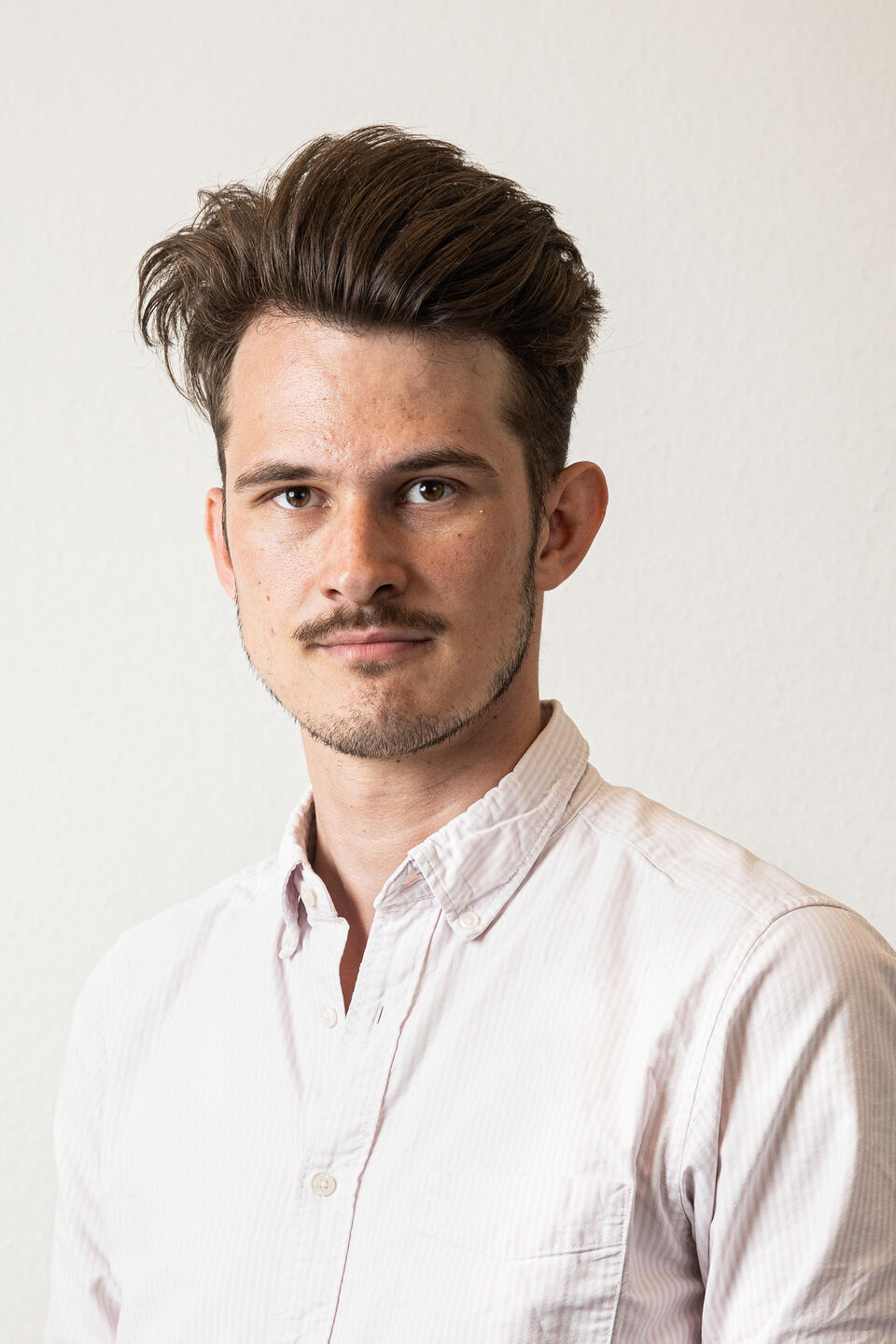
Gregory W. Saxtonمشاهده پروفایل
مدرس ارشد
Gregory W. Saxton serves as a Senior Lecturer and Director of Undergraduate Studies in the Department of Political Science at Texas Tech University. He teaches undergraduate courses in comparative politics, Latin American politics, and research methods, contributing significantly to the department's academic programs. Dr. Saxton earned his Ph.D. in Political Science from the University of Kentucky in 2019. His doctoral training equipped him with advanced quantitative research skills applied to the study of political behavior in developing regions. His research agenda centers on comparative politics with a regional focus on Latin America and developing countries. Key interests include: The impact of economic and political inequality on political support Representation of the working class in political institutions Corruption perceptions and their effect on democratic evaluations Gender egalitarian attitudes and political behavior Dr. Saxton employs rigorous quantitative methodologies to analyze survey data and understand citizen attitudes toward democratic institutions, particularly in contexts of high inequality. Over the period 2018-2024, Dr. Saxton has published consistently in high-impact journals such as Governance , Political Research Quarterly , and Latin American Politics and Society . His 2023 book with Cambridge University Press, Working Class Inclusion , represents a significant contribution to the field. His work demonstrates a clear trajectory examining how inclusion (or lack thereof) of marginalized groups affects democratic legitimacy. Dr. Saxton has not received any publicly listed scientific awards in the provided materials. In his role as Director of Undergraduate Studies, Dr. Saxton provides academic guidance to Political Science majors and oversees curriculum development. He has supervised undergraduate research and mentored students in the honors program. Although specific grant awards are not detailed, his research productivity indicates successful funding for fieldwork, including extensive data collection in Argentina. Fieldwork in Argentina constitutes a major component of Dr. Saxton's research methodology, allowing him to gather primary data on political attitudes in Latin America. This hands-on approach complements his quantitative analyses of large cross-national datasets.