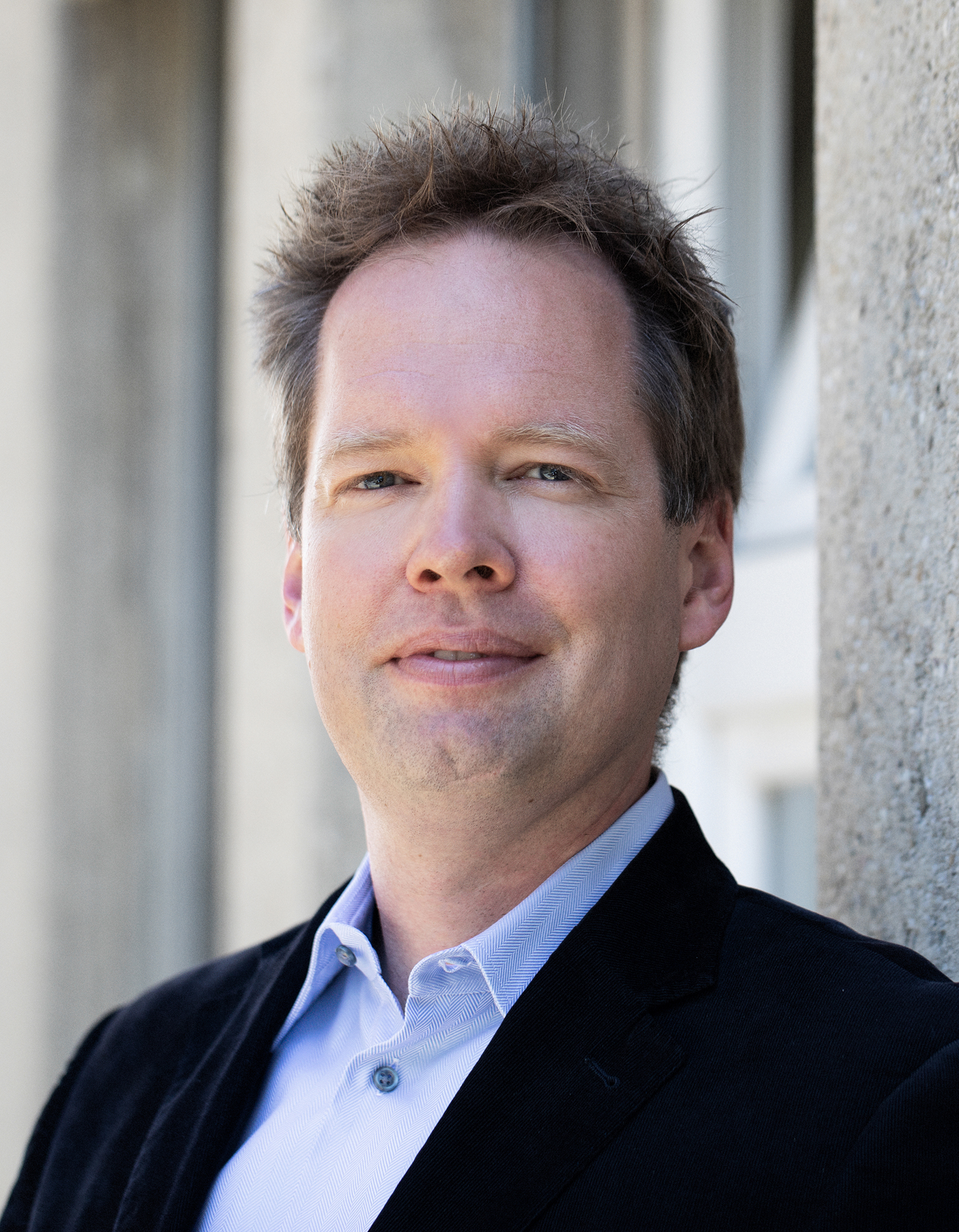
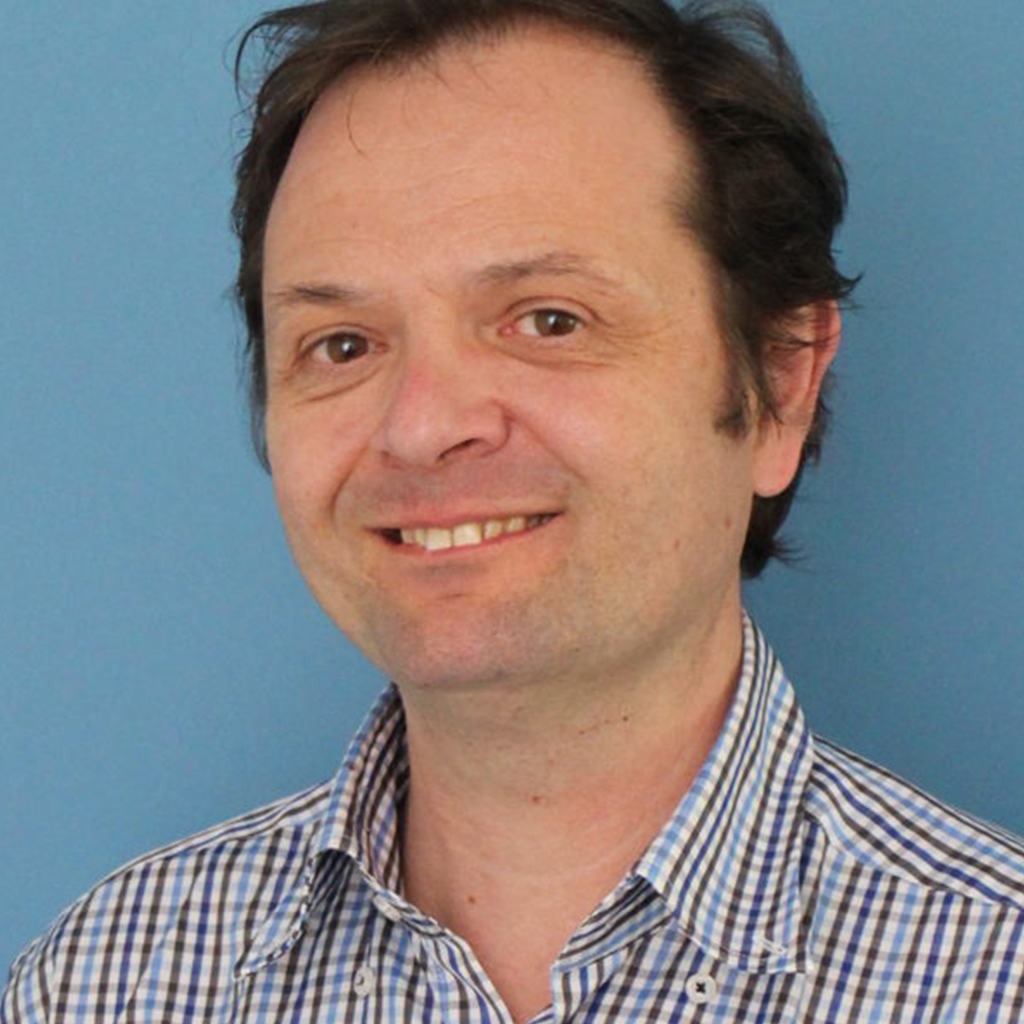
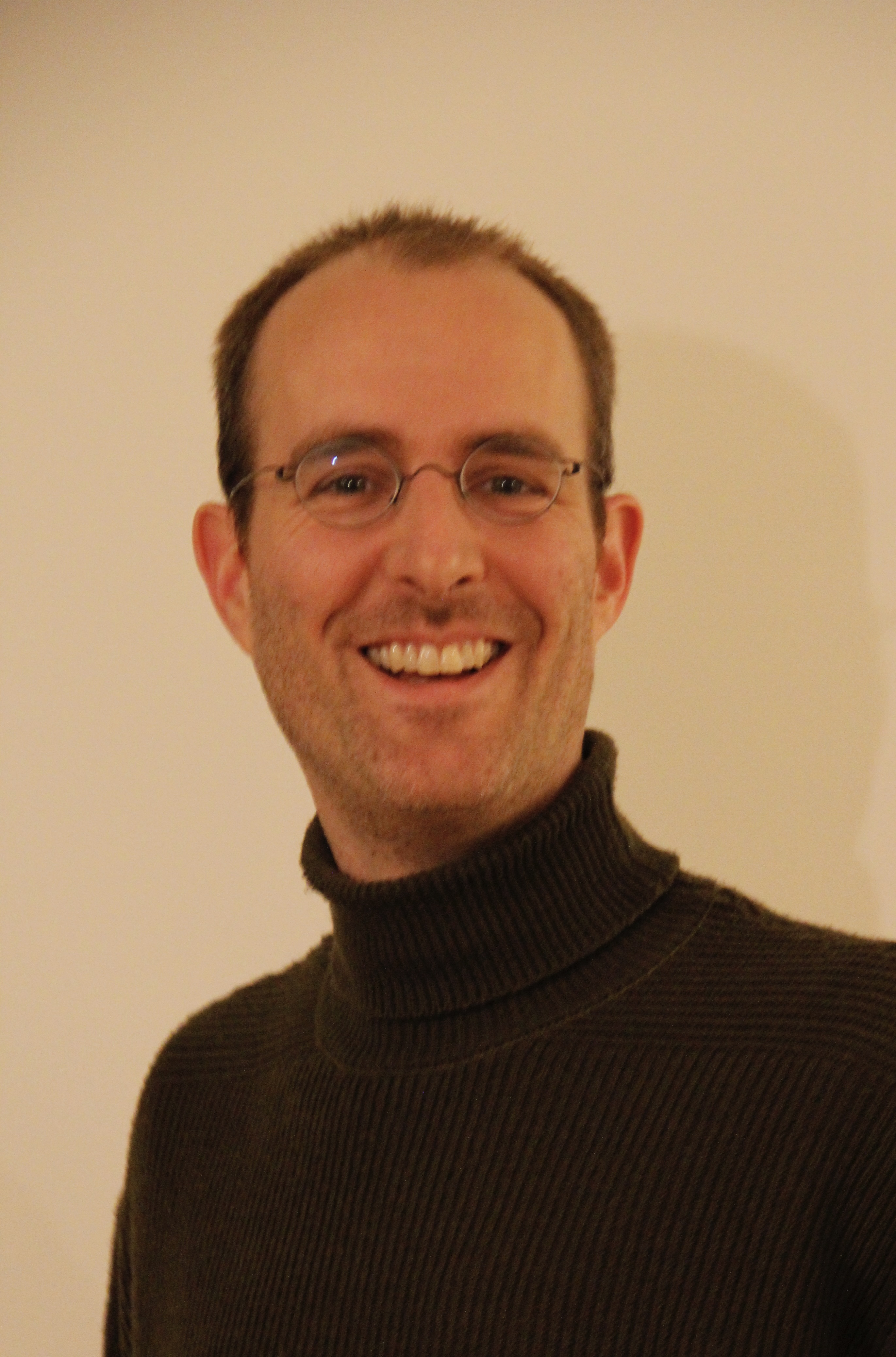
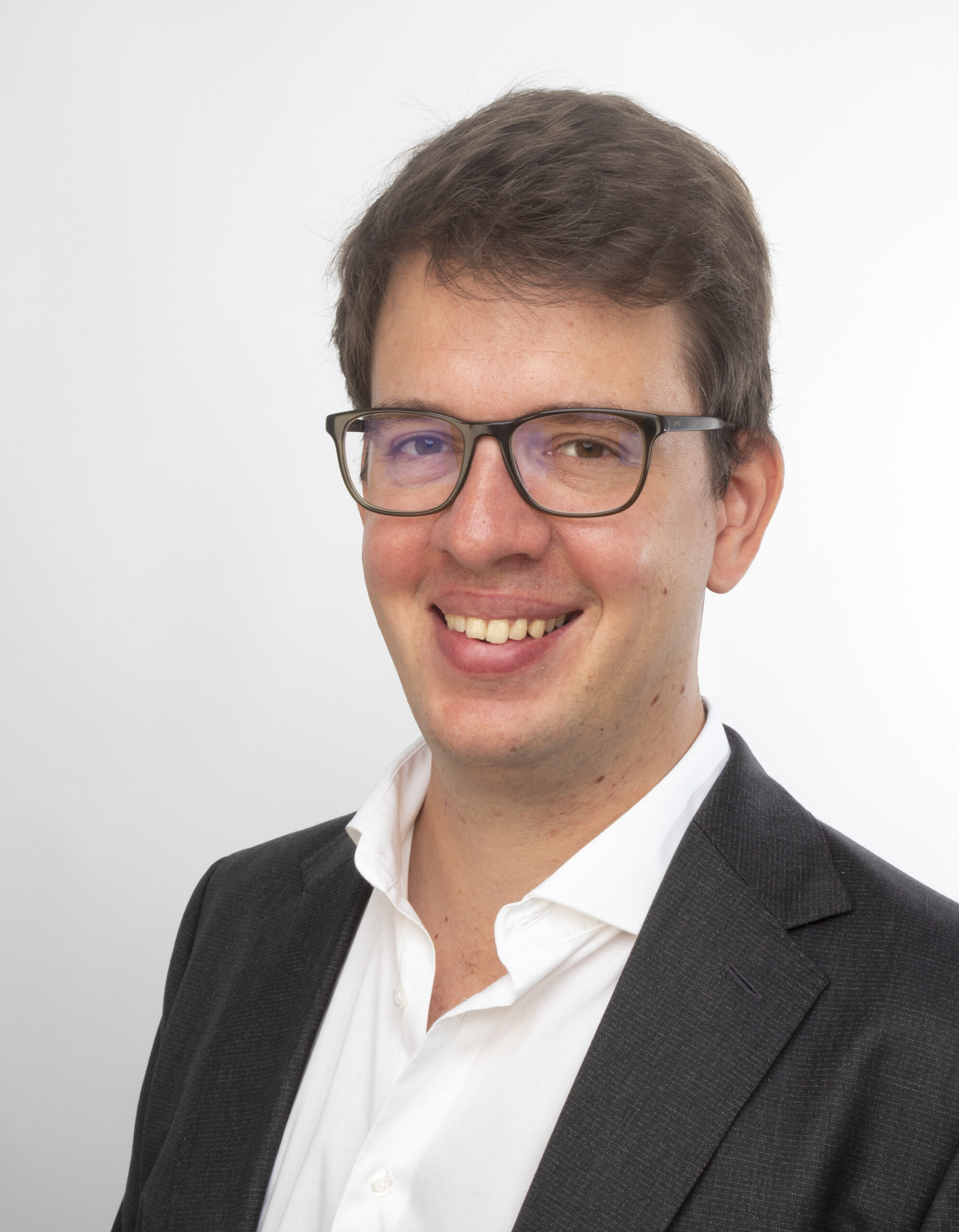
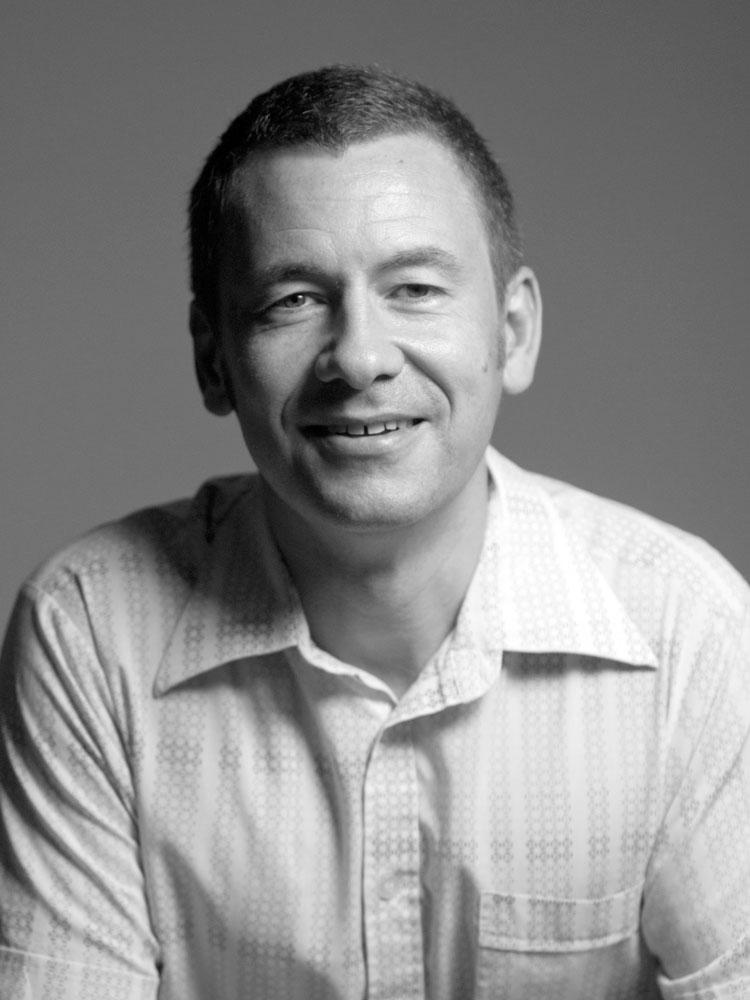
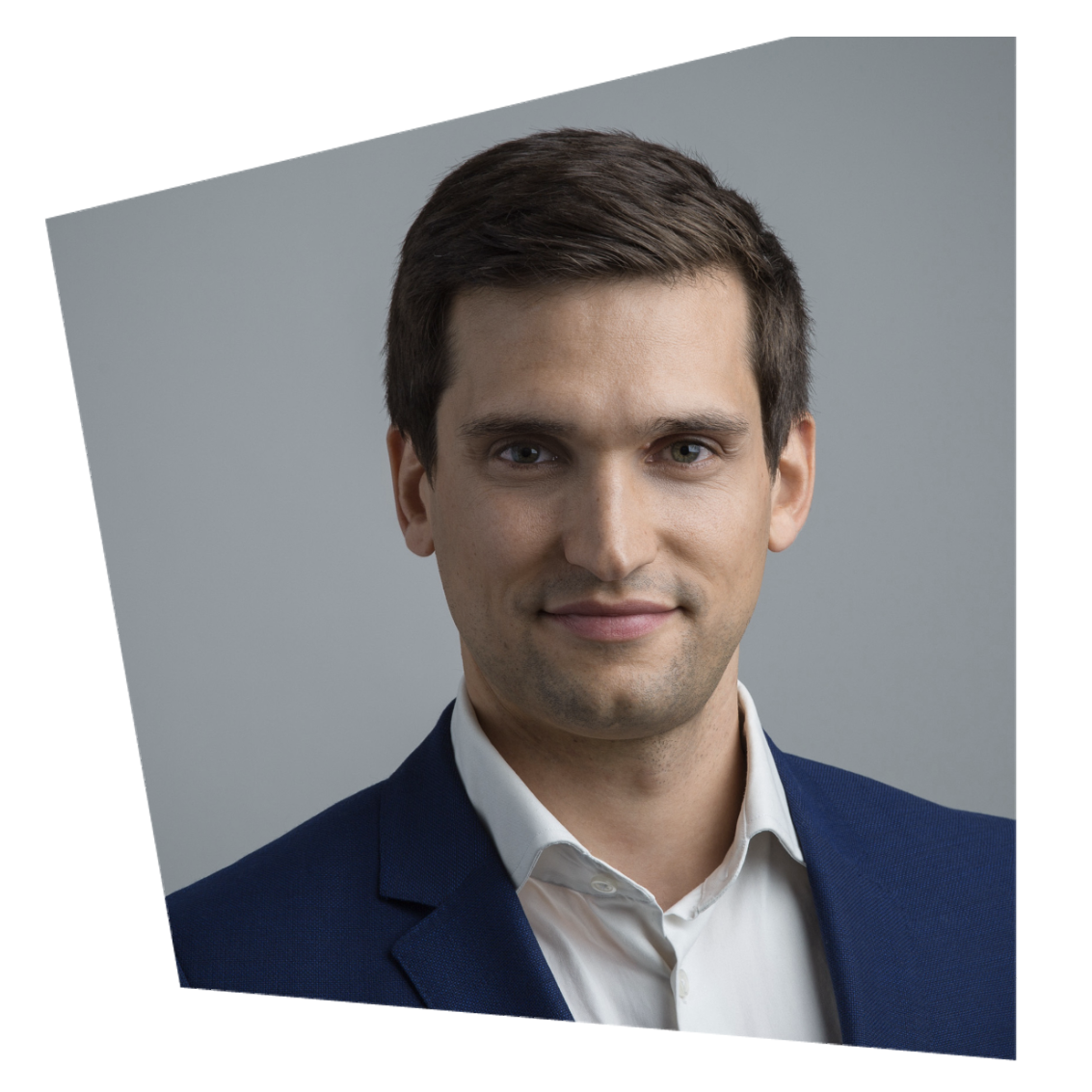
Stefan Bechtold is a Full Professor of Intellectual Property at ETH Zurich since 2013 and Associate Vice President IP Policy (2023–2026). He is affiliated with the ETH AI Center and serves on global advisory boards including the Academic Advisory Board of the German Federal Ministry for Economic Affairs and Climate Action. His interdisciplinary research bridges law, economics, and computer science.
Armelle Choplin is an Associate Professor at the University of Geneva's Department of Geography and Environment within the Geneva School of Social Sciences, and affiliated with the Global Studies Institute since 2019. She serves as Director of the Institute of Environmental Governance and Territorial Development (IGEDT), leading research on urban transformations in the Global South. Research Focus Her research examines urban policies, social transformations, and development challenges in African cities and the Global South. Core interests include: urban planning dynamics, governance frameworks, construction industry impacts, poverty alleviation, sustainable development pathways, globalization effects, digital innovation in urban contexts, and postcolonial urban studies. Her geographical specialization focuses on West Africa and MENA regions. Publication Analysis Recent publications (2017-2024) demonstrate consistent focus on material urbanism, governance innovations, and spatial justice in African cities. Key thematic clusters include: urban material flows (concrete, energy), participatory planning methods, transnational urban corridors, and postcolonial urban theory. Methodologically, her work combines spatial analysis with political economy and ethnographic approaches. Research Leadership She directs multiple international projects including: Global Urb: Global Urbanism from the South MatéRhône: Construction materials in Rhone Valley West African Coastal Corridor study (Accra-Lagos axis) URBACOT: West African Coastal Urban Dynamics Observatory Map&Jerry: Participatory mapping in Cotonou Student Advising Currently supervising eight doctoral candidates researching urban development topics across Africa. Her teaching portfolio includes courses on urban globalization, metropolitan governance, spatial justice, and regional project development at both bachelor's and master's levels.
Gerold Schneider is an Associate Professor at the University of Zurich , affiliated with the Department of Computational Linguistics under the Faculty of Arts and Social Sciences and Faculty of Business, Economics and Informatics . He leads the Text Crunching Center (TCC) , focusing on interdisciplinary research at the intersection of NLP, Digital Humanities, and Health Data Science. Research Interests His work spans Text Analytics , Digital Humanities , Corpus Linguistics , and Health Data Science , with applications in: Biomedical NLP (e.g., Alzheimer’s detection, clinical trials) Digital Humanities projects (e.g., analyzing Charles Dickens, UN archives) Migration discourse framing across languages Adversarial data collection for hate speech detection Interdisciplinary methodologies for digital unstructured data Recent Publications 2025–2024 research highlights include annotated corpora for preclinical and neurological studies, AI-driven analysis of historical linguistic variation, and innovative tools for language learners. His NLP applications address health diagnostics, ethical AI, and cross-lingual political discourse. Labs & Teams As TCC leader, he spearheads collaborative projects within the Digital Society Initiative (DSI) communities (AI & Law, Health, Ethics, etc.), integrating computational methods with humanities and health research.
Thomas Demeester is an Associate Professor at the Internet Technology and Data Science Lab (IDLab), Ghent University - imec, Belgium. Appointed as Assistant Professor in 2019, he leads an AI research group focused on health applications and drug design, co-directing the Text-to-Knowledge research cluster with Prof. Chris Develder. His educational background includes: M.Sc. in Electrical Engineering from Ghent University (2005), completed with thesis work at ETH Zurich Ph.D. in Computational Electromagnetics from Ghent University (2009), funded by Research Foundation - Flanders (FWO) Demeester's research spans artificial intelligence with emphasis on deep learning and neuro-symbolic methods. Current tracks include energy-based models (Hopfield Networks, Deep Equilibrium Models), diffusion models for drug design, and clinical reasoning systems. His work bridges NLP, healthcare informatics, and generative AI with strong industry partnerships. Recent publications (2023-2025) reveal strategic expansion from NLP into health-centric AI: BioLORD biomedical encoders (2023), synthetic medical data frameworks (UAI/NeurIPS 2024), and novel diffusion model guidance (ICLR 2025). This evolution demonstrates convergence of generative modeling, clinical data analysis, and protein design. He actively mentors 24 PhD students across diverse AI domains: Current Research: Conversational agents, emotion analysis, clinical reasoning, antibody design, and diffusion model optimization Recent Graduates: Interpretable language models, biomedical semantics, task-oriented dialogue, and social media knowledge extraction Research is supported by imec funding and collaborations with Flemish biotech companies, building on his post-doctoral experience securing media-sector projects. Within IDLab, he co-leads the Text-to-Knowledge cluster driving NLP innovations for healthcare, legal, and economic applications.
Felix Gille is a researcher at the University of Zurich , affiliated with the Institute for Implementation Science in Health Care under the Faculty of Medicine. He leads the DSI-funded project "Data handling, security and protection: reaching conceptual equivalence for the concept of public trust in national electronic health records in Switzerland and neighboring countries," collaborating with Prof. von Wyl (IfIS/DSI, UZH) and Prof. Thouvenin (Faculty of Law, UZH). His work bridges health system and policy research, digital health, data law, and data security. Education: BSc in European Public Health, Maastricht University MMedSc in Health Economics, Policy and Management, Karolinska Institute PhD in Public Trust in Healthcare Systems, London School of Hygiene and Tropical Medicine Research Focus: Gille specializes in public trust dynamics within healthcare systems, particularly examining data governance, health policy, and ethical dimensions of digital health innovations. His projects analyze cross-national trust frameworks, biobanking ethics, AI in healthcare, and pandemic data sharing mechanisms. Scientific Contributions: His publications address critical issues such as GDPR impacts on research, trustworthiness of mHealth apps, and interdisciplinary approaches to health data policy. Articles span 2015–2025, emphasizing conceptual trust models, policy harmonization, and stakeholder engagement in health data systems. Awards & Roles: Fellow of the Swiss School of Public Health Associate Editor for Public Health Reviews
Simon Clematide is an Academic Associate at the Department of Computational Linguistics within the Faculty of Arts and Social Sciences at the University of Zurich, where he has been actively engaged in research and teaching since the early 2000s. His work spans computational linguistics, natural language processing, and text mining with a particular focus on historical document processing, multilingual applications, and practical implementations of machine learning techniques. Dr. Clematide's research interests encompass Natural Language Processing , Computational Linguistics , Text Mining , Machine Learning , Sentiment Analysis , Named Entity Recognition , and Historical Document Processing . His interdisciplinary approach bridges computer science with humanities applications, particularly in analyzing historical newspapers and multilingual corpora. His work demonstrates strong expertise in developing practical NLP systems that address real-world challenges in document analysis and language processing. Over the past five years, his publication record reveals a consistent focus on historical text processing, multilingual NLP applications, and shared task competitions. His research shows particular strength in named entity recognition for historical documents (CLEF HIPE shared tasks), grapheme-to-phoneme conversion (SIGMORPHON shared tasks), and OCR post-processing for historical newspapers. The interdisciplinary nature of his work is evident in collaborations spanning computer science, linguistics, history, and geography. Dr. Clematide has been instrumental in organizing and participating in numerous shared tasks including CLEF-HIPE (2020-2022), SIGMORPHON (2017-2021), and CoNLL-SIGMORPHON (2017-2020), where his team achieved multiple first and second places. His teaching portfolio includes courses on Text Mining, Machine Learning for NLP, Deep Learning in Language Technology, and Sentiment Analysis, demonstrating his commitment to educating the next generation of computational linguists. He has led or participated in diverse research projects including NFP 77, impresso, Citizen Linguistics Projects (tonaccent.ch, dindialaekt.ch), SPARCLING, KTI project with Eurospider, and biomedical text mining initiatives (MANTRA, SASEBio). His interdisciplinary work extends to collaborations with material scientists and social scientists on concept extraction and text zoning applications. Dr. Clematide has contributed to the development of several computational tools and resources, including finite-state morphology systems for Rumansh Grishun, Standard German, and Swiss German, as well as the CLab web-based virtual laboratory for computational linguistics. His work on crowdsourcing OCR ground truth for heritage corpora demonstrates practical solutions to real-world digitization challenges.
Franz Kummer is a Swiss legal expert and Lecturer for LegalTech, affiliated with the University of Bern, University of St. Gallen, and Kalaidos Law School. He holds a lic.iur. degree from the University of Bern (1997) and combines academic teaching with practical roles in legal technology startups and financial planning. Education: lic.iur. , University of Bern ( 1997 ) Research and Professional Focus: Kummer specializes in the intersection of law and technology, particularly digitalization processes in legal systems. His work spans private law instruction, legal informatics, and the development of digital legal platforms through ventures like Weblaw AG and publishing projects such as Jusletter and Jusletter IT . Professional Roles: Founder and co-owner of Weblaw AG Chairman of the Board of Directors, Publisher Member of the Board of Directors of iDPARC AG Co-publisher of Jusletter and Jusletter IT Head of the Legal Department at the Institute for Financial Planning AG (IfFP AG)
Andreas Hein is an Assistant Professor of IT Management at the University of St. Gallen's Institute of Information Systems and Digital Business (IWI-HSG). His research focuses on digital services, AI literacy, conversational agents, and ethical design in education and business contexts. He holds a PhD (summa cum laude) from the University of Kassel and has led projects funded by SNSF and Innosuisse. Hein is an AIS Distinguished Member Cum Laude and has received numerous awards for research and academic service, including the AIS Best Conference Paper Award (2024) and Best Paper Awards at DESRIST (2023) and HICSS (2020). His work bridges design science and interdisciplinary collaboration, addressing topics like privacy nudges, gamification in learning, and lawful technology development. Hein actively contributes to academic communities, serving as associate editor for ECIS, ICIS, and AOM divisions, and has organized conferences like the Wirtschaftsinformatik-Nachwuchs-Treffen 2023. His teaching spans undergraduate to graduate levels, emphasizing data-driven service innovation and research practices. Hein's research has been published in top journals (ISR, JAIS, EJIS) and frequently recognized for innovation and impact. Education: PhD in Business Information Systems (Kassel University, 2018), Master of Arts in Communication Management, Diplom in Economic Sciences (Kassel University). Key Achievements: Over €2.2m in third-party funding, 60+ co-authors, and impactful contributions to digital education and AI ethics. His work on privacy nudges and conversational agents has been featured in leading conferences and journals.
Gaétan de Rassenfosse is an Associate Professor at EPFL's School of Management of Technology (CDM), specializing in Science, Technology, and Innovation Policies. He joined EPFL in 2014 and holds a PhD in Economics from the Solvay Business School (Université Libre de Bruxelles). His research focuses on crafting evidence-based policies for knowledge economies, particularly in intellectual property, intangible capital measurement, and 'science of science.' He has published in top journals like Journal of Industrial Economics and Research Policy , secured over CHF 2.5M in research grants, and advised governments and international organizations such as the European Commission and Swiss Federal Office for Education and Research (SERI). He teaches courses on innovation economics and intellectual property management. Professional roles include membership in the CDM Management Board, the Conference of Section Directors (CDS), and doctoral program committees. His advising includes guiding 5 PhD students focusing on policy impacts in clean technology, innovation incentives, and science organization. Key research themes span patent systems, innovation policy efficacy, and cross-border knowledge flows. He actively engages with media and policymakers to translate academic insights into actionable public strategies.
Professor Maurizio Caon is a faculty member at HES-SO (University of Applied Sciences and Arts Western Switzerland). His primary research areas include Human-Computer Interaction, Digital Transformation, and User Experience Design, with a focus on aging populations and health technology. He leads the HumanTech Institute and contributes to projects like NESTORE COACH and PEGASO, which develop virtual coaching systems for elderly well-being and adolescent health behavior change. His research explores tangible interfaces for e-coaching, gestural interaction design for professional cyclists, and data privacy mechanisms using pictograms. While his publications span topics from AI implementation in HRM to posthumanist perspectives on enhancement, his core work centers on applying digital technologies to improve health outcomes across age groups. He collaborates with institutions like Politecnico di Milano and contributes to European Union-funded initiatives. Professor Caon's recent work examines conversational agents for life-course health interventions, virtual reality exergame design, and wearables' impact on body awareness. His projects integrate behavioral change theories with IoT architectures and human-centered design principles. Despite active research engagement, no scientific awards are explicitly mentioned in the provided texts.
Giovanna Di Marzo Serugendo is a researcher affiliated with the University of Geneva (Faculty of Social Sciences, Centre for Informatics) and the Institute of Information Service Science (ISS) . Her work spans semantic technologies, agent-based modeling, and sustainable systems. Research interests focus on Semantic knowledge graphs for regulatory compliance Ontology-driven resource management Self-organizing systems inspired by biological models AI applications in smart grids and urban mobility Digital agriculture platforms for smallholder farmers Recent publications highlight trends in ontology automation using LLMs, agent-based simulations for urban planning, and KG-enhanced compliance frameworks . She leads projects integrating digital twins with smart energy systems and develops bio-inspired coordination paradigms. Supervised works include 17 research projects in these domains. Current technical reports and conference papers explore cybersecurity-safety interdependencies in autonomous vehicles and decentralized event source detection in sensor networks.
J. B. Ruhl serves as the David Daniels Allen Distinguished Chair in Law at Vanderbilt University School of Law, where he has established himself as a leading scholar at the intersection of environmental law, climate policy, and complexity theory. His interdisciplinary work bridges legal doctrine with ecological and systems science, focusing on adaptive governance frameworks for 21st-century environmental challenges. Ruhl's research centers on transforming environmental law to address climate change through innovative frameworks like ecosystem services integration , adaptive management , and complexity theory . His scholarship demonstrates how legal systems can evolve to manage nonstationary environments, particularly through reimagining regulatory approaches for climate adaptation infrastructure, endangered species protections, and sustainable development. Key contributions include foundational work on legal complexity metrics and the application of panarchy theory to environmental governance. Analysis of his recent publications reveals a pronounced shift toward climate disruption law , with increasing focus on 4°C scenarios, Green New Deal implementation challenges, and pandemic-environmental system interactions. His work consistently identifies structural barriers in existing environmental statutes while proposing concrete administrative reforms - particularly regarding permitting systems, regulatory flexibility, and cross-agency coordination. The trajectory shows growing emphasis on practical implementation frameworks rather than theoretical critiques. Ruhl maintains extensive collaborative networks across environmental law, with frequent co-authorship with scholars like James Salzman, Robin Craig, and Keith Hirokawa. His work appears in premier journals including Vanderbilt Law Review , Environmental Law , and Stanford Environmental Law Journal , demonstrating sustained influence in both legal and environmental policy circles. Current research increasingly engages with computational legal studies and systemic risk modeling, reflecting his pioneering integration of complexity science into legal scholarship.
Matthias Stürmer serves as a Professor at Bern University of Applied Sciences (BFH) within the School of Management and Head of the Institute for Public Sector Transformation (IPST). He concurrently holds a lecturer position at the University of Bern. His professional identity centers on Swiss digital governance initiatives, with active leadership roles in @Parldigi, @DigitalImpactCH, @CH_Open, and @OpendataCH advocating for open source, open data, and transparent public sector innovation. His research program bridges legal technology and digital governance, specializing in multilingual (German/French/Italian) processing of Swiss jurisprudence. Core focus areas include developing AI systems for judicial summarization and criticality prediction, advancing digital sovereignty frameworks, and analyzing sustainable public procurement practices. He investigates the tension between open justice principles and privacy preservation in court documentation, while pioneering methods for anonymizing legal texts against re-identification threats from large language models. Stürmer's publication trajectory reveals a strategic shift toward legal AI applications since 2020, with 12 of his 15 most recent works addressing multilingual legal processing challenges. His scholarship consistently targets Swiss institutional contexts, creating specialized datasets like Multilegalpile and Lextreme while examining practical implementation barriers for open source adoption in public administration. As director of IPST at BFH, he leads institutional efforts to transform public sector services through open standards and collaborative governance models. His team develops practical frameworks for digital sovereignty implementation and sustainable ICT procurement, directly influencing Swiss federal policies on open data and public sector technology adoption.
Sepideh Mamooler is a Researcher at the Natural Language Processing (NLP) Department of the School of Computer and Communication Sciences at École Polytechnique Fédérale de Lausanne (EPFL) . She is also affiliated with the Unité du Prof. Alexander Mathis (UPAMATHIS) in the School of Life Sciences . Her research focuses on advancing Natural Language Processing (NLP), Machine Learning, and AI applications in educational and legal domains. She holds a status as both a doctoral student in the Doctoral School of Computer and Communications (EDIC) and a research assistant in multiple labs. Her work explores topics such as benchmarking visual narratives, low-resource NLP techniques, AI impacts on higher education, and legal text classification. She is actively involved in cross-disciplinary projects at the intersection of computer science, education, and law. Key contributions include the Vinabench benchmark and the PICLe framework for named entity detection. No scientific awards have been explicitly mentioned in the records. She collaborates with Prof. Alexander Mathis' team and contributes to the NLP lab's initiatives. Her current research emphasizes practical AI solutions for real-world challenges in education and legal informatics.
Dominique Jaccard is a Professor at the Haute école d'Ingénierie et de Gestion du Canton de Vaud (HEIG-VD) , specifically within the Institut d'ingénierie des Médias (MEI) . He leads the Serious Games and Edtech Competency Group , focusing on digital pedagogy, learning analytics, and project management education through game-based approaches. Developed HUMAn real-time patient simulation model for emergency triage training Created the co.LAB collaborative framework for serious game development Secured major grants from Innosuisse and Swiss National Science Foundation Collaborated with institutions like University of Agder, Université de Genève, and Université de Fribourg Research Interests: His work bridges educational sciences and computer science , emphasizing: Digital games for emergency medicine and oncology training Systemic approaches to collaborative design processes Holistic learning analytics systems Overcoming development barriers for non-programmers Scientific Contributions: Through 15+ years of research, he has: Validated serious games as educational tools Developed adaptive simulation frameworks for healthcare Explored NLP integration in educational games Published in International Journal of Serious Games and JMIR Serious Games Implementation: His projects have created: WEGAS authoring system for rapid simulation game development PRITS software prototype for patient rights education co.LAB digital platform for cross-disciplinary collaboration