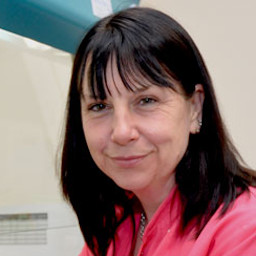
Kelly Arnold is an Associate Professor in the Department of Biomedical Engineering at the University of Michigan. Her research integrates systems engineering principles with immunology to investigate variability in immune responses across infection, vaccination, and injury, with a focus on computational modeling and clinical translation. Research Focus Systems-level immune response modeling Vaccination and antibody functionality Vaginal microbiome-host interactions Chronic lung disease progression Computational serology and proteomics Recent Work Her 2025 studies examine SARS-CoV-2 vaccination responses in cancer patients and computational frameworks for vaginal probiotics. Earlier works (2024-2007) span COPD progression, lupus fibrosis, HIV susceptibility, and tissue engineering for fertility preservation. Methodologies include proteomic profiling, network modeling, and microfluidic systems.
Santiago F. González is a Group Leader at the Institute for Research in Biomedicine (IRB) in Bellinzona, Switzerland, and an extraordinary professor at the University of Italian Switzerland (USI). He earned dual PhDs in microbiology (University of Santiago de Compostela, Spain) and immunology (University of Copenhagen, Denmark), followed by postdoctoral work (2007–2011) at Harvard Medical School's Immune Disease Institute under Michael Carroll. PhD in Microbiology, University of Santiago de Compostela PhD in Immunology, University of Copenhagen His research focuses on immune system dynamics during respiratory viral infections, vaccination, and cancer metastasis. Key areas include influenza recognition , lymph node inflammation , and immune cell behavior in vivo. He pioneered studies on C-type lectin receptors (e.g., SIGN-R1) in viral immunity and epigenetic modulators for inflammation. Recent publications highlight his work in epigenetic drug development , nanovaccines , and computational tools for immune cell tracking. His group uses two-photon intravital microscopy and spatial-temporal modeling to dissect immune responses. Scientific awards include three EU Marie Curie Fellowships (2004–2013), enabling his transition to independent research. His collaborations span Harvard, USI, and European institutions, with grants from the EU and Swiss research bodies. His lab at IRB, established via the 2013 Marie Curie Career Integration Grant , develops novel imaging approaches and therapeutic strategies for infectious and immune-mediated diseases.
Caetano Reis e Sousa is a Professor of Immunology at Imperial College London and Senior Group Leader/Assistant Research Director at the Francis Crick Institute. He leads the Immunobiology Laboratory, focusing on dendritic cell biology, immune responses to pathogens, and cancer immunotherapy. His research explores how dendritic cells detect pathogens and dying cells, triggering adaptive immunity. Key roles include investigating cross-presentation mechanisms, C-type lectin receptors (e.g., DNGR-1), and vaccine development strategies. Education: BSc (Hons) Biology from Imperial College London (1989), DPhil in Immunology from University of Oxford (1992). Postdoctoral training at NIH under Ron Germain. Career milestones include founding the Immunobiology Lab at CRUK London Research Institute (1998–2015) before joining the Crick. Awards & Recognition: Highly Cited Researcher (Thomson Reuters), BD Biosciences Prize (2002), Liliane Bettencourt Award (2008), Louis-Jeantet Prize (2017), Fellowships at Royal Society (2019), Academy of Medical Sciences (2006), and EMBO (2006). Named Officer of the Order of Sant'Iago da Espada (Portugal, 2009). Research Themes: Dendritic cell activation pathways, cross-presentation of tumor antigens, microbiome-cancer immunity links, and immune evasion mechanisms. Collaborations involve institutions like UCL, King's College London, and global health networks. Labs/Teams: Head of Immunobiology Lab at Crick, with expertise in immunology, cell biology, and virology. Facilities include Flow Cytometry, Genomics, and Light Microscopy cores. Active in pandemic response (e.g., SARS-CoV-2 testing initiatives).
Prof. Dr. rer. nat. Lothar Elling is a University Professor and director at the Helmholtz Institute for Biomedical Engineering, RWTH Aachen University, Germany. His research focuses on biomaterials, glycoengineering, and enzymatic synthesis of carbohydrates and glycoconjugates. Institution: RWTH Aachen University Research Unit: Helmholtz Institute for Biomedical Engineering Academic Rank: Full Professor Prof. Elling's research interests include: Glycoengineering of biomaterials Enzymatic synthesis of glycans Glycosyltransferase immobilization Glycan-protein interactions Biocatalytic cascade reactions Biomedical applications of glycomaterials His recent publications demonstrate strong expertise in: - Automated enzymatic glycan synthesis - Multi-enzyme cascade systems for nucleotide sugar production - Glycosyltransferase engineering - Galectin-targeted glycomaterials - Microgel-based biosensors
Chiu Ping Cheng is a Professor in the Department of Biology at the University of Minnesota, USA, specializing in Molecular Biology and Plant-Microbe Interactions . With over two decades of research on Ralstonia solanacearum and its interactions with solanaceous crops, Dr. Cheng has pioneered studies on plant defense mechanisms against bacterial wilt, regulatory gene functions, and biocontrol agent applications. Current research: Plant-pathogen interactions Special techniques: Genomic screening, bacteriophage-derived proteins Key pathogens: Ralstonia solanacearum, Pectobacterium carotovorum His recent publications (2024) explore tomato cultivar resistance variation , NADPH oxidase-effector interactions , and phenylpropanoid metabolism in wild mungbean . Though no formal scientific awards are listed, his work has been featured in leading journals like Plant Cell & Environment and New Phytologist . Dr. Cheng operates from the Life Science Building R942 laboratory.
Prof. Oliver Seitz leads the Bioorganic Synthesis research group at the Department of Chemistry, Faculty of Mathematics and Natural Sciences, Humboldt University of Berlin. His lab focuses on cutting-edge chemical biology approaches for protein/nucleic acid interrogation, with recent work advancing DNA/RNA-programmed assemblies for cellular imaging and therapeutic applications. Research spans chemical protein synthesis, glycoprotein/phosphoprotein engineering, and nucleic acid-templated reactions. Key innovations include Forced Intercalation (FIT) probes for wash-free RNA imaging, loss-of-affinity principles for catalytic efficiency, and peptide-PNA conjugates for targeted cellular delivery. The group actively develops tools for live-cell protein labeling and biomolecular spatial screening. Recent publications (2021-2024) emphasize fluorescence-based detection systems, catalytic templated reactions, and therapeutic peptide synthesis. Trends show increasing sophistication in multi-dye probes, glycan engineering, and RNA-triggered pro-drug activation. Scientific awards include: Max Bergmann Award (2019) Prof. Seitz actively advises doctoral students, with recent graduates Marvin Björn Stutz (2023, magna cum laude ), Dino Gluhacevic von Krüchten (2023, summa cum laude ), and Sophie Schöllkopf (2023, magna cum laude ). Current PhD candidates include Ekaterina Kazakova (glycoprotein synthesis), Alina Herfort (phosphoproteins), and Lina-Marie Beck (peptide-nucleic acid conjugates), with postdocs like Dr. Mandana Oloub (viscosity sensors). The Bioorganic Synthesis lab operates within Berlin's vibrant chemical research ecosystem, utilizing specialized techniques for chemical protein synthesis and nucleic acid detection. Recent team growth reflects ongoing projects in RNA imaging, catalytic templated reactions, and therapeutic conjugate development, supported by open positions for new researchers.
Scott Garman is Professor of Biochemistry at UMass Amherst, focusing on structural biology of glycoproteins in human diseases. PhD from Harvard University. Research areas: Lysosomal enzyme mechanisms in storage diseases (Fabry, Schindler); Malaria surface protein structures; Antibody-receptor interactions. Utilizes X-ray crystallography to study enzyme mutations causing disease. Key findings: Determined structures of α-galactosidase (Fabry disease) and α-NAGAL (Schindler disease), revealing molecular bases for enzyme dysfunction. Developed models for enzyme trafficking and substrate processing. Laboratory: Investigates protein folding diseases and develops therapeutic strategies. Collaborates on malaria vaccine development and antibody engineering.
Professor Roland J. Pieters is a distinguished academic at Utrecht University's Faculty of Science, where he serves as a full Professor in the Department of Chemical Biology and Drug Discovery. With over two decades of experience at the institution, he has progressed from Assistant Professor (1998) to Associate Professor (2005) and ultimately to Full Professor (2010-present). His research group is internationally recognized for groundbreaking work at the intersection of carbohydrate chemistry, chemical biology, and drug discovery, with particular emphasis on developing novel therapeutic approaches against bacterial infections and pathogenic mechanisms. Full Professor, Utrecht University (2010-present) Associate Professor, Utrecht University (2005-2010) Assistant Professor, Utrecht University (1998-2005) NWO Talent Post-doctoral Fellow, ETH-Zürich (1995-1996) Postdoctoral Researcher, University of Groningen (1996-1998) Professor Pieters earned his M.Sc. in Organic Chemistry from the University of Groningen in 1990, where he worked with Professor Ben Feringa, and completed his Ph.D. at MIT in 1995 under the supervision of Professor Julius Rebek Jr. His doctoral research focused on molecular recognition and template effects in bisubstrate systems, establishing the foundation for his lifelong interest in molecular interactions. Professor Pieters' research primarily centers on glycodrugs and the strategic interference with protein-carbohydrate interactions using multivalent systems of varying architectures. His laboratory has made significant contributions to understanding how rigid spacers in multivalent ligands can dramatically enhance binding affinity to target proteins, with applications against viral and bacterial adhesion proteins, toxins, galectins, and glycosidases. A particular focus has been on developing inhibitors for Pseudomonas aeruginosa lectin LecA, cholera toxin, influenza virus hemagglutinin, and more recently, SARS-CoV-2 spike protein interactions with host cell receptors. His group also pioneered the use of glyco- and peptide-microarrays for high-throughput screening of carbohydrate-protein interactions and drug discovery, particularly in the area of O-GlcNAcylation research. The publication record of Professor Pieters demonstrates consistent innovation in the field of multivalent carbohydrate-based therapeutics. His recent work (2020-2024) shows a strategic expansion into viral pathogenesis (particularly influenza and SARS-CoV-2), immune modulation through glycan recognition, and novel approaches to vaccine development. A notable trend is the increasing sophistication of multivalent architectures, moving from simple divalent systems to tetra- and hexavalent ligands with precisely engineered spatial arrangements. His research bridges fundamental chemical principles with practical therapeutic applications, maintaining strong connections to pharmaceutical development while advancing basic science understanding of carbohydrate-mediated biological processes. Professor Pieters' scientific achievements have been recognized with prestigious awards including a Fellowship from the Royal Netherlands Academy of Arts and Sciences (KNAW) in 1999 and a VICI personal grant from the Netherlands Organisation for Scientific Research (NWO) in 2008. These competitive awards reflect the significance and innovation of his research program. He has also served on editorial advisory boards, notably as Section Editor-in-Chief for Chemical Biology in the journal Molecules (2018-2022), contributing to the scholarly community through peer review and academic leadership. Fellowship of Royal Netherlands Academy of Sciences (KNAW), 1999 VICI, personal grant, NWO, 2008 Section Editor-in-Chief Chemical Biology for Molecules (2018-2022) Throughout his career, Professor Pieters has coordinated significant research projects including the EU project POLYCARB and secured competitive funding that has sustained his innovative research program. His laboratory has fostered numerous collaborations across Europe and internationally, creating a vibrant research environment that has trained many scientists now working in academia and industry. His research on multivalent carbohydrate systems represents a sustained intellectual contribution to chemical biology with direct relevance to developing new anti-infective strategies and therapeutic approaches. Professor Pieters leads an active research group within Utrecht University's Department of Chemical Biology and Drug Discovery, situated in the David de Wied Building. His laboratory maintains strong connections with other research groups both within Utrecht University and internationally, particularly in the fields of glycobiology, infectious diseases, and drug discovery. The research environment he has cultivated emphasizes interdisciplinary approaches, combining synthetic chemistry, biophysical analysis, and biological testing to address fundamental questions in carbohydrate-mediated biological processes with therapeutic applications.
Dr. Martin Anthony Fascione is a Reader in Chemistry at the University of York, where he leads the Fascione Lab within the Department of Chemistry. His research focuses on the interface between chemistry and biology, particularly in the field of chemical glycobiology. He has established himself as a leading researcher in carbohydrate chemistry with expertise in synthetic methods and biological applications. Dr. Fascione received his Ph.D. from the University of Leeds in 2009 under the supervision of W. Bruce Turnbull, followed by a Marie Curie International Outgoing Fellowship at the University of British Columbia with Prof. Steve Withers and the University of York with Prof. Gideon Davies. Since August 2014, he has been at the York Structural Biology Laboratory, progressing from Lecturer to his current position as Reader. His research centers on complex sugars (glycans) and their roles in biological processes and disease, with particular emphasis on sialic acid-like molecules critical for bacterial pathogens. The Fascione group develops chemical tools to study and perturb glycan activity in vivo using synthetic and enzymatic carbohydrate chemistry, organocatalysis, enzymology, and molecular biology. Key research areas include pseudaminic acid biosynthesis, protein bioconjugation, and glycoconjugate development for therapeutic applications. Analysis of Dr. Fascione's recent publications reveals a strong focus on bacterial glycans, particularly pseudaminic acid, and their role in pathogenesis. His work combines synthetic chemistry with biological applications, developing novel methods for protein modification, carbohydrate synthesis, and glycan-based therapeutics. Major themes include bioorthogonal chemistry, enzymatic synthesis of complex carbohydrates, and the development of glycoconjugates for therapeutic and diagnostic applications. Dr. Fascione has received significant recognition for his work, including: Marie Curie International Outgoing Fellowship (2012-2014) ERC Consolidator Grant (2022) As an active researcher, Dr. Fascione supervises PhD students and collaborates extensively with researchers in the UK and internationally. His laboratory is involved in multiple research projects focused on chemical glycobiology for infectious disease research and therapeutic development. The Fascione Lab has established itself as a leading center for research at the chemistry-biology interface, with particular expertise in carbohydrate-active enzymes and glycan-based tools for biological investigation.
Yan Liu is a Senior Lecturer in Glycosciences at Imperial College's Department of Metabolism, Digestion and Reproduction (Faculty of Medicine). She leads the Wellcome Trust-funded Carbohydrate Microarray Facility and co-leads the GlycoTWINNG Network. Her research focuses on glycan-mediated interactions in host-microbiota interfaces, with applications in infectious diseases and reproductive health. She holds a B.Sc. from Peking University and a Ph.D. from the University of Bristol, followed by postdoctoral work at Imperial College under Professor Ten Feizi FRS. Her academic journey includes roles as a Microarray Project Leader and co-investigator in the March of Dimes European Preterm Birth Research Centre. She is PI of a £1.34M Wellcome Trust grant maintaining Imperial's Carbohydrate Microarray Facility, advancing glycan array technologies. Research interests span microbiology, immunology, and biomolecular chemistry, with a focus on glycobiology. Key contributions include defining glycan interactions in pathogen-host systems (e.g., Candida albicans, adenoviruses), developing glycan probes, and analyzing vaginal microbiota impacts on preterm birth. Grants and collaborations include EPSRC Translational funding and the UK 'FluTrialMAP' consortium. Labs affiliations include the Glycosciences Laboratory and Imperial's Institute of Infection.
Luca Varani is a Professor and Group Leader of the Structural Biology group at the Institute for Research in Biomedicine (IRB), affiliated with the Università della Svizzera italiana in Bellinzona, Switzerland. His research focuses on understanding the molecular mechanisms of antibody-pathogen interactions and engineering novel therapeutic antibodies. Education: Chemistry degree from University of Milan, PhD from MRC-Laboratory of Molecular Biology (University of Cambridge) Former postdoc at Stanford with EMBO fellowship Founder of CLBiotech (2022), a nanobody discovery and engineering startup Varani's research spans structural biology, immunology, and biophysics with emphasis on viral pathogenesis and antibody engineering. His work combines experimental and computational approaches to study antibody-antigen interactions, particularly against emerging pathogens like SARS-CoV-2, Zika, and Dengue viruses. His group has pioneered structure-guided antibody engineering techniques that have led to multiple high-impact publications in journals like Nature, Cell, and Science. Analysis of Varani's recent publications reveals a strong focus on SARS-CoV-2 antibody responses, with significant contributions to understanding neutralizing mechanisms, viral escape, and therapeutic antibody development. His work also extends to prion diseases, cancer immunology, and flaviviruses, demonstrating a multidisciplinary approach that bridges structural biology with translational medicine. As a reviewer for high-impact journals and international granting agencies, Varani contributes significantly to the scientific community. He also serves as an evaluator for European startup accelerator programs and consults for antibody biotechnology companies, translating academic research into practical applications. Varani leads a highly multidisciplinary research team that employs techniques ranging from NMR spectroscopy and X-ray crystallography to cellular assays and computational modeling. His laboratory has been instrumental in developing bispecific antibodies against SARS-CoV-2 and other pathogens, with several candidates advancing toward clinical trials.
Professor Gavin J. Miller is a Professor of Biological Chemistry at Keele University, UK, affiliated with the Lennard-Jones School of Chemical and Physical Sciences. He holds a MChem from UMIST and a PhD in carbohydrate chemistry from the University of Manchester. His research focuses on glycoscience at the chemistry-biology interface, with expertise in synthesizing carbohydrates and nucleosides using chemoenzymatic and biocatalytic methods. He leads the Miller Research Group, which explores biomolecule synthesis for chemical biology applications and medicinal chemistry. Education BSc Chemistry (Medicinal Chemistry focus) – UMIST PhD in Carbohydrate Chemistry – University of Manchester Research Interests Professor Miller’s work emphasizes synthetic approaches to heparan sulfate oligosaccharides, nucleoside analogs, and glycoconjugates. His group develops scalable methods for glycan assembly and explores applications in antiviral therapies, cancer drug design, and SARS-CoV-2 interaction studies. Key areas include: Chemoenzymatic synthesis of glycoconjugates Biocatalytic nucleotide production Structural glycoscience for biomedical insights Publications Recent work highlights structural studies of glycans, antiviral heparin interactions with SARS-CoV-2 spike proteins, and inhibitor design targeting bacterial dehydrogenases. His publications span Journal of the American Chemical Society , Angewandte Chemie , and RSC Chemical Biology , reflecting interdisciplinary impact. Awards & Grants No specific awards listed, but his research has received institutional support through Keele’s Glycoscience Centre and collaborations with Manchester Institute of Biotechnology. Labs & Teams Mozilla Research Group at Keele University, part of the Glycoscience Centre, focusing on automated glycan assembly and biocatalytic processes.
Professor Susan Brooks is a faculty member at Oxford Brookes University in the School of Biological and Medical Sciences . Her research focuses on glycobiology , cancer progression , and the role of extracellular vesicles in metastasis. Professor of Cell Biology Director of Researcher Development Focus on breast and ovarian cancer Specialized in glycosylation mechanisms Research Interests : Dr. Brooks' work explores how aberrant glycosylation of proteins and glycans influences cancer cell behavior, including metastasis and drug resistance . Her recent studies examine extracellular vesicles as diagnostic tools and therapeutic targets. Article Trends : Over 25 years, Dr. Brooks has published 15+ articles on glycosylation patterns in breast and ovarian cancer. Key areas include lectin binding , miRNA regulation , and radiation-induced metastatic changes . Her work bridges cell biology and clinical applications .
Dr. Martin Fascione is a Reader in Chemistry at the University of York. He leads research at the interface of chemistry and biology, focusing on chemical glycobiology and glycomedicine. His work employs synthetic chemistry, enzymology, and bioconjugation to study carbohydrate roles in disease and develop therapeutic tools. Research interests include the chemical glycobiology of nonulosonic/sialic acids, synthetic and enzymatic carbohydrate chemistry, and protein bioconjugation. His group investigates bacterial pathogen recognition, tumor metastasis, and immunological responses mediated by glycans. Recent publications demonstrate a focus on bacterial glycans, enzyme mechanisms, glycoconjugate therapeutics, and diagnostic tools. Trends include structural enzymology, chemoenzymatic synthesis, glycan-based sensors, and bioorthogonal chemistry applications. Awards: ERC Consolidator Grant (2022) Marie Curie International Outgoing Fellowship (2012-2014) Dr. Fascione directs an interdisciplinary lab collaborating with structural biologists and clinicians. His ERC grant supports research on pseudaminic acid sugars in infectious diseases.
Catherine E. Costello is the William Fairfield Warren Distinguished Professor and Director of the Center for Biomedical Mass Spectrometry Education at Boston University School of Medicine. She holds a PhD and MS from Georgetown University. Her research focuses on biopolymer structural studies and mass spectrometry method development, particularly in glycobiology. Her lab is an NIH-funded Resource Center advancing glycan characterization and structural analysis. Key research interests include carbohydrate conjugate analysis, glycoproteomics, and applications in disease mechanisms like cancer, infection, and immune response. Collaborations span institutions globally, addressing complex biomolecules and their roles in health and disease. Recent publications highlight advancements in glycoproteomic characterization, ion mobility spectrometry, and glycan identification. Awards include the distinguished professor title. Lab members include postdoctoral associates, research staff, and visiting scientists from institutions like MGH and Nutricia Research.