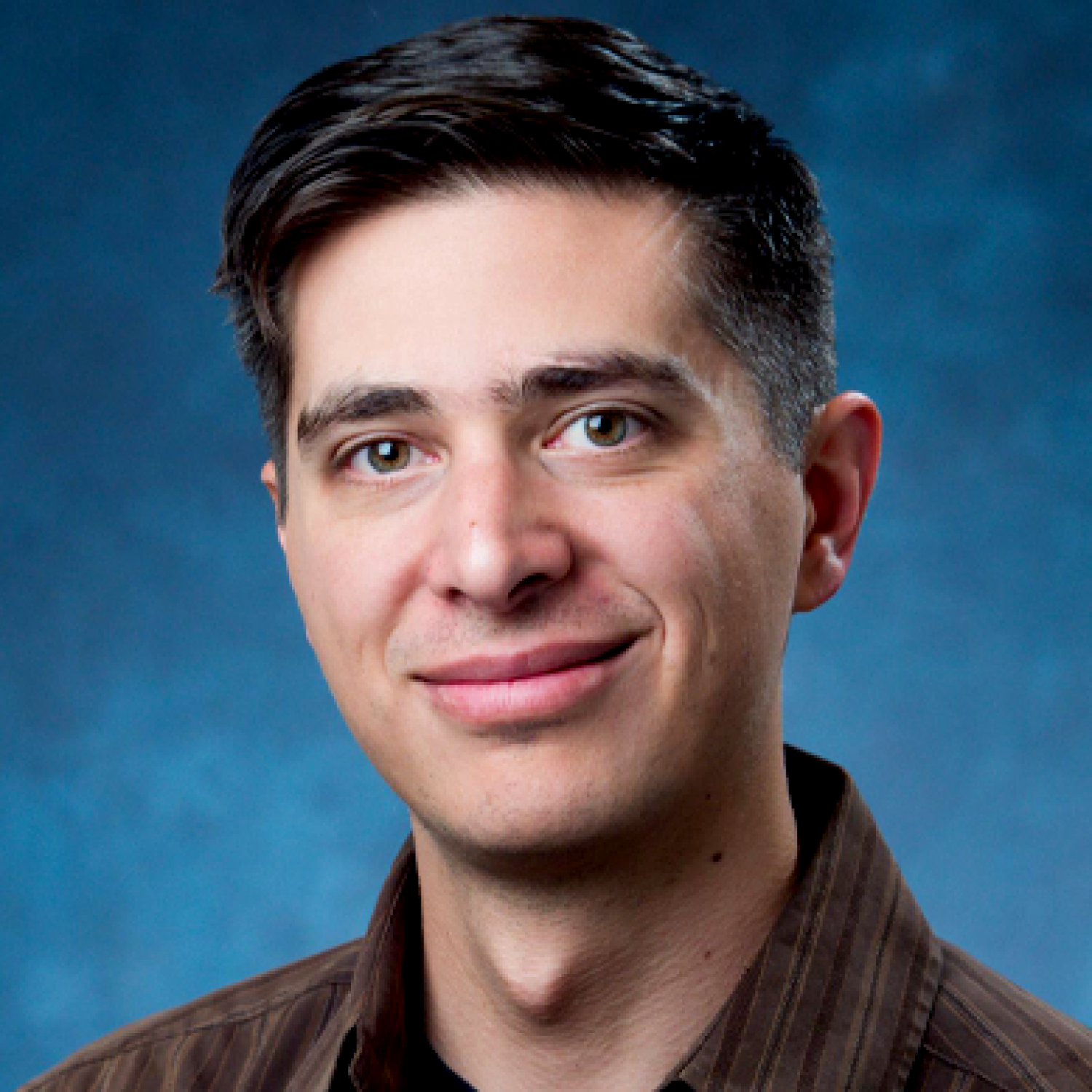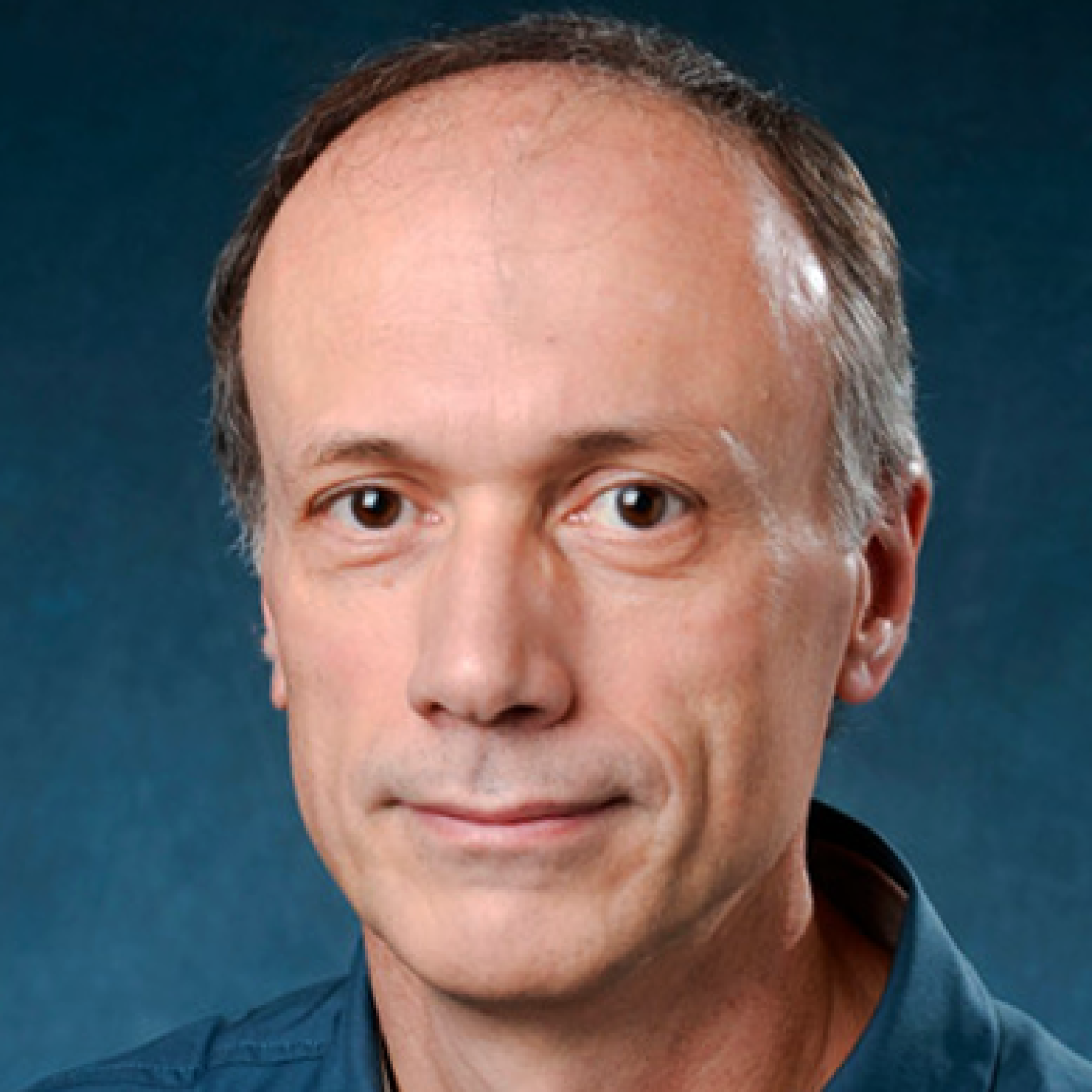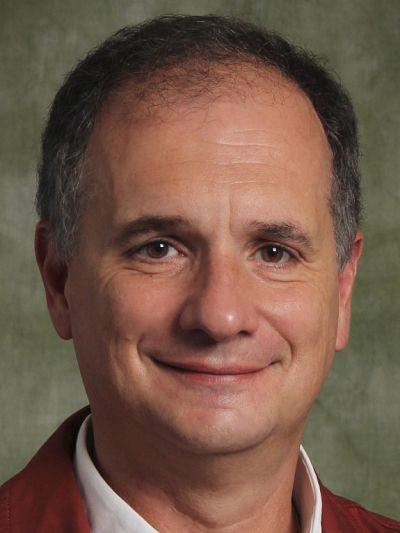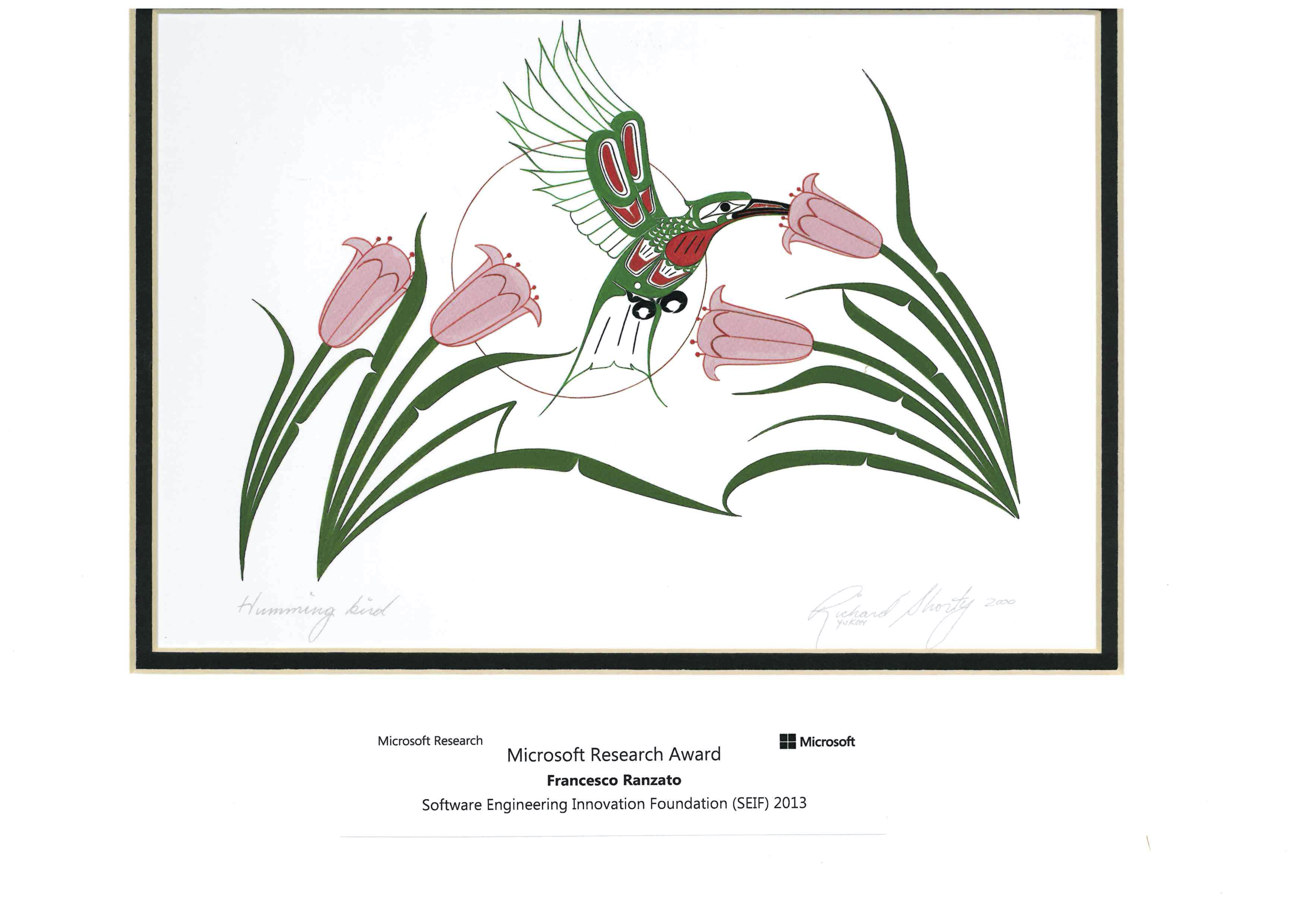
Francesco Ranzato is a Full Professor in the Department of Mathematics at the University of Padova, Italy, where he conducts research in theoretical computer science with a focus on abstract interpretation, programming languages, and formal methods. His academic career spans over three decades with continuous contributions to the field, as evidenced by his extensive publication record from 1994 through 2025. Professor Ranzato's research interests center on abstract interpretation theory and its applications to program analysis and verification. In recent years, he has expanded his work to include machine learning verification, particularly focusing on robustness certification of classifiers using abstract interpretation techniques. His work bridges theoretical foundations with practical applications, as demonstrated by multiple open-source software artifacts available on GitHub. His publication record shows a clear evolution from foundational work in abstract domains and completeness properties to practical algorithms for simulation and model checking, and most recently to applications in machine learning security. The 15 most recent publications reveal a strong focus on verifying properties of machine learning models, with particular attention to decision trees, support vector machines, and k-Nearest Neighbors classifiers. Among his notable recognitions are the POPL Distinguished Paper Award, LICS 2021 Best Paper Award, Microsoft Research SEIF award, Amazon Research Award, and the WhatsApp Privacy Aware Program Analysis Award. These awards highlight the significance and impact of his contributions to programming languages and formal methods research. Professor Ranzato maintains active research collaborations, as evidenced by his co-authored publications, and has successfully secured research funding from both academic and industry sources. His work with students and junior researchers is reflected in the numerous joint publications and the development of practical tools for abstract interpretation and machine learning verification. His research group operates through the Department of Mathematics at the University of Padova, with a strong presence in international research communities as shown by his editorial roles (e.g., editing SAS 2017 proceedings) and regular participation in top-tier conferences in programming languages and formal methods.