- Biomedical Engineering
- Biomedical Instrumentation Design
- Front-end Electronics for Biomedical Signals
- +۵ مورد دیگر
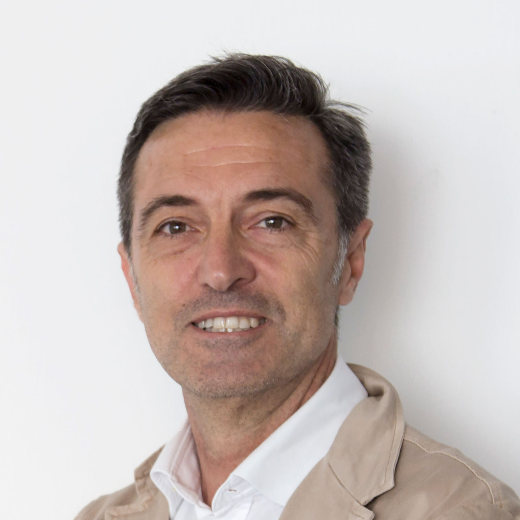
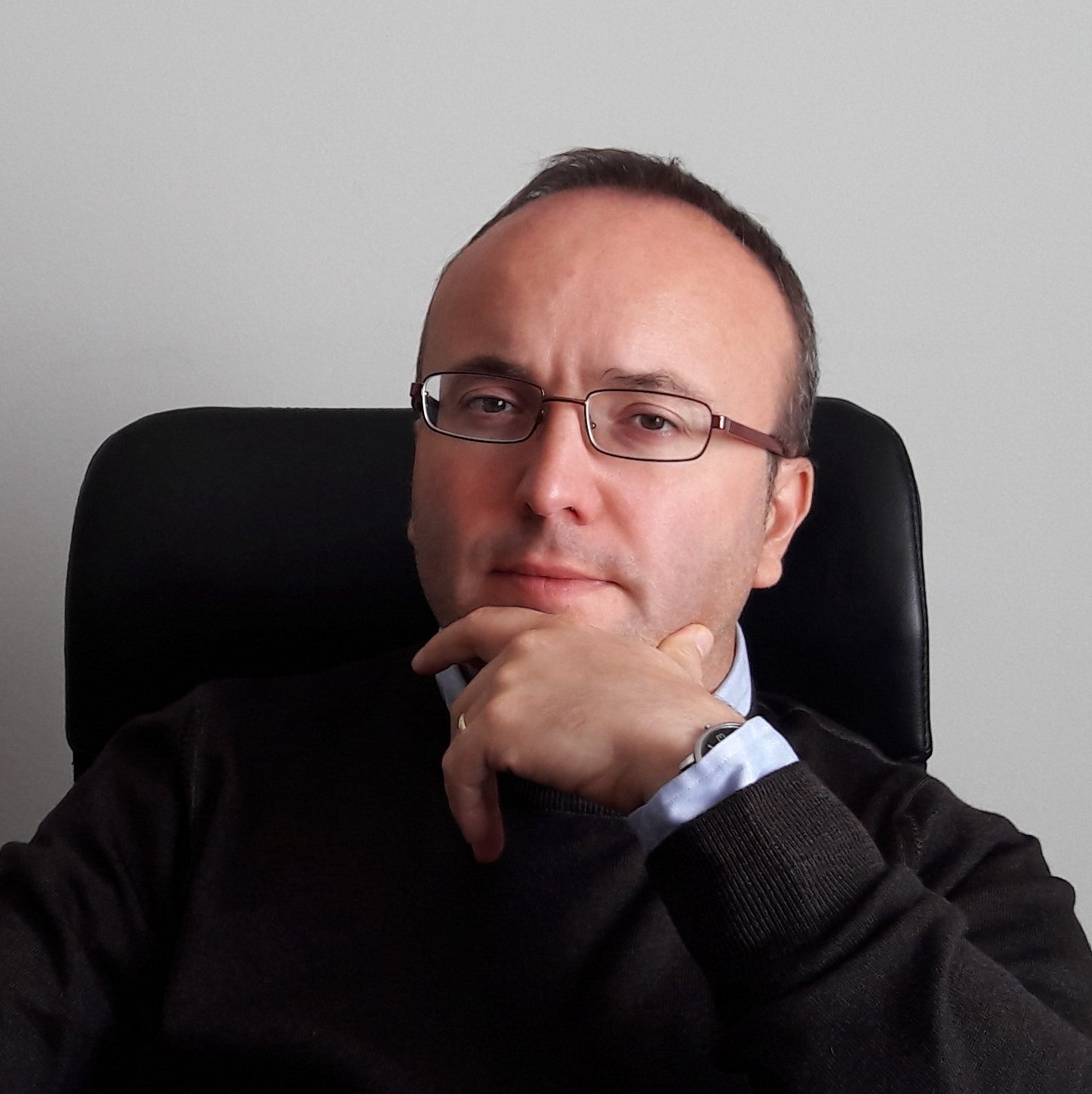
Giacinto Luigi Cerone serves as a Fixed-term Assistant Professor at the Department of Electronics and Telecommunications (DET) of the Polytechnic University of Turin. He is an active member of the Interdepartmental Center PolitoBIOMed Lab - Biomedical Engineering Lab, contributing to interdisciplinary research in medical technology and rehabilitation engineering. His academic profile bridges electronics engineering with clinical applications through extensive teaching and research activities. His research focuses on biomedical instrumentation design, front-end electronics for biomedical signals, and assistive technologies for neuromuscular disorders. Key areas include human motion analysis, clinical studies, and development of biomedical devices, with strong alignment to Sustainable Development Goals 3 (Good Health), 4 (Quality Education), and 9 (Industry Innovation). His work integrates communication systems, wireless technology, and sensor networks to address healthcare challenges through projects like EMPATIC and SeeME. Recent publications (2023-2025) demonstrate consistent focus on high-density electromyography (HD-sEMG) applications, augmented reality rehabilitation systems, and neural signal processing. These works appear in high-impact journals like IEEE Transactions and Sensors, emphasizing practical implementations for motor rehabilitation, muscle fatigue analysis, and medical device innovation. Dr. Cerone leads multiple competitive research projects including EU-funded EMPATIC (2024-2025) and PNRR Mission 1's SeeME project, alongside commercial contracts for CPAP ventilators and vital signs monitors. He supervises PhD candidates Marco Gagliardi (Botulinum Toxin optimization), Arman Farsi (AR/VR rehabilitation systems), and Alessandra Giangrande (sensorimotor integration). Patents: Three inventions in neuromuscular stimulation and AR/EMG integration Teaching: Courses on Extended Reality in Medicine, Tele-rehabilitation, and Biomedical Device Design