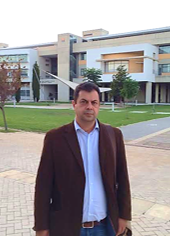
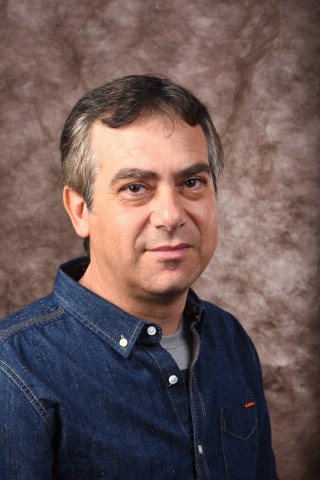
Professor Panos Papanastasiou is affiliated with the Department of Civil and Environmental Engineering at the University of Cyprus, within the School of Engineering. He has held significant administrative roles including founding President of his department, Dean of the School of Engineering, and founding Director of the Master's Program in Natural Gas Engineering. PhD in Civil Engineering, University of Minnesota (1990) MS in Civil Engineering, University of Minnesota (1986) BSc in Civil Engineering, National Technical University of Athens (1984) His research focuses on geomechanics across petroleum engineering, energy transition, and environmental applications. Key areas include hydraulic fracturing , wellbore stability , sand production , and CO2 geological storage . He also investigates green hydrogen storage , photovoltaic cracking , and offshore pipeline dynamics . Recent publications highlight his leadership in hydraulic fracturing modeling (2025), green hydrogen integration (2024), and geomechanical analysis of faulted reservoirs (2025). His work spans computational mechanics, energy systems, and environmental risk assessment. Scientific Recognition : Top 2% scientist worldwide in Geoscience, Energy and Engineering (Stanford University ranking)
Dr. Dimitriou Loukas is an Associate Professor in the Department of Civil and Environmental Engineering at the University of Cyprus, leading the Laboratory of Transportation Engineering. He holds a PhD from the National Technical University of Athens (NTUA) and has held academic positions at King Saud University and the University of Cyprus. His research focuses on sustainable transportation systems, leveraging AI, big data, and econometrics to optimize transport performance and policy design. He teaches 2 mandatory undergraduate and 5 postgraduate courses in Transport Infrastructure Management. His work spans smart city mobility, micromobility systems, freight transport optimization, and emerging transport technologies. He has secured significant national and EU research funding, reviews for top journals, and participates in international conference committees. Key research areas include: Equity in transit budget allocation Spatiotemporal analysis of shared mobility Electric vehicle policy optimization Data-driven infrastructure maintenance Airport network pandemic control strategies His laboratory develops decision-support frameworks for transport systems, integrating machine learning with traditional engineering methods to address urban mobility challenges.
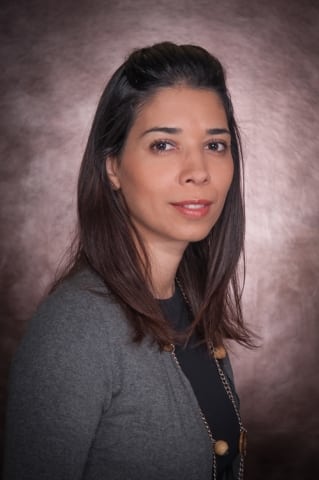
Dr. Stella K. Hadjistassou is a Research Fellow at the KIOS Research and Innovation Center of Excellence, University of Cyprus, and a Visiting Lecturer at the same institution. She previously served as Acting Director of the Language Center at UCY. Her expertise includes leading large EU-funded projects in Computer-Assisted Language Learning (CALL) and exploring technologies like AR, VR, and MALL in education. Her research focuses on integrating AR into intercultural telecollaborations and enhancing language learning through digital tools. Key projects include the ReDesign initiative, which developed a Learning Management System to foster cross-institutional collaboration and student engagement across Europe. Stella has taught in both traditional and online formats in the U.S. and Europe. Her work emphasizes ESL teacher education and ecological perspectives in linguistics, leveraging Cultural-historical Activity Theory (CHAT) frameworks. She has authored multiple articles and book chapters in her field.
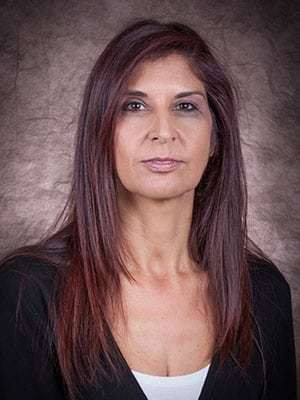
Prof. Dr. SEVİNÇ TAŞTAN serves as Department Head of Nursing at Eastern Mediterranean University's Faculty of Health Sciences in Northern Cyprus. With over two decades of academic and clinical experience, she has established herself as a leading scholar in nursing education, surgical nursing, and patient care. Her leadership extends across multiple research domains and educational initiatives within the nursing discipline. PhD in Surgical Nursing from Gülhane Military Medical Academy (2005) MA in Nursing from Dokuz Eylül University (1999) BA in Nursing from Gülhane Military Medical Academy (1993) Professor Taştan's research spans multiple critical areas of contemporary nursing practice, with significant contributions to surgical nursing, geriatric care, disaster preparedness, and nursing education methodologies. Her work demonstrates particular expertise in developing and evaluating innovative educational approaches for nursing students and practitioners. She has pioneered research on the application of simulation techniques, flipped classroom models, and technology-enhanced learning in nursing education, while maintaining strong clinical connections through studies on patient outcomes in cardiac surgery, bariatric care, and chronic disease management. Her recent work increasingly focuses on mental health aspects of nursing practice and patient care. Analysis of Professor Taştan's publication record reveals a sustained trajectory of high-impact research across multiple nursing subdisciplines. Her work consistently appears in SCI and SSCI-indexed journals, demonstrating methodological rigor through numerous randomized controlled trials and cross-sectional studies. A notable pattern shows her evolving focus from foundational surgical nursing research toward broader applications in nursing education, geriatric care, and mental health integration. Her recent publications particularly emphasize innovative educational methodologies, disaster preparedness, and quality-of-life outcomes across diverse patient populations. 18. Nöroşirürji Hemşireliği Kongresi, Sözlü Bildiri Birincilik Ödülü (2024) Multiple EMU Research Incentive Awards (2018, 2020, 2021) 15. Cerrahi Hemşireliği Kongresi, Sözlü Bildiri İkincilik Ödülü (2016) Multiple GATA Askeri Sağlık Bilimleri Üçüncülük Ödülleri (2006-2015) Professor Taştan has supervised numerous graduate students through their thesis work, including PhD candidates like ÖZLEM AYDOĞDU (2023) and multiple master's students researching diverse aspects of nursing practice. Her mentorship extends to ongoing supervision of students examining professional commitment among surgical nurses, occupational error tendencies, and aromatherapy applications in medical procedures. Her research has attracted significant institutional support, evidenced by multiple EMU Research Incentive Awards recognizing the quality and impact of her scholarly contributions. She has also contributed to major collaborative research projects focused on surgical pathways, medication use, and standardized nursing terminologies. While specific laboratory affiliations aren't explicitly detailed in the available information, Professor Taştan's work is closely connected to clinical settings including cardiac surgery units, rehabilitation facilities, and community health contexts. Her research often involves collaboration with multidisciplinary teams across Eastern Mediterranean University's health science faculties and clinical partners in Northern Cyprus. She has been instrumental in developing educational simulation approaches that likely utilize campus-based simulation laboratories for nursing education.
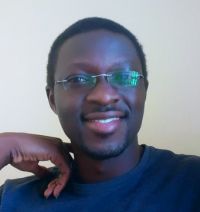
Lino Ika is a lecturer in the Department of Governance, Peace, and International Studies at Uganda Martyrs University. He has seven years of experience in teaching, research, and community service, with expertise in leadership, governance, public policy, and sustainable development. Additionally, he worked as the Country Associate Director for the Karamoja Cluster Project (2013–2016), a cross-border peacebuilding initiative, and has over four years of experience in civil society programming, organizational capacity building, and policy advocacy. Educational background includes a Postgraduate Diploma in Teaching and Learning in Higher Education (Uganda Martyrs University), MA in Sustainable Urban Governance and Peace Studies (UN University for Peace), and a Bachelors in Development Studies (Uganda Christian University). Currently pursuing a Ph.D. in Public Policy at the University of Pretoria. His research focuses on public policy effectiveness, governance challenges, and obstacles to peacebuilding and development. This aligns with his practical work in conflict-affected regions like Karamoja and his scholarly analysis of violent extremism (VE) risk factors in Uganda.
Pantelis Trompoukis is a Visiting Assistant Professor in Obstetrics and Gynecology at European University Cyprus, with affiliations to institutions including Charles University, Prague; National and Kapodistrian University of Athens; and IRCAD/EITS, Strasbourg, France. His academic qualifications include a Medical Degree (2000), PhD (2011), and MSc (2013) in Obstetrics and Gynecology. Employment History : Scholar at National University of Athens (2013–2016), Lecturer (2011–2012), and Fellowship in Endoscopic Gynecological Surgery (2010–2011). Research Interests : Focus on endometriosis, laparoscopic surgery, maternal-fetal medicine, and postoperative complications. His work spans clinical studies, systematic reviews, and surgical technique innovations. Publications : Over a decade of contributions to journals like Int J Fertil Steril and J Minim Invasive Gynecol , emphasizing endometriosis and laparoscopic training. Awards : First Prize at the 2011 AAGL International Congress for surgical video innovation. Professional Roles : Co-founder of European Academy of Gynaecological Surgery, active in organizing committees, and educator in minimally invasive surgical training across Europe and Greece.
Soulla Louca is a Full Professor and Head of the Department of Digital Innovation at the School of Business, University of Nicosia. With a PhD in Computer Science from the Illinois Institute of Technology (1994), she has built a career at the forefront of digital innovation. Her leadership includes chairing the COST Domain Committee for ICT (2008-2014) and pioneering blockchain initiatives at the University of Nicosia. Her educational background includes: PhD in Computer Science, Illinois Institute of Technology (1994) MSc in Computer Science, Western Michigan University (1991) BA in Computer Science and Mathematics, Kalamazoo College (1989) Prof. Louca's research spans blockchain technologies, ICT for sustainable development, and digital innovation. She has contributed to socio-economic aspects of ICT, e-learning, social integration, and the digital divide. Her work extends to personalized medicine and open access, driven by her involvement in European COST actions. She is particularly noted for her early work in blockchain (since 2014) and its applications across finance, governance, and identity management. Her recent publications (2024-2025) reveal a strong focus on blockchain adoption in the financial sector, tokenization, and metaverse technologies. These works collectively address the challenges and opportunities of decentralized systems in enhancing transparency, security, and sustainability across multiple domains including finance, government, and social media. Scientific awards: No specific awards were mentioned in the provided text. Prof. Louca has secured and managed significant research funding from diverse sources including the National Science Foundation (USA), Research Promotion Foundation (Cyprus), and the European Commission (Horizon 2020). Key projects include BLOCK4SME (blockchain for SMEs), the Austrian Blockchain Center, EUNOMIA (decentralized social media), and DLT4ALL (blockchain training). She has also served as a reviewer and evaluator for international bodies. She leads the Blockchain Initiative at the University of Nicosia, which has produced the world's first MSc in Digital Currency and the block.co platform for blockchain-based academic certificates. Her leadership in the COST program involved coordinating over 3000 researchers across Europe in ICT actions.
Dr. Marina Rodosthenous is an Associate Professor and Head of the Department of Education at the University of Nicosia's School of Education. She holds a PhD in Early Modern Greek Literature from the University of Cambridge, an MA in Modern Greek Studies from King’s College London, and a BA in Byzantine and Modern Greek Studies from the University of Cyprus. Her academic leadership includes coordinating the MA Programme in Teaching Language and Literature. Her research explores Modern Greek and Renaissance literature, pedagogical methodologies, and cultural literacy. Key interests include: Thematic analysis of Greek literary works (e.g., Petrarchism, Neoplatonism) Visual cognition and wordless picturebooks in education Intercultural dialogue through multimodal texts Her publications emphasize cultural diversity, teacher training, and literary pedagogy, often bridging historical texts with contemporary educational practices. Recent work analyzes visual narratives in Cypriot children’s literature and inclusive strategies for diverse classrooms. Awards & Honors: A.G. Leventis Foundation Postdoctoral Grant (2006) Fellow, Cambridge Commonwealth Society (2005) Graduate Scholar, Selwyn College, Cambridge (2003) She leads EU-funded projects like PIVOT (Promoting Inclusive Instruction) and DIALLS (Cultural Literacy Learning). Her research group focuses on teacher development and intercultural competencies.
Dr. Andreas Savva is an Associate Professor at the Department of Computer Science , School of Sciences and Engineering , University of Nicosia . He has over 25 years of teaching experience across institutions like the University of North London, Kingsway College, Intercollege, and the University of Nicosia. Education: BSc Hons (First class) in Mathematics and Computing, University of North London PhD in Computer Graphics, University of North London His research focuses on Geometric Modeling , Subdivision Surfaces , and Spline Methods , with over 50 publications. Recent work includes interdisciplinary studies in Computing Education , Accessibility in Information Systems , and Real-Time Emotional Analysis via machine learning. The 15 most recent articles span topics in geometric modeling, software development, and educational technology. Trends include applications of subdivision surfaces in design, stakeholder-driven curriculum reform, and emotional analysis in educational contexts. Grants & Collaborations : He has participated in local and international funded projects, with collaborations across Cyprus, Greece, and the UK. His work aligns with UN Sustainable Development Goals, particularly education quality.
Prof. Jean Sciare is a full-time Professor and Director of the Climate and Atmosphere Research Center (CARE-C) at The Cyprus Institute (CyI). He leads major research initiatives including the Cyprus Atmospheric Observatory (CAO), the Unmanned System Research Laboratory (USRL), and the Facility for Chemical Analyses (FCA). His expertise focuses on atmospheric aerosols, air quality, and climate interactions. With over 150 peer-reviewed publications (H-index 46), his work spans aerosol characterization, pollution transport, and UAV-based environmental monitoring. Education: Ph.D. in Atmospheric Chemistry and Physics from Paris VII University (2000), followed by postdoctoral research at Max Planck Institute for Chemistry (2000-2001). He served as CNRS Research Director at LSCE until 2014 before joining CyI. His research infrastructure developments include CAO for long-term pollutant monitoring, USRL for UAV atmospheric studies, and FCA for chemical speciation of atmospheric species. Research Interests: Aerosol dynamics, air quality impacts on health, climate modeling, UAV applications, and transboundary pollution analysis. His work integrates experimental, computational, and remote sensing methods to address global environmental challenges, particularly in Mediterranean and Middle Eastern regions. Grants & Leadership: Principal Investigator of the H2020 Teaming project EMME-CARE, leading collaborations across Europe and the Middle East. His projects emphasize interdisciplinary approaches to environmental sustainability and policy-relevant science. Labs/Teams: oversees CARE-C’s research teams specializing in aerosol physics, climate modeling, and technological innovation, including UAV development for atmospheric sampling.
Mihalis Nicolaou is Associate Professor at The Cyprus Institute's Computation-based Science and Technology Research Center. His research develops robust machine learning algorithms with applications in computer vision and interdisciplinary domains. Research focuses on: Interpretable representation learning Tensor-based machine learning Generative model interpretation Multimodal data fusion Recent publications explore semantic grounding in vision-language models and interpretability of satellite image generative networks. His work emphasizes algorithmic robustness and cross-domain applications.
Rúben Gouveia is an Assistant Professor at the University of Lisbon's Faculty of Sciences, specializing in Human-Computer Interaction (HCI) and the design of tools for health and wellbeing. He holds a PhD from the University of Madeira, supported by a National PhD studentship from the Portuguese Foundation for Science and Technology. Previously, he served as an Assistant Professor at the University of Twente in the Netherlands. His research focuses on self-tracking technologies, wearable devices, and personal informatics, with a particular interest in how these tools mediate human behavior and cultural contexts. He has conducted studies on diverse topics including sports tracking, social robots, and navigation systems, emphasizing user-centered design principles. Recent work highlights include investigations into watchface customization preferences (CHI 2023), goal-setting mechanisms in health apps (DIS 2023), and activity tracking during life transitions (NordiCHI 2022). His research has been recognized with an Honorable Mention (Top 5%) at DIS 2023. He advises PhD students including Tina Ekhtiar, Lara Siering, and Naomi Stralen. His scholarship spans over 20 peer-reviewed articles in top-tier venues like CHI, Ubicomp, and Sensors, focusing on HCI applications in healthcare, education, and everyday life.
Athanasios Metaxas is an Assistant Professor in the Department of Life Sciences at the School of Sciences, European University Cyprus. He holds a Ph.D. in Biosciences and Medicine (University of Surrey, U.K.), an M.Sc. in Biosciences and Medicine (University of Surrey, U.K.), and a B.Sc. in Pharmacy (Aristotle University of Thessaloniki, Greece). His research focuses on neuroinflammation, synaptic pathology, and molecular mechanisms underlying Alzheimer’s disease, particularly using transgenic mouse models and advanced imaging techniques like PET. Metaxas has received travel awards from the Lundbeck Foundation and the University of Southern Denmark, and his work emphasizes serotonin signaling, tau protein alterations, and the development of diagnostic tools for neurodegenerative conditions. Educations: Ph.D., Biosciences and Medicine, University of Surrey, U.K. (2010) M.Sc., Biosciences and Medicine, University of Surrey, U.K. (2005) B.Sc., Pharmacy, Aristotle University of Thessaloniki, Greece (2004) Research Interests: His studies investigate the interplay between neuroinflammation and synaptic dysfunction in Alzheimer’s disease. Metaxas employs transgenic mouse models to study amyloidosis, tau pathologies, and the role of serotonin transporters (SERT) in disease progression. He is also dedicated to developing PET imaging ligands targeting NMDA receptors and exploring antioxidant therapies that modulate the NRF2 pathway. Recent work highlights the protective roles of cytokines like TNF in cognitive processes under physiological conditions, while his studies on 5-HT2B receptors in microglia cells reveal behavioral impacts of conditional receptor inactivation. Metaxas’ research bridges molecular proteomics with translational neuroscience, aiming to identify novel therapeutic targets and biomarkers. Publications Trends: His articles emphasize Alzheimer’s disease pathogenesis, focusing on synaptic plasticity, neuroinflammation, and age-related biomarkers. He frequently publishes in journals like Cells , Scientific Reports , and Alzheimer’s Research & Therapy , with contributions to both basic science and clinical neuroimaging. Recent work extends to canine models of early Alzheimer’s, suggesting cross-species relevance of microglial activation patterns and perivascular macrophage infiltration. Awards & Recognition: 2018: IMM Travel Award (University of Southern Denmark) 2017: Lundbeckfonden Travel Award (Lundbeck Foundation) 2016: IMM Travel Award (University of Southern Denmark) 2006-2010: Ph.D. Studentship (European Commission) Advising & Grants: Metaxas has served as Principal Investigator for projects on neurofibrillary tangles (2016), SSRIs and amyloid pathology (2015), and Co-Investigator in studies on serotonergic signaling in microglia (2018-2020). He collaborated on LeARN (2010-2014) for Alzheimer’s diagnosis tools and CoPING AD (2015-2018) exploring neuron-glia interactions. As a supervisor, he guided undergraduate and postgraduate theses in multiple institutions (SDU, VUmc, University of Surrey). His leadership roles include Erasmus+ Coordinator at SDU (2016-2017) and Professional Training Year Coordinator at VUmc (2012-2013), emphasizing international collaboration and training program development. Labs & Teams: While specific lab names are not provided, his research is embedded within collaborative projects such as LeARN (Center for Translational Molecular Medicine) and CoPING AD (University of Southern Denmark). These projects involve multidisciplinary teams focusing on neuropharmacology, imaging, and molecular biology, with contributions to preclinical drug evaluation and diagnostic tool development.
Andreas Grondoudis is an Assistant Professor in the Department of Computer Science and Engineering at the School of Sciences, European University Cyprus. Previously, he held academic roles at Cyprus College (2003–2007) and worked as a Senior Software Developer at Quad Computer Services (2001–2003). He earned a PhD in Computer Science from Sheffield University (2000), an MSc (Eng) from the same institution (1994), and a BSc in Computer Science from the University of East Anglia (1993). His research focuses on protocol specification using formal methods (e.g., X-machines), quality assurance in medical imaging systems, and disaster surveillance technologies. Notable projects include the EU-funded 'Interfaces' and 'JOBIT' initiatives, where he contributed to online learning platforms and software development methodologies. Grondoudis' publications span medical imaging automation, wildfire surveillance systems, and protocol verification. His work demonstrates expertise in integrating formal methods with practical applications in healthcare and environmental safety. Awards include the 2001 'Third Party Developer' recognition from Pegasus Software and a Cambridge English certification (1985). He has advised on interdisciplinary projects such as the YPE NEPRO0204_02 research package and contributed to EU-funded educational technology initiatives. His academic consulting roles include editorial and technical support for online platforms.
Pericles Leng Cheng is a Lecturer in the Department of Computer Science and Engineering at the European University Cyprus (School of Sciences). He holds a Doctor of Information Technology (Walden University, 2017) and dual M.Sc. and B.Sc. in Computer Science from the University of Texas at Austin (2003 and 2001). His research focuses on robotics applications in education, therapeutic systems, and aspect-oriented software development for embedded systems. He leads Cyprus' participation in international robotics competitions like Robotex and has contributed to EU-funded projects addressing energy efficiency and ubiquitous computing. Education: PhD: Information Technology, Walden University (2017) M.Sc.: Computer Science, University of Texas at Austin (2003) B.Sc.: Computer Science, University of Texas at Austin (2001) Key Contributions: Developed robotic systems for Constraint Induced Movement Therapy (CIMT) in children Advanced remote robotic experimentation platforms for STEM education Authored foundational studies on aspect-oriented programming for real-time embedded systems Professional Roles: Head of Technical Committee for Robotex Cyprus (Cyprus Computer Society) EU Project Researcher (FP6, Horizon 2020, Erasmus+) Academic Consultant for educational robotics competitions His research spans robotics applications across healthcare, education, and industry, with a focus on integrating emerging technologies into practical solutions. Recent work emphasizes autonomous systems in gaming environments and robotics competitions' pedagogical impact. Over 15 years of academic experience includes teaching, curriculum development, and fostering international collaboration in tech education.