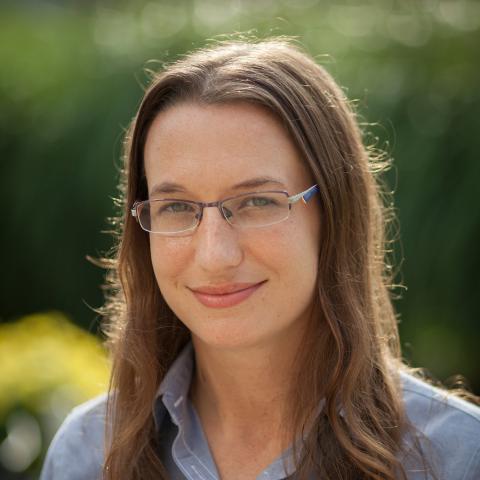
Dr. Kaila Bruer is an Assistant Professor at the University of Regina , affiliated with Luther College . Her work focuses on children's roles in legal contexts, particularly examining eyewitness memory , honesty , and testimony reliability . She leads the Child Evidence Lab and collaborates with institutions worldwide, including the University of Toronto, USC Gould School of Law, and National University of Singapore. Research Themes : Developmental differences in eyewitness recall and recognition Child witness reliability in legal proceedings Application of machine learning to facial expression analysis for deception detection Improving lineup procedures for juvenile eyewitnesses Impact of memory errors on juror decision-making Recent Trends : Her publications from 2012–2020 demonstrate consistent focus on child forensic psychology , with increasing integration of computational methods (e.g., automatic decoding of facial expressions) in later work. Studies frequently use experimental designs comparing children and adults. Collaborators : Dr. Heather L. Price (Thomson Rivers University) Dr. Kang Lee (University of Toronto) Dr. Thomas D. Lyon (University of Southern California) Dr. Xiaopan Ding (National University of Singapore) Dr. Emily Pica (Austin Peay State University)
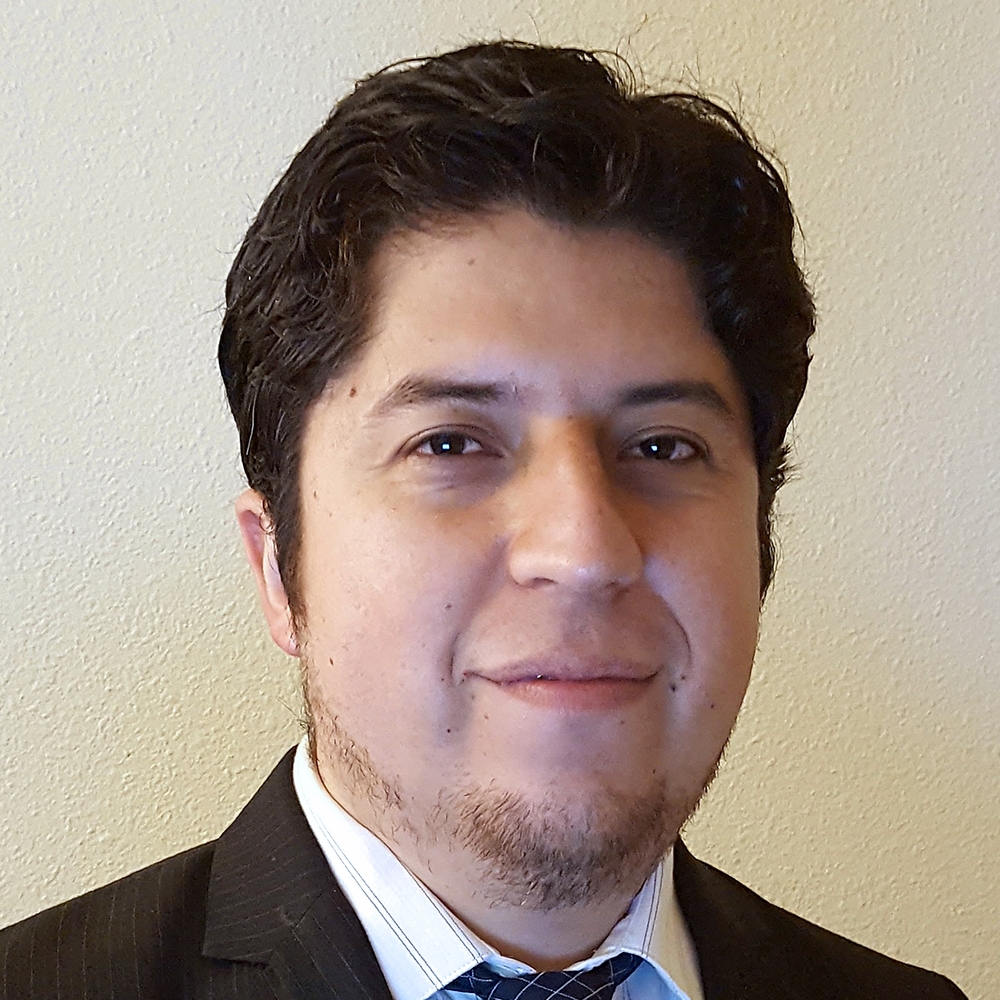
Keffrelyn D. Brown is a Professor of Curriculum & Instruction at the University of Texas at Austin's College of Liberal Arts. She holds affiliate appointments with the Center for African and African American Studies, the Center for Women's and Gender Studies, and the John L. Warfield Center for African and African American Studies. Her research examines how educators engage with sociocultural knowledge to address systemic inequities, particularly for Black students. Her work appears in Educational Researcher , Teachers College Record , and multiple education handbooks. She co-founded the Center for Innovation in Race, Teaching, and Curriculum with Anthony Brown and serves on editorial boards for journals like Urban Education and Teaching and Teacher Education . Brown's scholarship interrogates antiblackness in education, curriculum design, and the emotional dimensions of teaching. Recent publications focus on: Racial justice frameworks in teacher education Antiracist curriculum development Historical discourse on race Black intellectual traditions Equity-centered leadership models Scientific recognition includes: AERA Division K Mid-career Award (2017) Regent’s Outstanding Teaching Award (2012) Provost's Teaching Fellows (2017) Academy of Distinguished Teaching (2019) Multiple foundation fellowships Dr. Brown teaches courses like Sociocultural Influences on Learning and Teachers in Popular Culture , working to transform educational practices through critical race analysis and culturally responsive pedagogy.
Pankaj Mehra is an Adjunct Professor in the Department of Computer Science and Engineering at the Jack Baskin School of Engineering, University of California, Santa Cruz (UCSC). He is affiliated with the Storage Systems Research Center (SSRC), now succeeded by the Center for Research in Storage Systems (CRSS). Alongside his academic role, he is the Founder and CEO of Elephance Memory, Inc., and serves as Workstream Lead for Computational x Programming (x = Memory or Storage) at the OpenCompute Project. Ph.D. in Computer Science, University of Illinois at Urbana-Champaign Former Faculty, IIT Delhi Adjunct Faculty, University of California, Wright State University Computer Scientist, NASA Ames Research Center Founder, HP Labs Russia Executive Roles: SVP & WW CTO at Fusion-io; VP at Samsung, SanDisk, Western Digital Pankaj Mehra's research centers on next-generation memory and storage systems. His work explores disaggregated memory architectures, computational storage, non-volatile memory (NVM), and data-centric operating systems. He investigates how to optimize data placement, improve system performance through intelligent caching, and restructure computing models around emerging memory technologies like CXL and persistent memory. His recent publications focus on far memory, tiered memory systems, and offloading computation to storage devices. His recent publications demonstrate a strong focus on memory disaggregation, computational storage, and non-volatile memory systems. Themes include rethinking data and pointer management in distributed memory environments, resource allocation in tiered systems, and designing operating systems that treat data as a first-class citizen. His work bridges academic research and industrial innovation, often involving collaboration with leading researchers at UCSC. Samsung R&D Award (2019) CES R&D Innovation Award (2021) Terabyte Sort Trophy by Jim Gray (1998) TPC-C Cluster Performance Records (1997) Pankaj Mehra has advised and collaborated with numerous researchers and engineers across academia and industry. His work has been supported by affiliations with HP Labs, Fusion-io, Samsung, and now Elephance Memory, Inc. He has led major research and development initiatives, including SmartSSD at Samsung and foundational work on persistent memory at HP. He has also contributed to standards efforts through the InfiniBand Trade Association. He has been a key contributor to the UCSC Storage Systems Research Center (SSRC/CRSS), collaborating with faculty and researchers including Ethan L. Miller, Heiner Litz, and Daniel Bittman. His industry leadership at Elephance Memory, Inc. and involvement in the OpenCompute Project further extend his influence in shaping future data infrastructure technologies.
John Lee is a Professor and Regents Professor in the Harold Vance Department of Petroleum Engineering at Texas A&M University, holding the Kelly L. '87 and William D. '87 Von Gonten, Jr. Chair. A member of the National Academy of Engineering, his research focuses on reservoir engineering and carbon storage technologies. Dr. Lee's educational background includes a Ph.D. in Chemical Engineering from Georgia Institute of Technology. His current research investigates enhanced oil recovery, carbon sequestration optimization, and geomechanical responses during CO2 injection. Recent publications focus on machine learning applications for reservoir management and experimental studies on caprock integrity. His articles consistently address challenges in carbon storage engineering, with recent work developing co-optimization frameworks and pressure management strategies for CCS projects. Publication trends show increasing focus on geochemical monitoring and machine learning applications in reservoir characterization. Lee has received numerous honors including the DeGolyer Distinguished Service Medal and Anthony F. Lucas Gold Medal. His research team develops novel experimental methods to evaluate reservoir rock behavior under injection conditions.
Gerald Steiner is a full professor of organizational communication and innovation, dean of the Faculty of Business and Globalization, and chair of the Department for Knowledge and Communication Management at Danube University Krems in Austria. He is also a member of the Associate Faculty at the Complexity Science Hub Vienna since 2018, reflecting his deep engagement with systems and complexity science. His academic journey includes a PhD in management studies and social sciences from the University of Graz and a BSc in mechanical engineering, with training at UC Berkeley, UCLA, and the University of Oklahoma. His education includes: PhD in Management Studies and Social Sciences (Organizational and Innovation Management), University of Graz Bachelor of Science in Mechanical Engineering, Austria Training at UC Berkeley, UCLA, and University of Oklahoma at Norman Gerald Steiner's research is rooted in systemic and sustainability management, guided by a complexity science framework. His work explores sustainability-oriented innovation systems, knowledge integration, transdisciplinarity, and stakeholder collaboration. He investigates competences for solving complex problems and sustainable entrepreneurship, with recent focus on sustainable resource management, particularly the phosphorus supply chain and phosphate rock mining. His research emphasizes collaborative, science-practice co-creation and digital transformation in innovation systems. The recent publications reflect a strong interdisciplinary trend, bridging sustainability science, public health, mineral economics, and digital entrepreneurship. Articles frequently address systemic challenges during crises (e.g., COVID-19), transdisciplinary modeling, and resource security. Keywords span environmental science, behavioral science, policy, and systems thinking, indicating a holistic, integrative research approach. Scientific awards are not explicitly listed in the provided text. Gerald Steiner actively mentors students and early-career researchers, as evidenced by co-authorships with individuals such as L. Satalkina, L. Zenk, and J. Weitzer. He co-directs the PhD program in migration studies, indicating leadership in graduate education. While specific grants are not mentioned, his involvement in transdisciplinary labs and high-impact publications suggests successful funding acquisition. His work often involves international collaboration, especially with institutions in the D-A-CH region and the United States. He has co-founded four transdisciplinary labs at Danube University Krems: the Transdisciplinarity Laboratory Sustainable Digital Environments, the Transdisciplinary Laboratory for Sustainable Mineral Resources, GovLab Austria, and the Biodiversity Hub. These labs serve as platforms for integrating science, policy, and practice in sustainability transitions.
Julia L. Finkelstein, MS, MPH, ScD, is Associate Professor of Epidemiology and Nutrition in the Division of Nutritional Sciences at Cornell University’s College of Human Ecology and concurrently Associate Professor of Epidemiology in the Division of Epidemiology, Department of Population Health Sciences at Weill Cornell Medical College. She is the Follett Sesquicentennial Faculty Fellow , Director of the Maternal and Child Nutrition Program , and co-Director of the Joan Klein Jacobs Center for Precision Nutrition and Health , the Cochrane Center , and the WHO Collaborating Centre at Cornell. She also holds an adjunct Associate Professor appointment at St. John’s Research Institute, Bengaluru, India . Education Bachelor of Science – McGill University, Montréal, Canada Master of Public Health – Brown University, USA Master of Science – Harvard University (Epidemiology and Nutrition) Doctor of Science – Harvard University (Epidemiology and Nutrition) Research Focus Dr. Finkelstein is an epidemiologist whose laboratory centers on one-carbon metabolism and its role in women’s health across the lifespan—from preconception through pregnancy and postpartum. She designs and conducts large-scale randomized clinical trials, cohort studies, and surveillance programs in resource-limited settings in India, Sub-Saharan Africa, Latin America, and the United States . Her work integrates precision nutrition, mobile point-of-care diagnostics, and AI-driven analytics to improve maternal, neonatal, and child health outcomes. Scientific Awards & Honors NIH Technology Accelerator Challenge Prize – Innovative Global Health Diagnostics SUNY Chancellor Award for Scholarship & Creative Activities International Life Sciences Institute (ILSI) Award – Leadership in Nutrition Chair, Federation of American Societies for Experimental Biology (FASEB) One-Carbon Metabolism Research Interest Group (recently elected) Grants & Leadership Roles Dr. Finkelstein is Program Director of an NIH-funded training program on maternal and child nutrition and leads the Clinical Core of the NIH-funded PORTENT Center (Point-of-Care Diagnostics for Nutrition, Infection, and Cancer) within the NIH POCTRN network. She is a Global Public Voices Fellow (2021–22) through Cornell’s Einaudi Center, advocating for social and health equity in vulnerable populations. Laboratory & Teams The Finkelstein Laboratory at Cornell focuses on mechanistic and translational research in one-carbon metabolism, leveraging state-of-the-art biomarker assays, body-composition analyses, and microbiome profiling to develop and test precision nutrition interventions for women and children globally.
Miia Mäkelä is an Associate Professor in the Department of Bioproducts and Biosystems at Aalto University, specializing in fungal enzyme systems and plant biomass conversion. Her research focuses on understanding the molecular mechanisms of fungal carbon metabolism, particularly in Aspergillus species and white-rot fungi like Dichomitus squalens. Her research interests span fungal carbon metabolism, enzyme technology for biorefinery applications, lignin degradation pathways, and fungal genomics. Dr. Mäkelä's work bridges fundamental fungal physiology with biotechnological applications, particularly in developing efficient enzyme systems for plant biomass conversion. She investigates how fungi adapt their enzyme production to different carbon sources, with emphasis on carbohydrate-active enzymes involved in lignocellulose degradation. Analysis of Dr. Mäkelä's recent publications (2022-2025) reveals a strong focus on fungal metabolism of plant biomass components, particularly sugar transporters, reductases, and dehydrogenases in Aspergillus species. Her work combines genomic, transcriptomic, and biochemical approaches to understand fungal adaptation to different carbon sources, with applications in biorefinery processes. A significant portion of her research explores the complex regulatory networks controlling plant biomass degradation in fungi. Dr. Mäkelä has established extensive collaborations, particularly with Ronald P. de Vries and other international researchers in fungal biotechnology. Her work appears in high-impact journals across microbiology, biotechnology, and biochemistry. Her research group maintains strong focus on both fundamental fungal physiology and practical applications in biorefinery processes. Current work includes enzyme discovery through genomic approaches, metabolic engineering of fungal cell factories, and development of efficient systems for lignocellulose conversion.
Jorge Macedo is an Assistant Professor and Frederick L. Olmsted Early-Career Professor at the School of Civil and Environmental Engineering , Georgia Institute of Technology. He received his B.S. and M.S. in civil engineering and soil mechanics from the Peruvian National University of Engineering (2007-2011), followed by M.S. (2014) and Ph.D. (2017) in Geoengineering from UC Berkeley. Education: B.S. Civil Engineering (2007), Peruvian National University of Engineering M.S. Soil Mechanics (2011), Peruvian National University of Engineering M.S. Geoengineering (2014), UC Berkeley Ph.D. Geoengineering (2017), UC Berkeley His research focuses on geotechnical earthquake engineering , advanced numerical modeling (FEM, FDM, MPM), performance-based design , and mining geotechnics . He applies machine learning and reliability tools to assess seismic risks, particularly in liquefaction and residual drift modeling. Recent work examines nonergodic ground motion models, slope stability under subduction earthquakes, and mine tailings behavior. The 2025-2024 publications highlight trends in machine learning for hazard assessment , nonergodic ground motion modeling , and mine tailings analysis . Articles address slope systems, liquefaction effects, and physics-informed neural networks in seismic analysis. Scientific Awards: Young Researcher Award (2023), ISSMGE Technical Committee NSF CAREER Award (2022) Dr. Macedo's work bridges academic research with industry applications , including collaborations with Golder Associates and contributions to geotechnical asset management in Georgia. He actively participates in curriculum development, emphasizing data analytics and computational skills.
Tami Brown-Brandl is Professor and holder of the Dr. William E. and Eleanor L. Splinter Chair in Biological Systems Engineering at the University of Nebraska-Lincoln, where she conducts pioneering research at the intersection of agricultural engineering and animal science. Her research program focuses on: Computer vision systems for animal behavior monitoring Vibration-based vital signs detection in livestock Digital twin development for agricultural buildings RFID and sensor fusion for precision livestock farming Swine and beef cattle production optimization Individual animal identification using deep learning Recent publications (2023-2025) demonstrate a clear trajectory toward real-time, non-invasive monitoring systems using multi-modal sensor fusion. Her work integrates computer vision with ambient vibration analysis for piglet nursing behavior assessment, develops depth-image-based posture classifiers for sows, and creates digital twin frameworks that harness real-time data for precision livestock management. These innovations address critical challenges in animal welfare assessment and production efficiency through advanced engineering solutions. Dr. Brown-Brandl's leadership in precision livestock farming is evidenced by her extensive publication record on sensor systems development, with particular emphasis on practical applications for swine production systems including shoulder lesion detection, feeding behavior monitoring, and farrowing pen optimization.
Peter Teirlinck is a part-time Professor in Innovation Management at the Department of Management, Strategy and Innovation within the Faculty of Economics and Business (FEB) at KU Leuven. He serves as Vice-Dean for Internationalization and Accreditation, member of the Faculty Board, and head of Subdivision 38 at the Brussels Campus. Concurrently, he holds a part-time position as Senior Policy Advisor at the Belgian Science Policy Office and represents Belgium in the OECD Space Forum and European Space Agency networks. His research centers on innovation policy evaluation, regional innovation systems, and industry-science relationships, with specific expertise in spatial R&D organization and SME innovation management. His work bridges academic inquiry with policy implementation, examining how regional ecosystems foster technological advancement and how firms navigate complex regulatory environments for sustainable innovation. Recent publications (2024-2025) reveal strong interdisciplinary trends spanning business strategy, regional science, and environmental policy. Key thematic clusters include climate policy impacts on corporate innovation, geographic determinants of EU funding allocation, and supply chain dynamics affecting firm-level innovation. His work consistently integrates empirical regional analysis with strategic management perspectives, particularly through European case studies and comparative frameworks. Teirlinck supervises PhD candidates including You, Z. and Zhang, L., focusing on regional innovation dynamics and supply chain innovation. His active research portfolio includes major projects such as 'Top Management Team Faultlines, Cross Border Search and Open Innovation' (2024-2028) and 'Domain-Specific Database Infrastructure for Empirical Research' (2024-2030), addressing critical questions in innovation policy evaluation, R&D cooperation mechanisms, and foreign direct investment impacts on management systems.
Dr. Consuelo Waight is a full Professor in the Department of Human Development and Consumer Sciences at the University of Houston's College of Technology. She serves as Director of the Executive Master's in Human Resource Development Program, demonstrating leadership in graduate education. Her educational background includes a Ph.D. and Ed.M. in Human Resource Development from the University of Illinois at Urbana-Champaign, a B.A. in English Education from the University of Belize, and Teacher Certification from Belize Teachers College. Her research focuses on: Human Resource Development systems and strategies Workplace learning methodologies, particularly e-learning implementations Organizational dynamics during mergers and acquisitions Adult education principles in corporate settings International/cross-cultural workforce development Analysis of her scholarly publications reveals predominant themes in HRD program design, workplace adaptation to technological and organizational change, cross-cultural workforce development, and innovative approaches to adult education. Her work frequently employs case study methodologies and program evaluations across diverse international contexts. Major scientific recognitions include: Fulbright Specialist Roster (2024-2027) Fulbright Core Scholar Award (2016-2017) Teaching Excellence Awards from University of Houston (2006) and College of Technology (2005) Faculty Service Excellence Award (2021) Outstanding Paper Award from AVERA (1999) Multiple nominations for Distinguished Teaching Awards (2021-2022) As Director of the Executive HRD Program, she leads graduate-level initiatives and maintains industry partnerships. While specific grants aren't detailed, her Fulbright engagements indicate internationally funded scholarly activities. No laboratory or specialized research team information is provided in available materials.
Professor Maura Sheehan is a faculty member at the Business School of Edinburgh Napier University, with significant contributions to Human Resource Development , Talent Management , and Organizational Effectiveness . Her work spans sectors including Hospitality and Tourism , Agricultural Economics , and Sustainability . Research Themes: Training and Organizational Performance Transformational Leadership Sustainable Innovation Agricultural Knowledge Transfer Student Supervision: Co-supervisor for PhD projects on topics like global talent management, sustainability risks, and employee turnover in Guyana Second supervisor for doctoral studies in Business School since 2015 Key Publications: 2021: Meta-analysis of training-organizational performance relationships 2020: Integrated systems model for L&D effectiveness 2018: Talent management in hospitality 2017: Sustainability entrepreneur legitimation Grants: 2025–2027: Advancing Innovation and Sustainability Research funded by British Academy (£29,431) Professional Involvement: 2018: Participation in Ethical Finance & Community Development Forum 2016: Founding member of International Centre for Management and Governance Research
L. Oostwegel is a Researcher at GFZ German Research Centre for Geosciences, working within the Seismic Hazard and Risk Dynamics department. The researcher specializes in earthquake exposure modeling, building stock characterization, and multi-hazard risk assessment using geospatial data and open-source information. Oostwegel's research focuses on seismic hazard and risk assessment, with particular emphasis on building exposure modeling using OpenStreetMap and remote sensing data. Key research areas include earthquake risk modeling, flood risk assessment, landslide risk management, and the development of tools for multi-hazard risk assessment. The researcher has made significant contributions to understanding building stock characteristics at various scales, from individual buildings to global assessments. Analysis of recent publications reveals a strong focus on utilizing volunteered geographic information and Earth observation datasets for risk assessment. Oostwegel has developed methods for assessing the completeness of OpenStreetMap building data globally and has created tools like 'risk-calculator' for multi-hazard risk assessments. The research shows an interdisciplinary approach combining geophysics, geospatial analysis, and disaster risk reduction. Top-down or bottom-up in earthquake exposure modeling (2025) Safe Haven – Landslides: A Serious Game for Enhancing Risk Awareness (2025) A model of European buildings (2024) From Shelters to Skyscrapers: Worldwide Building Exploration (2024) Seismic loss assessment sensitivity study (2023) Oostwegel has collaborated extensively with researchers including Evaz Zadeh, T., Schorlemmer, D., and others across multiple projects focused on natural disaster risk assessment. The research has practical applications in urban planning, disaster risk reduction, and climate adaptation strategies, particularly for coastal megacities and areas prone to seismic activity.
Roger L Papke is a Distinguished Professor at the University of Florida College of Medicine in the Department of Pharmacology and Therapeutics , with joint appointments in the College of Dentistry and College of Liberal Arts and Sciences . As a leading authority on nicotinic acetylcholine receptors (nAChRs) , his work bridges molecular biophysics, pharmacology, and translational medicine, focusing on receptor function in nicotine addiction, pain management, and neurodegenerative diseases like Alzheimer's. His research team characterizes nAChR subtypes through ligand-gated ion channel mechanisms, identifying molecular domains involved in neurotransmitter binding and receptor activation. They explore experimental agonists' selectivity for brain receptor subtypes to develop therapeutics for learning/memory impairments in dementia models, with recent work on sulfonium moieties as novel α7 nAChR ligands and stereoisomer-based modulation of α9/α7 receptors. Key scientific awards include the R&D 100 Award (2004) and Exemplary Teacher Award (2016) He has taught courses like DEN6262 - Principles of Pharmacology (2011-2024) and GMS6560 - Molecules to Man (2018-2021, 2023) Current projects investigate therapeutic applications for α7 nAChR modulators in inflammation, neuropathic pain, and neurodegenerative disorders
Greg Holderfield is the Executive Director of the Segal Design Institute and Co-Director of the McCormick-Medill Master’s (MMM) Program at Northwestern University’s McCormick School of Engineering. He holds the endowed title of Pentair – D. Eugene and Bonnie L. Nugent Clinical Associate Professor of Design Innovation. His roles include strategic leadership in design education, overseeing the Segal Design Institute’s programs, and co-directing the MMM program, a dual-degree initiative with Kellogg School of Management. Holderfield earned a PhD in Design from Coventry University (2019), an MS in Product Design and Development Management from Northwestern (2005), and a BFA in Industrial Design from the University of Illinois (1990). His research focuses on design thinking pedagogy, particularly its application in business education. He emphasizes studio-based, interdisciplinary learning and the importance of empathy-driven problem-solving. His teaching spans undergraduate, graduate, and executive education, with courses like Design Strategy and Business Innovation Lab. Holderfield has led industry collaborations with companies such as Abbott, Google, and Harley-Davidson, and his work has been recognized through 44 design and utility patents. He chairs major initiatives like the Northwestern Design Leadership Series and redesigned the Ford Engineering Design Center. Recipient of the Masahiro and Eiko Meshii Award for Excellence in Design Education (2016) and the Faculty Member of the Year (2010), Holderfield advocates for a “design innovation for all” ethos at Northwestern. His service includes roles in recruiting, curriculum development, and global executive education programs.