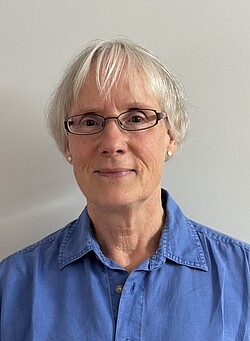
Professor Korinna Huber serves as Head of the Department of Functional Anatomy of Livestock at the University of Hohenheim's Institute of Animal Science within the Faculty of Agricultural Sciences. With a Doctor of Veterinary Medicine background, she leads research focused on understanding anatomical structures and their physiological functions in farm animals. Her educational background includes extensive training in veterinary medicine and animal science, establishing her expertise in livestock physiology and anatomy. She has developed a comprehensive research program that bridges fundamental anatomical knowledge with practical applications for modern animal production systems. Professor Huber's research interests encompass: Metabolic regulation in dairy cows during lactation Growth and development processes in calves, turkeys, and broilers Egg-laying physiology and mineral metabolism in hens Maintenance of animal health while achieving high metabolic performance Application of molecular biological, biochemical, and histological methods to assess organ function Investigation of production diseases in genetically high-yielding farm animals Her research methodology integrates multiple scientific approaches including molecular biology, biochemistry, histology, and bioinformatics for comprehensive data analysis. Professor Huber has established herself as a leading researcher in animal science with 193 publications and over 2,630 citations, demonstrating significant impact in her field. Her scientific contributions include pioneering work on: Metabolic adaptation mechanisms in dairy cows during critical physiological transitions Mineral utilization and homeostasis in different strains of laying hens Effects of dietary supplements like L-carnitine and myo-inositol on animal physiology Development of non-invasive diagnostic methods using volatile organic compounds Professor Huber leads an active research group that collaborates with scientists across Europe, particularly with institutions in Switzerland and Germany. Her work bridges fundamental anatomical knowledge with practical applications for improving animal health and production efficiency in modern farming systems, contributing significantly to sustainable animal agriculture.