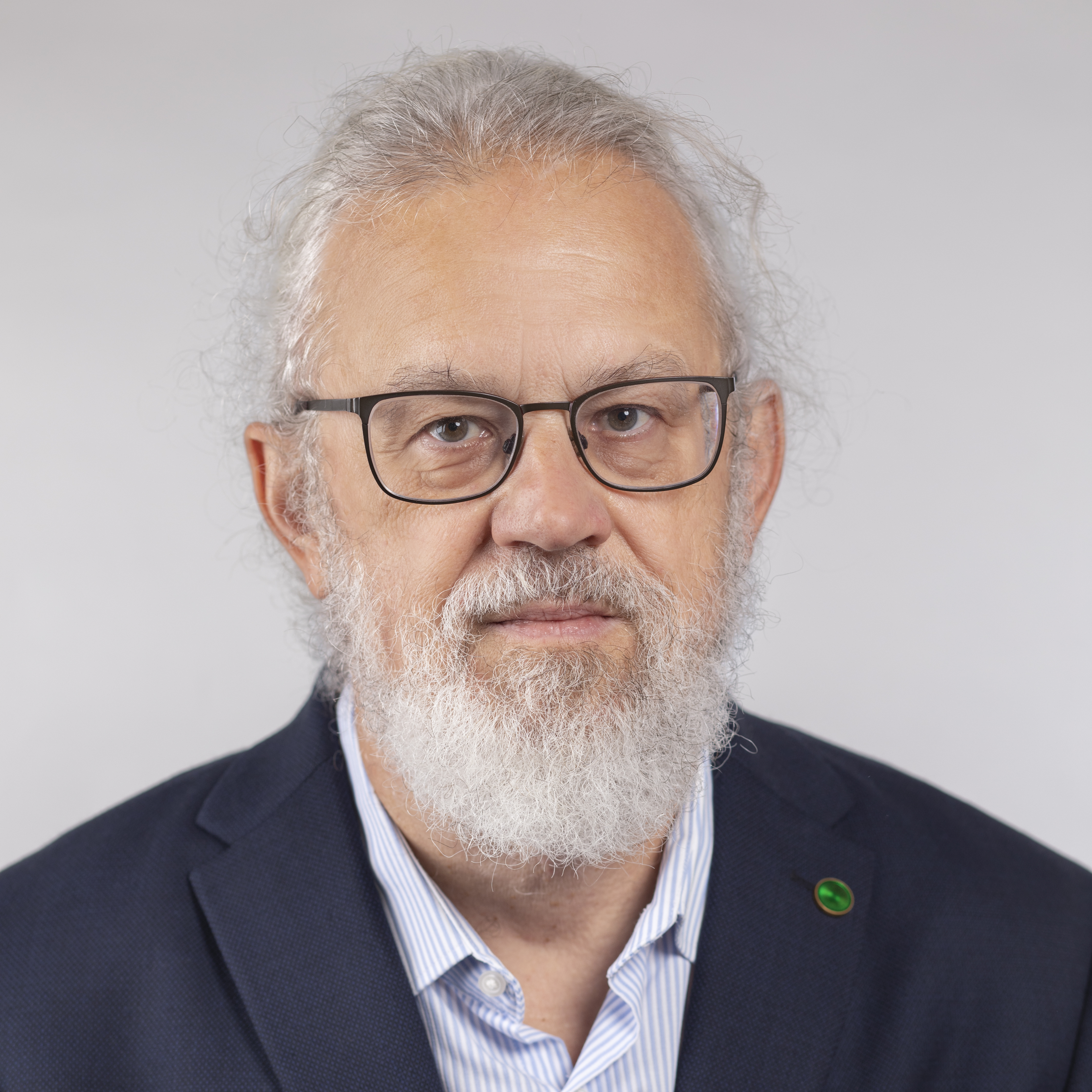
Zachary Nimchuk is an Associate Professor in the Department of Biology at the University of North Carolina at Chapel Hill. His research focuses on plant stem cell signaling networks, investigating how stem cell populations are specified, maintained, and balanced between proliferation and differentiation using Arabidopsis thaliana and other plant models. Research Areas: Plant stem cell regulation, peptide signaling, hormone interactions, genome editing tools, and vascular/lateral root development. Methods: Genetics, genomics, live tissue imaging, cell biology, and biochemical approaches. Key Discoveries: Elucidation of CLAVATA and CLE peptide networks in meristem homeostasis, GOLVEN-RGI interactions in immunity, and development of CRISPR mutation detection tools like indCAPS. His 2023-2020 publications highlight auxin-CLE crosstalk, receptor kinase regulation, and evolutionary conservation of signaling modules. Awards & Engagements: Faculty of 1000 Recommended Article (PLOS Genetics paper) Panelist at the 2023 UNC Clean Tech Summit on genomics and food security Collaborations: Active partnerships with the Kieber, Zipfel, Hardtke, and Ingram labs, as well as contributions to NSF Plant Genomes projects. His lab also develops advanced imaging techniques for shoot meristem studies.
Molly Megraw is an Associate Professor at Oregon State University's College of Agricultural Sciences , affiliated with the Department of Botany and Plant Pathology , Molecular and Cellular Biology Program , and Center for Genome Research and Biocomputing . She also collaborates with the Department of Electrical Engineering and Computer Science. Education : Ph.D. in Bioinformatics (2007) from the University of Pennsylvania Her research integrates computational biology , machine learning , and plant genomics to study: Transcriptional regulation of Pol-II genes and miRNAs in plants Network motif analysis in TF-miRNA circuits Chromatin accessibility and promoter identification via nanoCAGE Synthetic biology applications in plant systems Recent publications focus on: Salinity stress responses in rice miRNA editing in human cancer Network motif discovery algorithms PlantSimLab modeling platform Scientific accomplishments include: NSF CAREER Award (2018) for machine learning models of gene regulation MiRGen database development for miRNA genomic organization She supervises graduate students in Biological and Physical Sciences (BPP) and teaches computational courses like BDS 470/570 Introduction to Computing in the Life Sciences . Her lab maintains active collaborations across plant biology and computational disciplines.
Vitaly Citovsky is a SUNY Distinguished Professor in the Department of Biochemistry and Cell Biology at Stony Brook University. His research focuses on fundamental mechanisms of plant-pathogen interactions with significant implications for plant biotechnology and genetic engineering. His primary research interests include: Genetic transformation of plant cells by Agrobacterium Intercellular transport of plant viruses and plant cell proteins Remodeling of plant chromatin by histone modifications Analysis of Citovsky's recent publications reveals a sustained focus on molecular mechanisms of plant-pathogen interactions. His work demonstrates how Agrobacterium manipulates plant cellular machinery for genetic transformation, explores viral movement through plasmodesmata, and investigates epigenetic regulation of plant genes. The research spans molecular, cellular, and organismal levels, with applications in plant biotechnology and understanding fundamental biological processes across kingdoms. Scientific achievements include: SUNY Distinguished Professor title U.S. patent # 5,831,020: Protein-Mediated Nuclear Import of DNA U.S. patent # 6,902,886: Genetic Assay for Protein Nuclear Transport U.S. patent # 7,659,447: Increasing Host Plant Susceptibility to Agrobacterium Infection by Overexpression of the Arabidopsis VIP1 Gene Citovsky actively mentors several postdoctoral researchers and has trained numerous scientists throughout his career. His laboratory has received continuous funding from major agencies including the National Science Foundation (NSF), National Institutes of Health (NIH), and the U.S. Department of Agriculture (USDA), supporting innovative research at the intersection of plant pathology, molecular biology, and biotechnology. His research group operates a sophisticated molecular biology laboratory focused on protein-protein interactions, gene expression analysis, and plant genetic transformation techniques, with findings regularly featured on the covers of prestigious journals including Plant Physiology and Molecular Plant Pathology.
Prof. Dr. Martin J. Müller is Professor and Chair of Pharmaceutical Biology at the Julius von Sachs Institute of Biosciences, University of Würzburg, Germany. His group combines metabolomics, lipidomics and genetic approaches to decode lipid-mediated signalling in plants and insects under stress. Education & Career: 1992 Dissertation, Ludwig-Maximilian-University Munich 1993–present Continuous academic career culminating in appointment as Chair of Pharmaceutical Biology, University of Würzburg Research Focus: The Müller laboratory investigates how membrane-derived oxidised lipids (oxylipins, phytoprostanes, jasmonates) and energy-storage lipids (triacylglycerols) orchestrate plant adaptation to heat, salt, pathogens and herbivory. High-resolution mass spectrometry is employed to map metabolic shifts in Arabidopsis , crop plants and Drosophila , followed by CRISPR/Cas or classic mutant studies to test gene function. Recent work extends these concepts to the circadian clock, deciphering how daily oscillations in lipid metabolism couple to behavioural and physiological outputs in insects, and how natural variation across 1,135 Arabidopsis ecotypes underpins climate adaptation. Scientific Awards: While specific honours are not listed, Prof. Müller’s sustained funding record and >200 peer-reviewed articles (1993-2023) demonstrate international recognition. Research Teams & Collaboration: He heads the “AG Müller” research group and participates in collaborative centres including the CRC “Insect Timing” and the Metabolomics Core Unit. Ongoing projects integrate expertise from co-PIs Agnes Fekete, Daniel Maag and Arthur Korte.
Ari Pekka Mähönen is a Full Professor at the University of Helsinki's Faculty of Biological and Environmental Sciences, where he leads research on plant vascular development. Previously, he served as Group Leader at the University of Helsinki's Institute of Biotechnology from 2009 to 2022 and completed postdoctoral research at Utrecht University's Department of Biology from 2006 to 2009. Professor Mähönen's research focuses on the molecular mechanisms of vascular cambium development in plants, particularly in Arabidopsis thaliana. His work investigates how plant hormones like auxin and cytokinins regulate secondary growth, stem cell maintenance, and cell differentiation. He has made significant contributions to understanding cambium stem cell identity, positioning mechanisms, and the hormonal regulation of cell fate decisions during plant development. Analysis of his recent publications reveals a strong emphasis on the molecular regulation of plant secondary growth, with particular attention to the vascular cambium as a bifacial stem cell niche. His research spans multiple subfields including plant cell biology, hormone signaling, transcriptional regulation, and computational approaches to understanding plant development. Professor Mähönen has received significant recognition for his work, with 87 publications accumulating over 60,000 reads and 8,383 citations. His research has been supported by various grants including an HFSP grant from 2007-2009. His laboratory provides opportunities for students and researchers interested in plant developmental biology, with a focus on advanced techniques in molecular genetics, imaging, and computational analysis of plant development. The lab maintains strong international collaborations, reflecting the global significance of his research on fundamental plant developmental processes.
YU HAO serves as Provost’s Chair Professor and Head of the Department of Biological Sciences at the National University of Singapore (NUS), Faculty of Science. He concurrently holds a Board Director position at Temasek Life Sciences Laboratory (TLL), Singapore, following his tenure as Executive Director (2015-2017) and Vice Dean of the Faculty of Science (2014-2017). His research focuses on elucidating plant regulatory networks through: Molecular mechanisms of RNA modifications (particularly m6A) Phytohormone signaling and molecular trafficking Floral transition and reproductive development Molecular breeding for urban farming applications Plant-based biomanufacturing platforms Recent publications (2022-2025) demonstrate his leadership in RNA epitranscriptomics, revealing how m6A modifications govern flowering time, stress responses, and hormone signaling in Arabidopsis and rice. His work bridges fundamental molecular mechanisms with agricultural innovation, emphasizing crop resilience and sustainable food systems. His scientific impact is recognized through prestigious honors: Elected Fellow of the Singapore National Academy of Science (2020) Singapore President Science Award (2013) National Research Foundation Investigatorship (2016) Three-time Provost’s Chair Professorship recipient (2017, 2020, 2023) Professor Yu actively shapes global plant science through editorial leadership in top journals (eLife, PLoS Genetics, Annual Review of Cell and Developmental Biology) and international advisory roles at institutions including the Chinese Academy of Sciences and Japan's National Institute for Basic Biology. His research program integrates molecular genetics, genomics, and biotechnology to address food security challenges.
Melis Kucukoglu Topcu is an Academy Research Fellow at the University of Helsinki, affiliated with the Faculty of Biological and Environmental Sciences and the Viikki Plant Science Centre (ViPS) . She supervises doctoral researchers in the Doctoral Programme in Plant Sciences and leads the Forest Tree Cambial Research (FORCAM) group. Education PhD in Biology (2024, University of Helsinki) MSc in Molecular Biology (2015, Umeå University) BSc in Molecular Biology and Genetics (2009, Istanbul Technical University) Her research focuses on molecular mechanisms regulating vascular cambium development , lateral growth , and vascular continuity in plants. Model systems include hybrid aspen trees, birch, and Arabidopsis roots. Key methodologies involve CRISPR-Cas9 , inducible gene expression , and single-cell transcriptomics . Recent publications from 2023-2025 highlight her work on hormone-regulated cambial activity , transcription factor function , and genetic systems controlling plant thickness and vascular patterns. Collaborative projects span Finland, Sweden, and international institutions. Scientific Awards Best Journal Article 2019 prize New Phytologist Symposia Travel Grant (2018) Rank Prize Funds Oral Presentation Award (2015) Seth M Kempe Stipend (2012) Wallenbergs and Hjelms Fund Grant (2011) She has supervised 11 researchers at various levels since 2018, including post-doctoral fellows, doctoral candidates, and international exchange students. Teaching roles include Plant Developmental Biology , Translational Plant Biology , and laboratory courses in molecular biology. Current projects under the Academy of Finland explore genetic control of lateral growth, vascular development, and carbon sink mechanisms in trees. Collaborations include the TreeBio Centre of Excellence and international biotechnology workshops.
Aleksia Vaattovaara is a Postdoctoral Researcher at the University of Helsinki, affiliated with the Organismal and Evolutionary Biology Research Program. She works in the intersection of bioinformatics, molecular biology, and plant genomics. Research Interests : Evolution of plant proteins (e.g., DUF26-containing proteins), reactive oxygen species regulation, nutrient deficiency responses, chromatin-level phenotypic variation, and climate adaptation mechanisms. Projects : Participation in Academy of Finland projects (TreeBio, ASTROS), Jane and Aatos Erkko Foundation grants, and interdisciplinary chromatin regulation studies. Publications Trends : Focus on Arabidopsis as a model organism, integrating computational genomics with experimental validation to study protein evolution, stress signaling, and gene annotation quality. Conference Activities : Active participation in 12 international events (2013–2024), including Keystone Meetings, Arabidopsis Research conferences, and Plant Genome Evolution symposiums. Roles included poster presentations and invited talks.
István Bóna is an Associate Professor and currently serves as the acting head of the Department of Restoration at the Hungarian University of Fine Arts. With a career spanning over four decades in the field of art restoration, particularly focusing on wall paintings and frescoes, Bóna has established himself as a leading expert in mural conservation. His academic journey began at the Hungarian University of Fine Arts, where he earned his Painter-Restorator degree with Honors Diploma (1975-1980) and later completed his DLA degree in 2008 with a dissertation titled "New methods for the restoration of wall paintings from archaeological excavations." Throughout his career, he has maintained a dual role as both an academic and a practicing restorer, contributing significantly to numerous high-profile restoration projects across Hungary and internationally. Dr. Bóna's educational background is deeply rooted in the Hungarian University of Fine Arts, where he completed his foundational studies as a Painter-Restorator with Honors Diploma (1975-1980). He continued his academic development at the same institution, joining the Doctoral School in 2002, where he ultimately earned his DLA degree in 2008. His habilitation was completed in 2008, conducted in English, demonstrating his international academic engagement. His doctoral dissertation focused on innovative approaches to restoring wall paintings discovered during archaeological excavations, establishing the foundation for his specialized expertise. Professor Bóna's research interests center on the conservation and restoration of wall paintings, particularly those of archaeological significance. His work spans multiple dimensions of mural conservation, including the development of new techniques for removing and preserving frescoes from excavation sites, the analysis of historical painting techniques from Roman to Baroque periods, and the ethical considerations in facade restoration. He has made significant contributions to understanding Roman fresco techniques, medieval wall paintings, and the conservation challenges associated with salt-contaminated murals. His international collaborations, particularly with institutions in Finland, Italy, and Slovakia, have broadened the scope of his research to include comparative studies of conservation methodologies across different cultural contexts. Bóna's approach integrates scientific analysis with traditional restoration practices, emphasizing the importance of material compatibility and long-term preservation strategies. Dr. Bóna's publication record reveals consistent scholarly output with a focus on practical conservation methodologies and case studies. His work demonstrates a progression from technical aspects of restoration to broader philosophical questions about conservation ethics and the balance between restoration and renovation. The recurring themes across his publications include wall painting techniques, facade restoration, and the scientific analysis of historical materials. His international perspective is evident in publications like "The Conservation-Restauration Education in Four Former Communist Countries" which examines educational systems across Central Europe. Dr. Bóna's scientific achievements have been recognized with prestigious awards including the Gyula Forster Award (2004) and the Munkácsy Award (2003). These honors acknowledge his significant contributions to the field of art restoration and conservation science. His work extends beyond traditional academic recognition, as he has played a key role in establishing professional standards through his involvement with international organizations. In addition to his research and restoration work, Professor Bóna has been actively involved in mentoring the next generation of conservators. He has supervised doctoral students since 2012 and has guided numerous master's and diploma students, including international students from institutions such as CEU, Fachhochschule Erfurt, AFAD, and Helsinki Metropolia University of Applied Sciences. His students have completed significant research on topics ranging from encaustic painting techniques to the conservation of Roman mosaics and 4th-century frescoes. Bóna's commitment to education extends to his development of specialized workshops and international training programs, particularly focusing on mural restoration techniques. Professor Bóna has been instrumental in establishing and leading professional networks that connect restoration experts across Europe. As a founder and representative of ENCoRE (network for European university-level restoration training), he has helped shape conservation education standards across the continent. His work with ECCO (European Association of Restoration Associations) as a delegate and his involvement with ICOMOS education committee (until its abolition in 2015) demonstrate his leadership in the international conservation community. Additionally, his role as vice-chairman of the Hungarian Chamber of Restoration since 2009 highlights his ongoing commitment to professional standards and ethics in the field.
Zhangli Thomsen Zuo serves as Assistant Professor in the Department of Biology (Functional Genomics section) and Department of Plant and Environmental Sciences (Section for Plant and Soil Sciences) at the University of Copenhagen's Faculty of Science. With dual appointments reflecting interdisciplinary expertise, Zuo operates from campus locations at Ole Maaløes Vej 5 in Copenhagen N and Thorvaldsensvej 40 in Frederiksberg C. Research focuses on molecular mechanisms governing plant development and stress responses, particularly mRNA decapping pathways in Arabidopsis thaliana . Key interests include: mRNA decay machinery in developmental regulation Plant-pathogen interactions involving viral infection Drought tolerance mechanisms through microbiome interactions Stress-responsive gene expression via post-transcriptional control Recent publications (2018-2024) demonstrate consistent focus on PAT/LSM1 decapping factors, revealing their critical roles in apical hook formation, lateral root development, osmotic stress adaptation, and viral susceptibility. Work integrates molecular genetics, transcriptomics, and microbiome analysis to dissect plant-environment interactions. Zuo maintains active collaboration with the Petersen research group, evidenced by co-authorship across all publications. The research program shows strong translational potential for improving crop stress resilience through fundamental insights into mRNA regulation pathways.
Noga Ayali-Darshan serves as a Senior Lecturer in the Department of Hebrew and Semitic Languages at Bar Ilan University, where she specializes in Ancient Near Eastern literature and its connections to biblical traditions. Ph.D., Hebrew University of Jerusalem Dr. Ayali-Darshan's research focuses on comparative mythology, particularly examining how ancient mythological motifs were adapted into biblical traditions. She specializes in analyzing storm-god mythology, ritual practices including scapegoat ceremonies, and the cultural transmission of religious ideas across the Ancient Near East. Her work reveals the deep historical roots of many biblical practices that were previously thought to be later innovations. Dr. Ayali-Darshan's publications demonstrate a consistent focus on identifying ancient Near Eastern parallels to biblical rituals and narratives. Her work on the scapegoat ritual, Sukkot's seventy bulls, and the storm-god myth shows how early Israelite religion developed within a broader cultural context, with many practices having roots in earlier polytheistic traditions of the region.
Dr. Mark Hudson is a prominent researcher at the Max Planck Institute for the Science of Human History in Jena, Germany, where he leads work in the Language and the Anthropocene Research Group. He is also affiliated as Chercheur associé with the Institut d'Asie Orientale at ENS de Lyon in France. His research bridges archaeology, environmental humanities, and linguistic studies with a particular focus on East Asian prehistory. Max Planck Institute for the Science of Human History, Jena Institut d'Asie Orientale, ENS de Lyon (Chercheur associé) Hudson's research interests focus on the intersection of archaeology, environmental change, and human cultural development, particularly in Japan and East Asia. His work examines the Jōmon period, the Anthropocene, language dispersal patterns, and the relationship between agricultural development and linguistic evolution. He investigates how human societies have adapted to environmental changes over millennia and challenges notions of Japanese exceptionalism in pre-industrial environmental impact. His approach combines archaeological evidence with linguistic and genetic data to provide interdisciplinary insights into human history. Analysis of Hudson's recent publications reveals a strong focus on interdisciplinary approaches connecting archaeology, linguistics, and genetics. His work frequently examines the relationship between agricultural development and language dispersal in East Asia, with particular attention to the Transeurasian language family. Hudson's research consistently challenges simplistic narratives about human-environment interactions, demonstrating through archaeological evidence that pre-industrial Japan experienced significant anthropogenic impacts comparable to global patterns. His work on the 3000-year-old shark attack victim represents innovative bioarchaeological methods combining skeletal analysis with 3D modeling. Hudson has published extensively in top-tier journals including Nature, iScience, and Journal of World Prehistory. His research has been widely cited, with his Nature paper on Transeurasian languages receiving over 6,200 views. He has contributed to major reference works including the Cambridge World History of Violence and Routledge Handbook of the Bioarchaeology of Climate and Environmental Change. As a researcher at the Max Planck Institute, Hudson collaborates with numerous international scholars across disciplines. His work involves significant data collection efforts, such as the ARCHIPELAGO Archaeological Isotope Database for the Japanese Islands, which compiles 1476 entries of human bone and hair carbon and nitrogen stable isotopes from Japanese archaeological sites spanning from the Upper Palaeolithic to the mid-nineteenth century. His research often involves fieldwork in Japan and China, examining sites from the Jōmon period through later historical periods. Hudson's work connects with broader themes of environmental sustainability and resilience, examining how ancient societies navigated environmental challenges. His research group, Language and the Anthropocene, explores the deep historical roots of human impacts on Earth systems, challenging conventional periodizations of the Anthropocene that focus solely on the Industrial Revolution or post-1945 'Great Acceleration'.
Ulrich Schurr is a Research Professor at the Institute of Bio and Geosciences (IBG) within Forschungszentrum Jülich, Germany, where he leads cutting-edge research in plant-environment interactions using advanced imaging and data science methodologies. His work spans four core research areas: optimizing plant performance through development-metabolism interfaces, plant microbiota networks, synthetic biology, and theoretical plant biology. His research focuses on quantitative phenotyping of plant geometries, root system architecture, and photosynthetic efficiency using non-invasive technologies like MRI, X-ray CT, and sun-induced fluorescence imaging. Key interests include root-soil interactions, nutrient foraging strategies, leaf vein segmentation, and environmental adaptation mechanisms in plants. He develops high-throughput phenotyping platforms for growth and photosynthesis screening, bridging plant physiology with computational analysis. Analysis of his publication record reveals a consistent emphasis on imaging technology development (60% of recent work), root system dynamics (25%), and data-driven phenotyping frameworks (15%). His research demonstrates strong interdisciplinary integration between plant biology, engineering, and data science, with significant contributions to understanding plant responses to heterogeneous environments and nutrient limitations. Professor Schurr actively contributes to Forschungszentrum Jülich's Plant Metabolism and Metabolomics Facility and Imaging Platform, advancing methodologies for 3D root imaging, leaf vein analysis, and photosynthesis monitoring. His work supports CEPLAS (Cluster of Excellence on Plant Sciences) initiatives through data infrastructure development and collaborative research on plant performance optimization.
Professor Christian Hardtke is a leading researcher in plant molecular biology at the Department of Plant Molecular Biology within the Faculty of Biology and Medicine at the University of Lausanne. He directs an active research laboratory focused on understanding the genetic and molecular mechanisms controlling plant growth and development. His work bridges fundamental plant science with potential applications in sustainable biomass production. Prof. Hardtke's research centers on the genetic control of plant growth rate and morphology, particularly investigating root system architecture and secondary growth mechanisms. His laboratory exploits natural genetic variation in Arabidopsis thaliana to identify genes responsible for quantitative aspects of plant form. Key research areas include phloem differentiation, hormone signaling pathways (particularly CLE peptides and brassinosteroids), and the molecular basis of developmental plasticity in plants. Analysis of Prof. Hardtke's recent publications reveals a strong focus on receptor kinase signaling pathways, cell-cell communication in vascular development, and the genetic basis of plant morphological variation. His work often combines genetic, molecular, and cell biological approaches to unravel complex developmental processes, with several publications appearing in high-impact journals including PNAS, Nature Communications, and The Plant Cell. Prof. Hardtke actively supervises PhD students, with recent graduates including Hang, Nicholay, and Ana Cecilia Aliaga Fandino. His laboratory receives generous research funding that supports multiple projects exploring fundamental aspects of plant development. He has established a productive research program with numerous collaborations and publications spanning plant genetics, molecular biology, and developmental physiology. The Hardtke Lab maintains a strong research presence investigating the molecular mechanisms of plant growth and development, with particular emphasis on how plants control their form through genetic and environmental interactions. The laboratory continues to make significant contributions to our understanding of plant developmental biology, with implications for both basic science and potential agricultural applications.
Dr. Philipp Denninger serves as a Group Leader at the Chair of Plant Systems Biology within the TUM School of Life Sciences at Technical University of Munich. Appointed in July 2019, he leads an independent research group focused on plant cell polarity mechanisms under the supervision of Prof. Dr. Claus Schwechheimer. His habilitation process in Plant Cell Biology began in March 2022, marking his progression toward a professorial qualification in the German academic system. Dr. Denninger's research centers on understanding cell polarity and signal transduction in plants, particularly investigating the RhoGTPases (ROP) and their activating guanine nucleotide exchange factors (ROPGEFs). His laboratory employs model systems including Arabidopsis thaliana , Marchantia polymorpha , and Zea mays to study pollen tube growth, cell division, and other polarization events. The group utilizes advanced techniques such as confocal microscopy, image analysis, and quantitative protein-protein interaction studies (MST, FRET) to unravel the spatiotemporal composition of ROP signaling complexes during polar growth. Analysis of Dr. Denninger's publication record reveals a consistent focus on ROP signaling mechanisms across multiple plant developmental contexts. His work demonstrates how specific ROPGEFs establish polar membrane domains that drive processes like pollen germination and root hair outgrowth. The research trajectory shows progression from identifying individual ROPGEF functions to understanding the dynamic repositioning of polarity domains and the negative regulation of polar growth pathways. 2019: Otto Schmeil Award from the Schmeil Foundation Heidelberg for an excellent dissertation 2013: Master's Prize from the Biochemistry Center Regensburg 2012: DAAD scholarship for research at Carnegie Institution of Science, Stanford University Dr. Denninger's laboratory operates within the Chair of Plant Systems Biology, collaborating with international research groups across Europe and North America. His research program integrates in vivo imaging approaches with in vitro biochemical techniques to address fundamental questions about how plants establish and maintain cellular polarity during development. Current projects focus on determining how polarity domain positions are established and how uncontrolled polar growth is regulated to ensure normal plant development.