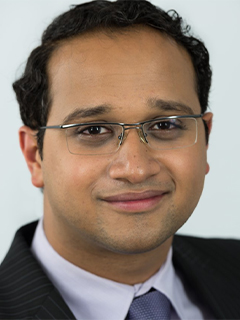
Dr. Vivek Nagendra Prakash is an Assistant Professor of Physics in the College of Arts and Sciences at the University of Miami. He also holds secondary faculty appointments in Biology and Marine Biology & Ecology. His research focuses on biophysics, particularly the hydrodynamics of marine organisms and coral reef engineering. He leads projects like the DARPA-funded Reefense initiative, which develops hybrid reefs to protect coastlines while fostering coral growth. His work integrates fluid dynamics, tissue mechanics, and environmental science, with notable collaborations across disciplines. Key achievements include the 2024 Provost's Award for Collaborative Teaching and contributions to coral reef restoration science. His lab employs experimental and computational methods to model biological flows and coastal systems. Dr. Prakash advises PhD student Shubham Sinha and collaborates with experts in marine biology, engineering, and materials science.
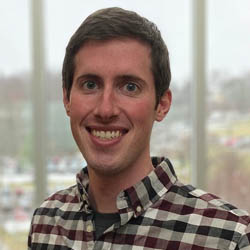
Dr. Matthew Birk is an Assistant Professor of Biology at Saint Francis University, leading the Birk Lab of Cephalopod Physiology. He holds a Ph.D. in Marine Science (University of South Florida) and a B.Sc. in Marine Biology (University of North Carolina Wilmington). His research focuses on physiological adaptations of marine animals to environmental challenges, particularly oxygen regulation in cephalopods. By integrating biochemistry, genetics, and ecology, his work explores how organisms balance oxygen supply and demand under extreme conditions. Recent articles highlight studies on sodium pump mechanisms, temperature-dependent RNA editing in octopuses, and oxygen dynamics in marine ecosystems. The Birk Lab emphasizes the ecological roles of cephalopods and their resilience to environmental stressors. Collaborations involve R package development for respirometry and fiber optic data analysis, reflecting his commitment to advancing experimental tools in marine biology.
Andrew James Mackay serves as an Associate Research Scientist in Vector Ecology at the Illinois Natural History Survey, part of the University of Illinois Urbana-Champaign. His research focuses on mosquito-borne disease transmission dynamics with particular emphasis on vector surveillance and ecology. Dr. Mackay's research interests span vector ecology, mosquito-borne diseases, and disease transmission dynamics. His work examines how environmental factors, human behavior, and vector biology interact to influence the transmission of pathogens like Zika virus, West Nile virus, and other arboviruses. He investigates invasive mosquito species, vector surveillance methodologies, and the ecological determinants of vector-borne disease outbreaks. His publication record demonstrates expertise in mosquito ecology, with research spanning vector surveillance techniques, habitat suitability modeling, and disease transmission dynamics. Mackay's work frequently employs field studies combined with spatial analysis to understand mosquito population dynamics and disease risk factors. As an active researcher, he collaborates with multiple institutions on vector-borne disease projects, contributing to both basic entomological research and applied public health interventions. His work appears in leading journals in medical entomology and tropical diseases.
Mateus Pepinelli serves as an Assistant Professor in the School of Natural Sciences at Laurentian University. His academic career bridges traditional entomological methods with cutting-edge molecular techniques, creating an interdisciplinary approach to understanding insect ecology and systematics. With extensive field experience across diverse ecosystems and countries, Dr. Pepinelli brings global perspective to his Canadian research initiatives. Dr. Pepinelli's research interests center on entomology with specialized focus on aquatic insects, honey bee ecology, and environmental DNA applications. His work investigates the systematics, biology, and ecology of insects, particularly examining how climate change affects plant flowering patterns and subsequent impacts on plant-pollinator interactions. He employs both traditional taxonomic approaches and modern eDNA techniques to document species interactions and biodiversity changes across latitudinal gradients from Southern to Northern Ontario. His expertise spans black flies (Simuliidae), Chironomidae, and other aquatic insect groups, with growing emphasis on honey bee health challenges. The analysis of Dr. Pepinelli's recent publications reveals a clear trajectory from traditional taxonomic work toward integrative approaches combining molecular methods with ecological questions. His research shows increasing focus on honey bee health, environmental DNA applications, and climate change impacts on pollinator systems. While maintaining strong foundations in insect systematics (particularly Diptera), his recent work demonstrates sophisticated integration of metabarcoding, metagenetics, and systems biology approaches to address complex questions in pollinator ecology and health. Dr. Pepinelli previously managed the BeeCSI project (2019-2023), a Genome Canada Large-Scale Applied Research initiative focused on identifying stressor-specific biomarkers in honey bees across Canada. At Laurentian University, he continues developing collaborative research with beekeepers, students, and community partners. His current work includes establishing a long-term eDNA survey project to document changes in plant-pollinator networks across Ontario and investigating biting flies using eDNA techniques to monitor range shifts and potential vector species. His research bridges fundamental taxonomy with applied environmental monitoring, creating valuable tools for understanding species interactions in rapidly changing ecosystems.
Dr. Quentin R. R. Coquerel De Gracia is a neuroscientist specializing in olfactory signal processing, neurotoxicology, and electrophysiology. He employs insect models such as fruit flies, locusts, and mosquitoes, alongside mammalian and human studies, to investigate neural networks, sensory processing, and memory formation. Education: Ph.D. in Neuroscience from Rouen Medecine School (2011), M.Sc. in Neuroscience from University of Rouen (2007), and M.Sc. in Neuroscience from University of Angers (2006) His research spans depression, eating disorders, and neurotoxicology, with a focus on neuroimaging, electrophysiology, and bioassay techniques. Since 2020, he has worked with the Raman Lab to develop a hybrid two-photon/light-sheet microscopy system for functional imaging of dual neuronal populations in Drosophila odorant responses. His work integrates imaging, electrophysiology, and behavioral studies across species including mice, rats, Xenopus, and humans. Recent publications highlight his expertise in voltage-gated ion channels, structure-activity relationship analysis for insecticides, and the use of plant alkaloids in neurotoxicology. His studies on mosquito repellency and neurophysiology underscore applications in vector control and sensory pathway modulation.
Roxanna Smolowitz is a Researcher at Roger Williams University, affiliated with the College of Arts and Sciences. She specializes in marine invertebrate pathology, microbiology, and environmental health, with a focus on diseases affecting bivalves and decapod crustaceans. Her research interests include the histopathology of shell disease, Vibrio species dynamics, and the impact of environmental factors on aquatic organisms. She has contributed to studies on genetic resistance in hard clams, microbial communities in shell disease, and the effects of aquaculture practices on pathogen abundance. Recent publications highlight her work on Vibrio-host interactions, molecular diagnostics for shellfish diseases, and the microbiome of eastern oysters. Her collaborations span marine toxicology, parasitology, and sustainable aquaculture. Dr. Smolowitz has no scientific awards or student advisement details listed in the available data. Her research often involves fieldwork in estuarine and marine ecosystems, with applications to aquaculture management and disease mitigation.
Jim McLean is a part-time lecturer at the School of Natural Sciences, Macquarie University, with a focus on biological sciences. His research spans ecology, evolutionary biology, and animal behavior, particularly in arthropods like ants and spiders. Research Interests: Evolutionary arms races between predators and prey Mechanisms of mimicry and survival strategies in spiders Cooperative transport and decision-making in ants Statistical tools for biological studies Recent Publications highlight work on: Colony relocation in desert ants Sexual dimorphism in spider jumps Development of the Durga R package for effect size estimation Leaderless consensus in weaver ant transport Collaborations include researchers in Australia and international partners, with projects involving behavioral ecology and computational methods.
Klaus Wimmers is a Professor for Animal Breeding and Domestic Animal Genetics at the Faculty of Agricultural and Environmental Sciences, University of Rostock, and serves as the Director of the Research Institute for Farm Animal Biology (FBN) in Dummerstorf since 2016. He leads the Physiological Genomics Working Group and has a long-standing academic career including prior roles at the University of Bonn, where he completed his habilitation and served as an extraordinary professor. His research is centered on the molecular mechanisms underlying productive adaptation in farm animals. His research interests span animal breeding , genotype-phenotype mapping , epigenetics , transcriptional regulation , and nutrient utilization , with a strong focus on phosphorus metabolism, stress responses, and host-microbiome interactions in pigs, poultry, and ruminants. His work integrates genomics, transcriptomics, and metabolomics to understand livestock adaptation and efficiency. The recent publications indicate a consistent research trajectory in mineral metabolism , particularly phosphorus and calcium homeostasis, epigenetic regulation in stem cells and tissues , and gene expression responses to dietary and environmental challenges . His team frequently employs high-throughput omics techniques to dissect complex traits in farm animals, contributing to sustainable livestock production. Klaus Wimmers has made significant contributions to the field through collaborative research, evidenced by numerous co-authored publications in top-tier journals such as BMC Genomics , Plos One , and Frontiers in Genetics . His leadership in national and international consortia, such as the Ruminant Telomere-to-Telomere (RT2T) Consortium, underscores his scientific impact. He has been actively involved in teaching molecular animal breeding at both the University of Bonn (1996–2015) and the University of Rostock (since 2011). His laboratory at FBN conducts cutting-edge research in physiological genomics, with a focus on improving animal health, welfare, and resource efficiency in agricultural systems. The team investigates genetic and epigenetic factors influencing feed efficiency, stress resilience, and metabolic regulation across multiple livestock species.
Dr. rer. nat. Solvig Görs is a senior researcher at the Leibniz Institute for Farm Animal Biology (FBN), Dummerstorf , leading the Stable Isotope Tracer and Nutrient Analysis Service Group since 2010. She previously held research associate roles at FBN (2007-2010), University of Rostock's Institute of Biosciences (1997-2006), and Institute of Chemistry (1992-1996). Education: M.Sc. in Ecology (2002) Diploma in Chemistry (1992) Undergraduate Chemistry (1987-1992) Her research spans nutritional physiology with emphasis on amino acid, carbohydrate, and fat metabolism . She specializes in chromatography/mass spectrometry and stable isotope tracer techniques , developing analytical methods for nutrient metabolism studies in livestock. Recent work (2021-2025) examines metabolic responses in low birthweight piglets , dairy cows , and broilers . Key themes include glutamine supplementation , isotope-based metabolic tracing , gut microbiome interactions , and energy partitioning under stress or dietary interventions. She collaborates on alternative feed studies using black soldier fly larvae , earthworms , and vermicompost , investigating their impacts on nutrient absorption and meat quality . Her team also explores methane emission biomarkers through archaeol analysis in bovine samples. Methodological Expertise: Stable isotope tracer applications Chromatographic separation techniques Mass spectrometry analysis Metabolomic profiling Molecular nutrition assays
Hannah Chu is an incoming doctoral lecturer at John Jay College of Criminal Justice, City University of New York (CUNY), specializing in entomology and science communication. Her interdisciplinary work bridges forensic science, ecology, and innovative pedagogy through art and design. Her educational background includes: Ph.D. in Entomology, University of California, Riverside (2019-2025) B.S. in Forensic Science (concentration in molecular biology, minor in Mathematics), John Jay College of Criminal Justice - CUNY (2015-2019, Summa cum laude) Hannah's research centers on forensic entomology and insect ecology , with notable fieldwork on blow fly communities in Joshua Tree National Park. She investigates thermal traits, genetic structures, and microbial control methods while pioneering science communication through visual design . Her dual expertise in molecular biology and entomology enables unique approaches to both death investigation applications and fundamental insect physiology. Her publication record (2019-2025) reveals an evolving trajectory from molecular mechanisms (Bt resistance, hormone transporters) to ecological field studies (desert blow fly communities, bacterial pest control). This demonstrates consistent interdisciplinary integration of laboratory techniques, field ecology, and forensic applications across entomological subdisciplines. Hannah actively promotes science education through the Entomology Careers Panels initiative and creates accessible resources like her “How to read a scientific paper” guide. Her work in the Murillo Research Group and Yamanaka Lab established foundations for current teaching in Insect Physiology and Medical/Veterinary Entomology, where she develops original educational materials using Canva and Procreate.
Eleanor Coffey is a Principal Researcher at the Faculty of Natural Sciences and Technology, Åbo Akademi University, and Vice Director of the University of Turku (2015–2024). She leads the Turku Life Sciences Centre's InFLAMES flagship, focusing on immune system research ecosystems. Her work spans neuroscience, proteomics, and neurodegenerative diseases with emphasis on Parkinson's disease biomarkers, neuroinflammation, and cell signaling mechanisms. Key contributions include identifying tau protein interactions, cerebrospinal fluid diagnostics, and JNK1 pathway roles in anxiety. Academy of Finland-funded project (2024–2028) to develop proteomic Parkinson's blood tests Michael J. Fox Foundation grants (2022–2027) for lysosomal monitoring and target advancement tools 2023–2027 EuroBioimaging infrastructure leadership Scientific honors include the Elias Tillandz Prize (2011) and Nordic Life Sciences Days recognition (2019). Her media visibility highlights Parkinson's blood-brain connection discoveries and novel depression treatment mechanisms.
Per Walter Kania is an Associate Professor at the Laboratory of Aquatic Pathobiology, Department of Veterinary Disease Biology, Faculty of Health and Medical Sciences, University of Copenhagen (Denmark). His research focuses on fish immunology, pathology, host-pathogen interactions, and molecular diagnostics in aquatic systems. He has been affiliated with the university since 2005, initially as a postdoctoral researcher and advancing to faculty in 2009. Education: Ph.D. in Molecular Medicine (University of Southern Denmark), thesis on immune collectins in fish. M.Sc. in Cell Biology (University of Southern Denmark), thesis on enzymatic kinetics. Research Interests: Dr. Kania investigates immune responses in fish to bacterial, parasitic, and viral pathogens, with emphasis on vaccine development, diagnostic tools, and ecological impacts of diseases in aquaculture. His work bridges molecular biology (e.g., gene expression studies) and applied solutions for sustainable fisheries. Publication Trends: Recent articles (2024–2025) emphasize molecular diagnostics (eDNA, immune gene profiling), parasite-host dynamics in marine mammals/fish, and microbiome interactions in disease susceptibility. Over 75% of outputs involve international collaborations. Students & Advising: Supervised 2 Ph.D. and 4 Master’s students. Teaches courses in aquaculture, fish diseases, and parasitology at undergraduate/graduate levels. Laboratory: Leads the Aquatic Pathobiology Lab, specializing in molecular, immunohistochemical, and immunological techniques for aquatic disease research.
Dr. John Parkinson is a computational biologist and Senior Scientist at the Hospital for Sick Children, with cross-appointments in the Departments of Biochemistry and Molecular Genetics at the University of Toronto. His research integrates computational systems biology and comparative genomics to study parasites, pathogens, and microbiomes, focusing on their evolutionary strategies and host interactions. Roles: Research Professor, Computational Biologist, Senior Scientist Collaborations: Works with clinicians, parasitologists, immunologists, and bioinformaticians Platforms: Utilizes SciNet (University of Toronto's HPC) His research spans three main areas: (1) computational and experimental analysis of parasite genomes, (2) microbiome dynamics in diseases like cystic fibrosis and IBD, and (3) evolutionary innovations in pathogens. Techniques include metagenomics, network biology, and constraint-based metabolic modeling. Key trends across his publications include cross-species genomic comparisons , metabolic pathway elucidation in parasites, and functional interrogation of microbiomes through metatranscriptomics. Collaborative work on apicomplexan parasites (Toxoplasma, Plasmodium) highlights evolutionary strategies for host persistence. Scientific Awards CIHR New Investigator (2006-2011) Ministry of Research and Innovation - Early Researchers Award (2007-2012) NATO Postdoctoral Fellowship (1995-1996) Wellcome Trust Mathematical Biology Fellowship (1991-1995) Trainees in the Parkinson Lab acquire expertise in machine learning , metagenomics , and bioinformatics pipelines , supported by access to high-performance computing and wet-lab facilities for Toxoplasma proteomics. The lab maintains active collaborations with clinicians and international sequencing consortia.
Professor David Bybee is a marine biologist and ecologist affiliated with Brigham Young University-Hawaii (BYU-Hawaii), where he has served as full-time faculty since 2007. His career spans roles in research, teaching, and administration, including directorships at the Center for Learning and Teaching and the Kumuwaiwai Center for Sustainability. Brigham Young University (B.S., Zoology, 1997) University of Hawaii (Ph.D., Zoology, 2006) His research focuses on marine invertebrate ecology (especially Sabellastarte spectabilis), coral reef conservation, and migratory bird studies. He has published extensively on polychaete taxonomy, reproductive biology, and GPS tracking of Pacific Golden-Plovers. Scientific awards include the Exemplary Faculty Award (2014) and recognition for his 2004 poster presentation on Sabellid larval development. As a peer reviewer for journals like Coral Reefs and Marine Ecology , he contributes to marine science discourse. Teaching areas include general biology, conservation, and oceanography. His administrative experience includes Associate Academic Vice President (2014–2021) and leadership in sustainability initiatives. Skills encompass scientific diving, microscopy, and multilingual communication (Spanish, French).
Joe Quattro is a Professor in the Department of Biological Sciences and Earth, Ocean and Environment at the University of South Carolina, affiliated with the McCausland College of Arts and Sciences. He specializes in marine population genetics, with expertise in fishery species and threatened marine organisms like loggerhead sea turtles. His research focuses on population dynamics, genetic management, and conservation biology, utilizing molecular tools to address ecological and management challenges. Dr. Quattro's work bridges marine biology and genetics, investigating species such as black sea bass and largemouth bass while addressing anthropogenic impacts like pesticide exposure in copepods. His studies often involve collaboration with institutions to inform fisheries regulations and marine protected area design. His recent publications (2012) emphasize spatial and genetic analyses of sea turtle populations, population structure of commercially important species, and endocrine disruption in marine invertebrates. These contributions highlight his role in advancing both conservation science and molecular techniques in ecology. Though no specific grants or awards are listed, his active publication record indicates sustained research activity in marine biodiversity and genetic resource management.