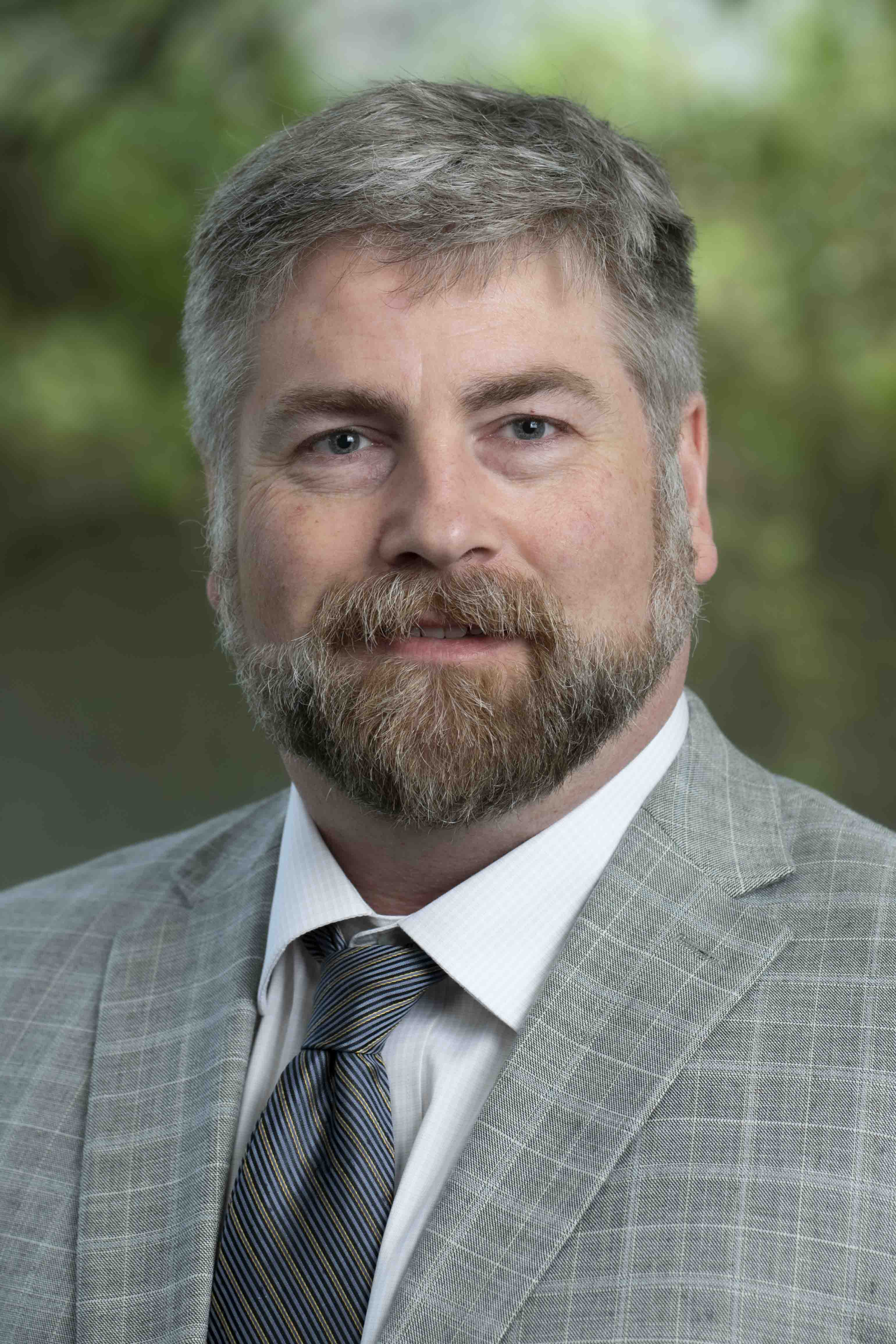
Cameron Ainsworth is a Professor at the University of South Florida’s College of Marine Science , specializing in biological oceanography and fisheries ecosystem modeling . His research focuses on how human activities and climate change affect marine ecosystems, with an emphasis on developing tools for ecosystem-based management. He leads the Fisheries and Ecosystem Ecology Lab , where he and his students use advanced modeling techniques to assess marine food webs, population dynamics, and environmental policy outcomes. Education: Ph.D. in Oceanography, University of British Columbia (2006) Research Interests: Dr. Ainsworth’s work integrates ecosystem modeling , fisheries management , and climate impact assessment . His lab uses statistical and numerical models to simulate marine ecosystems, evaluate the effects of oil spills, and inform marine protected area design. A major focus is the Gulf of Mexico , where he collaborates with NOAA and regional agencies to support Integrated Ecosystem Assessments . Scientific Awards: Sloan Research Fellowship (2013) – awarded for outstanding early-career contributions to marine science Lab and Team: Dr. Ainsworth leads the Fisheries and Ecosystem Ecology Lab at USF, which includes graduate students and postdocs working on projects related to oil spill recovery, marine restoration, and fisheries management. The lab is actively involved in NOAA-funded initiatives and Gulf-wide ecosystem assessments.
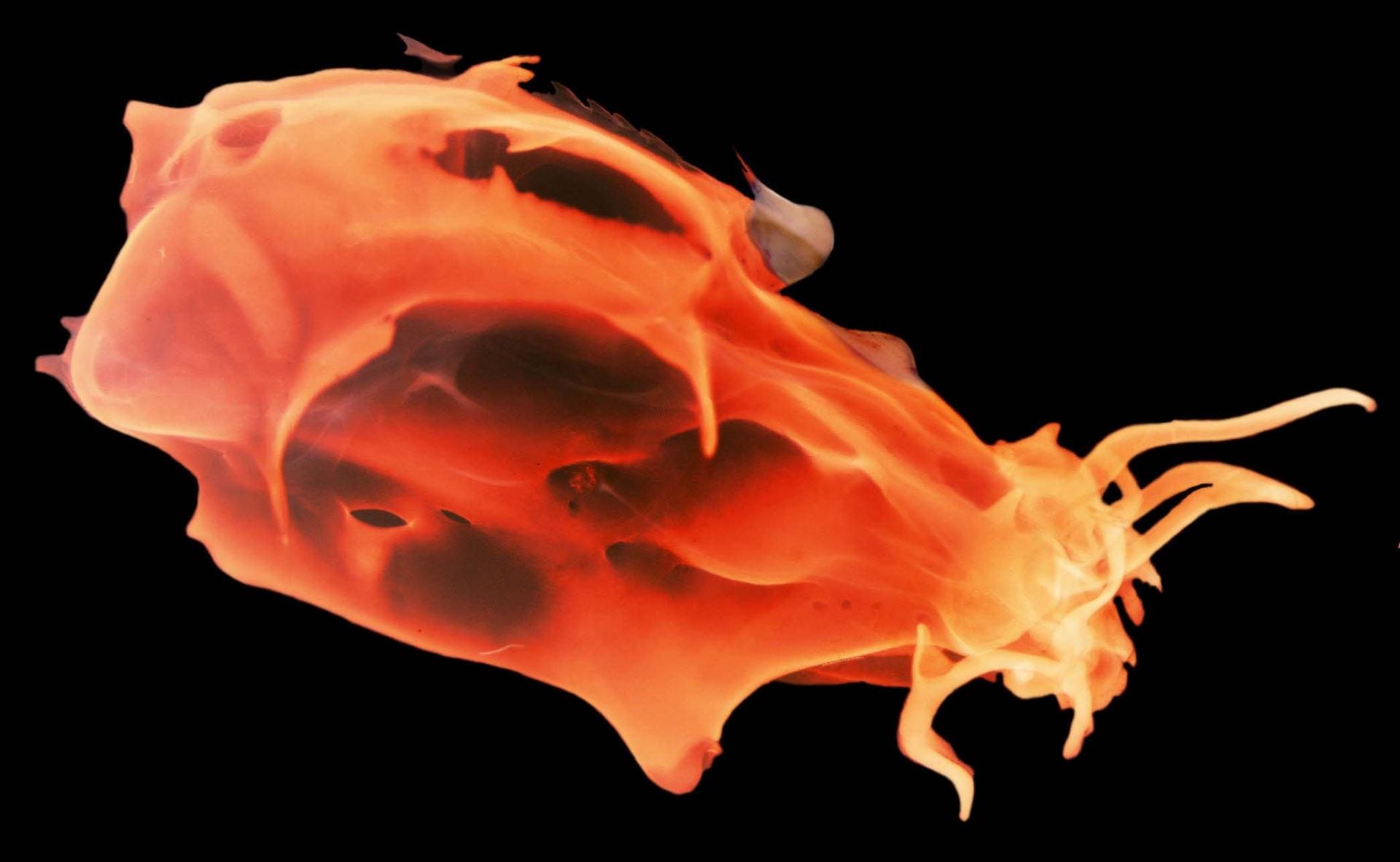
Michael Coates is a Professor in the Department of Organismal Biology and Anatomy at the University of Chicago, focusing on early vertebrate diversity and evolution. His research integrates paleontology, evolutionary developmental biology, and phylogenetics, with ongoing projects on tetrapod origins, shark-like fish evolution, and ray-finned fish radiation. He was elected a 2021 AAAS Fellow for his contributions to vertebrate paleontology. Education: B.Sc. (1982) and Ph.D. (1988) in Vertebrate Paleontology from the University of Newcastle upon Tyne, UK Research Interests: Coates explores evolutionary transitions such as the fin-to-limb transformation, early gnathostome phylogeny, and the role of fossils in developmental evolution. His work often combines large datasets, molecular data, and advanced imaging techniques like CT scanning. Article Trends: Recent publications emphasize vertebrate phylogeny, fossil record completeness, and developmental evolution. Subfields include tetrapod origins, shark morphology, fish brain evolution, and evo-devo mechanisms. Scientific Awards: 2021 AAAS Fellow Advising & Collaborations: Coates has mentored notable alumni including Dr. Lauren Sallan (OIST Marine Macroevolution Unit) and Dr. Tom Stewart (Penn State University). He collaborates extensively with labs like Prince and Ho, integrating fossils and molecular data in evolutionary studies. Labs & Teams: The Coates Lab promotes integrative research at the intersection of paleobiology, anatomy, and developmental biology, utilizing technologies like 3D printing and CT scanning to study vertebrate historical biodiversity.
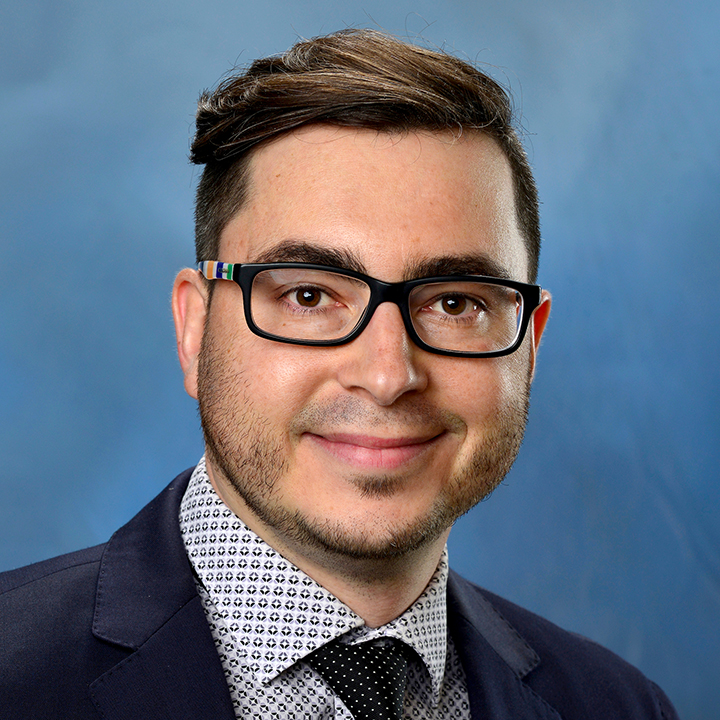
Amy Wagoner Johnson is a Professor in the Department of Biomedical and Translational Sciences at the Carle Illinois College of Medicine, University of Illinois Urbana-Champaign, with secondary appointments in Mechanical Science and Engineering. She leads the Applied Biomaterials and Biomechanics Lab (ABBL), conducting interdisciplinary research spanning bone tissue engineering, women's reproductive health, and coral reef restoration. Her educational background includes: Ph.D. in Materials Science from Brown University (2002) M.S. in Materials Science from Brown University (1998) B.S. in Materials Science and Engineering from The Ohio State University (1996) Professor Wagoner Johnson's research focuses on biomaterials and biomechanics, particularly: Developing multiscale bone scaffolds for trauma repair Investigating cervical biomechanics in pregnancy and preterm birth Creating coral settlement substrates for reef restoration Designing hydroxyapatite-based systems for stem cell delivery Her work integrates materials science, mechanical engineering, and clinical medicine to address critical challenges in tissue regeneration. Analysis of her recent publications reveals strong trends in translational biomaterials development, with increasing emphasis on women's health applications and marine ecosystem restoration. Her bone scaffold research has evolved toward multi-material systems with spatially graded architectures, while her reproductive health work increasingly employs advanced imaging techniques like second-harmonic generation microscopy. Her scientific honors include: Fellow of the American Institute for Medical and Biological Engineering (2021) Grainger College DEI Award (2022) Andersen Faculty Scholar (2020) Dean's Research Excellence Award (2018) As an educator, she has received multiple teaching awards including the Society of Women Engineers Outstanding Engineering Educator Award (2020) and multiple 'Teachers Ranked as Excellent' recognitions. She serves as MechSE Pre-Med Advisor and actively mentors undergraduate researchers, receiving the Campus Award for Guiding Undergraduate Research (2013). Her lab has secured significant funding for projects including NSF's 'Collaborative Research: ECO-CBET' and NIH-supported work on preterm birth mechanisms. The Applied Biomaterials and Biomechanics Lab maintains strong collaborations with veterinary medicine, surgery departments, and international partners including the NanoSciences Foundation in Grenoble, France. Current projects focus on developing tools to track inflammation in human tissue as Chan Zuckerberg Biohub Chicago Investigators.
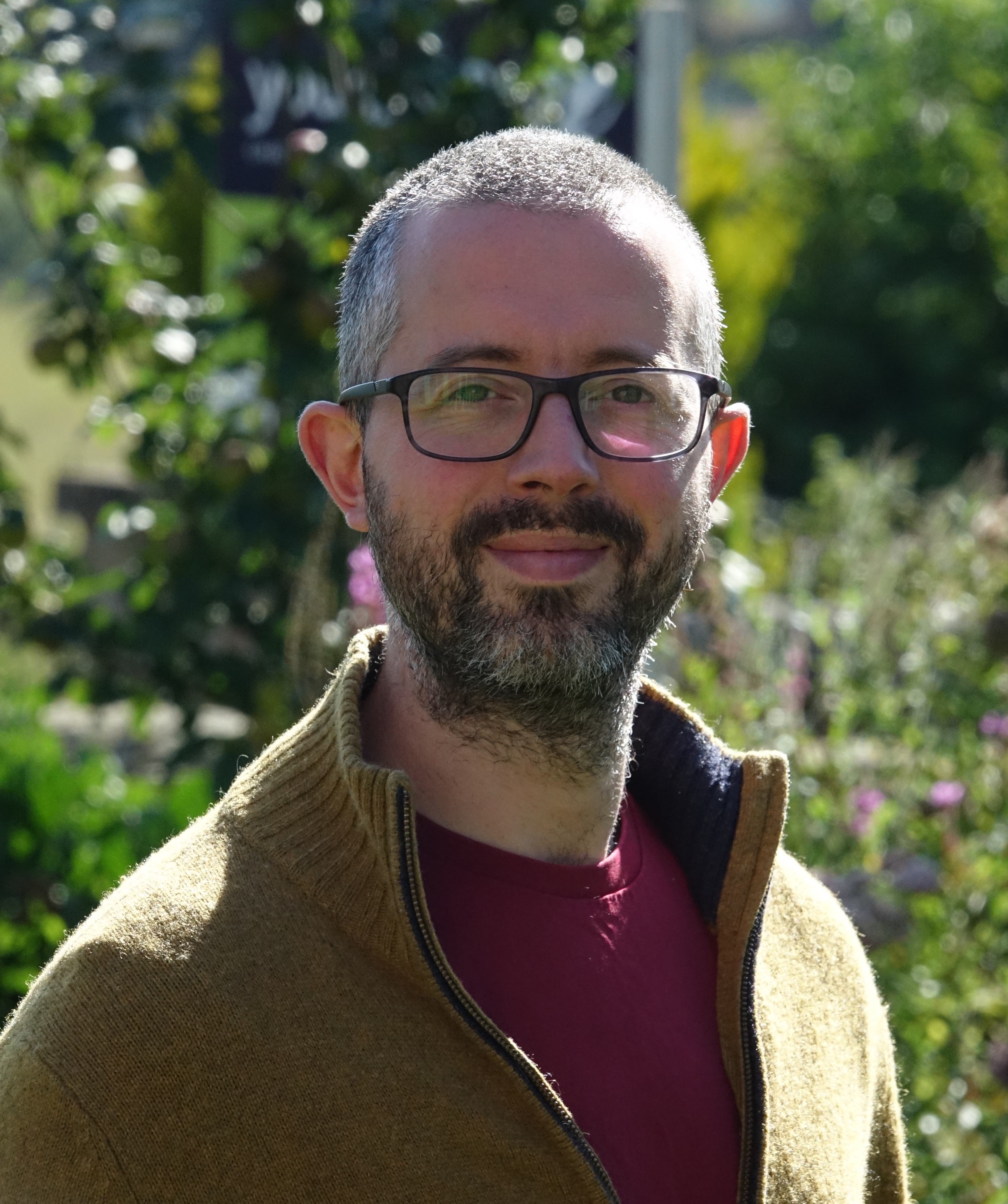
Dr. David Abrego is a Senior Lecturer at the National Marine Science Centre within the Faculty of Science and Engineering at Southern Cross University. His marine ecology research focuses on coral responses to climate change, contributing directly to UN Sustainable Development Goals for ocean conservation and climate action across the Indo-Pacific region. His academic credentials include: PhD in Marine Science from James Cook University Master of Applied Science from James Cook University Bachelor of Science from University of California, Santa Barbara Abrego's research program investigates coral resilience through three interconnected pillars: early life history processes (recruitment, settlement, symbiosis establishment), environmental stress tolerance mechanisms (thermal adaptation, bleaching resistance), and restoration applications (symbiont engineering, marginal environment characterization). His multidisciplinary approach integrates field ecology with molecular techniques including genetics, photo-physiology, and selective breeding to develop practical conservation strategies for warming oceans. Current projects specifically examine how coral-microalgal symbioses can be harnessed to accelerate reef recovery and identify thermally tolerant corals in extreme environments. Analysis of his 15 most recent publications reveals a dominant research trajectory toward assisted evolution and symbiosis-based restoration , with 60% of articles focusing on thermal tolerance mechanisms and symbiont manipulation. Geographic scope spans Australia's Great Barrier Reef, Japanese Okinawa reefs, and Persian Gulf ecosystems, highlighting comparative adaptation studies in naturally extreme environments. Methodologically, his work increasingly incorporates advanced technologies like drone-based monitoring and deep learning for reef assessment alongside traditional laboratory husbandry techniques. Abrego actively mentors higher degree research students through Southern Cross University's marine science programs and maintains international collaborations across Australia, Japan, and the UAE. His teaching portfolio includes coordinating the Bachelor of Marine Science and Management program and delivering specialized courses in coral biology, ecology, and global environmental systems. Based at the National Marine Science Centre in Coffs Harbour, Abrego leads a research group focused on translating laboratory findings into field applications for reef restoration. Current initiatives include developing symbiont-inoculation protocols for coral nurseries and establishing long-term monitoring sites in marginal reef environments to track climate adaptation in real time.
Dr. Robert Sean McCann is an Assistant Professor in the Department of Medicine at the University of Maryland School of Medicine (UMSOM), with a secondary appointment in Microbiology and Immunology. He is affiliated with the Center for Vaccine Development and Global Health (CVDGH), leading the Malaria Research Program. His research focuses on malaria vector ecology, transmission dynamics, and intervention strategies. Education & Training: B.S. in Biology, University of North Dakota (2002–2006) Ph.D. in Entomology & EEBB (Ecology, Evolutionary Biology & Behavior), Michigan State University (2009–2013) Postdoctoral Researcher, Wageningen University & Research (2014–2019) Postdoctoral Fellow, UMSOM (2019–2020) Research Interests: Dr. McCann investigates spatial and temporal patterns of malaria vectors (Anopheles mosquitoes) and parasite transmission using field, lab, and computational tools. Key areas include: Vector habitat use and environmental drivers Genomic analysis of Anopheles populations Evaluation of vector control interventions (e.g., larval source management, house improvements) Human-to-mosquito transmission determinants Integration of geostatistical methods for high-resolution monitoring Advising & Grants: He leads the IRSDA/K01 Fogarty International Center award studying vector diversity impacts on intervention efficacy. His work emphasizes interdisciplinary collaboration to translate research into scalable malaria control strategies. Labs/Teams: Active in the Malaria Research Program at CVDGH, collaborating with global teams in Africa (e.g., Malawi, Kenya) on field-based studies.
Dr. Ian A.E. Butts is an Associate Professor at Auburn University's School of Fisheries, Aquaculture & Aquatic Sciences. His research program addresses critical challenges in aquatic reproduction, focusing on gamete biology, environmental physiology, and aquaculture biotechnology. Research interests center on reproductive physiology of aquatic species, cryopreservation techniques, environmental impacts on fish reproduction, and innovative breeding technologies. His work spans diverse species including catfish, oysters, goldfish, and European eel, with emphasis on improving aquaculture sustainability through advanced reproductive management. Publications demonstrate consistent focus on gamete quality assessment, cryopreservation biomarkers, xenogenesis, and environmental stressors' effects on reproductive success. Recent work explores transcriptomic responses to temperature variations, salinity effects on bivalve reproduction, and molecular biomarkers for sperm quality evaluation.
Howard Sirotkin is an Associate Professor in the Department of Neurobiology & Behavior at Stony Brook University's Renaissance School of Medicine. His research focuses on neural development, utilizing zebrafish as a model organism to study processes like neural stem cell differentiation, neurodevelopmental disorders (e.g., autism, epilepsy), and the impact of environmental pollutants like PFAS. He holds a PhD from Albert Einstein College of Medicine and has been at Stony Brook since 2002. His lab employs cutting-edge genetic tools and behavioral assays to investigate molecular mechanisms underlying nervous system formation and dysfunction. Education: B.S. Microbiology (University of Florida, 1991); M.S./Ph.D. Molecular Genetics (Albert Einstein College of Medicine, 1993/1996). Research Themes: (1) Neural stem cell regulation, (2) Disease modeling in zebrafish, (3) Chromosome engineering, (4) Environmental toxicant effects Key Technologies: Zebrafish genetics, high-resolution live imaging, CRISPR-based genome editing Lab Members: Includes PhD students (Carly Gomes, Gina Rizzo), MS students, and undergraduate researchers Grants: NIH-funded projects on PFAS toxicity and neural stem cell signaling Facilities: State-of-the-art lab in Stony Brook's Life Sciences Building with dedicated microscopy and behavioral testing suites
Dr. Nick Aldred is a Senior Lecturer in the School of Life Sciences at the University of Essex, specializing in marine invertebrate biology with expertise in larval settlement ecology and marine bioadhesion. His research focuses on biofouling processes, adhesion mechanisms in biological systems, and biofilm engineering, utilizing barnacles as model organisms. He leads multidisciplinary teams collaborating with defense, industrial, and charitable organizations. Education: BSc (Hons) from University of Wales, Bangor (2002) PhD from Newcastle University (2006) His research investigates how bacterial biofilms influence larval settlement and the polymerisation mechanisms enabling underwater adhesion in marine invertebrates. Current projects include developing mistletoe-inspired adhesives and engineered biofilms for naval applications, funded by DARPA, ONR, and Leverhulme Trust. Publication analysis reveals consistent focus on antifouling technologies, marine adhesive mechanisms, and surface-biology interactions, with recent work expanding into materials science and omics-based adhesion studies across 64+ journal articles. Current PhD supervision: Isabelle Eve Firth (Marine Biology) Jacob Peter Cook (Biological Sciences) As Director of Recruitment and Public Voice Scholar, he actively engages in science communication and institutional leadership.
Soojung Claire Hur is an Assistant Professor in the Department of Mechanical Engineering at Johns Hopkins University (JHU), with a secondary appointment in the Department of Oncology at the JHU School of Medicine. She is affiliated with the Hopkins Extreme Materials Institute and the Johns Hopkins Institute for NanoBioTechnology. Her research focuses on developing microfluidic platforms to study complex fluid dynamics and translate these insights into clinical applications, particularly in oncology and regenerative medicine. Education: Hur earned her B.S., M.S., and Ph.D. in Mechanical Engineering from UCLA (2005, 2007, 2011). She was a Rowland Fellow at Harvard University (2011–2016) and conducted clinical studies at Vortex Biosciences, Inc. before joining JHU's Whiting School of Engineering faculty in 2015. Research Interests: Her work spans inertial microfluidics, nonlinear fluid dynamics, cellular biophysics, and personalized medicine. She pioneers techniques like vortex-assisted electroporation and inertial focusing for high-throughput cell analysis, separation, and drug delivery. These methods aim to improve cancer diagnosis, immunotherapy, and gene therapy. Awards: Notable honors include the 2024 Johns Hopkins Discovery Awards, the 2023 Susan G. Komen Career Catalyst Award, and the 2018 Johnson & Johnson WiSTEM2D Scholars Award. Her research is funded by the Susan G. Komen Foundation, the Hartwell Foundation, and others. Advising & Grants: While no students are listed, her grants support projects like drug resistance monitoring and rare cell analysis. She holds three U.S. and two international patents for microfluidic technologies. Labs & Roles: The Hur Lab on Micro-Fluidic Biophysics develops clinical tools for cell mechanics analysis. Hur serves as an editor for Nature Scientific Reports , SLAS Technology , and Biomicrofluidics , and reviews for major journals and agencies like the NSF and NASA.
Joana Falcao Salles is a Professor in the Faculty of Science and Engineering at the University of Groningen, leading the Salles Lab focused on Microbial Community Ecology. Her research integrates ecological and evolutionary theories to understand microbial community formation and their environmental impacts. She holds a PhD from Leiden University (2005) and has held academic positions since 2008. She serves as Treasurer on the Executive Board of the International Society for Microbial Ecology (ISME). Her expertise spans microbial ecology in soils, plants, and animals, with a focus on microbial diversity, invasion dynamics, and symbiotic relationships. Key projects include studying salt marsh microbiomes, plant-microbe interactions in agriculture, and the role of microbiomes in host immunity. She has secured grants for initiatives like PotatoMETAbiome and INSECTFEED, advancing sustainable agriculture and circular economy solutions. Salles has published over 150 peer-reviewed articles, with recent work on microbial solutions to climate change, antibiotic resistance, and gut-brain axis interactions. Her lab collaborates globally, addressing challenges in environmental sustainability and public health.
Prof. Mike Boxem is a Professor in the Department of Biology at Utrecht University's Faculty of Science, specializing in Developmental Biology. His research focuses on epithelial polarity, cell polarity complexes, and C. elegans genetics. He holds a PhD from Utrecht University (2002) and completed postdoctoral work at the Dana-Farber Cancer Institute. Notable honors include the NWO Vici (2016), NWO Vidi (2010), and ECHO grants. He leads the PolarNet Marie Curie ITN network and has supervised 8 research projects. His work contributes to understanding cell polarity mechanisms and developmental processes in C. elegans. Educations: BSc Medical Biology, VU University Amsterdam PhD in Biology, Utrecht University (2002) Research Interests: Boxem’s lab investigates how cell polarity complexes regulate epithelial tissue organization in C. elegans. Key topics include Crumbs polarity proteins, intermediate filaments, and signaling pathways controlling lumen formation and germline development. His work integrates genetic, biochemical, and imaging approaches to dissect molecular mechanisms underlying polarity establishment and maintenance. Grants & Awards: NWO Vici Grant (2016) - Supports long-term research NWO Vidi Grant (2010) - Established his independent lab ECHO Grant (2014) - European funding for collaborative projects Labs/Teams: His group is part of the Biodynamics and Biocomplexity research division. Collaborations span global networks, including the PolarNet consortium focusing on epithelial polarity.
Howard Rundle is a Full Professor in the Department of Biology within the Faculty of Science at the University of Ottawa. His research laboratory focuses on empirical studies in evolutionary ecology and evolutionary genetics, utilizing both laboratory and field approaches with model systems including various Drosophila species and the antler fly ( Protopiophila litigata ). His work is conducted both in controlled laboratory settings and in natural environments, particularly in Algonquin Park's Wildlife Research Station. Dr. Rundle's primary research interests span evolutionary ecology and evolutionary genetics, with particular emphasis on: The role of sexual selection in adaptation and purging of deleterious mutations Sexual conflict and its ecological context The evolutionary divergence of mate preferences and its contribution to speciation Quantitative genetics of sexual displays, particularly cuticular hydrocarbons in insects The impact of ecological complexity on evolutionary processes His recent publications reveal a consistent focus on how mating environments influence the dynamics of sexual conflict, adaptation, and speciation. Much of his work examines whether sexual selection helps or hinders adaptation, with growing emphasis on genomic approaches to understand the genetic basis of evolutionary responses. His research program demonstrates how ecological context fundamentally shapes evolutionary outcomes, particularly in the interface between natural and sexual selection. Dr. Rundle collaborates extensively with researchers at other institutions including Aneil Agrawal (University of Toronto), Russell Bonduriansky (University of New South Wales), Vincent Careau (University of Ottawa), Kelly Dyer (University of Georgia), Amanda Moehring (Western University), and Locke Rowe (University of Toronto). These collaborations enhance the scope of his research across multiple dimensions of evolutionary biology. The Rundle Lab maintains a strong commitment to equity, diversity, and inclusion, explicitly welcoming and supporting members from all racial, religious, and cultural backgrounds, as well as those from the LGBTQ+ community, operating under the University of Ottawa's principles in these areas.
Donato Romano serves as Associate Professor at The BioRobotics Institute of Scuola Superiore Sant'Anna, Italy, where he coordinates the Bio-Robotic Ecosystems Lab and co-founded the spin-off company HUBILIFE srl. His interdisciplinary work bridges robotics, biology, and AI to develop biohybrid systems for biodiversity preservation, sustainable environmental management, and life support in extreme scenarios including space exploration. With over 90 publications and an H-index of 27 (Scopus, March 2025), he has established significant academic leadership through editorial roles across 12+ international journals. Romano's educational foundation includes advanced degrees with honors: an M.Sc. in Agriculture Science and Technologies (2014) and a PhD in BioRobotics (2018), both from Scuola Superiore Sant'Anna. His academic journey includes visiting scholar positions at Khalifa University and substantial industry-academia collaboration through HUBILIFE srl, which commercializes bioinspired devices for human daily life improvement. His research program focuses on bioinspired and biomimetic robotics with particular emphasis on animal-robot interaction, biohybrid systems, and natural intelligence. Key projects address critical global challenges: SENSORBEES develops biohybrid environmental surveillance for ecological monitoring; REGOLIFE investigates lunar soil-terrestrial organism interactions for space agriculture; and OCEAN ROBOCTO explores marine ecosystem solutions. This work demonstrates a strategic progression from fundamental behavioral studies toward applied ecological and extraterrestrial systems. Analysis of his recent publications reveals strong trends in AI-driven behavioral analysis, with deep learning increasingly applied to entomological studies and pest management. The research spans agricultural applications (precision monitoring traps, larval detection systems), ecological conservation (biodiversity surveillance), and extreme-environment adaptation (lunar regolith studies). A distinctive feature is the consistent integration of biohybrid approaches where living organisms and robotic systems create synergistic capabilities exceeding either component alone. Romano's scientific recognition includes election as Junior Fellow of the Italian Academy of Engineering and Technology (2025), the Lucani fuori dal Comune award (2024), and multiple best-thesis prizes. His editorial leadership spans high-impact journals including IEEE Transactions on Medical Robotics and Bionics and Pest Management Science, where he serves as Associate Editor. As principal investigator, Romano coordinates major international projects totaling over €15M in funding: HORIZON-EIC's SENSORBEES (2024-2029), ASI's REGOLIFE (2024-2027), National Geographic's OCEAN ROBOCTO (2024-2026), and PRIN's COSMIC (2023-2025). His teaching portfolio includes PhD courses in Biosystems for Biorobotics and M.Sc. instruction in Bionics Engineering at Scuola Superiore Sant'Anna and University of Pisa. The Bio-Robotic Ecosystems Lab under Romano's direction pioneers biohybrid technologies where living organisms and robotic systems create integrated solutions. Current initiatives include SENSORBEES' environmental monitoring swarms, REGOLIFE's moonworm colonization systems, and HUBILIFE's commercial vector-control devices. The lab maintains active collaborations with space agencies, agricultural institutes, and conservation organizations, positioning biohybrid systems as next-generation tools for planetary-scale challenges.
Dr. Pablo Oteiza serves as Research Group Leader at the Max Planck Institute for Biological Intelligence in Martinsried, Germany, where he leads the Flow Sensing research group. Previously, he was Group Leader at the Max Planck Institute for Ornithology (2019-2024) and Research Associate there (2016-2019). His academic journey includes a postdoctoral fellowship at Harvard University's Department of Molecular and Cellular Biology and Center for Brain Science (2010-2016), and graduate studies at Universidad de Chile and the Max Planck Institute for Molecular and Cellular Biology (2004-2010). Dr. Oteiza's research program investigates how aquatic animals sense and respond to their hydrodynamic environment. His quantitative behavioral approach seeks to understand the fundamental principles governing flow navigation in fish and amphibians. His work spans sensory biology, neuroscience, biomechanics, and evolutionary biology, with zebrafish serving as a primary model organism. His research bridges physical hydrodynamics with biological sensory mechanisms, exploring how organisms extract meaningful information from fluid movements. Analysis of Dr. Oteiza's publications reveals a research trajectory evolving from developmental biology toward specialized sensory mechanisms. His work in high-impact journals demonstrates consistent focus on sensory systems across multiple scales - from cellular and molecular mechanisms to whole-organism behavior. His research shows particular strength in connecting physical stimuli with neural processing and behavioral outputs, especially in aquatic environments. As Research Group Leader, Dr. Oteiza oversees a laboratory investigating fundamental questions about hydrodynamic sensing. His team employs advanced techniques to study neural circuits, sensory processing, and behavioral responses to water flow, contributing significantly to our understanding of how organisms interact with their fluid environments. His collaborative work extends across international institutions, reflecting the interdisciplinary nature of his research.
Eirik Valseth is an Associate Professor of Scientific Computing at the Norwegian University of Life Sciences (NMBU), Department of Data Science. He holds concurrent roles as a research associate at the Oden Institute, University of Texas at Austin, and an affiliated researcher at Simula Research Laboratory (Department of Numerical Analysis and Scientific Computing). His expertise lies in advanced finite element methods for PDEs with applications in flood modeling and hydropower systems. Current Affiliation: NMBU (Norwegian University of Life Sciences) Secondary Affiliations: Oden Institute (UT Austin), Simula Research Laboratory Research interests span numerical methods for challenging PDE systems, including: Stabilized finite element formulations Hurricane storm surge and riverine flood modeling Hydropower infrastructure analysis Computational mechanics and applied mathematics His recent publications (2024–2025) emphasize flood risk assessment (compound flooding, dam breaks, dredging impacts), advanced numerical methods (isogeometric analysis, stochastic finite elements, graph-grammar algorithms), and environmental applications (pollution transport, pathogen distribution, mosquito population dynamics after hurricanes). Key trends include cross-disciplinary integration of physics-aware machine learning and robust hydrodynamic simulation tools. Valseth's work extends to software development (e.g., WAVEx for spectral wave models, SWEMniCS for coastal circulation) and large-scale modeling frameworks like the ADCIRC unstructured mesh model for US coasts. Collaborative projects involve institutions such as University of Texas at Austin, Simula, and NOAA.