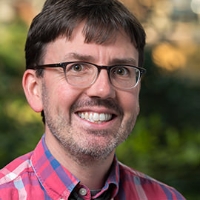
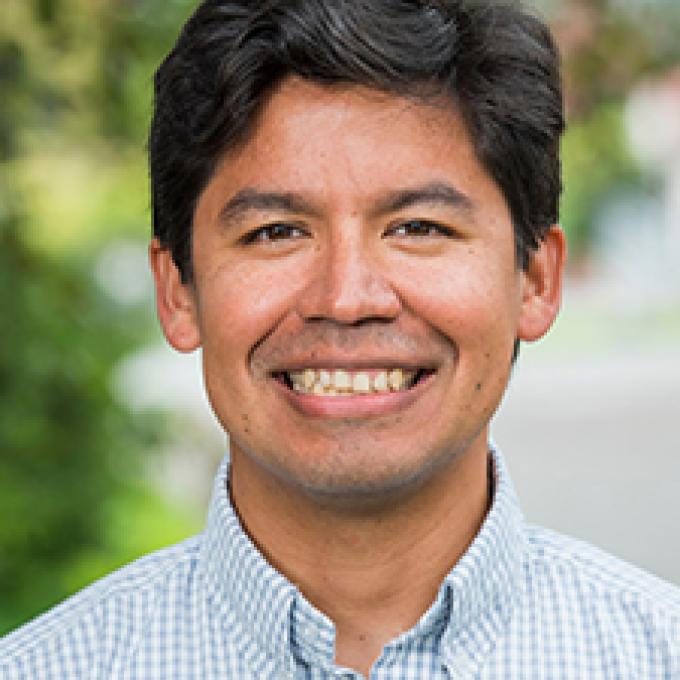
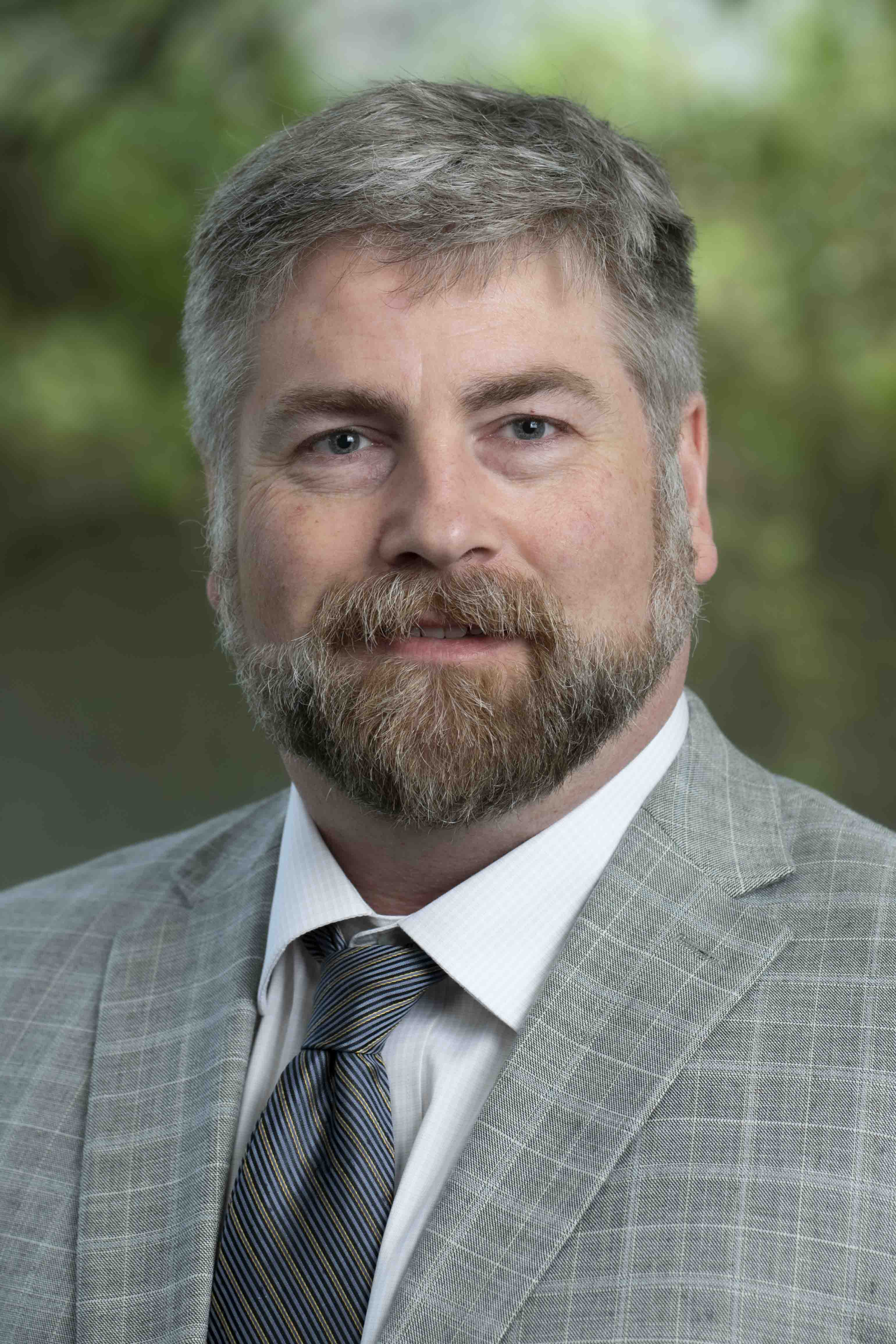
Dr. Tristan A.F. Long is an Associate Professor in the Department of Biology at Wilfrid Laurier University's Faculty of Science in Waterloo, Ontario. A behavioral ecologist and evolutionary geneticist, he focuses on sexual selection and the role of female mate preference variation in evolutionary change. With teaching responsibilities for large introductory biology courses like BI111 and BI393, he has developed innovative active learning techniques using playing cards, iClickers, and role-playing games to teach population genetics and ecological principles. University of Western Ontario - BSc in Honours Ecology and Evolution (1999) University of Guelph - MSc in Zoology (2001) Queen’s University - PhD in Biology (2005) University of California Santa Barbara - Postdoctoral Fellow (2005-2009) University of Toronto - Postdoctoral Fellow (2009-2010) His research examines how female Drosophila melanogaster vary in their mating preferences and how these differences shape evolutionary trajectories. He has published extensively on reproductive plasticity, sexual conflict, and environmental interaction effects. His laboratory combines experimental evolution with computational modeling to explore genetic trade-offs and behavioral adaptations. Scientific awards include the Laurier Teaching Award for Sustained Excellence (2017). He has developed innovative classroom techniques like the Battle of the Beaks exercise for teaching adaptive evolution and an iClicker-based population genetics simulation using playing cards. His 2024 BI393 biostatistics course policy strongly discourages generative AI use due to concerns about educational integrity and environmental impact.
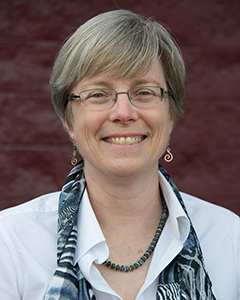
Ginny Eckert is a Professor and Director of Alaska Sea Grant at the University of Alaska Fairbanks' College of Fisheries and Ocean Sciences. Her research focuses on marine invertebrate ecology, aquaculture, and fisheries management, particularly in crab species and ecosystem sustainability. She leads interdisciplinary programs like the NSF-funded Marine Ecosystem Sustainability in the Arctic and Subarctic (MESAS). Education: Ph.D. in Ecology, University of California Santa Barbara (1999) M.S. in Zoology, University of Florida (1994) B.A. in Biology, Dartmouth College (1990) Research Interests: Early life history ecology of marine invertebrates, larval dispersal patterns, sustainable fisheries management, and aquaculture innovations. Her work emphasizes the ecological and management implications of marine invertebrate reproduction, larval survival, and habitat use. Current Projects: Sea otter predation impacts on commercial species in Alaska, Dungeness crab larval dynamics in Glacier Bay, and king crab hatchery enhancement through the AKCRRAB program. She collaborates with NOAA and integrates field studies with lab experiments. Advising/Grants: Advises Carter Johnson and oversees NSF grants for MESAS and crab research. Her team includes graduate students like Zac Hoyt and Heidi Herter, focusing on population dynamics and habitat restoration. Labs/Teams: Leads the Alaska king crab research program (AKCRRAB) and collaborates with UAF's School of Fisheries and Ocean Sciences on ecosystem sustainability initiatives.
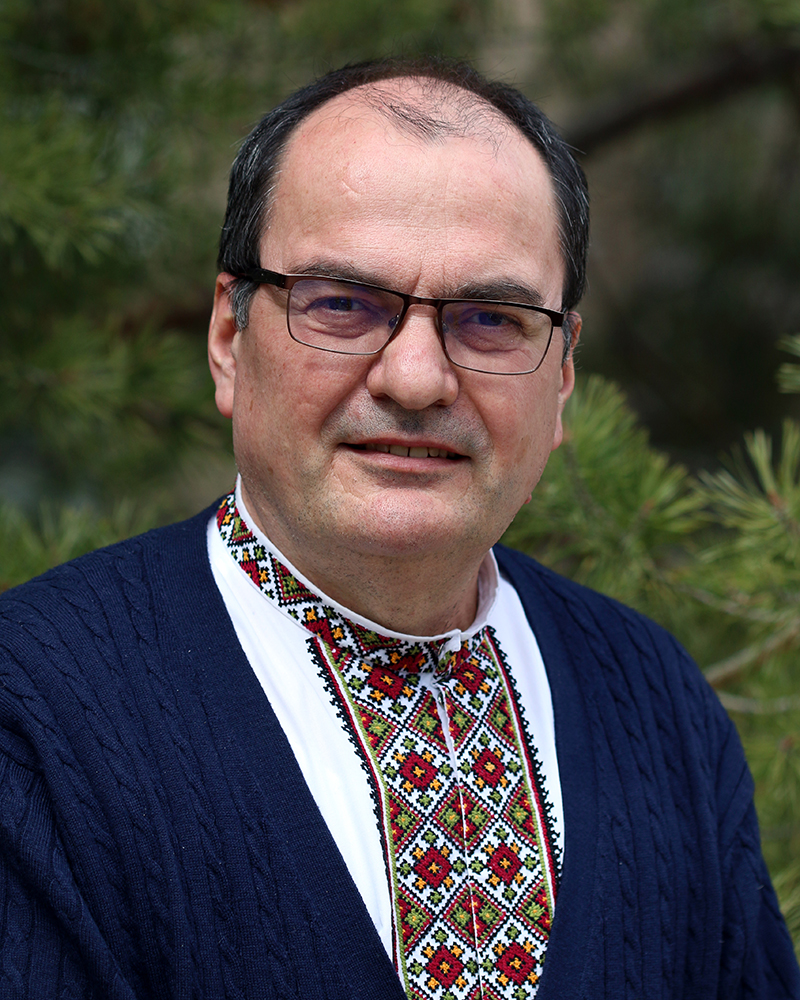
Dr. Elemir Simko is a Professor in the Department of Veterinary Pathology at the University of Saskatchewan, affiliated with Prairie Diagnostic Services. He holds a DVM from the University of Belgrade (Yugoslavia) and a DVSc from the University of Guelph, and is a Diplomate of the American College of Veterinary Pathologists. Since 1998, he has coordinated core anatomic pathology courses at both undergraduate and graduate levels. His research focuses on honey bee health, agricultural sustainability, comparative pathology, and innate immunity. Recent work includes studies on honey bee pathogen dynamics, pesticide impacts, and equine septic arthritis diagnostics using biomarkers. He collaborates extensively with researchers on investigative pathology and contributes to diagnostic services. Education: DVM (University of Belgrade), DVSc (University of Guelph), ACVP Diplomate Key Research Themes: Honey bee health, infectious disease pathogenesis, antimicrobial resistance, and diagnostic pathology Collaborations: Prairie Diagnostic Services, multiple veterinary and agricultural researchers Dr. Simko’s publications span veterinary pathology, honey bee health, and equine medicine. His recent articles highlight advancements in diagnostic techniques for septic arthritis in horses and interventions to mitigate honey bee colony threats. He has no listed awards but maintains active roles in teaching and applied research.
Carole S. Hickman is a Professor at the University of California, Berkeley. Her research integrates theoretical, constructional, evolutionary, and developmental morphology to understand the diversity of structure and function in living and fossil organisms, with a focus on molluscs. She explores macroevolutionary trends through phylogenetic trajectories in design spaces and investigates taphonomic assembly in shell beds linked to global climate change during the Cenozoic Era. Primary Research Organisms: Molluscs Key Tools: Design spaces, ecospaces, ethospaces, developmental spaces Current Projects: Community architecture responses to climate change, microbial-metazoan interactions in extreme environments Her publications highlight interdisciplinary approaches to evolutionary morphology, with recent work emphasizing gastropod larval development and biomineralization changes at metamorphosis. Students in her laboratory prioritize independent research questions while utilizing molecular tools and shared evolutionary methodologies.
Johanna Kowalko serves as an Associate Professor in the Department of Biological Sciences at Lehigh University, where she maintains an active research program focused on evolutionary and behavioral genetics. Her laboratory investigates the genetic and neural mechanisms underlying behavioral diversity using Astyanax mexicanus (blind cavefish) as a model system. The cavefish model provides unique opportunities to study convergent evolution through independently colonized cave populations. Her primary research interests center on four interconnected themes: (1) How natural genetic variation alters developmental processes to produce phenotypic change, particularly eye regression in cavefish; (2) The role of pleiotropy in behavioral evolution, especially the relationship between albinism and sleep loss; (3) The evolution of behavioral plasticity in response to environmental conditions like nutrient availability; and (4) Evolutionary approaches to identify genetic architecture regulating social behavior, comparing highly social surface fish with cave-adapted populations showing reduced social behaviors. Her work bridges developmental biology, neuroscience, and evolutionary genetics to understand how behaviors evolve. Dr. Kowalko's recent publications demonstrate significant contributions to understanding convergent evolution of cave adaptations, with particular emphasis on sleep regulation, circadian rhythms, and sensory system modifications. Her research has revealed how the oca2 gene pleiotropically influences both albinism and sleep loss in cavefish populations. Her scientific recognition includes being featured as an In the Spotlight – Early Career Researcher in the Journal of Experimental Zoology B. She has contributed to major collaborative efforts including the chromosome-level genome assembly of Astyanax mexicanus . Dr. Kowalko actively develops genetic and experimental methodologies for cavefish research, including CRISPR-based genome editing techniques. Her laboratory examines both laboratory and wild populations to understand the environmental contexts driving evolutionary changes in behavior and morphology. Current field research focuses on defining sleep, feeding, and social behaviors in natural cave environments to identify selective pressures shaping these adaptations.
Michael Bode is a Professor in the School of Mathematical Sciences at Queensland University of Technology (QUT). His research focuses on applying mathematical and computational methods to ecological and conservation challenges, particularly in marine ecosystems and coral reef management. He holds a PhD in Applied Mathematics from the University of Queensland. Research Interests: Professor Bode specializes in larval dispersal modeling, conservation prioritization, and the application of ecosystem models to real-world management scenarios. His work integrates disciplines like applied mathematics, statistics, and ecology to address issues such as coral reef resilience, invasive species control, and climate change impacts. Grants & Projects: Securing Antarctica's Environmental Future (2020) Conserving Coral Reef Fish and Sustaining Fisheries in the Anthropocene (2019) Tackling Pests Using Game Theory (2019) New Methods for Conserving Dispersing Species on Coral Reefs (2017) Awards: 2020 Fenner Medal (Australian Academy of Science) Eureka Prize finalist (2020) Australian Research Council Future Fellowship (2017) Labs & Teams: He leads the QUT Applied Mathematical Ecology Group (QUTAMEG), which develops quantitative tools for ecological and conservation problems. His work is published in journals like Conservation Biology , Nature Sustainability , and PLoS Biology .
Jouni Taskinen is a Professor in the Department of Biological and Environmental Science at the University of Jyväskylä, affiliated with the School of Resource Wisdom. His research focuses on aquatic parasites and diseases, particularly their impacts on fisheries and conservation of endangered species like the freshwater pearl mussel (Margaritifera margaritifera). He leads projects addressing mussel population conservation, habitat restoration, and parasite dynamics in aquatic ecosystems. Taskinen's work integrates ecological, evolutionary, and applied approaches to understand host-parasite interactions, parasite virulence evolution, and conservation strategies for threatened species. His projects include captive breeding programs for freshwater mussels, studies on juvenile habitat requirements, and assessments of environmental stressors like nutrient enrichment and invasive species. He has secured funding from the Ministry of the Environment, the European Commission, and foundations for initiatives such as the LIFE Revives project, which aims to revive freshwater pearl mussel populations. Taskinen also collaborates on international projects, including studies in Lake Prespa (N. Macedonia) and European lake systems to explore parasite prevalence and host specificity. His research activities include lectures and presentations on topics like trematode parasitism, mussel growth dynamics, and the effects of environmental parameters (e.g., pH, temperature) on endangered species survival. Taskinen’s contributions bridge fundamental science and conservation practice, emphasizing the role of parasites in ecosystem health and biodiversity preservation.
Danielle C. Zacherl is a Professor in the Department of Biological Sciences at California State University, Fullerton. She holds a PhD from the University of California, Santa Barbara and a BA from Brown University. Her research focuses on marine ecology, particularly larval behavior, population connectivity, restoration ecology, and marine invertebrates, with a strong emphasis on the Olympia oyster (Ostrea lurida). The Zacherl Lab has conducted long-term restoration projects since 2010 and population monitoring since 2005, addressing ecological challenges in coastal ecosystems. Her work integrates molecular, ecological, and oceanographic approaches to understand larval dispersal and species conservation. Key contributions include studies on larval vertical migration in gastropods and genetic mechanisms influencing population structure. Current projects prioritize science-based restoration strategies for native oyster populations and intertidal habitat recovery. Advising includes mentoring student researchers (listed above) on projects ranging from larval settlement dynamics to molecular taxonomy. The lab’s interdisciplinary approach bridges fieldwork and laboratory analysis, contributing to both academic and applied ecological outcomes.
Professor Donald Wlodkowic is a faculty member at RMIT University's School of Science (Biosciences), leading the Neurotox Laboratory. His research focuses on aquatic ecotoxicology, behavioral ecotoxicology, and eco-neurotoxicology, with expertise in neurotoxins, industrial pollutants, and neuroactive drugs' effects on central nervous systems. He innovates biomicrofluidic technologies and digital video-based analysis for high-throughput behavioral studies in toxicology. Research Interests: Aquatic toxicology, neurotoxicology, water quality, and eco-neurotoxicology. His lab develops real-time biomonitoring systems and early-warning tools for water quality assessment. Current projects include neurotoxicity studies of pollutants, high-throughput behavioral assays, and embryo-based risk assessment. Teaching: Coordinates courses in cell biology, biochemistry (BIOL2146/2333/2420, PROC2048) and supervises honors projects (ONPS2313). He integrates digital tools into bioscience curricula for innovative teaching. Advising & Leadership: Supervises Masters and PhD students in projects such as 'Emerging Pollutants on Aquatic Animal Behavior' and 'Nanotoxicology.' He has led international academic-industry collaborations in Australia, New Zealand, and Europe, fostering motivated research teams. Labs & Teams: NeuroTox Lab pioneers interdisciplinary research in ecotoxicology and neurotoxicology, combining microfluidics, digital analytics, and behavioral assays to address environmental and health challenges.
Dr. Vianney Pichereau is a University Professor at the LEMAR Laboratory (Laboratoire d'Excellence Mer) within the University of Western Brittany. His research focuses on environmental impacts on marine organisms, integrating proteomics, omics approaches, and microbiology to assess ecosystem health. Key projects include studies on Vibrio-bivalve interactions, brown ring disease, and the effects of climate change and pollution on estuarine species. He leads investigations into stress responses in marine organisms such as flounder, scallops, and oysters, using cutting-edge techniques like proteomics and transcriptomics. His work addresses urgent issues like eutrophication, industrial accidents, and ocean acidification, with applications in biomonitoring and aquaculture. Dr. Pichereau collaborates on interdisciplinary projects including CLIMCLAM, IRP CORRIENTE, and VIVALDI, focusing on coastal ecosystem resilience. His lab employs cell culture models to study bivalve pathogens and has pioneered biomarker approaches for chemical risk assessment in heavily polluted environments like the Seine estuary.
Professor Steve Simpson is a leading marine biologist and fish ecologist at the University of Exeter's Biosciences department. He serves as Professor of Marine Biology & Global Change and leads a dynamic research group focused on understanding marine ecosystems, particularly in the context of climate change and human impacts. His work has been prominently featured in Blue Planet II and he actively engages with industry, policy makers, and the public through media appearances and outreach activities. Education PhD, University of York, UK (2000-2004) MRes Marine & Coastal Ecology & Environmental Management, University of York, UK (1998-1999) BSc Marine Biology (Hons), University of Liverpool, UK (1995-1998) Professor Simpson's research centers on the behavior of coral reef fishes, bioacoustics, and the effects of climate change on marine ecosystems. His approach uniquely combines fieldwork in remote environments with laboratory experiments, data-mining, and computer modeling. He has pioneered new methods for listening to ocean soundscapes and understanding fish communication, revealing how anthropogenic noise disrupts natural behaviors and ecological processes. His work on climate change impacts examines shifting fish distributions and their implications for fisheries management and conservation. Analysis of Simpson's recent publications reveals two dominant research themes: the impacts of anthropogenic noise on marine life and climate change effects on fisheries. His work demonstrates how underwater noise from boats and industrial activities impairs fish hearing, disrupts predator-prey relationships, and affects reproductive success. Simultaneously, his climate change research tracks how warming seas are altering fish distributions, creating 'mackerel wars' and requiring fisheries adaptation. These research strands converge in his innovative work on developing solutions like bubble curtains to mitigate noise impacts. Scientific Awards FSBI Medal (2016) NERC Knowledge Exchange Fellowship (2011-2014) NERC Postdoctoral Research Fellowship (2004-2007) Royal Society International Fellow (2007-2008) EPHE Postdoctoral Fellow (2007-2008) Professor Simpson leads a thriving research group of approximately 10 postdocs, PhD, and Masters students. His grant portfolio includes major NERC funding for projects on marine noise impacts and climate change effects on fisheries. He has developed strong industry partnerships through a Knowledge Exchange Fellowship, working with Cefas, the Met Office, Sustainable Marine Energy Ltd, and HR Wallingford Ltd. His research has directly informed policy through contributions to Marine Climate Change Impacts Partnership reports and presentations to European Parliament. Simpson has also created innovative knowledge exchange initiatives including the 'Vision of Sustainable Fisheries in 2050' thinktank. Simpson has developed specialized research infrastructure including a mobile lab with Ecocean in Montpellier for assessing marine noise impacts, and has conducted large-scale acoustic experiments in dry docks. His work on underwater acoustics was prominently featured in Blue Planet II, and he maintains active engagement with media through TEDx talks, BBC appearances, and public lectures to schools and community groups. He serves on the International Quiet Ocean Experiment Science Committee, helping shape global research on ocean noise.
Jessica Forrest is an Associate Professor in the Department of Biology at the University of Ottawa, affiliated with the Faculty of Science. Her research focuses on evolutionary ecology, particularly plant-pollinator interactions, climate change impacts on pollinators, and the ecological consequences of phenological shifts. She studies native bees, their interactions with plants, and how agricultural practices can benefit from native bee ecology. Her work spans field studies in natural and agricultural landscapes, emphasizing pollinator conservation and climate adaptation. Notable projects include investigations into bee nesting habitat enhancement in orchards, the effects of drought on alpine bees, and the role of floral traits in pollinator attraction. Research Themes: Pollination ecology, climate change biology, bee behavior, and agricultural sustainability. Labs/Teams: Leads the Forrest Lab at the University of Ottawa, involving graduate and undergraduate students in field and lab-based studies. Her recent work highlights the importance of Asteraceae pollen in protecting mason bees from brood parasites and the complex effects of temperature on bee reproductive success in high-elevation habitats. Students advised include Lydia, Michelle, Natasha, Roisin, Tovah, and others, with projects ranging from bee cognition to agricultural pollination systems. The Forrest Lab collaborates widely, addressing applied and theoretical questions in pollinator ecology.
Joergen Kornfeld is a researcher at the University of Cambridge, affiliated with the MRC Laboratory of Molecular Biology (LMB) in the Connectomics of Learned Behaviour group. His work focuses on understanding how learned behaviors are encoded in neural circuits through connectomic analysis. Institution: University of Cambridge Role: Connectomics Researcher Research Interests: • Connectomics and synaptic connectivity mapping • High-throughput 3D electron microscopy • Deep learning applications in neural network analysis • Behavioral memory storage mechanisms • Comparative neuroanatomy of learned behaviors • Computational modeling of neural circuits. Recent publications highlight his expertise in developing deep learning tools (e.g., DeepFocus, SyConn2) for connectomic reconstruction, with applications in zebra finch song learning and larval zebrafish neural circuits. His work bridges advanced imaging techniques, computational methods, and behavioral neuroscience. Techniques: High-throughput 3D electron microscopy, flood-filling networks Model Systems: Zebra finch, larval zebrafish
Jose Marin Jarrin is an Associate Professor in the Department of Fisheries Biology at Cal Poly Humboldt's College of Natural Resources. Originally from Ecuador, he holds a B.Sc. in Biology from the University of Guayaquil (2002), an M.Sc. in Marine Biology from the Oregon Institute of Marine Biology (2007), and a Ph.D. in Fisheries Science from Oregon State University (2012). Before joining Cal Poly Humboldt, he served as a Senior Fisheries Ecologist at the Charles Darwin Foundation (2016-2018), a Prometeo Research Fellow at Escuela Superior Politecnica del Litoral in Ecuador (2015-2016), and completed postdoctoral research at Central Michigan University (2013-2015). Dr. Marin Jarrin's research focuses on high-use and data-limited fisheries species, with particular emphasis on providing vital early and adult life history data for fishes and crustaceans. His work examines impacts from local fishery pressures and climate change, primarily through the lens of tropical Eastern Pacific ecosystems, especially the Galapagos Islands, and temperate systems along the California coast. He leads the Marine Fisheries Ecology Lab and has developed innovative approaches to studying sandy beach surf zones as critical habitats for juvenile fish species. His research spans multiple methodologies including otolith analysis, population dynamics, trophic ecology, and collaborative fisheries management approaches. Analysis of Dr. Marin Jarrin's recent publications reveals a strong focus on Galapagos Island fisheries, with significant attention to species life history parameters, impacts of climate variability, and marine protected area effectiveness. His work bridges temperate and tropical systems, connecting research in Northern California with Ecuadorian and Galapagos waters. A notable trend is the increasing emphasis on community-based and collaborative research approaches, particularly with tribal communities along the North Coast of California and artisanal fishers in Ecuador. His publications demonstrate expertise in both field ecology and advanced analytical techniques for fisheries assessment. Dr. Marin Jarrin actively mentors graduate students, with several recent theses focusing on surf zone ecology, fisheries management, and species life history. His teaching portfolio includes courses in Ichthyology, Fisheries Science Communication, US and World Fisheries, Advanced Ichthyology (with specialization in Sharks and Rays), Marine Fish Ecology, and Techniques in Fisheries Biology. His research program has secured funding for projects including the Sandy Beach Surf Zone MPA project and the Northern California Tribal Fisheries Collaborative, demonstrating his commitment to applied fisheries science that directly informs management decisions.
Cameron Ainsworth is a Professor at the University of South Florida’s College of Marine Science , specializing in biological oceanography and fisheries ecosystem modeling . His research focuses on how human activities and climate change affect marine ecosystems, with an emphasis on developing tools for ecosystem-based management. He leads the Fisheries and Ecosystem Ecology Lab , where he and his students use advanced modeling techniques to assess marine food webs, population dynamics, and environmental policy outcomes. Education: Ph.D. in Oceanography, University of British Columbia (2006) Research Interests: Dr. Ainsworth’s work integrates ecosystem modeling , fisheries management , and climate impact assessment . His lab uses statistical and numerical models to simulate marine ecosystems, evaluate the effects of oil spills, and inform marine protected area design. A major focus is the Gulf of Mexico , where he collaborates with NOAA and regional agencies to support Integrated Ecosystem Assessments . Scientific Awards: Sloan Research Fellowship (2013) – awarded for outstanding early-career contributions to marine science Lab and Team: Dr. Ainsworth leads the Fisheries and Ecosystem Ecology Lab at USF, which includes graduate students and postdocs working on projects related to oil spill recovery, marine restoration, and fisheries management. The lab is actively involved in NOAA-funded initiatives and Gulf-wide ecosystem assessments.