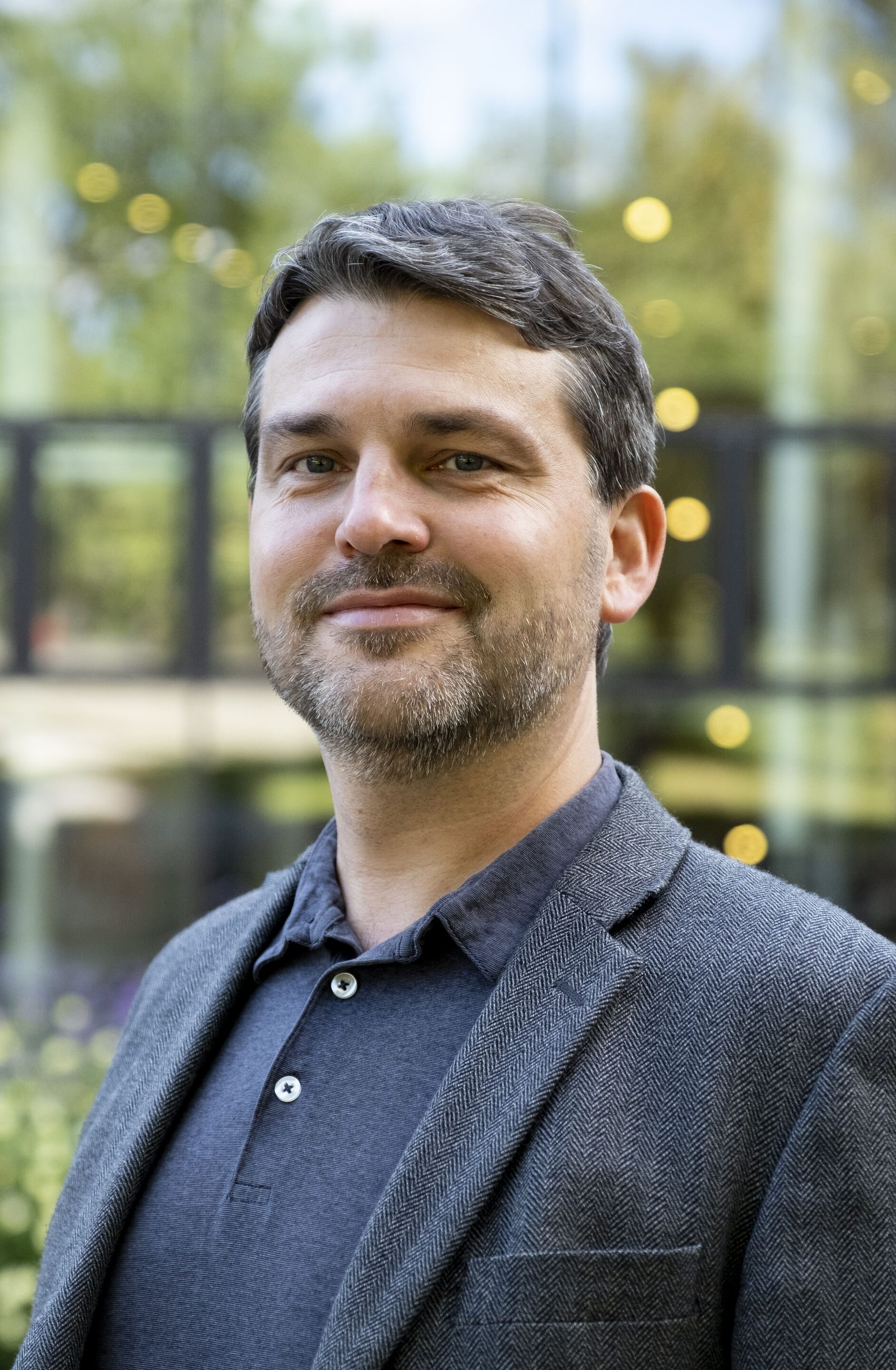
Tao Zhang is a Senior Research Fellow at the Frisch Centre, affiliated with the University of Oslo. He holds a Dr.Polit in Social Economics (2004) and a Cand.oecon (1998), both from the University of Oslo. His research focuses on labor economics, econometrics, and social policy, with emphasis on unemployment, pension systems, and labor market interventions. Research Interests: Zhang's work spans unemployment dynamics, labor market policies for vulnerable groups (youth, immigrants, disabled persons), econometric methods for causal inference, pension reforms, and income volatility. He employs advanced statistical models to evaluate policy impacts in Norway and cross-national contexts. Publication Trends: His 15 most recent articles (2000–2025) reveal consistent themes: labor policy evaluation, econometric methodology, and socioeconomic inclusion. Key areas include active labor programs, housing economics, gender disparities in labor supply, and pension system sustainability. His research combines microdata analysis with policy-focused applications. Projects: Zhang leads/contributes to over 30 active projects at Frisch Centre, including: Qualifications, education, and productivity (ID: 1101) Economics of Adult Education (ID: 1107) Working life and welfare of the elderly (ID: 1133) Labor market exclusion (ID: 1156) Norwegian pension reform impacts (ID: 1175) He coordinates large-scale evaluations of labor market programs and collaborates on EU-funded initiatives like INPROD (Labor Market Inclusion) and SWiTCH (Workforce Transitions).
Julius Parulek is an Adjunct Associate Professor at the University of Bergen's Department of Informatics, specializing in molecular visualization and computational methods for biomolecular structures. His work focuses on developing tools and techniques for interactive exploration of protein dynamics, ligand transportation, and large-scale biological datasets. He collaborates with domain experts in biochemistry and structural biology to create visualization solutions for complex molecular processes. Research interests include: Interactive visualization of protein tunnels and cavities Multiscale rendering of biomolecular complexes Geological modeling and sketch-based visualization Agent-based modeling for biochemical processes Key contributions include: Development of the cellVIEW tool for large-scale biomolecular visualization Pioneering work on continuous levels-of-detail for molecular surfaces Techniques for unfolding protein tunnels to analyze their dynamics His research bridges computer graphics with structural biology, enabling scientists to better understand molecular mechanisms through advanced visualization approaches.
Mikias Hailu Kebede is a PhD candidate at the Department of Electric Energy, NTNU, affiliated with the Electricity Market and Energy System Planning (EMESP) research group. His research focuses on integrating large-scale green hydrogen production systems into power grids, addressing technical and economic challenges related to grid interaction, energy storage, and system reliability. He holds membership in NTNU Energy Team Solar and NTNU Energy Team Hydrogen. Education: PhD Candidate (ongoing) at NTNU. Research interests include renewable energy, hydrogen systems, energy efficiency auditing, and power quality. His doctoral work explores green microgrid alternatives for hydrogen production facilities, grid flexibility through hydrogen systems, techno-economic analysis of grid services, and evaluating energy storage technologies in Norway's power grid context. Teaching: He instructs courses such as GEng 1031 (Introduction to Engineering Profession), ECEg 6052 (Renewable Power Generation Technologies), and ECEg 6017 (Electric Power Quality and Reliability), demonstrating expertise in both foundational and advanced electrical engineering topics. Collaborations: Active in NTNU Energy Teams focused on solar and hydrogen technologies, contributing to interdisciplinary energy solutions.
Aksel Fenerci serves as Associate Professor in the Department of Structural Engineering at the Norwegian University of Science and Technology (NTNU), Faculty of Engineering. His research focuses on wind engineering applications for bridge structures, particularly in complex terrain environments. His primary research interests include: Wind field modeling in complex terrain Wind and wave induced dynamic analysis of long-span bridges Dynamic stability of cable-supported structures Probabilistic methods and stochastic dynamics for structural response prediction Full-scale monitoring of bridge behavior under extreme environmental conditions Analysis of his recent publications (2021-2024) reveals a strong emphasis on advanced computational methods for predicting bridge responses under extreme winds and waves. His work consistently integrates full-scale monitoring data from Norwegian bridges (Hardanger, Bergsøysund) with sophisticated modeling techniques including Gaussian process surrogate modeling, importance sampling Monte Carlo simulations, and machine learning approaches. Key research themes include buffeting response analysis, fatigue assessment under uncertain turbulence, flutter stability of multi-tower bridges, and hydrodynamic interactions in floating bridge systems. His scientific contributions are primarily disseminated through high-impact journals in structural and wind engineering, with notable publications in Engineering Structures, Journal of Wind Engineering and Industrial Aerodynamics, and Marine Structures. Professor Fenerci actively participates in bridge monitoring projects, contributing to the development of large open-access datasets from Norwegian infrastructure. His work bridges theoretical wind engineering with practical bridge design considerations, particularly for challenging environments like complex terrain and marine settings.
Jesus Reignard Medel Tan serves as an Associate Professor in the Department of Structural Engineering within the Faculty of Engineering at the Norwegian University of Science and Technology (NTNU). His research focuses on serviceability limit state analysis of concrete structures, specializing in crack width prediction methodologies and critical evaluations of international design standards including Eurocode 2 and fib Model Code. Dr. Tan's primary research interests encompass structural engineering with specific emphasis on reinforced concrete behavior, serviceability assessment, and computational modeling of cracking phenomena. His work bridges theoretical development with practical applications in large-scale infrastructure projects, particularly investigating tension chord models and membrane behavior under in-plane loading conditions to improve design accuracy and structural safety. Analysis of his 2017-2024 publications reveals consistent focus on crack width prediction across experimental, theoretical, and numerical domains. His research trajectory demonstrates progressive refinement of calculation methods, with recent work (2024) introducing simplified tension chord alternatives to established codes while maintaining rigorous validation against structural performance requirements for concrete infrastructure. Scientific Awards No scientific awards were documented in the provided materials. Advising and Grants The available information does not specify doctoral students, master's advisees, or research grants supervised by Dr. Tan. His academic contributions appear centered on independent and collaborative research publications rather than documented mentoring or funded projects. Labs and Teams Based at NTNU's Gløshaugen campus in the Materialteknisk building, Dr. Tan operates within the Department of Structural Engineering's research ecosystem focused on concrete technology and structural mechanics. His work connects to major Norwegian infrastructure initiatives like the Ferry-Free E39 project, though specific laboratory facilities or dedicated research teams are not explicitly referenced in the source materials.
Janne Kristin Hofstad serves as Assistant Professor at NTNU's Department of Public Health and Nursing (Faculty of Medicine and Health Sciences), concurrently completing her PhD in 2024. Her clinical research is anchored at St. Olavs Hospital, focusing on orthopedic surgery outcomes. Research interests center on postoperative pain dynamics in fast-track arthroplasty, with specific expertise in opioid consumption patterns, local anesthesia efficacy, and patient-reported recovery metrics. Her methodology prioritizes prospective cohort designs and randomized trials within hip/knee replacement pathways. Publication trends (2015-2025) demonstrate evolving scale from small RCTs (n=96 in 2022) to large registries (n=7330 in 2025), consistently comparing hip versus knee outcomes while integrating digital follow-up tools. No scientific awards are documented in the source material. Though student mentorship isn't explicitly recorded, her collaborative work involves orthopedic, anesthesia, and nursing teams at St. Olavs Hospital. Research appears institutionally funded through NTNU-St. Olavs clinical partnerships rather than discrete grants. She contributes to St. Olavs' Fast-Track Orthopedic Program, particularly in preoperative preparation simulation and post-discharge monitoring systems.
Inge Hoff is a Professor at the Department of Civil and Environmental Engineering at the Norwegian University of Science and Technology (NTNU). Her research focuses on pavement engineering, road construction materials, granular materials, cold climate engineering, and asphalt technology. She has extensive experience in analyzing material behavior under various environmental conditions and developing sustainable solutions for transportation infrastructure. Key research interests include the mechanical and thermal properties of unbound materials, asphalt mixture performance under aging and environmental stresses, and innovative stabilization techniques for road construction. Her work addresses challenges such as climate change impacts on infrastructure, recycling of waste materials in pavements, and the integration of digital tools for asset management. Recent publications highlight advancements in pavement deflection measurements, frost protection strategies, and the development of predictive models for material behavior. Hoff collaborates extensively with industry partners and researchers globally, contributing to both theoretical and applied aspects of civil engineering.
Nicolaas Ervik Groeneboom is a researcher affiliated with the University of Oslo's Department of Astrophysics within the Faculty of Mathematics and Natural Sciences. He holds a Ph.D. in astrophysics (2010) and has conducted post-doctoral research across multiple institutions. His work bridges computational astrophysics with neuroimaging tools, particularly through the Nutil software for rodent brain data analysis and the TRSE open-source project. Education: Ph.D. in Astrophysics, University of Oslo (2010) M.Sc. in Theoretical Astrophysics, University of Oslo (2007) B.Sc. in Mathematics, University of Oslo (2006) Research focuses on: Cosmological simulations (N-body, galaxy formation) CMB anisotropies and gravitational lensing Software development for scientific visualization (OpenGL, Unity) Compiler optimizations and HPC techniques Recent work extends into neuroimaging analysis tools for Alzheimer's research. His publications span leading journals like Astrophysical Journal and Communications Biology . Grants: Recipient of a 3-year Research Council of Norway grant for his doctoral research. Active contributor to Euclid project (cosmology). Projects: Creator of open-source TRSE compiler (1000+ users) and Nutil toolbox for histological image processing.
Sven Wedemeyer is a Professor at the Institute of Theoretical Astrophysics, University of Oslo, and a Principal Investigator at the Rosseland Centre for Solar Physics (RoCS), a center of excellence funded by the Research Council of Norway since 2017. He serves on the Institute board of the Institute of Theoretical Astrophysics as a permanent academic staff member (from January 2025) and is the PhD committee chair at the Institute. Internationally, he is a Member of the Council of the European Astronomical Society (EAS, since July 2024), a Co-opted board member of the European Solar Physics Division (ESPD) of the European Physical Society (EPS, since September 2024), and the EAS representative for ASTRONET (since October 2024). He also serves on the Advanced Grant (PE9) evaluation committee for the European Research Council (ERC AdG 2023) and the MSCAA/ERC reference group of the Research Council of Norway (since 2020). Professor Wedemeyer's research focuses on solar and stellar physics with additional interests in extrasolar planets. His work primarily utilizes realistic numerical simulations in comparison with space-borne and ground-based observations. His current major research activities include solar/stellar science at (sub-)millimeter and radio wavelengths, studies of the solar chromosphere using ALMA observations, and investigations into stellar activity. He is a lead of the solar/stellar science working group for the AtLAST consortium (The Atacama Large Aperture Submm Telescope) and coordinates an international team studying vortex flows in solar plasmas funded by the International Space Science Institute in Bern, Switzerland. His research has produced significant findings, including the discovery and explanation of magnetic tornadoes on the Sun, featured on the front page of Nature in 2012. His publication record demonstrates a strong focus on advancing observational techniques for solar and stellar physics at millimeter wavelengths, particularly through the Atacama Large Millimeter/submillimeter Array (ALMA). His recent work shows an increasing emphasis on connecting solar observations with stellar phenomena, developing new diagnostic tools for solar-stellar activity, and contributing to the development of next-generation telescopes like AtLAST. The interdisciplinary nature of his research spans solar physics, stellar astrophysics, and exoplanet science, with a consistent methodological approach combining numerical simulations with multi-wavelength observations. ERC-funded SolarALMA project (2016-2021) Initiator and co-ordinator of the SSALMON research network (since 2014) Discovery of magnetic tornadoes on the Sun featured in Nature (2012) Professor Wedemeyer has led multiple significant research projects including the EMISSA project (funded by the Research Council of Norway, 2019-2023), the ESO-funded ALMA Development Study 'High-Cadence Imaging of the Sun' (2018-2023), and the ERC-funded SolarALMA project (2016-2021). He serves as Norwegian representative at the Observing Programme Committee of the Nordic Optical Telescope and is actively involved in multiple international research networks including KOINet for exoplanet observations and the Extreme Precision Radial Velocity group. His leadership extends to coordinating the international team 'The nature and physics of vortex flows in solar plasmas' funded by the International Space Science Institute since 2018. Professor Wedemeyer leads the solar/stellar science working group within the AtLAST consortium and is instrumental in developing solar observing modes for ALMA. His work with the SSALMON research network connects over 80 researchers worldwide focused on solar simulations for millimeter observations. He also contributes to the Solar ALMA Science Archive (SALSA) and the Solar ALMA Library of Auxiliary Tools (SALAT), creating essential resources for the solar physics community working with ALMA data.
Hans A. Winther is an Associate Professor at the Institute of Theoretical Astrophysics, University of Oslo, specializing in theoretical cosmology with a focus on large-scale structure formation. He holds a Master’s (2010) and PhD (2013) from the University of Oslo, followed by postdoctoral research at the University of Oxford and the University of Portsmouth. His work bridges cosmological theory with advanced numerical simulations, emphasizing modified gravity, dark matter models, and N-body codes. Winther leads courses such as AST5220 Cosmology II and AST1010 Introduction to Astronomy , integrating computational tools like FML and MG-PICOLA . His research includes developing simulation frameworks for modified gravity (e.g., ISIS , SCALAR ) and axion-like dark matter. He actively contributes to the Euclid mission through simulations and data analysis, addressing nonlinear cosmological structures and parameter constraints. Notable projects include the FML C++ library for parallel grid-particle algorithms and the MG-PICOLA code for fast modified gravity simulations. His work underscores the interplay between theory and computation in cosmology, aiming to test gravity and dark matter hypotheses using observational data from surveys like Euclid and LSST.
Aliaksandr Hubin is an Associate Professor at the University of Oslo's Department of Mathematics and Natural Sciences, affiliated with the Center for Computational Inference in Evolutionary Life Science (CELS) and Statistics and Data Science research groups. His career spans Bayesian methodology development, machine learning applications, and interdisciplinary research. PhD in Statistics (University of Oslo, 2018) MSc in Operations Research (Molde University College, 2014) Specialist degree in Economic Cybernetics (Belarusian State University, 2013) Research spans: Bayesian model selection and averaging Probabilistic machine learning Computational statistics Applications in genomics, clinical diagnostics, and aquaculture Weak supervision methods in NLP Medical decision support systems Recent publications focus on: Bayesian neural network compression Clinical score validation Outlier detection mechanisms Evolutionary optimization in inference Domain-informed deep learning Scientific recognition: NIMA 2014 award Multiple student research awards (2012-2013) Graybill poster competition second place (2017) Methodological contributions include: Genetically modified MCMC algorithms Adaptive simulated annealing EM Probabilistic framework development
Lars Ailo Bongo is a Professor at the Department of Computer Science, UiT The Arctic University of Norway. His research interests span operating systems, concurrent programming, data-intensive computing, and applications of machine learning in healthcare and bioinformatics. He has been actively involved in teaching courses such as Operating Systems, Concurrent Programming, and Algorithms, emphasizing open-access educational materials. Notably, three of his master’s students received awards for their theses: Nina Angelvik (2018), Bjørn Fjukstad (2014), and Martin Ernstsen (2013). He also advises students like Johan Ravn, whose master’s project led to a startup. Bongo’s work includes developing scalable bioinformatics pipelines (e.g., NeLS infrastructure), optimizing genomics workflows, and advancing tools for medical image analysis. He pioneered open-access course repositories on GitHub and contributed to visualization frameworks like GeneNet VR. His research bridges computer science with healthcare, focusing on tumor infiltration lymphocyte analysis, AI-driven diagnostics, and ethical AI applications in mental health. He has held roles as a postdoc at Princeton and TA at the University of Tromsø. His scientific contributions span over 50 peer-reviewed articles, covering topics from parallel computing to synthetic health data interoperability. He emphasizes reproducibility and transparency in data management, exemplified by projects like Occode for historical data transcription and MORTAL language for cross-paradigm computing. In education, Bongo advocates for accessible teaching materials and has designed courses like INF-2202 Concurrent Programming, which utilize modern tools (e.g., Go language) and GitHub repositories. His teaching philosophy integrates practical coding with theoretical foundations, fostering student innovation and open-source collaboration.
Helene Hisken is a Research Fellow at the Department of Physics and Technology, University of Bergen. She holds a PhD in Physics and Technology (2018) focused on turbulence effects in gas explosions. Her work bridges experimental studies and computational modeling, with expertise in CFD simulations, hydrogen safety, and risk assessment for industrial explosion scenarios. Key affiliations include Gexcon AS, a leading explosion safety consultancy. Education : Doctoral degree (Investigation of turbulence effects in gas explosions), University of Bergen, 2018. Previous academic background in physics and engineering (details not explicitly provided in text). Research Focus : Modeling gas explosions, hydrogen safety, CFD analysis of fuel-air mixtures, and mitigation strategies in complex geometries. Her work addresses real-world challenges in industrial explosion risk assessment, leveraging large-scale experiments and advanced computational tools like FLACS and PDRFoam. Funding & Collaborations : Involved in Norwegian Research Council-funded projects (e.g., #327009, #326281). Collaborates with institutions like DNV Spadeadam Research and Indian Institute of Technology, Madras. Labs & Teams : Affiliated with Gexcon AS and the University of Bergen's explosion safety research teams, contributing to both academic and industrial safety solutions.
Bjarne Foss is a Professor at the Department of Engineering Cybernetics, Norwegian University of Science and Technology (NTNU), and Managing Director of the Kavli Institute for Systems Neuroscience. He has been a professor since 1989 and holds a PhD in Engineering Cybernetics from NTNU. His roles include Vice President for Research at NTNU (2017–2020) and Adjunct Professor at the University of South-East Norway (2021–2023). He has extensive board experience with companies like Cybernetica AS, Solution Seeker AS, and KTH Royal Institute of Technology. Foss specializes in process control, reservoir management, and optimization algorithms, with over 300 publications and an H-index of 49. He has supervised 31 PhD students and led major international projects for ESA and EU. Awards include the IBM Open Collaborative Faculty Award (2010, 2011), the Karl Diesel Best Paper Award (1995), and recognition for pedagogical innovation in 2007. His research focuses on enhancing oil production efficiency, automation in energy systems, and control strategies for complex industrial processes. His education includes a PhD from NTNU (Engineering Cybernetics) and an MSc degree awarded with the prestigious «Innstilling» honor. Professional activities include editorial roles, IEEE Senior Membership, and leadership in international committees like IFAC. Foss co-founded Solution Seeker AS (2013), Cybernetica AS (2000), and FIRST Scandinavia (2000). Recent work emphasizes distributed optimization for large-scale oil systems, dynamic control under uncertainty, and shale-gas production strategies. His publications span journals like IEEE Transactions on Automatic Control and Journal of Petroleum Science and Engineering , addressing challenges in reservoir control, model predictive control, and well-placement optimization.
Qiyuan Peng is a Doctoral Research Fellow at the University of Oslo's Department of Psychology under the Faculty of Social Sciences. Their research focuses on the intersection of applied economics and genetics, particularly in education, health, gender, migration, and social inequality. They are affiliated with PROMENTA and the Neighborhood Genetics research group. Education: Master of Economics (2021), University of Edinburgh Master of Management (2019), Renmin University of China Bachelor of Management (2016), Jilin University Research Interests: Causal intergenerational effects on education using novel genetic methods Policy simulation through theoretical models and causal inference Integration of large-scale micro-level datasets Recent Work: Analyzing parental genetic effects on educational outcomes via Trio-GCTA methodology. This work is supported by the Marie Skłodowska-Curie Actions Doctoral Networks (MSCA-DN). Awards: SGPE Econometrics Project Top 2 (2021), University of Edinburgh Grants/Projects: Marie Skłodowska-Curie Actions (MSCA-DN), PROMENTA. Labs/Teams: PROMENTA, Neighborhood Genetics research group.