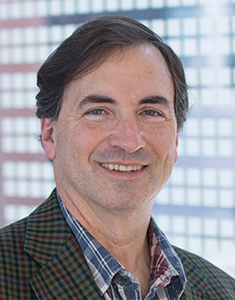
Dr. Greg Eisenhauer is a Senior Research Scientist at the Georgia Institute of Technology's School of Computer Science and affiliated with the Center for Experimental Research in Computer Systems (CERCS). His research focuses on high-performance computing (HPC), systems, and enterprise computing, with an emphasis on program monitoring, dynamic adaptation, performance evaluation, and I/O systems like ADIOS. Supported by NSF, DOE, DARPA, and industry grants, his work addresses challenges in HPC workflows, data management, and streaming analytics. He leads efforts in scalable data environments, metadata optimization, and exascale computing resilience.
Dominik Kopczynski is a researcher affiliated with the Department of Analytical Chemistry at the Faculty of Chemistry. His work focuses on lipidomics, mass spectrometry, and the development of bioinformatics tools for lipid structure analysis and experimental standardization. He has contributed to initiatives like the lipidomics reporting checklist and Goslin nomenclature system. Active in organizing academic events such as the de.NBI Spring School for lipidomics bioinformatics and Keystone Symposia on lipid biology, he collaborates extensively with international researchers. Research Interests: Lipid metabolism, mass spectrometry-based analytical methods, lipid nomenclature standardization, proteomics, and computational tools for omics data analysis. His work bridges biochemical experimentation with bioinformatics to enhance reproducibility and interdisciplinary collaboration in lipidomics research. Activities: Organized 36 academic events including conferences, schools, and poster sessions. Notable contributions include co-organizing the 2025 de.NBI Spring School and contributing to the Keystone Symposia on lipid cellular function and disease. Engaged in both presenting research and fostering collaborative research networks. Labs/Teams: Collaborates within the Department of Analytical Chemistry and participates in international lipidomics consortia. His work often involves cross-disciplinary teams focused on integrating biochemical and computational approaches. Grants/Advising: While specific grants are not detailed, his extensive publication record and collaborative activities suggest involvement in funded projects related to lipidomics infrastructure development and analytical method standardization.
Professor Trisha Peel is a full Professor and Deputy Director (Research) in the Department of Infectious Diseases at Monash University and Alfred Health, Australia. She leads the Antimicrobial Stewardship Services at Epworth and Alfred Healthcare and is actively involved in large-scale clinical trials and implementation science. Her work spans Monash University, Alfred Health, and Epworth HealthCare, with ongoing collaborations with the Mayo Clinic. Monash University – Faculty of Medicine, Nursing and Health Sciences, Department of Infectious Diseases Alfred Health – Infectious Diseases Unit Epworth HealthCare – Antimicrobial Stewardship Physician Mayo Clinic – Research Collaborator Trisha Peel holds a PhD and is an NHMRC L1 Fellow. Her research is centered on antimicrobial resistance, surgical site infection prevention, and antimicrobial stewardship . She leads the Surgical Infection Research Group, which conducts translational research from bench to bedside, integrating microbiology, genomics, and clinical trials to improve surgical outcomes and reduce antimicrobial misuse. Her recent publications highlight work on infection control in low-resource settings, contamination risks in clinical trials, imaging of bone infections, and global collaboration in surgical research. The articles reflect a strong focus on practical, evidence-based interventions with policy impact, particularly in infection prevention and antibiotic use optimization. Scientific Awards: Australian Postgraduate Award (2010) NHMRC Postgraduate Scholarship (2010) Royal Australasian College of Physicians Richard Kemp Memorial Fellowship (2013) Priscilla Kincaid-Smith Development Research Grant (2016) NHMRC Research Excellence Award (2018) ACTA Trial of the Year (for the ASAP Trial) Professor Peel has secured significant competitive grants from national bodies such as the NHMRC and the Department of Health and Aged Care. Her leadership in trials like CALIPSO and TRIGS demonstrates her role in shaping global surgical infection guidelines. She mentors early-career researchers and is accepting PhD students in antimicrobial stewardship and health services research. Her lab, the Surgical Infection Research Group, fosters interdisciplinary collaboration across infectious diseases, surgery, public health, and digital health.
Michael Bader is a Professor in the Department of Computer Science at the Technical University of Munich (TUM), part of the TUM School of CIT. He leads the research group on hardware-aware algorithms and software for high-performance computing at the Leibniz Supercomputing Center. His work focuses on developing efficient algorithms and software for supercomputing platforms, particularly in geosciences and simulation of earthquakes and tsunamis. His research interests include high-performance computing, simulation software development (e.g., SeisSol and ExaHyPE), parallel numerical algorithms, adaptive mesh refinement, and large-scale geophysical simulations such as earthquake dynamics and tsunami modeling. He emphasizes optimizing algorithms for modern supercomputing architectures to handle complex computational challenges. Professor Bader has supervised numerous PhD students, including Lukas Krenz, Ravil Dorozhinskii, and Sebastian Wolf, among others. His research has been supported by grants from the EuroHPC JU, BMBF, DFG, and other institutions. Notable projects include ChEESE-2P for exascale computing in solid earth sciences and the targetDART project for adaptive task distribution on exascale systems. He is actively involved in teaching, offering courses such as Numerical Algorithms for High Performance Computing and Scientific Computing 1 . His group collaborates extensively with institutions like the Leibniz Supercomputing Center to advance computational methods for simulating natural disasters and geophysical phenomena.
Charlotte Elster is a Professor in the Department of Physics and Astronomy at Ohio University, affiliated with the College of Arts and Sciences and the Institute of Nuclear and Particle Physics (INPP). She is a leading theoretical nuclear physicist with a Ph.D. from the University of Bonn (1986), whose research centers on few-nucleon systems, nuclear reactions, and computational methods in nuclear theory. University: Ohio University School: College of Arts and Sciences Department: Department of Physics and Astronomy Institute: Institute of Nuclear and Particle Physics (INPP) Academic Rank: Professor Email: elster@ohio.edu Her research interests include theoretical nuclear physics , with a focus on few-nucleon systems , relativistic effects in few-body systems , nuclear reactions at intermediate energies , and high-performance computing . She develops numerical tools to model complex few-body dynamics and applies ab initio methods to study nucleon-nucleus scattering and optical potentials. Her work bridges fundamental nuclear forces with observable reaction phenomena. The recent articles reflect a sustained focus on ab initio modeling of nucleon-nucleus interactions, particularly using chiral effective field theory and no-core shell model techniques. Her publications emphasize effective potentials , uncertainty quantification , nonlocal interactions , and few-body universality , especially in deuteron-alpha and light nucleus systems. The research trends show strong integration of computational physics with theoretical nuclear structure and reaction theory, preparing for advances in rare-isotope beam experiments. Scientific Awards: Fellow of the American Physical Society (2001), Few-Body Systems and Multi-Particle Dynamics Division Advising and Grants: While specific students are not listed, her collaborative publications suggest active mentorship of graduate researchers. She is deeply involved in national scientific leadership, serving on the Jefferson Laboratory Program Advisory Committee and chairing the APS DNP Bonner Prize Committee. Her research is likely supported by federal grants from agencies such as the Department of Energy and the National Science Foundation, given the scope and collaboration network of her work. Laboratories and Teams: She is a key member of the Institute of Nuclear and Particle Physics (INPP) at Ohio University and leads research within the Few-Body Topical Group of the American Physical Society. Her work involves extensive collaboration with national labs (e.g., Jefferson Lab, LLNL) and universities (e.g., Michigan State), contributing to large-scale theoretical initiatives and white papers in nuclear physics.
Raphael Gottardo is a Full Professor of Biomedical Data Science at the University of Lausanne (UNIL), Faculty of Biology and Medicine, and serves as Director of the CHUV Biomedical Data Science Center. He has been in this position since August 1, 2021. Prior to this, he was a full professor in the Division of Vaccines and Infectious Diseases at the Fred Hutchinson Cancer Research Center in Seattle and an affiliate professor of statistics at the University of Washington. BSc, Applied Mathematics, Claude Bernard Lyon 1 University, Lyon (France), 1995–1999 MSc, Mathematics/Statistics, Portland State University, Portland (United States), 1999–2001 PhD, Statistics, University of Washington, Seattle (United States), 2002–2005 His research focuses on developing computational tools and novel machine learning methods for analyzing high-dimensional single-cell data, with applications in immunology, vaccine research, and immunotherapy. His early work involved Bayesian modeling of gene expression data, and he continues to advance the field of translational data science through integrative computational approaches. His expertise bridges statistics, machine learning, and biomedical applications, particularly in the context of infectious diseases and cancer immunology. Throughout his career, Gottardo has held significant leadership roles, including Scientific Director of the Fred Hutch Translational Data Science Integrated Research Center. His work emphasizes the translation of data science innovations into clinical and public health applications. Scientific Awards: J. Orin Edson Foundation Endowed Chair, Fred Hutch (2018–2021) Gottardo has held academic appointments at the University of British Columbia (Assistant Professor, 2005–2010), Montreal Clinical Research Institute (Assistant Professor, 2008–2010), and Fred Hutchinson Cancer Research Center (Associate Professor, 2010–2015; Professor, 2015–2021). He also held affiliate faculty positions at the University of Washington. While no specific students or grants are mentioned, his leadership in large-scale data science centers indicates significant mentorship and funding activities. He leads the CHUV Biomedical Data Science Center, a hub for developing and applying data science methodologies to biomedical challenges, particularly in immunology and personalized medicine.
Karen Shen is an Assistant Professor in the Department of Health Policy and Management at the Johns Hopkins Bloomberg School of Public Health. She is affiliated with the Roger and Flo Lipitz Center to Advance Policy in Aging and Disability, the Hopkins Economics of Alzheimer’s Disease & Services Center, and the Hopkins Business of Health Initiative. Her research focuses on healthcare labor markets and financing policies affecting aging populations and individuals with mental health and substance use disorders. PhD in Economics, Harvard University, 2021 MS in Statistics, Stanford University, 2013 BS in Mathematical and Computational Sciences, Stanford University, 2013 Dr. Shen's research lies at the intersection of health economics and public policy. Her work investigates how labor market dynamics, staffing policies, and public financing mechanisms impact care delivery and outcomes, particularly in long-term care and mental health settings. She employs rigorous econometric methods to analyze large-scale datasets and inform evidence-based policy. Her recent publications span topics such as healthcare worker shortages, Medicaid financing of home care, nursing home staffing and quality, opioid use disorder treatment access, and the impact of the pandemic on healthcare employment. The articles reflect a strong trend toward policy-relevant empirical research using quasi-experimental designs and administrative data to evaluate real-world interventions. Alleviating Worker Shortages Through Targeted Subsidies: Evidence from Incentive Payments in Healthcare (2024) Who benefits from public financing of home-based long term care? Evidence from Medicaid (2024) Health Care Staff Turnover and Quality of Care at Nursing Homes (2023) Do Policies to Increase Access to Treatment for Opioid Use Disorder Work? (2023) Job Flows Into and Out of Health Care Before and After the COVID-19 Pandemic (2024) Dr. Shen has not received any explicitly mentioned scientific awards in the provided texts. She advises students in health economics and policy, though specific advisees are not listed. She has been involved in research grants related to aging, Alzheimer’s disease, and healthcare policy through her center affiliations. Her work has been widely disseminated, with publications in top journals and attention from news outlets and social media. She is part of collaborative research networks focusing on aging, mental health, and healthcare systems.
Minsu Park is an Assistant Professor of Social Research and Public Policy at New York University Abu Dhabi (NYUAD), with affiliate status at the Center for Data Science at New York University (NYU). He holds a PhD in Information Science from Cornell University, where he was advised by Michael W. Macy and Mor Naaman. His academic work bridges computational techniques and social science theory, focusing on cultural consumption, social networks, and human-centered data science. PhD in Information Science, Cornell University His research centers on understanding how individuals form cultural preferences through social and psychological mechanisms, particularly in domains like music, food, fashion, and science. He leverages large-scale digital trace data—including social media, streaming platforms, and physiological signals from smart devices—to model behavior. His interdisciplinary approach draws from sociology, social computing, and data science, aiming to uncover both individual and global patterns in cultural dynamics. Key themes include variety-seeking behaviors, affective preferences, and the interplay between social position and taste. The 15 most recent publications reflect a strong trend toward using computational methods to explore sociocultural phenomena. Topics span affective preference rhythms in music, testing sociological theories like cultural omnivory, imputing user attributes from digital behavior, and enhancing model interpretability. These works are published in high-impact venues such as Nature Human Behaviour and ICWSM, indicating recognition in both computer and social sciences. Minsu Park is deeply committed to responsible data science, addressing issues like algorithmic bias, transparency, fairness, data privacy, and research ethics. He emphasizes mixed-methods approaches and critical reflection on data generation and usage. Published in Nature Human Behaviour Presented at ICWSM Focus on ethical and interpretable AI Advocate for reproducibility and data curation He mentors students through capstone projects in computer science and teaches courses such as Human-Centered Data Science and Textual Analysis for the Social Sciences. While specific grants are not detailed in the text, his research program suggests involvement in interdisciplinary, data-intensive projects likely supported by academic or scientific funding bodies. His technical expertise includes Python, R, machine learning frameworks (TensorFlow, Keras), and tools like Gephi and AWS. He leads or contributes to research initiatives involving smartwatch-based data collection, surname-based ethnicity matching, and global music consumption analysis, as evidenced by his public GitHub repositories. These projects highlight his commitment to open science and collaborative research.
Caterina Vigliar is an Assistant Professor in the Department of Electrical and Photonics Engineering at the Technical University of Denmark (DTU), affiliated with the High-Speed Optical Communications Centre of Excellence for Silicon Photonics for Optical Communications. Her work bridges quantum information science and integrated photonics, with a focus on developing scalable on-chip quantum technologies. Her research interests include quantum photonics , integrated quantum circuits , graph theory in quantum systems , quantum random number generation , and high-dimensional entanglement . She applies theoretical frameworks to practical photonic implementations, aiming to realize compact, efficient quantum devices. The recent publications highlight a strong trend toward very-large-scale integration of quantum photonic circuits , particularly using graph-based designs for multidimensional entanglement and quantum information processing. These works demonstrate advancements in on-chip quantum random number generators and multiphoton entanglement , contributing to the scalability of quantum technologies. Scientific Contributions: Active contributor to high-impact research in Nature Photonics and SPIE proceedings. Key collaborator in international quantum photonics projects. Supervisor of multiple PhD projects in quantum photonic computing and number generation. Advising and Grants: Dr. Vigliar supervises four active PhD projects related to quantum photonic reservoir computing, remote quantum computing, and integrated quantum number generation. These projects are supported by DTU and involve collaboration with leading researchers such as F. Da Ros, D. Bacco, and Y. Ding. While specific grant names are not listed, the funding context suggests support from national and institutional research bodies. Labs and Teams: She is part of the High-Speed Optical Communications Centre of Excellence for Silicon Photonics at DTU, a leading group in integrated photonics and quantum communications. Her work is embedded within a collaborative network involving experimental and theoretical researchers focused on advancing quantum technologies through photonic integration.
Peter J. Basser is a leading research scientist at the National Institutes of Health (NIH), specifically within the Eunice Kennedy Shriver National Institute of Child Health and Human Development (NICHD), where he heads the Section on Quantitative Imaging and Tissue Sciences (SQITS). His work bridges physics, engineering, and neuroscience to develop non-invasive MRI methods for probing tissue microstructure, particularly in the brain. His educational background is not explicitly mentioned, but his scientific achievements reflect deep training in biophysics and medical imaging. He earned his Ph.D. and has built a career at NIH as a principal inventor of key neuroimaging technologies. Basser's research focuses on quantitative imaging and tissue sciences , especially using diffusion MRI to study brain structure and function. He pioneered Diffusion Tensor MRI (DTI) , Streamline Tractography , and advanced methods like MAP MRI , CHARMED , and AxCaliber , enabling in vivo measurement of axon diameters and microstructural features previously accessible only through histology. His work aims to translate these tools into clinical use for diagnosing developmental disorders, trauma, and neurodegeneration. The 15 most recent articles reflect a consistent focus on developing novel MRI biomarkers, particularly through diffusion and relaxometry methods. They explore water exchange, restriction, glymphatic clearance, latency connectomes, and cortical microstructure, demonstrating a trajectory toward in vivo MRI histology and precision imaging for pediatric and neurological applications. Scientific Awards: National Academy of Engineering (NAE), Inducted 2020 National Academy of Inventors (NAI) Fellow, 2024 Eduard Rhein Technology Award, 2021 ISMRM Gold Medal, 2008 ISMRM Lauterbur Lecturer, 2020 American Society of Neuroradiology Honorary Member, 2019 Victor M. Haughton Award, 2017 ISMRM Fellow, 2010 AIMBE Fellow Best Paper Award, Frontiers in Physics, 2023 Basser leads a dynamic research group that mentors postdoctoral fellows and trainees, many of whom have received prestigious awards. His lab has secured significant grants from the NIH BRAIN Initiative, NICHD, USUHS, and the Bill & Melinda Gates Foundation. The SQITS lab develops open-source software tools like TORTOISE , dmritool , and HI-SPEED , which are widely used in the neuroimaging community. The lab collaborates with institutions such as Uniformed Services University and participates in major initiatives like the Human Placenta Project and the Human Connectome Project. Basser’s vision is to transform clinical MRI scanners into quantitative scientific instruments for precision medicine and large-scale brain mapping. Labs and Teams: Section on Quantitative Imaging and Tissue Sciences (SQITS), NICHD, NIH Neuropathology-Neuroradiology Integration Core (with USUHS) Advanced Translational Neuroimaging Research & Development Core Diffusion – Data Processing Center (DPC)
Martin Skovgaard Andersen is an Associate Professor in the Department of Applied Mathematics and Computer Science at the Technical University of Denmark (DTU), where he specializes in Scientific Computing. His research integrates numerical methods, optimization, and machine learning to solve complex computational problems in engineering and data science. Education: Ph.D., University of California, Los Angeles (2006–2011) M.Sc., Aalborg Universitet (2001–2006) Postdoc, Linköping University, Sweden (2011–2012) His research interests include optimization (particularly conic and stochastic programming), numerical algorithms, signal processing, system identification, and fast solvers for integral equations. He works extensively on matrix analysis, regularization, and low-rank approximations, contributing to both theoretical and applied advancements in computational mathematics. The recent publications highlight a strong trend in developing efficient numerical algorithms for large-scale optimization and solving integral equations. His work emphasizes preconditioning, matrix truncation, and Bayesian inversion, with applications in electromagnetics, structural health monitoring, and network identification. There is a consistent focus on improving computational efficiency and scalability of solvers. Scientific Awards: No specific awards mentioned in the provided text. Andersen actively supervises PhD students and leads multiple research projects, including those on non-symmetric conic optimization, data-sparse models, and fast direct solvers. He is the Principal Investigator (PI) on projects related to physics-informed structural health assessment. His collaborative network spans Denmark and international institutions, particularly in computational mathematics and engineering. Labs and Research Teams: He is affiliated with the Scientific Computing section at DTU, which focuses on high-performance computing, numerical algorithms, and mathematical modeling. His work is embedded in a collaborative environment involving researchers in optimization, control theory, and computational electromagnetics.
Marie-Luise Kapsch is a Research Scientist at the Max Planck Institute for Meteorology (MPI-M) in Hamburg, Germany, affiliated with the Department of Climate Variability and the Ocean Physics research group. Her work centers on paleoclimate modeling to investigate ice sheet-climate interactions during the last deglaciation and their implications for future climate projections, particularly regarding tipping points. Her academic training includes: PhD in Atmospheric Sciences from Stockholm University (2015), thesis: The atmospheric contribution to Arctic sea-ice variability Diploma (Master's equivalent) in Climate Research from Karlsruhe Institute of Technology (2011), thesis: Longterm variability of hail-related weather types in an ensemble of regional climate models Dr. Kapsch specializes in Paleoclimatology and Ice Sheet-Climate Interactions, analyzing drivers of abrupt climate changes like Heinrich events and Dansgaard-Oeschger cycles. She employs coupled climate-ice sheet models to study deglacial transitions, focusing on how meltwater release and ice sheet elevation loss influence ocean circulation and atmospheric patterns. Her research directly addresses uncertainties in future climate projections through paleoclimate constraints. Her publication record (2025-2018) reveals consistent expertise in deglacial climate modeling, with dominant themes in Heinrich event mechanisms, ice sheet reconstruction sensitivity, and meltwater impacts. The work is heavily integrated with the PalMod initiative and MPI-ESM model development, emphasizing multi-model assessments and transient simulations to decode climate system feedbacks during major transitions. Scientific awards: None documented in available sources. Her research is funded through the German paleomodeling initiative PalMod (BMBF), with contributions to the International Max Planck Research School for Earth System Modeling (IMPRS-ESM). She collaborates on large-scale projects including nextGEMS and WarmWorld, though no explicit student advisement is listed. Her work spans model development, data set creation, and participation in CMIP6 experiments. She operates within the Ocean Physics group of the Department of Climate Variability, contributing to MPI-M's climate modeling ecosystem. Her research leverages high-performance computing for Earth system simulations and connects with observational initiatives like EUREC4A and Barbados Cloud Observatory through model-data integration efforts.
Satoshi Takahama is an Adjunct Professor at the Laboratory for Environmental Spectrochemistry (LESC) within the School of Architecture, Civil and Environmental Engineering (ENAC) at École Polytechnique Fédérale de Lausanne (EPFL). He also contributes to teaching through the SSIE - Teaching unit at EPFL and serves on the PhD program committee for Civil and Environmental Engineering. His research is centered on the measurement, analysis, and modeling of atmospheric aerosols and their impacts on air quality and climate. Research Interests: Measurement and modeling of atmospheric aerosols Application of Fourier-transform infrared (FTIR) spectroscopy for aerosol characterization Functional group analysis of organic particulate matter Development of computational and chemometric tools for environmental data analysis Climate and air quality impacts of biomass burning and urban emissions His recent publications reflect a strong focus on the chemical evolution of aerosols, instrumental development (e.g., electrostatic collectors), and data-driven approaches to emission inventories and monitoring. These works span atmospheric chemistry, environmental engineering, and analytical method development. Scientific Awards: No awards listed in the provided text. Advising and Grants: Supervised multiple PhD students including Virginia Tadei, Gözde Bitlislioglu, Eirini Boleti, Nikunj Dudani, Giulia Ruggeri, and Amir Yazdani. Involved in large-scale monitoring network studies (e.g., IMPROVE, SEARCH) and international field campaigns (e.g., Cal-Mex, SOAS). Contributed to the development of open platforms such as AIRSpec for infrared spectroscopy analysis. Labs and Teams: Laboratory for Environmental Spectrochemistry (LESC), EPFL Collaborations with research groups in the U.S. and Europe on aerosol characterization and modeling Active participant in international conferences and research networks in aerosol science.
Angelika Romanou is a Doctoral Assistant at the Distributed Information Systems Laboratory (LSIR) within the School of Computer and Communication Sciences (IC) at École polytechnique fédérale de Lausanne (EPFL). She is concurrently a PhD student in the Doctoral Program in Computer and Communication Sciences (EDIC), supported through her research assistantship. Her research focuses on distributed information systems, data-intensive computing, and information retrieval, with strong ties to web search technologies and scalable data processing. These interests align closely with the mission of LSIR, a leading lab in large-scale data and information systems. While no publications or scientific awards are listed in the current profile, her work is embedded in a high-impact research environment that emphasizes innovation in distributed systems and intelligent data access. Scientific Awards: No scientific awards listed. As a Doctoral Assistant, Angelika contributes to research projects within LSIR. She is not listed as an advisor to any students. Funding likely comes through EPFL and LSIR institutional support, though specific grants are not mentioned. She is actively involved in the LSIR (Distributed Information Systems Laboratory), a research group known for advancing scalable information systems, search engines, and machine learning for data science.
Dr. Junhao Wen is an Assistant Professor of Computational Neuroscience at the Department of Radiology, Columbia University Irving Medical Center. He is also an Affiliated Member of the Health Analytics Center. His interdisciplinary work bridges advanced artificial intelligence and biomedical data to investigate human aging and disease mechanisms. Dr. Wen's research focuses on integrating AI and machine learning with multi-organ imaging (e.g., brain MRI) and multi-omics data (including genetics and proteomics). His work aims to uncover biomarkers and mechanistic insights into neurodegenerative diseases and aging processes. This positions him at the forefront of computational biomedicine and precision health analytics. His scientific approach combines deep learning, statistical modeling, and large-scale biomedical datasets to develop predictive models of disease progression. These methods are applied across diverse populations to enhance early diagnosis and intervention strategies. The Health Analytics Affiliation underscores his role in advancing data-driven healthcare solutions at Columbia. While no specific publications or awards are listed in the source text, his research trajectory reflects strong engagement with cutting-edge computational methodologies in medicine. Dr. Wen has previously held positions as a postdoctoral researcher at the University of Pennsylvania and as an Assistant Professor at the University of Southern California. He earned his Ph.D. from Sorbonne University in 2019, establishing a foundation in computational methods applied to neuroscience and biomedical data. He advises graduate students and may lead a research laboratory focused on AI-driven health discovery, though specific advisees are not named. His work likely involves collaboration across departments and institutions, supported by grants in AI, neuroscience, and aging research, although specific funding sources are not mentioned. Dr. Wen's laboratory, accessible via https://labs-laboratory.com/ , serves as a hub for interdisciplinary research in computational neuroscience and health analytics.