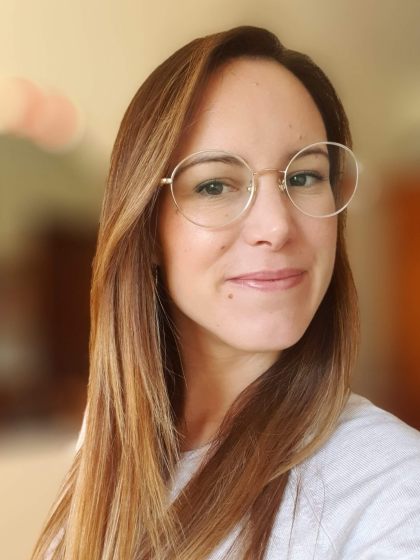
Dr. ir. Dirk T.S. Rijkers is an Associate Professor at Utrecht University in the Department of Chemical Biology & Drug Discovery, Faculty of Science. He has been working at Utrecht University since 1997, progressing from post-doctoral researcher to his current position as Associate Professor since 2022. His educational background includes: 1985–1990: Chemical Engineering at Eindhoven University of Technology, with a major in bioorganic chemistry 1990–1994: PhD in bioorganic chemistry at Catholic University of Nijmegen Rijkers' research focuses on peptide chemistry, with his central theme summarized as 'Peptides: synthetic challenges, tools, materials and therapeutics.' His work is highly synthesis-driven with strong emphasis on biologically relevant applications. He has documented his research in 117 original papers and 118 proceedings/abstracts, with an h-index of 43 and over 6,000 citations. His work has led to 3 patents and he has presented his research in 19 invited lectures. Analysis of his recent publications shows a consistent focus on peptide synthesis methodologies, particularly ring-closing metathesis and click chemistry approaches. His work spans antimicrobial peptides (especially nisin analogs), vancomycin mimetics, amyloid research, and peptide-based materials. The research demonstrates strong interdisciplinary connections between organic chemistry, biochemistry, and pharmaceutical sciences, with applications in antibiotic development and biomaterials. His scientific awards and grants include: NWO-CW TOP Grant 700.51.302 (2002) Netherlands Proteomics Center grant (2004) Journal of Peptide Science Travel Award Gdansk 2006 ETH Research Council scholarship (2008) NWO-CW ECHO Grant 700.57.014 (2008) NWO-CW Investment Grant 700.59.105 (2010) Rijkers has supervised 12 PhD students and 5 post-doctoral researchers throughout his career. He has served on numerous grant review panels including NWO-CW TOP-ECHO committees and STW-VENI committees. His extensive peer review activities include journals such as Advanced Materials, Angewandte Chemie, Bioconjugate Chemistry, and Journal of the American Chemical Society. He maintains strong collaborative networks across Utrecht University departments and with international institutions including ETH Zürich, University of Melbourne, and University of Oxford. His laboratory focuses on developing novel peptide synthesis methodologies and applying them to biologically relevant problems, particularly in antimicrobial development and protein-protein interaction modulation.