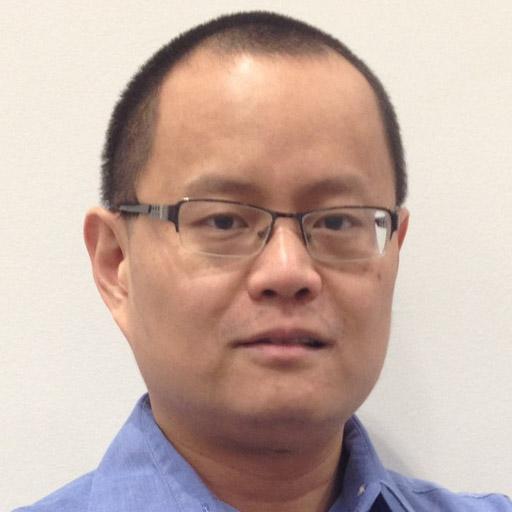
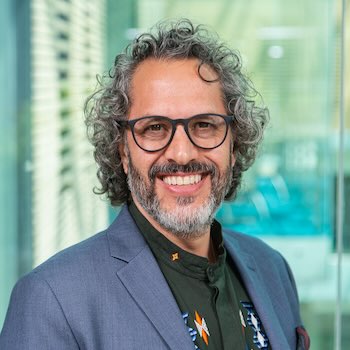
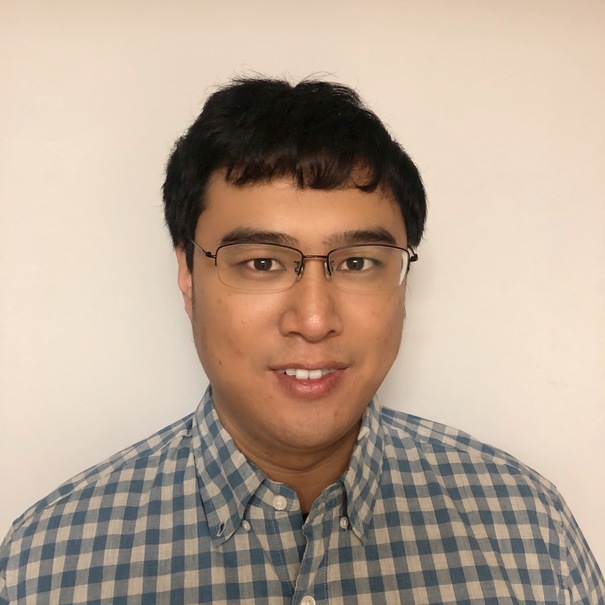
Istvan David is an Assistant Professor in the Department of Computing and Software at McMaster University , with research expertise spanning Digital Twins , Model-Driven Engineering , and Sustainability . His work bridges theoretical and applied domains, focusing on smart ecosystems , collaborative modeling , and AI-driven simulation . Key contributions include frameworks for digital twin evolution and interoperability in sustainable systems. Education : BSc, MSc, and PhD in Computer Engineering and Computer Science from Budapest University of Technology and Economics, and University of Antwerp. Research Areas : Digital Twins, Model-Driven Engineering, Reinforcement Learning, Smart Ecosystems, Sustainability, Collaborative Modeling, Cyber-Biophysical Systems, and Software Architecture. Recent Article Trends emphasize AI integration with digital twins, collaborative modeling in industrial contexts, and sustainable systems engineering . His work often combines machine learning with formal modeling to address challenges in technical sustainability and smart agriculture .
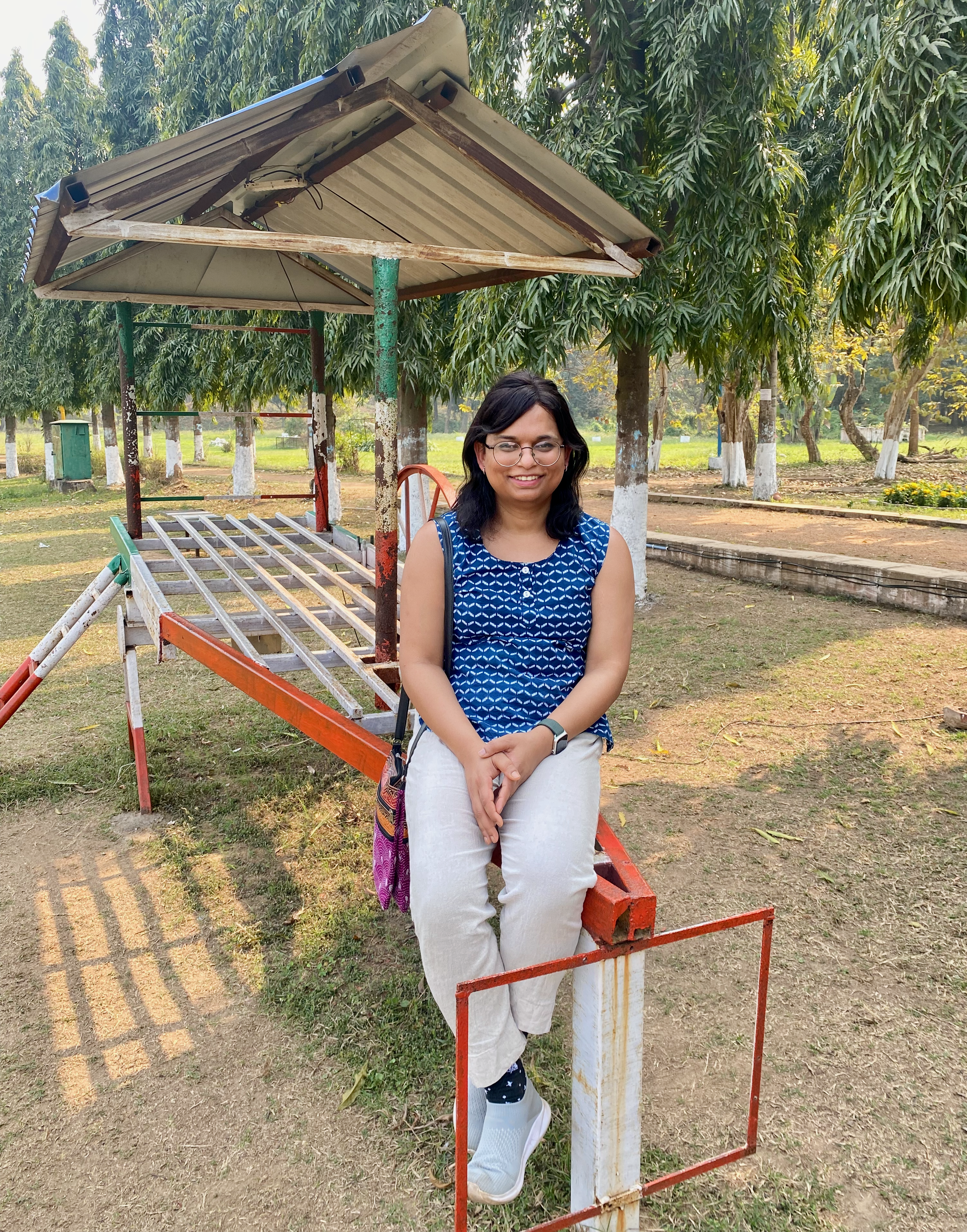
Atrisha Sarkar is an Assistant Professor in the Department of Electrical and Computer Engineering at Western University , Canada, and heads the Humans and Autonomous Agents Lab . She is also a faculty member of the Rotman Institute of Philosophy and a Faculty Affiliate at the Schwartz Reisman Institute for Technology and Society . Her research integrates empirical and behavioral game theory with software engineering to design human-centric AI systems that prioritize safety and societal well-being. Education: Atrisha holds a PhD and has previously served as a postdoctoral fellow at the Schwartz Reisman Institute for Technology and Society at the University of Toronto under the supervision of Prof. Gillian Hadfield. Research Focus: Her work centers on human-centric multiagent systems , combining methods from: Behavioral and empirical game theory Software engineering Human-AI and human-robot interaction AI safety and reliability She applies these to domains such as autonomous driving, cooperative AI, and social media dynamics, aiming to ensure AI systems align with human values and societal norms. Publications and Impact: Atrisha has published extensively in top-tier venues including AAAI , AAMAS , ICRA , NeurIPS , and EC . Her work spans from theoretical models of strategic behavior to practical frameworks for validating autonomous systems, with a strong emphasis on real-world applicability. Labs and Teams: She leads the Humans and Autonomous Agents Lab at Western University, where her team focuses on designing AI agents that can cooperate effectively with humans in complex, dynamic environments.
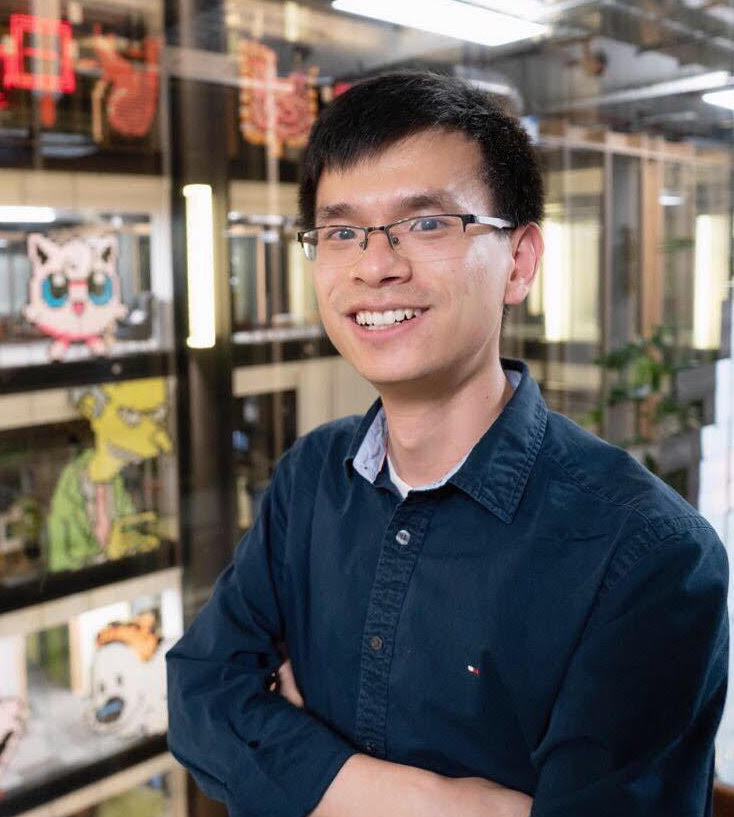
Xujie Si is an Assistant Professor in the Department of Computer Science at the University of Toronto. He is also a faculty affiliate at the Vector Institute and an affiliate member at Mila - Quebec AI Institute, holding a Canada CIFAR AI Chair. Previously, he served as an Assistant Professor at McGill University's School of Computer Science. Education: Ph.D., Computer and Information Science, University of Pennsylvania (advised by Mayur Naik) M.S., Computer Science, Vanderbilt University B.E. (with Honors), Nankai University Research Focus: His work bridges AI and program reasoning, emphasizing the integration of statistical and logical methods. Key areas include: Static analysis and verification using deep learning/reinforcement learning Neuro-symbolic systems for urban simulation (e.g., LogiCity) Automated theorem proving via LLMs and symbolic reasoning Program repair and compiler fuzzing Recent Article Trends: Recent work focuses on synergizing LLMs with symbolic reasoning (e.g., Olympiad inequality proving), advancing SAT solving with graph neural networks, and applying neuro-symbolic methods to Euclidean geometry formalization. Awards: Canada CIFAR AI Chair (2023) Lab/Teams: Leads research teams exploring program analysis, neuro-symbolic AI, and formal verification at the University of Toronto and Vector Institute.
Yang Wang is an Associate Professor in the Department of Computer Science and Software Engineering at Concordia University, holding an adjunct position since 2022. Previously, he served as an Associate Professor at the University of Manitoba (2012–2022) and worked as Chief Scientist in Computer Vision at Huawei Canada (2020–2022). He holds a PhD from Simon Fraser University, MSc from the University of Alberta, and BEng from Harbin Institute of Technology. His research focuses on computer vision, machine learning, and deep learning, particularly in meta-learning, test-time training, and continual learning. Key areas include crowd counting, anomaly detection, video highlight detection, and gaze estimation. His work has been recognized with awards such as the Falconer Emerging Researcher Rh Award (2017) and a Faculty of Science Research Chair (2019–2022). Recent research emphasizes AI models that are personalized and adaptable, leveraging techniques like meta-learning and few-shot learning. He has published extensively in top venues (CVPR, ICCV, ECCV) and holds patents in related fields. His group collaborates with industry partners like Huawei and Sightline Innovation.
Cristiano Politowski is an Assistant Professor in the Department of Computer Science at Ontario Tech University’s Faculty of Science. His research focuses on applying software engineering principles to video game development, with particular emphasis on software testing, artificial intelligence for software engineering (AI4SE), deep reinforcement learning, and empirical software engineering. Education includes a PhD in Computer Science and Software Engineering from Concordia University (2022), supervised by Professors Yann-Gaël Guéhéneuc and Fabio Petrillo. Prior to his current role, he held postdoctoral positions at Université de Montréal and École de Technologie Supérieure in Montréal, Canada. Research interests span game engine architecture analysis, automated testing methodologies for games, and bridging gaps between academic theory and industry practices in software engineering. His work often involves empirical studies on software quality, framework impacts, and event-driven systems. Publications reflect a focus on game development challenges, including studies on API compatibility, subsystem coupling visualization, and AI-driven game balance assessment. He actively contributes to the understanding of software processes in the video game industry through surveys and dataset curation initiatives like PlayMyData.
Ji-young Shin serves as an Assistant Professor in the Teaching Stream within Education Studies at the University of Toronto Mississauga's Department of Language Studies. Her position integrates teaching, research, and practical application in language education with emphasis on assessment innovation and technology integration. Her academic credentials include: PhD in English / Second Language Studies & ESL from Purdue University, USA MS in Educational Psychology & Research Methodology from Purdue University, USA MA in Teaching English to Speakers of Other Languages (TESOL) from Hankuk University of Foreign Studies, South Korea BA in English Education (Japanese minor) from Hankuk University of Foreign Studies, South Korea Shin's research program focuses on language assessment, corpus linguistics, and technology-mediated pedagogy. She employs mixed methods with quantitative emphasis, utilizing corpus-informed computational analysis and latent-trait modeling complemented by qualitative discourse analysis. Her work addresses critical gaps in second language acquisition, educational measurement, and digital learning environments, particularly regarding AI applications and test validation across diverse language contexts. Her publication trajectory from 2017-2025 demonstrates consistent innovation in language assessment methodologies and technology integration. Key themes include AI-powered chatbots for L2 Korean instruction, online vocabulary testing for Spanish, and corpus-based writing pedagogy. Her work shows increasing focus on artificial intelligence applications and cross-linguistic validation studies, reflecting evolving priorities in language education research. Shin has secured competitive research funding including: Global Classrooms Grant (2025–2026) for VR-enhanced intercultural competence Black, Indigenous, and/or Racialized Scholar Grant (2025–2026) for cross-border AI language learning IRCC Engage3 Project (2022–2024) as Co-PI on VR/AI educational advancement Advancement Fund Plus (2022) for generative AI in teacher education British Council Award (2019) for technology-mediated assessment development She teaches advanced courses including 'The Future of Ed Tech: Active Learning Classrooms and Artificial Intelligence' (EDS285) and supervises community-based experiential learning (EDS388). Her grant portfolio indicates active supervision of research assistants and collaboration with international teams focused on AI implementation and assessment validation. Current projects explore generative AI for language learning across diverse contexts and virtual reality applications in teacher education. While specific laboratory infrastructure isn't documented, her collaborative publications with researchers across Korea, Spain, and the United States suggest participation in international research networks focused on language assessment technology and corpus applications.
Dr. Reza Samavi is an Associate Professor at Toronto Metropolitan University's Department of Electrical, Computer, and Biomedical Engineering, Faculty of Engineering & Architectural Science. He is also a Faculty Affiliate with the Vector Institute for Artificial Intelligence and directs the Trustworthy AI Research Lab (TAILab). Previously, he served as Assistant Professor and eHealth Graduate Program Coordinator at McMaster University's Department of Computing and Software (2014-2020). Holding a PhD in Computer Science (University of Toronto, 2013), his academic journey bridges industry experience with rigorous scholarly contributions. His research lies at the critical intersection of Trustworthy AI , Machine Learning Security , and Medical Informatics . He investigates Safety & Security of ML Algorithms Privacy-Preserving AI Systems Transparency Frameworks for Medical AI Blockchain-enabled Privacy Auditing Game Theory for Model Robustness Optimization-based Anonymization Techniques The TAILab research group under his leadership has produced groundbreaking work in Uncertainty Quantification for Neural Networks Robustness Against Adversarial Attacks Medical Image Analysis Clinical Decision Support Systems Emergency Medicine Predictive Modeling His recent projects focus on enhancing migrant youth mental health through LLM-based conversation agents and developing certified robustness guarantees for ensemble networks. Dr. Samavi's scholarly excellence is recognized through Privacy Technologies Research Award (IBM) Privacy By Design Research Award (Ontario IPC) Bridging Divides Emerging Research Grant (TMU) NSERC PGS-D Recipient (Co-supervised student) SOSCIP Accelerator Grant He has secured major funding from NSERC , SOSCIP , MITACS , HHS , and IDEaS programs. As a dedicated educator, Dr. Samavi teaches graduate courses in Secure Machine Learning and Software Testing while mentoring 15+ graduate students across PhD , MASc , and MEng programs. His lab has presented at premier venues including AAAI , IJCAI , and IEEE Transactions while maintaining active collaborations with institutions like Harvard, ETH Zurich, and the University of Waterloo.
Lianne Lefsrud serves as Associate Professor and Risk, Innovation, and Sustainability Chair (RISC) in the Department of Chemical and Materials Engineering at the University of Alberta's Faculty of Engineering. Her interdisciplinary research bridges engineering, social sciences, and policy to transform risk management practices across energy, mining, construction, and railroading industries, directly influencing regulations, building codes, and industry operations for sustainable development. Her academic credentials include: BSc in Civil Engineering (Cooperative Program), University of Alberta (1994) MSc in Interdisciplinary Civil & Environmental Engineering and Sociology, University of Alberta (1996) PhD in Strategic Management and Organization, Alberta School of Business (2014) Dr. Lefsrud's research centers on risk management frameworks for sustainability challenges. She examines hazard identification, social license to operate, and technology adoption drivers in high-hazard industries, with emphasis on prospective risk assessment (e.g., hydrogen infrastructure design) and retrospective analysis (e.g., microplastic pollution impacts). Her work integrates circular economy principles into energy systems while addressing unintended consequences across UN Sustainable Development Goals. Recent publications (2024-2025) demonstrate heavy focus on machine learning applications for rail and construction safety, hydrogen infrastructure risk analysis, and science denial mitigation. Key patterns show cross-industry adaptation of AI for incident prediction, regulatory gap analysis for emerging energy systems, and socio-technical approaches to reconcile sustainability goals with operational realities. Scientific recognition includes: Erb Post-Doctoral Fellowship (University of Michigan) Dow Sustainability Research Fellowship (Ross School of Business) Dr. Lefsrud mentors graduate students through industry-integrated projects like her Sustainable Design course where teams generated patents and city solutions. Her research secures Alberta Innovates funding with 1:4 industrial-to-federal matching, collaborating with Suncor, Transport Canada, and Canadian Standards Association. Grants target practical implementations including railcar inspection systems and hydrogen safety protocols. She co-founded Insight Risk Systems and leads the Lefsrud Lab, prioritizing inclusive teams with under-represented groups (women, Indigenous, LGBTQ2S+, neurodiverse) to tackle 'wicked problems' in sustainability. The lab leverages interdisciplinary partnerships across engineering, computer science, psychology, and environmental sociology for real-world risk management solutions.
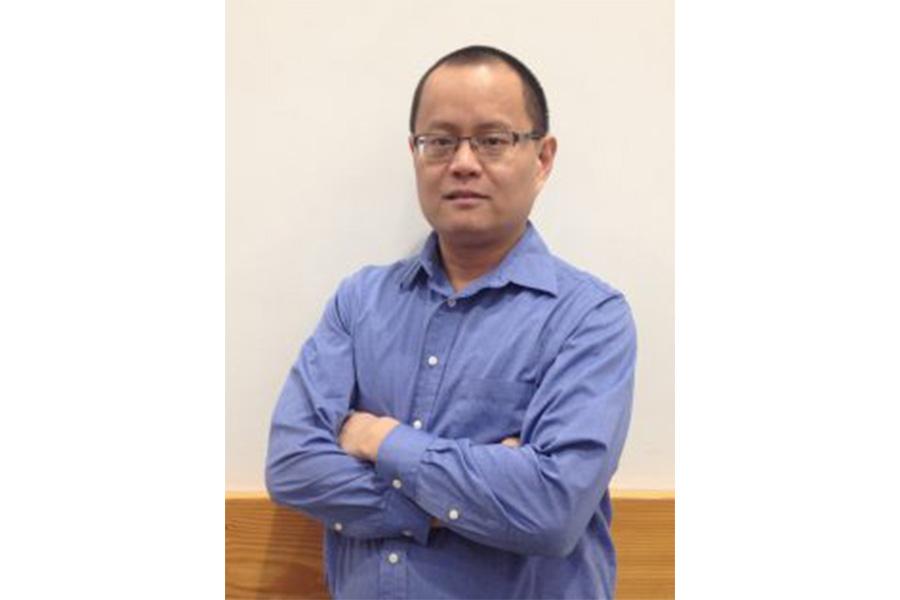
Ridha Khedri is a Professor in the Department of Computing and Software at McMaster University . His research spans formal methods in software engineering, cybersecurity, information security ontology, network segmentation, and covert channels analysis. Full Professor since 2000 Contact: khedri@mcmaster.ca Research Interests : Prof. Khedri develops algebraic frameworks for software security, with recent work on network segmentation , ontology engineering , and covert channel detection . His interdisciplinary efforts include hybrid machine learning-ontology models for environmental predictions (e.g., river ice breakup) and digital twin healthcare systems . Article Trends : His 15 most recent works (2016-2025) focus on network security , knowledge representation , and formal verification . Notable trends include automated security testing , ontology modularization , and multi-context reasoning systems . Teaching : He has taught courses like Software Design (CAS 703), Discrete Mathematics (SFWRENG 2DM3), and Algebraic Methods in Software Engineering (CAS 738) since 2017.
Md. Zoheb Hassan serves as an Assistant Professor in the Department of Electrical Engineering and Computer Engineering at Laval University, where he leads cutting-edge research in wireless communications and spectrum management. His academic role includes graduate recruitment and active participation in the university's research ecosystem, particularly through the Establishment of the Next Generation of Professors program funded by FRQNT. Dr. Hassan's research centers on spectrum sharing and management, wireless communication systems, and communications network control systems. He pioneers the integration of digital twin technology and machine learning to solve critical challenges in next-generation networks, including interference management in 5G/6G aerial corridors, Internet of Vehicles, and satellite-terrestrial integration. His work emphasizes practical implementations such as proof-of-concept demonstrations for tactical networks and proactive resource allocation in dynamic environments. Analysis of his 2024-2025 publications reveals a dominant trend toward AI-driven wireless resource optimization, with 12 of 15 recent papers featuring digital twins for interference management, spectrum sharing, and energy efficiency. Key thematic clusters include vehicular communications (4 papers), underwater IoT networks (2 papers), and hardware-impairment resilient designs (3 papers), demonstrating his focus on bridging theoretical advances with real-world deployment challenges across diverse network topologies. Dr. Hassan has secured significant competitive funding for his research initiatives: Digital Twin-Enhanced Interference Management for Next-Generation Radio Access Networks in the FR3 Band (FRQNT, 2025-2027) Center for Radio Frequency and Communications Systems, Technologies and Applications (FRQNT, 2024-2030) Context-Aware Spectrum Sharing and Management for Next Generation Wireless Networks (NSERC, 2024-2029) Development of innovative technologies for modeling predictive systems in urban mobility (MITACS, 2022-2026) Springboard to Discovery supplement for Context-Aware Spectrum Sharing (NSERC, 2024-2025) He actively mentors doctoral candidates, currently supervising Mahima Karim (PhD in Electrical Engineering, expected 2025) and Mohammadamin Parhizgar (PhD in Electrical Engineering, expected 2024). His supervisory approach combines theoretical rigor with practical problem-solving, focusing on spectrum management algorithms and digital twin implementations for next-generation networks. While specific laboratory affiliations aren't detailed in the source material, his projects indicate strong alignment with Laval University's wireless research infrastructure and the Center for Radio Frequency and Communications Systems.
Dr. Yang Wang is an Associate Professor in the Department of Computer Science and Software Engineering at Concordia University. His research focuses on computer vision and machine learning, with a particular emphasis on domain adaptation, meta-learning, and privacy-preserving techniques. He actively advises prospective graduate students through a dedicated webpage outlining application procedures. Research interests include few-shot learning, test-time adaptation, and cross-modal applications such as handwritten text recognition and gaze estimation. His work explores how models can adapt dynamically to new domains using limited labeled data, with applications in crowd counting, medical data analysis, and cybersecurity. He also investigates privacy-preserving methods for deep learning models to protect user attributes and sensitive information. Recent publications highlight advancements in meta-auxiliary learning frameworks and efficient user adaptation techniques. His contributions span journals and conferences, showcasing innovations in both foundational machine learning methodologies and real-world applications.
Dr. Alison M. Elliott is an Associate Professor in the Department of Medical Genetics at the University of British Columbia , and a Principal Investigator at the BC Children's Hospital Research Institute . She specializes in genetic counseling , genomics , and congenital skeletal anomalies , with a focus on improving clinical service delivery through implementation science.
Gigi Luk is Professor and Program Director for M.Ed. Concentrations in Educational Psychology and Human Development within the Department of Educational and Counselling Psychology at McGill University's Faculty of Education. Her research program investigates the cognitive consequences of bilingualism across the lifespan, bridging scientific understanding with practical educational applications to cultivate inclusive environments for linguistically diverse learners. Her educational background includes: Ph.D. in Psychology (Developmental and Cognitive Processes) from York University M.A. in Psychology (Developmental and Cognitive Processes) from York University Specialized Honors B.A. in Psychology from York University Dr. Luk's research centers on bilingualism's cognitive and neural mechanisms, with three interconnected thrusts: (1) characterizing bilingualism beyond English proficiency in communities, (2) examining cognitive skills supporting language/literacy outcomes, and (3) establishing neural correlates of learning in diverse language learners. Her work integrates cognitive neuroscience with educational practice to address real-world challenges in multilingual classrooms, emphasizing culturally responsive pedagogy that respects linguistic diversity. This dual focus on basic science and practical implementation defines her contributions to understanding how bilingual experiences shape cognitive development and educational equity. Analysis of her 15 most recent publications (2022-2024) reveals consistent interdisciplinary investigation of bilingualism through cognitive, neural, and sociocultural lenses. Her work spans educational psychology, cognitive neuroscience, and sociolinguistics, with growing emphasis on neural correlates of language processing, methodological rigor in bilingual assessment, and equity implications of bilingual research. Key trends include examination of multilingual children's cognitive development, critical reframing of the "bilingual advantage" discourse, and innovative approaches like music-based literacy interventions. Scientific recognition includes: National Academy of Education/Spencer Postdoctoral Fellowship (2013-2014) Dr. Luk actively supervises graduate students (accepting new students for 2025-2026) and secures competitive research funding, currently supported by the Natural Sciences and Engineering Research Council of Canada (NSERC) and Fonds de recherche Société et culture (FRQSC). Her grant portfolio demonstrates sustained commitment to advancing understanding of bilingual cognition and its educational applications through rigorous empirical work. She directs the Bilingualism.Experience.Education Lab, which functions as an interdisciplinary hub for investigating how language experiences shape cognitive development and educational outcomes. The lab employs diverse methodologies including neuroimaging, behavioral experiments, and classroom-based research to address questions about bilingualism's cognitive effects and practical implications for educators.
Ignacio Castillo is a Professor and Associate Dean of Business (Graduate Academic Programs) at the Lazaridis School of Business and Economics, Wilfrid Laurier University. His expertise spans facility location optimization, supply chain management, and sustainable operations. He holds a leadership role in graduate academic programming and teaches courses in operations and statistics. Research focuses on optimizing facility layouts, material handling systems, and closed-loop supply chains. He has developed frameworks for multi-objective facility design and advanced packing optimization algorithms. His work bridges theoretical models with real-world applications in manufacturing and retail sectors. Publications emphasize nonlinear optimization techniques, packing problems, and supply chain coordination strategies. Recent work explores irregular object configurations and retail category space optimization. His textbooks include Business Statistics for Contemporary Decision Making and Operations Management , emphasizing practical decision-making tools. Office: LH4001M | Languages: English, Spanish
Meng Xu is an Assistant Professor in the Cheriton School of Computer Science at the University of Waterloo, Canada. He is affiliated with the Cryptography, Security, and Privacy (CrySP) group and the Cybersecurity and Privacy Institute (CPI). His research focuses on system and software security, emphasizing secure-by-design languages (e.g., Rust, Move), automated program analysis, and runtime defense techniques. Education : Ph.D., Computer Science (2020), Georgia Institute of Technology B.Eng. and B.Business (First Class Honors), Nanyang Technological University (2014) Research Interests : Secure-by-design languages Automated security analysis (fuzzing, symbolic execution) Runtime defense mechanisms (moving target defense, secure hardware) Key Awards : EAPLS Best Paper Award (2022) USENIX Security Distinguished Paper Award (2018) Grants & Funding : BlackBerry Research Grant (CAD $200,000) Amazon Research Award (USD $60,000) NSERC Discovery Grant (CAD $170,000) Labs & Collaborations : CrySP (Cryptography, Security, and Privacy Group) Cybersecurity and Privacy Institute (CPI)