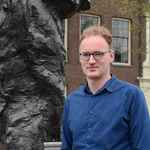
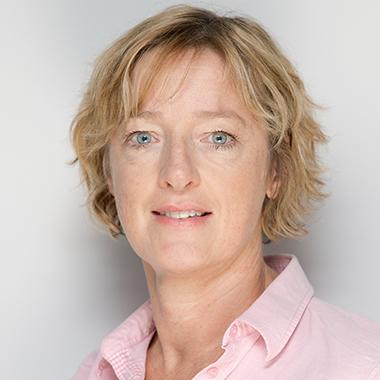
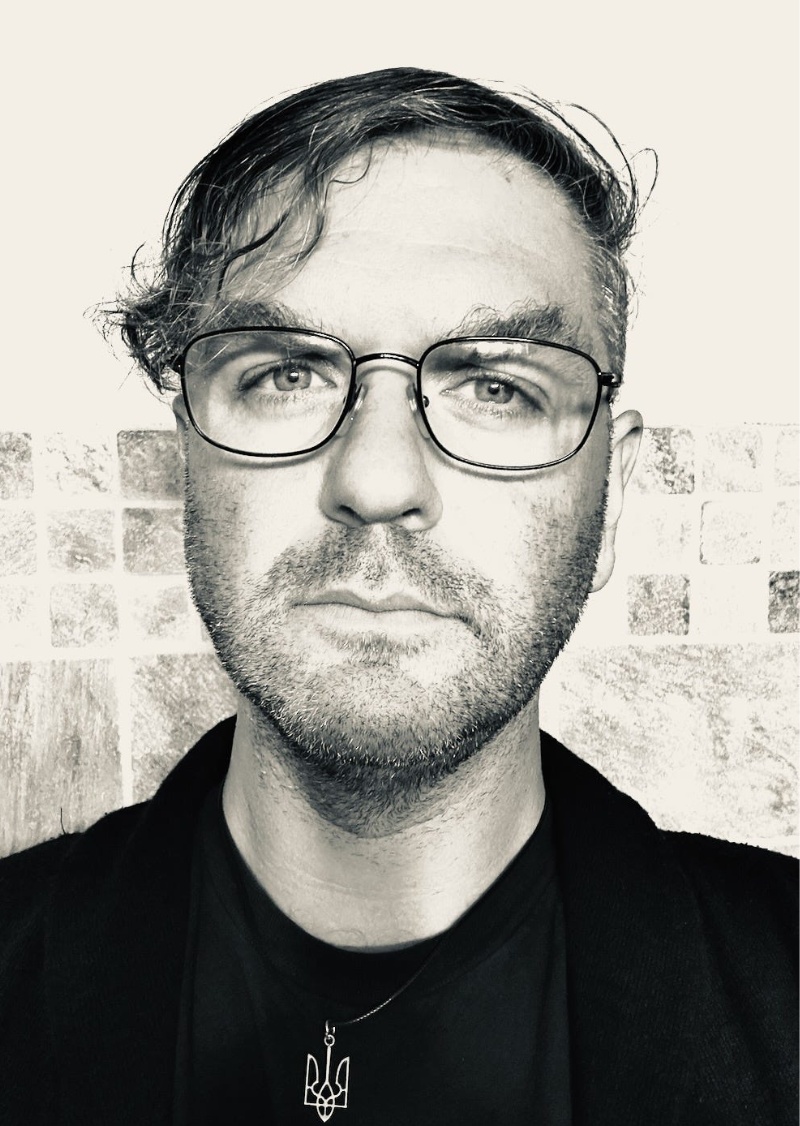
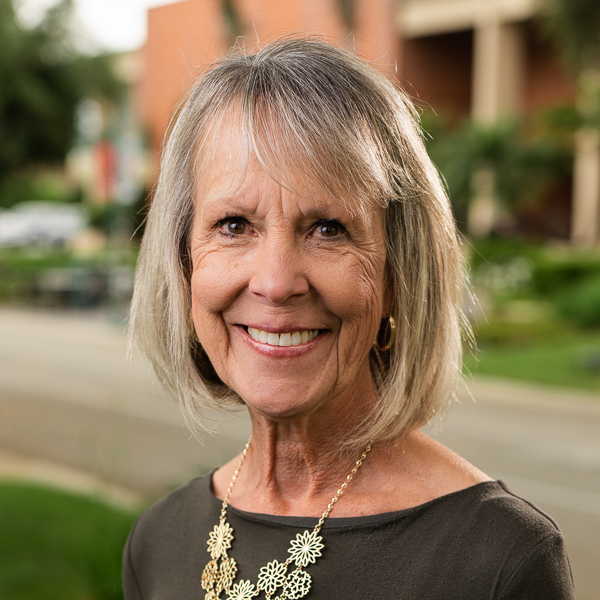
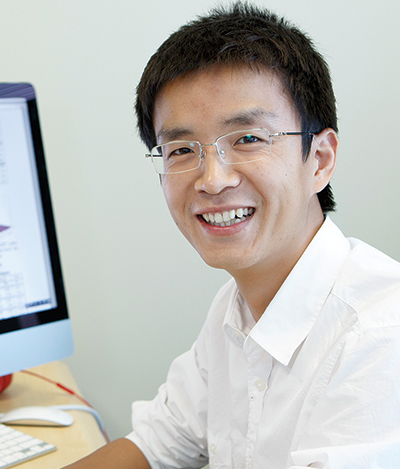
Prof. Dr. Christian Rathmann is a Professor for Sign Language Interpreting at the Institute of Rehabilitation Sciences , Humboldt University of Berlin. His academic journey includes prior roles at the University of Hamburg, University of Bristol, and The Ohio State University. PhD in Linguistics (2005), University of Texas at Austin MA in Linguistics (2000), University of Texas at Austin Research Interests : Rathmann specializes in sign language linguistics , focusing on morphosyntactic processes, semantics, and pragmatics. His work explores L1/L2 acquisition , multilingualism, language contact, and the implementation of the CEFR for sign languages . He also investigates Deaf Studies , discourse analysis, and language rights within international contexts. Scientific Contributions include publications on verb agreement, language standardization, and bilingual co-activation. His 2024 work on Signbank 2.0 and VisuoLab emphasizes digital resources for sign languages. Alexander von Humboldt Polish Honorary Research Scholarship (2016-2020) Professional Engagement : Rathmann serves on editorial boards (e.g., Frontiers in Psychology ) and scientific committees, including the SignON Project and the German Deaf Association . He advocates for early sign language access and language rights for deaf children.
Sible Andringa is Professor of Second Language Pedagogy at the University of Amsterdam's Faculty of Humanities, officially inaugurated on June 16, 2023. Dr. Andringa serves as Academic Director of the Institute for Dutch Language Education (INTT), Coordinator of the Language Learning, Literacy and Multilingualism research group, and Coordinator of the Master's program in Dutch as a Second Language and Multilingualism. Dr. Andringa's research focuses on second language acquisition and bilingualism, specifically investigating the added value of explicit instruction, how input distribution affects language learning outcomes, and the role of awareness in language learning trajectories. Key ongoing projects include the Meta-LLL project examining how literacy shapes language learning, the SLA4All initiative for reproducing SLA research with non-academic samples, and the OASIS project creating accessible research summaries for practitioners. Previously, Dr. Andringa led Project MIND studying bilingual daycare effects and contributed to the Stilis project on listening proficiency. As General Editor of the Dutch Journal of Applied Linguistics (DuJAL), Dr. Andringa promotes open science principles in language research. Recent publications demonstrate a focus on addressing sampling biases in SLA research, open access publishing ethics, and practical applications of language acquisition research for educational settings. Academic Director, Institute for Dutch Language Education (INTT) Coordinator, Language Learning, Literacy and Multilingualism research group Coordinator, Master's program Dutch as a Second Language and Multilingualism General Editor, Dutch Journal of Applied Linguistics (DuJAL) Member, Mastery Team for Modern Foreign Languages Member, OASIS project team Member, IRIS database advisory group Dr. Andringa supervises PhD candidates including Kyra Hanekamp and Darlene Keydeniers, particularly in research related to bilingual daycare environments and language development. The research program has received funding from the Dutch ministry of Social Affairs for Project MIND and continues to secure support for ongoing projects examining language learning mechanisms. Dr. Andringa leads the Language Learning, Literacy, and Multilingualism research group which investigates language and literacy acquisition across the lifespan, with emphasis on how language skills are learned, maintained, and used in educational contexts. The group meets weekly to discuss projects, plans, funding opportunities, and research topics while promoting collaboration, methodological innovation, and open science principles.
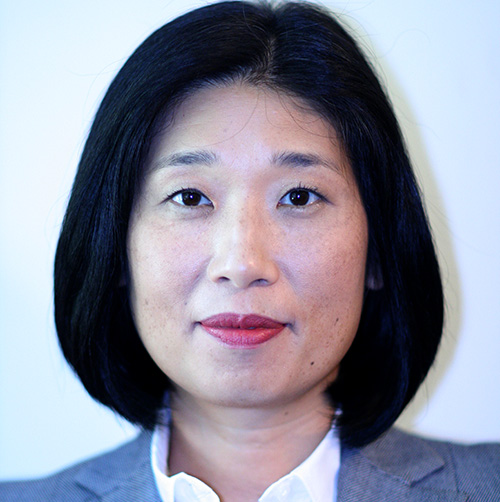
Mizuki Mazzotta is an Assistant Teaching Professor in the Department of Russian and East Asian Languages and Cultures at Emory University, where she also serves as Japanese Language Coordinator. Her academic journey includes a Ph.D. in Applied Linguistics from Georgia State University (2018) and M.A. degrees in Linguistics (McGill University) and Applied Linguistics (University of South Florida). Her research focuses on instructed second language acquisition, particularly the role of affect and sociocultural theory in L2 learning. She has extensive experience teaching Japanese language courses and mentoring students at Emory and previous institutions like Georgia State University. Education: Ph.D., Applied Linguistics, Georgia State University (2018) M.A., Linguistics, McGill University (2005) M.A., Applied Linguistics, University of South Florida (1997) B.A., English Literature, Soka University (1995) Research Interests: Instructed Second Language Acquisition Corrective Feedback in L2 Writing Sociocultural Theory in Language Education Learner Affect and Motivation Technology-Enhanced Language Learning Cultural Awareness in Language Instruction Awards & Grants: Recipient of multiple grants including the KAKENHI Grant (Japan), Mellon Humanities Pathways Grant, and Emory College Pedagogy Mini-Grant. Member of honor societies: Phi Beta Delta and Golden Key International. Service & Leadership: Executive Committee Member, Emory College Language Center Organizer of Japanese Program Guest Speaker Talks and Cultural Events Reviewer for Language Teaching Research and other academic journals Interviewer for the Japan Exchange Teaching Program Teaching & Mentorship: Instructor of Japanese language courses at Emory and Georgia State University Developer of study abroad programs in Japan and internship collaborations Mentor for Japanese interns and temporary faculty
Michael Karas is an Assistant Professor of Applied Linguistics at Brock University's Faculty of Social Sciences. He holds a PhD from the University of Western Ontario (2019). His research focuses on language teacher self-efficacy, reflective practice, and learner silence, with notable contributions to meta-analyses in language education. He teaches courses such as Second Language Acquisition (LING 3Q91) and Pedagogical Grammar (LING 5P02). Karas serves as Book Review Editor for the TESL Canada Journal and TESL Ontario Academic Coordinator, demonstrating active engagement in academic service. Education : PhD in Applied Linguistics, University of Western Ontario (2019) Research Specialization : Explores intersections between teacher proficiency, classroom dynamics, and innovative methodologies like duoethnography. His work bridges theoretical research with practical applications in teacher education and language policy. Service Contributions : Editorial roles at TESL Canada Journal (2017–present) Coordinator for TESOL Doctoral Forum (2017–2018)
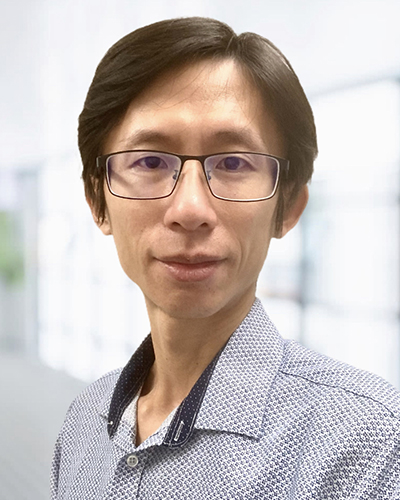
Chung-Lin Martin Yang is an Assistant Professor (Instructional Track) in the Department of Brain and Cognitive Sciences at the University of Rochester, School of Arts & Sciences. His research focuses on psycho- and neurolinguistics, speech perception/production, word recognition, word learning, evolution of human cognition, and second language acquisition. His work investigates how orthography influences second language phonological encoding, the role of Broca’s area in non-linguistic sequence learning, and neural correlates of emotional processing in early childhood. He has published extensively on topics such as bilingual phonological processing, individual differences in language learning, and the impact of orthographic depth on lexical representation. Notable research themes include the interplay between orthographic cues and phonological encoding in Mandarin and English, as well as neurodevelopmental aspects of emotional and linguistic processing in children. His contributions bridge cognitive neuroscience, psycholinguistics, and educational linguistics. Dr. Yang holds a PhD in Cognitive Science and teaches courses related to language acquisition and cognitive mechanisms. His lab explores experimental methods to understand how linguistic and cognitive systems interact during learning and perception.
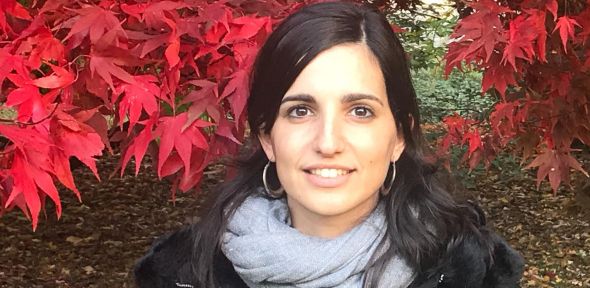
Dr Ares Llop Naya serves as an Affiliated Catalan Lecturer in the Department of Spanish and Portuguese within the Faculty of Modern and Medieval Languages and Linguistics at the University of Cambridge, while holding the Batista i Roca Fellowship at Fitzwilliam College. Her academic profile bridges theoretical linguistics with practical language pedagogy, focusing on Romance language structures and their educational applications. Her research centers on microsyntactic variation in Romance languages, particularly examining negation systems and syntactic phenomena in Catalan and Pyrenean varieties through both diachronic and synchronic lenses. She actively integrates theoretical insights into language teaching methodology, specializing in Catalan and Spanish pedagogy for both native and foreign language contexts. This dual focus manifests in her publications spanning syntactic theory, dialectology, and innovative language teaching approaches that address contemporary classroom challenges. Analysis of her publication trajectory reveals consistent thematic concentration on Romance microvariation, with recent work expanding into pedagogical applications. Her scholarship demonstrates methodological diversity—combining linguistic atlas data, corpus analysis, and classroom research—while maintaining core focus on Catalan syntax and its implications for language acquisition theory. The Pyrenean linguistic corridor remains a persistent geographical anchor across her diachronic and synchronic investigations. Dr Llop Naya's scholarly contributions have been recognized through prestigious awards: Joan Solà International Prize in Catalan Philology for her monograph on Romance negation systems Her teaching portfolio encompasses advanced courses in Romance linguistics, historical syntax, and sociolinguistics, with particular emphasis on translating theoretical frameworks into practical classroom resources. While specific grant funding details aren't publicly documented, her work consistently addresses real-world language education challenges through collaborative projects like the Microvariació.cat initiative. She contributes to the Microvariació.cat project—a digital repository documenting syntactic variation across Catalan dialects—which serves as both research infrastructure and pedagogical resource. This initiative exemplifies her commitment to creating practical applications from theoretical linguistic research while preserving endangered dialectal features of the Romance continuum.
Susan Sayehli is an Associate Professor at the Department of Swedish Language and Multilingualism , Stockholm University. She specializes in psycholinguistics and second language acquisition, with a focus on crosslinguistic influence and morphosyntactic processing. Research Interests: Neurocognitive aspects of language learning Focus intonation development in Swedish children Policy impact on SFL (Spanish/French/German) education ERP and eye-tracking methodologies for language processing Urban-rural educational disparities in language programs Current Projects: TAL – Alignment study on oral proficiency in Swedish schools Att lära sig fokusera – Intonation perception in Stockholm/Skåne children Prior Projects: SWOP2 – Swedish word order processing in L2 learners PSUII – Precursors of sign use in intersubjectivity
Professor Coral Dando is a Professor of Psychology at the University of Westminster, leading research in forensic cognition and investigative interviewing. With a background as a London Police Officer, she completed a BSc (Hons) Psychology and PhD in Applied Forensic Cognition. She is a Chartered Psychologist, National Teaching Fellow, and Registered Forensic Psychologist. Her research focuses on eyewitness memory, deception detection, and cross-cultural interviewing, with a particular emphasis on improving investigative methods in security and forensic contexts. Her academic roles include teaching forensic psychology modules (e.g., detecting deception, investigative interviewing) and supervising PhD students researching topics like virtual environments in interviews and neurodivergent credibility. She has secured significant research funding from entities like the Home Office, FBI, and CPNI, totaling over £2M across projects addressing insider threats, county lines exploitation, and aviation security. Key Research Themes: Eyewitness reliability, cognitive interviewing techniques, cross-cultural persuasion, and insider threat detection. Grants: Includes a 2024 €97,000 COST grant for implementing the Mendez Principles and a 2016 $469,000 FBI-funded study on intelligence interviewing. Professor Dando’s work bridges academia and practice, training professionals from police forces, security agencies, and NGOs. She contributes to policy development and has authored over 100 peer-reviewed publications, including seminal works on the cognitive interview and WAFA (Witness-Aimed First Account) for neurodivergent individuals. Her research emphasizes ethical, context-aware methodologies to enhance justice outcomes.
Dr. Vincent Artman is an Adjunct Professor at Wayne State University's Center for Peace and Conflict Studies within the College of Liberal Arts and Sciences. He holds a Ph.D. in Geography from the University of Kansas (2016) and focuses on political geography, geopolitics, and the intersections of religion, nationalism, and territoriality in post-Soviet Central Asia. His research examines how identities—religious, national, and civic—are constructed in modern states, particularly in Kyrgyzstan and the Caucasus. Recent work explores Islam’s role in Kyrgyz national identity, white supremacy in the U.S./Europe, and the geopolitics of territorial disputes like Abkhazia/South Ossetia. He has published in Europe-Asia Studies , Geopolitics , and Territory, Politics, Governance . Artman has received grants including Wayne State’s Part-Time Faculty Professional Development Award (2017, 2018), an IREX Fellowship (2014), and a Fulbright (2013). He teaches courses like Introduction to Peace and Conflict Studies and Peace Making: Regional Perspectives , frequently offered in Wayne State’s Peace and Conflict Studies Program. His awards reflect interdisciplinary scholarship, including Foreign Language Area Studies grants for Uzbek and Russian language proficiency. He also contributes to public discourse on Central Asia and Islamophobia, with op-eds in Al Jazeera and lectures on Kyrgyzstan’s religious-national identity dynamics.
Dr. Lecturer Serkan Köksal is affiliated with the Department of Geography at Bingöl University, where he has held his current position since 2023. His educational background includes a Bachelor's degree from Istanbul University (2007), a Master's from Kahramanmaraş Sütçü İmam University (2012), and a PhD from Balıkesir University (2019). He previously served as a Research Assistant at Kahramanmaraş Sütçü İmam University (2010–2012), Bingöl University (2012–2023), and Balıkesir University (2013–2017). His research focuses on cultural geography, toponymy, and geotourism, with notable contributions analyzing place names in Kayseri and environmental issues in recreation areas. He has also explored historical shifts in place names and their cultural implications. Köksal has actively participated in academic symposiums, presenting papers on topics ranging from Carl Ritter's geographical paradigms to the marketing of place names. He teaches courses including Industrial Geography, Land Use and Planning, and Energy Resources. His English proficiency is rated at 76.25. While no formal awards are listed, his work emphasizes interdisciplinary approaches to geography and cultural studies.
Christie Curtis is an Associate Professor at Biola University's School of Education , currently serving as Interim Dean . She holds a Ph.D. from Azusa Pacific University, an M.A. from Biola University, and a B.A. from the University of California, Riverside. Ph.D. in Curriculum and Instruction (Azusa Pacific University) M.A. in Education (Biola University) B.A. in English (University of California, Riverside) Her research focuses on grammar and writing curriculum development , with particular emphasis on supporting international students and improving communication strategies in educational settings. Recent publications analyze cognitive development linked to writing proficiency among international student populations. Key article trends include: Empirical studies on cognitive skills in highly selective universities Development of comprehensive K-12 grammar/writing textbook series Focus on practical pedagogy and language mechanics for academic success Curtis actively contributes to academic discourse through presentations at conferences like the Association of Christian Schools International and the American Educational Research Association . She serves on Biola University's Graduate Curriculum Committee and Graduate Services Council , and participates in the President's Administrative Council .
Lingming Zhang is an Associate Professor at the Department of Computer Science, University of Illinois Urbana-Champaign, affiliated with the Grainger College of Engineering. His research focuses on the intersection of Software Engineering, Programming Languages, and Machine Learning, with a particular emphasis on automated program repair, compiler testing, and large language model (LLM) applications in software engineering. He has published over 100 papers, achieving an h-index of 50+, and holds an ACM Distinguished Member status. Research Interests: LLM-based software testing, repair, and synthesis Fuzzing of deep-learning libraries and compilers Open-source code LLMs (e.g., StarCoder2, Magicoder) with over 1M downloads Automated program repair systems (e.g., AlphaRepair, ChatRepair, Agentless) Recent Contributions: Developed TitanFuzz for coverage-guided compiler fuzzing Released Agentless , an LLM-based coding tool adopted by OpenAI and DeepSeek Proposed SWE-RL to enhance LLM reasoning via reinforcement learning Service Roles: Program Co-Chair for ASE 2025 and LLM4Code 2025 Associate Chair for OOPSLA 2024 and Area Chair for ICSE 2025/2026 Recipient of NSF CAREER Award and ACM SIGSOFT Early Career Award Lab/Teams: Develops open-source tools like UniAPR for efficient patch validation Active in releasing industry-adopted LLM-based software engineering tools
Laura Collins is an Associate Professor in the Department of Education at Concordia University, specializing in applied linguistics. Her research focuses on input processing in second language acquisition, pedagogical grammar, and cross-linguistic influence among bilingual speakers. She has extensive international teaching experience across diverse age groups and serves as the 2nd VP of the American Association for Applied Linguistics and Chair of the IRIS digital repository advisory board. PhD in Humanities, Concordia University MEd in Second Language Teaching, University of Ottawa BEd in Second Language Teaching, University of Toronto BA in History, York University Collins' current projects examine the use of speech technologies to extend second language classrooms and document longitudinal grammatical development in school programs. Funded by SSHRC Insight Grants, her work bridges cognitive approaches with practical pedagogical applications. Recent publications highlight trends in classroom input optimization, frequency-based phonological learning, and intensive language program efficacy, with subfields spanning morpheme perception, vocabulary distribution, and task-based interaction dynamics. Her academic leadership includes editorial roles in The Modern Language Journal and contributions to major handbooks. She teaches courses ranging from classroom-based SLA research to pedagogical grammar, emphasizing practical applications of theoretical insights.
Professor Barbara Skinner is a Professor of TESOL and Education at Ulster University's School of Education, based at the Coleraine campus. She serves as Director of Development and Partnerships for the School of Education and is a member of the School's Senior Management Team. Dr. Skinner was the first lecturer in Ulster's Centre for English Language Teaching (CELT) and moved to the School of Education to become Course Director of MA TESOL in 2006. Her educational background includes a Doctorate of Education from the University of Bristol (2014). Originally from Cornwall, she has extensive experience teaching ESOL and EAP, and has served as a UCLES examiner and IELTS examiner. Professor Skinner's research focuses on language teacher education, higher education pedagogy, and intercultural competence. Her current work explores minority language pupils in Northern Ireland, examining their educational attainment, home-school partnerships between schools and migrant parents, and the socio-emotional well-being of refugee pupils. She also investigates teacher talk and second language teacher education, with particular interest in conversation analysis, threshold concepts, and teacher identity. Her research has resulted in numerous publications in key international journals including the English Language Teaching Journal, Journal of Studies in International Education, and Journal of Education for Teaching. Professor Skinner has secured significant funding from external sources including the British Council, UKISA, and international partners in Spain, Korea, China, and Central Asia, with recent projects focusing on inclusive English language teaching across multiple countries. Sustained educational excellence award (2021) Professional Practice Innovation award (2021) Distinguished teaching fellowship - highly commended (2010) Excellence in International Partnership award (2020) Professor Skinner is actively involved in doctoral supervision and examination, and serves as Northern Ireland representative for the British Educational Research Association (BERA). She is an Editor of the BERA Blog and a member of BERA Publications Committee. Her professional activities include reviewing for several prestigious journals and mentoring new reviewers globally. She leads multiple international projects, including the MA TESOL dual award program between Kazakhstan and Northern Ireland, demonstrating her commitment to advancing language education worldwide.
Bei Wu is Dean’s Professor in Global Health and Vice Dean for Research at the NYU Rory Meyers College of Nursing, where she also serves as Co-Director of the NYU Aging Incubator. She holds an additional appointment as Affiliated Professor in the Ashman Department of Periodontology & Implant Dentistry at NYU, reflecting her interdisciplinary expertise. She previously held the Pauline Gratz Professorship at Duke University School of Nursing, underscoring her national prominence in gerontology and nursing science. Her educational background includes a PhD and MS from the Gerontology Center at the University of Massachusetts, Boston, and a BS from Shanghai University. These foundational qualifications have supported her extensive research career focused on aging, global health, and oral-systemic health linkages. Dr. Wu’s research is centered on gerontology and global health, with a strong emphasis on oral health, dementia, cognitive decline, caregiving, and health disparities among minority populations, particularly older Asian Americans. She is a pioneer in studying the connections between oral health and cognitive outcomes in older adults. Her work integrates interdisciplinary approaches across nursing, dentistry, public health, and social sciences, often with a focus on vulnerable and underserved communities. Her recent publications reveal a consistent focus on the biological and social determinants of cognitive aging, oral frailty, caregiving burden, and mental health in older populations. Themes include the role of toothbrushing in preventing dementia, the impact of social capital on mental health, and the development of culturally tailored interventions for dementia caregivers. Her work often employs mixed methods, including systematic reviews, cohort studies, and qualitative inquiry. Distinguished Scientist Award for Geriatric Oral Research, IADR (2017) Pauline Gratz Professorship, Duke University (2014) J. Morita Junior Investigator Award (2007) Fellow, Gerontological Society of America Fellow, New York Academy of Medicine 2022 Wei Hu Inspiration Award Honorary Member, Sigma Theta Tau International Dr. Wu has successfully mentored hundreds of early-career scientists and has secured substantial funding from the NIH, CDC, and private foundations. She currently leads multiple NIH-funded projects, including a clinical trial on oral health in dementia and a large data analysis on diabetes and cognitive decline. She co-leads the Rutgers-NYU Center for Asian Health Promotion and Equity and directs the Research and Education Core for the NIA-funded Asian Resource Center for Minority Aging Research (RCMAR), which focuses on building research capacity and addressing health inequities. Her work is conducted through key labs and initiatives including the NYU Aging Incubator, the Rutgers-NYU Center for Asian Health Promotion and Equity, and the Asian Resource Center for Minority Aging Research (RCMAR). These centers support interdisciplinary collaboration, innovation in aging research, and the development of culturally appropriate health interventions.