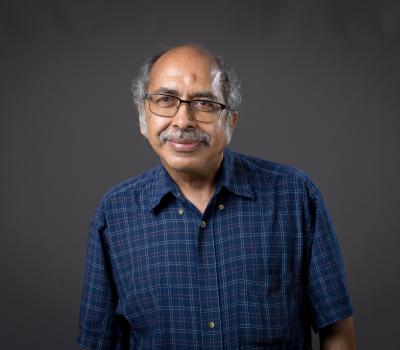
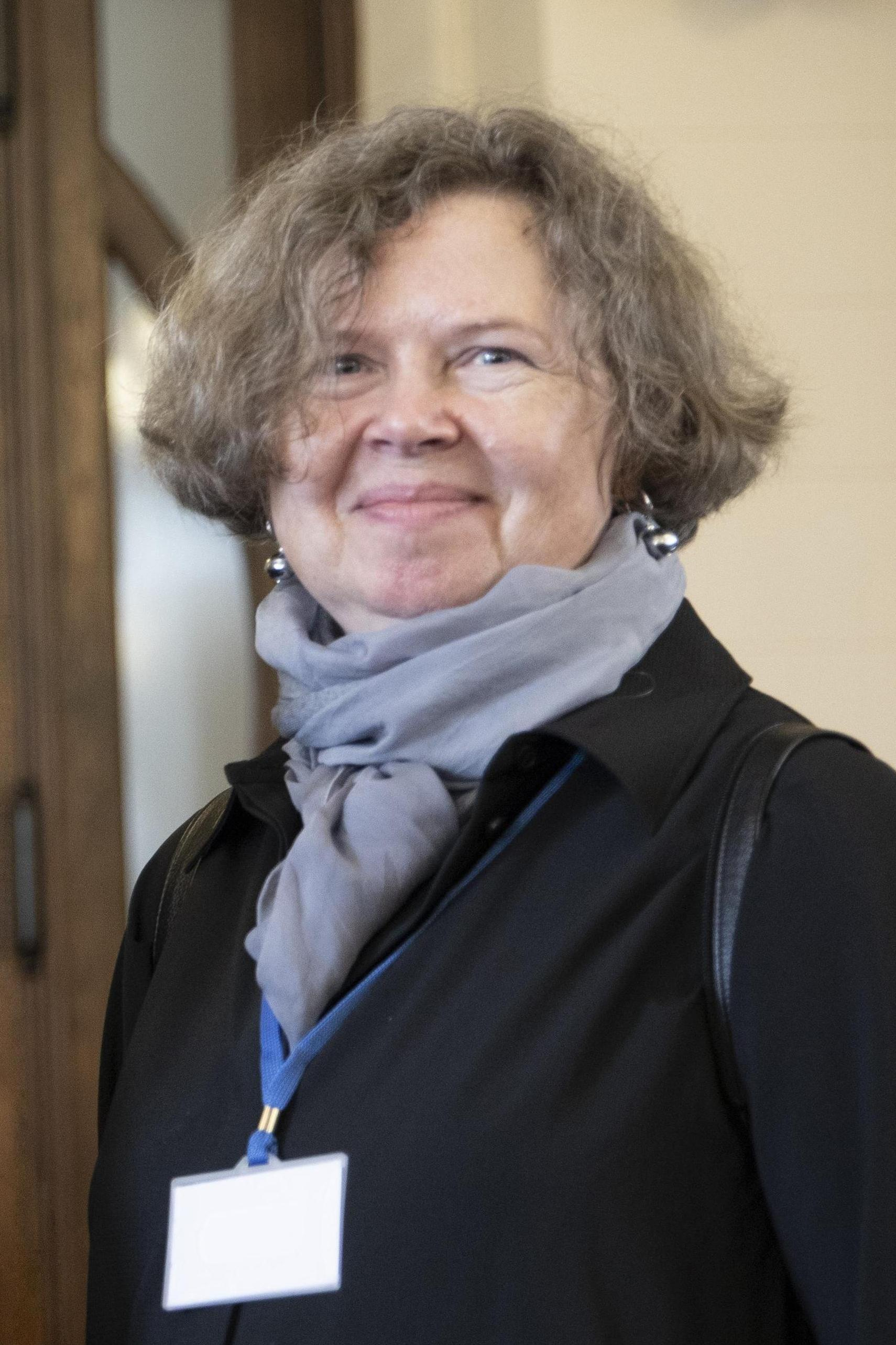
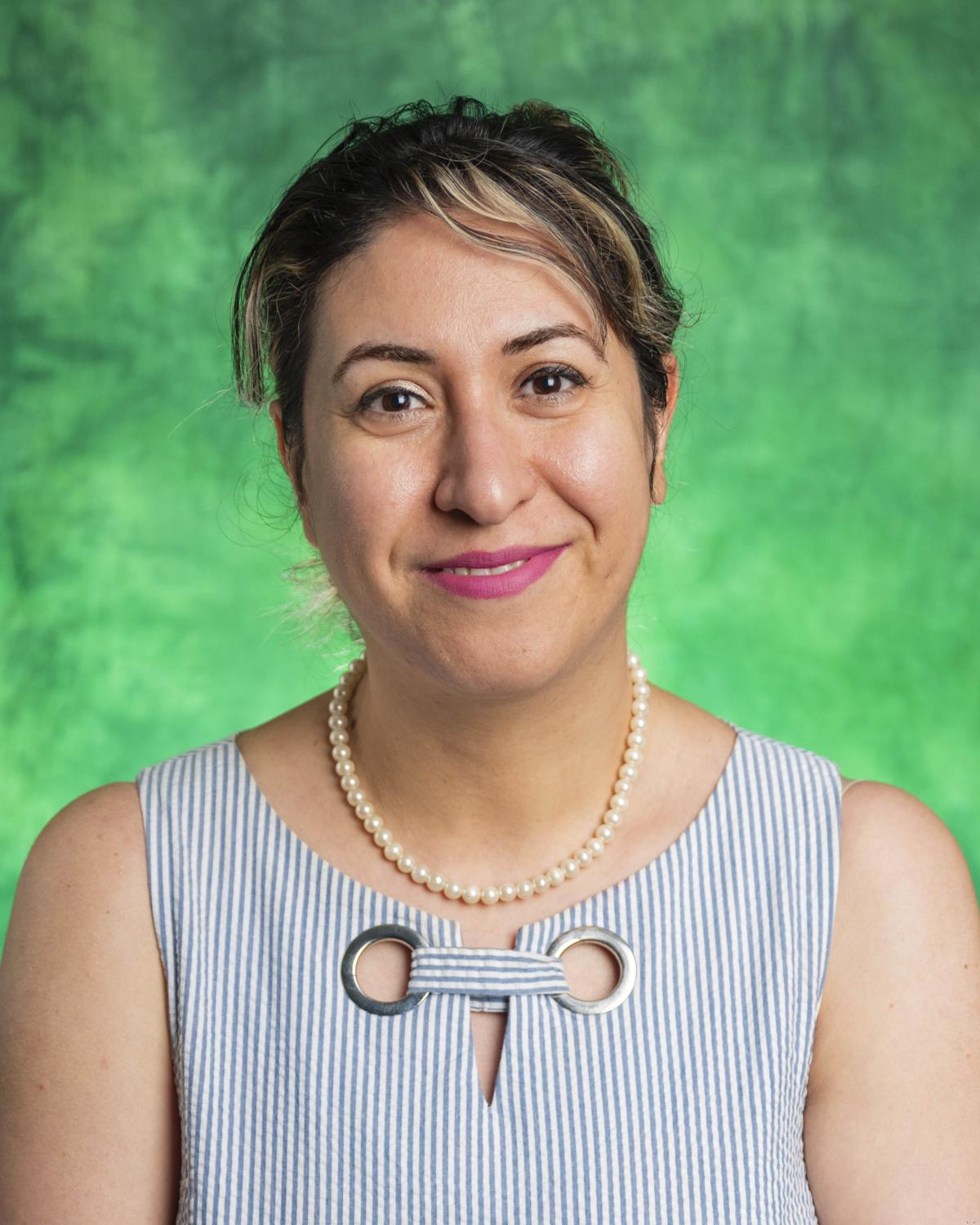
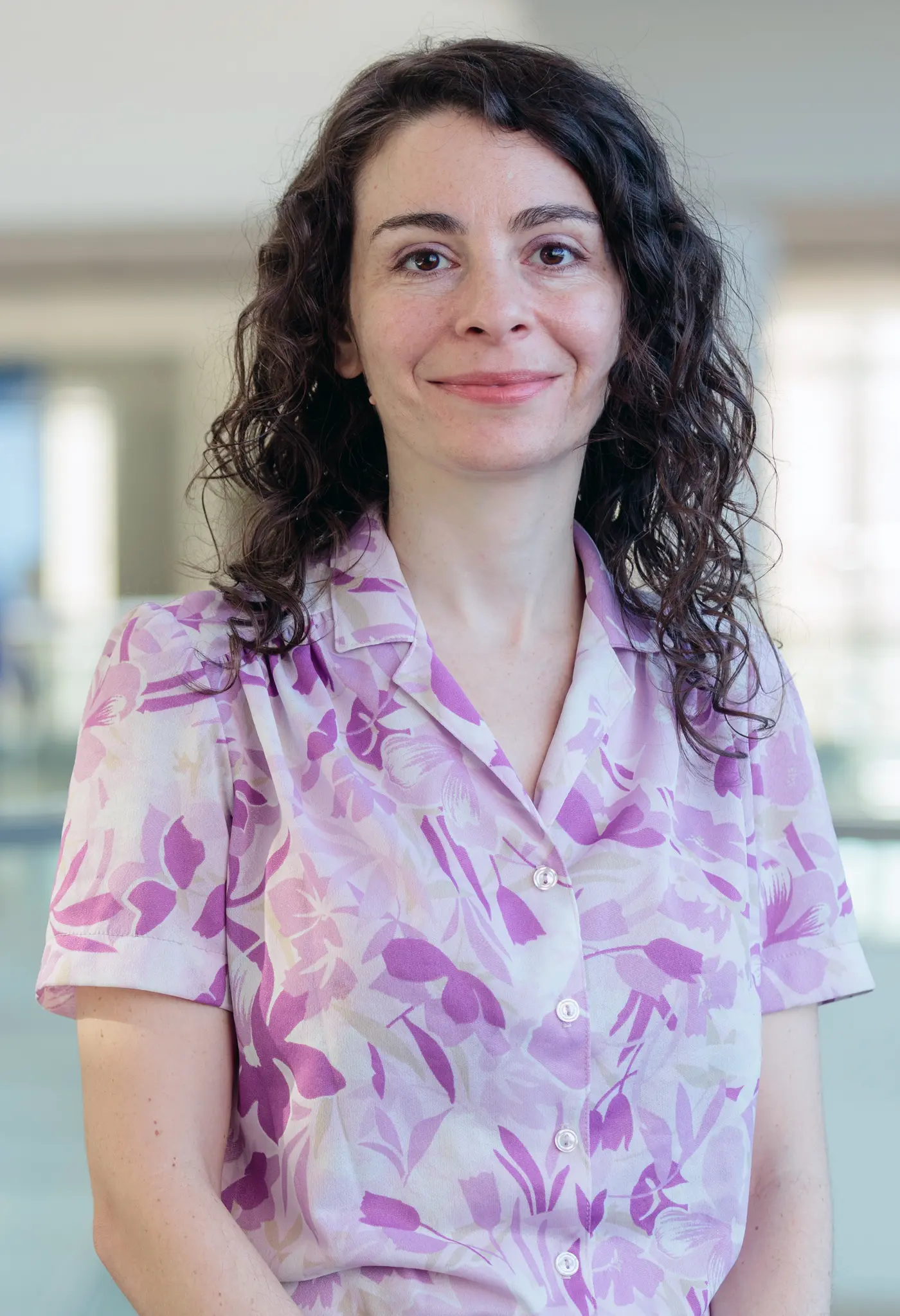
Arnulf Deppermann is Professor of German Linguistics at the University of Mannheim and Head of the Pragmatics Department at the Leibniz Institute for German Language. He specializes in conversation analysis, multimodal interaction, and the study of spoken German. His research examines how meaning, understanding, and social action are interactively constituted through linguistic and embodied resources. Research interests focus on interactional semantics, multimodal resource coordination, and the temporal organization of social interaction. Key areas include action ascription, the relationship between grammar and interaction, and methodological advances in conversation analysis. His work spans diverse contexts from psychotherapy to theater rehearsals. Recent publications demonstrate strong emphasis on: Interactional semantics and meaning negotiation Multimodal coordination in institutional settings Therapeutic communication patterns German linguistics and conversation analytic methodology Editorial roles include founding co-editor of the online journal 'Gesprächsforschung'. He organizes major conferences including the International Conference on Conversation Analysis (ICCA).
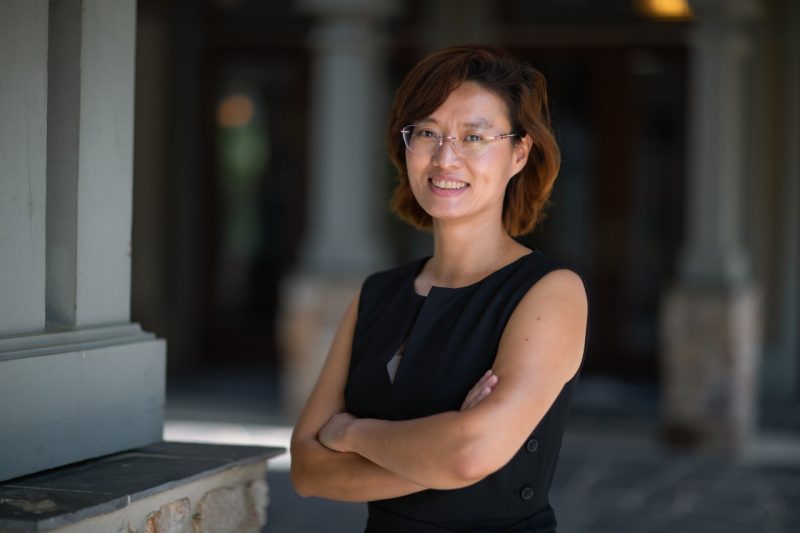
Daphne Yao is a Professor in the Department of Computer Science at Virginia Tech , part of the College of Engineering. She holds the Elizabeth and James E. Turner Jr. '56 Faculty Fellowship and CACI Faculty Fellowship. Her research focuses on cybersecurity, program analysis, machine learning algorithms, and applied cryptography. Yao has contributed to advancing secure coding practices, vulnerability detection in software, and privacy-preserving technologies. Education includes a Ph.D. in Computer Science from Brown University (2007), an M.S. in Computer Science from Indiana University (2002), and earlier degrees in Chemistry from Princeton University (M.A., 2000) and Peking University (B.S., 1998). Her work bridges theoretical computer science with practical applications, emphasizing real-world cybersecurity challenges. Recent research trends include combating ransomware via API profiling, improving privacy in voice assistants, and developing resilient network routing systems. Yao collaborates across disciplines, integrating machine learning into healthcare cybersecurity and epigenomic analysis. Her publications reflect a commitment to measurable, deployable security solutions and ethical AI practices. Key contributions include the CryptoGuard tool for detecting cryptographic vulnerabilities and frameworks like Madeline for low-cost cyber threat monitoring. She has also explored challenges in deploying intrusion detection systems and mitigating data-oriented attacks in cyber-physical systems.
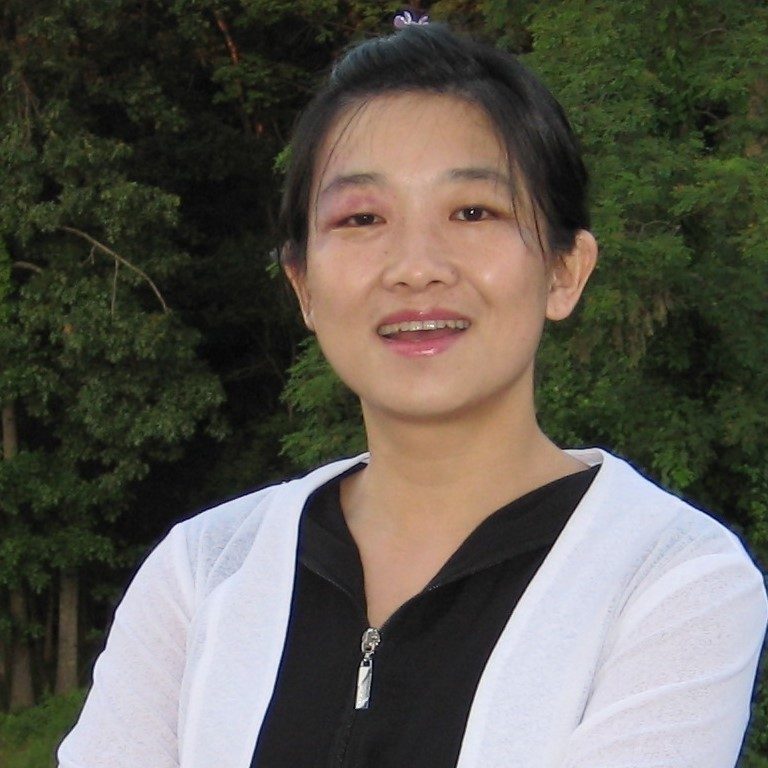
Liqing Zhang is a Professor in the Department of Computer Science at Virginia Polytechnic Institute and State University (Virginia Tech), part of the College of Engineering. His research focuses on bioinformatics, data analytics, and machine learning applications in genomics and environmental science. He holds a Ph.D. in molecular evolution from the University of California, Irvine, and a B.S. in biochemistry from Lanzhou University, China. His work emphasizes antibiotic resistance gene analysis, metagenomic data processing, and predictive modeling for environmental and public health challenges. Notable contributions include developing computational tools like CIWARS for antibiotic resistance surveillance and MetaCompare for risk assessment. His research also explores viral genomics, wastewater-based epidemiology, and interdisciplinary approaches to microbiome-related diseases. Zhang’s publications span 2025 to 2017, with recent work addressing antibiotic resistance tracking in wastewater, machine learning-driven pathogen identification, and multi-omics integration for Alzheimer’s prediction. He collaborates on projects involving microbial ecology, environmental health risks, and computational infrastructure for bioinformatics workflows.
Anne Catherine Gieshoff is a Researcher at the ZHAW School of Applied Linguistics, affiliated with the Institute of Multilingual Communication. Her work focuses on cognitive aspects of interpreting, technology integration in language professions, and multilingual healthcare communication. She holds a Ph.D. from Johannes Gutenberg University Mainz (2018) and has extensive professional experience in translation and cross-border project management. Education includes a Ph.D. in Interpreting Studies (2018), M.A. in Conference Interpreting (2013-2018), and studies in multilingual communication at institutions across Europe. Her research explores cognitive load in interpreting, augmented reality applications, and ELF (English as a Lingua Franca) dynamics in professional settings. Recent publications address topics like augmented reality usability for interpreters, cognitive load measurement frameworks, and machine translation in healthcare. She leads projects such as 'Use of machine translation apps in clinical contexts' and 'Assessment of multimodal interpreting technologies'. Key Projects: DigiLinguo (language barriers in public institutions), AR interpreter usability studies, and ELF density analysis Teaching: Courses on descriptive statistics, multilingualism in professional contexts, and communication science in virtual spaces Labs/Teams: Member of TREC (Translation, Research, Empiricism and Cognition) and IATIS (International Association for Translation and Intercultural Studies)
Tanya Marwah is a Research Fellow at the Simons Foundation , collaborating with Polymathic AI . She earned her PhD from Carnegie Mellon University's Machine Learning Department, co-advised by Prof. Andrej Risteski and Prof. Zachary Lipton, and holds a master's degree from CMU's Robotics Institute. Her research bridges Machine Learning and Scientific Computing , focusing on generative modeling , inverse problems , and building scientific agents . Her work explores theoretical and empirical foundations for applying ML to differential equations, with key contributions in neural operators , memory mechanisms , and edge embeddings in GNNs . Recent publications highlight trends in PDE solvers via LLMs , cross-modal adaptation , and implicit regularization in SGD . She has received the prestigious Siebel Scholar award and actively contributes to top ML venues (NeurIPS, ICML, ICLR, TMLR). Her collaborations span institutions including Carnegie Mellon University, Polymathic AI, and CMU's Robotics Institute.
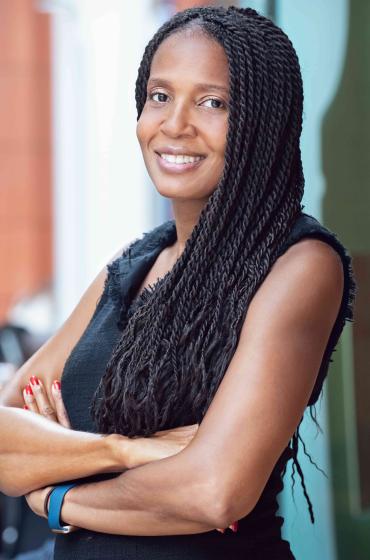
Jennifer Randall is the Dunn Family Endowed Professor of Psychometrics and Test Development at the Marsal Family School of Education, University of Michigan. She also serves as the founding President of the Center for Measurement Justice, advocating for antiracist and justice-oriented assessment practices. Her career began as a secondary history teacher in public schools, where she recognized systemic harms of traditional assessments on marginalized students, particularly Black, Brown, and Indigenous communities. She holds a bachelor’s (1996) and master’s (1999) from Duke University and a doctoral degree from Emory University (2007). Dr. Randall’s education includes: Bachelor’s degree, Duke University (1996) Master’s degree, Duke University (1999) Doctoral degree, Emory University (2007) Her research interests are centered on disrupting white supremacist structures in assessment and fostering justice-oriented, antiracist practices. She focuses on redefining constructs in educational measurement to explicitly value sociocultural identities, particularly of Black, Brown, and Indigenous students. Key areas include equitable assessment design, dismantling anti-Black practices in literacy testing, and ensuring marginalized communities are prioritized in all stages of assessment development—from construct articulation to score administration. She also investigates the intersection of education policy, fairness in testing, and strategies to increase diversity in educational measurement programs. Her recent articles emphasize antiracist frameworks in assessment, recruitment of underrepresented students, and classical test theory critiques. They highlight her advocacy for inclusive testing practices and systemic change in educational measurements. Dr. Randall has not listed any scientific awards in the provided information. She is actively involved in grants such as the National Assessment of Educational Progress (NAEP) Technical Support Award (Jun 2024–Feb 2025) and Increasing Access in the Educational Measurement Field (Sep 2023–Aug 2025), which focus on equitable recruitment and institutional reform. She collaborates with students, parents, and teachers to translate their needs into culturally affirming assessment experiences. She leads the Center for Measurement Justice, a key lab/organization, and engages in state/national committees promoting antiracist assessment policies.
Dr. Paulo Santos is a Senior Lecturer at Flinders University's College of Science and Engineering, specializing in Artificial Intelligence with a focus on explainable AI systems. He holds a PhD from Imperial College London (2003) and has over 20 years of research experience in spatial reasoning, machine learning, and robotics. His work bridges knowledge representation with deep learning to enhance transparency in AI decision-making. Dr. Santos has led research groups in Brazil, collaborated internationally, and secured funding from organizations like the British Council and EU. His expertise spans robotics, computer vision, and cognitive science. Notable achievements include the British Computer Science Machine Intelligence Prize (2004) and the Santander Prize for Science and Innovation (2006). Research interests include reinforcement learning for autonomous underwater vehicles (AUVs), scene graph generation in computer vision, and spatial reasoning for multi-robot systems. Recent work emphasizes sim-to-real transfer learning and fault recovery in underwater robotics.
Prof. Dr. hab. Joanna Orska is a faculty member at the Institute of Polish Philology , University of Wrocław, specializing in modernism, postmodernism, and avant-garde studies. She oversees the Contemporary Critical Forms Workshop and co-founded the Textual Culture and Practice program. Her research bridges literary criticism, poetry analysis, and translation theory. Department of Post-1918 Literature (since 2004) Key focus: Avant-garde syntax, poetic constructivism, and transnational literary discourse Her publications analyze Polish poetry (1989–present), avant-garde manifestos, and intermediality in literary works. She co-edited Learning to Walk: Programmatic Texts of the Late Avant-garde (2019) and participates in international conferences on mountain humanities and literary culture. As a juror for the Wisława Szymborska and Silesius Poetry Awards, she shapes contemporary Polish literary criticism. Recent trends in her work include metalepsis in translation, retro-avant-garde movements, and intersections of politics and poetic form. She collaborates with European institutions like the German Historical Institute and Leibniz-Institut, with articles appearing in Teksty Drugie , Ruch Literacki , and Nowe Książki .
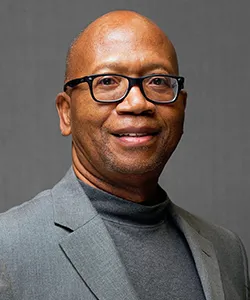
Oliver Edwards, Ph.D., is a Professor in the Department of Counselor Education and School Psychology at the University of Central Florida (UCF), part of the College of Community Innovation and Education. He coordinates the school psychology program and has held administrative roles in the School Board of Broward County, supervising over 65 school psychologists and social workers. His expertise spans School Psychology, Differential Psychology, Cognitive Science, and Education. Education: Ph.D. in School Psychology, University of Florida Ed.D. in Educational Administration, Florida International University Undergraduate Psychology degree, Florida International University Research Interests: Dr. Edwards focuses on social support networks, health disparities in ethnic minority children, psychosocial development of children raised by grandparents, and intelligence testing methodologies. His work bridges theory and practice to address systemic inequities in education and mental health. Key areas include grandfamily dynamics, bullying prevention, and food insecurity impacts on youth. Research Highlights: His publications address topics like stereotype threat mitigation, family structure effects on child well-being, and translational research frameworks. His work emphasizes culturally responsive interventions and policy development. Awards: McKnight Doctoral Fellow (during Ph.D. studies) Grants & Advising: Though specific grants are not detailed, his administrative experience reflects extensive program coordination. He has advised on practicum supervision models and clinical interventions for at-risk youth. His work with grandfamilies has led to initiatives like the Grandfamily School Support Network. Labs/Teams: Involved in interdisciplinary teams addressing child welfare and educational equity, particularly through UCF's counseling and school psychology programs.
Prasad Tadepalli is a Professor in the School of Electrical Engineering and Computer Science at Oregon State University, serving as the AI Graduate Program Director. He is affiliated with the Collaborative Robotics and Intelligent Systems Institute. His expertise spans artificial intelligence, machine learning, reinforcement learning, and automated planning, with impactful contributions to explainable AI and natural language processing. Tadepalli holds a Ph.D. from Rutgers University and M.Tech/B.Tech degrees from Indian institutions. He has authored over 100 papers, organized international conferences, and received awards such as the AAAI Outstanding Paper Award (2013) and ICAPS Best Student Paper (2009). Education: Ph.D. (Rutgers University, 1990), M.Tech (IIT Madras, 1981), B.Tech (Regional Engineering College, 1979) His research focuses on advancing AI through techniques like relational planning, reinforcement learning, and interpretable models. Recent work includes integrating planning and RL for multiagent systems and developing explainable models via tree ensemble compression. His articles highlight contributions to time-series imputation, adversarial attacks on bandits, and chess rating estimation using CNN-LSTM networks. Awards: AAAI Outstanding Paper Award (2013), ICAPS Best Student Paper (2009) Tadepalli emphasizes independent thinking in students and has advised numerous researchers. His work bridges theoretical AI with practical applications, such as robotics and data-driven decision-making.
Aušra Navickienė is a Professor and Head of the Department of Book Science and Publishing at Vilnius University's Faculty of Communication. She holds a doctoral degree and has served as Chair of the Communication and Information PhD Studies Committee. Her research focuses on the history of documentary communication, publishing media, manuscript heritage, and book science theory. She has authored or co-authored over 50 peer-reviewed articles, monographs, and edited volumes, with recent work emphasizing Lithuanian publishing history and international scholarly collaboration. Key projects include organizing conferences on Francysk Skaryna and leading initiatives under the National Programme for Lithuanian Studies. Navickienė has received multiple awards, including the Vilnius University Rector's Award (2011) and a Ministry of Education prize for her textbook *Book Science* (2008). She actively participates in global scholarly networks like SHARP and serves on editorial boards of international journals. Her academic leadership roles include chairing PhD committees, managing research projects, and promoting interdisciplinary studies in book and communication history. She has conducted research in Poland, Sweden, and the UK, enhancing Lithuania's international academic profile.
Rayna Dimitrova is a Tenure-track faculty member at the CISPA Helmholtz Center for Information Security in Saarbrücken, Germany. Previously, she held positions as Lecturer (Assistant Professor) at the University of Sheffield and University of Leicester, and postdoctoral roles at the University of Texas at Austin and the Max Planck Institute for Software Systems. She earned her PhD from Saarland University. Her research focuses on formal methods, including verification and synthesis of reactive systems, applications to control and robotics, quantitative analysis of probabilistic systems, and information-flow security. Key interests include strategic synthesis under partial observability, probabilistic uncertainty, and continuous dynamics, with applications to autonomous systems. She has served in numerous prestigious roles, including PC co-chair for VMCAI 2024, HYPER 2023, and SMT 2018. Her awards include the RS3 Best Paper Award (VMCAI 2012) and nominations for ETAPS (TACAS 2015) and EMSOFT (2014) Best Paper Awards. Her research group includes PhD students Rafael Dewes, Philippe Heim, and Saleh Soudijani. She has taught courses on reactive synthesis, program analysis, and decision procedures at multiple institutions, including the University of Sheffield and TU Kaiserslautern.
Hedieh Hashemi Hosseinabad is an Assistant Professor in the Department of Audiology and Speech Language Pathology at the University of North Texas. She holds a Ph.D. in Speech and Hearing Science from the University of Cincinnati, a Master’s in Speech Language Pathology from Tehran University of Medical Sciences, and a Bachelor of Science from Isfahan University of Medical Sciences. Certified by the American Speech-Language-Hearing Association (CCC-SLP), she has 14+ years of clinical experience specializing in children with cleft palate and velopharyngeal insufficiency (VPI). Her research focuses on two core areas: (1) factors influencing speech intelligibility in VPI, including acoustic and perceptual measures, and (2) persistent speech disorders in children with cleft palate, particularly those with co-occurring syndromic conditions. She employs multidisciplinary methods such as ultrasound biofeedback, high-speed nasopharyngoscopy, and acoustic analysis to assess and treat speech disorders. Her work analyzes speech characteristics across vowel contexts, velopharyngeal mechanisms, and surgical outcomes. Recent studies explore the impact of noise environments, listener expertise, and lexical factors on speech intelligibility. She has contributed to improving clinical protocols for speech assessment and therapy in cleft palate populations. Her research and clinical practice emphasize translational approaches to enhance speech outcomes and quality of life for affected children. Collaborations include cleft care teams in Iran, as reflected in studies involving the Isfahan Cleft Care Team.
Rachel Melamed is an Assistant Professor of Biology at the University of Massachusetts Lowell, affiliated with the Kennedy College of Sciences and the Center of Biomedical and Health Research in Data Sciences (CHORDS). Her research focuses on linking health and molecular data to understand disease mechanisms and identify interventions for conditions like cancer. She employs computational methods from computer science and epidemiology, integrating diverse datasets including health records, biobanks, and drug experiments. Education: BA in Computer Science (Brown University), PhD in Biomedical Informatics (Columbia University), Postdoctoral training in Biomedical Data Science (University of Chicago). Research Interests: Disease biology & genomics, data science, epidemiology, causal inference. Projects include studying drug impacts on cancer pathways, genetic overlaps between diseases, and leveraging big data for personalized medicine. She leads a lab with graduate and undergraduate researchers exploring computational biology, bioinformatics, and pharmacology. Lab Team: Supervises students specializing in computational biology, statistics, and machine learning. Current members include Anugrah Vaishnav, Jianfeng Ke, Panagiotis Lalagkas, and others. Past researchers include Aylinh Eng and Bishoy Sargius. Key Focus Areas: Cancer etiology, drug repurposing, genetic risk stratification, and translational bioinformatics. Her work bridges computational methods with clinical and biological datasets to uncover actionable insights in disease prevention and treatment.
Prof. Iris Sommer is a Professor of Psychiatry at the University Medical Center Groningen (UMCG) and the University of Groningen. She leads the Clinical Cognitive Neuropsychiatry Research Program (CCNP) and contributes to the Biology-Related, Artificial, and Interventional Neuroscience (BRAIN) group. Her expertise spans neuropsychiatry, with a focus on hallucinations, schizophrenia, and gender disparities in mental healthcare. She is an internationally recognized researcher, having pioneered studies on female brain research, estrogen’s role in psychosis, and innovative treatments like the Stemmenpoli (Voices Clinic). Roles: Editor at Schizophrenia Bulletin, Psychological Medicine, and Lancet Psychiatry. Committee Roles: Chair of ZonMw Offroad Grants Committee, Speaker of the Speakers Academy. Research Interests: Dr. Sommer’s work addresses the origins of psychiatric disorders, particularly schizophrenia and hallucinations. Her key contributions include uncovering estrogen’s protective role in psychotic disorders and advocating for gender-sensitive psychiatric treatments. Recent projects explore gut-brain interactions, probiotics in mental health, and computational linguistics in psychosis diagnosis. Notable Findings: Female brain underrepresentation in clinical studies leads to less effective treatments for women; antipsychotics may suppress beneficial estrogens. Publications & Impact: Over 438 peer-reviewed articles, including high-impact works on hallucinations, COH-FIT pandemic mental health studies, and PET/SPECT imaging in schizophrenia. Her research emphasizes translational medicine and societal impact through public engagement. Awards: Distinguished Lorentz Fellowship (2022/23), Huibregtsenprijs (2022), NWO Science Communication Award (2024), and recognition for science communication initiatives like 'Marvelous Mind.' Labs/Teams: Leads the CCNP, collaborates globally via networks like the HAMLETT and OPHELIA consortia. Active in interdisciplinary projects linking neuroscience, AI, and clinical practice.