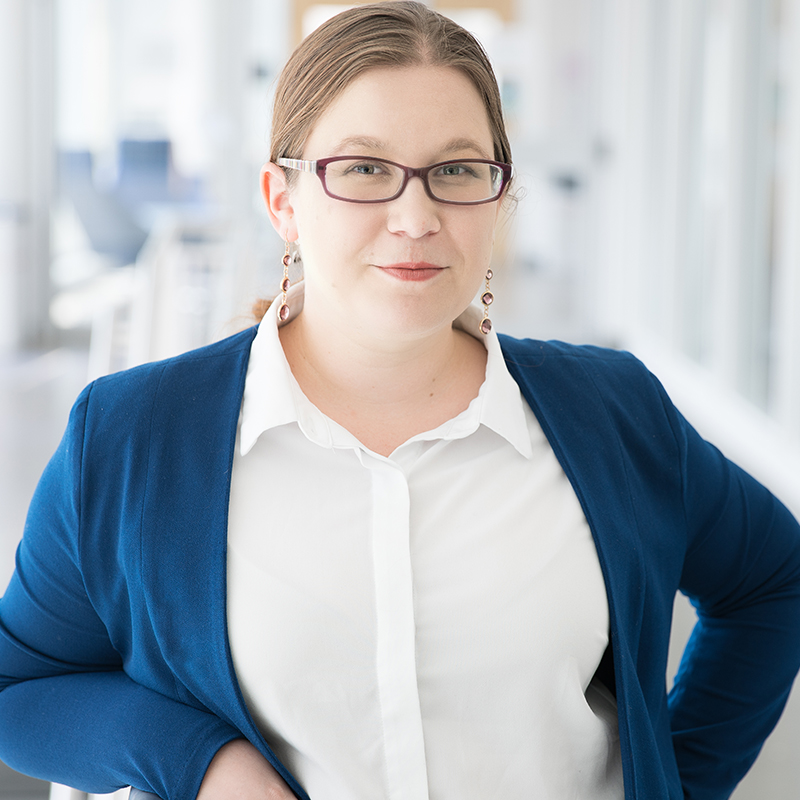
Asst. Prof. Hilal Öztürk Baydere serves in the Department of Western Languages and Literatures at Karadeniz Technical University's Faculty of Arts and Humanities since 2021, advancing to Assistant Professor in 2024 after beginning her academic career at the university's School of Foreign Languages in 2013. Her institutional trajectory reflects deep integration within Turkey's translation studies community. Her academic foundation includes: Doctorate in Translation Studies (2016-2022) from Istanbul University's Institute of Social Sciences Postgraduate degree in English Translation and Interpretation (2011-2015) from Hacettepe University Undergraduate degree in English Language and Literature (2007-2011) from Hacettepe University Her research centers on Translation Studies with acute focus on machine translation's disruption of literary translation practices. She investigates translator competence evolution in AI-driven environments, creativity preservation in machine-assisted workflows, and historical/cultural dimensions of translation. Her work bridges theoretical linguistics with practical technological applications, particularly examining lexical diversity and stylistic integrity in neural machine translation outputs. Publication analysis reveals three dominant research vectors: (1) Machine translation evaluation frameworks for literary texts (25% of output), (2) Historical/cultural memory representation through translation (33%), and (3) Translator identity and competence in digital ecosystems (42%). Recent work increasingly incorporates large language models while maintaining strong philological grounding in English-Turkish translation contexts. She actively supervises student research on AI translation applications including subtitle translation effectiveness and e-commerce review sentiment analysis. Her TUBITAK-funded doctoral scholarship (2017-2022) and current membership in the European 'Language in the Human-Machine Era' research consortium demonstrate significant grant acquisition and international collaboration. Conference participation spans 8+ annual international symposia since 2017, primarily KTUDELL and NALANS events. Her ongoing projects with the European Cooperation in Science and Technology group indicate future research directions exploring human-AI symbiosis in translation pedagogy and professional practice, particularly regarding creativity metrics and cultural adaptation in neural machine translation systems.