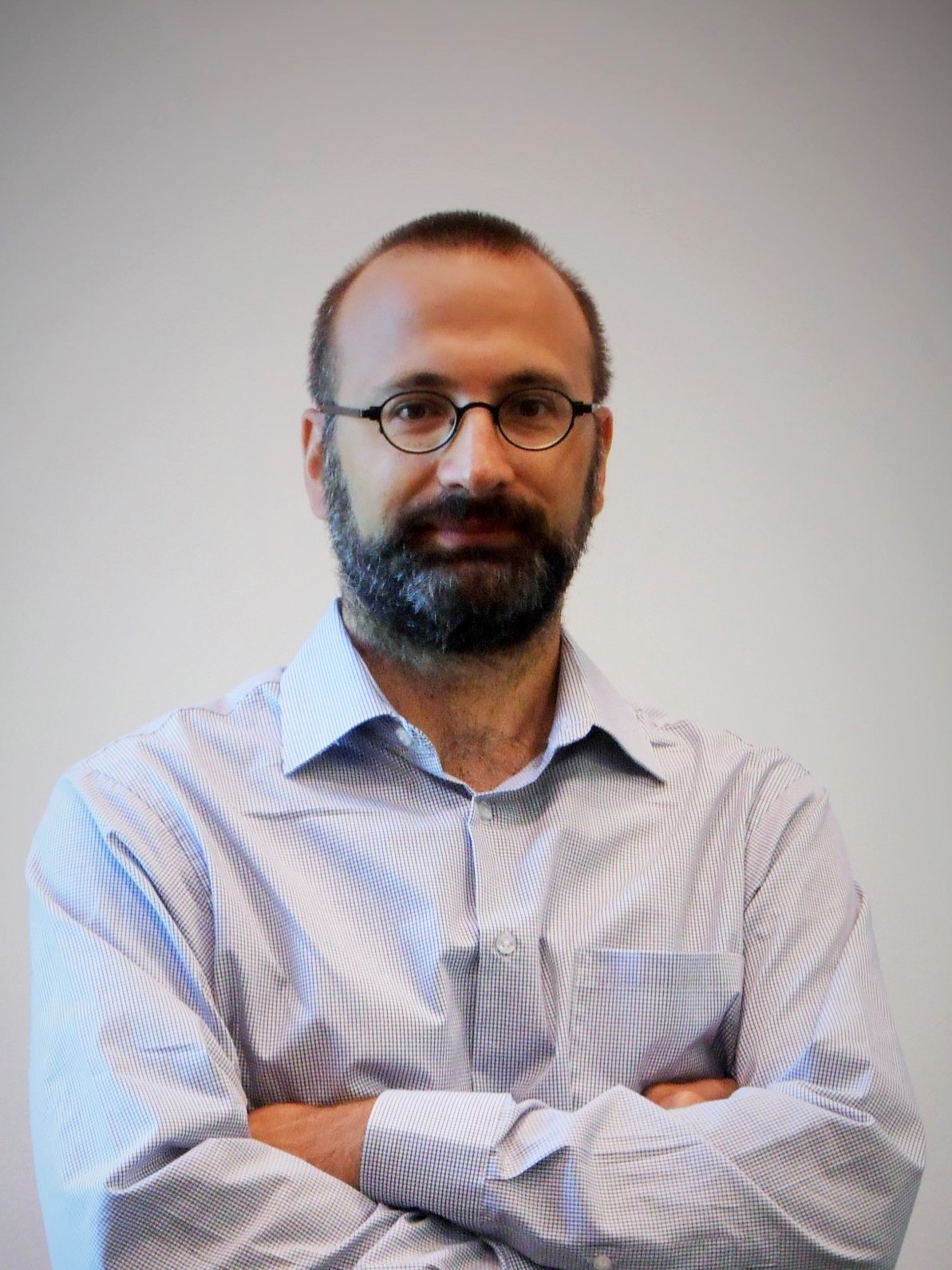
Tom Veldkamp is a Professor and Rector Magnificus at the University of Twente. His research focuses on Quaternary geology, geomorphology, and coupled human-ecological systems. He has supervised 32 PhD theses and currently advises 2 ongoing projects. His fieldwork spans over 30 countries, including Indonesia, Turkey, and Rwanda. Editorial Roles: Editor-in-Chief of Agriculture Ecosystems and Environment , former editorial roles at Landscape Ecology , Ecosystems , and others. Research Themes: Land use change modeling, soil dynamics, and sustainable development. Key regions of study include Sundaland (Indonesia), Mediterranean landscapes, and Rwanda. Recent Contributions: Over 230 publications, including landmark studies on hominin fossils in Java and landscape evolution models. His work addresses global challenges like environmental sustainability and land-use transitions, with a focus on integrating natural and social sciences.
Andrea Lanza serves as Associate Professor in the Department of Italian Studies within the Faculty of Arts & Science at the University of Toronto. Originally from Italy, he completed his academic training in France at the École des Hautes Études en Sciences Sociales (EHESS), earning both his Diplôme d'Études Avancées and Doctorat degrees, following his Laurea from Università degli Studi di Milano La Statale. His scholarly profile demonstrates extensive transnational engagement with French political thought while maintaining institutional affiliation with Italian Studies. Doctorat, École des Hautes Études en Sciences Sociales (Paris) Diplôme d'Études Avancées, École des Hautes Études en Sciences Sociales (Paris) Laurea, Università degli Studi di Milano La Statale Lanza's research focuses on the historical intersections between political thought and social science, with particular emphasis on Early French Socialism (1800-1850), the making of French working classes, and Contemporary French Political Thought. His scholarly trajectory follows two interrelated axes: the emergence of socialist discourse in 19th century France and historic-philosophical debates on democratic society, especially regarding French thinkers like Lefort, Gauchet, Rosanvallon, Foucault, and Rancière. His work demonstrates remarkable interdisciplinary range, connecting political philosophy with historical anthropology, sociology, and religious studies. His recent publications reveal a growing engagement with contemporary issues including decolonization debates, cancel culture, and the epistemological challenges facing social sciences today. Lanza has also held significant administrative roles, serving as Associate Chair for Undergraduate Studies in the Department of Italian Studies during 2022-2023. Administrative Service: Associate Chair - Undergraduate, Department of Italian Studies (2022-2023) Lanza's scholarly network extends across North America and Europe, with collaborations spanning multiple disciplines. His recent editorial work on Claude Lefort's political philosophy and Marcel Gauchet's theories of democratic society demonstrates his position at the forefront of contemporary political thought scholarship.
Prof. Dr. Alex Hall is an Associate Professor at the Department of Environmental Systems Science and Head of the Institute of Integrative Biology at ETH Zürich , Switzerland. He holds a PhD from the University of Edinburgh (2008), followed by postdoctoral work at the University of Oxford and ETH Zürich, including prestigious SNSF Ambizione and Marie Curie Intra-European fellowships. Research Focus: The Hall lab investigates Microbial interactions in human microbiomes Antibiotic resistance evolution Horizontal gene transfer dynamics Computational and in vitro modeling of microbial communities Evolutionary medicine applications Scientific Contributions: His recent studies analyze probiotic treatments for Staphylococcus aureus decolonization, strain-specific ecological success in gut microbiomes, and CRISPR-Cas system roles in plasmid conflicts. The lab employs computational frameworks combined with experimental validations. Scientific Awards: SNSF Ambizione fellowship Marie Curie Intra-European fellowship He also serves on the SNSF PRIMA fellowship evaluation panel and the ETH Zürich Coordination Council Medicine .
Prof. Neslihan YETKİNER is the current Dean of İzmir University of Economics and a member of the TÜBİTAK SOBAG Advisory Board. She holds a PhD in Linguistics from Groningen University (Netherlands) and has served as a research assistant at Hacettepe University and part-time lecturer at London University. Her academic career spans over two decades, with expertise in Translation Studies, Pragmatics, and Corpus-based Translation. Education: BA (Summa Cum Laude) and MA in Translation from Hacettepe University; PhD in Linguistics from Groningen University. Administrative Roles: Dean since 2023, previously Head of the Department (2006–2009). Research Interests: Focus on translation theory, critical discourse analysis, children’s literature, and cultural studies. Her work explores themes like censorship in children’s books, translator prefaces, and intercultural adaptation. Her recent articles address topics such as the impact of the pandemic on the translation industry, liminality in folk tale translations, and community interpreting professionalism. She has led three TÜBİTAK-funded projects on translation and literary analysis. Prof. YETKİNER has received multiple awards, including the TÜBİTAK Scientific Publication Encouragement Award (2012–2017), and has advised PhD student Hamide Çakır. She is actively involved in academic administration and contributes to national and international conferences.
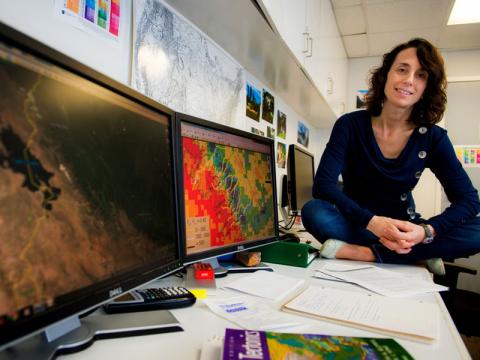
Nicole M. Gasparini is an Associate Professor in Tulane University's Department of Earth and Environmental Sciences, School of Science & Engineering. She holds a Ph.D. from MIT (2003) and researches fluvial/tectonic geomorphology, landscape evolution modeling, and climate-erosion interactions using tools like Landlab. Her work investigates sediment transport, river network evolution, and human impacts on landscapes. Research integrates field data with numerical models to quantify erosion processes across diverse environments. Publications demonstrate expertise in geomorphic model development, particularly through contributions to the Landlab toolkit. Recent articles focus on climatic controls on erosion, fault geomorphology, and uncertainty quantification in earth-surface models. Awards: Marguerite T. Williams Award for contributions to geosciences and advocacy against harassment in STEM Leads collaborative projects on landscape response to climate change and mentors students/postdocs in geomorphology and computational modeling.
Dr. Simon A. Morrison is a Senior Lecturer in the Division of Communication, Screen & Performance within the Faculty of Arts, Humanities and Social Sciences at the University of Chester. He serves as Programme Leader for the Music Journalism degree, which he helped design, build and deliver from its first cohort in 2014. With 25 years of experience as a writer, broadcaster, and academic, Morrison brings extensive industry knowledge to his teaching and research, having worked as a music journalist reporting from locations worldwide including Beijing, Brazil, Moscow, and Marrakech. Dr. Morrison holds a PhD from the University of Leeds (completed 2018), an MA from the University of Manchester (1995-1997), and a BA Hons from the University of Manchester (1989-1992). Prior to his position at Chester, he worked as an Associate Lecturer at Manchester Metropolitan University (2012-2014) and as a Visiting Lecturer at Leeds University (2011-2013). His academic journey follows a substantial career in media where he presented TV for Rapture TV, hosted radio shows in Ibiza, produced and presented for Kiss Radio, and appeared on BBC Breakfast and BBC 5 Live. Dr. Morrison's research centers on the intersection of words and music , with particular focus on Popular Music , Musico-Literary Intermediality , and Electronic Dance Music Culture . His work explores how music subcultures, particularly rave and dance music scenes, are represented in literature and journalism. He examines the connections between different countercultural movements, notably drawing parallels between the Beat Generation writers and contemporary 'Chemical Generation' authors who write about club culture. His research also investigates the relationship between music journalism and subcultural movements across different historical periods. His recent publications reveal a clear trajectory connecting historical dance music developments across continents and eras. Morrison's work traces the evolution of electronic dance music from its American roots in Chicago and Detroit through its transatlantic journey to Europe and back again, examining how cultural exchange shaped musical innovation. His analyses of Pink Floyd demonstrate how rock bands interact with media landscapes, while his investigations of music journalism document the changing nature of music criticism in digital eras. The recurring theme across his scholarship is the examination of how subcultural experiences are translated into written form, whether through journalism, fiction, or academic analysis. Dr. Morrison actively supervises undergraduate dissertation projects and Negotiated Study production projects across all three years of undergraduate study. He has successfully supervised an MRes project to completion and examined PhDs (including one internal and two external, one being an Australian PhD by Artefact & Exegesis). He has served as an External Examiner for Music Journalism programs at Southampton Solent University (2016-2019) and BIMM London, Birmingham and Manchester (2016-2020). His teaching spans modules including Introduction to Journalism, Live Journalism, Dancing About Architecture: Popular Music Media, Histories and Technologies, The Cultural Politics of Music Journalism, The Politics of Social Media, Magazine Publishing and Music PR and Promotional Writing.
Philip Schlesinger is a Professor in Cultural Theory at the University of Glasgow and holds roles at CREATe, a Centre for Regulation of the Creative Economy. He previously held the inaugural Chair in Cultural Policy at Glasgow (2007–present), directed the Centre for Cultural Policy Research (CCPR) until 2013, and led the Stirling Media Research Institute. His research focuses on digital platforms’ regulation, cultural policy, and the interplay between expertise and power in governance. Collaborations span institutions like the London School of Economics, Complutense University of Madrid, and the European University Institute. His work critiques the 'post-public sphere' and explores neo-regulation frameworks for digital platforms, emphasizing UK policy dynamics. Key publications include analyses of generative AI governance, platform power, and the creative economy’s global orthodoxies. He has held fellowships at the Nuffield Foundation, European University Institute, and Maison des Sciences de l’Homme in Paris. As a leader in cultural policy research, Schlesinger has advised on UK film policy, media transitions, and digital challenges. His interdisciplinary approach bridges sociology, media studies, and law, addressing topics like public service media, creative industries, and transnational cultural frameworks. Ongoing projects include policy responses to AI and platform regulation, reflecting his commitment to shaping evidence-based cultural and digital policies.
Nicholas Kortessis is an Assistant Professor in the Department of Biology at Wake Forest University, within The Undergraduate College. His research lies at the intersection of ecology, evolution, and theoretical modeling, focusing on how environmental variability shapes biological diversity. Research Interests: His primary areas include statistical and theoretical ecology, adaptation in variable environments, population and community dynamics, and ecosystem modeling. He uses mathematical frameworks to simulate ecological processes across large spatial and temporal scales, bridging experimental data with predictive theory. Publication Trends: His recent work spans topics such as habitat fragmentation, disease in invasive species, character displacement, seed dormancy evolution, and pandemic transmission dynamics. These reflect a strong emphasis on theoretical and synthetic approaches to ecological problems, often involving collaboration across institutions. Scientific Awards: No awards are mentioned in the provided text. Advising and Grants: While no specific students or grants are listed, Dr. Kortessis leads an active research lab and collaborates widely, indicating ongoing mentorship and likely grant-supported research. His lab engages in theoretical and data-driven ecological studies, suggesting funding from agencies supporting environmental and theoretical biology. Labs and Teams: He runs the Kortessis Lab at Wake Forest University, which focuses on modeling ecological and evolutionary processes. The lab emphasizes mathematical and conceptual tools to explore biodiversity, coexistence, and ecosystem responses to environmental change.
Ning Nan is an Associate Professor at the University of British Columbia's Sauder School of Business, specifically within the Department of Accounting and Information Systems. With a BA from Peking University, an MA from the University of Minnesota, and a PhD from the University of Michigan, Dr. Nan focuses on digital business strategy, evolvable IT infrastructure, and complex adaptive systems. His research explores blockchain applications, agent-based modeling, and the intersection of AI with societal challenges like sustainability. Education: PhD in Information Systems, University of Michigan MA in Information Systems, University of Minnesota BA in Computer Science, Peking University Research Interests: Dr. Nan investigates how technology shapes organizational and societal systems, with a focus on AI ethics, sustainability through personalized recommendations, and blockchain's role in decentralized supply chains. He employs agent-based modeling to simulate complex phenomena like innovation diffusion and online community dynamics. Recent work addresses explainable AI in smart cities and carbon-reduction gamification strategies. Teaching: In 2024-2025, he teaches Data Management for Business Analytics , emphasizing practical applications of data-driven decision-making. Key Research Themes: His articles highlight trends in AI sustainability (e.g., carbon footprint impacts of recommendation systems), digital business strategy (blockchain governance, app update strategies), and foundational IS theory (hyperturbulence and IS strategy).
Mark J. Loewenstein is the Monfort Professor of Commercial Law at the University of Colorado Law School, where he has been a faculty member since 1979. He teaches courses in Business Associations, Securities Law, and Contracts, and has established himself as a leading scholar in business law. Professor Loewenstein previously practiced business law at a Chicago law firm before joining academia and has maintained strong connections with the legal profession throughout his career. Professor Loewenstein's educational background includes: JD from the University of Illinois, Champaign-Urbana BA from the University of Illinois, Champaign-Urbana Professor Loewenstein's research focuses on business associations, agency law, and securities law, with particular expertise in corporate governance. His scholarly work examines the legal structures of business organizations, fiduciary duties in unincorporated entities, and the evolving landscape of corporate law. He has made significant contributions to understanding LLC governance, veil piercing doctrines, and the application of good faith principles in business contexts. His comparative work on stakeholder protection in Germany and Japan demonstrates his international perspective on corporate governance issues. Analysis of Professor Loewenstein's publications reveals a consistent focus on the intersection of business organization law and corporate governance. His work spans theoretical examinations of agency principles, practical analyses of LLC structures, and historical perspectives on corporate law developments. A notable trend in his scholarship is the examination of how traditional corporate law concepts apply to newer business forms, particularly limited liability companies. His publications also demonstrate a strong interest in the balance between state and federal regulation of business entities. Professor Loewenstein has received significant professional recognition: Monfort Professor of Commercial Law (endowed chair) Fulbright Scholar at Hokkaido University, Japan (1990-91) Visiting Professor at University of Michigan Law School (1999) Throughout his career, Professor Loewenstein has demonstrated exceptional service to both the University of Colorado Law School and the broader legal community. He served as associate dean for academic affairs for nine years and associate dean for research for four years. He was a member of Colorado's Securities Board from 1995 to 2000 and contributed to the drafting of the 1994 Colorado Business Corporation Act. As a delegate to the ABA House of Delegates (1999-2005) and active member of the ABA's business law committee, he has influenced business law development at the national level. His service extends to editorial roles for legal publications and frequent presentations at professional conferences. Professor Loewenstein maintains strong connections with the legal practice community through his ongoing service on the Colorado Bar Association's Corporate Law Revision Committee and his contributions to continuing legal education programs. His work bridges academic scholarship and practical legal application, making him a valued resource for both students and practitioners.
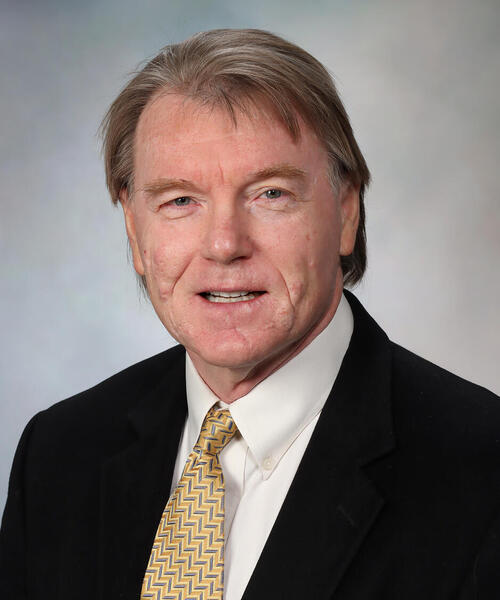
Dr. John A. Copland III is a Professor of Cancer Biology and Biochemistry & Molecular Biology at Mayo Clinic in Jacksonville, Florida. He leads the Cancer Biology and Translational Research Laboratory, focusing on molecular mechanisms of carcinogenesis, tumor progression, and development of targeted cancer therapies. Education: PhD in Physiology & Endocrinology (Medical College of Georgia), MS in Endocrinology (Medical College of Georgia), BS in Chemistry (Columbus College), with postdoctoral training at University of Texas Medical Branch. Research interests center on: Identifying tumor suppressor genes (e.g., RhoB, TBR3, GATA3) and oncogenes (e.g., FOXO3a, SCD1, NPTX2). Developing patient-derived xenografts and live cell models for personalized medicine. Designing SCD1 inhibitors via in silico modeling for clinical trials. Recent publications highlight his work on SCD1 inhibition in leukemia and thyroid cancer ImmunoPET imaging of thyroid tumors CRISPR-identified drug synergies in cholangiocarcinoma Patient-specific combination therapies using xenograft models
Adam B. Badawi is a Professor of Law at the University of California, Berkeley - School of Law, where he maintains an active research agenda at the intersection of law, finance, and corporate governance. His scholarly work has established him as a leading expert in contract law, M&A transactions, securities litigation, and ESG compliance. Professor Badawi's research interests span multiple dimensions of corporate law and legal theory. His work on contractual complexity, particularly in debt agreements and M&A transactions, has provided significant insights into how legal drafting affects economic outcomes. He has extensively examined the business judgment rule, board authority, and the role of courts in corporate governance. More recently, his research has expanded into ESG-related topics, analyzing how environmental, social, and governance considerations intersect with traditional corporate law frameworks. His methodological approach often combines legal analysis with empirical techniques, including text analysis of legal documents and event studies of litigation outcomes. Professor Badawi's scholarly output demonstrates consistent high-impact research across multiple domains of corporate law. His early work focused on foundational aspects of contract theory and interpretation, while his more recent publications reflect growing interest in ESG metrics, executive compensation structures tied to sustainability goals, and the evolving regulatory landscape. The trajectory of his research shows a progression from theoretical legal analysis toward increasingly empirical and interdisciplinary approaches that bridge law with finance and data science. Professor Badawi has collaborated with numerous scholars across different institutions, including Duke University, Stanford Law School, and the University of Chicago Law School, reflecting the interdisciplinary nature of his work and its relevance to multiple academic communities.
Thomas Bäck is a Professor at the Leiden Institute of Advanced Computer Science (LIACS) , Leiden University , Netherlands, and a member of the interdisciplinary programme Society, Artificial Intelligence and Life Sciences (SAILS) . His academic career spans roles at Leiden University (1996–present) and leadership positions at the Center for Applied Systems Analysis in Dortmund (1994–2000). Education : Diplom-Informatiker (Computer Science), Technische Universität Dortmund (1990) Dr. rer. nat. (Computer Science), Technische Universität Dortmund (1994) Research Interests : Dr. Bäck specializes in evolutionary computation , machine learning , and their applications in sustainable smart industry and healthcare . Recent work focuses on integrating large language models (LLMs) and quantum computing into optimization frameworks, with projects like CIMPLO (predictive maintenance), ECOLE (experience-based optimization), and SAPPAO (airline operations optimization). Scientific Contributions : His 526+ publications cover evolutionary algorithms, quantum optimization, and LLM-driven design, with recent trends including: Quantum computing (e.g., quantum approximate optimization, quantum advantage challenges) LLM integration (e.g., hyperparameter tuning, mutation control, code evolution graphs) Healthcare and industry (e.g., predictive maintenance, anomaly detection, melt quality prediction) Algorithm benchmarking (e.g., IOHprofiler, MA-BBOB, explainable benchmarking) Scientific Awards : IEEE Fellow (2022) Royal Netherlands Academy of Arts and Sciences (KNAW) member (2021) Academia Europaea member (2022) IEEE Computational Intelligence Society Evolutionary Computation Pioneer Award (2015) Fellow, International Society of Genetic and Evolutionary Computation (2003) Best Ph.D. thesis award, German Society of Computer Science (GI) (1995) Advising and Grants : He supervises Ph.D. candidates in evolutionary computation and machine learning and has secured 7 major grants from organizations like the Dutch Research Council , European Commission , and The Research Council of Norway . His editorial roles include Editor-in-Chief of the Evolutionary Computation Journal and associate editorships in leading AI journals.
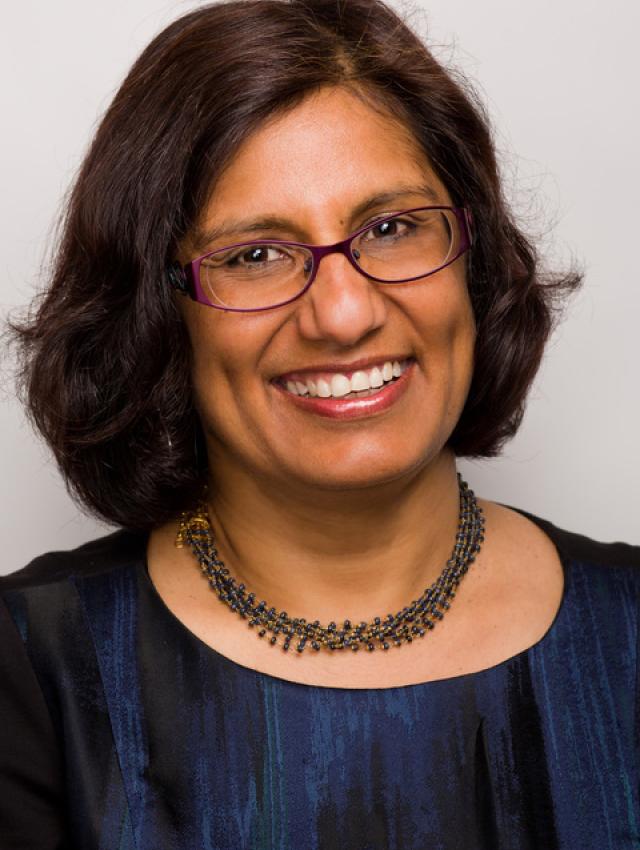
Kusum L. Ailawadi is the Charles Jordan 1911 TU'12 Professor of Marketing at the Tuck School of Business at Dartmouth College. She has established herself as a leading expert in marketing channel strategy, brand equity, and multi-channel distribution systems. Her research examines the strategic interaction and distribution of power between manufacturers and their distribution channel partners, with particular focus on how store brands, promotions, and brand equity affect performance. Education: PhD, University of Virginia, 1991 MBA, Indian Institute of Management, 1984 BSc (Honors), St. Stephen's College, Delhi University, 1982 Professor Ailawadi's research spans two primary streams: the first focuses on manufacturer-retailer relationships and channel strategy, examining how power dynamics affect brand performance; the second investigates how marketing actions influence consumers' health status and the nutritional quality of grocery shopping. She has pioneered research showing how warehouse club shopping affects consumer behavior, revealing that club store shoppers spend more, shop more frequently, and consume more calories than non-club shoppers. Her work on multi-channel distribution has been synthesized in her influential 2020 book Getting Multi-Channel Distribution Right , which provides practical guidance for managing brands across physical and digital channels. Her extensive publication record in top marketing journals like Journal of Marketing , Journal of Marketing Research , and Marketing Science demonstrates consistent scholarly impact. Analysis of her recent work shows a strong focus on the evolving retail landscape, with particular attention to private label brands, multi-channel strategies, and the behavioral economics of consumer shopping patterns. Her research increasingly bridges marketing theory with practical applications in retail strategy and consumer health. Notable Awards: Winner, Paul H. Root Award for Significant Contribution to the Advancement of the Practice of Marketing (2018) Distinguished Alumni Award, Indian Institute of Management Bangalore (2020) Winner, John D.C. Little Best Paper Award, Marketing Science (2005) Winner, First William Davidson Award for Best Contribution to Theory and Practice in Retail Marketing (1997) Multiple finalist positions for Paul E. Green Award across various years Professor Ailawadi serves as president of the INFORMS Society for Marketing Science and has held editorial positions at major marketing journals including Journal of Marketing , Journal of Marketing Research , and Marketing Science . She teaches the highly regarded MBA elective on Multi-Channel Routes to Market and has consulted with companies across consumer goods, retailing, consulting, and financial services sectors. Her expertise has also been sought in legal cases related to distribution, brand equity, and promotions, where she has served as both consulting and testifying expert. Her research has been widely covered in media outlets including Harvard Business Review , Wall Street Journal , Forbes , and Advertising Age , demonstrating the practical relevance of her academic work. Her TEDx talk 'Outsmarting the Marketers' further illustrates her ability to translate complex marketing concepts for broader audiences.
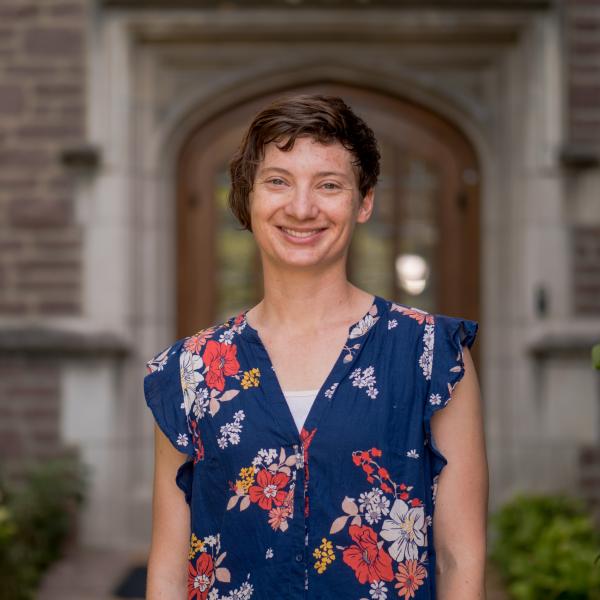
Dr. Rachel Penczykowski is an Assistant Professor of Biology at Washington University studying disease ecology in changing environments. Her NSF CAREER Award supports research on urban plant pathogens, particularly powdery mildew epidemics in urban heat islands. Combining field observations, lab experiments, and mathematical modeling, she examines how climate, biodiversity loss, and urbanization reshape host-parasite interactions. Her work spans diverse ecosystems—from aquatic Daphnia-parasite systems to terrestrial plant-pathogen networks—revealing how predators, resources, and microclimates indirectly modulate disease spread. Current projects investigate warming impacts on fungal virulence and host resistance evolution in St. Louis-area plant populations. Dr. Penczykowski leads outreach through the PlantSTEM program, engaging K-12 students in pathogen research. She mentors high schoolers via Tyson Research Center apprenticeships and teaches Disease Ecology, integrating modeling with empirical approaches. Her lab collaborates with the Taylor Geospatial Institute to map urban microclimate-disease linkages.