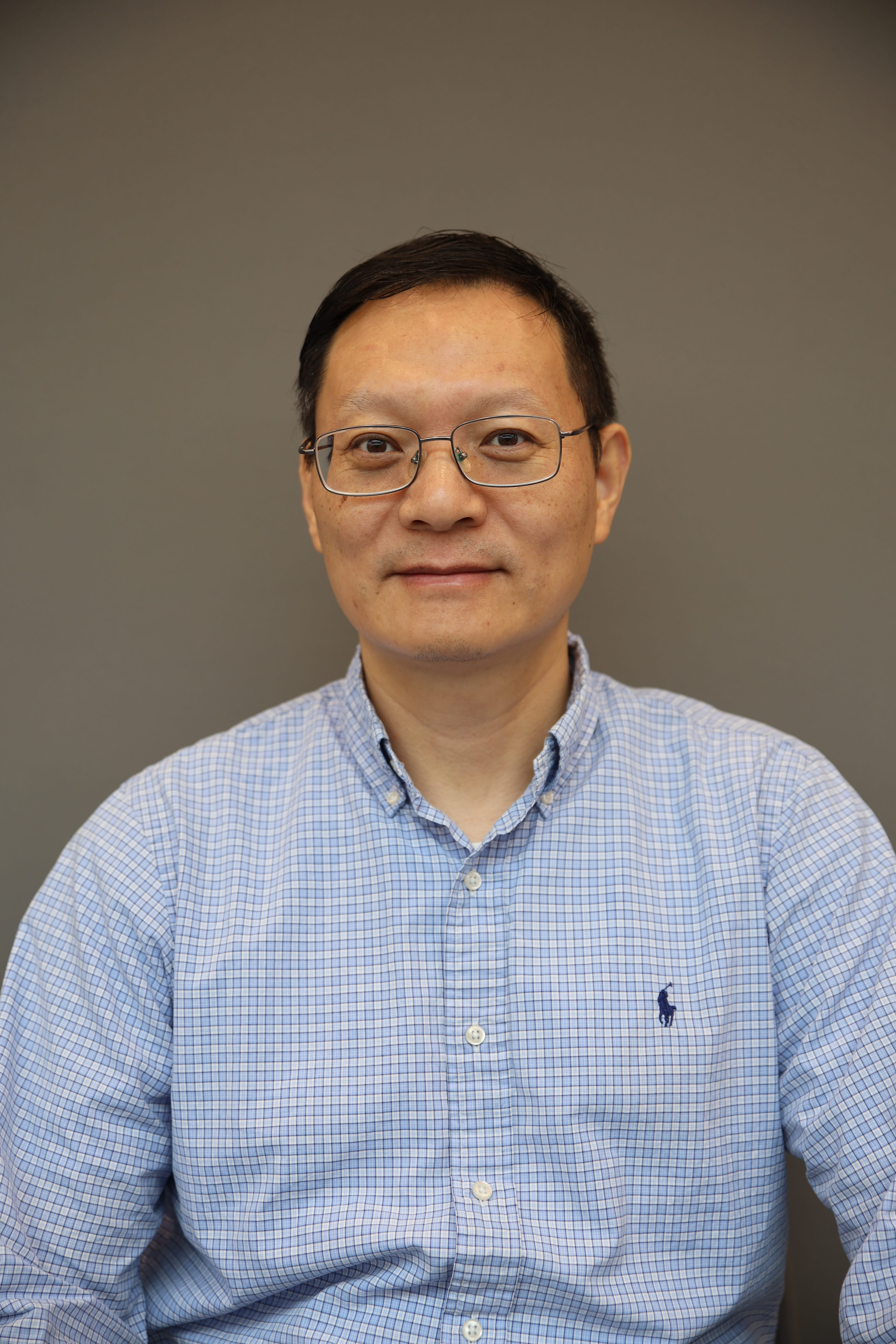
Hongbo Su is an Associate Professor at the College of Engineering and Computer Science , Florida Atlantic University , specializing in Civil, Environmental and Geomatics Engineering . With a Ph.D. from Princeton University, he leads the Laboratory for Remote Sensing and Hydrometeorology , focusing on land surface-atmospheric interactions and water-energy cycle dynamics. Research Interests : Land Surface-Atmospheric Interactions Hydrology and Climate Science Quantitative Remote Sensing Geographic Information Systems (GIS) Scientific Focus : His work spans flood risk modeling, urban heat island analysis, evapotranspiration estimation, and coastal resilience. Recent studies integrate machine learning with remote sensing for aquaculture mapping, vegetation dynamics, and seawall detection. Publications emphasize spatiotemporal modeling, data fusion techniques, and climate adaptation strategies.
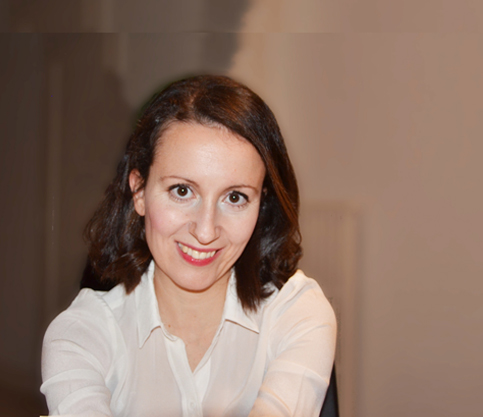
Paola Mercogliano is a Principal Scientist at the CMCC Foundation and Director of the Division of Regional Models and Geo-Hydrological Impacts. With over 25 years of expertise in atmospheric and climate modeling, she specializes in high-resolution numerical models and data-driven tools for weather forecasting and climate scenario simulations at local/urban scales, focusing on extreme events and geo-hydrological hazards. Coordinates EU Adaptation AGORA project under Mission on Climate Adaptation Scientific leader of Dataclime platform for climate data visualization President of Italian Society of Climatology (2025–2026) Her research integrates climate science into policy and territorial planning, emphasizing climate risk assessment, urban resilience, and public-private stakeholder engagement. She has authored >80 publications and leads climate literacy initiatives through university partnerships. Scientific Contributions: Developed frameworks for climate risk assessment of built environments and airports Explored convection-permitting simulations for extreme precipitation Advanced urban parameterization in ICON and COSMO models Her work spans climate projections, wind energy analysis, irrigation demand under climate change, and socio-economic impacts of climate risks. Scientific Awards: President of Italian Society of Climatology (2025–2026) She actively contributes to climate outreach through educational programs and digital academies, bridging climate science with policy implementation.
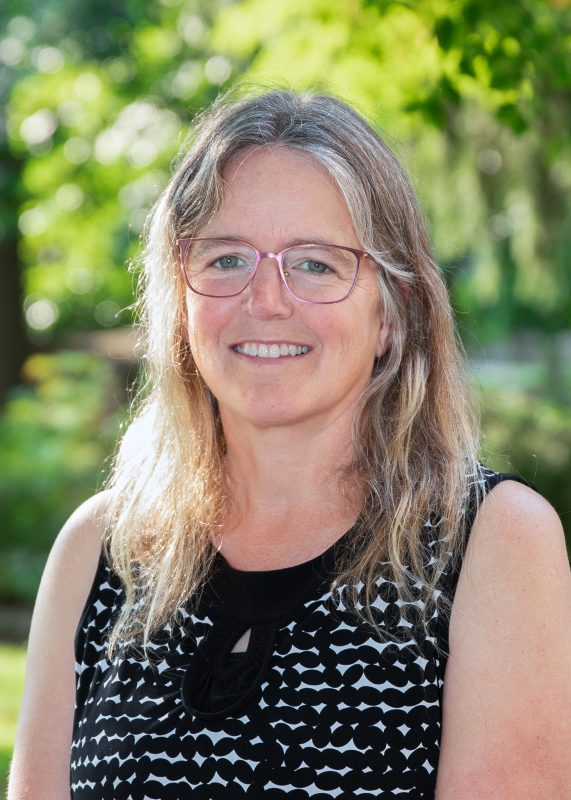
Valerie Thomas, Ph.D., is a Professor in the Department of Forest Resources and Environmental Conservation at Virginia Tech. She holds a B.S. from the University of Guelph (1996), M.S. and Ph.D. from Queen’s University, Canada (2001, 2006). Her research focuses on remote sensing technologies (lidar, hyperspectral sensors) to study forest structure, function, and global monitoring, emphasizing big data integration and environmental challenges. She teaches courses including FREC 1004 (Digital Planet), FREC 2124 (Forests, Society & Climate), and FREC 5154 (Hyperspectral Remote Sensing). She leads the Environmental Informatics undergraduate program and advises the Interdisciplinary Remote Sensing PhD Program. Her work includes advancing computational methods for large-scale remote sensing datasets and addressing ecosystem responses to climate change. She collaborates with the Center for Environmental Applications in Remote Sensing (CEARS) and contributes to projects on nitrogen retention, forest productivity, and lidar-based canopy analysis. Research Interests: Remote sensing of forest ecosystems Lidar and hyperspectral data integration Big data analytics for environmental science Forest carbon dynamics Landsat time-series analysis Teaching & Academic Leadership: Developed the Environmental Informatics major Advises interdisciplinary remote sensing programs Innovates geospatial education at Virginia Tech Labs & Teams: Active in the Center for Environmental Applications in Remote Sensing (CEARS), contributing to projects on forest monitoring and geospatial technologies.
Bill Tomlinson is a Professor of Informatics and Education at the University of California, Irvine (UCI), and a researcher at the California Institute for Telecommunications and Information Technology (Calit2). His work bridges artificial intelligence, ICT for sustainability, and environmental policy, focusing on leveraging technology to address global ecological challenges. He authored *Greening through IT* (MIT Press, 2010), which examines how information technology can enable sustainable practices, and has published over 100 academic works across computing, education, and sustainability. Education: A.B. in Biology (Harvard College), M.F.A. in Experimental Animation (CalArts), and S.M./Ph.D. in Media Arts & Sciences (MIT). Professional service includes roles on the EPA’s Board of Scientific Counselors (2014–2017) and as a Sloan Research Fellow (2008). His research spans sustainable food systems (e.g., the Plant Guild Composer tool), AI ethics, and legal frameworks for technology governance. Key research interests include computational sustainability, AI’s environmental impact, and interdisciplinary approaches to ecological challenges. Recent work explores AI certification systems, biodiversity law frameworks, and educational tools for fostering systems thinking. His projects often integrate technical innovation with policy design, such as simulations modeling corporate governance reforms or climate policy. Scientific awards include the NSF CAREER Award (2007) and recognition from major media outlets (e.g., *Wall Street Journal*, BBC). His grants and collaborations emphasize real-world impact, such as designing equitable energy systems or analyzing AI’s role in environmental decision-making. Bill co-founded initiatives like *SAGE Community Coordinator* and *Collapse Informatics*, which use participatory simulations to engage communities in sustainability challenges. He teaches courses on global disruption and technology’s societal role, emphasizing ethical and ecological responsibility.
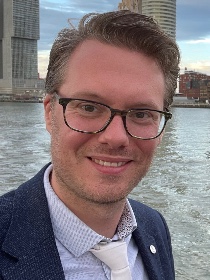
Prof. Victor Bekkers is a Professor of Public Administration at Erasmus University Rotterdam, holding the chair in Public Policy Processes. He serves as Dean of the Erasmus School of Social and Behavioural Sciences (2022–2025) and was the founding dean of the Erasmus Graduate School of Social Sciences and the Humanities. He studied Political Science and Public Administration at Nijmegen University (1987, cum laude). His research focuses on the integration of information and communication technologies, social media, and big data into public policy processes, emphasizing social innovation and governance challenges. He coordinates the EU-funded LIPSE program and directs the Comparative Public Services Innovation (CPSI) research group. Education: Political Science and Public Administration (Nijmegen University, 1987, cum laude). Research Interests: ICT in governance, policy processes, public sector innovation, co-creation, and the impact of digital technologies on public services. His work explores how emerging technologies reshape policy design, implementation, and citizen engagement. Recent studies address big data applications in public policy, the role of social media in policy processes, and the challenges of policy transfer across jurisdictions. Key Awards: Bleddyn Davies Prize (2021) for contributions to public policy research. His articles span topics like urban governance, environmental policy, and digital transformation in public administration. He advocates for evidence-based policymaking and participatory governance models. Grants and Teams: Coordinates LIPSE (EU 7th Framework) and leads CPSI. His work emphasizes collaborative innovation, with studies on co-creation outcomes and barriers to big data adoption in municipalities. He has advised on resilience strategies for the Rotterdam region, combining academic and practical insights. Labs/Teams: Active in CPSI and LIPSE, focusing on comparative studies across EU countries. His research groups analyze innovation dynamics, governance frameworks, and the societal impacts of technological change in public sectors.
Lovell "Tu" Jarvis is a Professor in the Department of Agricultural & Resource Economics at the University of California, Davis. He serves as Faculty Director of Global Centers for Latin America and the Caribbean and Executive Director of the UC Davis Chile Life Sciences Innovation Center. International trade policy Agricultural economics Animal disease control Dr. Jarvis's research focuses on the intersection of international commodity agreements and domestic policy in developing countries, particularly Latin America. His work examines the economic impacts of land reforms, trade liberalization, and animal disease management, including studies on foot-and-mouth disease, PRRS, and Chilean agricultural modernization. He also explores climate change adaptation and sustainable agriculture in arid regions and developing economies. Recent publications highlight his expertise in agricultural biotechnology (rbST), epidemiological economics , and policy modeling for disease control. His interdisciplinary approach combines economic analysis with ecological research across diverse contexts, from Midwest swine farms to African rangelands.
Dr. Stefan Verweij is an Assistant Professor in Infrastructure Planning, Governance & Methodology at the University of Groningen's Faculty of Spatial Sciences, affiliated with the Department of Spatial Planning and Environment. He coordinates the Bachelor Spatial Planning and Design program and leads the Sustainable Road Infrastructure research collaboration between Rijkswaterstaat and the university. Verweij obtained his PhD in Public Administration from Erasmus University Rotterdam in 2015, with prior positions at the University of Bamberg and Erasmus University Rotterdam. Research Focus Verweij's research examines collaboration in cross-sector governance networks, specializing in Public-Private Partnerships (PPPs) for infrastructure development. His work focuses on three pillars: enhancing PPP performance and sustainability, advancing Qualitative Comparative Analysis (QCA) for infrastructure evaluation, and exploring infrastructure's role in post-growth societal transitions. Methodologically, he develops time-sensitive applications of QCA and studies boundary-spanning practices in complex projects. Awards and Recognition Responsive Infrastructure Through Responsive Institutions (2017) Editorial Board Member: Public Works Management & Policy (2018-2025) Editorial Board Member: Journal of Critical Infrastructure Policy (2024-2025) Academic Leadership Verweij supervises multiple PhD projects focusing on infrastructure governance, network management, and sustainable transitions. He coordinates the research program 'Sustainable Networks' and maintains collaborations with Rijkswaterstaat and the Bertelsmann Foundation. His grant leadership includes studies on institutional design for infrastructure renewal and collaborative investment strategies.
John Ray Bergado is a Lecturer and Researcher at the Department of Earth Observation Science (EOS), Faculty of Geoinformation Science and Earth Observation (ITC), University of Twente, The Netherlands. He holds a PhD in End-to-end predictive models for remote sensing applications (2020), an MSc in Geoinformation Science and Earth Observation (2016, with distinction), and a BSc in Geodetic Engineering (2013, magna cum laude). His research focuses on integrating machine learning and deep learning with geospatial technologies like remote sensing, photogrammetry, and UAVs to address environmental and urban challenges. Education: PhD, University of Twente, 2016–2020 MSc (Distinction), University of Twente, 2013–2016 BSc (Magna Cum Laude), University of the Philippines, 2009–2013 His work emphasizes applications such as wildfire prediction, UAV-based point cloud extraction, and land use classification. He has contributed to projects with institutions like NEO BV, RMIT (Melbourne), and SRDP Consulting Inc. His research aligns with UN SDGs, particularly in sustainable development through geospatial innovation. Key trends in his articles include deep learning for geospatial data analysis, UAV applications in disaster response, and multispectral image fusion. His methodologies often combine neural networks and attention mechanisms to enhance remote sensing outcomes. He has no listed awards but has received academic distinctions for his degrees. His advisory roles and grants are not explicitly mentioned, though his research collaborations span global institutions. He is affiliated with ITC’s EOS department, contributing to its mission in geoinformation science and earth observation.
Marta Alonso Provencio is a lecturer at the University of Geneva, where she has been responsible for the urban project workshop of the Master's in Territorial Development since 2015. She simultaneously serves as a project manager at the City of Lausanne since 2019, effectively bridging academic research with municipal planning practice. She earned her architecture degree from the Polytechnic of Madrid in 2009 and completed her doctorate in geography at the University of Lausanne in 2016, receiving the Faculty Prize for her dissertation 'Market Urbanities: Trade in the Production of Urban Quality and its Regulations.' Her educational background combines technical architectural training with advanced geographical analysis of urban processes. Alonso Provencio's research focuses on the complex relationship between commercial activities and urban quality, examining how retail shapes public spaces and how planning interventions can enhance sustainable urban environments. Her interests span Architecture and Urban Planning, with particular attention to Design Methodologies, Commodification of Public Space, City Production Processes, and Operational Urban Planning. She approaches urban studies through both theoretical frameworks and practical applications, informed by her international professional experience. Her publication record reveals consistent thematic development across more than a decade, moving from case studies of Lausanne's commercial centers to broader theoretical examinations of retail planning's role in creating sustainable urbanity. Her work increasingly addresses spatial justice concerns and interdisciplinary approaches to urban design education, reflecting evolving priorities in urban studies. Faculty Prize, 2016 (University of Lausanne) As an educator, she has directed master's theses including 'The Right to the Lake: Publicizing the Shores and Putting It to the Test of Operationalization' (2022) and 'Intangible Urban Planning: The Project Through Living, a Land for Weeds?' (2018). Her teaching emphasizes project-based learning through workshops like 'The City Factory' and 'NORTH Territory Project,' fostering practical skills alongside theoretical understanding. With over ten years of professional experience across three countries—working with Aybar-Mateos in Spain, SANAA in Japan, and Esplanade Aménagement in Switzerland—she brings substantial international perspective to her academic work, allowing for comparative analysis of urban planning approaches across different cultural contexts.
Catherine L. Muller is a Research Fellow and Guest Lecturer at the University of Birmingham's School of Geography, Earth and Environmental Sciences. She leads the Birmingham Urban Climate Laboratory (BUCL), focusing on urban meteorology, particularly the urban heat island effect, using dense sensor networks and crowdsourcing techniques. Her research integrates remote sensing, climate modeling, and environmental data analysis. Education: BSc (1st class) in Environmental Science, MSc (Distinction) in Applied Meteorology and Climatology, and a PhD in Atmospheric Science from the University of Birmingham (2001-2008). Research interests include urban climate dynamics, sensor technologies for environmental monitoring, and innovative teaching methods in geosciences. She collaborates with industry partners like Birmingham City Council and AMEY, and leads projects funded by NERC and Innovate UK (TSB), such as the 'HiTemp' and 'DISTANCE' initiatives. Her work emphasizes translating research into societal benefits via knowledge transfer and STEM outreach. Publications span urban climate data protocols, sensor network applications, and educational outreach strategies. She has developed training programs for SMEs in Earth Observation and contributed to global climate research initiatives. Outreach efforts include workshops for K-12 students, teacher training, and public engagement via social media (e.g., @BUCL_HiTemp). She co-leads projects funded by the UK Space Agency and RCUK, promoting geospatial literacy and climate science awareness.
Sajjad Ahmad is a Professor in the Department of Civil and Environmental Engineering and Construction at the University of Nevada, Las Vegas. His expertise spans water resources planning, surface water hydrology, climate change impacts, flood forecasting, and remote sensing applications for water management. He actively contributes to interdisciplinary research addressing sustainable water and energy use, urban microclimate effects, and environmental policy. His research focuses on integrating machine learning, remote sensing, and GIS technologies to tackle challenges in water quality monitoring, flood susceptibility modeling, and climate resilience. Notable projects include developing a climate resilience toolkit for Pakistan and analyzing the impacts of urbanization on water demand and runoff dynamics. Dr. Ahmad’s work emphasizes practical applications in arid regions and transboundary water management. His publications reflect a strong emphasis on data-driven solutions for environmental challenges, including studies on Lake Mead’s water quality, wildfire modeling in Northern California, and the effects of land cover changes on hydrological systems. Collaborations with international researchers highlight his commitment to global environmental issues.
Dr. Gemma Miller is a Research Fellow at Scotland's Rural College specializing in ruminant systems within the Beef & Sheep Research Centre. Her research focuses on greenhouse gas emissions measurement, mitigation strategies, and precision livestock technologies. Key research areas include: Measurement of GHG emissions from beef/sheep systems Proxy measures for GHG quantification Methane reduction through feed supplements Animal-mounted sensors for real-time monitoring Machine learning for carcass characteristic prediction Recent publications demonstrate focus on 3D imaging for carcass prediction, methane mitigation strategies, and precision livestock technologies. Article trends reveal integration of machine learning with livestock assessment and growing emphasis on practical emission reduction solutions. Current projects include: RESAS 22-27: Data Driven Innovations For Improved Sustainability AGROLIVESTOCK: Methane-reducing livestock feed supplements SmartCow: European cattle research infrastructure UltraGreenCow: Comprehensive GHG measurement for ruminants She supervises PhD research on precision farming technologies in beef production.
Matt Geary is an Associate Professor in Conservation Biology/Animal Behaviour at the University of Chester's School of Natural Sciences . He serves as REF coordinator, research lead, and Faculty Postgraduate Tutor, chairing key committees for research and postgraduate education. Geary leads MRes Biological Sciences and MSc Wildlife Conservation programs while teaching conservation, ecology, and statistical/field methods. PhD in Conservation Ecology (Manchester Metropolitan University) MRes in Ecology and Environmental Science (University of York) BSc in Biology (Newcastle University) PGCert in Higher Education (University of Chester) His research specializes in conservation of threatened species (birds, mammals, amphibians) through statistical/ecological modeling and survey optimization . He focuses on endangered species in the UK and globally, with particular emphasis on birds and using camera traps and genetic analysis to inform conservation strategies. Geary's work spans population viability analysis , habitat association studies , and non-invasive sampling techniques . He has developed camera trap protocols for species like wolves and pangolins while investigating genetic diversity in island endemics. His funded projects include studies on Grenada Dove and Capercaillie conservation. He teaches conservation technologies , field research techniques , and population biology modules. Geary has designed multiple programs including BSc Zoology and MRes Research Methods , integrating work-based learning and employability skills into curricula.
Nicole Bell is an Associate Professor at Trent University's School of Education. Her research focuses on Indigenous culture-based education, decolonization, and Indigenous research methodologies. She is Anishinaabe (Bear Clan) from Kitigan Zibi First Nation in Quebec and emphasizes cultural infusion into public schooling and teacher education. Her work integrates Anishinaabe spiritual principles and traditional knowledge systems. Education background: While specific formal degrees are not explicitly listed, her extensive publications and roles indicate advanced academic credentials in Indigenous education. She has authored books like Culturally Relevant Aboriginal Education (2014) and contributed to peer-reviewed journals and conference proceedings internationally. Research interests include Indigenous pedagogies, environmental stewardship frameworks, and community-based learning models. Her publications span land-based education, cultural revitalization, and reconciliation processes in educational contexts. Key contributions include the Ways of Knowing Guide (2011) and program evaluations like the Omushkego Education Aboriginal Teacher Education Program review (2008). She has also developed educational resources such as the Living in Balance kit (1995). Her work bridges academic and community partnerships, emphasizing practical applications of Indigenous knowledge in teacher training and K-12 settings. Nicole’s research often addresses intersections between spirituality, ecology, and cultural continuity.
Dr. Thomas Schmitt is a Researcher at the Professorship of Ecological Services, University of Bayreuth, affiliated with the Faculty of Biology, Chemistry and Earth Sciences. His primary role involves research within the SusAlps project, focusing on sustainable grassland management in (pre-)Alpine Bavaria. He holds a M.Sc. in Global Change Ecology (University of Bayreuth) and a B.Sc. in Sustainability (Leiden University College). His research emphasizes ecosystem services valuation, land-use policies, and agent-based modeling. Prior roles include internships at WWF Germany and the Chamber of Commerce and Industry (IHK Nürnberg). Research Interests: Thomas Schmitt’s work bridges ecological and social dimensions of sustainability. He investigates how diverse actors perceive and value ecosystem services, particularly in alpine regions. His methodologies include agent-based modeling to simulate nitrogen fertilizer applications in grasslands and explore land-use trade-offs. Recent studies analyze synergies between recreation and agricultural practices, as well as improving agri-environmental policies through stakeholder engagement. Publications: His recent work spans agent-based modeling frameworks, spatial valuation of grassland services, and climate change perception studies. Key themes include biodiversity conservation, policy design, and educational tools for complex systems analysis. Affiliations: KIT-Campus Alpin collaborator, part of the Ecological Services research group at the University of Bayreuth.