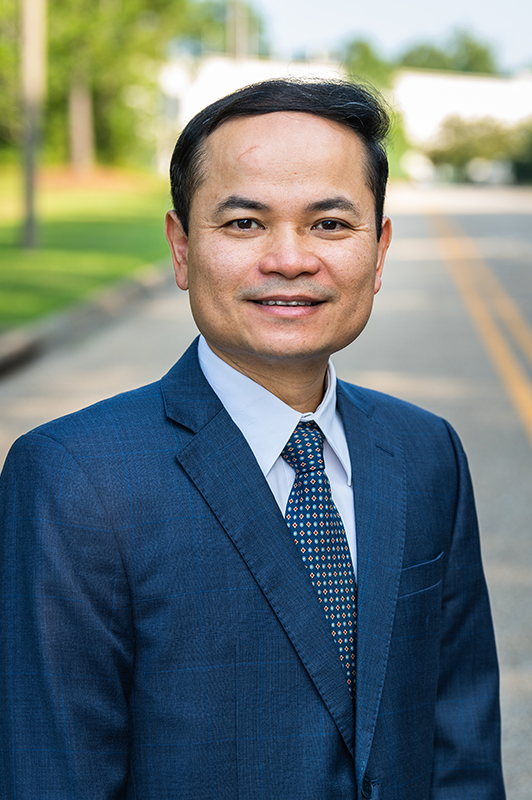
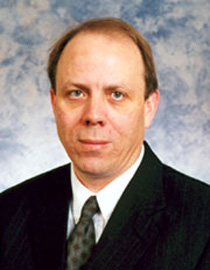
Dr. Young Sub Kwon is a Full Professor in the Department of Kinesiology at Cal Poly Humboldt, affiliated with the School of Applied Health. His research focuses on temperature regulation in high-intensity exercise physiology, virtual exercise laboratories, and fitness assessments for first responders. He holds a Ph.D. in Sports & Exercise Science from the University of New Mexico and has pioneered studies on cooling technologies for military and athletic applications, widely covered by major media outlets like NBC and the Wall Street Journal. Dr. Kwon teaches graduate courses including Exercise Testing and Physiology of Exercise. He has developed innovative virtual labs to enhance accessibility in exercise science education and co-authored a textbook on Exercise Physiology. His work includes collaborations with local fire departments and law enforcement to create fitness programs, involving over 20 students in research projects. Over 30 peer-reviewed publications and presentations at international conferences highlight his contributions to firefighter fitness, HIIT optimization, and thermal physiology. He has secured grants including the CSU Faculty-Student Collaborative Research Grant and led projects funded by the College of Professional Studies. His teaching philosophy emphasizes critical thinking, hands-on lab experiences, and student support through certification exam preparation. Dr. Kwon actively mentors students, fostering their academic and professional growth in kinesiology.
Prof. Michele Germani is a Full Professor at the Polytechnic University of Marche, Department of Industrial Engineering and Mathematical Sciences. His research focuses on ergonomics, sustainability, and human-centered design, with particular emphasis on industrial automation, wearable technologies, and circular economy principles. He leads projects on ergonomic risk assessment, environmental impact modeling, and smart manufacturing systems. Academic Background: Holds a position in the Faculty of Engineering, contributing to both teaching and research. His work integrates machine learning, sensor-based systems, and virtual reality to address challenges in manufacturing, healthcare, and sustainable design. Research Interests: Prof. Germani explores topics such as design for disassembly, eco-design tools, and the application of advanced technologies (e.g., exoskeletons, cobots) to enhance workplace safety and efficiency. His studies often bridge engineering and environmental science, aiming to reduce carbon footprints through innovative design methodologies. Key Projects: Development of decision support systems for fall risk detection, sensor-based ergonomic evaluation tools, and frameworks for circular economy implementation. He also investigates the impact of Industry 4.0 technologies on workforce dynamics and operator training via mixed reality simulations. Grants & Collaborations: Engaged in interdisciplinary collaborations focusing on sustainable manufacturing, healthcare technology, and smart systems. His research has led to tools like Durabot for durability analysis and Greenbuild for green building design. Labs & Teams: Oversees labs developing eco-design strategies, human-robot collaboration systems, and ergonomic assessment protocols, with a focus on real-world industrial applications.
Prof. Dr. Joerg Renner serves as a Professor leading the Experimental Geophysics working group at Ruhr University Bochum, specializing in laboratory experiments and field tests primarily conducted in boreholes to empirically derive material laws and develop advanced testing methodologies. His core research encompasses: Hydro-mechanical interaction in geological formations Fluid transport dynamics within subsurface systems Static and dynamic elasticity parameters of rocks Rock strength characterization and scale-dependent property analysis These investigations directly enable petrothermal reservoir development, subsurface fluid/heat storage solutions, and optimized rock mining techniques through drilling and tunneling machinery.
Lisa Duizer serves as Professor and Department Chair in the Department of Food Science at the University of Guelph, where she has been faculty since 2009 after previous appointments at Acadia University's School of Nutrition and Dietetics and Massey University's Institute of Food Nutrition and Human Health. Her research addresses critical challenges in food for aging populations, focusing on sensory properties of foods designed for older adults with dysphagia or malnutrition. Education BASc in Applied Human Nutrition, University of Guelph (1990) MSc in Food Science, University of Guelph (1992) PhD in Food Technology, Massey University (2003) Research Interests Professor Duizer's work centers on sensory science applications for geriatric nutrition, investigating age-related changes in taste and texture perception. She develops evidence-based strategies for improving nutritional quality and acceptability of foods for elderly populations, including pureed food optimization, nutrient fortification techniques, and 'supermenu' development for long-term care settings. Her research integrates human subjects testing with rheological and tribological analysis to establish science-based standards for modified texture foods. Publication Trends Her recent publications (2022-2025) demonstrate expanding interdisciplinary scope, with increasing focus on emotional food responses, space food sensory perception, and plant-based alternatives. The predominant themes involve texture modification for dysphagia management, salt reduction strategies for older adults, and stakeholder-driven interventions for malnutrition in long-term care. This trajectory reflects growing integration of sensory science with healthcare delivery systems and innovative food product development. Scientific Awards No scientific awards were documented in the provided source materials. Advising and Grants Lisa Duizer mentors graduate students with rigorous emphasis on ethical conduct in human subjects research, requiring comprehensive understanding of participant interaction protocols. Her students from nutrition and food science backgrounds have pursued careers as registered dietitians, food product developers in multinational corporations, and research scientists. Her work with the Agri-Food for Healthy Aging group and University Health Network affiliation indicates substantial grant funding from health and agriculture sectors for projects targeting malnutrition intervention in aging populations. Labs and Teams She leads sensory evaluation laboratories within the Department of Food Science and serves as Research Scientist for the Agri-Food for Healthy Aging initiative. Her collaborative network includes the University Health Network, Ontario Ministry of Health and Long-Term Care, long-term care home operators, food distributors, and agricultural producers, facilitating translational research from laboratory to institutional meal service implementation.
Frances O'Donnell is an Associate Professor in the Department of Civil and Environmental Engineering at Auburn University, where she leads the Auburn Ecohydrology Lab. Her research focuses on ecohydrology, emphasizing vegetation-water cycle interactions, stormwater management, and ecosystem restoration with applications in geographically isolated wetlands and transportation infrastructure resilience. Education: Ph.D. in Civil and Environmental Engineering, Princeton University B.A. in Organismic and Evolutionary Biology, Harvard University Research Interests: Dr. O'Donnell investigates soil moisture dynamics and evapotranspiration processes to develop green infrastructure solutions for stormwater management. Her work integrates field measurements, hydrological modeling, and remote sensing to quantify ecosystem services of wetlands and improve climate resilience in water systems. Key projects examine forest restoration impacts on groundwater and sustainable practices for agricultural pollution mitigation. Publication Trends: Recent publications (2023-2025) reveal three dominant themes: landslide prediction along Alabama highways using soil moisture thresholds, sediment/nutrient dynamics in agricultural wetlands under climate change, and cost-optimization tools for green infrastructure. International collaborations in Haiti address drinking water accessibility, while Arizona watershed studies analyze forest management effects on water balance. Scientific Awards and Grants: NASA Research Grant for Geographically Isolated Wetlands USDA-NIFA Foundational and Applied Science Program Grant ($500,000) Advising and Collaborations: Dr. O'Donnell mentors graduate students through thesis research with real-world applications, including permeable pavement design tools and UAV-based water quality monitoring. She collaborates with NASA, USDA, and NOAA on federal projects, and her students publish in journals like Water Environment Research while securing positions at Virginia Tech and Geosyntec Consultants. Laboratory: The Auburn Ecohydrology Lab conducts field experiments in Alabama watersheds and Haiti, utilizing sensor networks, hydrological models, and drone technology to advance understanding of water-ecosystem interactions for sustainable infrastructure planning.
Nam Tran is a Research Professor and Assistant Director of the National Center for Asphalt Technology (NCAT) at Auburn University. He holds a Ph.D. in Engineering from the University of Arkansas, along with an M.S. and B.S. in Engineering from the University of Arkansas and the National University of Civil Engineering, respectively. His research focuses on asphalt technology, pavement durability, recycled materials, and sustainable infrastructure solutions. Tran’s work emphasizes improving pavement performance through advanced material science and environmental sustainability. He has contributed to projects such as the Alabama Transportation Conference and initiatives like the STEP-UC program, which enhances pedestrian safety in underserved communities. His research spans asphalt mixture design, emissions quantification, and lifecycle assessment of transportation infrastructure. Key Research Areas: Recycled binder utilization, polymer-modified asphalt, pavement durability, and sustainable materials. Notable Projects: Development of guidelines for asphalt binder selection, durability testing of open-graded friction courses, and lifecycle analysis of construction practices. Affiliations: Auburn University’s National Center for Asphalt Technology (NCAT) and Auburn University Transportation Research Institute (AUTRI).
Peter Avitabile is a Research Professor in the Mechanical and Aerospace Engineering Department at Michigan Technological University and a Professor Emeritus at the University of Massachusetts Lowell. With nearly five decades of experience, his expertise spans structural dynamics, vibrations, and modal analysis. He has contributed over 350 technical papers and authored Modal Testing: A Practitioner’s Guide . Dr. Avitabile holds a DEng from UMass Lowell and has led the Structural Dynamics and Acoustic Systems Laboratory. He is a Fellow of the Society for Experimental Mechanics (SEM) and served as its President in 2016. Education: DEng, Mechanical Engineering, University of Massachusetts Lowell (1998) MS, Mechanical Engineering, University of Rhode Island (1982) BS, Mechanical Engineering, Manhattan College (1974) Research Interests: Structural dynamic modeling techniques, experimental modal analysis, system modeling, reduced order modeling, and model correlation. Awards: SEM DeMichele Award (2004) Fellow, Society for Experimental Mechanics (2022) UMASS Lowell Pillars of Excellence Award (2016) Grants & Funding: Over $9.3 million in research funding since 2000, alongside substantial hardware/software donations. His work has been supported by industries and government agencies including NASA, the Department of Energy, and the Navy. Teaching & Mentorship: Taught over 30 semesters of graduate courses in structural dynamics and modal analysis at UMass Lowell. Advised 18 PhD and 19 MS students. Conducted international seminars on structural dynamics for companies like NASA, General Motors, and Siemens. Labs & Affiliations: Co-Director, Structural Dynamics and Acoustic Systems Lab (UMass Lowell) Director, Modal Analysis and Controls Lab (UMass Lowell)
Roland Valdes Jr. is a Tenured Professor at the University of Louisville School of Medicine in the Departments of Pathology and Laboratory Medicine and Biochemistry and Molecular Biology. He also serves as Chief of Clinical Chemistry and Toxicology at University Hospital and Director of the Clinical Chemistry Postdoctoral Fellowship Program. A Diplomat of the American Board of Clinical Chemistry and Fellow of the National Academy of Clinical Biochemistry, he has held leadership roles including Senior Vice-Chairman and presidential positions in organizations like the Clinical Ligand Assay Society and the Association of Clinical Scientists. PhD in Molecular Biophysics from University of Virginia Postdoctoral training in Biochemistry and Clinical Chemistry/Toxicology Dr. Valdes' research focuses on clinical chemistry, pharmacogenetics, and precision medicine. He pioneered CLIA-accredited pharmacogenetic diagnostics through PGXL Laboratories, advancing personalized medicine via laboratory innovations. His work spans therapeutic efficiency optimization, anticoagulation management, and pharmacogenetic clinical implementation. Notable publications include: 1997 seminal work on pharmacogenetics in clinical practice (Clin Chem) 1999 exploration of pharmacogenetics in laboratory medicine (Molec Diag) 2012 clinical trial comparing PerMIT anticoagulation management (Thromb Haemost) Scientific awards and recognitions: Diplomat of American Board of Clinical Chemistry Fellow of National Academy of Clinical Biochemistry Distinguished scientist awards from AACC, NACB, CLAS, and ACS Dr. Valdes has chaired federal committees (CLIA, NIH Study Sections), authored 260+ publications, and holds patents in clinical chemistry. He founded PGXL Laboratories, the first CLIA-accredited pharmacogenetic diagnostics lab, and continues developing novel clinical chemistry techniques for precision medicine.
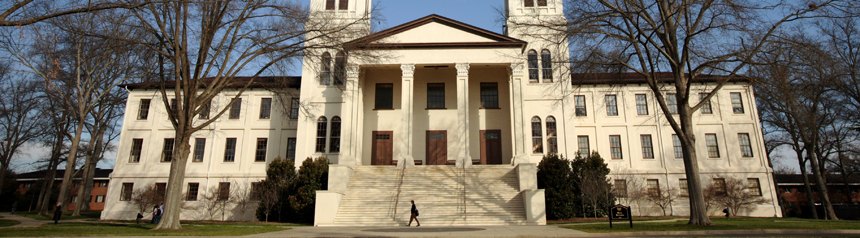
Dr. Katherine Mickley Steinmetz is a Professor in the Department of Psychology at Wofford College, where she directs the Neuroscience of Cognition and Emotion Lab. Her office is located in the R. Milliken Science Center 231D, and she can be reached at (864) 597-4643 or steinmetzkr@wofford.edu. She has established herself as a prominent researcher in emotional memory and cognition through her extensive publication record and laboratory work. Dr. Steinmetz earned her undergraduate degree in Psychology and Neuroscience from Allegheny College, where she participated in the Neuroscience in the Humanities program and completed a thesis on electrophysiological changes caused by learning words in emotional contexts. She then pursued graduate studies at Boston College under Dr. Elizabeth Kensinger, using neuroimaging (fMRI), eye-tracking, electrophysiological, and behavioral techniques to investigate neural mechanisms influencing memory for emotional events. Following this, she completed a post-doctoral fellowship focusing on stress and sleep effects on memory at Boston College and Notre Dame. Her research program focuses on understanding the neuroscience behind how emotional processing influences attention and memory. Dr. Steinmetz combines behavioral testing, event-related potential (ERP) recordings, and salivary hormonal assays to examine both cognitive and neural processes guiding attention toward and memory for emotional information. She is particularly interested in how factors like stress and anxiety modulate these processes. Her work spans multiple domains including emotional memory enhancement, cross-cultural differences in memory, physiological correlates of emotional processing, and the interaction between sleep, stress hormones, and memory consolidation. Analysis of Dr. Steinmetz's publication history reveals consistent focus on emotional memory mechanisms across various contexts. Her research demonstrates how emotional content differentially affects item versus background memory, how stress hormones like cortisol modulate memory processes, and how attentional mechanisms interact with emotional processing. Her methodological approach integrates multiple techniques including ERP, eye-tracking, physiological monitoring, and behavioral paradigms to provide comprehensive insights into emotion-cognition interactions. Dr. Steinmetz has authored numerous peer-reviewed publications in prominent journals including Journal of American College Health, Frontiers in Physiology, Cognition and Emotion, Memory, and Affective Science. She has also contributed book chapters and co-authored the book "How Does Emotion Affect Attention & Memory?" (2010) with Elizabeth A. Kensinger, which reviews behavioral and neuroimaging evidence on emotion's effects on memory and attention in individuals with and without PTSD. As an educator, Dr. Steinmetz has focused on developing effective undergraduate research experiences in cognitive neuroscience. Her work in this area addresses the challenges of preparing students for careers in this interdisciplinary field while maintaining sustainable faculty development. She appears to be actively involved in mentoring undergraduate researchers through her laboratory work at Wofford College. Dr. Steinmetz's Neuroscience of Cognition and Emotion Lab serves as the primary research hub for her investigations. The lab employs multiple methodological approaches to study emotion-cognition interactions, providing students with hands-on research experience in cognitive neuroscience techniques. Her research program demonstrates continuity from her graduate and postdoctoral training while developing its own distinct focus on the interplay between emotional processing, attention, and memory.
Professor Byron Byrne holds the Ørsted/Royal Academy of Engineering Research Chair in Advanced Geotechnical Design at the University of Oxford. He serves as Professor of Engineering Science (Civil Engineering), Fellow of St Catherine's College, and Co-Director of the EPSRC Supergen Offshore Renewable Energy Hub. His career spans academic leadership, industry collaboration, and innovative research in offshore geotechnical engineering. Education: BE(Hons) in Civil Engineering, University of Western Australia BCom in Commerce, University of Western Australia DPhil in Engineering, University of Oxford (Rhodes Scholar) Byron’s research focuses on soil-structure interaction for offshore foundations, particularly monopiles, suction caissons, and jacket piles supporting offshore wind turbines. His work combines experimental field/laboratory testing with theoretical modeling to develop practical design guidance. Key projects include PISA (industry-funded monopile research), ALPACA (chalk foundation studies), and collaborations with Ørsted and TechnipFMC. Current emphasis includes cyclic loading behavior, scour protection, and real-time monitoring applications. His scientific awards include the Crampton Prize (2023), BGA Medal (2022/2020), Fleming Award (2017), and multiple teaching accolades. His supervision spans 13 CDT students and 18+ graduate researchers, with completed projects on topics like pipeline buckling, soil liquefaction, and suction caisson installation. Byron also leads consultancy activities through Oxford University Consulting, working with industry leaders like Ørsted and Arup.
Riccardo Catena is a Professor in Physics at the Department of Physics, Chalmers University of Technology, Sweden. He leads a research group comprising 1 postdoc, 2 PhD students, and 1-4 master students annually. His academic credentials include a 2014 habilitation (venia legendi) from the University of Göttingen and promotion to docent at Chalmers in 2016. He is an elected member of the IUPAP C4 commission on Astroparticle Physics and a founding member of the European Consortium for Astroparticle Theory (EuCAPT). Research focuses on astroparticle physics, intersecting particle physics, astrophysics, and cosmology, with a current emphasis on dark matter. Key interests include modeling dark matter's microscopic properties, predicting observables, and designing experimental tests. His work is funded by the Swedish Research Council and the Knut and Alice Wallenberg Foundation (co-PI). Publications span dark matter detection strategies, material interactions, and theoretical frameworks. Notable projects include studies on graphene detectors, chiral phonons, and liquid xenon observatories. Grants support initiatives like 'Direct Detection of Light Dark Particles' and 'Computational Modeling of Dark Matter-Electron Interactions.' Catena's advisory role includes mentoring students and overseeing interdisciplinary collaborations. His research group actively explores experimental and theoretical advancements in dark matter physics, contributing to global efforts in astroparticle theory and detector innovation.
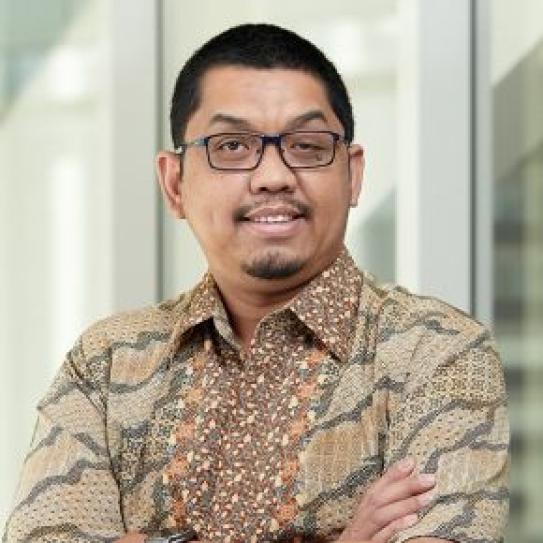
Azhar Zam is an Associate Professor of Bioengineering at NYU Abu Dhabi (NYUAD) and associated faculty at NYU Tandon School of Engineering's Biomedical and Electrical Engineering departments. He holds a B.Sc. from University of Indonesia, M.Sc. from University of Luebeck (Germany), and Ph.D. from Friedrich-Alexander-University Erlangen-Nuremberg (Germany). His research focuses on developing smart optical devices for medical imaging/diagnostics, including laser surgery, OCT, photoacoustics, and AI-driven imaging systems. He leads the Laboratory for Advanced Bio-Photonics and Imaging (LAB-π) at NYUAD and has authored 85+ publications/patents. Education: Bachelor of Science, University of Indonesia M.Sc. Biomedical Engineering, University of Luebeck Ph.D. Engineering, Friedrich-Alexander-University Erlangen-Nuremberg Research Interests: Innovations in biomedical optics, optical-based smart sensors, AI-enhanced diagnostics, and miniaturized medical imaging systems. His work integrates advanced optical technologies with surgical robotics and clinical applications. Professional Contributions: Associate Editor for Frontiers in Photonics Biophotonics section; Reviews Editor for Frontiers in Ophthalmology Retina section. Previously held positions at University of Basel (Assistant Professor), University of Waterloo, and other institutions globally. Labs & Teams: Directs NYUAD's LAB-π lab focusing on bio-photonics innovations. Collaborates across NYU's global network and international partners.
Philip Hemmer is a Professor in the Department of Electrical and Computer Engineering at Texas A&M University, affiliated with the College of Engineering. He holds a Ph.D. in Physics from MIT (1984) and a B.S. from the University of Dayton (1976). His research focuses on quantum optics, nanodiamond-based quantum sensing, and advanced optical materials for applications in quantum computing, biosensing, and thermal imaging. Key areas include solid-state quantum systems, upconversion nanoparticles, and fiber-optic sensor technologies. Dr. Hemmer's work spans interdisciplinary fields such as quantum communication, luminescent thermometry, and nanotechnology. His lab develops novel materials like GeV color centers in diamonds for high-precision sensing and explores applications in medical diagnostics, environmental monitoring, and fundamental physics. Awards include the National Science Foundation Fellowship and multiple AFOSR Star Team Awards. Education: Ph.D., Physics, Massachusetts Institute of Technology, 1984 B.S., University of Dayton, 1976 Awards: National Science Foundation Fellowship Summa Cum Laude, University of Dayton Air Force Research Laboratory Chief Scientist's Award AFOSR Star Team Award (three-time recipient) His recent publications emphasize quantum-enhanced biosensing, nanodiamond engineering, and fiber-optic quantum sensors. Research trends highlight innovations in thermal imaging using diamond defects, multiplexed sensing platforms, and scalable quantum technologies.
Sergio Barbero is an Associate Researcher at the Visual Optics laboratory of the Instituto de Óptica (CSIC), Spain, under the supervision of Prof. Susana Marcos. He holds a BSc in Physics from the University of Zaragoza (1999) and a PhD in Visual Sciences from the University of Valladolid (2004), which earned him the Doctoral Thesis Extraordinary Award (2005). His research focuses on optical aberrations, intraocular lens design, wavefront measurement techniques, and gradient-index modeling of ocular structures. Barbero has collaborated with international groups at Indiana University (USA), University of Houston (USA), and Australian institutions. His work includes pioneering studies on crystalline lens tomography, corneal ablation algorithms, and novel wavefront sensing methods. He has authored 16 peer-reviewed publications and contributed to a US patent on wavefront reconstruction techniques. His research spans three core areas: (1) intraocular lens design using analytical tools, (2) gradient-index modeling of the human eye, and (3) in vivo measurement of crystalline lens aberrations. He has secured grants from the Spanish government (I3P-CSIC), NIH (USA), and Fulbright fellowships. Barbero has presented 33 scientific talks/posters, including invited lectures, and maintains an h-index of 9. His work bridges fundamental optics with clinical applications in ophthalmology.
Jose Miguel Espi Huerta is an Associate Professor in the Department of Electronic Engineering at the School of Engineering, University of Valencia. He is an active researcher in power electronics and control systems, contributing significantly to grid-connected converters, renewable energy integration, and digital control techniques. His research interests include: Power Electronics and Inverter Control Predictive and Robust Control Strategies Renewable Energy Systems (Photovoltaic and Wind) Induction Heating Technologies Remote and Web-Based Educational Labs The analysis of his recent publications reveals a strong focus on improving the efficiency and reliability of grid-connected power converters using advanced control methods such as predictive current control and MPPT strategies. His work spans both industrial applications and academic education, particularly in developing remote laboratory platforms for control systems. Scientific awards and honors: No awards listed in the provided text. He has supervised academic theses and is affiliated with the LEII (Laboratory of Industrial Electronics and Instrumentation) research group. While no formal grants are listed, his extensive publication record indicates sustained research activity. He has contributed to the development of educational tools such as air levitation systems accessible via PLC and web interfaces, promoting innovative teaching methods in engineering education. The LEII research group focuses on industrial electronics, instrumentation, and power systems, providing a collaborative environment for applied research in energy conversion and control technologies.