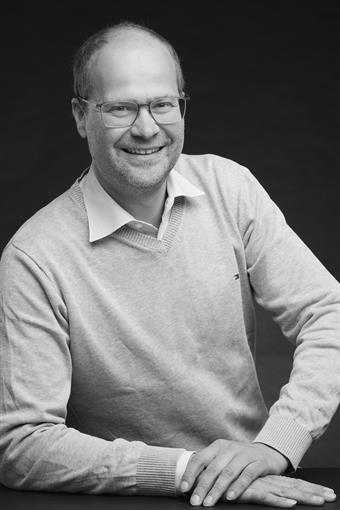
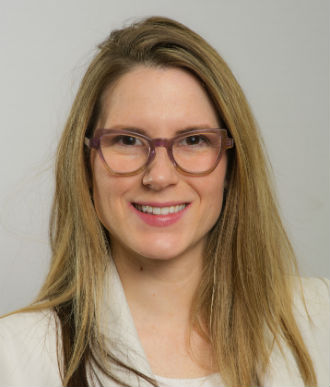
Wojciech Matusik is a Professor of Electrical Engineering and Computer Science at MIT's Computer Science and Artificial Intelligence Laboratory (CSAIL). He leads the Computational Design and Fabrication Group and is a member of the Computer Graphics Group. His research spans computer graphics, robotics, and AI-driven manufacturing, with a focus on computational design, tactile sensing, and material science. Matusik holds a PhD in Computer Science from MIT (2003), an MS from MIT (2001), and a BS from UC Berkeley (1997). His work includes groundbreaking projects like differentiable cloth simulation (DiffCloth), AI-enhanced molecular design, and tactile sensing gloves. He has received prestigious awards such as the MIT TR35 (2004), DARPA Young Faculty Award (2012), and Ruth and Joel Spira Teaching Award (2014). Matusik teaches courses on computer graphics, machine learning, and computational fabrication at MIT. Key research themes include: Robotics: Robotic assembly, tactile interaction, and soft robotics Graphics: 3D holography, procedural material generation Manufacturing: Additive fabrication, topology optimization His recent articles explore AI-driven molecular synthesis, holographic displays, and tactile-enabled VR systems. Matusik collaborates on open-source tools like the WiReSens tactile platform and Simit language for sparse systems.
Andy Pavlo is an Associate Professor with Indefinite Tenure in the Computer Science Department at Carnegie Mellon University's School of Computer Science. He is an active member of the CMU Database Group and the Parallel Data Laboratory, where he leads research in database management systems with a focus on self-driving architectures, transaction processing, and large-scale analytics. His work bridges academic research and industry applications through projects like NoisePage, OtterTune (which he co-founded and served as CEO before it ceased operations), and Peloton. Dr. Pavlo's research interests span database management systems with particular emphasis on autonomous database architectures that can self-tune and optimize without human intervention. His work explores transaction processing systems that can handle high-throughput workloads while maintaining consistency, and large-scale data analytics techniques that efficiently process massive datasets. He has made significant contributions to query optimization, database extensibility, and automatic database tuning using machine learning techniques. His recent work on database extensibility revealed critical issues in PostgreSQL's extension ecosystem, showing that approximately 16% of extensions are incompatible with at least one other extension due to API violations and memory errors. His research output demonstrates a consistent focus on practical database systems challenges, with recent publications examining database extensibility, user-defined function optimization, and the cyclical nature of database research. The articles show a strong trend toward making database systems more autonomous, with increasing integration of machine learning techniques for automatic tuning and optimization. His work often combines deep theoretical analysis with practical implementation in open-source systems. Dijkstra Award 2024 for contributions to database systems research Dr. Pavlo actively mentors graduate students, with current advisees including Wan Shen Lim, William Zhang, and Sam Arch (co-advised with Todd Mowry). His former students have gone on to successful careers in both industry and academia. He has secured significant research funding through CMU's affiliate program with major database companies including ClickHouse, DataStax, dbt, Firebolt, MotherDuck, RelationalAI, SingleStore, Spiral, PingCAP/TiDB, Yellowbrick, and Yugabyte. His research is supported by these industry partnerships and likely includes NSF funding given his active participation in the database research community. At CMU, Dr. Pavlo leads the Database Group and organizes several seminar series including "SQL or Death," "Database Building Blocks," and "ML⇄DB Technical Talks." These seminars bring together researchers and practitioners to discuss cutting-edge developments in database systems. He also runs a summer research internship program that has attracted students for multiple consecutive years, indicating a strong research group with ongoing projects and funding.
Dr. Seyyed Hamed Hosseini Nasab is a Lecturer at the Department of Health Sciences and Technology at ETH Zürich, affiliated with the Institute for Biomechanics and the Laboratory for Movement Biomechanics. His research focuses on biomechanical analysis of musculoskeletal systems, particularly knee mechanics, implant design, and ligament behavior in total knee arthroplasty. He integrates experimental, computational, and clinical approaches to improve surgical techniques and prosthetic design. Key research interests include knee joint loading, ligament elongation patterns, and the influence of implant conformity on post-surgical outcomes. He has contributed to standardized methods for measuring tibiofemoral implant loads and kinematics, earning the European Society of Biomechanics SM Perren Award in 2022. His publications emphasize computational modeling, in vivo testing, and finite element analysis to address challenges in orthopedic engineering. Recent work explores artificial neural networks for real-time knee contact force estimation and the biomechanical implications of surgical procedures like posterior cruciate ligament substitution.
Tanja Käser is a Tenure Track Assistant Professor at EPFL's School of Computer and Communication Sciences (IC), leading the Machine Learning for Education Laboratory (ML4ED). Her interdisciplinary research bridges machine learning, data mining, and educational technology, focusing on personalized learning systems and human behavior modeling. PhD in Computer Science (ETH Zurich, 2015) - honored with Fritz Kutter Award Former Senior Data Scientist at Swiss Data Science Center (ETH Zurich) Postdoctoral Researcher at Stanford University's Graduate School of Education Research Focus Explainable AI for education Adaptive learning environments Behavioral pattern recognition Generative AI applications in pedagogy User modeling and personalization Learning analytics in unstructured settings Recent Publication Trends Her 2024-2023 work demonstrates: Interpretable clustering of learners Transformer-based language learning prediction GAN applications for creative education Teacher-AI collaboration frameworks Explainability validation methods Modular network architectures Scientific Recognition Fritz Kutter Award for best Swiss computer science thesis (2015) Advising & Collaborations Currently supervises multiple PhD students including: Cock Jade Maï L Glandorf Dominik Güres Fatma-Betül Neshaei Seyed Parsa Radmehr Bahar Shibu Abhinand Shved Ekaterina Research Infrastructure Operates from EPFL's ML4ED laboratory with hybrid on-site and digital educational systems research capabilities.
Professor Shaun Gregory is the Director of the Centre for Biomedical Technologies at Queensland University of Technology (QUT), where he also serves as Co-Director of the Artificial Heart Frontiers Program, Founder and Director of the Heart Hackathon student team competition, and Director of the CardioRespiratory Engineering and Technology Laboratory. He holds appointments in the Faculty of Engineering, School of Mechanical, Medical & Process Engineering. His educational background includes Bachelor, Masters (research), and PhD degrees, all awarded by QUT. He also holds both NHMRC and Heart Foundation fellowships, demonstrating his significant contributions to cardiovascular research. Professor Gregory's research applies a translational approach to cardiovascular engineering with a particular focus on devices used to support or replace the heart. His work brings together multidisciplinary teams of engineering, biomedical science, design, and medicine to develop novel technical solutions for clinically relevant problems. His research has changed clinical practice on numerous occasions and assisted with the regulatory approval of medical devices. His areas of interest include mechanical circulatory support, artificial heart development, cardiovascular device engineering, and hemodynamics. His publication portfolio demonstrates a strong focus on extracorporeal membrane oxygenation (ECMO), ventricular assist devices, and cardiovascular device testing. His recent work has explored computational fluid dynamics in blood flow analysis, novel cannula design for circulatory support, and the hemodynamic effects of various cardiovascular devices. His research often bridges engineering principles with clinical applications, resulting in practical innovations in cardiac support technologies. NHMRC Fellowship Heart Foundation Fellowship President-Elect of the International Society for Mechanical Circulatory Support Professor Gregory has successfully secured more than $65 million in research funding and has published over 100 research articles in his field. He is actively involved in mentoring the next generation of researchers, currently accepting Honours, Masters, and PhD students. His CardioRespiratory Engineering and Technology Laboratory serves as a hub for interdisciplinary research that brings together engineering, biomedical science, and clinical expertise to address critical challenges in cardiovascular medicine.
Marcia C. Linn is the Evelyn Lois Corey Professor of Instructional Science in the Berkeley School of Education at the University of California, Berkeley. She serves as Chair of the Graduate Group in Science and Mathematics Education (SESAME) and has made significant contributions to the field of science education for over five decades. Dr. Linn is a member of the National Academy of Education and a Fellow of multiple prestigious organizations including the American Association for the Advancement of Science (AAAS), the American Psychological Association (APA), the Association for Psychological Science (APS), the American Educational Research Association (AERA), and the International Society of the Learning Sciences (ISLS). Dr. Linn earned her B.A. in Psychology and Statistics (1965), M.A. in Educational Psychology (1967), and Ph.D. in Educational Psychology (1970) from Stanford University, where she worked under Lee Cronbach. Her early career included working with Jean Piaget at the Institute Jean Jacques Rousseau in Geneva, Switzerland (1967-68), serving as a Fulbright Professor at the Weizmann Institute of Science in Israel (1983), and conducting research at University College in London. She has been a fellow at the Center for Advanced Study in Behavioral Sciences three times and a Writing Resident at the Rockefeller Foundation Bellagio Center twice. Dr. Linn's research focuses on how students learn science and how technology can be used to improve science education. She developed the Knowledge Integration framework, which has become widely used in science education. Her work explores the intersection of cognitive science and educational practice, with particular attention to how students develop understanding of complex scientific concepts. She has pioneered the use of technology in science education, developing the Web-based Inquiry Science Environment (WISE) and directing the NSF-funded Technology-Enhanced Learning in Science (TELS) center. Dr. Linn's recent publications demonstrate a clear trajectory toward integrating artificial intelligence with science education. Her work increasingly focuses on how AI can support knowledge integration, facilitate science learning opportunities, and promote equitable educational experiences. She examines how technology can help students develop deeper understandings of scientific concepts through inquiry-based learning while addressing issues of social justice in science education. Scientific Awards and Honors National Association for Research in Science Teaching Award for Lifelong Distinguished Contributions to Science Education American Educational Research Association Willystine Goodsell Award Council of Scientific Society Presidents first award for Excellence in Educational Research Fulbright Professor (1983) Apple Wheels for the Mind grant (1985) National Institute of Education grant (1983) Throughout her career, Dr. Linn has secured significant funding for educational research, including multiple National Science Foundation grants. She directed the NSF-funded Technology-Enhanced Learning in Science (TELS) center and has led numerous projects investigating the cognitive consequences of computer environments for learning. She has advised countless students and researchers in the field of science education, shaping the next generation of educational researchers and practitioners. Dr. Linn directs the Web-based Inquiry Science Environment (WISE) project and has been instrumental in developing technology-enhanced learning environments for science education. Her laboratory has been at the forefront of creating and testing innovative learning technologies that support students in developing deep understanding of scientific concepts through inquiry-based approaches.
Prof. Tibor Neugebauer is a Full Professor of Finance at the University of Luxembourg’s Faculty of Law, Economics and Finance (FDEF), Department of Finance. He holds a Doctorate in Economics from the University of Valencia (2000) and professional qualifications from Hannover, with prior academic positions at institutions including York, Kiel, Hannover, and research stays at Lisbon, Bari, Valencia, and Rome. His research focuses on Experimental Finance and Economics, particularly behavioral finance, asset markets, auctions, and decision-making under uncertainty. He designs laboratory experiments to analyze markets, strategic interactions, and algorithm-human dynamics, with recent emphasis on algorithmic trading and market regulations. Education: Doctor of Economics, University of Valencia (2000) Master of Science in Economics, University of Alicante (1997) Bachelor’s in Economics, University of Bonn (1994) Professional Qualification in Economics, University of Hannover (2006) Research Interests: Prof. Neugebauer’s work examines institutional and informational structures’ impact on market outcomes, including fairness in co-determination, communication effects in asset markets, and algorithmic arbitrage. His experiments explore human behavior in complex environments, such as speculative asset trading and regulatory interventions. He has pioneered studies on algorithmic trading’s role in experimental markets, combining theoretical models with empirical behavioral insights. Key Contributions: His research addresses topics like margin trading regulations, Modigliani-Miller theorem validity in experimental settings, and the ‘greater fool’ phenomenon. Recent studies emphasize algorithmic-human interaction dynamics, market efficiency under varying mechanisms, and the implications of wash trading. Awards & Grants: No specific awards listed, but his extensive publication record reflects sustained recognition in experimental finance. Grants and collaborations likely relate to his research on market design and behavioral finance. Labs/Teams: Active in the FDEF’s finance research group, contributing to Luxembourg’s international reputation in experimental economics and finance. Collaborates with global institutions on algorithmic trading and market dynamics.
Marguerite M. Pinto, MBBS, serves as a Clinical Assistant Professor in the Department of Pathology at Yale School of Medicine. With decades of experience in cytopathology, Dr. Pinto specializes in diagnosing diseases through cellular examination of tissue samples, with particular expertise in fine needle aspiration techniques and cytologic diagnosis. She has maintained a strong clinical focus throughout her career, emphasizing the importance of accurate diagnosis to avoid unnecessary patient testing and biopsies. Dr. Pinto's educational background includes: MBBS from St. John's Medical College (1969) Residency at Bridgeport Hospital (1975) Fellowship at Children's Hospital of Philadelphia (1976) Fellowship at Milton S. Hershey Medical Center (1977) Her research focuses on improving diagnostic accuracy in cytopathology, particularly through the application of biomarker testing in fine needle aspirates. Dr. Pinto has specialized interest in clinical research involving small case series to develop practical diagnostic methods applicable in any laboratory setting. Her work has contributed significantly to the understanding of tumor markers like carcinoembryonic antigen (CEA) and CA-125 in the diagnosis of various cancers, with particular applications in breast, gynecologic, pancreatic, and pulmonary pathologies. She approaches diagnostic pathology with the philosophy that accuracy directly impacts patient care quality, minimizing unnecessary procedures while ensuring definitive diagnoses. Dr. Pinto's publication record from 1991-1997 demonstrates a focused research trajectory examining how tumor markers can enhance traditional cytologic diagnosis. Her work consistently explored the diagnostic value of CEA and CA-125 across multiple organ systems, establishing evidence for their practical application in fine needle aspiration biopsies. This research has contributed to standardized protocols for using these biomarkers as diagnostic adjuncts in cytopathology. Her professional recognition includes: American Cancer Award (April 14, 2009) Dr. Pinto maintains active clinical practice at Yale Medicine, where she applies her expertise in cytopathology to patient care. Her professional legacy extends beyond her own work, as she comes from a multi-generational medical family - her father was a medical school dean, and her daughter graduated from Yale School of Medicine to become a transplant cardiologist, continuing the family tradition. Dr. Pinto has been affiliated with the Norma Pfriem Cancer Center at Bridgeport Hospital from 1997-2012, contributing her cytopathology expertise to cancer diagnosis and treatment.
Dr. Joshua Brinkerhoff is an Associate Professor in Mechanical Engineering at the University of British Columbia Okanagan Campus. He serves as the Associate Director for Research & Industrial Partnerships in the School of Engineering and leads the UBC-Okanagan Computational Fluid Dynamics Laboratory. His research spans computational fluid dynamics, turbomachinery, multiphase flows, hydrogen safety, wind energy, and biofluid mechanics. He teaches courses in mechanics of materials, alternative energy systems, turbulence, computational fluid dynamics, and aircraft design. PhD, Aerospace Engineering (Carleton University, Ottawa, ON) BEng, Aerospace Engineering (Carleton University) Dr. Brinkerhoff’s research interests include: Computational Fluid Dynamics (CFD) for laminar-to-turbulent transition and instability analysis Wind energy systems and turbine aerodynamics Hydrogen storage and safety protocols for transportation Biofluid mechanics for respiratory diseases and aneurysm modeling Multiphase flows in industrial and environmental contexts His publications focus on CFD simulations for: Aerosol dispersion and mitigation in indoor environments Wind farm interactions and atmospheric gravity waves Cavitation and phase transitions in cryogenic and LNG systems Heat transfer optimization in industrial and thermal systems Instability dynamics in buoyancy-driven and swept flows Turbulent structures in fluidized beds and reactors Dr. Brinkerhoff has no listed scientific awards in the provided data but has extensive contributions to renewable energy, hydrogen safety, and medical fluid dynamics. His laboratory develops open-source tools like TOSCA for large-eddy simulations and investigates practical applications in urban air quality, dental aerosol control, and turbine wake modeling.
Dr. Anna Bobak is a Senior Lecturer in Psychology at the University of Stirling, UK. She holds a PhD from Bournemouth University (2016) and joined Stirling as a Research Assistant on an EPSRC project under Peter Hancock before transitioning to her current role. Her primary research focuses on individual differences in unfamiliar face recognition, particularly developmental prosopagnosia, and the reliability of face-processing assessments. She also investigates neurodiversity in women, emphasizing lived experiences of autism and ADHD, including camouflaging behaviors and societal awareness. Research Interests: Face Recognition: Examines perceptual strategies, diagnostic criteria (e.g., Balanced Integration Score), and technological applications in forensic contexts. Neurodiversity: Explores gender-specific manifestations of autism and ADHD, societal perceptions, and support mechanisms. Cognitive Methodology: Advances psychometric rigor in face-processing studies and critiques measurement validity. Her work bridges theoretical research and real-world applications, such as evaluating automated face recognition technology’s biases and collaborating on initiatives like #ScienceForUkraine to aid displaced academics. She is affiliated with the Cognition in Complex Environments research group and contributes to global security and resilience themes at Stirling.
Prof. Dr.-Ing. Ralf Beck serves as Professor for Control and Regulation Technology and Automation Technology at Hochschule Düsseldorf University of Applied Sciences within the Faculty of Electrical Engineering & Information Technology. His academic responsibilities span multiple degree programs including BEng Electrical Engineering, BEng Industrial Engineering, and MSc Electrical Engineering and Information Technology. His educational background includes Mechanical Engineering studies at TU Braunschweig (1998-2004), followed by doctoral research at RWTH Aachen's Institute of Control Engineering where he earned his Dr.-Ing. in 2010 with a dissertation on predictive energy management for hybrid vehicles. Prior to his current professorship, he held progressive roles at FEV Europe GmbH from 2009-2018, culminating as Senior Project Manager for Vehicle and Powertrain Electronics. Beck's research focuses on control engineering systems with particular emphasis on automation technology, regulation systems, and model-based development approaches. His work bridges theoretical control methodologies with practical automotive applications, especially in hybrid vehicle energy management, multi-robot systems, and intelligent air path control. The Modellfabrik Fab21 serves as his primary experimental platform for model-based development applications. His publication record since 2005 demonstrates consistent contributions to control engineering, particularly in hybrid vehicle systems, emission control optimization, and calibration methodologies. Recent work shows increasing focus on distributed robotics and intelligent transportation systems, reflecting evolving research directions while maintaining core expertise in control theory applications. As an educator, Beck teaches foundational and advanced courses including Electrical Engineering III, Control and Regulation Technology, Model-Based Development, Technical Mechanics, and Advanced Control Engineering at the Master's level. His teaching integrates theoretical concepts with practical laboratory applications through the university's Moodle platform, emphasizing hands-on implementation of control algorithms and system modeling techniques.
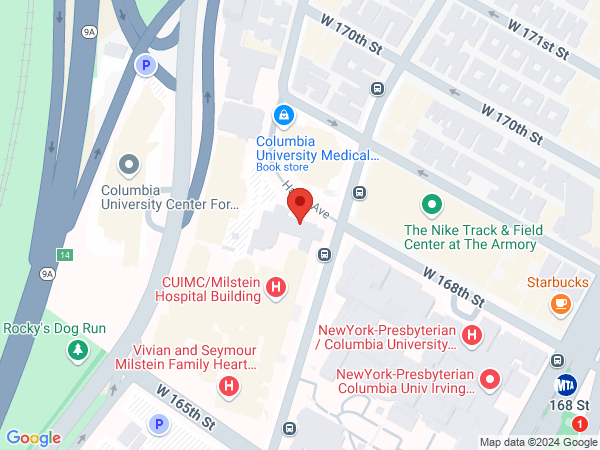
Dr. Kiran T. Thakur serves as the Herbert Irving Associate Professor of Neurology at Columbia University Irving Medical Center and practices as an inpatient neurologist at NewYork-Presbyterian/CUIMC. Her clinical expertise spans neuroinfectious diseases, neuroimmunology, emergency neurology, and global health, with active clinical and research engagements across eight countries in Africa, Southeast Asia, and the Caribbean. She holds leadership roles including Neurology Clerkship Director at Perdana University Graduate School of Medicine (Malaysia) and serves as a neurology consultant for the World Health Organization. Her educational background includes an MD from Tufts University School of Medicine (2008), internship at Johns Hopkins Hospital's Osler Medical Service, neurology residency at Harvard's Brigham & Women's Hospital (where she served as chief resident), and fellowship in neuroinfectious disease/neuroimmunology at Johns Hopkins Hospital. She is additionally pursuing a Master of Science in clinical trials at the London School of Tropical Medicine and Hygiene. Dr. Thakur's research program focuses on improving detection and management of neuroinfectious diseases in hospital settings, with particular emphasis on vulnerable populations including HIV-positive individuals and immigrants. Her work integrates clinical, translational, and implementation science approaches to address cerebral malaria, tuberculous meningitis, Zika-related complications, and SARS-CoV-2 neurological outcomes. Current projects investigate novel diagnostics for infectious meningoencephalitis, risk factors for neuroinvasive infections, and therapeutic strategies for viral encephalitis. Analysis of her 15 most recent publications reveals consistent focus on neuroinfectious disease epidemiology (particularly in resource-limited settings), diagnostic challenges in immunocompromised patients, and global health implementation strategies. Her work prominently features Zika virus complications, tuberculous meningitis management, and CNS infections in travelers, reflecting her dual expertise in tropical medicine and neuroimmunology. Scientific recognition includes: Lewis P. Rowland Teaching Award (Columbia University, 2016) CDC Nakona Citation Award (2014) Dr. Thakur directs the NIH NINDS K23-funded study on pathogen identification in neurological infections (2018-2023) and leads Columbia's post-doctoral neuroinfectious disease fellowship for physician-scientists from low/middle-income countries. Her research program receives support from the NIH, World Federation of Neurology, and American Academy of Neurology, with implementation studies conducted in collaboration with WHO, PAHO, and CDC. The Thakur Laboratory at Columbia's Neurological Institute coordinates international research networks across Malawi, Vietnam, Bangladesh, Uganda, and the Dominican Republic. Her team conducts clinical trials on antimicrobial dosing, develops diagnostic algorithms for resource-limited settings, and implements training programs to build neuroinfectious disease capacity in underserved regions, with current emphasis on SARS-CoV-2 neurological sequelae and tropical disease management.
Martina Wade is a Researcher in the Department of Epidemiology of Microbial Diseases at Yale School of Public Health. Her work focuses on infectious diseases, particularly malaria and antibiotic resistance, with a global health perspective emphasizing sub-Saharan Africa. She collaborates on projects in Cameroon, Uganda, and Burkina Faso, addressing drug resistance mechanisms, diagnostic innovations, and public health interventions. Her research spans clinical trials (e.g., ivermectin mass drug administration protocols), microbiota analysis in livestock and human populations, and environmental transmission dynamics of pathogens. She has published extensively on malaria treatment efficacy, microbiome disruptions from antibiotic use, and novel diagnostic technologies like photoacoustic detection. Her work bridges laboratory science with field epidemiology, aiming to improve clinical outcomes and public health strategies. Key collaborations include Sunil Parikh, Justin Goodwin, and Fangyong Li, focusing on antimalarial resistance tracking and pediatric infection dynamics. Her laboratory is located at 60 College Street, Ste Room 711, New Haven, CT. Contact: martina.wade@yale.edu.
Elizabeth A. Dubey, MD, is an Associate Professor in the Department of Emergency Medicine at Wayne State University School of Medicine and serves as the Residency Director at Detroit Receiving Hospital. She is an attending physician with the Medical Center Emergency Services at Detroit Medical Center and has held faculty appointments at both Wayne State and Columbia University Medical Center. Education M.D., Wayne State University, 2004–2008 Bachelor of Science (Cell and Molecular Biology), University of Michigan, 2000–2004 Residency in Emergency Medicine, Jacobi/Montefiore EM Training Program, Albert Einstein College of Medicine, 2008–2012 Research Interests Dr. Dubey’s scholarly work focuses on emergency cardiology diagnostics, specifically the utility of electrocardiography in detecting left ventricular hypertrophy among asymptomatic hypertensive patients presenting to the ED. She has also investigated the safety and efficacy profiles of intravenous combination sedatives used in emergency procedural sedation. Her broader interests span acute care pharmacology, medical toxicology, and innovative methods for clinical education and simulation-based training of residents and medical students. Publications Overview Her recent peer-reviewed publications (2013–2014) address pressing ED issues: one examines ECG-based screening for cardiac end-organ damage in hypertensive patients, while the other evaluates sedation protocols to optimize patient safety and procedural efficiency. These works collectively highlight her commitment to evidence-based emergency practice and translational research that directly impacts bedside care. Teaching & Mentorship Dr. Dubey is deeply invested in medical education. She directs mock oral-board preparation sessions, coordinates intern reports, and serves as faculty advisor for medical students. She has led international medical missions (e.g., Nicaragua 2016) and mentors residents in scholarly activity and lecture development. At Columbia, she precepted clinical skills tutorials and lectured in the EM sub-internship. Professional Service & Societies Alternate Councilor, American Academy of Women Emergency Physicians (AAWEP), ACEP Member, ACEP Education Committee – Online Education Subcommittee Member, SAEM Resident and Student Advisory Committee WSUSOM CME Dean’s Council Active member: American College of Emergency Physicians, Society for Academic Emergency Medicine, American Academy of Emergency Medicine Laboratory & Clinical Teams She leads educational initiatives within the Detroit Receiving Hospital Emergency Medicine residency program and collaborates with multidisciplinary teams across Detroit Medical Center to enhance patient care quality and resident training experiences.
Robert T. Tranquillo serves as a Distinguished McKnight University Professor in the Department of Biomedical Engineering at the University of Minnesota's College of Science and Engineering. His research focuses on developing biologically-engineered vascular grafts, heart valves, and vein valves using tissue engineering approaches. Notably, his lab has demonstrated that their engineered material, produced by skin cells (fibroblasts), has the capacity to grow, which may transform the treatment of pediatric congenital heart defects. Tranquillo's research interests center on cardiovascular tissue engineering, particularly the development of "off-the-shelf" vascular grafts and heart valves. His lab fabricates tissue-equivalents by entrapping fibroblasts in fibrin gel and constraining cell-mediated gel compaction to create aligned fibrin structures. Using bioreactors, they stimulate cells to replace aligned fibrin with collagenous matrix, creating tubes suitable for surgical implantation. Upon decellularization, these become non-immunogenic replacements that support host recellularization and growth. His current work focuses on transcatheter heart valves and vein valves, combining engineered matrix tubes with stent technology, and conferring hemocompatibility using stem cell and small molecule strategies. A key aspect of his research investigates contact guidance—the ability of cells to sense and align with fibers—which is crucial for creating tissues with prescribed alignment. His publication record shows consistent output in top journals including Nature Communications, Science Translational Medicine, and PNAS, with recent work focusing on contact guidance mechanisms, pediatric valve conduits, and transcatheter valve development. His research demonstrates a clear trajectory from fundamental biomechanics to translational applications in cardiovascular medicine. Distinguished McKnight University Professor (prestigious University of Minnesota honor) Tranquillo has mentored over 40 PhD students and postdocs who have gone on to prominent positions in academia (professors at UCLA, Rutgers, Penn State), industry (Medtronic, Abbott, Boston Scientific), and government (NSF, NRO). His lab has received substantial research funding supporting their work on tissue-engineered cardiovascular replacements. The Tranquillo Research Group maintains an active website detailing their current projects and methodologies. The Tranquillo Research Group operates within the Department of Biomedical Engineering at the University of Minnesota, with laboratory facilities focused on tissue engineering, biomechanics, and cardiovascular device development. Their work bridges fundamental cell-matrix interactions with translational applications for cardiovascular disease treatment.