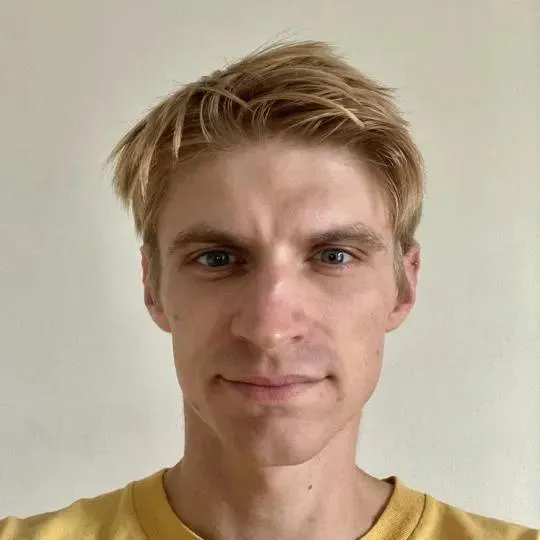
Max Koch is a Professor at Lund University's School of Social Work, specializing in the intersection of social policy, ecological sustainability, and postgrowth theories. His research explores how capitalist restructuring impacts welfare, inequality, and climate action, with a focus on sustainable welfare systems and degrowth. Current projects: 'Economic Elites in the Climate Change Transformation' (PI, 2023-2028), 'Regulating the Polluter Elite' (2024-2027), 'FLYWELL' (2023-2026). Former projects: 'Postgrowth Welfare Systems' (2021-2025), 'Sustainable Welfare for a New Generation' (2020-2023). He teaches political economy, social inequality, and ecological sustainability at Lund University, directing the 'Social Policy in Europe' course. As a Visiting Scholar, he has collaborated with institutions in Spain, the Netherlands, Scotland, and Chile. His work contributes to UN Sustainable Development Goals (SDGs) related to climate action and reduced inequalities. Scientific award: Atlas Prize (2019) for degrowth research. Editorial roles: Environmental Values, advisory boards for ORSI and Collorative Future Making. Recent publications analyze planetary boundaries, postgrowth welfare models, and climate policy synergies. His research emphasizes interdisciplinary approaches combining social practices with policy innovation.
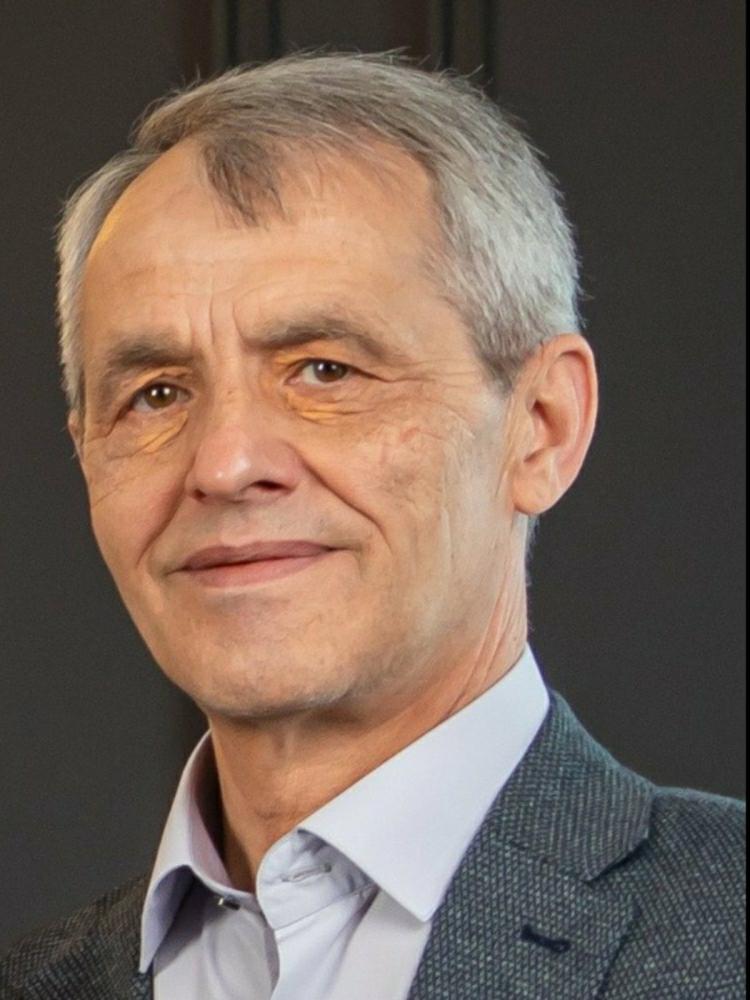
Philippe Aghion is a Professor at the College de France holding the chair in Economics of Institutions, Innovation and Growth, and a Professor at INSEAD. He also serves as a visiting professor at the London School of Economics. His academic work has established him as a leading figure in growth economics, particularly through his development of the Schumpeterian Growth paradigm. Professor Aghion's research focuses on the economics of growth, innovation, productivity, and income mobility. He has pioneered the Schumpeterian Growth theory with Peter Howitt, which examines economic growth through the lens of "creative destruction" - where innovation drives progress by replacing outdated technologies and business models. His work analyzes the design of growth policies, the role of competition and industrial policy, the relationship between innovation and inequality, and solutions to the "secular stagnation" observed in developed economies. A recurring theme in his research is understanding how institutions shape innovation and growth dynamics. The analysis of his recent publications reveals a strong focus on innovation economics, environmental sustainability, and the relationship between technological change and economic outcomes. His work spans theoretical developments in growth models and empirical investigations using firm-level data, particularly from France. Key trends include examining how market competition affects innovation, the dynamics of green technology adoption, the impact of globalization on firm behavior, and the relationship between automation and labor markets. His research consistently connects theoretical frameworks with empirical evidence to inform policy design. Professor Aghion has received numerous prestigious awards for his contributions to economics: 2001: Yrjo Jahnsson Award (best European economist under age 45) 2009: John Von Neumann Award March 2020: BBVA "Frontier of Knowledge Award" (shared with Peter Howitt) Fellow of the Econometric Society Fellow of the American Academy of Arts and Sciences As the holder of the Economics of Institutions, Innovation and Growth chair at the College de France (established in 2015), Professor Aghion leads a research team comprising more than twenty researchers. His chair focuses on cutting-edge research examining the economics of innovation, environmental sustainability, productivity dynamics, and household income mobility. His influential books, including "Endogenous Growth Theory" (1998), "The Economics of Growth" (2009), "Competition and Growth" (2006), and "The Power of Creative Destruction" (2021), have shaped the field of growth economics and provided frameworks for understanding modern economic challenges.
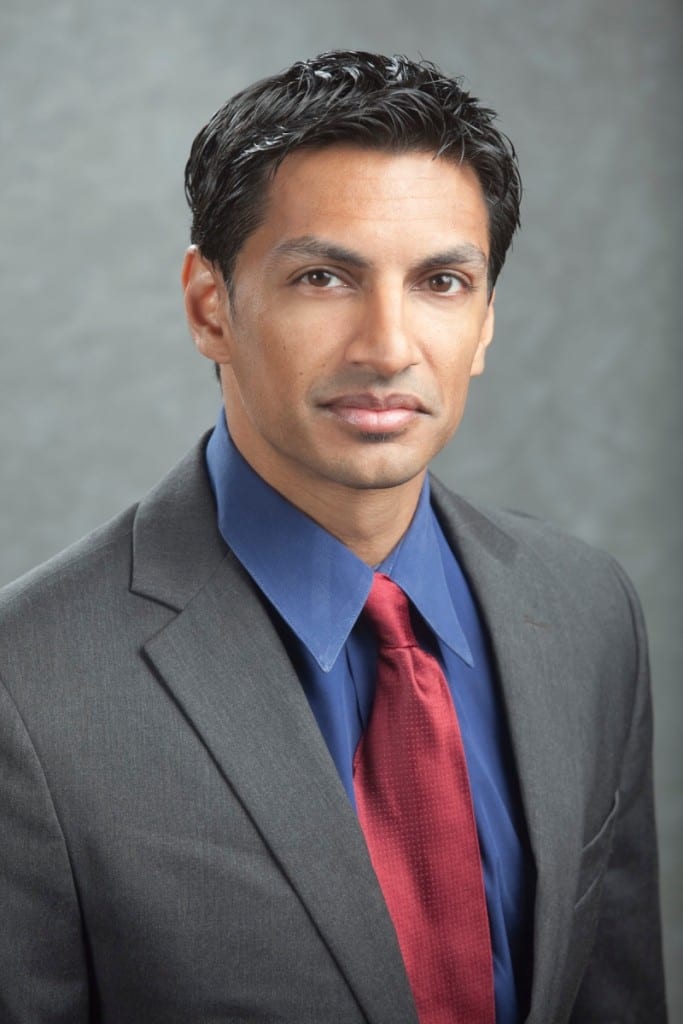
Prasad Krishnamurthy is a Professor of Law at Berkeley Law School, University of California, Berkeley. His work bridges legal institutions, financial regulation, and empirical economic analysis. Education: B.A./M.A. from University of Chicago (1999), J.D. from Yale Law School (2004), M.A./Ph.D. in economics from UC Berkeley (2011). Research focuses on empirical analysis of legal rules, financial regulation, antitrust policy, economic development, and distributive justice. His recent publications examine debt documentation reforms, student loan forgiveness, and merger deregulation impacts. His 2024 articles highlight empirical evaluations of state court reforms (California, Texas, Connecticut) and debates on public banking. Earlier work spans banking deregulation, affirmative action, and Indian public policy.
Matthew Bidwell is a Professor of Management at the Wharton School of Business, University of Pennsylvania . His research focuses on evolving employment relationships, career dynamics, and human resource management in modern labor markets. He serves as faculty co-director of the Wharton People Analytics Initiative and faculty director of the Wharton CHRO Program. Ph.D., MIT Sloan School S.M., Political Science, MIT M. Chem, Oxford Bidwell's research examines international career mobility , managerial contracting , and organizational labor market strategies . His work reveals complex relationships between global mobility and compensation, and analyzes how institutions like search firms shape career trajectories. Recent publications show trends in cross-border employment , executive career progression , and status-driven wage dynamics . His studies utilize longitudinal datasets and organizational personnel records to uncover patterns in managerial mobility. Scientific Recognition Wharton Teaching Excellence Award (2020) ASQ Scholarly Contribution Award (2017) John T. Dunlop Outstanding Scholar Award (2014) Sloan Foundation Industry Studies Fellowship (2010-2012) Bidwell has served as Senior Editor at Organization Science and contributes regularly to business media outlets. His teaching emphasizes evidence-based people management through the People Analytics course at Wharton.
Cassidy R. Sugimoto is the Tom and Marie Patton Professor and School Chair at the Jimmy and Rosalynn Carter School of Public Policy at Georgia Institute of Technology. She previously held a professorship in Informatics at Indiana University Bloomington (2010–2021) and served as Program Director for the Science of Science and Innovation Policy at the National Science Foundation (2018–2020). Her research focuses on knowledge production systems, equity in STEM, scientific collaboration dynamics, and research evaluation metrics. She holds degrees from the University of North Carolina at Chapel Hill including a B.Mus. in Music Performance, M.S. in Library Science, and Ph.D. in Information and Library Science. Research interests include: Structural inequities in science and technology Ethical authorship practices Global scientific collaboration patterns Open science initiatives Gender and diversity in academic careers Notable awards include the 2020 Bicentennial Service Award from Indiana University and 2014 Trustees Teaching Award. Her recent work examines intersectional disparities in science, AI ethics, and systemic barriers to equity in academic publishing. Key contributions include co-authoring Equity for Women in Science (2023) and foundational scholarship on alternative metrics beyond citation counts. She advises on science policy matters related to institutional equity and open access publishing.
Marco Brogna is an Associate Professor of Economic Geography at the Department of Methods and Models for Economy, Territory, and Finance at Sapienza University of Rome. He has been serving in this capacity since March 2007, following his position as a Confirmed Researcher of Economic Geography from 2001 to 2007. His academic work is deeply rooted in the Faculty of Economics, where he has held significant administrative roles including Delegate of the Dean for Teaching and President of the Coordination Committee for Degree Programs. Professor Brogna's research interests span Tourism Development , Sustainable Tourism , Local Economic Development , Economic Geography , Territorial Planning , and Accessible Tourism . His work consistently focuses on the intersection between tourism, regional development, and sustainable practices. He has particular expertise in analyzing tourism dynamics in the Lazio region and Rome, examining how tourism impacts local economies and how territories can be developed to maximize tourism potential while maintaining sustainability. His recent publications reveal a clear trend toward analyzing post-pandemic tourism recovery, sustainable development models, and the evolving relationship between tourism and local communities. His research demonstrates a progression from traditional tourism studies toward more complex analyses of tourism's role in territorial development, with increasing focus on digital influences, accessibility, and sustainable practices. His work spans both theoretical frameworks and practical applications, often using case studies from Rome and the Lazio region to illustrate broader principles of tourism development. Professor Brogna has been actively involved in thesis supervision for undergraduate and graduate students, encouraging students to apply one semester before their expected completion date. He has led numerous research projects funded by the Lazio Region, including innovative research on tourist industry management, tourism training, and sustainable tourism development. His most significant projects include being responsible for the 2021 research on 'Innovative Management of the Tourist Industry' and the 2020 National Report on Open-Air Tourism. Professor Brogna has also been instrumental in organizing academic events, including the 'Giovedì del Turismo' conference series at Sapienza University since 2015, as well as numerous other conferences on tourism development, sustainable tourism, and territorial planning. His work extends beyond academia into practical applications through his involvement with Rome's strategic tourism planning and various governmental advisory roles.
Alberto Brugnoli is a Full Professor in Applied Economics at the University of Bergamo, Italy, where he has served since 2020. He holds the UNESCO Chair on Human Rights, International Cooperation and Sustainable Development and serves as Delegate for International Cooperation in Developing Countries at the University of Bergamo. His academic career spans over 30 years with progressive appointments from Researcher to Full Professor. Brugnoli's research focuses on International Development Cooperation, Sustainable Development, Local Development, Regional Governance and Policy, Migration, Municipal Financing, and Trade. His work demonstrates a strong international dimension through collaborations with institutions like Fundação Getulio Vargas (Brazil), McGill University (Canada), OECD, and the European Commission. His recent publications show a clear trajectory toward sustainability, decarbonization, and economic transition topics. His research output reveals a progression from traditional economic policy topics toward contemporary challenges of sustainability, climate change, and social development. The most recent publications (2022-2025) predominantly address decarbonization, sustainable economic transitions, and regional development strategies, reflecting current global economic policy priorities. Award by the Scientific Committee of the First Report on Finance of the Rosselli Foundation (2012) Award by the NATO Assistant Secretary General for Public Diplomacy (2009) Recognition from Università Bocconi for editorial contributions (1999) Brugnoli has advised numerous international research projects and has extensive teaching experience in Development Economics, Regional Economics, and International Cooperation. His leadership extends to serving as President of the Master's Degree Program in Human Rights, Migration and International Cooperation (2018-2022) and various delegate roles at the University of Bergamo.
Ju Hui Judy Han is an Associate Professor in Gender Studies at the University of California, Los Angeles, with additional affiliations at the Center for Korean Studies, Center for the Study of Women, and Asia Pacific Center. Her office is located in 1117 Rolfe Hall at UCLA. As a cultural geographer, Professor Han is committed to building critical and transnational conversations concerning gender, sexuality, and activism, regularly contributing to community-based projects and public events both on campus and beyond. Professor Han received her Ph.D. in Geography from UC Berkeley and her B.A. in English and Women's Studies from UC Berkeley. Her educational background bridges humanities and social sciences, providing a strong foundation for her interdisciplinary research. Her research interests span (Im)mobilities, Religion and difference, conservatism, LGBTQ/queer politics and activism, Comics and graphic novels, Korean studies, and Cultural geography. Professor Han approaches these topics through a critical lens that emphasizes transnational perspectives, particularly focusing on South Korea and the Korean diaspora. Her work often examines how power operates through spatial arrangements and how marginalized communities navigate and resist dominant structures. She has developed innovative approaches to studying activism through comics and graphic nonfiction, creating accessible yet theoretically rich analyses of complex social phenomena. Professor Han's publications reveal consistent engagement with queer politics in South Korea, religious movements, and transnational activism. Her work shows a progression from analyzing specific case studies to developing broader theoretical frameworks about resistance, solidarity, and spatial politics. The recurring themes across her publications include the intersection of religion and queer politics, the spatial dimensions of activism, and the transnational connections between social movements. UCLA Center for the Study of Women/Barbra Streisand Center, inaugural Barbra Streisand Fellowship on Truth in the Public Sphere Podcast Support Grant, University of California Humanities Research Institute (UCHRI), 2021-22 Society of Hellman Fellows Award, UCLA, 2021-22 UCLA Faculty Career Development Award, 2018-2019 Co-Applicant, 'Protesting Publics in South Korea,' SSHRC Insight Grant (PI: Jennifer Jihye Chun), 2015-2020 Co-Investigator, 'Urban Aspirations in Seoul: Religion and Megacities in Comparative Studies,' Max Planck Institute, 2011-2017 Professor Han actively contributes to public discourse through media appearances and community engagement. She has received significant research funding supporting her work on South Korean protest movements and urban religious dynamics. Her teaching portfolio is diverse, including the Gender Studies undergraduate core class on power (102), senior capstone seminars (187), elective courses on transnational feminist politics (131) and comics and graphic nonfiction (185), as well as graduate seminars on feminist geographies, queer temporalities, and research design.
Marta Veljkovic is a Lecturer and permanent academic member affiliated with Sorbonne University, specializing in sociology with a focus on social inequalities, intragenerational mobility, class and wage trajectories, and gender disparities. She earned her Doctorate in Sociology from Sciences Po, Paris, and the National Institute of Demographic Studies (Ined) between 2018 and 2022, following a Master of Research in Sociology from Sciences Po (2016–2018) and a Bachelor of Sociology from the University of Belgrade (2012–2016). Her academic work is deeply rooted in quantitative methods and large-scale empirical analysis of career dynamics in France. Her research interests include: Social inequalities and stratification Intragenerational mobility and career trajectories Class and wage mobility Gender inequalities in professional advancement The subjective experience of social mobility Quantitative methodologies in sociological research The trends in her recent publications reveal a consistent focus on analyzing long-term shifts in career mobility in France, particularly how class barriers persist despite increased fluidity in job transitions. Using data from the Formation-Qualification Professionnelle survey and EGP class schema, she investigates both absolute and relative mobility, demonstrating that while career paths have become more complex, structural class boundaries remain resilient. Her work bridges academic sociology and public discourse through contributions to outlets like Pour l’Éco and the Observatory of Inequalities. She holds active responsibilities in the academic community, including: Co-organizer of the Gemass scientific seminar Member of the editorial board of the Sociological Year Marta Veljkovic teaches a wide range of courses at undergraduate and graduate levels, including Theory and Concepts (L1), Sociological Tradition – Contemporary French Sociology (L2), Statistics and Computer Science (L3), and advanced methods such as Quantitative Methods I, Sociology of Inequalities, and Advanced Methodology at the M1 level. She has presented her research at numerous international conferences, including the ISA RC28 Spring Meeting, ECSR, and LIVES colloquia. Although no specific students or scientific awards are listed, her extensive publication record and institutional engagement underscore her growing influence in the field of sociological inequality research. She is involved in collaborative research with scholars such as Nicolas Duvoux, Richard Nennstiel, and Ettore Recchi, and her work is supported by access to major French social science data infrastructures like ELIPSS and Insee surveys. She does not appear to lead a lab, but her participation in Gemass—a joint research unit between CNRS, Sorbonne University, and Sciences Po—positions her within a vibrant interdisciplinary network focused on social mechanisms, networks, and inequalities.
Joel Wolfe is a Professor of History at the University of Massachusetts Amherst, based in Herter Hall. He holds a B.S. from Georgetown University, an M.A. in Latin American Studies from the University of New Mexico, and a Ph.D. in History from the University of Wisconsin–Madison. His research focuses on modern Brazil, Latin American history, and the cultural and political history of baseball and football. Wolfe is the author of three books, including *Working Women, Working Men* (1993) and *Autos and Progress* (2010), with his latest work *Brazil* (2023) examining national history. He is currently writing a book on the history of American football and a project on inter-American trade and culture in the 1920s. Wolfe’s teaching includes courses on modern Latin America, Brazilian history, and the history of baseball and football. His awards include the George R. Brown Prize for Excellence in Teaching (Rice University, 2003–2005) and the Residential First Year Experience Student Choice Award at UMass Amherst. His research integrates themes of labor, modernization, and transnational connections, with a focus on Brazil’s industrialization, populism, and cultural identity. His work bridges economic, social, and cultural history, often exploring how technology, politics, and everyday life shape national narratives. Ongoing projects emphasize the intersection of sport, national identity, and globalization in Latin America and the U.S.
Benjamin Tippet is a Lecturer in Development Economics at the Department of International Development, King's College London, within the School of Global Affairs. He serves as a council member of the Progressive Economy Forum and committee member of the Post-Keynesian Economics Society. His research focuses on wealth and income inequality, global climate action, labor bargaining power, housing cycles, and fiscal policies. He leads a British Academy-funded project analyzing UK wealth concentration through The Sunday Times Rich List archives. His expertise includes quantitative methods like causal identification, macro-econometrics, and agent-based modeling. Key research areas include the political economy of growth models, global capitalism's structural hierarchies, and the interplay between wealth taxation and inequality. He contributes to UN Sustainable Development Goals related to inequality reduction and climate action. Recent work highlights include dynamic analysis of UK wealth taxes, EU excess profit taxation, and vulnerability-climate action linkages. He collaborates with institutions like PEGFA and Greenpeace on policy-oriented research. Teaching focuses on macroeconomics for development and inequality studies. Current projects address global care work migration and housing system impacts on economic growth.
Jessica Brannon-Wranosky is a Professor in the Department of History within the College of Humanities, Social Sciences and Arts at East Texas A&M University. She specializes in women, gender and sexuality history and digital humanities applications, and currently serves as Project Director for the Handbook of Texas Women, a statewide public education initiative of the Texas State Historical Association. Her educational background includes: Ph.D. in History from the University of North Texas M.S. in History from Texas A&M University-Corpus Christi B.S. in Political Science from Texas A&M University-Corpus Christi Dr. Brannon-Wranosky's research centers on 19th-20th century U.S. women's history with regional focus on Texas and the South, examining suffrage movements, gender dynamics, and digital historical methodologies. Her work bridges academic scholarship with public engagement through digital platforms and educational outreach. Her publication portfolio reveals consistent thematic focus on Texan women's historical agency, with recent works emphasizing digital curation of primary sources and intersectional analysis of suffrage activism. The Handbook of Texas Women project exemplifies her commitment to transforming archival materials into accessible public resources. Her scholarly contributions have been recognized with: John H. Jenkins Award (Texas State Historical Association, 2015) Best Article Award (Texas Oral History Association, 2016) Liz Carpenter Award (2016) for co-edited volume Texas Women/American Women As lead investigator for the Handbook of Texas Women project, she directs a multidisciplinary team developing digital infrastructure for statewide historical content, collaborating with museums and educational institutions to produce exhibits like the Bob Bullock Texas History Museum's 2019-2020 suffrage exhibition.
Mary Ann Bronson is an Assistant Professor of Economics at Georgetown University , specializing in Labor Economics and Applied Microeconomics. Her research focuses on gender disparities in labor markets, taxation policy impacts on households, marriage market dynamics, educational choices, and lifecycle decisions. She collaborates frequently with co-authors like Maurizio Mazzocco and Peter Skogman Thoursie. Her work bridges theoretical models and empirical analyses to address questions such as how taxation systems distort labor supply, how cohort size influences marriage rates, and how educational investments are shaped by marriage market risks. Recent contributions include groundbreaking studies on gender wage gaps, parental leave policy design, and the long-term implications of marriage market shifts. Key themes in her research include: Gender Economics: Explaining persistent wage gaps and career trajectories. Public Policy: Evaluating tax systems and family-friendly policies. Demographic Analysis: Cohort effects on marriage and labor supply. Structural Models: Quantifying behavioral responses to policy changes. Scientific Awards: No awards explicitly mentioned in available texts. Advising & Grants: No formal advisee listings or grant details provided in the text.
Mykola Oleksiyovych Zhuravel serves as a Senior Lecturer at Zaporizhia Polytechnic National University within the Department of Occupational Safety and Environmental Protection, part of the Faculty of Construction, Architecture and Design. With over 37 years of service since 1987, he has established himself as a dedicated educator and researcher in occupational safety, civil defense, and environmental protection fields. His research interests span occupational safety, civil defense, environmental safety, life safety, industrial safety, ergonomics, and risk management. Zhuravel's scholarly work consistently addresses practical safety concerns in Ukrainian industrial and educational settings, with a particular focus on regional environmental challenges in Zaporizhzhia. His publications demonstrate a progression from foundational safety principles to contemporary concerns like ecological energy security and digital workplace safety. Analysis of his 15 most recent publications reveals a strong emphasis on practical applications of safety science, with recurring themes in environmental protection, workplace hazard mitigation, and emergency preparedness. His work bridges theoretical safety frameworks with practical implementation strategies, particularly relevant to Ukrainian industrial contexts. Zhuravel maintains active professional development, with numerous certifications through 2024 in occupational safety, civil defense, and academic integrity. He is an associated member of the European Community for Occupational Safety and Health (EUOP register number 13823000211, registered June 12, 2023). As an educator, he teaches multiple safety-related disciplines including Safety of Life of a Specialist with Basics of Labor Protection, Protection of Human Living Environment and Occupational Safety, and Civil Protection and Occupational Safety in Industry. His teaching approach integrates theoretical knowledge with practical safety applications relevant to Ukrainian industrial contexts.
Dr. Xue Dong (Sarah Dong) serves as a Research Fellow at the Arndt-Corden Department of Economics within the Crawford School of Public Policy at the Australian National University. Her work focuses on Indonesian socio-economic development, particularly labor markets, gender equality, and policy interventions in education and business formalization. Education: PhD in Economics from the University of Western Ontario Research Focus: Dr. Dong employs empirical methods including randomized controlled trials to investigate electoral impacts on public spending, financial aid accessibility for low-income students, and microenterprise registration barriers. Her fingerprint analysis reveals 100% concentration on Indonesian contexts with strong emphasis on labor markets (90%) and gender equality (71%). Publication Trends: Recent outputs (2023-2025) demonstrate methodological rigor in causal analysis of policy reforms, with consistent regional specialization in Indonesia. Her work bridges academic research and practical development solutions through partnerships with Indonesian institutions. Project Leadership: As Co-Investigator on three major grants, she examines corporate social responsibility in emerging economies (2022-2026), tax registration for MSMEs (2018-2020), and foreign aid effectiveness (2016-2021). These projects involve multi-institutional collaborations across Australia and Indonesia. Academic Service: Registered to supervise graduate students at ANU, she contributes to gender equality discourse through editorial work including the 2023 ISEAS-Yusof Ishak Institute publication on Indonesian gender dynamics.