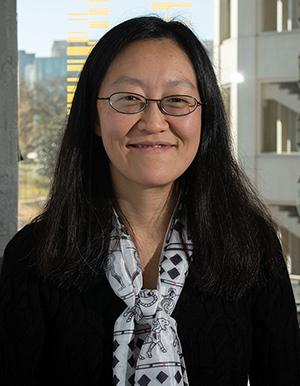
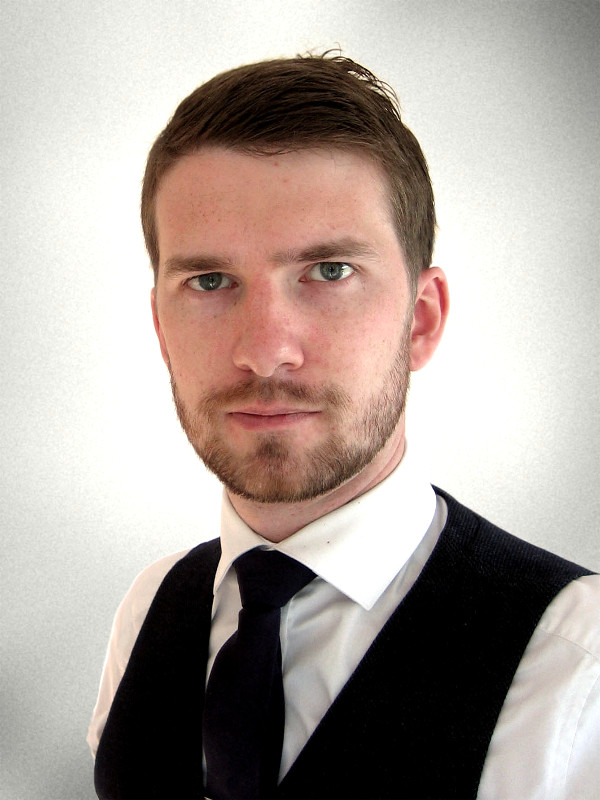
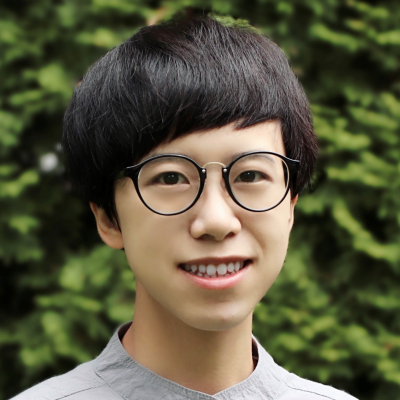
Hao Su is an Associate Professor in the Department of Computer Science and Engineering at University of California, San Diego . He serves as Chairman & CTO of Hillbot Inc , and leads the SU Lab which focuses on building autonomous systems that learn actively in physical environments. His affiliations include the Institute for Learning-enabled Optimization at Scale , Artificial Intelligence Group , Contextual Robotics Institute , Halicioğlu Data Science Institute , and Center for Visual Computing . As a researcher in Computer Vision, Robotics, and Neural Geometry , he has made significant contributions to 3D foundation models, reward-free world models, diffusion policy frameworks, and GPU-accelerated simulation environments. His 2024-2025 publications include advancements in hand-eye calibration, dynamic mesh reconstruction, and multi-stage robotic manipulation. His scientific awards include: Frontiers of Science Award (2025) TPAMI Young Research Award (2025) NSF CAREER Award (2023) ACM SIGGRAPH Best Doctorate Thesis Honorable Mention (2019) He has served as Program Chair for CVPR 2025 and Area Chair for ICLR 2022 and NeurIPS 2023 , while previously serving as Publication Chair for 3DV 2016 and Program Committee for SIGGRAPH Asia Workshops .
Hang Lu is a Professor and holds the Cecil J. "Pete" Silas Chair of Chemical & Biomolecular Engineering at the Georgia Institute of Technology. Dr. Lu also holds a Love Family Professorship and leads the Lµ Fluidics Group, which focuses on engineering microfluidic systems and machine learning tools to address complex questions in neuroscience, developmental biology, and cell biology that are difficult to address with conventional techniques. Dr. Lu's research lies at the intersection of engineering and biology, with primary interests including: Microfluidic systems for high-throughput screens and image-based genetics and genomics Systems biology: large-scale experimentation and data mining Microtechnologies for optical stimulation and optical recording Big data, machine vision, and automation Developmental neurobiology, behavioral neurobiology, and systems neuroscience Cancer biology, immunology, embryonic development, and stem cells Her laboratory engineers microfluidic devices and BioMEMS to study neuroscience, genetics, cancer biology, and biotechnology. These miniaturized Lab-on-a-chip tools operate at scales comparable to biological systems, leveraging unique micro and nano-scale phenomena to gather large-scale quantitative data about complex biological systems. Current projects include Microfluidics for Life Sciences, Optical Neuron Recordings and Manipulations, Machine Learning Tools for Neuroscience, Measuring and Modeling Behavior, and High-throughput, High-content Cell-based Assays. Analysis of Dr. Lu's recent publications (2024-2025) reveals a strong trend toward integrating microfluidics with advanced computational methods: Development of deep learning frameworks for biological image analysis Advanced neuron tracking and functional imaging techniques Non-invasive characterization of 3D organoid cultures Sophisticated neuromechanical modeling of locomotion Microfluidic temperature control systems for in vivo studies Label-free imaging pipelines for neural development Dr. Lu's significant professional honors include: Cecil J. "Pete" Silas Chair of Chemical & Biomolecular Engineering Love Family Professorship The Lµ Fluidics Group actively mentors students and postdocs, currently accepting new postdoctoral researchers. The lab receives substantial funding for interdisciplinary projects at the engineering-biology interface, with research implications spanning fundamental biological understanding to therapeutic development. The group operates within Georgia Tech's School of Chemical & Biomolecular Engineering, with specialized facilities for microfluidic device fabrication, biological experimentation, and advanced imaging, maintaining strong collaborative ties across engineering, neuroscience, and biological disciplines.
Timothy M. Hospedales is a Professor of Artificial Intelligence at the Institute of Perception, Action and Behaviour within the School of Informatics at the University of Edinburgh . He also serves as VP AI and Head of Samsung AI Research Centre Europe . His research focuses on efficient and robust AI , emphasizing meta-learning , lifelong transfer-learning , and domain adaptation in both probabilistic and deep learning frameworks. Applications span computer vision , vision and language , reinforcement learning for robotics , and finance . Professor at University of Edinburgh (2020–present) ELLIS Fellow (2021) Head of Samsung AI Research Europe (2020–present) Founding Director of Applied Machine Learning Lab at QMUL (2012–2016) His work includes pioneering contributions to meta-learning , few-shot learning , and self-supervised methods , with notable awards such as the Best Paper Prize at ICML AutoML 2018 and Best Student Paper at ICPR 2018 . He has co-authored 15+ recent papers on topics like Vision-Language Models , Medical AI Fairness , and Diffusion Model Optimization . He served as Program Co-Chair for BMVC 2018 and AAAI 2022 , and authored a book on Visual Adaptation in the Deep Learning Era (2022). Co-Chair, BMVC 2018 Guest Editor, IET CV Special Issue (2016) Keynote Speaker at TASK-CV Workshop (ECCV 2016) Special Issue on Fewer Labels (IEEE PAMI 2020) His leadership extends to organizing workshops like the Learning-to-Learn Workshop at ICLR 2021 , Meta-Learning Workshop at NeurIPS 2020 , and Domain Generalisation Workshop at ICLR 2023 . Current projects include Meta-Omnium (CVPR 2023) for general-purpose meta-learning and MetaAudio (ICANN 2022) for few-shot audio classification benchmarks.
Dr. Arno Solin is a tenured Associate Professor in Machine Learning at Aalto University's Department of Computer Science and an Academy of Finland Research Fellow . He leads the Aalto machine learning research group and serves as Director of the Finnish Doctoral Program Network in AI (AI-DOC) . His work bridges probabilistic modeling with practical applications in sensor fusion and real-time inference. ELLIS Scholar (European Laboratory for Learning and Intelligent Systems) Adjunct Professor at Tampere University Member of Young Academy Finland (2021–2025) Research Interests focus on data-efficient machine learning with probabilistic methods for real-time inference and sensor fusion. Key areas include Gaussian processes, diffusion models, stochastic differential equations, and uncertainty quantification in deep learning. His group develops methods that combine structural constraints with adaptive learning for deployment on resource-limited hardware. Publication Trends show consistent output in top venues (NeurIPS, ICML, ICLR, AISTATS) with emphasis on diffusion models , 3D scene reconstruction , and real-time probabilistic modeling . Recent works explore physics-informed learning, heterophily-aware graph models, and compressed representations for world models in reinforcement learning. Scientific Recognition : Awarded AI Researcher of the Year 2024 by AI Finland Teacher of the Year 2023 at Aalto CS ISIF Jean-Pierre Le Cadre Best Paper Award (2018) MLSP Schizophrenia Classification Challenge Winner (2014) NeurIPS/ICML Reviewer Awards Research Leadership includes coordinating Finland's AI Center of Excellence program and directing the Finnish Doctoral Program Network in AI (AI-DOC). He supervises 15+ doctoral/postdoctoral researchers and has spun off Spectacular AI , a company commercializing sensor fusion technology.
Andrew M. Stuart is a Professor at the California Institute of Technology's Division of Engineering and Applied Science. His research bridges computational mathematics, machine learning, and physical modeling, focusing on inverse problems, partial differential equations, and multiscale systems. He has pioneered methodologies integrating Gaussian processes, Kalman inversion, and neural operators for scientific computing. His recent publications highlight innovations in competitive protein dimerization networks, nonlinear Bayesian inference, and operator learning. Articles span applications in materials science, geophysics, and biochemical signal processing, emphasizing data-driven discovery of differential equations and scalable algorithms for high-dimensional problems. Stuart's work addresses challenges in structural error modeling, uncertainty quantification, and graph-based learning, with implications for climate modeling and dynamical systems. Despite extensive contributions, the scraped data does not specify students, awards, or contact details.
Prof. Hayden Kwok Hay SO is an Associate Professor at the University of Hong Kong (HKU), affiliated with the Department of Electrical and Electronic Engineering. He currently serves as Acting Director of the School of Innovation and previously co-directed the Computer Engineering Program. His research focuses on reconfigurable computing systems, FPGA-based architectures, and their applications in AIoT, medical imaging, and high-performance computing. He holds a B.S., M.S., and Ph.D. in Electrical Engineering and Computer Sciences from UC Berkeley (1998–2007). Prof. So has been recognized with awards such as the IEEE-HKN Teaching Award (2021), Croucher Innovation Award (2013), and multiple teaching excellence awards. He leads the Computer Architecture & System Research Lab (CASR) and co-founded the Joint Lab on Future Cities (JLFC). His work spans FPGA overlay architectures, graph processing systems, and hardware-software co-design for efficient computing. Key research contributions include advancements in FPGA-based reconfigurable systems, sparse dataflow architectures, and medical imaging accelerators. He has secured grants for projects like 'Advanced machine vision guided aquatic surface vehicles' and 'Efficient and Productive Parallel Data Processing in Hybrid FPGA-CPU Clusters.' Prof. So has advised numerous students and researchers, contributing to over 150 peer-reviewed publications. His current projects explore AI hardware acceleration, neuromorphic computing, and FPGA-driven solutions for big data challenges.
Dr. Xiaoxiao Li is an Assistant Professor in the Electrical and Computer Engineering Department at the University of British Columbia (UBC), with joint appointments in Computer Science (Associate Member) and the School of Medicine at Yale University (Adjunct Assistant Professor). She is also a Canada CIFAR AI Chair and Canada Research Chair (Tier II) in Responsible AI. Her research focuses on enhancing trustworthiness, fairness, and efficiency in AI algorithms and foundation models, particularly in healthcare applications. Education: B.S. (Honors) in Zhejiang University (2015), Ph.D. in Biomedical Engineering from Yale University (2020), Postdoc at Princeton University (2020-2021). She leads the Trusted and Efficient AI (TEA) Lab at UBC, which develops algorithms for federated learning, medical imaging analysis, and interpretable AI systems. Research interests include federated learning, generative models, medical image analysis, AI fairness, and graph-based methods for neuroimaging. Recent projects include GMValuator (data valuation for generative models), FairMedFM (fairness benchmarking in medical AI), and FedTextGrad (textual gradient-based FL optimization). Grants: Canada Foundation for Innovation Grant (2023), UBC Green Lab Fund (2023), Vector Institute funding Teaching: Courses on machine learning, federated learning, and AI ethics at UBC Awards & Recognition: Best Paper Award at FL@FM WWW 2024, Editorial Board Member of Medical Image Analysis , multiple top-tier conference acceptances (NeurIPS, ICLR, CVPR, MICCAI). Lab & Teams: TEA Lab collaborates with industry and hospitals to translate AI research into clinical tools. Current projects address AI fairness in healthcare, federated learning for medical data, and multimodal medical analytics.
Ann B. Lee is a Professor and Co-Director of the PhD Program in Statistics at Carnegie Mellon University , with a joint appointment in the Department of Statistics & Data Science and the Machine Learning Department. Prior to joining CMU, she held positions as a J.W. Gibbs Assistant Professor at Yale University and a visiting research associate at Brown University. PhD in Physics, Brown University MSc/BSc in Engineering Physics, Chalmers University of Technology, Sweden Her research focuses on statistical methodology for complex data in the physical sciences , emphasizing trustworthy inference, uncertainty quantification, and integration of classical statistics with machine learning. Recent work includes likelihood-free inference, calibrated forecasting, and diagnostics for generative models. The STAMPS research group , which she co-founded in 2018, hosts weekly meetings and public webinars. In Fall 2024, STAMPS will transition into a CMU Research Center. Recent publications span likelihood-free inference , climate modeling , and astronomy . Notable collaborations include applications to hurricane intensity guidance , galaxy redshift estimation , and cosmological parameter biases . She mentors PhD students and has advised multiple award-winning researchers, including ASA Best Student Paper Award winners. Her teaching includes advanced courses on probability, regression, and AI for climate sciences.
Mingchen Gao is an Associate Professor in the Department of Computer Science and Engineering at the University at Buffalo, SUNY. He serves as Program Director for the Engineering Sciences (Artificial Intelligence) MS Program and is affiliated with the Institute for Artificial Intelligence and Data Science. Previously, he was a Postdoctoral Fellow at the NIH Clinical Center's Radiology and Imaging Science Department (2014–2017). His research focuses on medical imaging informatics, computer vision, and machine learning applications in healthcare. Notable projects include NSF-funded work on continual learning and federated domain adaptation. He teaches advanced courses like CSE674 (Advanced Machine Learning) and CSE703 (Deep Learning for Medical Imaging). Dr. Gao earned his Ph.D. in Computer Science from Rutgers University (2014), advised by Dimitris N. Metaxas, and a B.S. from Southeast University, China (2007). His lab develops AI systems for medical diagnosis, with recent work on robust neural networks and federated learning frameworks. His team has produced impactful algorithms for segmentation, classification, and domain adaptation in imaging tasks. Current research includes NSF CAREER Award (2023–2028) for deployable medical diagnosis systems and collaborations on drug discovery and toxicity prediction. He advises four PhD students and has authored over 60 peer-reviewed publications in top venues like NeurIPS, CVPR, and MICCAI.
Changhuei Yang is the Thomas G. Myers Professor of Electrical Engineering, Bioengineering, and Medical Engineering at California Institute of Technology, serving as Executive Officer for Electrical Engineering and Investigator at Heritage Medical Research Institute. He holds a Ph.D. and three master's degrees from MIT, with appointments at Caltech since 2003. Research focuses on: Advanced microscopy techniques including Fourier Ptychography Wavefront shaping for biological tissue imaging Optical phase conjugation for deep-tissue applications Compact medical devices for cerebral monitoring Publications demonstrate leadership in computational imaging, with recent advances in stain-free embryo analysis, portable cerebral blood flow monitors, and high-resolution volumetric imaging techniques using neural representations. Honored as National Academy of Inventors member. Research applications span deep-tissue biochemical imaging, incisionless surgery, and optogenetic activation systems.
Prof. Vasilis Ntziachristos is a Professor and Chair of Biological Imaging at the Technical University of Munich (TUM), leading the Institute of Biological and Medical Imaging at the Helmholtz Centre Munich. His research focuses on developing novel optical and optoacoustic imaging techniques for early disease detection, diagnostics, and theranostics. He holds a PhD in Bioengineering from the University of Pennsylvania and previously served as an Assistant Professor at Harvard University and Massachusetts General Hospital. Affiliations: TUM School of Medicine and Health, Helmholtz Munich, Institute of Biological and Medical Imaging. Key Research Themes: Non-invasive imaging methods, molecular imaging, optoacoustic technology, and clinical translation. His work bridges theoretical developments with clinical applications, including advancements in glucose monitoring, cancer imaging, and drug delivery systems. Notable awards include the Leibniz Prize (2013) and the World Molecular Imaging Society Gold Medal (2015). Labs/Teams: Imaging to Sensing I2S, Optoacoustic Mesoscopy, Fluorescence Imaging, and AI in Optoacoustics. Grants/Projects: Involvement in Horizon Europe initiatives and collaborations with TranslaTUM and Helmholtz Munich. Prof. Ntziachristos actively contributes to education via courses like 'Biological Imaging' and 'Introduction to Bioengineering', fostering the next generation of imaging scientists.
Dr. Yunjie Yang is an Associate Professor at the University of Edinburgh's School of Engineering, with affiliations at the Edinburgh Futures Institute (EFI), the Edinburgh Generative AI Laboratory (GAIL), and the Edinburgh Centre for Robotics. He previously held the Chancellor's Fellow in Data Driven Innovation (2018-2023) and Bayes Innovation Fellow (2023-2024) positions. His research focuses on AI-powered sensing and imaging, machine learning, and soft sensors & electronics for robotics. Yang received his PhD in Engineering Electronics from the University of Edinburgh, MSc in Control Science & Engineering from Tsinghua University, and BEng in Measurement & Control Engineering from Anhui University. After his PhD, he worked as a Postdoctoral Research Associate in Chemical Species Tomography before securing his lectureship. His research interests center on developing intelligent sensing systems that replicate human perception capabilities for robotics and intelligent systems. He pioneers flexible sensing and imaging technologies across various scales through innovative multi-modal sensors, soft electronics, and their modeling using machine learning approaches. His work aims to enable autonomous physical artificial intelligence by bridging the gap between robotic systems and human-like perception. Analysis of his recent publications reveals a strong focus on soft robotics perception, particularly through electrical impedance tomography (EIT) and transformer-based architectures. His research spans medical imaging applications, digital twin modeling for industrial processes, and machine learning approaches for sensor data interpretation. The trend shows increasing integration of physics-informed deep learning with traditional tomographic techniques to achieve higher accuracy and efficiency. European Research Council (ERC) Starting Grant (2024) IEEE J. Barry Oakes Advancement Award (2024) IEEE I&M Society Graduate Fellowship Award (2015) Multiple Best Paper Awards Senior Member of IEEE Fellow of the International Society for Industrial Process Tomography Fellow of the Higher Education Academy ESI highly cited papers Dr. Yang serves as Associate Editor for IEEE Transactions on Instrumentation and Measurement and holds editorial positions with Scientific Reports and IEEE Sensors Journal. His research has been licensed to overseas research institutes and industry partners and received wide media coverage including BBC, EFE, USA Today, and STV. He has secured significant grant funding including the prestigious ERC Starting Grant. He leads the Edinburgh SMART Lab (Sensing/imaging + Machine Learning + Robotics), which aims to replicate human perception capabilities for robotics and advance flexible sensing technologies through innovative multi-modal sensors and machine learning approaches. The lab focuses on enabling autonomous physical artificial intelligence with applications spanning medical diagnostics, industrial monitoring, and advanced robotics systems.
Dylan Campbell is a Lecturer in Computing at the Australian National University (ANU), affiliated with the ANU College of Systems & Society. His research focuses on computer vision, optimization, and robotics, particularly in 3D vision and deep learning applications. He has held prior roles as a Research Fellow at the University of Oxford’s Visual Geometry Group and ANU’s Australian Centre for Robotic Vision. Campbell holds a PhD from ANU (2018) and a BE in Mechatronic Engineering from UNSW (2012). Research interests include geometric sensor alignment, neural radiance fields, and differentiable optimization layers. He actively supervises students (7 PhD/DPhil, 3 MEng, 9 honours) and teaches advanced courses in computer vision and robotics. Notable awards include the Marr Prize Honourable Mention (2017) and the IEEE Australia Council Postgraduate Student Paper Competition (2018). He has organized workshops at ECCV and CVPR, served as a reviewer for top conferences like CVPR/ICCV/ECCV, and contributed to datasets like SEED4D and RefRef. His work emphasizes efficient training of neural networks and leveraging symmetries in data for long-range connections.
Jianming Liang is a full professor at Arizona State University's College of Health Solutions, specializing in biomedical informatics, data science, and computer vision. His research focuses on self-supervised learning, foundation models, and improving transfer learning techniques for medical imaging applications. National Academy of Inventors Fellow (2021) ASU Faculty Innovation Award (2019) ASU Distinguished Faculty Award (2023) NIH R01 grant recipient Led lab producing FDA-approved medical imaging products His lab has developed multiple open-source frameworks like Ark , Foundation_X , and ModelsGenesis for medical image analysis. Team has received over 70 student research awards including NCWIT Collegiate and AMIA Ph.D. Dissertation honors. Key research contributions include: Anatomically consistent foundation models Domain-adaptive pretraining strategies Annotation-efficient deep learning Integrated classification/localization/segmentation frameworks 40+ US patents (50+ pending) Major publications demonstrate leadership in self-supervised learning for chest radiography, pulmonary embolism detection, and medical AI explainability.
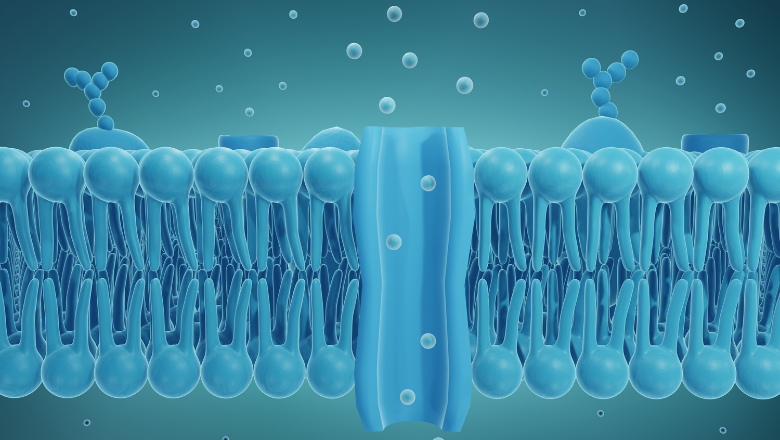
Mark Wallace is a Professor of Chemistry at King's College London, affiliated with the Department of Chemistry and the Faculty of Natural, Mathematical & Engineering Sciences. He holds a Royal Society University Research Fellowship (2005–2016) and has been a lecturer at Oxford University before joining King's in 2016. His research focuses on membrane protein function and artificial membrane mimics, combining optical microscopy and nanotechnology. He earned a PhD from the University of Cambridge (2002) and postdoctoral training at Stanford University and the National Institute for Medical Research. Key research interests include membrane protein dynamics, lipid bilayer engineering, and single-molecule imaging. He has pioneered techniques like droplet interface bilayers and interferometric scattering microscopy. His work has led to patents and applications in molecular sensing and medical research. Awards include the 2002 Gregorio Weber Prize and the 2015 RSC Norman Heatley Award. He is actively involved in public outreach, including video podcasts and educational competitions. Recent publications emphasize artificial ion channels, nanoparticle formation monitoring, and mitochondrial protein dynamics. His lab collaborates with institutions like the London Centre for Nanotechnology and the Rosalind Franklin Institute. Over 30 students and researchers have been mentored, with active grants from EPSRC, Wellcome Trust, and BBSRC.