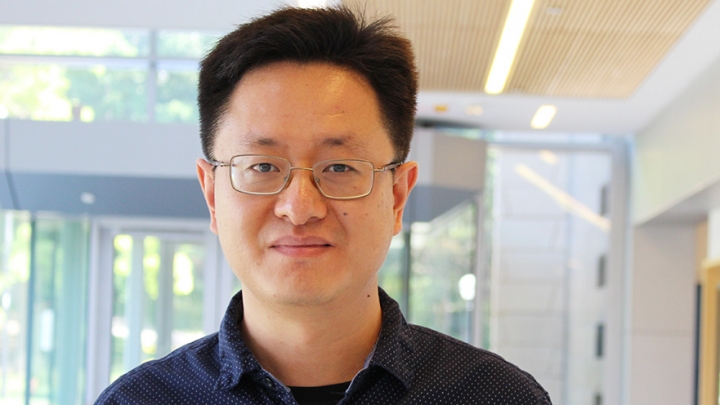
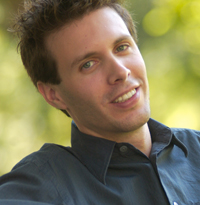
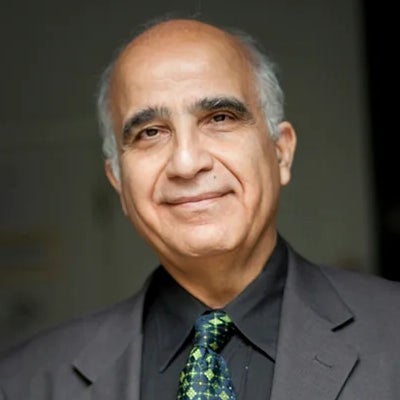
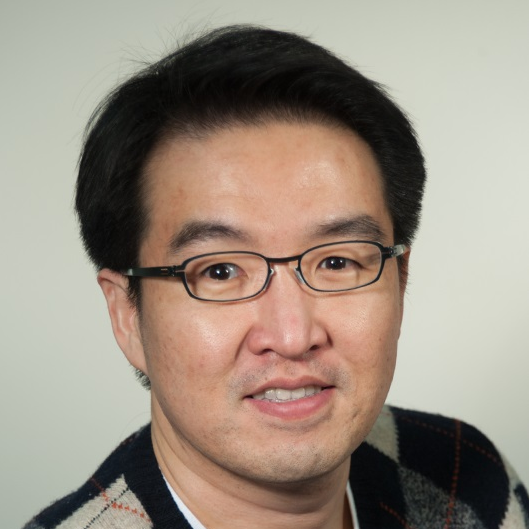
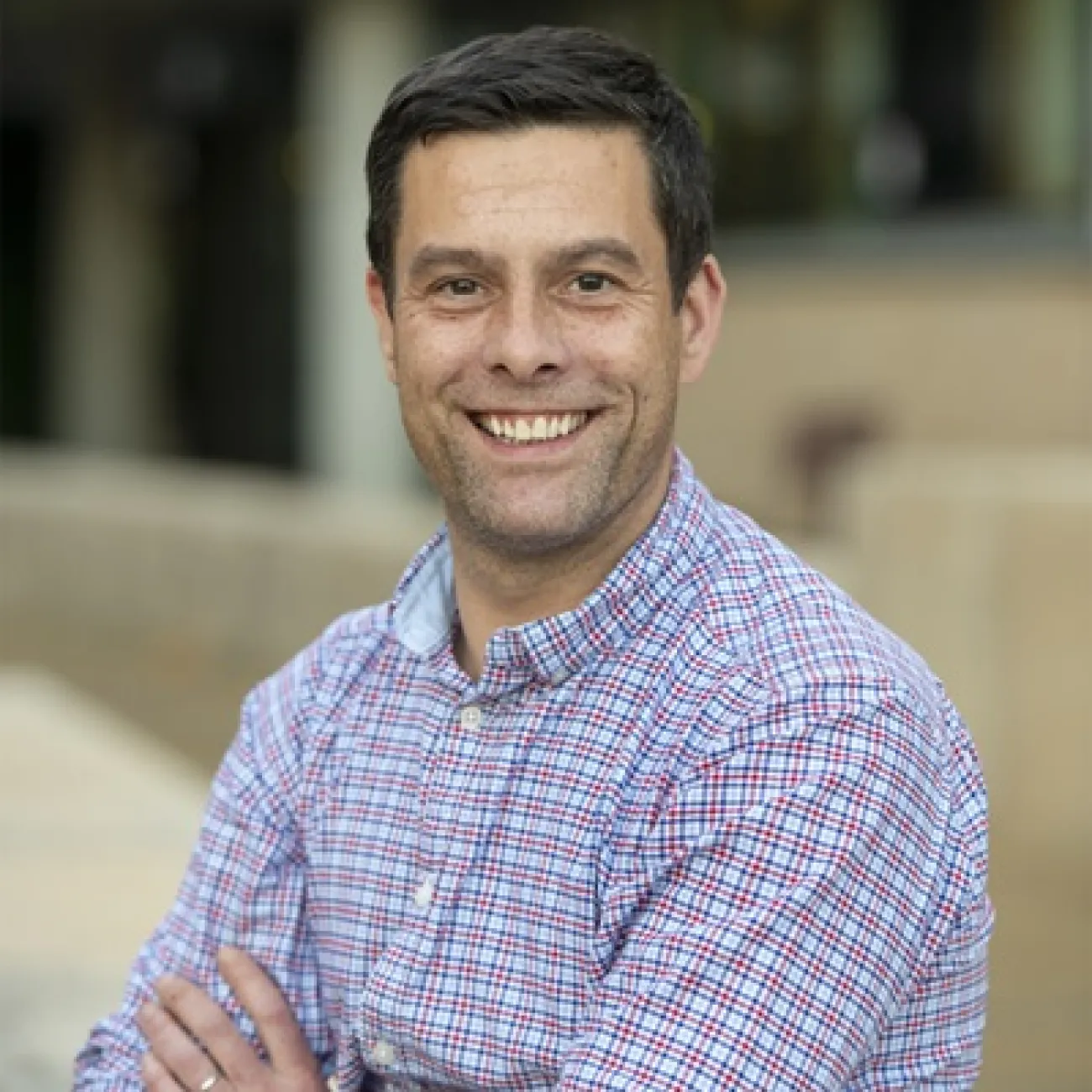
Firat Guder is an Associate Professor (Reader in Intelligent Interfaces) in the Department of Bioengineering at Imperial College London, Faculty of Engineering. His affiliations include the Agri Futures Lab, Centre for Processable Electronics, Institute for Digital Molecular Design and Fabrication (DigiFAB), and Organ-on-chip Network of Excellence. He holds a BSc in Computer Engineering from the University of New Brunswick (Canada), MSc in Microsystems Engineering from Furtwangen University (Germany) and KU Leuven/IMEC (Belgium), and a PhD (summa cum laude) from the University of Freiburg (Germany). His research focuses on analytical chemistry, biomedical engineering, nanotechnology, and materials engineering. Notable contributions include work on nanostructural transformations via atomic layer deposition, unconventional photolithography methods, nanomaterial synthesis, and sensor/actuator design. He was awarded the German Research Foundation's International Research Fellowship (2013) to collaborate with Prof. George Whitesides at Harvard University. Dr. Guder's research activities can be explored on his group website: www.guderesearch.com .
Professor Xiaogan Liang is a faculty member in the Department of Mechanical Engineering at the University of Michigan, Ann Arbor, and serves as Associate Chair for Undergraduate Education. His research focuses on advanced nanofabrication, nanomanufacturing, and microsystem technologies, with applications in nanoelectronics, nanophotonics, and biosensing systems. He leads the Nanoengineering and Nanodevice Laboratory and holds a tenured position. Liang has been recognized with awards such as the Monroe-Brown Education Excellence Award (2018-19) and the NSF CAREER Award (2015). His work bridges nanotechnology and biomedical engineering, emphasizing scalable fabrication techniques and neuromorphic computing hardware. Education and Career: Liang joined the University of Michigan in 2012 as an Assistant Professor, advancing to his current rank. His academic background includes expertise in mechanical engineering and nanotechnology. Key research contributions include novel 2D material-based biosensors, memristive devices, and plasmonic systems for real-world applications. Research Interests: His lab develops nanoscale fabrication methods (e.g., nanoimprint lithography) for creating high-performance devices like MoS₂ photodetectors and Bi₂Se₃ memristors. Applications span environmental monitoring, medical diagnostics, and energy-efficient robotics. Recent innovations include brain-inspired computing hardware for robotics and bioinspired sensors for viral detection. Publications: Over 150 peer-reviewed articles highlight his work on neuromorphic systems, plasmonic colorimetric sensing, and scalable nanoassembly. Notable 2020-2025 publications address reservoir computing hardware, site-selective 2D material growth, and airborne particle monitoring systems. Awards: Monroe-Brown Award (2018), NSF CAREER (2015), CoE Awards (2016) Grants: Supported by NSF, U-M, and industry partnerships Advising: Mentors graduate students (e.g., Hongsuk Nam, Sungjin Wi) in nanofabrication and biosensor development. Collaborates with Professors Katsuo Kurabayashi and Allen Liu on interdisciplinary projects. Labs/Teams: Directs the Nanoengineering and Nanodevice Laboratory, fostering cross-disciplinary research in nanotechnology and biomedical engineering. Engages in collaborative efforts with materials science and electrical engineering groups.
Joel Voldman is a Professor of Electrical Engineering at the Massachusetts Institute of Technology (MIT), affiliated with the School of Engineering and the Department of Electrical Engineering and Computer Science. He serves as a principal investigator in the Research Laboratory of Electronics (RLE), focusing on BioMEMS applications for biological systems including point-of-care diagnostics, cell biology, and neuroengineering. Education: B.S. in Electrical Engineering (summa cum laude), University of Massachusetts, Amherst (1995) M.S. and Ph.D. in Electrical Engineering, MIT (1997, 2001) Postdoctoral research at Harvard Medical School Research focuses on interdisciplinary approaches combining: Microfabrication technology development Quantitative modeling of biological systems Bioengineering applications in diagnostics and neuroengineering Microfluidics for cellular analysis His recent publications demonstrate strong focus on microfluidic diagnostics, optical manipulation techniques, and medical informatics. Research trends show increasing integration of machine learning with biomedical device development.
Dr. Mingming Wu is a Professor in Biological and Environmental Engineering at Cornell University. She directs the Biofluidics Lab, developing micro/nano-scale technologies to address biological, medical, and environmental challenges. Research focuses on rare earth bio-mining, cell migration mechanics, tumor microenvironment modeling, and algal bloom dynamics. Her work includes engineering Gluconobacter oxydans for efficient rare earth extraction and studying mechanical forces in cancer metastasis. Key innovations include microfluidic platforms for cell migration analysis and 3D tumor spheroid characterization. Recent breakthroughs involve identifying CD44's role in tumor invasion within hyaluronic acid-rich matrices and developing eco-friendly rare earth processing using bacterial biosorption. Courses taught include Bioinstrumentation and Biologically Inspired Microsystems. Education includes doctoral training in bioengineering and physics. Research has been featured in Cornell Atkinson Center publications for environmental applications.
Prof. Mohammad Faghri is a Professor of Mechanical, Industrial, and Systems Engineering at the University of Rhode Island's College of Engineering. He specializes in computational fluid dynamics, microfluidics, and heat transfer at micro/nanoscales. His research focuses on lab-on-paper devices, gas dynamics in microtubes, and biomedical diagnostics applications. Education: BS/M.S. (1969/1970) and PhD (1973) in Mechanical Engineering from UC Berkeley, followed by postdoctoral research at Oregon State University and the University of Minnesota. Key research areas include: Microfluidic actuators and paper-based biosensors Heat exchanger design and thermal process modeling Nanoscale fluid dynamics and gas flow regimes Fuel cell transport phenomena Thermal management in microsystems Recent work emphasizes lab-on-paper platforms for ELISA testing, nitrate/phosphate detection systems, and advanced valve designs for autonomous microfluidic circuits. His 2023 papers explore paper-based bi-material actuators and microtube thermal recovery factors. Over 100 peer-reviewed articles and 2 patents (e.g., US9687846B2 for enhanced microfluidic valves). Grants and collaborations include work on portable diagnostics systems and microscale heat transfer mechanisms. Active in developing field-deployable devices for environmental and clinical applications.
Sunil Bhave is a Professor in the Department of Electrical and Computer Engineering at Purdue University. His research focuses on advanced photonics, MEMS technologies, quantum sensing, and acoustic resonators. He leads initiatives in developing integrated photonic systems, tunable lasers, and quantum-enabled devices for applications in sensing, communication, and metrology. His work bridges nanotechnology and materials science, with contributions to piezoelectric actuation, magnetostatic wave resonators, and diamond-based quantum systems. Key projects include the design of ultra-high-performance resonators for dark matter detection and the development of frequency-agile lasers for LiDAR and coherent sensing. Recent trends in his publications emphasize hybrid photonic-electronic systems, MEMS-enabled tunable components, and quantum control via mechanical systems. His innovations aim to advance compact, energy-efficient solutions for next-generation information technologies and precision measurement tools. No specific scientific awards or grants are listed in the provided text. His advising record and lab affiliations are not explicitly detailed here, though his research likely involves interdisciplinary collaborations typical of his field.
Dr. Tetiana Voitsekhivska is a Researcher at the Helmholtz-Zentrum Dresden-Rossendorf (HZDR), affiliated with the Ion Beam Physics and Materials Research Institute under the Department of Intelligent Materials and Devices. She serves as the Business Development Manager for the FlexiSens project, focusing on advanced sensor technologies and implantable medical devices. Her work integrates nanotechnology, biomedical engineering, and materials science to develop innovative solutions for healthcare diagnostics and treatment. She is based in Dresden, Germany, with contact details at t.voitsekhivska@hzdr.de and ORCID 0000-0002-6406-6127 . Her research emphasizes real-time biomarker detection, implantable therapeutic devices, and flexible electronics. Key projects include nanosensors for saliva-based stress analysis, biocompatible medical implants for cancer treatment, and advanced material fabrication methods like laser-treated inkjet layers. Her work bridges fundamental material research with applied medical technology, aiming to improve diagnostic accuracy and therapeutic efficacy. Publications reflect a focus on biosensor systems, portable measurement tools, and device reliability under dynamic conditions. While no specific awards are listed, her contributions to interdisciplinary sensor development highlight her impact in biomedical engineering and materials innovation.
Eric J. Nehl is an Associate Research Professor in the Department of Behavioral, Social, and Health Education Sciences at Emory University, serving as Director for Evaluation and Continuous Improvement for the Georgia Clinical & Translational Science Alliance (Georgia CTSA) and Director of Evaluation for the Atlanta Center for Microsystems Engineered Point-of-Care Technologies (ACME POCT) and RADx Emergency COVID-19 Supplement initiatives. His educational background includes: BS in Health Education from Ball State University MS in Community Health Education from Ball State University PhD in Health Behavior from Indiana University Dr. Nehl's research centers on Behavioral Health , HIV/AIDS Prevention , and Program Evaluation , with significant contributions to chronic disease prevention, cancer control, and behavioral risk factor modification. His work frequently targets special populations through theoretical modeling and innovative evaluation methodologies. Analysis of his 2023-2025 publications reveals dominant themes in HIV prevention strategies for Asian American communities using behavioral economics frameworks, alongside extensive evaluation of clinical translational science programs during the pandemic. His work also examines healthcare worker wellness, rapid diagnostic development, and bibliometric approaches to measuring research impact. Dr. Nehl directs evaluation for major funded initiatives: Georgia CTSA: Leading consortium-wide assessment across Emory, Georgia Tech, Morehouse, and UGA ACME POCT/RADx: Evaluating point-of-care diagnostic development and implementation Strategic Planning for Online Education: Assessing digital learning innovations His grant portfolio demonstrates expertise in applying mixed-methods evaluation to enhance translational research effectiveness. He operates within the Georgia CTSA consortium ecosystem, collaborating with multidisciplinary teams across academic and healthcare institutions to bridge translational research gaps through continuous improvement frameworks and innovative assessment strategies.
Michael Mayer is an Associate Professor in the Department of Mechanical and Mechatronics Engineering at the University of Waterloo, Canada. His research focuses on microjoining processes, laser welding of biological materials, and direct bonding for photonics applications. He has extensive industrial collaboration experience with companies like Bosch, Intel, and Tesla. Education: PhD in Technical Sciences, Swiss Federal Institute of Technology (ETH) Zurich, 2000 Diploma in Physics, Swiss Federal Institute of Technology (ETH) Zurich, 1994 Research Interests: Dr. Mayer's work addresses challenges in microelectronics, medical devices, and aerospace through advanced joining techniques. His lab develops real-time monitoring systems using ultrasonic sensors and numerical modeling to improve process reliability. Current projects include laser welding for surgical applications and low-temperature direct bonding for solid-state lasers. Recent Article Trends: Publications emphasize thermal management, electromigration in solder joints, and wire bonding optimization. Recent work explores nanocomposite gels for laser tissue welding and interface characterization of bonded glass substrates. Awards: 2010 Best Paper of Session (IEEE) Advising & Grants: Supervises graduate students who have joined leading tech firms. Collaborates with industry on reliability testing and process development. Holds Sole-Supervisory Privilege Status (SSPS) for graduate admissions. Labs/Teams: Leads a multidisciplinary group integrating experimental, analytical, and numerical investigations. Partners with campus research teams on materials innovation and microsystem technologies.
Kutay İÇÖZ is an Associate Professor at Abdullah Gül University, specializing in Biomedical Engineering and Electrical and Computer Engineering. His research bridges semiconductor fabrication, MEMS/NEMS technology, and biomedical applications, with a focus on biosensors and intelligent system design. Ph.D., Biomedical Engineering, Purdue University M.S., Electrical Engineering, Ohio State University B.S., Electronics and Communication Engineering, Istanbul Technical University His research interests span Inspection Metrology Systems, Neural Prosthetics, and Diffraction-Based Sensing. Recent work emphasizes low-cost biosensing, micro/nanoparticle signal amplification, and mobile-device-integrated diagnostics. Dr. İÇÖZ has received multiple honors, including the Outstanding Scientist Award at AGU (2018) and Intel's ATTD Department Recognition Award (2013). He mentors students through projects in biosensor development and process control systems. Quartz-Crystal Microbalance for B Lymphoblast Cell Detection (2018) Magnetic Particle Signal Amplification for Protein Detection (2016) Mobile Microscopy for Immunomagnetic Bead Analysis (2016) Nanomechanical Weighing Systems for Biological Particles (2014) He teaches courses at AGU including Biosensors, BioMEMS, and Biomedical Signal Processing, alongside foundational electrical engineering topics like Electric Circuits and Senior Design.
Byung-Wook Park is an Assistant Professor of Chemical Engineering at Youngstown State University (YSU), affiliated with the Rayen School of Engineering. He is also a graduate faculty member in Materials Science and Engineering at YSU. His research focuses on engineered biohybrid materials, microrobots, multifunctional hydrogels, and wearable bioelectronic platforms for biomedical applications such as bacterial infection treatment and chronic wound care. Dr. Park earned his PhD in Chemical Engineering from the University of Toledo (2012) and completed postdoctoral fellowships at Worcester Polytechnic Institute and the Max Planck Institute for Intelligent Systems. He joined YSU in 2018. His teaching portfolio includes courses like Chemical Engineering Principles, Computer Methods in Chemical Engineering, and Biomedical Engineering. Education: PhD in Chemical Engineering, University of Toledo (2012) MS in Chemical Engineering, Kwangwoon University (2005) BS in Chemical Engineering (Double Major in Electronic Materials Engineering), Kwangwoon University (2003) Research Interests: Dr. Park’s work spans biohybrid systems, microrobotic design, smart hydrogels, and bioelectronic platforms. His innovations include light-driven microswimmers, antimicrobial biofilm-targeting systems, and wearable biosensors for cortisol detection. His research bridges materials science, nanotechnology, and biomedical engineering, emphasizing practical applications in healthcare. Awards: 2019 UT-WSU Graduate Research Symposium Keynote Speaker Award 2011 AIChE Annual Meeting Doh Wonsuk Memorial Award 2011 US-Korea Joint Symposium of Nanotechnology Best Presentation Award Professional Service: Editorial roles include Biomaterials and Bio-Inspired Materials (Frontiers in Materials), Topical Advisory Panel Member for Nanomaterials, and Committee Member for the Ohio Space Grant Consortium. He also serves on YSU’s Chemical Hygiene Committee and Academic Senate. Labs & Teams: Collaborates on biohybrid microsystems, hydrogel design, and biomedical device development. His work integrates interdisciplinary approaches to advance therapeutic delivery and diagnostic tools.
Dr. Jonathan West is an Associate Professor of Biomicrofluidics at the University of Southampton, Faculty of Medicine, affiliated with the Institute for Life Sciences. He holds a BSc in Medical Microbiology from the University of Edinburgh and a PhD in Microsystems from Tyndall National Institute (University College Cork). His research focuses on developing microfluidic technologies for cellular and molecular analytics, with emphasis on thrombosis prediction and protein dynamics analysis. Key projects include platelet function testing for clinical diagnostics and serial crystallography for protein motion studies. He supervises PhD student Jack Robert Stubbs and has received the Fellow of the Higher Education Academy (FHEA) award. Research interests span microfluidic platforms for biomedical applications, including organ-on-a-chip systems and point-of-care diagnostic tools. Notable collaborations include work with the British Heart Foundation and Cancer Research UK. Teaching roles include leading the MSc Biomedical Engineering module on Human Biology and Systems Physiology, and guest lecturing on DNA sequencing in Biomedical Engineering programs. External engagements include speaking roles at academic symposia and conferences on microfluidics and biomedical engineering.
Dr. Nils Paust is a Lecturer at the University of Freiburg and Associate Professor leading the Microfluidic Platforms division at Hahn-Schickard. He holds a doctorate from the University of Freiburg (2010) and a habilitation (2020). His research focuses on microfluidic system integration, including fluidic operations, simulation design, scalable manufacturing, and lab processes on centrifugal microfluidic carriers. He has been with Hahn-Schickard since 2010, initially as a group leader. His academic affiliation includes teaching at the University of Freiburg's Faculty of Engineering within the Department of Microsystems Engineering (IMTEK).
Stefan Johann Rupitsch is a Professor at the University of Freiburg, leading the Professorship for Electrical Measurement Technology and Embedded Systems since December 2020. He holds a prominent role in academic and industrial research collaborations, focusing on interdisciplinary fields such as sensor systems, biomedical engineering, and embedded technologies. His work bridges theoretical research with practical applications, including drug delivery systems, environmental monitoring, and disaster response technologies. **Education**: Information not explicitly provided in the text. **Research Interests**: His primary research areas include wireless sensor networks, ultrasound imaging for biomedical applications, magnetic nanoparticle localization, and energy-efficient embedded systems. He has pioneered advancements in magnetomotive ultrasound for drug targeting and developed innovative sensor platforms for industrial and environmental monitoring. His projects often integrate machine learning and robotics to enhance system precision and autonomy. **Projects**: As a project manager or coordinator, he oversees initiatives such as wireless microsensor probes for tree canopy monitoring (B1), cochlear implant sensing (CIAS), and disaster-site radar systems (avaRES). Recent efforts focus on sustainable sensor technologies for wear part optimization (Smart Belt) and gas infrastructure resilience (LEAKALERT). **Grants & Advising**: Rupitsch has supervised numerous theses in fields like sensor design, AI for building acoustics, and earthquake monitoring. He actively participates in reviewing academic works and industry projects, reflecting his leadership in technical communities. **Labs & Teams**: His research is conducted through collaborations with the Microsystems for Biomedical Imaging Laboratory and the Sustainability Performance Center, emphasizing interdisciplinary teamwork and real-world impact.
Rouven Streller is a Group Leader for Lab-on-a-Chip Scale-up at Hahn-Schickard, specializing in polymer materials and medical technology. He holds a PhD in Chemistry from Albert Ludwig University of Freiburg (2008), focusing on polymer nanocomposites. Previously, he worked at B. Braun Aesculap AG (2009–2014) and Kunststoff-Institut Südwest, leading analytical labs and advising on material selection. His expertise includes scale-up manufacturing of medical products and regulatory compliance. Research interests span nanocomposite materials, antimicrobial surfaces, and microsystems engineering. He has contributed to patents like the 'Sterile container system with transport lock' and published on topics such as biomaterials and polymer processing. Education: PhD in Chemistry (2008), Freiburg Materials Research Center Diploma in Chemistry, Albert Ludwig University of Freiburg Research Highlights: Development of polymer-based medical devices, nanocomposite characterization, and scale-up manufacturing for in-vitro diagnostics. His work addresses material stability, tribology in biomedical implants, and crosslinking techniques for plastic components.