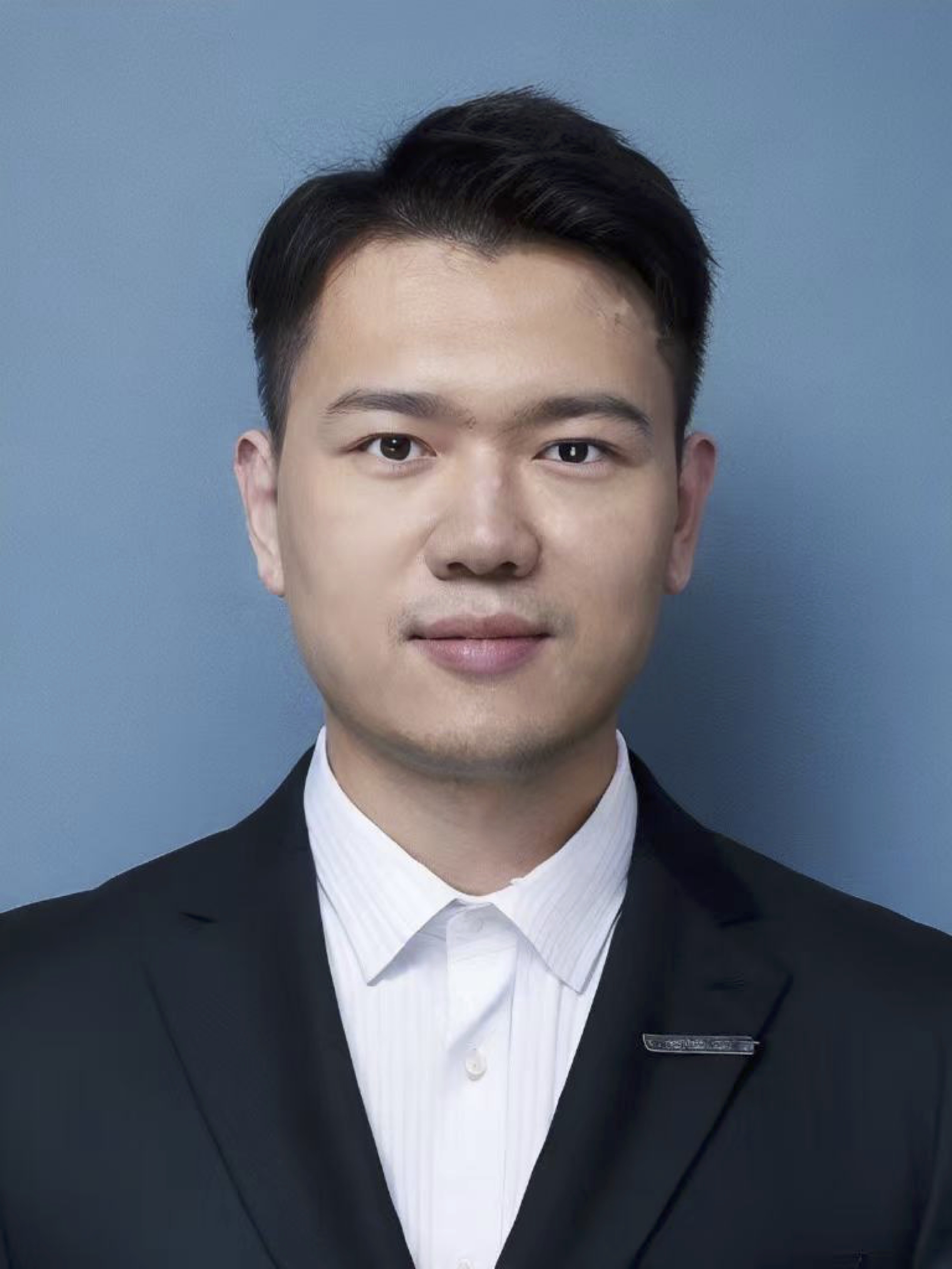
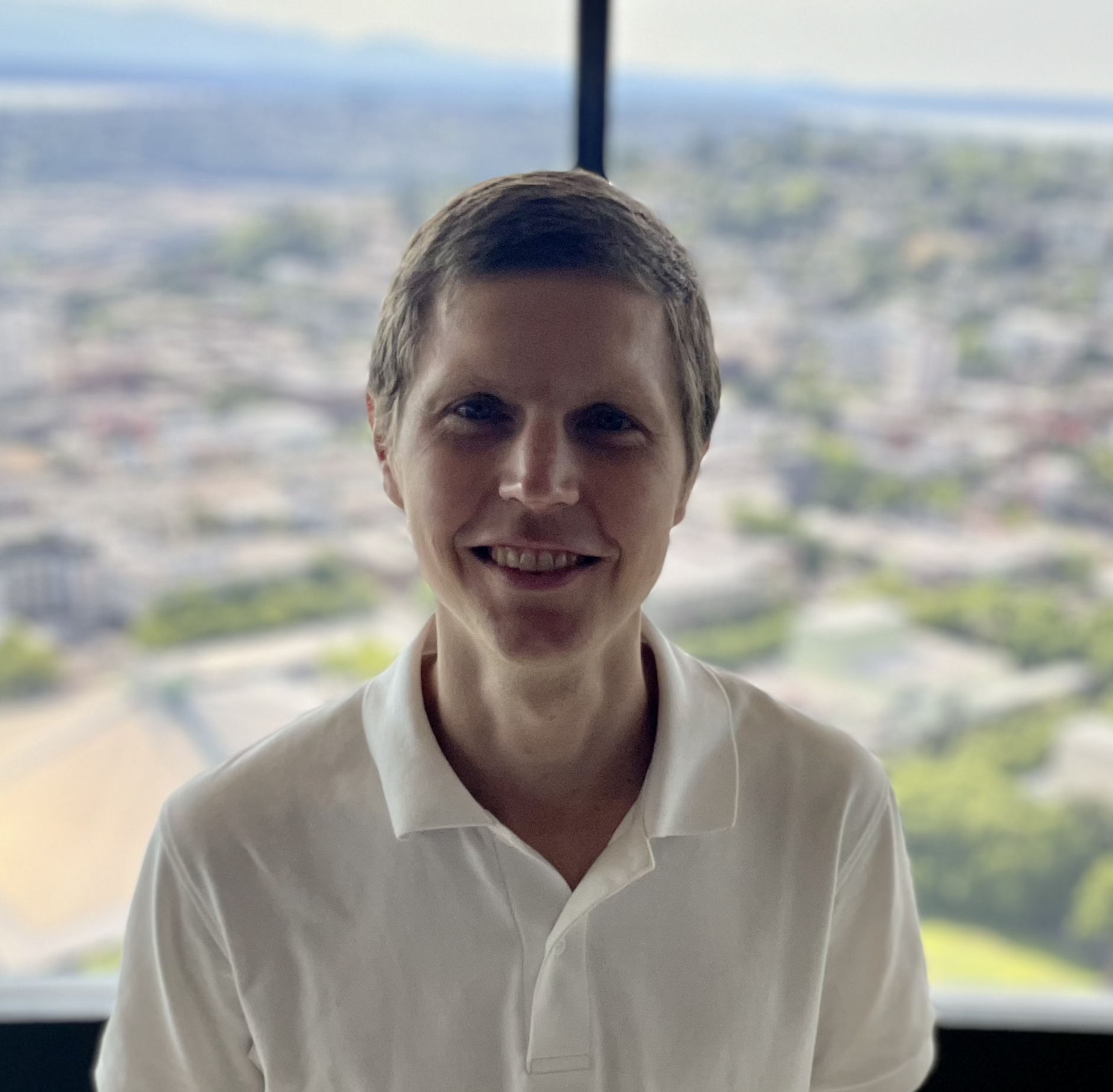
Peng Zhou is an Assistant Professor at the School of Advanced Engineering, The Great Bay University , and the Principal Investigator of the Embodied Manipulation Intelligence (EMAIL) Robotics Lab . His research integrates robotics, machine learning, and computer vision, with a strong focus on deformable object manipulation, robot perception, and task-motion planning. Education: Ph.D. in Robotics, The Hong Kong Polytechnic University (Supervised by Dr. David Navarro-Alarcon) Postdoctoral Research Fellow, The University of Hong Kong (Advised by Dr. Pan Jia) Exchange Ph.D. Student, KTH Royal Institute of Technology (Supervised by Prof. Danica Kragic) Research Interests: Dr. Zhou's work spans robotics , machine learning , and computer vision , with specialized expertise in deformable object manipulation , robot perception and learning , and task and motion planning . His lab, EMAIL, pioneers solutions for robotic manipulation of soft and deformable materials. Scientific Awards & Honors: 2024 : Track 3 Champion, Zhuhai International Dexterous Manipulation Challenge 2023 : IEEE R10 Outstanding Volunteer Award 2022 : Outstanding Young Researcher Award, National Engineering Research Center 2022 : Best AI Implementation Award, Hong Kong AI Open Competition 2022 : IEEE MGA Young Professional Achievement Award Editorial & Leadership Roles: Dr. Zhou serves as an Associate Editor for IEEE Robotics and Automation Letters and has organized key workshops like the IROS 2025 Workshop on Contact and Impact-aware Manipulation . He is also a Guest Editor for special issues in Electronics and Frontiers in Robotics and AI .
Alexis Lussier Desbiens is an Associate Professor at the Université de Sherbrooke in the Department of Mechanical Engineering , Faculty of Engineering. He co-founded several research labs and initiatives including NSERC CREATE CoRoM (Collaborative Robotics in Manufacturing) and NSERC CREATE UTILI (Uninhabited Aircraft Systems Training). His work bridges robotics, mechanical design, and sports equipment innovation. PhD in Mechanical Engineering (Stanford University, 2012) BEng in Mechanical Engineering (Université de Sherbrooke, 2005) Postdoctoral Research (Harvard University, 2013) His research focuses on robotics and automation , particularly unmanned aerial vehicles (UAVs) with bioinspired design principles for mechanical intelligence. Key areas include: Autonomous UAV perching and climbing Hybrid locomotion systems Sports equipment dynamics (skis, hockey sticks) Magnetorheological actuator applications Conservation biology tools via aerial sampling Recent publications highlight interdisciplinary work in robotics , sports engineering , and ecological monitoring . His projects often integrate mechanical design with environmental or human-centric applications. Scientific recognition includes: Best Student Paper (IEEE SMC, 2021) Best Poster (ISEA, 2020) National Geographic Explorer (2020) CSME Gold Medal (2005) Current grants (2020-2023) include: $339,000 - High-performance UAV for power line interactions $1.65M - NSERC CREATE UTILI training program $120,000 - Intelligent hockey stick development He also leads the CREATEK Research Lab and maintains global collaborations with institutions like Harvard University, Stanford University, MIT, and EPFL.
Jing Jiang is a Professor in the Department of Electrical and Computer Engineering at the University of Western Ontario (Western University), where he holds the NSERC/UNENE Senior Industrial Research Chair in Nuclear Instrumentation and Control since 2003. He is a registered professional engineer (P. Eng.) in Ontario and a Fellow of multiple prestigious organizations including the Canadian Academy of Engineering, IEEE, and the Engineering Institute of Canada. Dr. Jiang's research focuses on: Fault-tolerant control of safety-critical systems Advanced control of nuclear power plants Integration of renewable energy resources in microgrids Instrumentation and control systems Advanced signal processing for fault diagnosis Industrial wireless sensor networks His educational background includes a Ph.D. from the University of New Brunswick (1989), MESc. from the University of New Brunswick (1984), and BESc. from Jiaotong University in Xi'an, China (1982). Dr. Jiang has been with Western University since 1991, progressing from Assistant Professor to Full Professor in 1999. Dr. Jiang has established the Control, Instrumentation and Electrical Systems (CIES) research group and two state-of-the-art laboratories: the NPP I/C research lab and the distributed generation (DG) research lab. His research has significant industry impact, particularly in nuclear power plant instrumentation and control systems, with collaborations with the Canadian nuclear industry and the International Atomic Energy Agency (IAEA). Professional Recognition Professional Engineers Gold Medal (2025, 2021) Canadian Association for Graduate Studies Award for Outstanding Graduate Mentorship (2021) Distinguished University Professor (2018) Fellow of IEEE (2017) RBC Top 25 Canadian Immigrant Award (2016) Fellow of Canadian Academy of Engineering (2010) Dr. Jiang has served on numerous technical committees including ISA 100.11a (Wireless Systems for Automation), ISA 67 (Nuclear Power Plant Standards), and IEC SC 45A (Nuclear Instrumentation). He has been actively involved with the IAEA as an expert consultant on various nuclear-related technical matters. He leads a research team consisting of post-doctoral fellows, research engineers, and graduate students. His NPP I/C lab includes a CANDU NPP simulator, physical simulators, various control systems (ABB, Siemens, DeltaV, Honeywell), safety PLC systems, and industrial wireless sensor networks. The DG lab features a reconfigurable microgrid with renewable energy sources, energy storage devices, and advanced power electronics control systems.
Prof. Kwang W. Oh is a tenured Professor at the Department of Electrical Engineering and Department of Biomedical Engineering within the School of Engineering and Applied Sciences at University at Buffalo (SUNY at Buffalo) . He serves as the Director of Graduate Studies in Electrical Engineering and Director of SMALL (Sensors and MicroActuators Learning Lab) . His academic journey includes PhD and MS in Electrical and Computer Engineering from University of Cincinnati (2001, 1997) and BS in Physics from Chonbuk National University (1995). Prof. Oh's research expertise lies at the intersection of microfluidics , BioMEMS , and lab-on-a-chip technologies. His lab has pioneered vacuum-driven microfluidic devices , PDMS-based systems , droplet manipulation , and chemical-free fabrication techniques . His work enables point-of-care diagnostics , single cell analysis , and wearable medical sensors , with significant contributions to sample-to-answer nanosystems and world-to-chip interfacing . The scientific awards section highlights his excellence in teaching and research: SUNY Chancellor's Award for Excellence in Teaching (2020) Meyerson Award for Undergraduate Teaching (2019) Qualcomm Faculty Award (2019) Senior Teacher of the Year (2017) Royal Society of Chemistry's Emerging Investigators (2013) Samsung Electronics' CEO Honor (2003) His lab has produced numerous PhD and MS students including Dr. Anyang Wang (2020), Dr. Nikhila Nyayapathi (2020), Mr. Liam Christie (2021), and Dr. Domin Koh (2019). As a conference chair , he has organized symposia at NanoTech (2012-2026) and served as editorial board member for Sensors , Micromachines , and Biomedical Engineering Letters .
George Vasilakopoulos is a Professor in the Department of Digital Systems at the University of Piraeus , where he also serves as Vice-Chancellor for Academic Affairs and Personnel. By law, he is President of the Quality Assurance Unit (MODIP) and the Employment and Career Structure (DASTA) of the university, overseeing the development of modern information systems. He earned his PhD from the University of London and has held leadership roles including Department President, Director of Postgraduate Programs, and Scientific Director of the Digital Health Services Laboratory. PhD: University of London Current Roles: Vice-Chancellor, Department of Digital Systems Professor Labs: Digital Health Services Laboratory His research focuses on Health Informatics , Cloud Computing , and Medical Data Security , with key contributions to: Emergency healthcare process automation Privacy-preserving personal health record systems Context-aware authorization models Cloud-based medical service frameworks Machine learning in clinical data analysis Interoperable health information systems The trends in his 15 most recent articles (2010-2015) reveal a consistent emphasis on integrating cloud infrastructure , semantic technologies , and mobile platforms to enhance emergency care, chronic disease management, and patient data security. His work bridges biomedical engineering , software architecture , and public health policy . He has held advisory roles for the Minister of Health on IT issues, served on hospital boards, and contributed to national committees for healthcare technology standards. His professional activities include project evaluation for Greek and European research programs and authoring three books on health informatics.
Brett Hemenway Falk is a Researcher in the Department of Computer and Information Science at the University of Pennsylvania. He serves as director of the Crypto and Society Lab, focusing on privacy and security in digital environments and facilitating transparency and trust. His work combines rigorous mathematical approaches with practical implementations in cryptography and blockchain technology. Education: Sc.B. in Mathematics from Brown University Ph.D. in Mathematics from UCLA Research Interests include: Cryptography and secure multi-party computation protocols Blockchain technology (cross-chain interoperability, financial network stability, on-chain governance) Privacy-preserving algorithms and data security Coding theory applications in secure systems Scientific Contributions include: Developing practical secure computation protocols Advancing ORAM (Oblivious RAM) architectures Analyzing decentralized governance mechanisms Exploring DeFi network stability and token economics His teaching activities feature the popular MCIT 582 Blockchain course at Penn. Research funding comes from NSF, DARPA, IARPA, ONR, ARL, NIH , and the Laura and John Arnold Foundation.
Sean Welleck is an Assistant Professor at Carnegie Mellon University's School of Computer Science, specifically within the Language Technologies Institute (LTI). He leads the L3 Lab and serves as an advisor for the AI for Math Fund. His academic journey includes a PhD from New York University under Kyunghyun Cho and postdoctoral positions at the Allen Institute for Artificial Intelligence and the University of Washington with Yejin Choi. Dr. Welleck's educational background shows a strong foundation in computer science. He earned his PhD in Computer Science from New York University, where he worked under the mentorship of Kyunghyun Cho and Zheng Zhang. Prior to this, he completed his MSE and BSE in Computer Science from the University of Pennsylvania, demonstrating a long-standing commitment to the field. Dr. Welleck's research focuses on bridging informal and formal reasoning with AI, with particular emphasis on developing learning, inference, and evaluation algorithms for large language models. His work spans multiple cutting-edge areas including mathematical reasoning , code generation , inference algorithms , and AI reasoning agents . A significant portion of his recent work involves combining AI with formal methods for mathematics, where he has developed frameworks like Llemma (an open-source language model for mathematical reasoning) and meta-generation (for inference-time algorithms). His research is characterized by a strong theoretical foundation coupled with practical applications that push the boundaries of what AI systems can achieve in formal reasoning domains. Analysis of Dr. Welleck's recent publications reveals a clear research trajectory focused on enhancing language models' capabilities in formal reasoning and mathematical problem-solving. His work demonstrates an evolution from foundational research in neural text generation to increasingly sophisticated approaches that integrate formal methods with deep learning. Key trends include the development of inference-time algorithms that improve model performance without additional training, frameworks for mathematical reasoning that connect informal and formal proofs, and novel evaluation methodologies for language models. His publications consistently appear in top-tier conferences including NeurIPS, ICLR, ICML, and ACL, reflecting the high impact of his contributions to the field. Dr. Welleck's scientific achievements have been recognized with several prestigious awards: NAACL 2025 Best Paper Award ICLR 2025 Oral Presentation (Top 2%) ICLR 2025 Spotlight Presentation (Top 5%) NeurIPS 2021 Outstanding Paper Award (Top 0.1%) for MAUVE NVIDIA AI Labs Pioneering Research Award (2017 and 2018) As an educator and mentor, Dr. Welleck actively guides the next generation of AI researchers. He currently advises multiple PhD students including Pranjal Aggarwal, Weihua Du, Andre He, and Seungone Kim (some co-advised with other faculty), along with MS students Riyaz Ahuja, Jiewen Hu, Qinyue Tan, and Thomas Zhu, and undergraduate Tate Rowney. At CMU, he teaches advanced courses such as Neural Code Generation and Advanced NLP, and has previously taught at New York University and the University of Washington. His commitment to education extends to creating resources like the Thesis Review Podcast and developing tutorials on neural theorem proving that have been presented at major conferences. Dr. Welleck leads the L3 Lab at CMU, which focuses on the intersection of language, learning, and logic. The lab brings together students and researchers to tackle challenging problems in AI reasoning, with particular emphasis on mathematical reasoning and code generation. Recent initiatives include the development of Llemma, an open-source language model specialized for mathematical reasoning, and work on inference-time algorithms that enable language models to improve their performance through additional computation during inference rather than through additional training.
Professor David Abbink is a Full Professor of Haptic Human-Robot Interaction at Delft University of Technology, holding a joint appointment between the Department of Cognitive Robotics in the Faculty of Mechanical Engineering and Industrial Design Engineering since November 2023. He founded the Delft Haptics Lab and co-founded the Cognitive Robotics Department in 2017. Abbink leads the transdisciplinary research and innovation centre FRAIM, which was awarded the prestigious NWO Stevin Premie (Dutch Nobel Prize equivalent) in June 2024. Trained as a mechanical engineer specializing in biomechanics, Abbink's research focuses on human behavior adaptations when interacting with autonomous systems. He has published over a hundred scientific articles on human-robot interaction, haptics, shared control, tele-operation, driver assistance systems, and sensorimotor control. His research has been funded by industry partners (Nissan, Boeing, Renault), RVO (Brightsky project 2022-2026), and the Dutch Science Foundation NWO through personal grants (VENI 2010-2014, VIDI 2015-2019). Abbink's recent work centers on worker-robot relations as an academic focus, collaborating with organizations like Erasmus Medical Centre for nursing work, Schiphol and KLM for baggage handling, and KLM Engine Repair Services for maintenance work. He also serves as scientific director for the Centre for Meaningful Human Control, launched in October 2024. His work bridges engineering, social sciences, and practical applications to responsibly shape the future of work with emerging robotic capabilities. NWO Stevin Premie (2024) Best IEEE SMC journal paper on Cybernetics (2019) Top 25 scientific talents according to New Scientist (2015) Best teacher of Faculty 3mE (2013, 2014) Best teacher of Department of BioMechanical Engineering (seven consecutive years) Abbink has supervised over 110 MSc students and 11 PhD students. His educational contributions include developing the Master Programme in Robotics at TU Delft and receiving international recognition for his course 'The Human Controller.' He is also a prominent science communicator, featured on national television, radio, and major Dutch newspapers, and has delivered lectures at venues like The Royal Institution and Lowlands Festival. Despite his academic commitments, Abbink maintains a drummer persona, having recorded four albums and performed over 400 shows across three continents between 1999-2014.
Marat I. Latypov serves as Assistant Professor in the Department of Materials Science and Engineering at the University of Arizona's College of Engineering. He is also a member of the Applied Mathematics Graduate Interdisciplinary Program and leads the Materials Informatics Lab. His research spans computational materials science, sustainable alloy design, and machine learning applications for materials development. Dr. Latypov holds a PhD in Materials Science and Engineering from Pohang University of Science and Technology (POSTECH, South Korea, 2014) and a Dipl.-Ing. in Engineering Physics from Ufa State Aviation Technical University (Russia, 2011). His postdoctoral training included appointments at Georgia Tech/CNRS in France and the University of California, Santa Barbara. His research focuses on materials informatics , physics-informed machine learning , and sustainable structural alloys . Key methodologies include graph neural networks for polycrystal mechanics, vision transformers for microstructure representation, and adaptive experimental design for materials optimization. Recent work emphasizes circular economy applications through construction waste recycling and copper mine tailings valorization. Analysis of his publication record reveals strong emphasis on computational microstructure-property linkages (35% of recent work), machine learning for materials design (30%), and sustainable materials processing (25%), with growing integration of large language models for materials knowledge extraction. NSF CAREER Award (2025) : For damage control in recycled aluminum alloys ISTI Distinguished Faculty Scholar (2024) : At Los Alamos National Laboratory Novelis Hackathon First Prize (2021) : Computer vision application Acta Materialia Outstanding Reviewer (2018) Young Researcher Award (2017) : NanoSPD7 Conference Dr. Latypov advises PhD students including Herbold Fellow Zhuocheng Huang and leads projects funded by NSF and the Grantham Foundation. Current initiatives include chalcopyrite leaching optimization for copper mining and graph neural network development for fatigue prediction. His Materials Informatics Lab maintains collaborations with Los Alamos National Laboratory, MIT, and industry partners including Novelis. The lab operates at the intersection of metallurgy , machine learning , and high-performance computing , with capabilities spanning deep learning, Bayesian inference, and cloud-based computational infrastructure. Recent news highlights participation in CODAS-HEP summer school and publication of vision transformer work in Acta Materialia.
Tsun-Ming Tseng is a Professor and principal investigator at the Chair of Electronic Design Automation at the Technical University of Munich (TUM). He leads the Emerging Technology Group and oversees multiple DFG/BMBF-funded research projects in the areas of microfluidic large-scale integration, optical network-on-chip design, and novel microfabrication techniques. Dr. Tseng's research focuses on design automation for emerging technologies, with particular expertise in three main areas: microfluidic large-scale integration, optical network-on-chip systems, and novel microfabrication processes. His work bridges the gap between electronic design automation and cutting-edge applications in bioengineering, photonics, and advanced manufacturing. His research group develops sophisticated algorithms and tools for optimizing design, reliability, and performance in these emerging domains. Analysis of Dr. Tseng's recent publications reveals a strong focus on practical implementation challenges in emerging technologies. His work spans both theoretical algorithm development and practical system implementation, with particular emphasis on reliability, performance optimization, and manufacturing considerations. The research shows increasing integration between different technology domains, particularly the convergence of microfluidics, optical networking, and electronic design automation. Dr. Tseng has been awarded multiple significant research grants including: "DE-TW-CloudWRONoC" (BMBF-NSTC project, PI, 2025-2028, EUR 797.7K) "DE-TW-PI3D" (BMBF-NSTC project, PI, 2024-2027, EUR 391.6K) "Physical Design for Microfluidic Large-Scale Integration" (DFG research grant, PI, 2024-2026, EUR 331.9K) Multiple other DFG and industrial projects totaling over EUR 3 million in funding He has successfully supervised numerous doctoral researchers and postdoctoral fellows, with current group members including Jiahui Peng, Debraj Kundu, Liaoyuan Cheng, and several others. Dr. Tseng leads the Emerging Technology Group at TUM, which focuses on developing design automation methodologies for next-generation technologies. The group maintains strong collaborations with international institutions, including partnerships with researchers in Taiwan and Hong Kong. The team operates state-of-the-art facilities for research in microfluidics, optical networking, and advanced microfabrication techniques.
Shimon Y. Nof is a Professor of Industrial Engineering at Purdue University's PRISM Center , where he directs NSF-industry supported research on collaborative robotics, cyber-physical systems, and industrial automation. He has held visiting positions at MIT and universities across six countries. Education: B.Sc./M.Sc. in Industrial Engineering & Management (Technion, Israel), Ph.D. in Industrial & Operations Engineering (University of Michigan) Key Achievements: Pioneered computer-aided facility design and Collaborative Control Theory (CCT), with applications spanning factories of the future, agricultural robotics, and transportation security systems His research focuses on cyber-supported integration of distributed e-Work systems and robotics, including precision agriculture with sensor networks. The PRISM Center under his leadership has developed groundbreaking protocols like Best Matching Protocol (BMP) and HUB-CI telerobotics, with real-world implementations across 400+ labs globally. Scientific honors include: Engelberger Medal (2002) Induction into Purdue's Book of Great Teachers (1999) Leadership roles in IFPR and IFAC Multiple book awards from Association of American Publishers The PRISM Global Research Network (est. 2001) now extends his work through 18 books and 6 patents, including the FTTP-TIF communication protocol and Facility Sensor Network (FSN) technology currently applied in greenhouse robotic operations.
Thad Starner is a Professor in the College of Computing at Georgia Institute of Technology and Technical Lead/Manager on Google's Glass. He directs the Contextual Computing Group (CCG), co-founded the Animal Computer Interaction Lab, and contributes to Georgia Tech's Ubicomp Group and Brainlab. A wearable computing pioneer since 1993, he has over 500 publications and 80 issued U.S. patents. Coined 'augmented reality' in 1990 Developed CopyCat for ASL learning in deaf children Invented Passive Haptic Learning for skill acquisition His research spans wearable interfaces for Deaf-hearing communication, dolphin interaction systems (CHAT), dog-handler communication (FIDO), and brain-computer interfaces for ALS patients. Current projects focus on optical aging simulation, XR input methods, and animal behavior telemetry. Recent publications (2023-2025) explore AR display ergonomics, AI-augmented reasoning, sign language recognition, and animal-computer interaction. His work has been featured in 60 Minutes, BBC, National Geographic, and Time Magazine. CHI Academy (2017) Lemelson-MIT Prize finalist White House Champions of Change finalist He advises graduate students in wearable systems and teaches AI and prototyping courses. His lab developed the Perceptive Workbench for gesture tracking and created early Eigenfaces research for face recognition.
Giacomo Chiesa is a Full Professor at the Department of Architecture and Design (DAD) at Politecnico di Torino. He is a member of the Interdepartmental Center Ec-L - Energy Center Lab. His research focuses on Architectural Technology , Bioclimatic Design , Building Performance , and Urban Climate . Research Interests : Building Simulation, Passive Cooling, Smart Buildings, Digital Twin, Climate Change Adaptation Recent publications analyze urban weather datasets for energy simulations, shading control thresholds , and ventilation strategies in educational buildings. His work covers energy renovation roadmaps , thermal comfort , and climate-resilient building systems . Teaching : PhD courses in Human-Centric Methodologies and MSc courses in ICT in Building Design Research Leadership : Scientific Director for projects like Urban Generation and Prelude , EU-funded initiatives
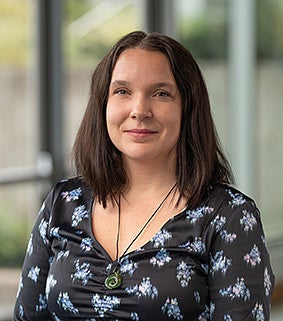
Dr. Gabriella Lindberg is an Assistant Professor in the Department of Bioengineering at the University of Oregon's Knight Campus, leading the Lindberg Lab. Her research focuses on developing bioinks, hydrogels, and bioresins to engineer musculoskeletal tissues that replicate native biological environments. She holds a PhD from the University of Otago and previously served as a Research Fellow in the Christchurch Regenerative Medicine and Tissue Engineering (CReaTE) Group. Dr. Lindberg has secured significant grants, including a New Zealand Health Research Council Emerging Researcher Grant, and has won multiple awards such as the ISBF Young Investigator Award (2019) and CMDT/MedTech CoRE awards. Her work spans collaborative projects with institutions in New Zealand, Germany, Netherlands, and Australia. Current lab members include researchers like Vinni Thoms (Lab Manager) and Tim Wheeler (Postdoctoral Scholar). The lab is recruiting for postdoctoral and graduate positions in immunomodulation for osteoarthritis and bone marrow tissue engineering. Key research platforms include biofabrication, biomaterials, and organoid development. Dr. Lindberg’s research emphasizes clinical relevance, with projects addressing patient variability and disease progression modeling. Her team explores oxygen control in 3D-printed constructs and integrates inflammatory biology with biomaterials science. The lab’s long-term goals include advancing 3D bioassembly for musculoskeletal repair and hematological disease treatments. Notable contributions include work on vitreous humor as a biomaterial, automated 3D bioassembly, and the development of photoclickable gelatin bioinks. She has mentored numerous students, including PhD candidates Axel Norberg and Bram Soliman, and supervised master’s and undergraduate researchers in tissue engineering and biofabrication techniques.
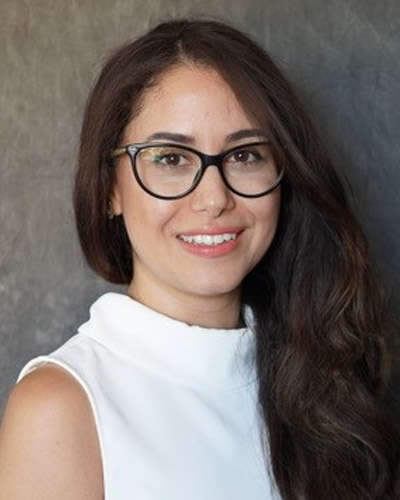
Mitra Bokaei Hosseini is an Assistant Professor in the Department of Computer Science at the University of Texas at San Antonio (UTSA), part of the College of Sciences. She holds a Ph.D. in Computer Science from UTSA, an M.S. in Information Technology from K.N. Toosi University of Technology, and a B.S. in Information Technology from Qazvin Islamic Azad University. Her research focuses on legal compliance, natural language processing (NLP), privacy, and software engineering, with an emphasis on regulatory compliance frameworks, privacy policy analysis, and automated tools for policy adherence. Her work bridges NLP techniques with practical applications in software development and mobile security. Key research trends in her articles include privacy policy analysis, automated extraction of regulatory requirements, and the use of machine learning (e.g., few-shot learning, large language models) to align code with privacy policies. Her work addresses challenges in disambiguating policy ambiguities, identifying third-party entities, and ensuring compliance in mobile applications. No scientific awards are explicitly mentioned. Her advising record and grants are not detailed in the provided texts. She may be affiliated with research teams or labs focused on privacy and NLP, though specifics are not listed.