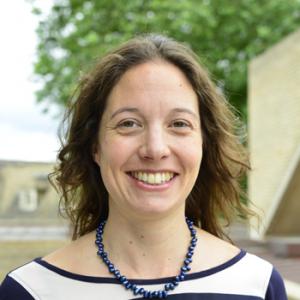
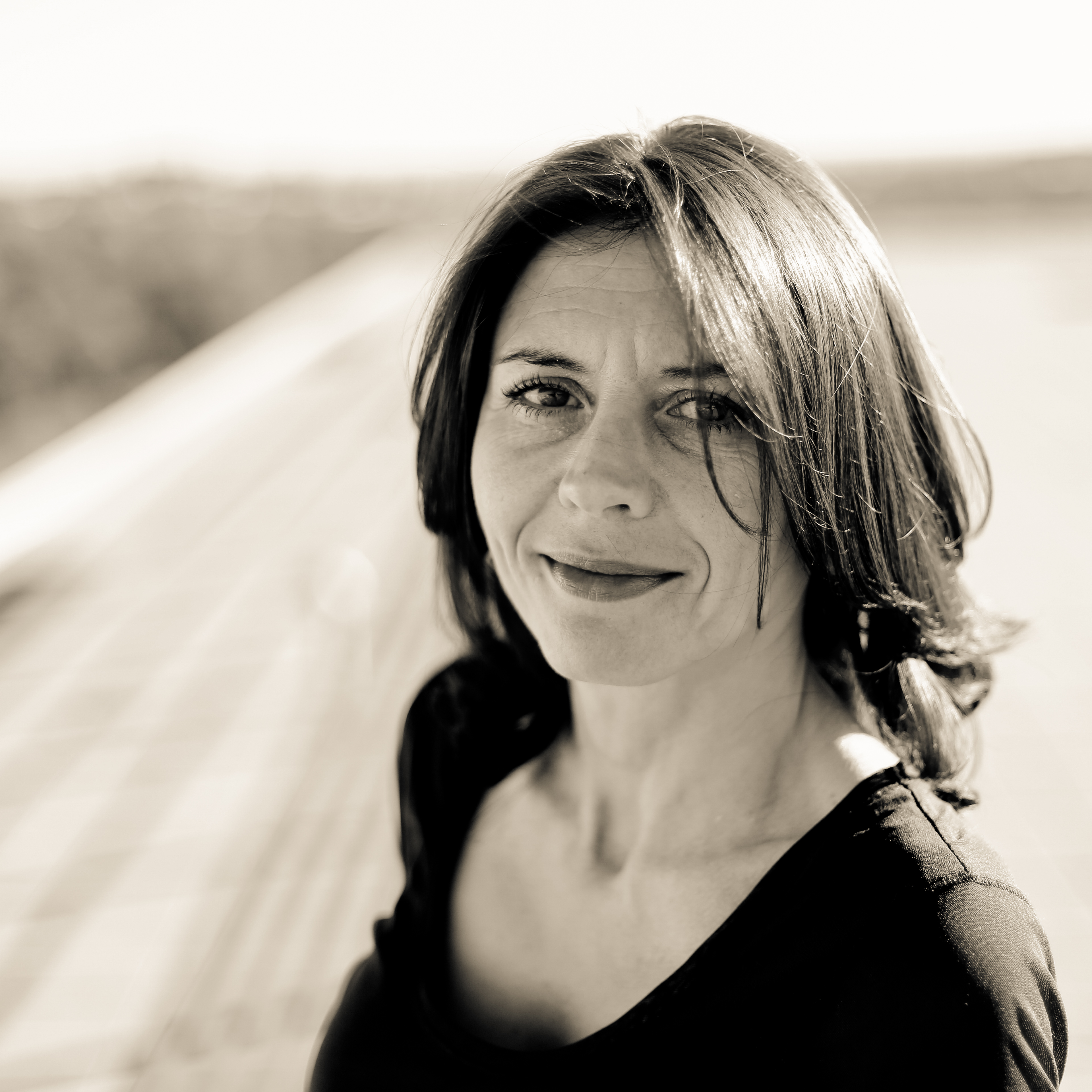
Thao Do is a Researcher affiliated with Uppsala University, working across two key units: the Institute for Research on Conflicts of Interest in Sustainable Social Transformation and the Department of Women's and Children's Health; Center for Health and Sustainability . Her work focuses on transdisciplinary approaches to sustainability challenges. Mobile: 070-167 99 57 Email: thao.do@uu.se | thao.do@swedesd.uu.se
Sushil Awale is a Research Associate at the Visual Analytics Research Group, TIB Hannover , Germany, and a PhD candidate at Leibniz Universität Hannover , supervised by Prof. Dr. Ralph Ewerth. His research focuses on Multimodal Information Retrieval , Question Answering , and Knowledge Graphs . Previously, he worked as a Student Assistant in the Language Technology Group at Universität Hamburg, developing NLP-driven scholarly systems. M.Sc. in Intelligent Adaptive Systems (2020–2023), Universität Hamburg B.Sc. in Computer Science (2015–2020), Tribhuwan University, Nepal His research interests span patent domain analysis , multimodal systems , and language resources for under-resourced languages . Recent work includes visual patent search interfaces and large vision-language models for classification tasks. Publications highlight contributions to scholarly knowledge graphs (e.g., DBLP-QuAD dataset) and AI-enhanced research advisory systems (ARDIAS). He also contributed to preprocessing Nepali language corpora and enriching Hindi WordNet via knowledge graph techniques. Currently affiliated with TIB’s Visual Analytics Group, he actively organizes events like the Scholarly Question Answering over Linked Data workshop at ISWC 2023.
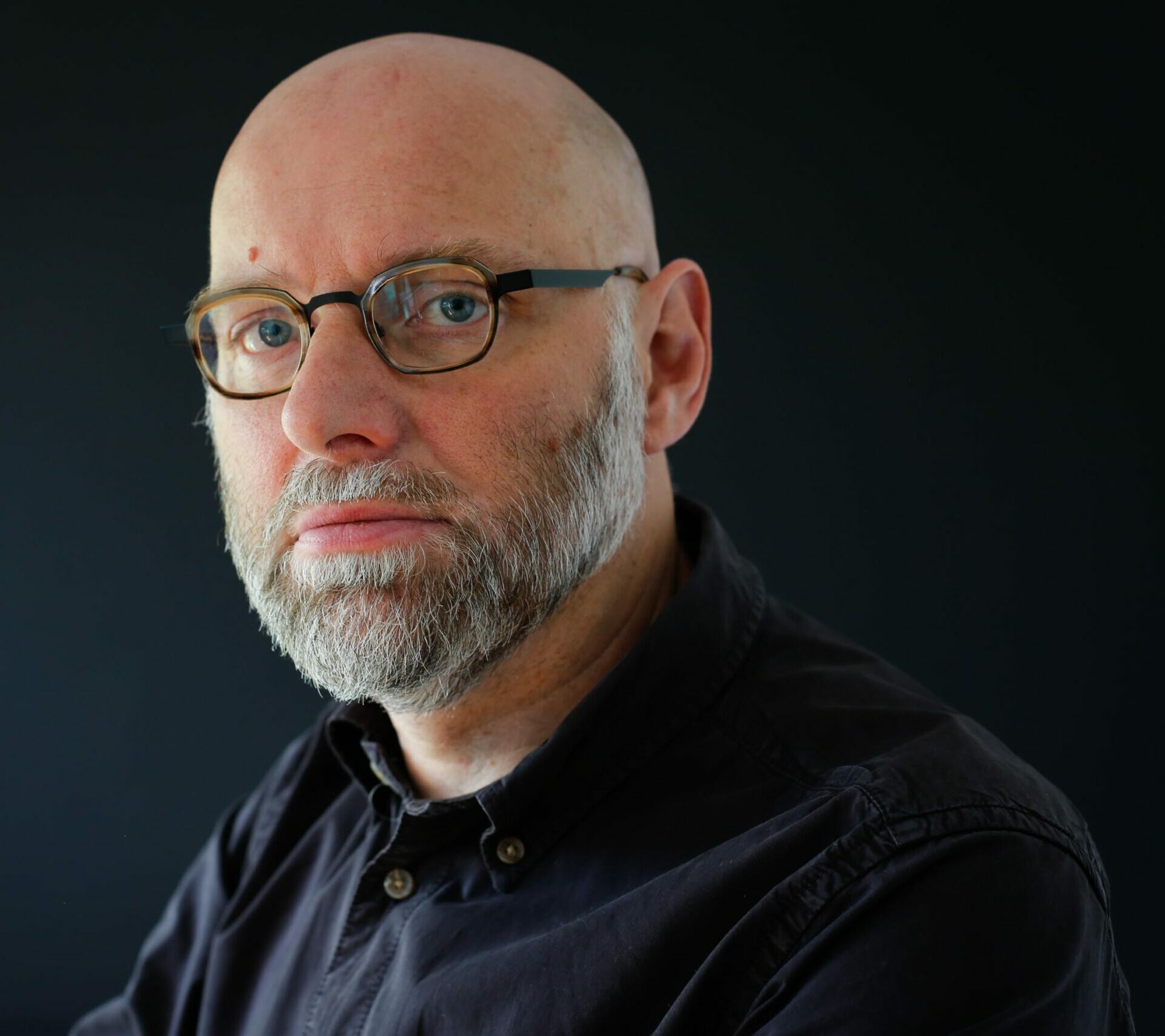
Mariano Rico is an Associate Professor at the Polytechnic University of Madrid (UPM), affiliated with the OEG research group in the Artificial Intelligence Department. Previously, he served as a Senior Researcher at OEG (2016-2020) and held teaching roles at the Autonomous University of Madrid (UAM). His primary affiliations include the UPM's Faculty of Computer Science and the UAM's Computer Engineering Department. Education: PhD in Computer Science (UAM, 2009), MSc in Physics (UAM, 1992), and postgraduate studies in Telecommunications Engineering. He conducted research stays at DERI (Ireland) and Freie Universität Berlin, focusing on Semantic Web and Linked Data. Research interests center on Linked Open Data, Natural Language Processing (NLP), and Semantic Web technologies, with contributions to DBpedia's Spanish branch and projects like Wf4Ever and LIDER. He actively collaborates with institutions in Leipzig, Bielefeld, and Berlin on Linked Data and linguistic applications. Teaching: Coordinates courses in NLP, Linguistic Engineering, and Big Data Visualization at UPM and online programs. Has instructed over 300 UAM faculty through teacher training programs on LaTeX, bibliographic management, and digital scholarly practices. Projects: Lead roles in European and national initiatives including SlideWiki, UpGrid, and Neptune. Current work focuses on NLP applications like text summarization (esT5s) and terminology tools (TermInteract). Labs/Teams: Core member of the OEG group, contributing to semantic web infrastructure and NLP tool development. Maintains international collaborations through AKSW and CITEC groups.
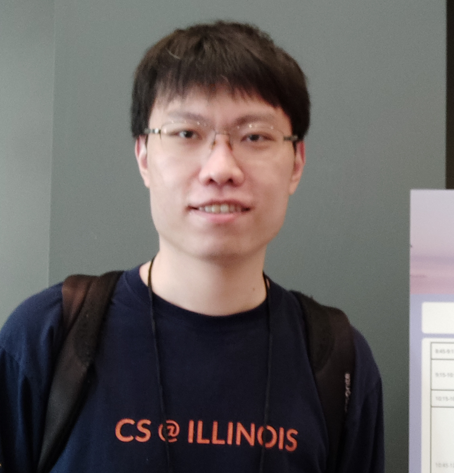
Yu Zhang is an Assistant Professor at the Department of Computer Science & Engineering at Texas A&M University, leading the SKY Lab. He holds a Ph.D. and M.Sc. from the University of Illinois at Urbana-Champaign (UIUC), advised by Jiawei Han, and a B.Sc. from Peking University. His research focuses on NLP and data mining for scientific domains, graph-augmented NLP, and weakly supervised learning. He has been recognized with the ACM SIGKDD Dissertation Award Runner-Up and multiple outstanding reviewer awards. Education: Ph.D. and M.Sc. in Computer Science, UIUC (201X-201X) B.Sc. in Computer Science, Peking University (201X-201X) Professional Roles: PC Area Chair for KDD 2026, ACL 2025, NeurIPS 2025 Co-organizer of SKnowLLM and MLoG-GenAI workshops His research interests span NLP applications in biology, medicine, and mathematics; graph-based NLP techniques; and LLMs under weak supervision. He has published extensively in top venues like ACL, KDD, and EMNLP, focusing on scientific LLMs, knowledge graphs, and automated reasoning. Key awards include the ACM SIGKDD Dissertation Award Runner-Up (2025) and multiple best paper/poster awards. He teaches graduate courses on NLP for Science (CSCE 689) and Information Storage and Retrieval (CSCE 670).
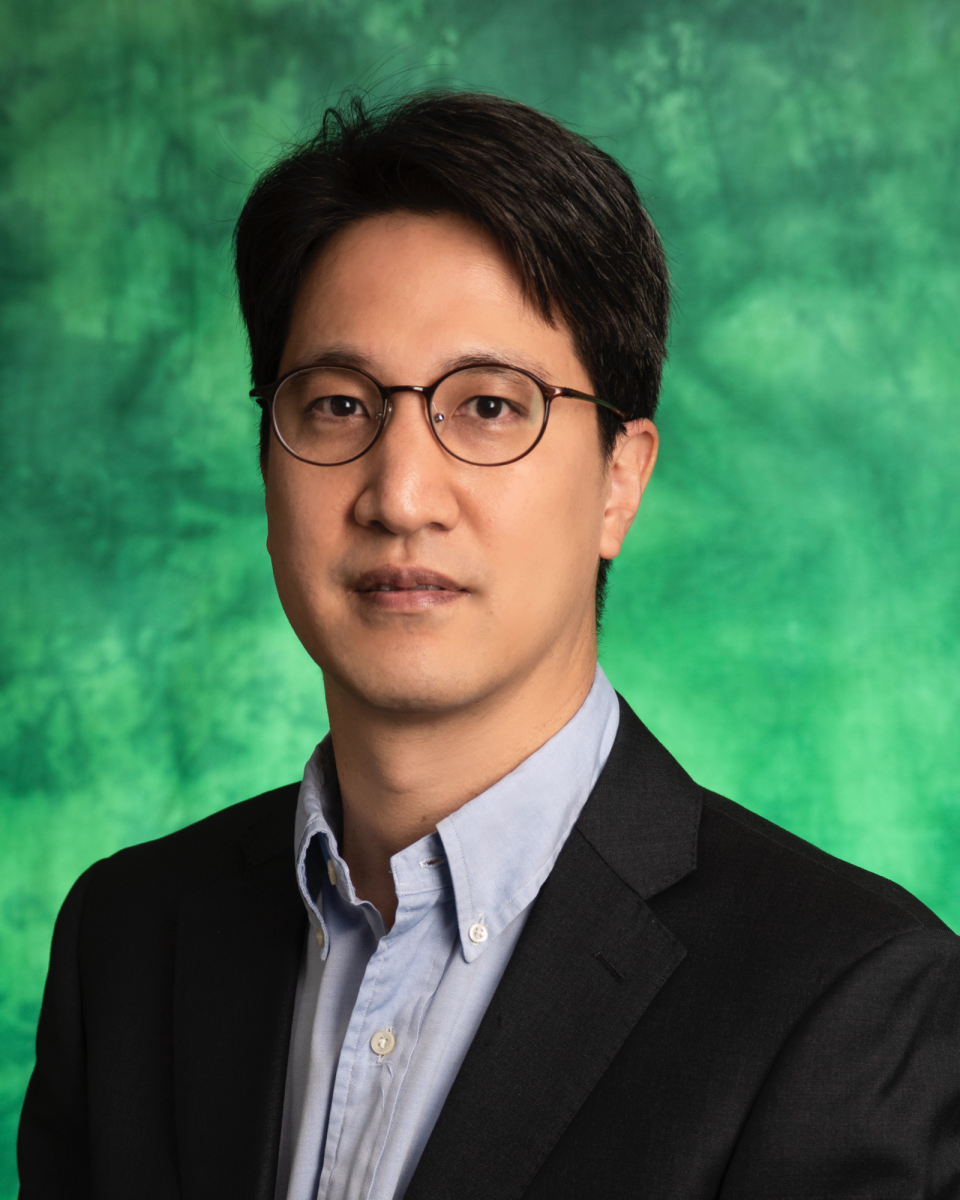
Dr. Heejun Kim is an Assistant Professor at the University of North Texas. He holds a Ph.D. from the University of North Carolina at Chapel Hill, an M.S. from the University of Illinois Urbana-Champaign, and a B.S. from Yonsei University. His research focuses on Text Mining, Machine Learning, Information Retrieval, Health Informatics, and Geographic Information Science. His work bridges computational methods with societal challenges, particularly in public health and social media analysis. Key research interests include analyzing health information credibility on social media, pandemic-related social dynamics, and designing sociotechnical systems for underprivileged communities. Dr. Kim’s recent studies investigate racial discrimination discourse on platforms like YouTube, mental health support mechanisms among college students, and the impact of information literacy on health decisions. His publications reflect a focus on pandemic-era social behaviors, digital health communication, and algorithmic solutions for biomedical literature analysis. Notable works include studies on anti-Asian hate speech during the pandemic and the role of social networks in Black American college students’ connections.
Dr. Hendrik Morgenstern serves as a Postdoc and Senior Engineer at RWTH Aachen University's Chair and Institute of Construction Management, Digital Engineering and Robotics in Construction (ICoM), where he advances digital solutions for building maintenance and construction robotics. His work focuses on integrating Building Information Modeling (BIM) with diagnostic data to optimize infrastructure lifecycle management. Morgenstern earned his B.Sc. and M.Sc. in Civil Engineering with specialization in Functional and Structural Engineering from Karlsruhe Institute of Technology (KIT), complemented by studies in Sustainable Development. He completed his Dr.-Ing. doctorate at RWTH Aachen in 2023 with research on automated maintenance planning using BIM-enriched diagnostic data. His research program centers on digitized building maintenance, BIM applications for existing structures, and robotics automation in construction. Key contributions include predictive maintenance frameworks using Bayesian inference, geopolymer material development for structural repair, and point cloud integration for as-built modeling. He emphasizes resource efficiency and data-driven decision-making across all projects. Analysis of his 15 publications (2021-2025) reveals three dominant trends: (1) Convergence of BIM with non-destructive diagnostics for predictive maintenance, (2) Development of smart materials like temperature-stable geopolymers for crack injection, and (3) Integration of robotics and AI for automated facility management. His work consistently bridges civil engineering fundamentals with computer science innovations. Morgenstern actively contributes to major research initiatives including the RoboTUNN project (awarded bauma Innovation Award 2025 for tunneling robotics) and the BIM4People consortium focused on digital transformation in construction. His work demonstrates strong industry collaboration through projects with German construction firms and participation in standards development.
Heather Bachman, PhD, is a Professor of Health & Human Development and Associate Dean of Research at the University of Pittsburgh's School of Education. Her research focuses on early academic and social development, particularly in low-income families and children. She examines family and classroom processes, policy impacts, and home environments influencing math and spatial skills. Bachman leads federally funded projects, including the NSF-funded Parents Promoting Early Learning (PPEL) initiative and a longitudinal study on toddler math development. Her work integrates quantitative and qualitative methods, analyzing large datasets like the NICHD Study and ECLS-K cohorts. Research interests include early math education, screen time effects, spatial talk, and socioeconomic disparities. Her recent studies explore how parental interactions and home environments shape child outcomes. Bachman collaborates with community organizations and uses mixed-methods approaches to bridge research and practice. She has been funded by NICHD, NSF, Spencer Foundation, and others. Her grants include an NSF project launching in 2024 to follow toddler samples into elementary grades. While no explicit awards are listed, her extensive grants highlight her impactful contributions. Advising and grants emphasize policy-relevant research and community partnerships. She is affiliated with the Learning Research & Development Center (LRDC) and contributes to educational initiatives addressing early childhood equity.
Mohammad Soltani Delgosha is an Associate Professor in Business Analytics at the Department of Management, Birmingham Business School, University of Birmingham. Previously, he served as a Senior Lecturer in Business and Information Systems at UWE Bristol University. He holds a PhD in Systems Management from the University of Tehran and has extensive academic and industrial experience in digital transformation and data analytics. Education: PhD in Systems Management, University of Tehran MSc in Information Technology Management, University of Tehran BSc (Hons) in Industrial Management, University of Tehran His research focuses on Business Analytics, Artificial Intelligence, Big Data, and Digital Transformation . He is particularly interested in data mining and text mining applications in business contexts. His work explores how digital technologies reshape industries such as finance, healthcare, logistics, and telecommunications through platforms, AI, and IoT. He has published in top-tier journals including Technovation , Journal of Business Research , Computers in Human Behavior , and Information Systems Frontiers . The analysis of his recent publications shows a strong emphasis on configurational and mixed-methods approaches to understanding digital transformation, consumer behavior on platforms, and the societal implications of AI and IoT. His work spans both technical and behavioral dimensions, often integrating computational methods with theoretical models from behavioral science. Scientific Awards: No awards explicitly mentioned in the text. Dr. Delgosha has supervised over 65 Master’s and PhD students and welcomes new PhD candidates in areas such as AI in business, digital platforms, text mining of user-generated content, and sustainable digitalization . He has secured research funding, including as Principal Investigator for an STFC project on consumer behavior during the pandemic. His industrial experience includes roles as CEO of Tinext (2017–2019), co-founder of a mobile app startup, and advisory roles for global startups, enriching his applied research perspective. Labs and Research Teams: While specific lab affiliations are not mentioned, his research is closely tied to digital business analytics, often in collaboration with scholars like Nastaran Hajiheydari and Yichuan Wang. His work is likely connected to digital innovation and analytics research groups within Birmingham Business School.
Rebecca Williams is a Professor of Public Law and Criminal Law at the University of Oxford, affiliated with Pembroke College. She serves as Admissions Co-ordinator and has held previous fellowships at Robinson College, Cambridge. Her academic journey includes a PhD from the University of Birmingham, and undergraduate/BCL studies at Worcester College, Oxford. Her research focuses on law-technology intersections, criminal/public law, and unjust enrichment. She co-founded the Oxford LawTech Education Programme (OLTEP) with Prof. Tom Melham and Dr. Václav Janeček, addressing legal technology education. Her work influences global courts, including the European Court of Justice and Australia's High Court. Key research areas include algorithmic accountability frameworks, administrative law adaptation for technology, and comparative public law approaches. She participates in initiatives like the Future of Technology and Society Discussion Group and Computers and Law Research Group. Teaching: Administrative Law, Criminal Law (Mods) Projects: LawTech education frameworks, regulatory technology applications Awards: Runner-up Peter Birks Prize (2011) Her scholarship bridges legal theory and practical challenges posed by technological advancements, emphasizing accountability and regulatory frameworks for emerging systems.
Prof. Dr.-Ing. André Borrmann is an academic leader at the Technical University of Munich (TUM) , where he has headed the Chair of Computing in Civil and Building Engineering since 2011 (formerly Computational Modeling and Simulation). He serves as Director of the TUM Georg Nemetschek Institute - AI for the Built World since 2025 and Spokesperson for the Leonhard Obermeyer Center since 2013. Research Interests Artificial Intelligence in Civil Engineering Digital Twinning Building Information Modeling (BIM) Pedestrian Dynamics Knowledge Representation Construction Simulation His work focuses on AI application across the built environment lifecycle - from generative design to maintenance prediction - with significant contributions to BIM standardization and buildingSMART International IFC extensions. He co-authored the German Ministry of Transport BIM Roadmap and led the BIM4INFRA2020 project. Awards include the 2024 Konrad Zuse Medal and multiple best paper awards at international conferences.
Catherine Faron is a Full Professor at Université Côte d'Azur , affiliated with the I3S laboratory and Inria center . She serves as vice-head of the Wimmics joint research team and leads the Artificial Intelligence and Data Engineering (IAID) program at Polytech Nice Sophia engineer school. Habilitation à diriger les recherches (HDR) in Computer Science, UCA (2017) PhD in Computer Science, Univ. Paris 6 (1997) Her research focuses on Artificial Intelligence , particularly in Knowledge Representation and Reasoning (KRR) and Semantic Web technologies. She develops hybrid intelligent systems combining KRR with machine learning for knowledge extraction, integration, and exploitation across education, health, and digital humanities. Recent publications highlight her work on: 2025 : Knowledge graphs for historical zoological data 2024 : Semantic annotation frameworks in agronomy 2023 : Agricultural data mapping and medical record enrichment 2022 : Visual exploration of big linked data Scientific recognitions include: 2023: Best Paper Award, ESWC 2017: Scientific Excellence Award, UCA 2016: Best Demo Award, ISWC 2015: Best Paper Award, IC 2008: Best PhD Paper Award, ECPPM She has supervised 19 PhD/Master's students and leads/has led projects like D2KAB , DEKALOG , and ZOOMATHIA , with partnerships across academic and industrial institutions.
Wenfei Fan holds the Personal Chair in Web Data Management at the School of Informatics, University of Edinburgh . He is affiliated with the Database Group , LFCS (Laboratory for Foundations of Computer Science), Bell Labs , and the International Research Center on Big Data at Beihang University. His research spans database theory, data science, and big data systems. PhD in Computer and Information Science, University of Pennsylvania, USA MS in Computer Science, Peking University, China BS in Computer Science, Peking University, China His research interests focus on database theory and systems , including big data, data quality, data integration, database security, distributed query processing, query languages, social networks, and XML. He has pioneered techniques for graph pattern matching, data dependencies, and scalable algorithms. Recent publications emphasize graph data management , rule-based systems , and ML-data quality integration . Key themes include incremental computation, GPU-accelerated graph cleaning, entity linking, and logic-driven ML. Articles like 'Rock' and 'MiniClean' demonstrate hybrid approaches for real-world data challenges. Fellow of the Royal Academy of Engineering (FREng), 2023 Foreign Member, Chinese Academy of Sciences (ForMemCAS), 2019 Fellow of the Royal Society (FRS), 2018 ERC Advanced Fellowship, 2015 ACM Fellow (FACM), 2012 Roger Needham Award, 2008 He leads the ERC project: Resource-Bounded Graph Query Answering and contributes to systems like GRAPE and GraphScope , which parallelize sequential algorithms and process large graphs. He mentors students and collaborators globally, with a focus on data quality and graph analytics.
Miguel Sales Dias is affiliated with ISCTE - Instituto Universitário de Lisboa, specifically the Iscte Business School. His research spans multiple domains, including Machine Learning , Immersive Technologies , and Urban Mobility . His work focuses on: Developing AI-driven systems for energy consumption optimization in public buildings Creating co-design interfaces for housing customization Exploring mHealth applications for cardiac diagnostics Advancing virtual reality for education and visitor experiences Recent publications demonstrate expertise in smart city solutions , bioinformatics , and human-computer interaction . While specific awards or educational background weren't explicitly mentioned, his extensive publication record indicates significant contributions to interdisciplinary research.
Bart Kruijt is a researcher at Wageningen University & Research, working within the Environmental Sciences faculty and the Earth Systems and Global Change department. He holds the position of Research Associate and serves as Co-promotor for several PhD candidates, indicating his faculty status. His research focuses on understanding greenhouse gas emissions, particularly carbon dioxide and methane, from various ecosystems including peatlands and tropical forests. He employs advanced measurement techniques such as eddy covariance and integrates these with machine learning approaches to analyze complex environmental data. Dr. Kruijt has made significant contributions to understanding the carbon cycle in Dutch peatlands and the response of Amazonian ecosystems to elevated CO2 levels. His work spans ecosystem monitoring, climate change impacts, and carbon flux modeling, with recent emphasis on: Machine learning applications for analyzing CO2 fluxes in peatlands Greenhouse gas emissions from rewetted peatlands and fen meadows Amazon rainforest response to climate change and elevated CO2 Spatiotemporal patterns of emissions in agricultural landscapes Integration of ground-based and airborne measurement techniques Dr. Kruijt has received media attention for his work on the Amazon rainforest, with expert commentary in Dutch media outlets regarding the importance of these ecosystems. His research has practical implications for climate policy, particularly regarding peatland management in the Netherlands and understanding potential climate feedbacks from tropical forests. He currently supervises multiple PhD projects focused on greenhouse gas dynamics in fen meadows and peatlands, contributing to critical climate research in the Netherlands and beyond. His work bridges fundamental ecological research with practical climate mitigation strategies, making significant contributions to both scientific understanding and policy-relevant knowledge.
Mehwish Alam is an Associate Professor of Language, Knowledge, and Artificial Intelligence at Télécom Paris, part of the Institut Polytechnique de Paris. She leads the Data, Intelligence, and Graphs (DIG) team at the Laboratoire Traitement et Communication de l'Information (LTCI). Her research focuses on machine/deep learning, language models, knowledge graphs, and natural language processing. She is actively involved in organizing workshops such as DL4KG and chairs roles at major conferences like EKAW 2024 and ECAI 2025. Education includes a Ph.D. in informatics from LORIA, INRIA, Nancy Grand-Est, France, and an Erasmus Mundus MSc in Language, Communication & Technology. She has held postdoctoral roles at institutions including Karlsruhe Institute of Technology, CNR Rome, and University of Bologna. Research interests span neurosymbolic AI, knowledge graph embeddings, and applications in cultural heritage and materials science. She supervises multiple PhD students and has mentored interns across institutions like BNP Paribas and Nokia Bell Labs. Her work bridges deep learning and symbolic methods, emphasizing interdisciplinary collaborations.