Tuğba Beyazkaya serves as a full-time Lecturer in the Cookery program of the Department of Hotel, Restaurant and Catering Services at Bingöl University's Social Sciences Vocational School since 2019, following a similar position at Başkent University (2016-2019). Her academic qualifications include: Bachelor's degree in Gastronomy and Culinary Arts from Gazi University (2010-2014) Master's degree in Gastronomy and Culinary Arts from Gazi University (2014-2017) Her professional focus spans culinary disciplines with emphasis on: Historical and cultural aspects of food systems Advanced pastry and chocolate techniques Molecular gastronomy applications Global culinary traditions and management She delivers comprehensive instruction combining theoretical frameworks with practical kitchen applications across multiple specialized courses. Her vocational training background at Sincan Career Vocational Training Course (2016-2017) informs her hands-on teaching approach in hospitality management and culinary operations.
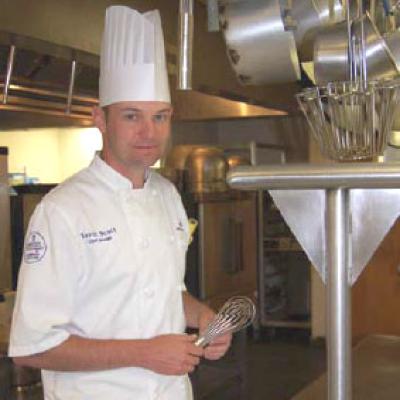
Kevin Scott serves as an Associate Professor in the Department of Culinary Arts within the School of Applied Technology at Alfred State College, holding a 10-month academic appointment. His position reflects active engagement in culinary education and professional kitchen training. Professor Scott's expertise spans practical and theoretical aspects of culinary disciplines. His research interests include: Culinary Arts techniques and methodologies Food Science principles in professional kitchens Culinary Education pedagogy Hospitality Management operations Professional Kitchen Systems and Safety As a core faculty member at Alfred State College, he contributes to the institution's hands-on learning approach that prepares students for immediate industry employment. Contact is available through email at ScottKE@alfredstate.edu or telephone at 607-587-3169.
Chef Shirley Cheng is a dedicated culinary instructor at The Culinary Institute of America with 30 years of teaching experience. As a Chengdu-native, she brings authentic Chinese culinary expertise to her classroom, specializing in Asian cuisines through a 14-day intensive course covering six countries. Her legendary '30-second chicken breakdown' demonstration has earned her social media recognition with over 110,000 views on Instagram. Cheng's teaching philosophy emphasizes holistic kitchen management alongside technical skills, instructing students in time management, teamwork, and professional kitchen operations. She believes 'anyone can read recipes, but they need to learn the kitchen as a whole.' Her signature teaching elements include GGS (Ginger, Garlic, Scallion) techniques and authentic dumpling preparation that students consistently remember from her classes. Cheng leads the Food, Wine, & (Agri)Culture Trip to China, providing students with immersive cultural experiences. Despite initial challenges with English-language instruction that required voice therapy early in her career, she has developed a dynamic teaching style that balances her Chinese culinary foundation with American culinary education standards. She remains actively engaged in the classroom, stating 'being in the classroom is where she shines and plans to stay' rather than retiring after three decades of teaching. CIA Faculty Member of the Year award recipient Specializes in fast, precise food preparation techniques Known for 'the Chinese way' cooking approach that blends tradition with practicality Cheng maintains an active presence on social media, particularly Instagram, where she shares food photography and culinary techniques. She encourages female students to 'stand out with your culinary skills' when seeking respect in professional kitchens, and continues to refine her own skills through international travel and exploration of diverse Asian restaurants.
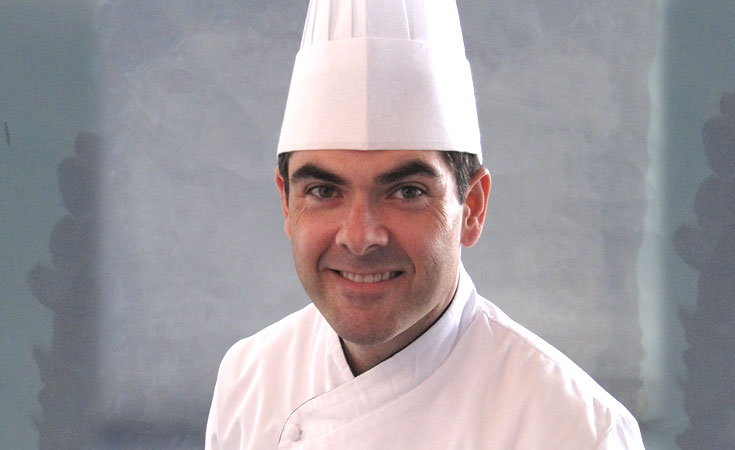
Phil Crispo is a Chef Instructor at The Culinary Institute of America (CIA) in Hyde Park, NY, where he has been a faculty member since 2005. Previously serving as Assistant Professor in Culinary Arts, he teaches in both degree programs and the Continuing Education Department while leading The Escoffier Restaurant as executive chef—a student-staffed establishment that provides real-world culinary training. His educational background includes: Advanced Culinary Diploma from the Craft Guild of Chefs (London) Pâtisserie and Baking Certification from Perth Technical College (Scotland) Certified Hospitality Educator (CHE) ProChef Level III (PCIII) and Certified Executive Chef (CEC) credentials Crispo's professional focus centers on culinary education and innovation, with expertise spanning baking/pastry techniques, restaurant operations management, and hospitality leadership development. His hands-on approach integrates industry experience into curriculum design, emphasizing practical skill development for culinary professionals through research-driven teaching methodologies. His distinguished accolades include: Prize of Honor at the 2009 Société Culinaire Philanthropique Salon of Culinary Art Compass Group Award for Culinary Excellence (1999) Gold Medal at the International Salon Culinaire (1998) Winner of Food Network's Chopped television competition As an educator, Crispo mentors industry professionals through the CIA's Continuing Education programs while guiding students in The Escoffier Restaurant's operational environment. His leadership bridges academic instruction with commercial kitchen realities, fostering professional growth through structured culinary challenges and technique refinement. Early career highlights include executive chef positions at Scotland's Royal Botanic Gardens (Edinburgh) and Huntingtower Hotel (Perthshire), plus co-ownership of Maine's historic Norumbega Inn—showcasing his versatility across fine dining, institutional catering, and boutique hospitality operations.
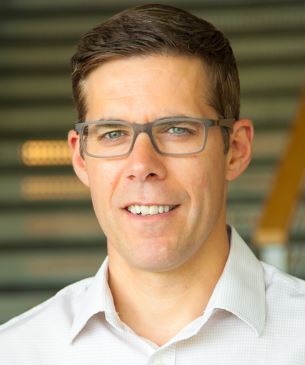
John P. Seymour, PhD is an Associate Professor at The University of Texas Health Science Center at Houston (UTHealth Houston) leading the Translational Bioelectronics Lab. His work spans multiple institutions through key affiliations with the Texas Institute for Restorative Neurotechnologies (TIRN) and Rice University's neuroengineering community. Dr. Seymour's educational background includes: Ph.D. in Biomedical Engineering from the University of Michigan M.S. in Biomedical Engineering from the University of Michigan B.S. in Engineering Physics from Ohio State University His research focuses on developing advanced neural interfaces to treat neurological conditions including epilepsy, aphasia, locked-in syndrome, and ALS. The Translational Bioelectronics Lab addresses critical challenges with current neurotechnology through computational electrode design, microfabrication techniques, and advanced packaging of integrated circuits. Dr. Seymour's work specifically targets reducing brain damage risks, infection potential, and improving clinical outcomes of implantable devices. His lab is part of the Texas Institute for Restorative Neurotechnologies co-directed by neurosurgeon Nitin Tandon, MD, creating a direct bridge between engineering innovation and clinical application. Analysis of Dr. Seymour's publication record reveals strong emphasis on flexible and stretchable neural interfaces, particularly for peripheral nerve applications and bladder monitoring systems. His research integrates materials science, microfabrication, and neuroscience to develop next-generation neural interfaces that minimize tissue damage while maximizing signal quality. Key trends include non-penetrating interfaces, multicolor optogenetic tools, closed-loop neural systems, and advanced materials like PEDOT/CNT coatings for improving chronic stability of neural recordings. Dr. Seymour actively mentors students through his lab which maintains strong connections with both clinical and engineering communities. The lab receives funding through multiple channels including NIH grants, institutional support from UTHealth, and collaborative projects with Rice University. His leadership in the field is evidenced by numerous patents related to neural interface technology. The Translational Bioelectronics Lab operates within specialized facilities including a 'brain kitchen' and 'biomaterials' lab designed for creative engineering work. The lab shares space at a state-of-the-art facility with Rice University neural engineers, providing access to Rice's nanofabrication facility and creating exceptional opportunities for translational neuroengineering research at the Texas Medical Center.
Thomas DeRosa serves as an Associate Professor at Johnson & Wales University's Charlotte Campus within the College of Food, Innovation & Technology since 2012. As a full-time educator, he specializes in foundational culinary instruction for first-year students through hands-on laboratory courses. His academic credentials include: MBA in Business Administration (Hospitality) from Johnson & Wales University B.A. from The New England Culinary Institute A.O.S. from The Culinary Institute of America DeRosa's professional expertise spans executive management roles across premier food service contractors, private country clubs, and healthcare institutions. His teaching philosophy emphasizes integrating vocational experience with academic rigor to cultivate industry-ready leaders. Research interests focus on applied culinary techniques , hospitality operations , and culinary pedagogy , leveraging his dual background as both chef and educator. As an active member of the American Culinary Federation, he connects classroom learning to real-world industry standards. His core courses—including Introduction to Culinary Skills & Techniques and Elements of a la Minute Cooking—embody JWU's experiential education model through immersive kitchen laboratories and industry-aligned skill development.