- Gastronomy
- Culinary Arts
- Sustainable Gastronomy
- +۵ مورد دیگر
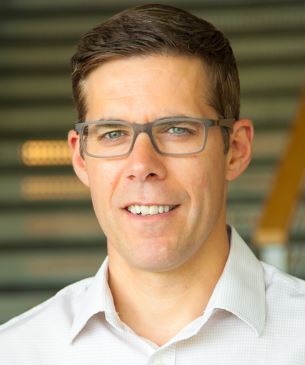
Dr. Özkan SÜZER serves as a Lecturer at Karabük University's Safranbolu Faculty of Tourism in the Department of Gastronomy and Culinary Arts. With a full-time academic appointment since 2023 (previously serving as a Research Assistant from 2017-2023), he has established himself as a dedicated educator and researcher in culinary sciences. His academic journey includes a PhD in Gastronomy and Culinary Arts from Balıkesir University (2018-2022), a Master's degree from Gaziantep University (2016-2018), and undergraduate studies at the same institution (2012-2016). Dr. Süzer's research interests span sustainable gastronomy, culinary arts, local food systems, neurogastronomy, and the intersection of technology with food practices. His scholarly work demonstrates a consistent focus on both theoretical and practical aspects of gastronomy, with particular attention to sustainability issues in food systems and tourism contexts. Analysis of his recent publications reveals a strong emphasis on contemporary challenges in the culinary field, including digital transformation in restaurants, sustainable food consumption behaviors, and the application of emerging technologies like 3D printing in culinary contexts. His work frequently examines the relationship between local food experiences and tourism, contributing valuable insights to the rapidly growing field of gastronomic tourism. Active researcher with 49 total publications accordingli to institutional metrics Current researcher on the internationally supported 'Master Chef Simulator: Sustainable Gastronomy Training Through VR' project (2024-2026) Supervises master's students on topics related to sustainability in Michelin restaurants and local food experiences Teaches comprehensive curriculum spanning foundational and specialized topics in gastronomy Dr. Süzer's academic contributions reflect his commitment to advancing knowledge in gastronomy through rigorous research, innovative teaching methods, and international collaboration. His work bridges traditional culinary practices with contemporary technological and sustainability challenges, positioning him as a relevant voice in modern gastronomic scholarship.