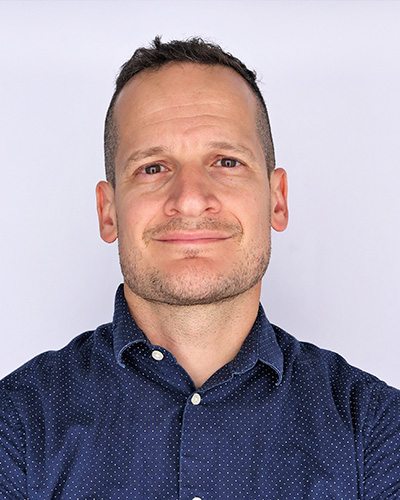
Troy Day is a Professor at Queen's University in the Department of Mathematics and Statistics, with a cross-appointment in the Department of Biology. His research focuses on evolutionary biology, mathematical modeling, and epidemiology, integrating areas like game theory, optimization, and dynamical systems. He holds a Ph.D. in Mathematics (1998) from Queen's University, an M.Sc. in Zoology (1994) from the University of British Columbia, and a B.Sc. in Biology (1990) from the same university. Research interests include the evolution of pathogen virulence, antibiotic resistance dynamics, and the evolutionary consequences of vaccination. His work bridges theoretical and applied domains, addressing challenges like pandemic forecasting and disease management strategies. Notable contributions include modeling SARS-CoV-2 variant emergence and analyzing the economics of evolution management. Publications span topics from stochastic processes in epidemiology to the evolutionary advantages of genetic and nongenetic inheritance. His collaborations span disciplines, including with biologists, epidemiologists, and public health experts. Current teaching includes calculus for biological sciences.
Dr. Nicholas E. Newton-Fisher is a Reader in Evolutionary Anthropology (Primate Behaviour) at the University of Kent's School of Anthropology and Conservation. He specializes in wild chimpanzee behavior and ecology, with over two decades of fieldwork in Uganda's Budongo Forest. His research focuses on cooperation, decision-making, and strategic aggression in primate societies. He holds editorial roles at Animal Behaviour and is a Fellow of the Royal Society of Biology and Senior Fellow of the Higher Education Academy. Education: BSc (Hons) Zoology, University of Bristol PhD from the University of Cambridge (study of Budongo Forest chimpanzees) Research Interests: Dr. Newton-Fisher explores chimpanzee social structures, foraging strategies, infanticide dynamics, and the evolution of cooperation. He employs innovative methods like infrared thermography and Elo-ratings to model dominance hierarchies. His work bridges field ecology, behavioral analysis, and evolutionary theory. Publications: His recent work examines thermographic emotion studies in macaques, foraging decision-making in chimpanzees, and kinship recognition across species. These studies highlight interdisciplinary approaches to primate behavior. Awards & Media: A frequent media commentator on primatology, he has contributed to BBC Radio 4's Today and National Geographic. His iPhone app Animal Behaviour Pro aids observational data logging. Supervision & Grants: He mentors PhD students globally, focusing on projects merging theoretical frameworks with field observations. Notable supervisees include researchers studying chimpanzee infanticide, macaque communication, and gorilla reproductive competition. Labs & Collaborations: Associated with the Budongo Conservation Field Station (BCFS) and the Primate Society of Great Britain. His work integrates conservation, education, and public engagement in primatology.
Professor Craig Roberts holds a Personal Chair in Psychology at the University of Stirling and is an Assistant Professor at the University of Wroclaw, leading the Being Human Incubator. His research focuses on olfactory communication, mate choice, and applied evolutionary psychology. He leads a Wellcome Trust-funded project (2024-2032) investigating maternal-infant odor communication to improve breastfeeding outcomes. Education: BSc in Agricultural Zoology (University of Leeds, 1990), PhD in Territorial Behavior (UCL, 1995), Certificate in Professional Studies (Liverpool, 2008) Research explores how odors influence human behavior, including mate selection and social signaling. Key contributions include challenging the notion of human olfactory irrelevance and advancing understanding of MHC-based odor preferences. He has secured grants from ESRC, BBSRC, Wellcome Trust, and industry partners. Awards include a British Academy Mid-Career Fellowship (2013-14). Professional roles include European Science Foundation’s College of Expert Reviewers (2018–), UKRI Interdisciplinary Assessment College (2023–), and former ISHE President (2018–2021). Advising: Supervises PhD students on odor-bonding in couples and emotional contagion via odors Labs/Groups: Academic Lead of Stirling Crucible, part of the Behaviour and Evolution Research Group. Current projects address olfactory communication in mothers and infants, cross-cultural studies of love, and the evolutionary basis of mating strategies.
Dr. Ewa Krzyszczyk is a Lecturer in Zoology at Bangor University's School of Environmental and Natural Sciences. She serves as the Director of Student Engagement and Director of the BSc/MSc Zoology with Marine Zoology program, while also co-managing the BSc Zoology with Foundation Year. Her academic journey began at Bangor University where she earned her BSc in Zoology with Marine Zoology (2003) and MSc in Marine Mammal Science (2005), followed by a PhD in behavioral ecology from Georgetown University (2013). Her educational background includes: PhD in Age determination, life history and juvenile behavior in bottlenose dolphins (Tursiops sp.) in Shark Bay, Australia, Georgetown University (2013) MSc in Marine Mammal Science, Bangor University (2005) BSc in Zoology with Marine Zoology, Bangor University (2003) Dr. Krzyszczyk's research is centered in behavioral ecology, with a focus on understanding how behavior changes with environment, age, disease, and anthropogenic effects. She applies novel approaches to quantify these interactions and their consequences within and between ecosystems. Her work spans marine mammal behavior, particularly bottlenose dolphins at Shark Bay and St. Johns River, as well as reef health assessment in the Turks and Caicos Islands where she studied fishing pressure, Black Spot Syndrome effects, and lionfish culling management. Her recent publications demonstrate consistent focus on bottlenose dolphin social behavior, disease transmission, and conservation. The articles reveal strong patterns in studying social networks, mortality risks, and behavioral adaptations across different environmental conditions. Her work bridges theoretical behavioral ecology with practical conservation applications, particularly in marine ecosystems. Among her scientific recognitions is a Teaching Fellowship awarded in 2023. She has published extensively on bottlenose dolphin behavior, social structures, and conservation issues. As an educator, Dr. Krzyszczyk teaches across multiple modules including Practical Skills, Field Trips, Invertebrates, and Dissertation in Biological Sciences. She is module organizer for Science Communication and Essential Biology. Her teaching philosophy emphasizes student engagement and experiential learning, believing that 'involve them and they will understand.' She has also taught Marine Resource Management, Directed Research, Tropical Marine Ecosystems, and Marine Megafauna Ecology while working with The School for Field Studies. Dr. Krzyszczyk maintains active research collaborations across institutions and her work contributes to UN Sustainable Development Goals related to marine conservation and environmental protection.
Dr. Chris Faulkes is a Professor in Evolutionary Ecology at Queen Mary University of London, affiliated with the School of Biological and Behavioural Sciences. His research focuses on the evolutionary ecology of African mole-rats, particularly their social structures, subterranean adaptations, and longevity mechanisms. He holds roles such as Foundation Programme coordinator and has contributed to over 190 publications. Education: PhD in Zoology from University College London (1987–1990), postdoctoral work at the Zoological Society of London (1990–1998). Research Interests: Social evolution, molecular ecology, and adaptations to subterranean life, with a focus on naked mole-rats and their unique eusocial behavior. Key Projects: Genomic studies on aging, epigenetic clocks, and social suppression mechanisms in mole-rats. Dr. Faulkes collaborates globally on projects involving subterranean mammals, including work on burrow architecture, parasite dynamics, and conservation genetics. His lab utilizes molecular tools to explore evolutionary and ecological questions, with recent emphasis on the naked mole-rat’s resistance to cancer and hypoxia.
Lauren Bates is an Assistant Professor of Psychology at Chatham University's College of Arts & Sciences, joining in August 2022. Her research focuses on human learning and memory, memory improvement, educational applications of memory research, evidence-based memory strategies, feedback mechanisms in learning, elaboration, forgetting, and adaptive memory. Ph.D. in Psychology, Colorado State University (2019) M.S. in Psychology, Colorado State University (2015) B.A. in Psychology, California State University, Long Beach (2012) Dr. Bates's work explores how retrieval practice, spaced testing, and feedback enhance memory retention and student learning. She investigates the interplay between evolutionary-driven memory advantages (e.g., survival processing) and educational interventions like mastery quizzing. Her research also examines self-referential processing, kin selection theory, and sensory modality effects on testing performance. Her recent presentations highlight trends in cognitive psychology, particularly the use of iterative assessments with feedback to combat forgetting. She applies findings to practical educational settings, emphasizing strategies that optimize retention through elaboration, spaced learning, and feedback mechanisms. College of Natural Sciences Graduate Student Excellence in Teaching/Mentoring Award (2017) Marc V. Richard Award for Excellence in Teaching (2016) At Colorado State University, Dr. Bates supervised academic coaching programs and student-led tutoring, demonstrating her commitment to applied learning. Her affiliations include the Society for Applied Research in Memory and Cognition, Psychonomic Society, and Association for Psychological Science.
Milena Oliveira is an Assistant Professor and Vegetable Extension Specialist in the Department of Plants, Soils and Climate, College of Agriculture and Applied Sciences, Utah State University (Logan Campus, AGRS 327). She leads an applied research and extension program focused on improving vegetable crop performance under the semi-arid conditions of the Intermountain West. Education & Background: Advanced degree(s) in Horticulture/Crop Physiology (exact degrees not stated in text). Extensive publication record from 2016–2025 demonstrates expertise in vegetable physiology, grafting, salinity and drought stress management, and post-harvest technology. Research Focus: Milena Oliveira’s program integrates fundamental plant physiology with practical solutions for growers. Her work addresses: Abiotic Stress Tolerance: Investigating how grafting, biostimulants, and cultural practices enhance watermelon and other vegetable crops under drought and salinity. Seedling & Transplant Quality: Developing science-based recommendations for starting vegetable seeds indoors, from planning through transplanting. Post-harvest Biology: Extending shelf life and maintaining quality of specialty crops such as pitaya, ornamental peppers, and passion fruit through ethylene management and environmental controls. Publication Trends: Across her 50+ peer-reviewed papers, a clear trajectory emerges from basic biochemical characterization of underutilized fruits (2016–2020) toward translational studies on crop resilience and extension-ready production guides (2021–2025). Recent outputs emphasize applied solutions—grafted watermelon for water-limited Utah, salt-tolerant rootstocks, and step-by-step extension bulletins for vegetable producers. Extension & Outreach: As the statewide Vegetable Extension Specialist, she delivers research-based recommendations to commercial growers, home gardeners, and Master Gardener programs throughout Utah. Her fact-sheet series "Starting Vegetable Seeds Indoors" exemplifies the bridge between research and stakeholder needs. Awards & Funding: No specific awards or funded grants are listed in the provided material. Students & Teams: No advisees or laboratory members are explicitly named in the supplied text.
T. K. Dalton is a Lecturer and writer at Princeton University's Writing Program, focusing on care, disability, and the design of running sneakers. His creative work has been recognized as 'Notable' in Best American Essays and published in Apogee, The Millions, Wordgathering , and other literary platforms. Awards : Notable Essay listing in Best American Essays Dalton's research interests intersect humanistic themes with social science methodologies. His recent publications analyze: Genetic and environmental interactions in educational outcomes (e.g., cousin dynamics, sibling similarity) Collective behavior and incentives in social systems (e.g., free-riding, costly signaling) Historical and policy implications of genetic research (e.g., Vietnam draft lotteries, famine effects) Methodological debates in genomic population structure and polygenic scoring Notable collaborations include work on the Panel Study of Income Dynamics and Add Health datasets. While primarily associated with writing instruction, his scholarship bridges biological and social domains.
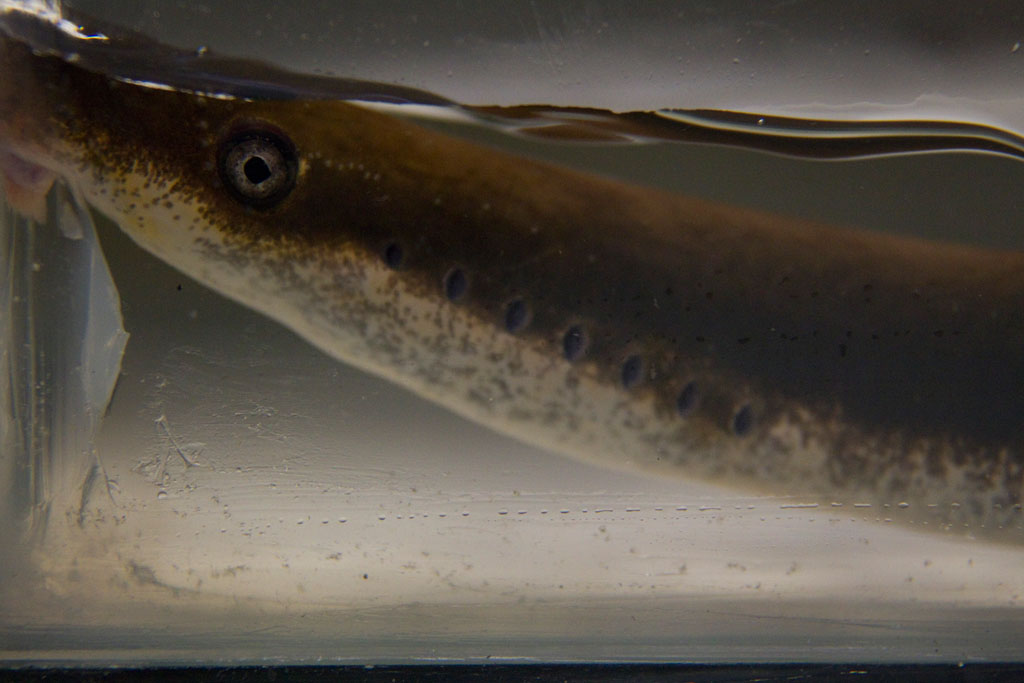
John B. Hume serves as an Assistant Professor - Research in the Department of Fisheries and Wildlife at Michigan State University's College of Agriculture & Natural Resources. His position is funded by the Great Lakes Fishery Commission (GLFC) through the Partnership for Ecosystem Research and Management (PERM), collaborating with the Michigan Department of Natural Resources and federal agencies including US Fish & Wildlife Service and Fisheries and Oceans Canada to advance sea lamprey control in the Great Lakes. His academic credentials include: PhD in Evolutionary Ecology from the University of Glasgow (2013) MSci in Zoology from the University of Glasgow (2009) Dr. Hume's research integrates lamprey conservation and invasive species management, focusing on their ecological roles as prey, nutrient transporters, and habitat modifiers in freshwater systems. His expertise spans behavioral ecology, chemical ecology, and evolutionary biology, with particular attention to anthropogenic stressors including habitat fragmentation, pollution, and climate change impacts on migratory fish species. He emphasizes the interconnected nature of lamprey conservation and control as 'two sides of the same coin' requiring public and political support. Analysis of his 2018-2021 publications reveals consistent focus on Great Lakes sea lamprey management through integrated approaches. His work bridges fundamental biological research (e.g., alarm cue responses, ecotype evolution) with applied solutions (selective fish passage, chemical cue trapping, aquaculture protocols). Key trends include international collaboration on conservation initiatives, development of non-lethal control methods, and assessment of anthropogenic threats across native and invasive lamprey populations. No scientific awards, fellowships, or medals are documented in the provided materials. Dr. Hume's research is primarily supported by the GLFC through PERM, enabling collaboration with multiple federal and state agencies. His grants fund initiatives including the Sea Lamprey Aquaculture & Procurement Initiative (SLAP) for developing lab-rearing protocols, media analysis projects assessing lamprey portrayal, and nationwide mapping of lamprey distributions for State Wildlife Action Plans. He has previously directed projects on sex ratio dynamics, selective fish passage development, and evolutionary ecology of lamprey 'paired species'. He leads 'That Lamprey Lab' at Michigan State University, which employs multidisciplinary methodologies from genetic analysis to whole-organism field studies. The lab conducts research through three primary channels: the Sea Lamprey Aquaculture & Procurement Initiative for invasive species control, conservation-focused projects mapping US lamprey distributions and assessing media bias, and fundamental research on lamprey life history and evolutionary ecology. Current work includes preparing for 2025 State Wildlife Action Plans and developing selective passage systems to balance native fish restoration with sea lamprey control.
Chulguen "Charlie" Yang is a full Professor of Management in the Department of Management / International Business at Southern Connecticut State University (SCSU), where he has been teaching since 2007. He earned his Ph.D. in Industrial and Organizational Psychology from Central Michigan University. Education: Ph.D. in Industrial and Organizational Psychology, Central Michigan University Research Interests: Professor Yang's scholarship integrates evolutionary psychology with management education. His primary research areas include the application of evolutionary theory to organizational behavior, mindfulness and contemplative practices in business education, storytelling as a managerial tool, and fostering sustainability mindsets among future business leaders. He explores how ancient wisdom traditions and modern psychological insights can enhance leadership development and organizational effectiveness. His work on mindful leadership examines how contemplative practices can cultivate emotional intelligence, ethical decision-making, and sustainable business practices. Through arts-based pedagogies, he investigates innovative teaching methods that integrate visual arts, music, and storytelling to deepen students' self-awareness and cultural competence. Publications Overview: Professor Yang's recent publications demonstrate a consistent focus on bridging contemplative practices with business education. His 2024 article in the Journal of Management, Spirituality & Religion integrates art, spirituality, and well-being in organizational contexts. Collaborative works explore cross-cultural applications of contemplative photography in sustainability education across the United States, Russia, and Germany. His evolutionary psychology perspective is evident in studies examining gossip in workplace settings and kinship dynamics in family businesses. Grants and Funding: Professor Yang has secured numerous internal grants from SCSU totaling over $25,000, including: "The dark side of parental altruism in family business" ($2,497) "Enhancing Global Competence and Leadership through Films and Visual Storytelling" (ongoing) "A Qualitative Study of the Meanings and Practices of Conscious Capitalism" ($7,700) "Mindfulness meditation and art appreciation as meaning-making practices" ($4,958) Multiple grants exploring mindfulness applications in management education Teaching and Academic Service: He teaches undergraduate and graduate courses in Organizational Behavior, Mindful Leadership, and Creativity and Innovation in Organizations. His pedagogical innovations include integrating mindfulness practices, art-based methods, and evolutionary perspectives into traditional business curricula. He has presented his work at prestigious conferences including the Academy of Management, Eastern Academy of Management, and International Academy of Business Disciplines.
Perttu Seppä is a Senior Lecturer at the University of Helsinki, affiliated with the Organismal and Evolutionary Biology Research Program. His work focuses on evolutionary biology, particularly in social insects, population genetics, and ecological dynamics. He has collaborated extensively across institutions including Stockholm University and Helsingin yliopisto. Master of Science (University of Helsinki, 1990) Licenciate in Philosophy (University of Helsinki, 1992) Doctor of Philosophy (University of Helsinki, 1994) Docent in Evolutionary Biology (University of Helsinki, 1998) Research interests span ecological interactions, social insect behavior, genetic diversity, and marine species regeneration. Key projects include studies on Fucus vesiculosus population dynamics and evolutionary genetics of ants and wasps. His publications (61 total) emphasize sociogenetics, reproductive strategies, and population viscosity. Seppä has contributed to 112 academic activities, including peer reviewing for journals like Biological Invasions and Frontiers in Ecology and Evolution , as well as media engagement through interviews with Helsinki University Bulletin and Radio Helsinki. He also participates in thesis supervision and advisory committees.
Timothy Linksvayer is an Adjunct Associate Professor of Biology at the University of Pennsylvania, affiliated with the School of Arts & Sciences. He holds a Ph.D. in Biology from Indiana University (2005). His research focuses on evolutionary genetics, evolutionary ecology, and social evolution, particularly in social insects like ants and honeybees. He explores topics such as caste determination, genomic mechanisms of social behavior, and the interplay between kin selection and gene expression. His work integrates experimental and computational approaches, analyzing transcriptomic data and evolutionary patterns to understand how social systems evolve. Notable studies include investigations into ant nurse worker behavior, corazonin’s role in caste identity, and the genomic signatures of kin selection. His lab’s research often bridges theoretical models with empirical data, contributing to sociogenomics and social insect biology. Publications span key journals such as Cell , Molecular Biology and Evolution , and Journal of Evolutionary Biology . Despite extensive research output, no awards or grants are explicitly listed here. For more details, visit his lab website linked on the University of Pennsylvania page.
Heidi Colleran is a Lise Meitner Research Group Leader at the Max Planck Institute for Evolutionary Anthropology, leading the 'BirthRites' group focused on the coevolution of culture and demography. She holds a background in philosophy, Russian, psychology, and evolutionary anthropology. Her research bridges socio-cultural anthropology, demography, and cultural evolution, with a focus on reproductive behavior, population dynamics, and multilingualism. She currently collaborates on an ERC grant studying multilingualism's historical dynamics in Vanuatu and other regions. Her field-based projects include studies in rural Poland and Vanuatu, exploring topics like fertility transitions, cultural transmission, and social practices. She co-leads interdisciplinary projects such as the Vanuatu Languages and Lifeways initiative. Her work integrates genetics, linguistics, and political science, emphasizing cross-disciplinary collaboration. Colleran’s research highlights themes like the impact of market integration on kin networks, the role of education in fertility decline, and the analysis of large pedigrees to understand Neolithic and Avar social structures. She actively mentors PhD and postdoctoral researchers, emphasizing opportunities for collaboration in her group.
Dr. Lisa Pope is a researcher at the School of Chemical Engineering , The University of Queensland, serving as Centre Manager for the ARC Training Centre for Bioplastics and Biocomposites. Her work integrates population genetics, phylogeography, and conservation biology to address ecological and evolutionary challenges. PhD in Population Genetics (2001), The University of Queensland Member, Australasian Research Management Society Her research focuses on applied population genetics , examining dispersal patterns in endangered species like the northern bettong and Brazilian tanager. She investigates how human activities, such as translocation, impact invasive species spread (e.g., tilapia) and wildlife disease dynamics (e.g., bovine tuberculosis in badgers). Recent publications highlight trends in conservation genetics , phylogeographic analysis , and reproductive strategies . Her work on tiger sharks revealed single-paternity systems , while studies on badgers demonstrated culling-induced movement and genetic isolation mechanisms. Scientific contributions are recognized through grants like the UQ Postdoctoral Fellowship for Women (2012-2015). She has supervised 20+ students, including Ambrocio Matias (2016) and Andrew Mather (2009), across topics in marine ecology , conservation genetics , and evolutionary biology .
Luca Pozzi is an Associate Professor in the Department of Anthropology at the University of Texas at San Antonio (UTSA), where he also serves as the Graduate Advisor of Record for the PhD Program. He is a prominent researcher in primatology with a focus on galagid systematics, evolutionary biology, and conservation genomics. His work primarily centers on nocturnal primates, particularly galagos and lemurs, with extensive research on cryptic species, phylogenetics, and the impact of ecological and anthropogenic factors on primate diversity. Pozzi's research interests span multiple areas of primatology and evolutionary biology. He specializes in galagid systematics, investigating the complex taxonomy of nocturnal primates that often exhibit cryptic biodiversity. His work integrates molecular phylogenetics, acoustic analysis, and ecological niche modeling to understand speciation processes and evolutionary history. Pozzi has made significant contributions to our understanding of primate social evolution, particularly regarding pair-living as an evolutionary stepping stone toward more complex societies. His conservation genomics research applies advanced genomic techniques to museum specimens, unlocking historical DNA to inform primate conservation efforts. Pozzi's research has been supported by numerous grants, including the Systematics Research Fund from the Linnean Society of London (2016) and multiple National Science Foundation awards. His recent projects include 'How many babies in the bush? Systematics of cryptic dwarf bushbabies' (2020-2022) and 'COLLABORATIVE RESEARCH: UNLOCKING MUSEUM COLLECTIONS FOR PHYLOGENOMIC STUDIES: A CASE STUDY IN LORISIFORM PRIMATES' (2019-2022), which totaled over $250,000 in funding. He has presented his findings at major conferences including the American Association of Physical Anthropologists, American Society of Primatologists, and International Primatological Society meetings. Systematics Research Fund from the Linnean Society of London (2016) Pozzi has advised numerous graduate students through his role as Graduate Advisor of Record for the PhD Program in Anthropology at UTSA. His research program has secured significant funding for primate evolutionary studies, with recent grants totaling over $300,000 for projects focused on galagid systematics, museum collections, and conservation genomics. His work bridges the gap between evolutionary anthropology and conservation biology, applying cutting-edge genomic techniques to address fundamental questions about primate evolution while informing conservation strategies for endangered species.