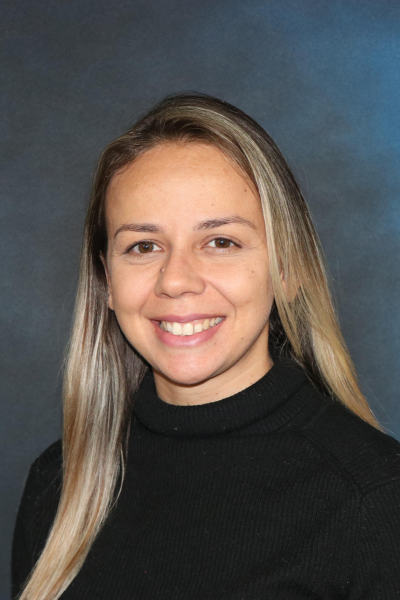
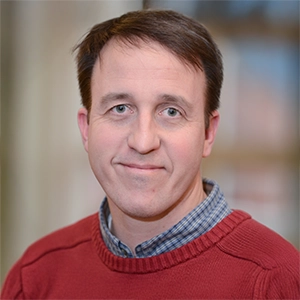
Dr. Nayden Chakarov is a researcher at the Faculty of Biology, Bielefeld University, affiliated with the SFB/Transregio 212 "NC³" project and the Joint Institute for Individualization in a Changing Environment (JICE). His research focuses on behavioral interactions, chemical communication, and individualization processes in changing environments, particularly in avian and amphibian species. University: Bielefeld University School: Faculty of Biology / Behavioral Science Role: Subproject manager C03 (SFB/Transregio 212) Email: nayden.chakarov@uni-bielefeld.de Research Areas: His work combines field and laboratory studies, emphasizing the role of microbiota in communication, chemical signaling, and ecological adaptation in wild vertebrates. Recent publications highlight collaborations on gut microbiota dynamics, olfactory recognition, and environmental influences on avian and amphibian species. Scientific Awards: Freigeist Fellowship (2014-2022), funded by the Volkswagen Foundation Fellowship at the Wissenschaftskolleg Berlin (2015/2016) Collaborations: Dr. Chakarov has co-authored studies with Prof. Dr. Barbara Caspers, Prof. Dr. Joseph Hoffman, and other researchers, contributing to understanding microbial influences on behavior, chemical communication, and ecological niche dynamics.
Kin Chung Fong is an Associate Professor in the Department of Electrical and Computer Engineering and holds a joint appointment in Physics at Northeastern University. As a Core Faculty Member of the Quantum Materials and Sensing Institute, he leads research focused on quantum technologies including quantum sensing, quantum networks, and quantum computation using low-dimensional quantum materials. His interdisciplinary work bridges fundamental physics and engineering to develop innovative quantum devices. Fong's research explores electron hydrodynamics, unconventional superconductivity, and novel quantum phenomena in materials like graphene, topological insulators, and Weyl semimetals. His group designs and characterizes quantum devices including single-photon detectors, quantum noise amplifiers, and superconducting qubit systems. Recent publications demonstrate a strong focus on quantum materials characterization and device engineering, with recurring themes in graphene-based detectors, superconducting circuits, and topological materials. Research consistently addresses fundamental limits of quantum measurement while developing practical applications for quantum sensing and computing. Awards & Recognitions: Principal Investigator for DARPA-funded WIdeband graphene-based aXion dARk matter quantum Detector (WIXARD) Fong leads the Quantum Wave-Matter Lab at Northeastern, which develops ultrahigh-sensitivity techniques for investigating quantum phenomena and pioneers technological innovations based on novel physics discoveries.
Annika Freudiger is a PhD student at the University of Leipzig and the Max Planck Institute for Evolutionary Anthropology , focusing on the intersection of Behavioral Ecology , Kin Selection , and Genetic Relatedness in primates. Education: University of Bern: MSc in Ecology and Evolution (summa cum laude), 2019–2021 University of Bern: BSc in Biology, 2015–2019 Research interests revolve around understanding how fine-scale genetic relatedness influences social behavior in primates, using whole genome sequencing (WGS) to refine kinship estimates and explore social preferences. Additional work includes field studies on cooperative breeding in cichlids and predator response dynamics. Scientific contributions include published works in PNAS and other journals, with a focus on morphological differentiation and task partitioning in social species. Awards and recognition: 2023: Best Student Talk at Behaviour 2023 2022: Volz-Award for best master thesis publication 2020: Travel stipend from Ethologische Gesellschaft e.V.
Dr. Nicholas E. Newton-Fisher is a Reader in Evolutionary Anthropology (Primate Behaviour) at the University of Kent's School of Anthropology and Conservation. He specializes in wild chimpanzee behavior and ecology, with over two decades of fieldwork in Uganda's Budongo Forest. His research focuses on cooperation, decision-making, and strategic aggression in primate societies. He holds editorial roles at Animal Behaviour and is a Fellow of the Royal Society of Biology and Senior Fellow of the Higher Education Academy. Education: BSc (Hons) Zoology, University of Bristol PhD from the University of Cambridge (study of Budongo Forest chimpanzees) Research Interests: Dr. Newton-Fisher explores chimpanzee social structures, foraging strategies, infanticide dynamics, and the evolution of cooperation. He employs innovative methods like infrared thermography and Elo-ratings to model dominance hierarchies. His work bridges field ecology, behavioral analysis, and evolutionary theory. Publications: His recent work examines thermographic emotion studies in macaques, foraging decision-making in chimpanzees, and kinship recognition across species. These studies highlight interdisciplinary approaches to primate behavior. Awards & Media: A frequent media commentator on primatology, he has contributed to BBC Radio 4's Today and National Geographic. His iPhone app Animal Behaviour Pro aids observational data logging. Supervision & Grants: He mentors PhD students globally, focusing on projects merging theoretical frameworks with field observations. Notable supervisees include researchers studying chimpanzee infanticide, macaque communication, and gorilla reproductive competition. Labs & Collaborations: Associated with the Budongo Conservation Field Station (BCFS) and the Primate Society of Great Britain. His work integrates conservation, education, and public engagement in primatology.
Professor Craig Roberts holds a Personal Chair in Psychology at the University of Stirling and is an Assistant Professor at the University of Wroclaw, leading the Being Human Incubator. His research focuses on olfactory communication, mate choice, and applied evolutionary psychology. He leads a Wellcome Trust-funded project (2024-2032) investigating maternal-infant odor communication to improve breastfeeding outcomes. Education: BSc in Agricultural Zoology (University of Leeds, 1990), PhD in Territorial Behavior (UCL, 1995), Certificate in Professional Studies (Liverpool, 2008) Research explores how odors influence human behavior, including mate selection and social signaling. Key contributions include challenging the notion of human olfactory irrelevance and advancing understanding of MHC-based odor preferences. He has secured grants from ESRC, BBSRC, Wellcome Trust, and industry partners. Awards include a British Academy Mid-Career Fellowship (2013-14). Professional roles include European Science Foundation’s College of Expert Reviewers (2018–), UKRI Interdisciplinary Assessment College (2023–), and former ISHE President (2018–2021). Advising: Supervises PhD students on odor-bonding in couples and emotional contagion via odors Labs/Groups: Academic Lead of Stirling Crucible, part of the Behaviour and Evolution Research Group. Current projects address olfactory communication in mothers and infants, cross-cultural studies of love, and the evolutionary basis of mating strategies.
Dr. Ewa Krzyszczyk is a Lecturer in Zoology at Bangor University's School of Environmental and Natural Sciences. She serves as the Director of Student Engagement and Director of the BSc/MSc Zoology with Marine Zoology program, while also co-managing the BSc Zoology with Foundation Year. Her academic journey began at Bangor University where she earned her BSc in Zoology with Marine Zoology (2003) and MSc in Marine Mammal Science (2005), followed by a PhD in behavioral ecology from Georgetown University (2013). Her educational background includes: PhD in Age determination, life history and juvenile behavior in bottlenose dolphins (Tursiops sp.) in Shark Bay, Australia, Georgetown University (2013) MSc in Marine Mammal Science, Bangor University (2005) BSc in Zoology with Marine Zoology, Bangor University (2003) Dr. Krzyszczyk's research is centered in behavioral ecology, with a focus on understanding how behavior changes with environment, age, disease, and anthropogenic effects. She applies novel approaches to quantify these interactions and their consequences within and between ecosystems. Her work spans marine mammal behavior, particularly bottlenose dolphins at Shark Bay and St. Johns River, as well as reef health assessment in the Turks and Caicos Islands where she studied fishing pressure, Black Spot Syndrome effects, and lionfish culling management. Her recent publications demonstrate consistent focus on bottlenose dolphin social behavior, disease transmission, and conservation. The articles reveal strong patterns in studying social networks, mortality risks, and behavioral adaptations across different environmental conditions. Her work bridges theoretical behavioral ecology with practical conservation applications, particularly in marine ecosystems. Among her scientific recognitions is a Teaching Fellowship awarded in 2023. She has published extensively on bottlenose dolphin behavior, social structures, and conservation issues. As an educator, Dr. Krzyszczyk teaches across multiple modules including Practical Skills, Field Trips, Invertebrates, and Dissertation in Biological Sciences. She is module organizer for Science Communication and Essential Biology. Her teaching philosophy emphasizes student engagement and experiential learning, believing that 'involve them and they will understand.' She has also taught Marine Resource Management, Directed Research, Tropical Marine Ecosystems, and Marine Megafauna Ecology while working with The School for Field Studies. Dr. Krzyszczyk maintains active research collaborations across institutions and her work contributes to UN Sustainable Development Goals related to marine conservation and environmental protection.
Trisha Scribbans is an Associate Professor in the Faculty of Kinesiology and Recreation Management at the University of Manitoba, where she conducts research on neuromuscular control and shoulder rehabilitation. Her work bridges clinical experience with scientific investigation, focusing on scapular mechanics, myofascial therapies, and exercise physiology. Education: PhD in Kinesiology and Health Studies (Exercise Physiology), Queen’s University (2016) MSc in Anatomical Sciences, Queen’s University (2012) BAHSc in Athletic Therapy, Sheridan College (2009) Diploma in Advanced Massage Therapy, Kiné-Concept Institute Maritimes (2004) Her research interests include exercise physiology , shoulder pathology , neuromuscular control , and rehabilitation strategies . She integrates anatomical knowledge with clinical practice to understand how contractile and non-contractile tissues interact in injury and recovery. Her lab investigates responses to therapeutic interventions like myofascial release and eccentric training. Recent publications (2023–2024) highlight work on postural control , muscle fatigue , trapezius excitation , and myofascial release effects . These studies employ biomechanical and electrophysiological methods to assess upper extremity function, with implications for occupational safety, athletic therapy, and clinical rehabilitation. Scientific Awards and Grants: Canadian Athletic Therapists Association Special Recognition Award (2024) Gibson Fund (co-applicant; 2023) Scholarship of Teaching and Learning Development Fund (2023) Massage Therapy Association of Manitoba Research Grant (2022) Canadian Athletic Therapists Association Research Grant (2022) University of Manitoba Research Grants Program (2020) Canadian Foundation for Innovation - John R. Evans Leaders Fund (JELF, 2020) Research Manitoba New Investigator Operating Grant (2019) Massage Therapy Research Fund (MTRF, 2019) Manitoba Medical Services Foundation (MMSF) Operating Grant (2018) Dean’s Teaching Excellence Award (2018) Dr. Scribbans actively supervises graduate and undergraduate research students and has secured significant external funding. She teaches courses including Therapeutic Modalities (KIN 3400) , Therapeutic Exercise Rehabilitation (KIN 4400) , Advanced Human Anatomy (KIN 3320) , and Athletic Therapy Skills (KIN 2750) . Her research team collaborates with experts in kinesiology and rehabilitation, contributing to both scientific knowledge and practical clinical applications.
Milena Oliveira is an Assistant Professor and Vegetable Extension Specialist in the Department of Plants, Soils and Climate, College of Agriculture and Applied Sciences, Utah State University (Logan Campus, AGRS 327). She leads an applied research and extension program focused on improving vegetable crop performance under the semi-arid conditions of the Intermountain West. Education & Background: Advanced degree(s) in Horticulture/Crop Physiology (exact degrees not stated in text). Extensive publication record from 2016–2025 demonstrates expertise in vegetable physiology, grafting, salinity and drought stress management, and post-harvest technology. Research Focus: Milena Oliveira’s program integrates fundamental plant physiology with practical solutions for growers. Her work addresses: Abiotic Stress Tolerance: Investigating how grafting, biostimulants, and cultural practices enhance watermelon and other vegetable crops under drought and salinity. Seedling & Transplant Quality: Developing science-based recommendations for starting vegetable seeds indoors, from planning through transplanting. Post-harvest Biology: Extending shelf life and maintaining quality of specialty crops such as pitaya, ornamental peppers, and passion fruit through ethylene management and environmental controls. Publication Trends: Across her 50+ peer-reviewed papers, a clear trajectory emerges from basic biochemical characterization of underutilized fruits (2016–2020) toward translational studies on crop resilience and extension-ready production guides (2021–2025). Recent outputs emphasize applied solutions—grafted watermelon for water-limited Utah, salt-tolerant rootstocks, and step-by-step extension bulletins for vegetable producers. Extension & Outreach: As the statewide Vegetable Extension Specialist, she delivers research-based recommendations to commercial growers, home gardeners, and Master Gardener programs throughout Utah. Her fact-sheet series "Starting Vegetable Seeds Indoors" exemplifies the bridge between research and stakeholder needs. Awards & Funding: No specific awards or funded grants are listed in the provided material. Students & Teams: No advisees or laboratory members are explicitly named in the supplied text.
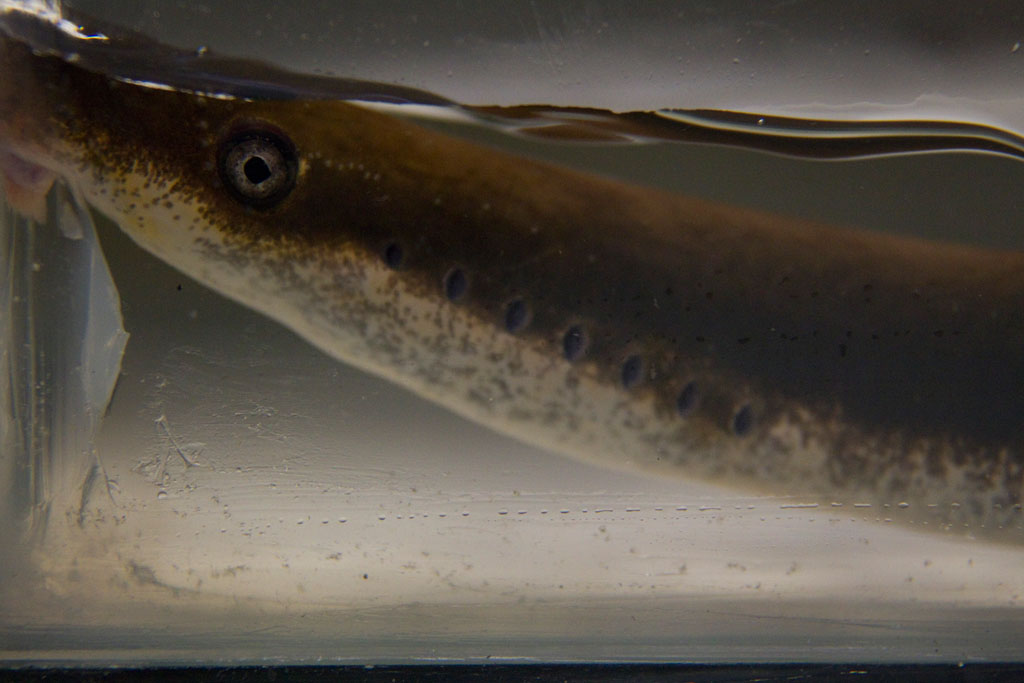
John B. Hume serves as an Assistant Professor - Research in the Department of Fisheries and Wildlife at Michigan State University's College of Agriculture & Natural Resources. His position is funded by the Great Lakes Fishery Commission (GLFC) through the Partnership for Ecosystem Research and Management (PERM), collaborating with the Michigan Department of Natural Resources and federal agencies including US Fish & Wildlife Service and Fisheries and Oceans Canada to advance sea lamprey control in the Great Lakes. His academic credentials include: PhD in Evolutionary Ecology from the University of Glasgow (2013) MSci in Zoology from the University of Glasgow (2009) Dr. Hume's research integrates lamprey conservation and invasive species management, focusing on their ecological roles as prey, nutrient transporters, and habitat modifiers in freshwater systems. His expertise spans behavioral ecology, chemical ecology, and evolutionary biology, with particular attention to anthropogenic stressors including habitat fragmentation, pollution, and climate change impacts on migratory fish species. He emphasizes the interconnected nature of lamprey conservation and control as 'two sides of the same coin' requiring public and political support. Analysis of his 2018-2021 publications reveals consistent focus on Great Lakes sea lamprey management through integrated approaches. His work bridges fundamental biological research (e.g., alarm cue responses, ecotype evolution) with applied solutions (selective fish passage, chemical cue trapping, aquaculture protocols). Key trends include international collaboration on conservation initiatives, development of non-lethal control methods, and assessment of anthropogenic threats across native and invasive lamprey populations. No scientific awards, fellowships, or medals are documented in the provided materials. Dr. Hume's research is primarily supported by the GLFC through PERM, enabling collaboration with multiple federal and state agencies. His grants fund initiatives including the Sea Lamprey Aquaculture & Procurement Initiative (SLAP) for developing lab-rearing protocols, media analysis projects assessing lamprey portrayal, and nationwide mapping of lamprey distributions for State Wildlife Action Plans. He has previously directed projects on sex ratio dynamics, selective fish passage development, and evolutionary ecology of lamprey 'paired species'. He leads 'That Lamprey Lab' at Michigan State University, which employs multidisciplinary methodologies from genetic analysis to whole-organism field studies. The lab conducts research through three primary channels: the Sea Lamprey Aquaculture & Procurement Initiative for invasive species control, conservation-focused projects mapping US lamprey distributions and assessing media bias, and fundamental research on lamprey life history and evolutionary ecology. Current work includes preparing for 2025 State Wildlife Action Plans and developing selective passage systems to balance native fish restoration with sea lamprey control.
Perttu Seppä is a Senior Lecturer at the University of Helsinki, affiliated with the Organismal and Evolutionary Biology Research Program. His work focuses on evolutionary biology, particularly in social insects, population genetics, and ecological dynamics. He has collaborated extensively across institutions including Stockholm University and Helsingin yliopisto. Master of Science (University of Helsinki, 1990) Licenciate in Philosophy (University of Helsinki, 1992) Doctor of Philosophy (University of Helsinki, 1994) Docent in Evolutionary Biology (University of Helsinki, 1998) Research interests span ecological interactions, social insect behavior, genetic diversity, and marine species regeneration. Key projects include studies on Fucus vesiculosus population dynamics and evolutionary genetics of ants and wasps. His publications (61 total) emphasize sociogenetics, reproductive strategies, and population viscosity. Seppä has contributed to 112 academic activities, including peer reviewing for journals like Biological Invasions and Frontiers in Ecology and Evolution , as well as media engagement through interviews with Helsinki University Bulletin and Radio Helsinki. He also participates in thesis supervision and advisory committees.
Matthew Persons is the Charles B. Degenstein Professor of Biology at Susquehanna University, where he teaches courses including Ecology & Evolution, Invertebrate Zoology, and Animal Behavior. He coordinates the Ecology Major and serves as Program Director for GO Australia. His research focuses on behavioral ecology, chemical ecology, ecotoxicology, and neuroscience using spiders as a model organism. PhD and MS from the University of Cincinnati BA from Albion College Persons investigates how animal communication and information use influence survival and reproduction. Key projects include studying herbicide impacts on spider parental care, predator-prey dynamics, kin recognition, and environmental toxicology. His work spans both terrestrial and aquatic ecosystems. Recent research trends highlight interdisciplinary approaches combining neuroscience , ecotoxicology , and climate change ecology , with a focus on Tigrosa helluo and Pardosa milvina wolf spiders.
Marie Bourjade is a Lecturer in Developmental Psychology at the Cognition, Languages, Language, Ergonomics Laboratory (CLLE, UMR 5263) of Toulouse Jean Jaurès University . She leads research on multimodal communication systems , with a focus on human-primate comparative analysis and language evolution through her MODAL project. HDR in 2022: 'Bridges between gesture and voice in primate species' Junior Member of Institut Universitaire de France since 2020 Previously held postdoctoral positions at Max Planck Institute and Aix-Marseille University Her research explores interspecific communication mechanisms , combining developmental psychology , experimental linguistics , and primate behavioral ecology . Recent publications examine attention-sensitive communication in human infants and olive baboons , revealing evolutionary continuities in multimodal signaling. She supervises master's theses in evolutionary psychology and teaches across L1-L3 psychology curricula , including developmental psychology history, observation techniques, and comparative psychology courses. Collaborations include institutions like University of California San Diego , University of St Andrews , and Tilburg University .
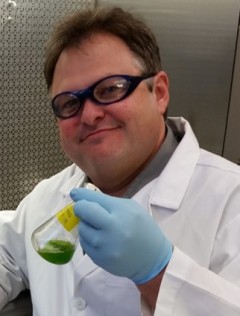
Andrew George Palmer serves as Associate Professor and Associate Department Head & Program Chair in the Department of Ocean Engineering and Marine Sciences at Florida Institute of Technology's College of Engineering and Science. He holds affiliate appointments in Biomedical Engineering and Chemistry, directing the interdisciplinary Palmer Lab focused on chemical ecology and space biology. His research addresses critical challenges in extraterrestrial agriculture and environmental sustainability through biological solutions. Palmer's expertise spans Chemical Ecology , Space Biology , and Quorum Sensing , with emphasis on plant-microbe interactions in extreme environments. Key projects include developing perchlorate removal systems for Martian regolith (PEANUTS), studying nitrogen fixation in Anabaena for space agriculture, and investigating quorum sensing mechanisms in Chlamydomonas reinhardtii. His work bridges terrestrial food security challenges with off-world habitat requirements, particularly for lunar and Martian settlements. Recent publications (2020-2025) reveal a dominant focus on Biological In Situ Resource Utilization (BISRU) , with 70% addressing regolith-based agriculture challenges. His research integrates microbial ecology, plant physiology, and planetary science to develop sustainable life-support systems, featuring recurring themes of perchlorate detoxification, nitrogen cycling in simulants, and microbial community characterization for space farming applications. Dr. Palmer actively mentors graduate students including PhD candidates David Handy, Kirstin Curshaw, and Steven Elsaid, with undergraduates regularly presenting award-winning research at conferences like the Florida Academy of Sciences. His lab secured the Provost's Seed Grant for the TASR project (Temperature and Atmospheric Simulator for Regolith) investigating early Martian habitability. Current collaborations include International Space Station plant microbiome studies and field work in Chile's Atacama Desert as a Martian analog. The Palmer Lab, housed in Florida Tech's Olin Life Sciences building, maintains active projects across six research domains: Quorum Sensing in algae, Kin Recognition in plants, Atacama Desert fungal studies, Biochar applications, Carnivorous Plants research, and regolith-based agriculture systems. Recent lab developments include installation of a cryo-SEM and expanded student cohorts working on projects like PEANUTS and TASR, with members presenting at ASPB and ASGSR conferences.
Yaniv Brandvain is an Associate Professor in the Department of Plant Biology within the College of Biological Sciences at the University of Minnesota - Twin Cities. He leads the "higgledy piggledy lab" which focuses on plant evolutionary genomics, with research spanning speciation, hybridization, adaptation, mating system evolution, and genomic conflict. His research interests include: Plant speciation mechanisms and the role of hybridization Mating system evolution in plants Genomic approaches to understanding evolutionary processes Plant domestication and de novo domestication efforts Reproductive isolation and genomic conflict Evolutionary consequences of selfing versus outcrossing Dr. Brandvain's research integrates population and quantitative genomic theory with empirical data analysis to address fundamental evolutionary questions. His work combines molecular genetics, comparative analyses, and theoretical modeling to understand the origin and maintenance of species diversity. A key aspect of his research program involves studying plant speciation using diverse model systems including Mimulus, Capsella, Helianthus, and Silphium. Scientific recognition: McKnight Land Grant Professor Dr. Brandvain actively mentors postdoctoral researchers and has collaborated extensively with colleagues across the University of Minnesota including Suzanne McGaugh, David Moeller, Emma Goldberg, James Pease, Kevin Smith, Candice Hirsch, and Peter Tiffin. He co-founded evolTWIN, a cross-departmental evolutionary biology group that facilitates collaboration among evolutionary biologists in the Twin Cities area. His lab has been instrumental in advancing the domestication of Silphium as a potential new perennial crop. The Brandvain lab maintains a strong presence in the evolutionary biology community, regularly presenting at major conferences and advocating for open science practices including the use of preprint servers for rapid dissemination of research findings.
Julie P. Martin is a Professor of Engineering Education and Director of the Engineering Education Transformations Institute (EETI) at the University of Georgia. With a focus on elevating marginalized voices in STEM, she leads initiatives to expand research community capacity through methodological activism and asset-based frameworks. BS and PhD in Materials Science & Engineering (NC State University, Virginia Tech) Former NSF program director Editor-in-Chief of the Journal of Women and Minorities in Science and Engineering Her research spans: Asset-based approaches leveraging student strengths Qualitative methods for equity-focused studies Methodological activism transforming academic practices Recent articles analyze cultural wealth in engineering, critical research methods, and publishing ethics reforms. These works emphasize equity in STEM , reflexive research practices , and systemic change in academia. Scientific recognition includes: NSF CAREER Award (2009) ASEE Fellow National leadership roles in ASEE As EETI Director , she oversees initiatives like the Elevate team , which develops inclusive educational frameworks. Her editorial work promotes constructive review cultures in academic publishing.