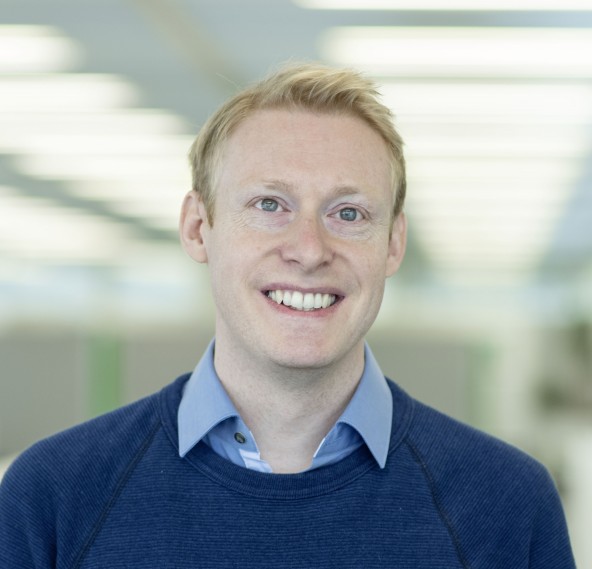
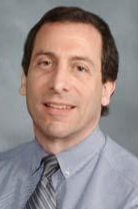
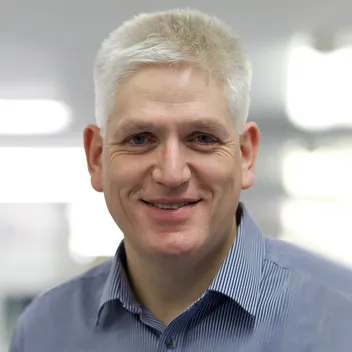
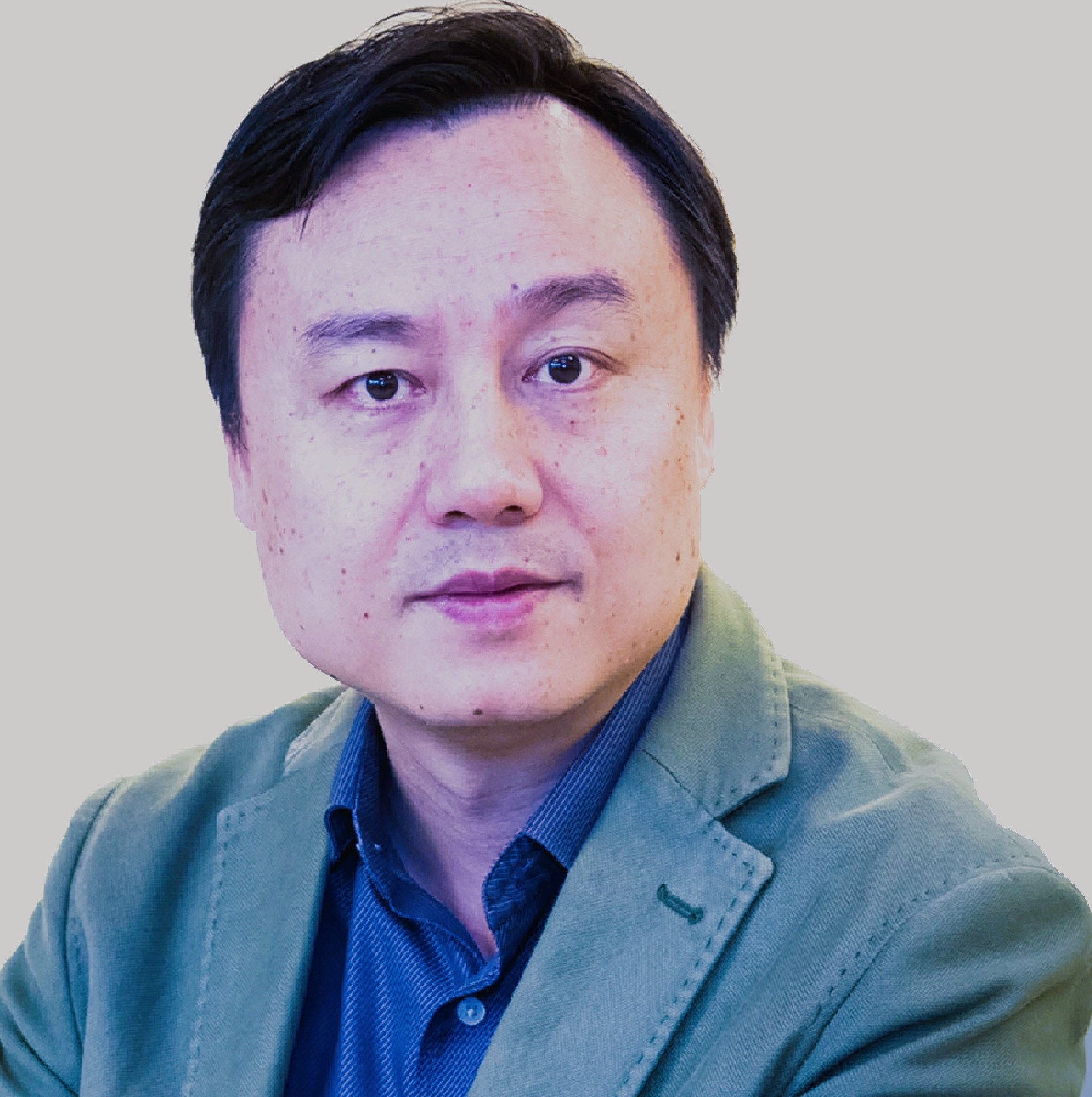
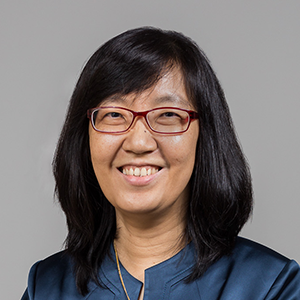
Prof. Dr. Soeren Lienkamp is an Assistant Professor at the Institute of Anatomy , Faculty of Medicine , University of Zurich . His work bridges digital education and genetic research , focusing on enhancing medical teaching through innovative formats. Research Interests : Genetics, developmental biology, kidney disease modeling, CRISPR applications, digital medical education, and advanced microscopy. Methodologies : Combines Xenopus tropicalis models, deep learning , and bioengineering to study genetic kidney disorders and improve diagnostic tools. Publication Trends : His recent articles highlight predictable genome editing , 3D imaging technologies , and mechanistic insights into kidney and eye development. Earlier works focus on ciliary function , Wnt signaling , and metabolic stress in renal cells.
Grant E. O'Keefe, M.D., M.P.H., serves as Professor of Surgery at the University of Washington School of Medicine and holds adjunct appointments in Neurological Surgery, Orthopedics and Sports Medicine. Based at Harborview Medical Center in Seattle, he provides surgical and intensive care services for emergency and complex gastrointestinal conditions, emphasizing patient-centered decision-making in critical scenarios. His educational background includes: Medical Doctorate (M.D.) from University of Alberta Faculty of Medicine (1988) Master of Public Health (M.P.H.) from University of Washington General Surgery Residency at University of Alberta Faculty of Medicine General Surgery Fellowship at University of Washington Internship at Memorial University of Newfoundland Dr. O'Keefe's research focuses on trauma outcomes, critical care metabolism, and genetic determinants of sepsis recovery. He investigates nutritional interventions in critically ill patients, ventilator-associated complications, and biomarkers for predicting mortality in trauma cases. His work frequently employs metabolomics and genetic association studies to understand individual variations in treatment response. Analysis of his 2013-2018 publications reveals consistent emphasis on critical care and trauma, with studies examining respiratory failure duration, nutritional support efficacy, and genetic polymorphisms affecting sepsis outcomes. His research often utilizes large collaborative datasets from the NIH-funded Inflammation and Host Response to Injury program, highlighting translational approaches to improve trauma resuscitation and ICU management. Professional recognition includes: Fellow of the American College of Surgeons Board-certified in Surgery and Surgical Critical Care by the American Board of Surgery, Dr. O'Keefe has contributed significantly to the Inflammation and Host Response to Injury Collaborative Research Program, developing standard operating procedures for trauma nutrition and venous thromboembolism prophylaxis. While specific grant amounts aren't detailed, this multi-institutional NIH initiative represents substantial research funding. He mentors surgical trainees within UW's residency programs, though individual advisees aren't listed in available records. At Harborview Medical Center, Dr. O'Keefe operates within the General Surgery Clinic and surgical ICU, collaborating with multidisciplinary teams including trauma surgeons, critical care specialists, and nutrition support services. His clinical practice integrates research insights into trauma resuscitation protocols and complex abdominal surgery, with patient reviews highlighting both efficient communication and occasional concerns about bedside manner.
Golnoosh Farnadi is an Associate Professor at the Department of Computer Science and Operational Research at the University of Montreal and an Assistant Professor at the School of Computer Science at McGill University. She holds a Canada-CIFAR Chair in Artificial Intelligence and serves as a Senior Academic Member at Mila - Quebec Institute for Artificial Intelligence. Her interdisciplinary work bridges computer science, operations research, and ethical AI considerations. Her educational background includes a Ph.D. in Computer Science from KU Leuven and Ghent University (2017), followed by postdoctoral positions at the University of Montreal/MILA (2018-2020) and the University of California, Santa Cruz (2017-2018). Her research focuses on algorithmic fairness, responsible AI, deep learning, and probabilistic models, with applications spanning healthcare, recommender systems, and public policy. Farnadi's recent publications demonstrate a strong emphasis on addressing fairness in machine learning systems, with particular attention to cultural diversity in recommender systems, fairness in healthcare optimization (particularly kidney exchange programs), and mitigating hallucinations in large language models. Her work consistently combines theoretical rigor with practical applications, often employing novel mathematical frameworks to tackle complex ethical challenges in AI. Among her notable recognitions are the Google Scholar Award (2021), Facebook Research Award (2021), Google Award for Inclusion Research (2023), and being named one of the 100 Brilliant Women in AI Ethics (2023). She was also recognized as a Rising Star in AI Ethics in 2021. Farnadi supervises numerous graduate students through her EQUAL Lab (EQuity & EQuality Using AI and Learning algorithms), which focuses on developing AI systems that promote fairness and equity. Her teaching includes courses on Responsible AI, Machine Learning, and Trustworthy Machine Learning at both McGill University and HEC Montreal.
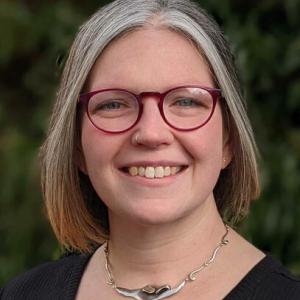
Sara Perkins, MD is an Associate Professor of Dermatology at Yale School of Medicine and serves as Assistant Residency Director for the Dermatology program. She is a board-certified dermatologist practicing general medical dermatology at Yale Medicine's Department of Dermatology. Dr. Perkins earned her undergraduate degree in Economics and Biology from the University of Pennsylvania, followed by her MD from Icahn School of Medicine at Mount Sinai in 2014. She completed her Internal Medicine internship at Massachusetts General Hospital and Dermatology residency at Yale-New Haven Hospital, with additional research fellowship training at Tisch Cancer Center. Her clinical expertise focuses on skin cancer prevention, screening, and treatment, with special emphasis on melanoma management. She also addresses sun-related skin conditions including pigmented lesions and photoaging. Dr. Perkins is particularly passionate about helping patients achieve optimal skin health, stating: 'I love helping patients with skin disease achieve their healthiest and best-looking skin.' Her sole listed publication (2024) demonstrates her commitment to medical education, specifically developing dermatology curricula based on student preferences and identifying learning gaps. This work appears in Medical Science Educator and represents her scholarly contribution to medical education methodology. Board Certified in Dermatology (American Board of Dermatology, 2018) Featured in 2024 'Top Doctors' List As Assistant Residency Director, Dr. Perkins plays a key role in training the next generation of dermatologists. She is also involved in clinical research as a Sub Investigator for the 'Molecular Markers of UV Exposure and Cancer Risk in Skin' study (HIC ID 2000024848), which completed primary data collection in March 2024. Dr. Perkins contributes to specialized clinical programs including the Dermatology Psoriasis Treatment Program and the Skin & Kidney Cancer Program at Yale, demonstrating her integration into multidisciplinary care teams focused on complex dermatological conditions.
Joe Stock is an Assistant Professor in Kinesiology at East Carolina University's College of Health and Human Performance. He operates the Human Performance Lab, focusing on cardiovascular wellness in aging and at-risk populations. B.S. in Exercise Science, Slippery Rock University M.S. in Health, Physical Activity and Chronic Disease, University of Pittsburgh Ph.D. in Kinesiology and Applied Physiology, University of Delaware His research examines aortic hemodynamics, vascular function, and lifestyle interventions through echocardiography, blood vessel ultrasound, and non-invasive blood pressure analysis. He explores sex differences in neurocardiovascular responses and salt sensitivity mechanisms. Recent publications demonstrate expertise in chronic kidney disease adaptations, exercise-induced vascular changes, and central sodium sensing. Collaborations span cardiovascular physiology, nephrology, and autonomic neuroscience. National Heart, Lung, and Blood Institute grant (2021-2023) University of Delaware Dissertation Fellowship (2019) University of Delaware Summer Doctoral Fellowship (2018) Professional service includes American Heart Association membership, ACSM regional committee work, and development of clinical exercise programs for renal patients. His work integrates applied physiology with translational medicine.
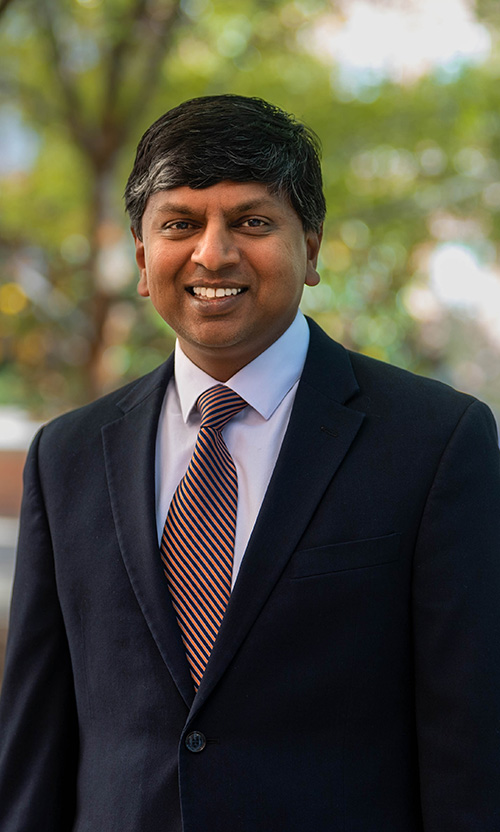
Allan David serves as the John W. Brown Professor of Chemical Engineering and Associate Dean for Research at Auburn University's Samuel Ginn College of Engineering. His leadership extends across academic administration and cutting-edge nanomedicine research, with a focus on translating laboratory discoveries into clinical applications. His educational foundation includes: Ph.D. in Chemical Engineering, University of Maryland B.S. in Chemical Engineering, University of Maryland Dr. David's research program pioneers nanomedicine applications through the development of smart materials for cancer diagnostics and therapy. His work spans nanoparticle-based MRI contrast agents , ocular drug delivery systems , and vaccine delivery platforms , with particular emphasis on optimizing physicochemical properties for targeted biological interactions. Current projects address critical healthcare challenges including safer contrast agents for patients with kidney impairment and precision cancer targeting mechanisms. Analysis of his 15 most recent publications reveals a cohesive research trajectory centered on magnetic nanoparticles and biomimetic delivery systems . The work demonstrates increasing translational focus, evolving from fundamental nanoparticle characterization (2020-2021) to clinically relevant applications like ocular delivery and cancer theranostics (2022-2024), culminating in commercialization efforts through NanoXort, LLC. Dr. David has secured significant research funding including an $184,773 grant from the Alabama Department of Economic and Community Affairs (ADECA) for developing cardiovascular MRI agents. He leads collaborative efforts that bridge chemical engineering with biomedical innovation, notably co-founding NanoXort, LLC to commercialize safer MRI contrast agents addressing gadolinium toxicity concerns for renal-impaired patients. His laboratory operates at the intersection of chemical engineering and medicine, focusing on nanoparticle-cell interactions and targeted delivery systems. The research group maintains strong industry partnerships through the NanoXort startup, which has secured $1 million NSF funding to advance MRI contrast agent technology toward clinical implementation.
Tim Colonius is the Frank and Ora Lee Marble Professor of Mechanical Engineering and Medical Engineering and holds the Cecil and Sally Drinkward Leadership Chair at the California Institute of Technology. He has been affiliated with Caltech since 1994 and currently serves as Executive Officer for Mechanical and Civil Engineering . Colonius earned his B.S. from the University of Michigan (Ann Arbor), and both his M.S. and Ph.D. from Stanford University. Research Interests: His work focuses on fluid dynamics (global instabilities, cavitation, aerodynamic sound), flow control (closed-loop control, reduced-order modeling), and biomedical applications (shock waves, lithotripsy, ultrasound). He also develops advanced numerical methods for interface capturing, immersed-boundary techniques, and high-order accuracy. Scientific Contributions: Recent publications highlight his research in multiphase flows, vortex ring collisions, turbulent jet analysis, GPU-accelerated simulations, and biomedical applications. His group uses computational and data-driven approaches to study turbulence, instabilities, and flow optimization. Scientific Awards: AIAA Aeroacoustics Award Fellow of the Acoustical Society of America Fellow of the American Physical Society (APS) NSF and DoD research grants
Dr. Stephanie Archer is an Associate Professor and Senior Research Associate at the University of Cambridge, jointly affiliated with the Department of Psychology and the Department of Public Health and Primary Care. Her work bridges psychological science with clinical applications, particularly in cancer risk assessment and digital health interventions. Dr. Archer holds a BSc, MSc, and PhD, though specific institutions are not mentioned in available sources. Her educational background has prepared her for interdisciplinary research at the intersection of psychology, public health, and clinical medicine. Her research focuses on three primary areas: designing multifactorial cancer risk prediction tools for clinical settings; exploring patient and staff experiences of health and social care; and developing/testing digital health interventions. She employs qualitative methods extensively while also engaging with quantitative approaches for comprehensive health services research. Her work demonstrates strong translational focus, moving from theoretical frameworks to practical clinical applications. Analysis of Dr. Archer's recent publications reveals a consistent trajectory in cancer risk prediction tools (particularly CanRisk), patient experience research across multiple conditions, and implementation science for digital health interventions. Her work spans breast, ovarian, prostate, and other cancers while also addressing mental health in autistic populations and patient safety in surgical settings. The interdisciplinary nature of her research connects psychology with oncology, primary care, and public health. Dr. Archer actively contributes to clinical guidelines development, as evidenced by her involvement in the Joint ABS-UKCGG-CanGene-CanVar consensus regarding CanRisk implementation. Her research methodology combines qualitative depth with mixed-methods approaches to address complex healthcare challenges. As a Senior Research Associate and Associate Professor, Dr. Archer likely supervises PhD students and early-career researchers, though specific advisees are not documented in available sources. Her teaching interests include health psychology, health services research, qualitative methods, and intervention development. Dr. Archer collaborates across multiple research units at Cambridge, including the Primary Care Unit and likely the Centre for Cancer Genetic Epidemiology, reflecting her interdisciplinary approach to improving cancer risk assessment and patient care pathways.
Dr. Suman Adhikari is a Conjoint Lecturer at the School of Clinical Medicine , University of New South Wales (UNSW), focusing on Infectious Diseases , Antimicrobial Stewardship , and Clinical Pharmacology . He has contributed to advancements in antibiotic management, sepsis diagnostics, and e-learning tools for healthcare professionals. University: University of New South Wales School: School of Clinical Medicine Email: suman.adhikari@unsw.edu.au Research Interests: Dr. Adhikari’s work spans antimicrobial stewardship in tertiary care, therapeutic drug monitoring of antibiotics like linezolid, and educational technology for vancomycin use. He also explores pharmacokinetics in parasitic infections and contributes to sepsis pathway optimization . Publication Trends: His recent articles (2017–2023) highlight antibiotic safety , digital education , and infection control . Notable studies include multimodal stewardship in ICU, qSOFA criteria validation, and e-learning tool efficacy for vancomycin training. Contact: Phone: 0411817996 | Location: Gray Street, Kogarah 2217 NSW
Suzanne Estaphan is a Senior Lecturer in Medical Science (Physiology and Clinical Pharmacology) at the Australian National University (ANU) School of Medicine and Psychology . She holds qualifications including a Doctorate of Physiology (2015) , MSc in Physiology (2012) , MBBCh (2005) , and Basic Certificate in Medical Education (2018) . Her academic roles span curriculum development, admissions, and assessment committees in the ANU Medical School. Senior Lecturer, ANU (2023–present) Academic Editor, PLOS ONE (2024–present) Review Editor, Frontiers in Physiology (2023–present) Dr. Estaphan's research bridges oxidative stress and inflammation in disease pathology with medical education innovation . Her work explores antioxidant interventions for organ damage and investigates AI/virtual reality applications in education. Recent projects include studying sleep dysfunction in eating disorders and diabetes medication effects on exercise capacity . Between 2023–2025, her 15 most recent publications span oxidative stress , medical education , and molecular pathophysiology . Themes include homeostasis , clinical reasoning , and metabolic disorders , with subfields like MMP-9 biology , pancreatic injury , and VR-based hypoxia training . Scientific accolades include the American Physiological Society Travel Award (2017) and recognition as Senior Fellow of the Higher Education Academy (2023) . She mentors medical students, contributes to national physiology curriculum consensus projects, and has secured approximately $200,000 in research funding .
Marshall J. Glesby is a Professor at Weill Cornell Medical College, affiliated with both the Department of Medicine and Population Health Sciences. His career spans over three decades, focusing on HIV pathogenesis, aging-related complications, and co-infections. He holds a Ph.D. from Johns Hopkins University School of Hygiene and Public Health (1997), an M.D. from Johns Hopkins University School of Medicine (1989), and a B.Sc. from McGill University (1985). Research Interests: His work integrates HIV, immunology, and public health, emphasizing co-infections, metabolic disorders, and cardiovascular complications. Recent studies explore geriatric syndromes, epigenetic aging, and biomarkers like extracellular vesicles in Long COVID and Alzheimer's disease. He leads clinical trials on Mpox severity scoring and HIV-kidney transplantation. Grants and Collaborations: Dr. Glesby is a key investigator for NIH-funded projects, including PORTENT (NIAID) and STRIVE (NIAID). He contributes to global HIV research networks like INSIGHT and ACTG, with subawards from the National Institute of Child Health & Human Development and NHLBI. External Relationships: He serves as a consultant for UpToDate, Inc., and collaborates with organizations such as the Northeast/Caribbean AIDS Education and Training Centers.
Dr. Richard Y. Zhao is a tenured Professor in the Department of Pathology and Microbiology-Immunology at the University of Maryland School of Medicine. His research combines molecular biology, fission yeast genetics, mammalian biology, and virology to study virus-host interactions, particularly for HIV and Zika virus. He previously held academic positions at Northwestern University and Columbia University and has contributed to over 120 peer-reviewed articles. B.S., China Oceanography University (1981) M.S., Oregon State University (1995) Ph.D., Oregon State University (1991) Postdoctoral Training, Columbia University (1991-1992) Dr. Zhao's research focuses on: Virus-host interactions and pathogenicity High-throughput drug screening for antivirals Role of viral proteins in neuroinflammation and cancer Translational genomics in precision medicine His recent publications highlight SARS-CoV-2 ORF3a, Zika envelope proteins, and HIV protease inhibitors, emphasizing host-pathogen mechanisms across species. He has served on NIH panels and editorial boards for journals like Cell Research and Retrovirology . Scientific awards include: Fellow, American Academy of Microbiology (2019) Bernard L Mirkin Endowed Chair (2001-2004) Honorary Director, Shandong Gallo Institute (2009) Distinguished Service from SCBA (2015) Outstanding Service from CBA-USA (2016) Dr. Zhao also contributes to clinical diagnostics and personalized medicine through molecular testing and pharmacogenetics programs.
Professor Dario Alessi is a leading academic at the University of Dundee's School of Life Sciences, serving as the Director of the MRC Protein Phosphorylation Unit (MRC PPU) and Professor of Signal Transduction. He earned his BSc (1988) and PhD (1991) from the University of Birmingham. His research focuses on protein phosphorylation and ubiquitylation pathways, particularly the LRRK2 kinase pathway linked to Parkinson's disease. He has made groundbreaking contributions to understanding LRRK2's role in neurodegeneration, including its interaction with Rab proteins and scaffolding molecules like RILPL1. School of Life Sciences, University of Dundee MRC PPU Director since 2012 Signal Transduction Therapy Unit Director His work combines molecular biology, biochemistry, and collaborative industry partnerships to advance therapeutic strategies for Parkinson's disease. Key research areas include LRRK2 activation mechanisms, Rab protein phosphorylation, and lysosomal dysfunction. Alessi has trained over 30 graduate students and 40 postdocs, many now in academic and industry leadership roles. Notable awards include the EMBO Gold Medal (2005), the Robert A. Pritzker Prize for Leadership in Parkinson’s Research (2023), and an OBE (2023) for contributions to medical science. His lab promotes open science, sharing reagents and protocols globally through platforms like MRC Pure Agents and LRRK2.bio. Current projects include investigating novel mitochondrial and organelle biology in Parkinson’s, developing biomarkers, and advancing LRRK2 inhibitors through clinical trials. Collaborations span the Michael J. Fox Foundation, Aligning Science Across Parkinson’s, and the UK Dementia Research Initiative.
Professor Liu Xiaogang is a Distinguished Professor in the Department of Chemistry at the National University of Singapore (NUS). He holds a B. Eng from Beijing Technology and Business University, M.Sc. and Ph.D. degrees in Chemistry from East Carolina University and Northwestern University (USA), respectively, and completed postdoctoral research at MIT. His research focuses on supramolecular coordination chemistry, catalysis, chemical sensors, optogenetics, photon upconversion, and X-ray photonics. Key achievements include pioneering work on metal-organic complexes for optoelectronics and developing advanced X-ray scintillators for medical imaging. Education: B. Eng, Beijing Technology and Business University, China M.Sc. Chemistry, East Carolina University, USA Ph.D. Chemistry, Northwestern University, USA Postdoctoral Associate, Massachusetts Institute of Technology, USA Research Highlights: Professor Liu’s lab has produced groundbreaking advancements in luminescent materials, including directive giant upconversion via supercritical bound states and real-time single-proton counting scintillators. His work bridges chemistry, materials science, and biomedical applications, with notable contributions to photon upconversion, X-ray imaging technologies, and nanotheranostics. Awards: RSC Centenary Prize (2024) President’s Science Award (2016) Advising & Grants: As Principal Investigator of the Liu Lab at NUS, he oversees a dynamic research group focused on cutting-edge nanomaterials and their applications in healthcare and photonics. His grants include support for projects on X-ray luminescence imaging and optogenetic tools. Labs & Teams: The Liu Lab operates within NUS’s Department of Chemistry, collaborating with interdisciplinary teams to advance materials innovation for biomedical and environmental challenges.
LEE Mong Li is a Professor of Computer Science at the National University of Singapore (NUS) and serves as Director of the NUS Centre for Trusted Internet and Community. She holds a Ph.D., M.Sc., and B.Sc. (First Class Honours) in Computer Science from NUS, where she was awarded the IEEE Singapore Information Technology Gold Medal as the top Computer Science student in 1989. Her academic career includes a visiting fellowship at the University of Wisconsin-Madison (1999) and consultancy with QUIQ USA (2000). Her research spans Data Management, Spatio-temporal Databases, Biomedical Informatics, and Retinal Image Analysis . She has pioneered work in data cleaning, data fusion, and analysis of semistructured data, with applications in social media analytics and healthcare. Her recent publications demonstrate strong interdisciplinary focus, particularly in AI-driven medical diagnostics including diabetic retinopathy screening and chronic kidney disease detection from retinal images. She co-authored foundational books on 'Designing Semi-structured Database' and 'Temporal and Spatio-Temporal Data Mining'. Her 150+ publications in major database conferences and journals reflect leadership in both theoretical and applied research. Recent work shows significant emphasis on Medical AI applications (retinal analysis, kidney disease prediction) Temporal fact verification systems Misinformation detection in multimodal environments Privacy challenges in large language models Key honors include: Singapore's President Technology Award (2014) for co-inventing an AI system screening eye conditions IEEE Singapore Information Technology Gold Medal (1989) She actively contributes to government-funded multidisciplinary projects building practical deployable systems. Her leadership extends to program committees of prestigious database conferences and directing the NUS Centre for Trusted Internet and Community. She teaches BT5110 Data Management and Warehousing and has co-developed an AI system for diabetic retinopathy screening deployed in Singapore's national teleophthalmology program.