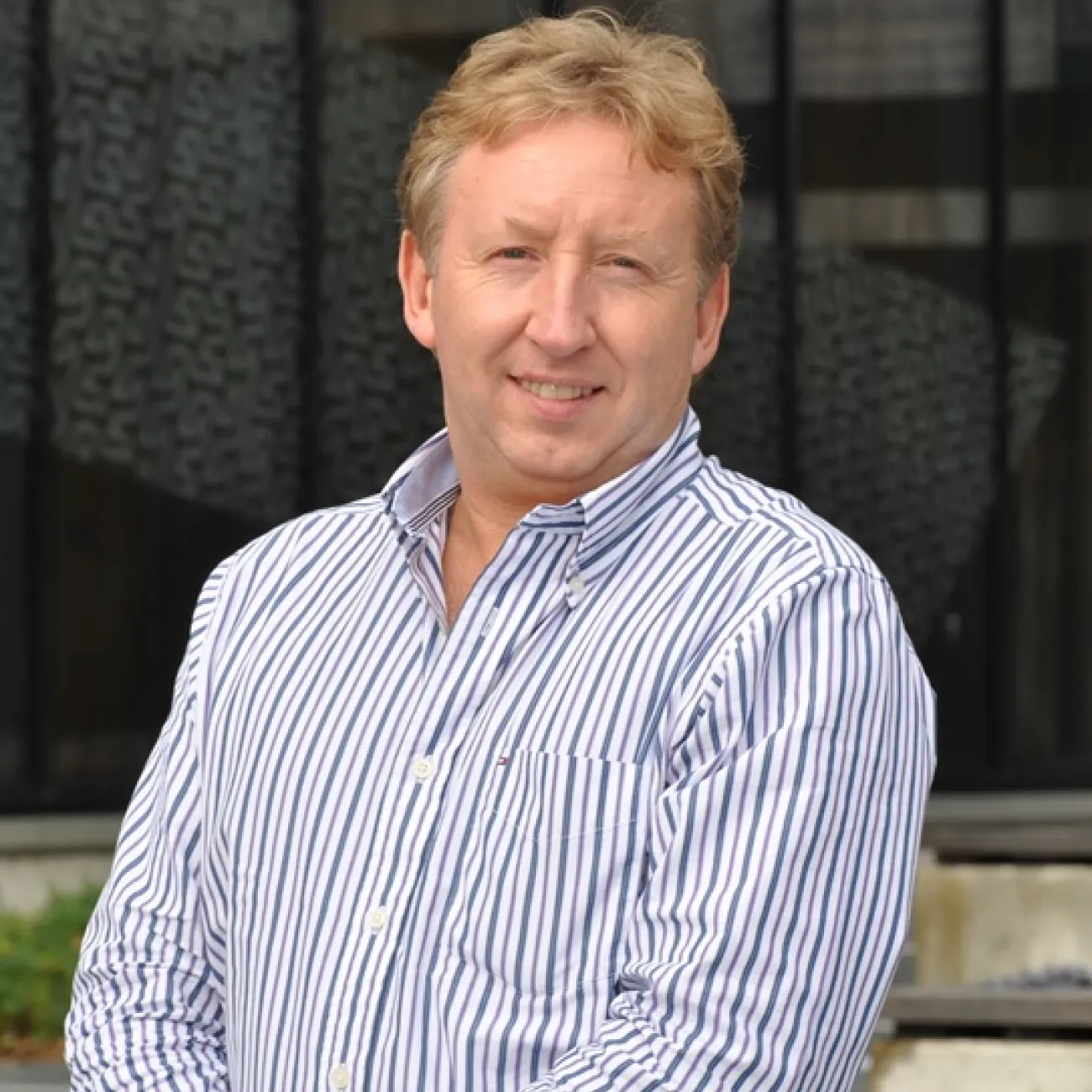
Dr. Uwe Griebner is a Researcher and Project Coordinator at the Max Born Institute for Nonlinear Optics and Short Pulse Spectroscopy in Berlin, Germany. He leads Project 4.1 focused on advanced ultrashort pulse lasers, amplifiers, and mid-IR systems. His work emphasizes high-energy laser development, including Ho:YLF regenerative amplifiers and mid-IR parametric devices. Education: Ph.D. in Physics (1996), Technical University Berlin Diploma in Physics (1986), University of Jena Research Interests: High-power laser systems and parametric devices Mid-IR and near-IR wavelength technologies Crystal materials for solid-state lasers Ultrafast pulse amplification and compression techniques Technical Contributions: His Ho:YLF amplifier achieves 12 mJ pulse energy at 2 µm wavelength, with record extraction efficiency (19.5%) and pulse stability ( Labs/Teams: Part of the C2 department, specializing in solid-state light sources. Collaborates with international teams on crystal growth, spectroscopy, and laser applications.
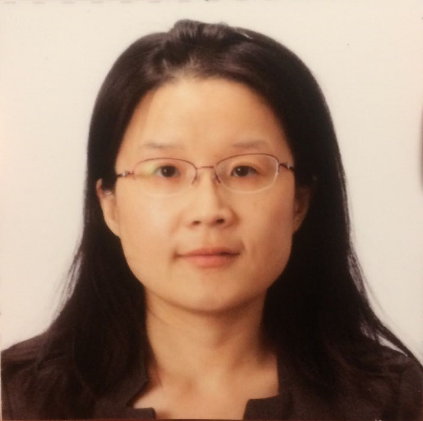
Yanan Xu serves as Assistant Professor in the Department of Mathematical Sciences within Delaware State University's Division of Physics, Engineering, Mathematics, and Computer Science since 2022, following her Visiting Assistant Professor appointment from 2017-2022. Her academic foundation includes a Ph.D. (2017) and M.Sc. (2014) in Applied Mathematics from Delaware State University, complemented by an earlier M.Sc. from Inner Mongolia University (2012). Her research program centers on computational modeling of advanced materials, with three primary thrusts: ferroelectric thin film behaviors (particularly lead titanate systems), microbolometer thermal-electric simulation for infrared detection, and semiconductor material studies involving AlN compounds. This work bridges materials science, electrical engineering, and applied mathematics through sophisticated numerical analysis techniques. Publication trends since 2013 reveal an evolving focus from fundamental optical solitons in metamaterials (2013-2016) toward applied device engineering (2020-present), with recent efforts concentrating on pyroelectric thin films and microbolometer optimization. Her interdisciplinary approach consistently integrates physics-based modeling with practical engineering constraints. Dr. Xu has secured significant research funding including a $199,873 Air Force Research Lab grant for rare earth-doped HfO 2 ferroelectrics and a $236,000 DoD award for ellipsometer acquisition supporting thin film characterization. She serves as committee member for doctoral defenses (2023-2024) while coordinating undergraduate statistics and algebra courses. Her service portfolio includes Faculty Senate membership, Mathematical Sciences graduate/undergraduate committee roles, and judging FIRST Tech Challenges. Though no dedicated lab is documented, her instrumentation grants indicate active thin film characterization capabilities supporting student research training.
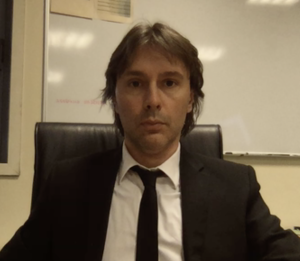
Fabio Baronio is a Professor of Electromagnetic Fields and Dean of the Department of Information Engineering at the University of Brescia, Italy. He has held roles in the Academic Senate and Board of Directors at the university. His research focuses on electromagnetism, photonics, nonlinear optics, and rogue wave phenomena, with over 250 publications. He coordinates projects funded by the Italian Ministry and European Community. Key research interests include soliton dynamics, modulation instability, and extreme wave events in optical systems. Recent work explores resonant radiation in nonlinear media, topological edge states, and integrable systems. His studies span theoretical and experimental aspects of photonics, emphasizing interdisciplinary applications in engineering and physics. Publications emphasize rogue wave dynamics, with notable contributions to theoretical frameworks linking modulation instability to extreme wave formation. His work bridges fundamental physics and applied technologies, contributing to advancements in nonlinear optical systems.
Lewis Hill is a Research Fellow at the Max Planck Institute for the Science of Light (MPL) and an external theory postdoc co-located at the University of Strathclyde, working with Prof. Gian-Luca Oppo. He holds degrees in Mathematics and Theoretical/Computational Physics from Cardiff University, where he received the Professor John Parrot Prize in 2017. His research focuses on nonlinear optics, quantum optics, and photonics, with an emphasis on symmetry-breaking phenomena in microresonators and Kerr nonlinear systems. His work explores topics such as optical solitons, frequency combs, and integrated optical devices. Key research interests include the dynamics of light-matter interactions, cavity solitons, and the design of novel photonic devices leveraging nonlinear effects. His contributions span both theoretical and applied aspects of photonics, including applications in optical switching, quantum technologies, and real-time imaging of standing-wave patterns in microresonators. Education: BSc/MSc in Mathematics and Theoretical/Computational Physics (Cardiff University) Award: Professor John Parrot Prize (2017) Key Areas: Spontaneous symmetry breaking, Kerr nonlinearity, microresonator engineering His publications highlight advancements in vectorial frequency combs, polarization dynamics, and the development of integrated optical systems through symmetry-breaking principles. Lewis is part of the Theory Division at MPL, contributing to cutting-edge research in photonics and quantum optics.
Pippa Balch is a Senior Lecturer in the Department of Conservation at The Courtauld Institute of Art. Her expertise focuses on the practical conservation of easel paintings, technical examination, and replica-making. She coordinates the Painting Pairs programme with colleagues and oversees student training in conservation theory and practice. Education: BSc (Hons) Biochemistry, Bristol University (1990) Postgraduate Diploma in Conservation (Easel Paintings), Hamilton Kerr Institute, Cambridge (1996) Research Interests: Balch specializes in panel painting conservation, materials analysis, and historical restoration techniques. Her current project involves conserving Gerino da Pistoia’s 1510 Virgin and Child with Saints for The Courtauld Gallery. She emphasizes hands-on replica-making to understand artists’ methods. Professional Activities: Coordinator of the Painting Pairs interdisciplinary research programme Supervises student conservation projects and painting sourcing Former private practice conservator (1997–2007) Awards: Clothworkers’ Foundation Conservation Fellowship (2011–2013) for studying the Courtauld’s Gerino da Pistoia panel painting. Teaching: Leads modules on conservation principles, panel painting techniques, and ethical restoration practices for MA students. Integrates technical analysis with art historical context in training.
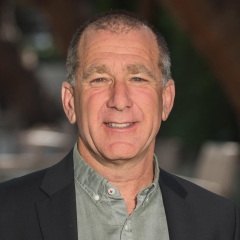
Daniel Blumenthal is a Distinguished Professor of Electrical and Computer Engineering at the University of California, Santa Barbara (UCSB). His research focuses on advanced photonic systems, including optical communications, integrated photonics, and quantum sensing technologies. He leads efforts in developing ultra-low-loss waveguides, Brillouin lasers, and laser stabilization techniques for applications in atomic clocks, quantum computing, and optical networking. Education: PhD in Engineering, University of Colorado MSEE, Columbia University BSEE, University of Rochester Research interests include optical packet switching, ultrafast signal processing, and photonic integration in silicon nitride (SiN) platforms. His work bridges fundamental photonics with practical applications, such as low-noise lasers for atomic cooling and high-capacity photonic interconnects for data centers. Awards and Fellowships: 2020 C. E. K. Mees Medal (OSA) Presidential Early Career Award for Scientists and Engineers (PECASE) Fellowships from NAI, IEEE, and OSA Grants and Advising: His research has been supported by NSF, ONR, and other agencies. He collaborates on trapped-ion quantum computers and compact atomic sensors. Labs and Teams: Active in UCSB’s integrated photonics research groups, focusing on wafer-scale fabrication and quantum photonics integration.
Nicholas P. Butch is an Adjunct Assistant Professor in the Department of Physics at the University of Maryland (UMD) and affiliated with the NIST Center for Neutron Research. His research focuses on unconventional electron interactions in quantum materials, particularly superconductors and magnets near quantum phase transitions. His group specializes in sample synthesis, neutron scattering, and high magnetic field experiments to study materials like UTe₂, exploring phenomena such as high-field reentrant superconductivity (the 'Lazarus effect'), topological superconductivity, and density wave instabilities. Affiliations: University of Maryland (UMD), NIST Center for Neutron Research Key Techniques: Neutron scattering, high-field magnetometry, pressure tuning Recent Focus: UTe₂'s unusual superconductivity, magnetism, and topological properties Research interests include quantum criticality, heavy fermion systems, and the interplay between magnetism and superconductivity. His work bridges experimental synthesis and characterization with theoretical modeling. Students under his supervision include I-Lin Liu (PhD), Eric Muccino, and Paul Neves (undergraduates). Lab/Team : NPB Research Group at UMD collaborating with institutions like NIST, UIUC, and Cornell. Equipment access includes the Center for Nanophysics and Advanced Materials at UMD and neutron facilities at NIST.
Bradley J Kerr serves as an Adjunct Professor in the Department of Anesthesiology and Pain Medicine at the University of Alberta, conducting research on chronic pain mechanisms following CNS injury and in autoimmune diseases like multiple sclerosis. His work integrates behavioral, molecular, and systems-level approaches to investigate neuropathic pain pathways. His educational credentials include: BPhD in Neuroscience from University of London-King's College (2001) BSc in Psychology from McGill University (1996) Dr. Kerr's research centers on cellular and molecular mechanisms of chronic pain in spinal cord injury and MS, utilizing spinal contusion and EAE mouse models. Key investigations include sex differences in pain responses, neuroinflammation dynamics, endoplasmic reticulum stress in sensory neurons, and microglial regulation. His laboratory employs behavioral assays for pain and cognitive assessment alongside molecular and electrophysiological techniques to dissect pain pathogenesis. Analysis of his recent publications reveals dominant themes in neuroimmune interactions in pain, with strong emphasis on sex-specific mechanisms, ion channel dysregulation, and molecular signatures in autoimmune pain models. His work consistently bridges basic neuroscience with clinical pain manifestations in MS and trauma. His research is supported by: CIHR Project Grant MS Canada Discovery Grant Dr. Kerr mentors five graduate students (Timothy Friedman, Aislinn Maguire, Olivia LaCaprara, Madelene Ho, Dania Andrade) and six undergraduate honors students (Jayadeep Rao, Lauren Hirak, Elise Gosse, Andrea Kucek, Elyse Willis, Tanja Penina) across Neuroscience, Pharmacology, and Physiology programs, alongside research technician Gustavo Tenorio. His teaching includes PMCOL 412 and PMCOL 343 courses. The Kerr laboratory operates at the intersection of neuroimmunology and pain research, maintaining active projects on sex differences in pain processing, neuronal hyperexcitability in autoimmune conditions, and molecular targets for neuropathic pain intervention using transdisciplinary methodologies.
Tobias Kippenberg is a Full Professor of Physics at École Polytechnique Fédérale de Lausanne (EPFL), where he leads the Laboratory of Photonics and Quantum Measurements (LPQM) within the School of Basic Sciences and the Institute of Physics. He holds joint affiliations with the School of Engineering (STI) and teaches in departments including Electrical Engineering, Microengineering, and Physics education programs. His office is located at EPFL’s PH D3 355 building in Lausanne, Switzerland. Bachelor of Arts in Physics, RWTH Aachen (1998) Bachelor of Arts in Electrical Engineering, RWTH Aachen (1998) Master of Science in Applied Physics, California Institute of Technology (2000) PhD in Physics, California Institute of Technology (2004) Habilitation in Physics, Ludwig-Maximilians-Universität München (2009) Professor Kippenberg’s research centers on experimental and theoretical photonics, with a focus on high-Q optical microcavities and their applications in cavity quantum optomechanics and precision frequency metrology. His group has pioneered the development of chip-scale optical frequency combs and observed radiation pressure effects that laid the foundation for cavity optomechanics. His work bridges fundamental quantum science with practical applications in communications, sensing, and quantum information processing. The 15 most recent publications reflect a strong trend toward integrated quantum photonics, with emphasis on soliton microcombs, low-loss photonic circuits, piezoelectric tuning, microwave-optical transduction, and quantum optomechanics. These works span high-impact journals such as Nature , Science , and Optica , showcasing innovations in materials like lithium tantalate and silicon nitride, and applications in quantum computing and ultrafast communications. His scientific achievements have been recognized with numerous awards: ZEISS Research Award (2018) Klung-Wilhelmy Prize (2015) Swiss Latsis Prize (2014) ICO Prize in Optics (2013) Fresnel Prize (EPS, 2009) Helmholtz Prize for Metrology (2009) Thomson Reuters Highly Cited Researcher (2014–2017) Fellow of APS and OSA Kippenberg has advised over 40 PhD students, both current and former, many of whom have gone on to prominent research careers. His group has secured major grants, including a Marie Curie Excellent Grant, and continues to lead cutting-edge research in quantum photonics. He teaches advanced courses such as Statistical Physics IV and Quantum Electrodynamics and Quantum Optics , contributing significantly to graduate education at EPFL. He leads the Laboratory of Photonics and Quantum Measurements (LPQM), a multidisciplinary team focused on developing novel photonic devices and exploring quantum phenomena in engineered systems. The lab emphasizes scalable, chip-based platforms for quantum technologies and collaborates widely across disciplines and institutions.
Jian Wang serves as a Visiting Instructor at the University of Minnesota Crookston, functioning as an active on-campus faculty member with research responsibilities. His institutional affiliation centers on advancing magnetic materials science within the university's engineering or physical sciences framework, though specific departmental details remain unpublicized in available sources. His research program critically examines: Spintronic device physics including magnetic tunnel junctions and voltage-controlled exchange coupling Iron nitride synthesis for next-generation permanent magnets Biomedical applications of magnetic nanoparticles in neurostimulation and diagnostics Spin-orbit torque phenomena in novel alloy systems Ultrafast magnetization control techniques for energy-efficient computing Analysis of his 2025 publications reveals a cohesive trajectory toward ultralow-power spintronic memory/logic devices and biomedical translation. Key themes include voltage-controlled magnetic anisotropy engineering, multiplexed magnetic particle spectroscopy diagnostics, and micromagnetic neural stimulation techniques—demonstrating deliberate convergence between fundamental magnetism research and healthcare applications. No institutional awards or fellowships were documented in the source materials. Regarding academic contributions, no verifiable information exists about graduate student mentorship, externally funded research grants, laboratory infrastructure, or collaborative research teams. His scholarly output appears primarily publication-driven without indication of patent activity or industry partnerships.
Professor Graham Reed FRS, FREng, FIET, FOSA, FSPIE, FEOS serves as Head of School at the University of Southampton's Faculty of Engineering and Physical Sciences, leading the Optoelectronics Research Centre. With extensive expertise in silicon photonics and optical communications, he directs numerous research initiatives advancing photonic integrated circuit technology. His research interests focus on Silicon Photonics , Optical Communications , Photonic Integrated Circuits , Mid-Infrared Photonics , and Optical Sensors . Professor Reed's work bridges fundamental research with practical applications in communications, healthcare diagnostics, and environmental monitoring systems. Analysis of his recent publications (2023-2025) reveals a strong emphasis on high-speed optical modulators operating at 224 Gb/s and beyond, 3D photonic integration techniques, and mid-infrared silicon photonics applications. His research demonstrates consistent progress toward more energy-efficient, higher-capacity photonic systems with practical implementation pathways. His scientific recognition includes: Royal Society Wolfson Research Merit Award (2014) Professor Reed currently supervises PhD students including April Morgan Logan and leads multiple research projects with significant funding from EPSRC, Horizon Europe, and industry partners. His research groups include the Photonic Systems, Circuits and Sensors Group and the Silicon Photonics Research team, working on cutting-edge projects like MISSION (Mid-Infrared Silicon Photonic Sensors) and C-PIC. His laboratory facilities support advanced photonic device fabrication and characterization, enabling research from theoretical design through to practical implementation of silicon photonic systems.
Marko Loncar is the Tiantsai Lin Professor of Electrical Engineering at Harvard University's John A. Paulson School of Engineering and Applied Sciences (SEAS). His research focuses on nanoscale optics, quantum engineering, and integrated photonics, with a particular emphasis on lithium niobate and diamond-based systems. Loncar leads the Laboratory for Nanoscale Optics, advancing technologies in quantum networks, optomechanical systems, and high-performance electro-optic devices. His work bridges fundamental science and engineering applications, including quantum communication, high-speed data transmission, and cryogenic photonics. Key research areas include quantum networking via photonic integration, nanomechanical resonators for quantum sensing, and novel materials for ultrafast photonics. Loncar's group has pioneered thin-film lithium niobate platforms for efficient frequency conversion and electro-optic modulation. Recent breakthroughs include entanglement distribution over metropolitan networks and terahertz detection systems. His projects often involve collaborative efforts with industry and government labs, leveraging advanced fabrication techniques like photonic wire bonding and topology optimization. Loncar’s lab operates cutting-edge facilities for nanophotonic device fabrication and characterization, including cryogenic packaging solutions. His contributions have advanced applications in quantum computing, secure communications, and sensor technology. Current research trajectories explore hybrid systems combining optics, acoustics, and superconducting qubits, aiming to create scalable quantum networks and ultra-precise gyroscopes.
Kiyoul Yang is an Assistant Professor of Electrical Engineering at Harvard University's John A. Paulson School of Engineering and Applied Sciences (SEAS). He leads the Y-LAB, focusing on advanced photonics research. His primary teaching area is electrical engineering, with affiliations at Pierce Hall. Yang holds a Ph.D. in Electrical Engineering from Caltech (2018) and postdoctoral experience at Stanford University and Caltech. His research interests center on inverse-designed photonics , including integrated nanophotonics, nonlinear optics, quantum photonics, and optical devices. Key topics include silicon nitride and lithium niobate-based photonic circuits, soliton microcombs, and applications in optical communication and sensing. His work emphasizes scalable, high-performance systems leveraging advanced materials and design methodologies. Yang's publications (h-index >30, ~5,000 citations) highlight contributions to soliton physics, integrated photonics, and quantum devices. Recent articles explore octave-spanning frequency combs, electro-optic modulation, and modular optical sensors. He serves as editor for journals like Light: Science & Applications and on editorial boards for Nanophotonics and ACS Photonics . Yang has received prestigious awards such as the DARPA Young Faculty Award (2023) and AFOSR Young Investigator Program Award (2025). His lab's innovations span optical gyroscopes, parametric oscillation in silicon carbide, and chip-scale particle accelerators. Current projects aim to advance photonic integration for quantum technologies and ultrafast optical systems.
Anthony M. Johnson is a Professor of Physics and Computer Science & Electrical Engineering at the University of Maryland, Baltimore County (UMBC), and Director of the Center for Advanced Studies in Photonics Research (CASPR). He holds appointments in the College of Natural and Mathematical Sciences and leads multidisciplinary research in ultrafast optics and optoelectronics. Education: PhD in Physics (1981, City College of New York) with postgraduate research at AT&T Bell Labs, and a B.S. in Physics (Magna Cum Laude, 1975, Polytechnic Institute of New York). Prior to UMBC, he served as Chairperson and Distinguished Professor of Physics at NJIT and held senior roles at AT&T Bell Labs (1981–1995). Research focuses on ultrafast optical phenomena, nonlinear optical properties of semiconductors, and fiber optics. His work addresses applications in photophysics, quantum cascade lasers, and biomedical optics. Notable contributions include patents, over 70 refereed publications, and leadership in photonics education via NSF-funded programs like Hands-On Optics. Awards include the 2021 American Academy of Arts and Sciences election, 2021 OSA Fantone Award, and 2011 Honorary Doctorate. He has held leadership roles in the Optical Society of America (2002 President), APS, IEEE, and diversity initiatives like the APS Bridge Program. Professional service includes editorial roles (Editor-in-Chief of Optics Letters), committee memberships (DOE BESAC, NIST VCAT), and advocacy for diversity in STEM. His labs and teams focus on photonics innovation, with collaborations spanning academia, industry, and international networks like the African LAM Network.
Dr. Ali Hatef is a Professor in the Department of Computer Science and Mathematics at Nipissing University, holding a PhD from the University of Western Ontario. His research focuses on computational physics, with emphasis on nanotechnology, nanophotonics, biophotonics, and nanomedicine. He develops theoretical and computational methods to solve problems in these fields, particularly in photothermal effects, plasmonic nanostructures, and phase-change materials. Education includes a BSc and MSc from Shiraz University, followed by a PhD at the University of Western Ontario. His work explores advanced optical systems such as tunable nano-absorbers, plasmonic gratings, and quantum dot-metal hybrid systems. Recent studies involve VO2@Au nanoshells, GSST-based materials, and applications in medical diagnostics and therapy. Research interests span computational modeling of photothermal responses, optical switching, and reconfigurable nanophotonic devices. His publications (over 70 listed here) highlight innovations in plasmonic meta-surfaces, biocompatible nanoparticles, and ultrafast laser interactions with nanostructures. No scientific awards explicitly mentioned. Advising and grant details unavailable in current text. Active in developing nanoscale optical sensors and plasmonic systems for biomedical applications.