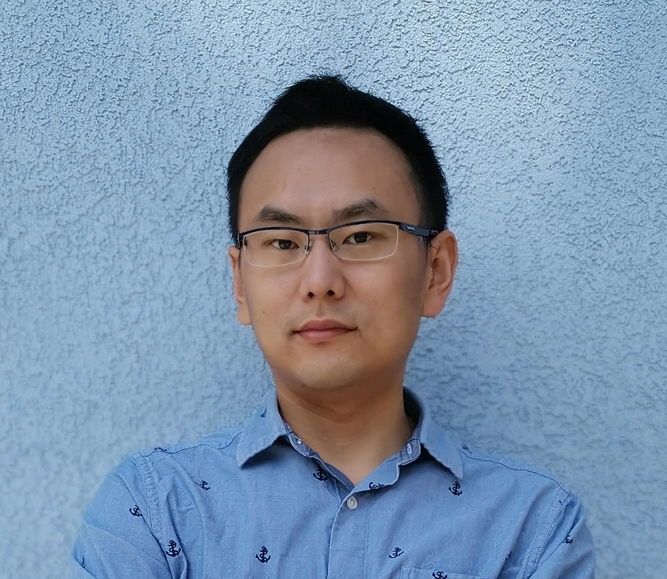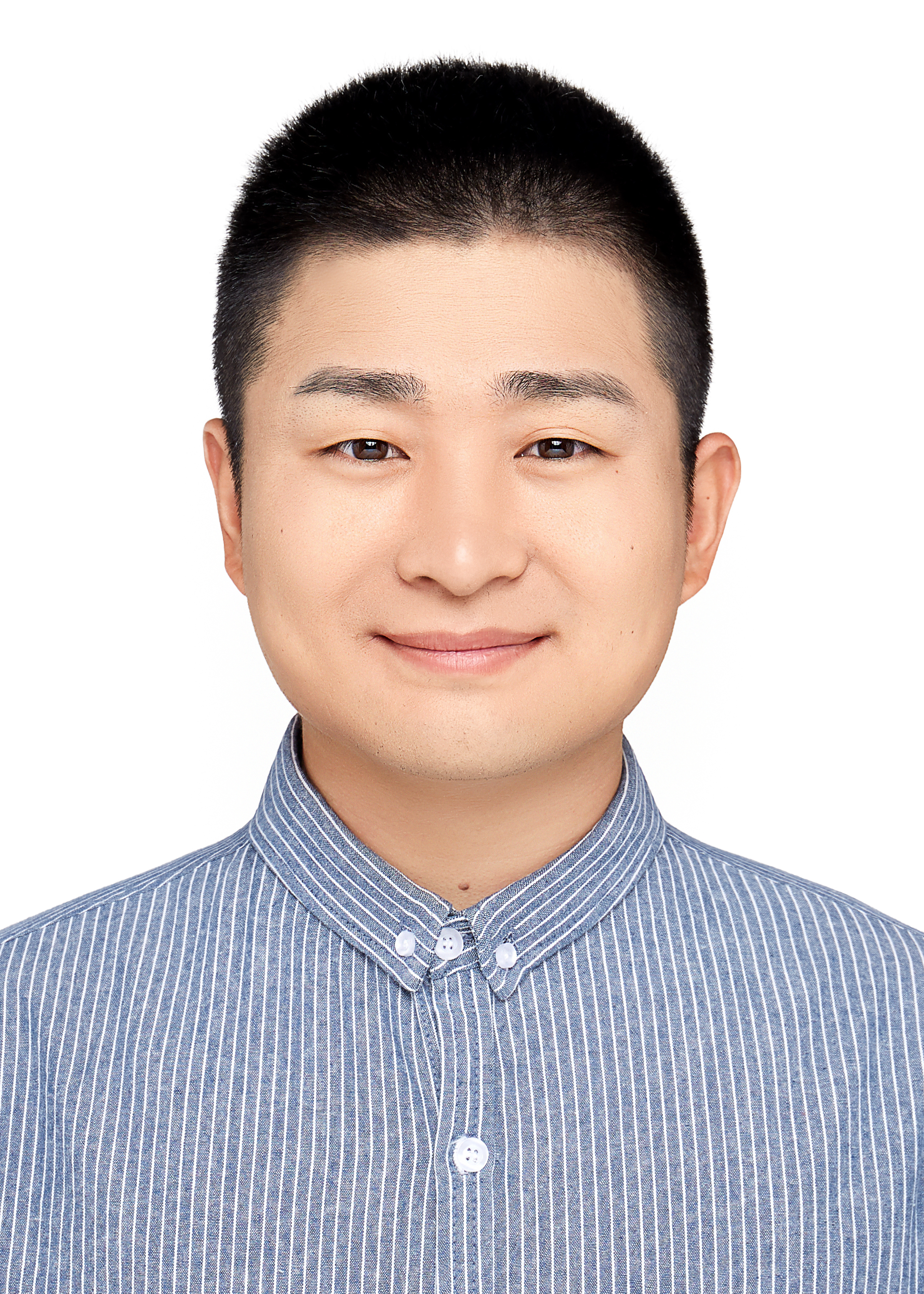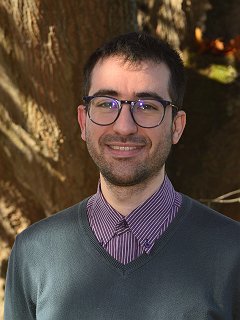
Professor Oleg Davydov holds a Professorship for Numerical Analysis at the Department of Mathematics, University of Giessen, Germany. His research focuses on developing advanced numerical methods with strong theoretical foundations and practical applications. He maintains an active research program with numerous recent publications and international collaborations. Position: Professor of Numerical Analysis Institution: University of Giessen, Department of Mathematics Contact: Heinrich-Buff-Ring 44, 35392 Giessen, HRZ Room 117 Email: oleg.davydov@math.uni-giessen.de Homepage: https://oleg-davydov.de/ Professor Davydov's research interests center around meshless numerical methods, approximation theory, and computational mathematics. His primary focus areas include: Meshless Finite Difference Method - Developing robust meshless techniques that avoid the need for structured grids Finite Element Method - Particularly Bernstein-Bézier finite elements and specialized approaches for complex geometries Scattered Data Fitting - Creating efficient algorithms for approximating data on irregular domains Approximation Theory - Investigating theoretical properties of splines, radial basis functions, and other approximation tools His research has resulted in several software packages including mFDlab (Meshless Finite Difference Method), BBFEM (Bernstein-Bézier Finite Elements), and TSFIT (Two-Stage Scattered Data Fitting), demonstrating the practical implementation of his theoretical work. Analysis of Professor Davydov's recent publications shows a consistent focus on improving meshless methods, particularly in stencil selection, error analysis, and applications to complex problems. His work spans both theoretical developments (like error bounds and optimal approximation orders) and practical implementations (for fluid dynamics, manifold learning, and interface problems). A notable trend is the increasing sophistication of adaptive techniques and the handling of challenging geometries. Professor Davydov has supervised several doctoral students to completion, including: Gaelle Andriamaro Fabien Rabarison Abid Saeed Wee Ping Yeo His research group appears to maintain active collaborations with institutions worldwide, as evidenced by his extensive co-authorship network. The group focuses on developing both theoretical foundations and practical implementations of numerical methods, with particular attention to problems involving irregular domains, singularities, and complex geometries. Students in his group would gain experience in both theoretical analysis and software development for numerical methods.