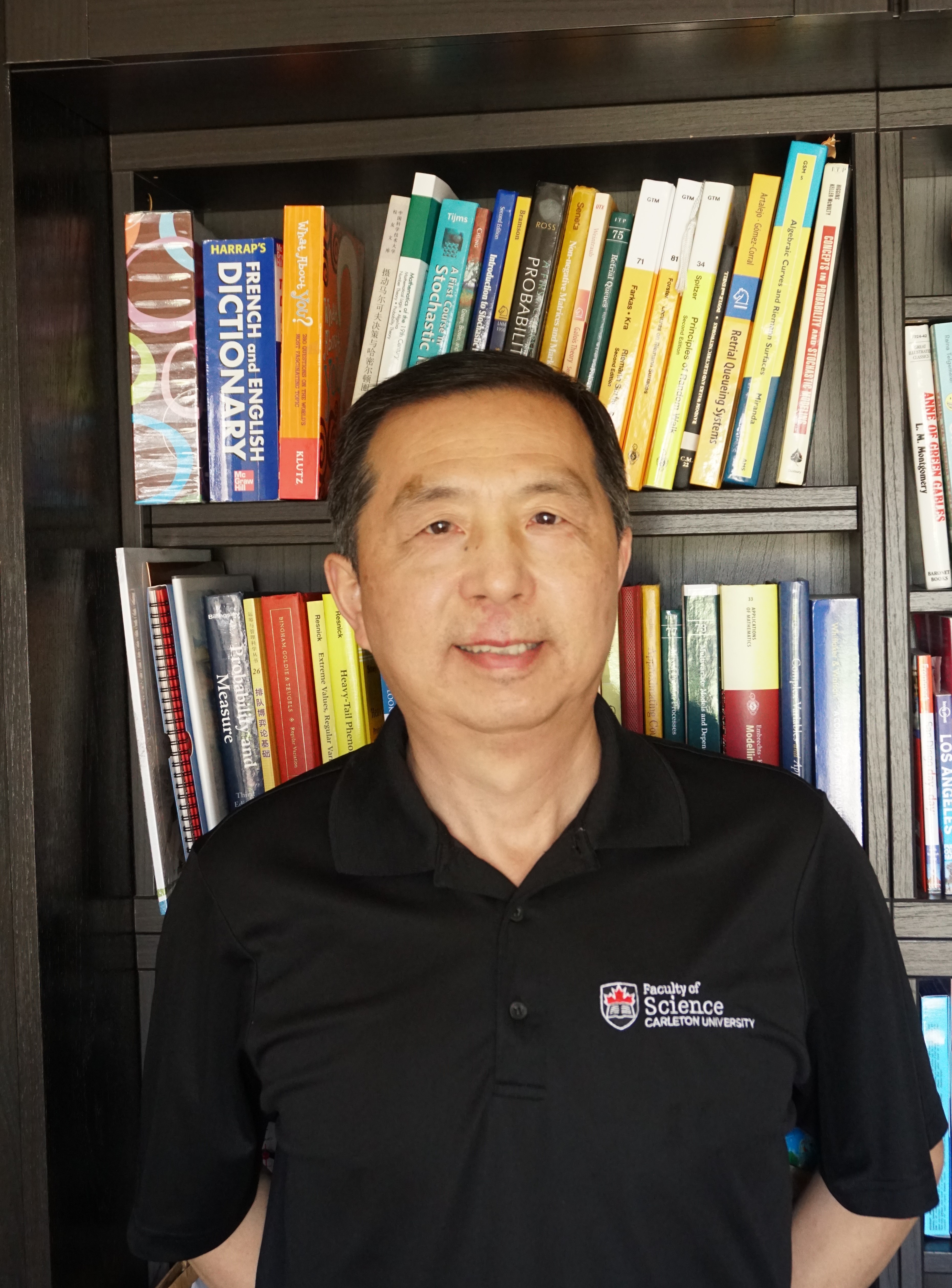
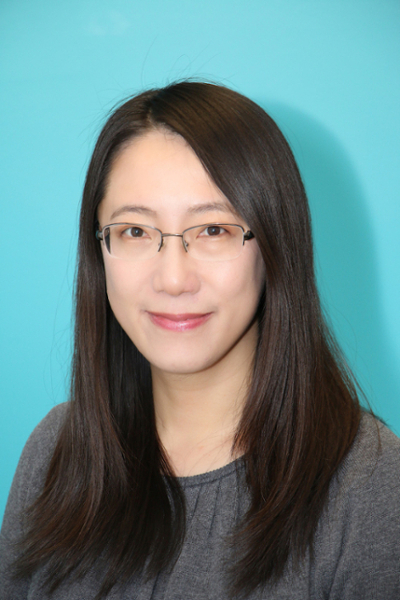
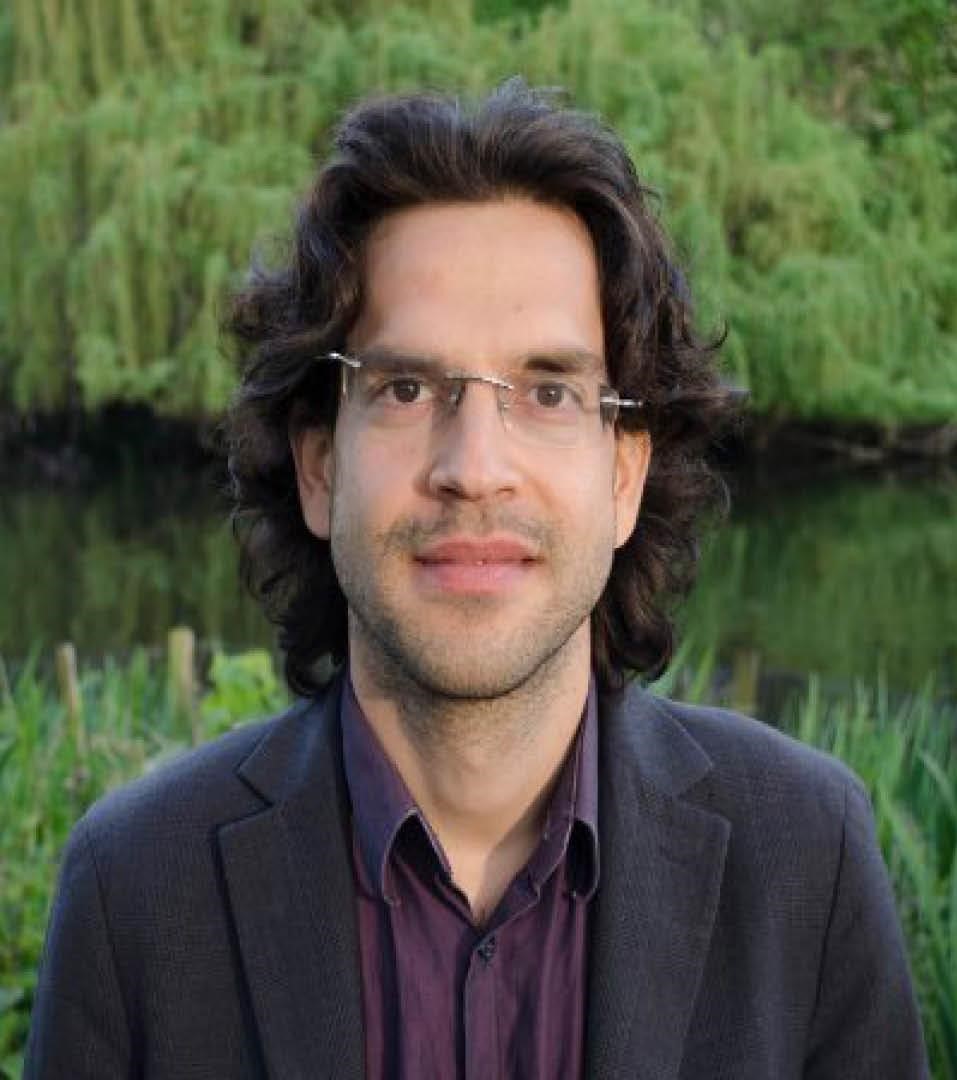
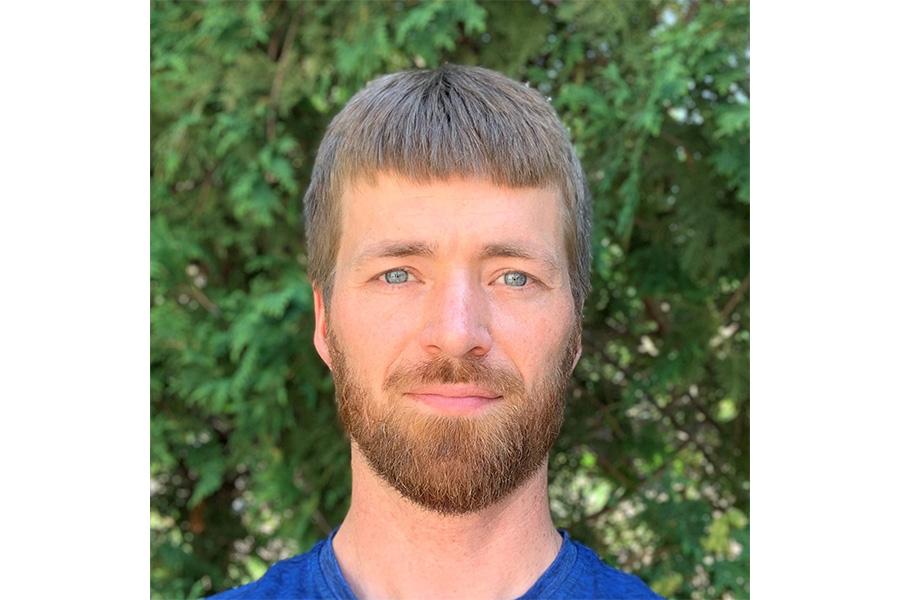
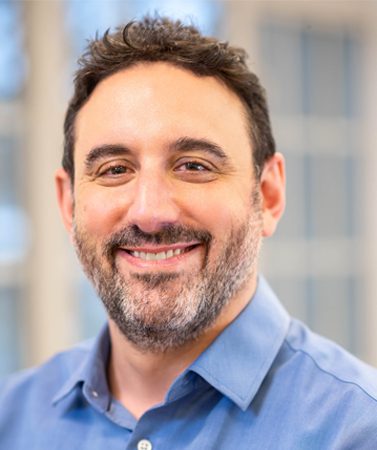
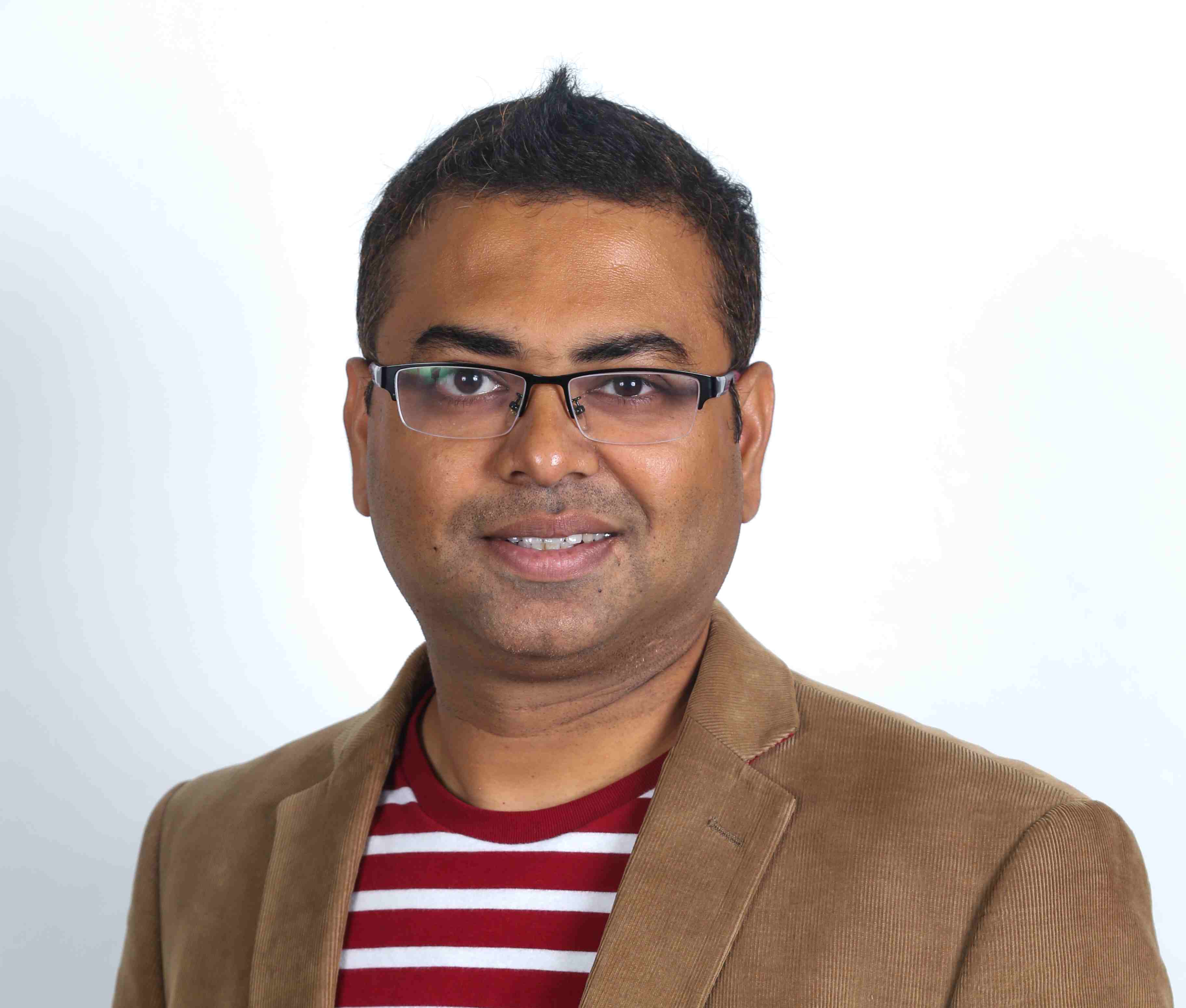
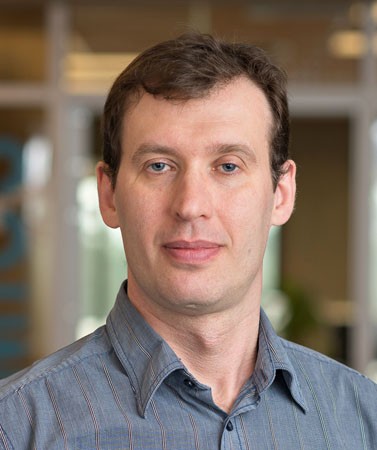
Richard Dansereau is a Professor and Associate Dean (Graduate Studies) in the Department of Systems and Computer Engineering at Carleton University, part of the Faculty of Engineering and Design. He holds a Ph.D. from the University of Manitoba and is a Professional Engineer (P.Eng.) and Senior Member of IEEE. His research focuses on signal processing, including biomedical applications, compressive sensing, medical imaging, and fractal complexity analysis. He has led the Signal Processing and Machine Learning Lab and advised numerous PhD students in areas like PET image reconstruction and drone detection through Riemannian geometry. His academic roles include serving as Clerk of Senate and Academic Editor for IET Signal Processing. Key research contributions span deep learning for compressive sensing (e.g., DEQ-based networks), cervical cell segmentation, and biomedical signal processing. Over 150 publications highlight his work on topics like PET-MRI fusion, audio-visual speech enhancement, and radar systems. Collaborations include projects on cardiac PET imaging and drone detection algorithms. Awards include the IEEE Senior Member designation. His teaching spans courses such as Digital Signal Processing, Wavelets, and Biomedical Systems across Carleton and the Georgia Institute of Technology.
Archer Yang is an Associate Professor in the Department of Mathematics and Statistics at McGill University, with additional affiliations as an Associate Academic Member of Mila - Quebec AI Institute, Associate Member of the School of Computer Science, and Member of the Quantitative Life Science Program. His academic journey began with a PhD from the University of Minnesota under the supervision of Hui Zou, establishing his foundation in statistical methodology and machine learning. Dr. Yang's research spans three interconnected themes: statistical machine learning, applications in drug discovery, and computational genomics and healthcare. In statistical machine learning, he focuses on developing dimensionality reduction, probabilistic models, and causality-inspired methods to address complex high-dimensional data challenges. His work in drug discovery involves creating machine learning models to accelerate drug candidate identification and enhance understanding of drug efficacy and safety. In computational genomics and healthcare, he develops techniques to analyze genomic data, identify biomarkers, and explore the genetic basis of diseases, with the goal of improving precision medicine and predicting patient outcomes. His overarching objective is to bridge advanced data-driven methodologies with impactful applications in pharmacology, genomics, and healthcare. His recent publications reveal a strong trend toward applying machine learning to healthcare challenges, particularly in congenital heart disease analysis, mortality prediction, and drug discovery. His work demonstrates expertise in developing interpretable models that can handle complex, high-dimensional biomedical data while maintaining statistical rigor. The integration of causal inference methods with machine learning appears to be a growing focus in his research trajectory. ICML Spotlight Paper (top 2.6%, 313/12,107) Dr. Yang actively supervises a large research group including multiple postdoctoral fellows, PhD students, and Master's students. His lab has developed several notable software tools, including ml-mr for machine learning in Mendelian randomization. His supervision extends across statistics, computer science, and biomedical applications, reflecting the interdisciplinary nature of his work. He appears to maintain strong collaborative relationships with researchers in healthcare and genomics fields. His laboratory, the Archer Yang Lab, maintains active GitHub repositories focused on machine learning applications in healthcare and drug discovery, with particular emphasis on interpretable models and statistical methodology development. The lab appears to work at the intersection of theoretical statistics and practical biomedical applications, with projects spanning from algorithm development to clinical implementation.
Professor Yiqiang Q. Zhao is a faculty member at the School of Mathematics and Statistics, Carleton University, where he has served as Associate Dean (Research and Graduate Studies) of the Faculty of Science since 2021. His research focuses on applied probability, stochastic processes, and their applications in telecommunication networks, queueing systems, and Gaussian processes. With over 130 peer-reviewed publications and 150+ students supervised since 2000, he has received the Carleton Faculty of Science Teaching Award (2002-2003) and twice been recommended as the 'Most Welcomed Teacher' by graduate students. He has also held editorial roles for journals like Stochastic Models and Queueing Systems . Dr. Zhao's research explores exact tail asymptotics in queueing systems, mean-field interaction models, copula constructions, and statistical inference for stochastic processes. His work spans wireless network modeling, resource allocation, and geometric methods in probability, with funding from NSERC and industry partners like Alcatel and MITACS. His recent publications highlight advancements in mean-field stability, retrial queue approximations, and kernel methods for multidimensional queueing analysis. Editorial board memberships and committee leadership roles underscore his contributions to academic governance. Scientific Awards: Carleton Faculty of Science Teaching Award (2002-2003) Most Welcomed Teacher recognition (twice) Dr. Zhao collaborates with international institutions and supervises a dynamic research team. His grants from NSERC and industry partnerships reflect his impact on applied probability research.
Richard M. Dansereau is a Professor in the Department of Systems and Computer Engineering at Carleton University's Faculty of Engineering and Design. He holds a Ph.D. from the University of Manitoba and is a Professional Engineer (P.Eng.) and Senior Member of IEEE. He currently serves as Associate Dean (Graduate Studies) and Clerk of Senate, reflecting his leadership roles within the university. His research interests include: Multimodal and audio-visual signal processing Biomedical and biometric signal processing Image and speech signal processing Compressive sensing and deep learning for reconstruction Fractal and multifractal complexity measures, including Rényi dimensions Applications in medical imaging, speech enhancement, and radar systems Recent publications highlight his lab's focus on advanced deep learning techniques for image reconstruction (e.g., deep equilibrium models for compressive sensing), medical image analysis (e.g., PET reconstruction and cervical cell segmentation), and Riemannian geometry in radar signal processing for drone detection. His work integrates theoretical signal processing with practical applications in healthcare and defense. Scientific awards associated with his research group include: Ontario Graduate Scholarship Alexander Graham Bell Canada Graduate Scholarship (CGS D) John Ruptash Memorial Fellowship NSERC Best Project Award 1st prize in poster competition at hSITE 2012 Finalist for World Congress Award at WSCTS’2006 Dansereau actively supervises graduate students, with a long list of Ph.D. and M.A.Sc. alumni who have worked on topics such as speech separation, ECG analysis, image registration, and radar signal processing. He collaborates with researchers at institutions like the University of Ottawa Heart Institute and Defence Research and Development Canada (DRDC). His lab, the Signal Processing and Machine Learning Lab, continues to publish in top journals and conferences, securing research opportunities for Canadian, American, and British citizens in speech intelligibility research.
Dr. Lingling Jin is an Associate Professor in the Department of Computer Science at the University of Saskatchewan. Her research focuses on Bioinformatics, Genome Evolution, Comparative Genomics, Natural Computing, and Mathematical Genomics. She holds a Ph.D. in Computer Science with a specialization in Bioinformatics from the University of Saskatchewan (2017), preceded by an M.Sc. (2010) and B.Eng. (2006) in Computer Science from the same university and Beijing University of Technology, respectively. Dr. Jin’s work integrates computational methods with genomic data analysis, addressing challenges in plant genomics, structural variant detection, and evolutionary biology. Her research explores topics such as polyploid subgenome inference, anti-CRISPR activity modeling, and environmental stress response in organisms like mites and legumes. She also applies machine learning techniques to problems in agriculture, such as wheat kernel defect detection and phenotype prediction from genomic markers. Recent projects include developing tools like SV-JIM and SVPS for structural variant identification, sequencing the Camelina neglecta genome, and advancing self-supervised learning for video object segmentation and dense-pattern analysis. Her interdisciplinary approach bridges computational science with biological applications, contributing to both foundational and applied research in genomics. No scientific awards or grants are explicitly mentioned in the provided text. She currently advises no listed students, though her research likely involves graduate students and collaborators in bioinformatics and computational biology.
Chun-Yi Su is a Professor in the Department of Mechanical, Industrial and Aerospace Engineering at Concordia University. His research focuses on advanced control systems, mechatronics, robotics, and precision engineering. He specializes in nonlinear control, hysteresis compensation, and adaptive systems applied to soft actuators, UAVs, and smart materials. Key research areas include: Control of dielectric elastomer actuators Fault-tolerant cooperative control of unmanned aerial vehicles (UAVs) Adaptive neural network-based control for nonlinear systems Data-driven approaches for power electronics and energy systems Recent work emphasizes: Soft robotics actuation mechanisms Fractional-order control strategies Resilient control under cyber-physical attacks Biomimetic robotic systems His lab develops innovative solutions for smart materials, mechatronic systems, and autonomous robotics. Applications span renewable energy systems, biomedical devices, and aerospace engineering. Active in collaborative research with industry partners.
Augusto Gerolin is an Assistant Professor jointly appointed in the Departments of Mathematics and Statistics and Chemistry and Biomolecular Sciences at the University of Ottawa. He holds a Tier II Canada Research Chair in Artificial Intelligence at the Interface of Chemistry and Mathematics. His research focuses on Optimal Transport Theory, Mathematical Physics, Theoretical and Computational Chemistry, and Machine Learning. Gerolin’s work bridges quantum chemistry, mathematical analysis, and computational methods, with applications in Density Functional Theory and quantum information science. He obtained his PhD from the University of Pisa and was a Marie Skłodowska-Curie fellow at Vrije Universiteit Amsterdam. He is a member of the European Laboratory for Learning and Intelligent Systems (ELLIS) and leads a research group exploring AI-driven solutions in chemistry and mathematics. His current projects include developing optimal transport frameworks for quantum systems, advancing machine learning algorithms in scientific computing, and fostering collaborations across disciplines through initiatives like the OQMG Network. Gerolin’s research has led to advancements in multi-marginal optimal transport, entropy-regularized methods, and the strong-interaction limit of density functional theory. His group actively collaborates with institutions worldwide, including the Fields Institute, IPAM, and the University of Genoa. He has supervised numerous PhD, Master’s, and undergraduate students, many of whom have contributed to cutting-edge studies in computational chemistry, quantum algorithms, and mathematical analysis. Key awards include the Canada Research Chair designation, and his work has been supported by grants from NSERC, MITACS, and the University of Ottawa. Gerolin is also committed to diversity in science, endorsing principles such as the Diversity Axioms, and advocates for academic solidarity with researchers affected by global conflicts.
Erick Delage is a Professor in the Department of Decision Sciences at HEC Montréal, holding the Canada Research Chair in Decision Making Under Uncertainty. He is a member of the Group for Research in Decision Analysis (GERAD) and an associate academic member of MILA. His research focuses on optimization under uncertainty, robust and stochastic optimization, machine learning, and risk management, with applications in finance, energy systems, and transportation. Delage holds a Ph.D. in Electrical Engineering from Stanford University, where he worked with renowned scholars like Andrew Y. Ng and Yinyu Ye. His teaching includes courses on Quantitative Risk Management, Decision Analysis, and Robust Optimization at institutions like HEC Montréal, Politecnico di Milano, and EPFL. He has supervised numerous PhD and master's students, leading to impactful contributions in areas like distributionally robust optimization and deep reinforcement learning for financial engineering. Delage's work emphasizes bridging theory and practice, with notable contributions to contextual optimization methods, energy transition pathways, and risk-averse decision-making. His research has been recognized with awards such as the Nicholson Award (2008) and membership in the Royal Society of Canada's College of New Scholars (2020). His laboratories and collaborations include the Supply Chains and Mobility research cluster funded by IVADO, focusing on data-driven decision-making for resilient systems. Key grants include leadership in energy transition optimization and robust supply chain frameworks.
Matthew Bakker is an Associate Professor in the Department of Microbiology at the University of Manitoba's Faculty of Science. He leads the Bakker Lab - Agricultural Microbial Ecology Research Group , focusing on microbial ecology and species interactions affecting agricultural sustainability. At the University of Manitoba, he teaches Microbes In Our Environment , Introductory Biogeochemistry , and contributes to graduate courses in Evolution of Fungal Pathogens . PhD in Plant Pathology, University of Minnesota Postdoctoral research, Colorado State University Staff scientist, U.S. Department of Agriculture His research spans multiple interconnected areas of agricultural microbiology: Ecological understanding of Fusarium graminearum pathogenesis Soil microbiome responses to agricultural practices Microbial detoxification of mycotoxins Malting process microbiology Microbial greenhouse gas fluxes in soil Biocontrol agent development The lab's recent publications focus on advanced diagnostics (MALDI-TOF spectrometry), pathogen-phytochemical interactions, microbiome engineering, and climate change impacts on microbial communities. Research is supported through the BENEFIT Project (Genome Canada) and collaboration with the Canadian Collection of Agricultural Soil Microbes (CCASM) . Students working under his supervision include: PhD candidates: M. Shimosh Kurera, Rebecca Pagès MSc students: Brian Harrison, Kelsey Wog, Hariniha Selvarajan Co-op students: Varisha Rehman, Robin Nelson Undergraduate researchers: Avery Hoeppner, Sara Mills International collaborators: Dr. Hina Shanakhat, Dr. Briana Whitaker The lab actively engages in: Soil microbial community analysis Endophyte-pathogen interaction studies Mycotoxin bioremediation research Plant microbiome engineering Agricultural sustainability initiatives Training through the EvoFunPath program
Jesse Perla is an Associate Professor in the Vancouver School of Economics at the University of British Columbia, Faculty of Arts. He maintains an office in the Iona Building 201B and is actively engaged in research and teaching within the economics department. Dr. Perla received his PhD in Economics from New York University in 2013 and completed his undergraduate studies in Applied Mathematics at Columbia University in 1997. His academic journey has positioned him at the intersection of economics, mathematics, and computational methods. His research focuses on macroeconomics and growth from the firm perspective, with particular emphasis on information diffusion, heterogeneous agents, and computational approaches to economic modeling. He has developed significant expertise in applying machine learning techniques and high-dimensional methods to economic problems, with notable work on technology diffusion, financial frictions, and dynamic programming. His research agenda spans theoretical and computational economics, with increasing integration of artificial intelligence methods in recent years. Perla's publications reveal a strong trend toward computational economics, with growing emphasis on deep learning applications to overcome the curse of dimensionality in economic models. His work frequently explores how information diffusion affects firm behavior and economic growth, often employing sophisticated mathematical and computational techniques to model complex economic phenomena. He is a co-author of the influential open textbook Quantitative Economics with Julia and has made significant contributions to computational economics education. His teaching focuses on preparing students for graduate work in economics, with particular emphasis on mathematical preparation and computational skills. He has published extensive course advice for UBC undergraduates interested in pursuing graduate studies. Perla actively contributes to the development of computational tools for economists, particularly through the Julia programming language ecosystem. His work includes developing educational materials on differential equations for epidemiological modeling in economics and maintaining comprehensive data source references for economic researchers.
Shahrear Iqbal is an Adjunct Associate Professor at Queen's University and a Cyber Security Researcher at the National Research Council (NRC) Canada . He holds a PhD in Cybersecurity (2017) and MSc in Combinatorial Optimization (2011) from Queen's University, along with a BSc in Computer Science and Engineering (2008) from Bangladesh University of Engineering and Technology. Research Focus: Security and Privacy of Smart Systems, including in-vehicle security, self-aware operating systems, IoT-cloud security, and AI-driven cybersecurity. Teaching: Previously taught CISC490: Cybersecurity at Queen's University. Key Projects: Droid Mood Swing (DMS) for context-aware Android security policies Securing ECU Communications in connected vehicles FCFraud for user-side click-fraud detection
Alvaro Nosedal Sanchez is an Associate Professor in the Teaching Stream and Associate Chair (STATS) at the Department of Mathematical and Computational Sciences , University of Toronto Mississauga. His research integrates statistical theory with real-world applications in climate science, transportation, and disaster management. Research Interests Nonparametric Regression Gaussian Markov Random Fields Linear Models Bayesian Statistics Application of Statistical Methods Publication Trends His work spans 2012–2019 , focusing on statistical methodologies for transportation systems, climate modeling, and disaster response. Key themes include spatial statistics, algorithm development, and probabilistic modeling. Recent publications emphasize logistic regression in utility coordination and Gaussian Markov Random Fields in climate analysis. Teaching STA 215: Introduction to Applied Statistics STA 218: Statistics for Management and Economics STA 256/258/260: Core statistics and probability courses STA 302: Regression Analysis STA 313: Topics in Statistics STA 437: Applied Multivariate Statistics STA 457: Applied Time Series Analysis
Dr. Bentley Oakes is an Assistant Professor in the Department of Computer and Software Engineering at Polytechnique Montréal, affiliated with Université de Montréal and Mila. His research focuses on knowledge engineering for complex cyber-physical systems, particularly digital twins, ontological reasoning, and model-driven approaches. He teaches LOG6310E - Digital Twin Engineering and organizes the SEMTL meetings. Previously, he held postdoctoral positions at the University of Montréal and the University of Antwerp, and completed his PhD at McGill University in 2019 on model transformation verification. Education: PhD in Computer Science, McGill University (2019) Postdoctoral Researcher, University of Montréal (2017–2019) Postdoctoral Researcher, University of Antwerp (2014–2017) Research Interests: Digital twins (structure, validation, reporting) Ontologies and domain-specific knowledge representation Formal verification of cyber-physical systems Machine learning applications in systems engineering Model-driven engineering and transformations Awards: EDTConf 2024 Best Short Paper Award SoSyM/MODELS Journal-First Award (2023) Best Student Paper Award at SIMULTECH 2019 Advising & Labs: Advisor to PhD/Master’s students in digital twin engineering and related topics Oakes Lab focuses on accelerating knowledge engineering for complex systems Recruiting for PhD and internship positions (e.g., MITACS Globalink) Labs/Teams: The Oakes Lab collaborates with global experts and focuses on semantic integration, DT reporting frameworks, and LLM-based DT construction.
Vadim Marmer is a Professor at the University of British Columbia (UBC) since 2005, affiliated with the Vancouver School of Economics . He earned his Ph.D. at Yale University. His research centers on Econometrics , with specific expertise in estimation and inference in auctions, weak identification, non-stationary time series, and network-dependent data analysis. Education : Ph.D., Yale University Institutional Affiliation : University of British Columbia Research Focus : Econometric theory, auction modeling, regime switching, and financial time series. His recent publications focus on stochastic cycles in macroeconomic data, treatment effect estimation in triangular models, and auction theory advancements. Collaborations include Jun Ma, Zhengfei Yu, and Artyom Shneyerov. Though no explicit awards are listed, his work appears in top journals like Journal of Econometrics and Quantitative Economics .
Martin Karsten is a Professor at the David R. Cheriton School of Computer Science, University of Waterloo, where he leads research in software systems and networking. His work focuses on finding simple approaches to building robust and efficient systems infrastructure. He teaches courses including Real-time Programming, Operating Systems, Distributed Systems, and Computer Networks. His research explores fundamental patterns for software infrastructure design and redesigning systems using modular building blocks. Primary interests include system-level runtime systems (OS kernels, hypervisors), performance optimization through simplicity, and structural commonalities across software layers. Key research areas encompass system software, network architecture, network services, and network software. Karsten holds a Diplom-Wirtschaftsinformatiker from Universität Mannheim and Dr.-Ing. from TU Darmstadt. His career includes positions as Assistant Professor (2002-2007), Associate Professor (2007-2020), and Professor (2021-present) at Waterloo, with administrative roles including Associate Director of the School since 2020. He maintains active collaborations through sabbaticals at SAP and visiting positions at TU Kaiserslautern. He currently advises multiple graduate students in the MMath program and has contributed to open-source projects like libfibre (user-level threading) and KOS (experimental OS kernel). His professional service includes roles in academic integrity initiatives and conference organization.