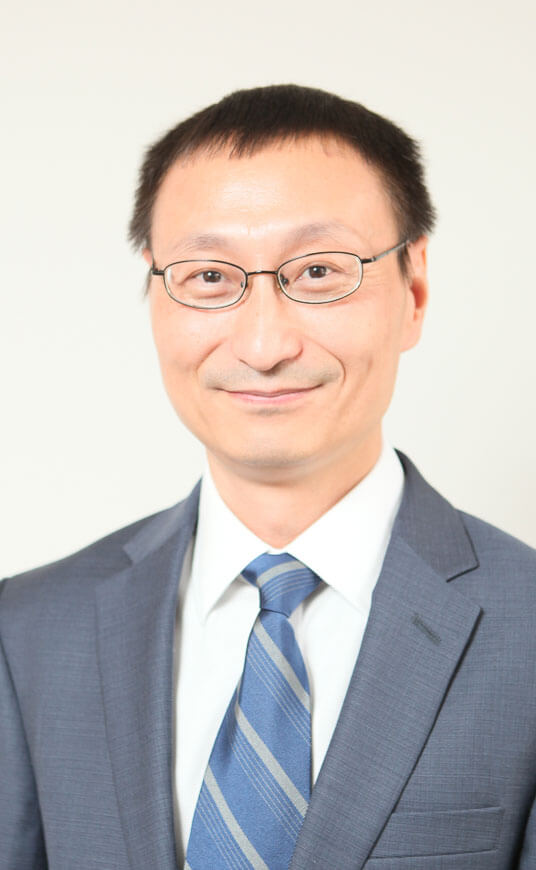
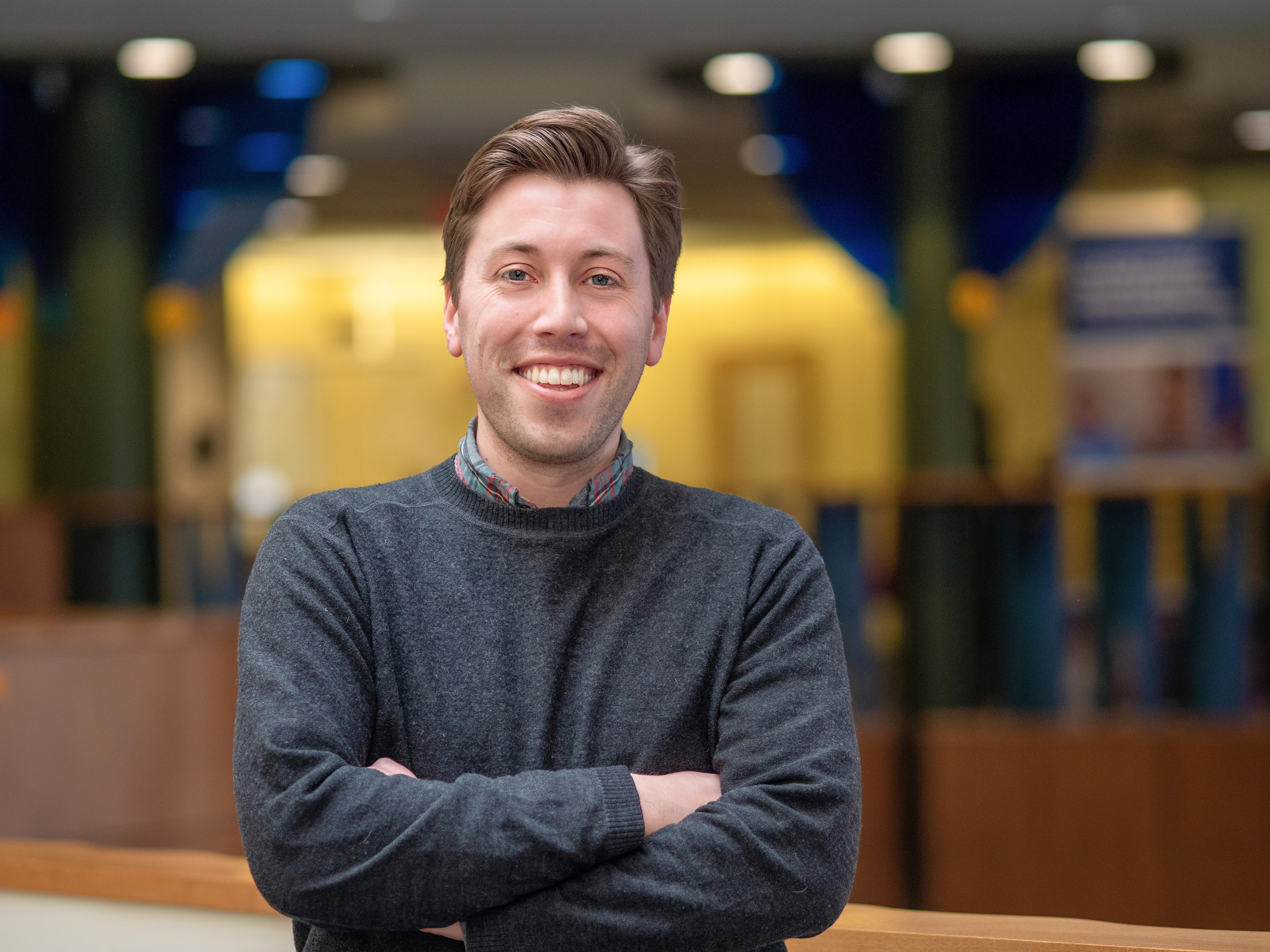
Hui Chen is an Associate Professor in the Department of Computer and Information Science at Brooklyn College, City University of New York, and a member of the doctoral faculty in the CUNY Computer Science Ph.D. program. His research integrates software engineering, wireless networks, and system security. Education: B.E. (1993), M.S. (1996), M.S. (2003), Ph.D. (2007) in Computer Science and Geophysics. Chen's research spans modeling and analytics of software and systems , wireless sensor networks, network security, and computer science education . His lab focuses on accountable systems and predictive models for developer behavior. Recent publications emphasize just-in-time defect prediction , internet censorship detection , and wireless sensor applications . Awards include multiple PSC-CUNY grants and an NSF award for secure programming education innovations. Scientific Awards: PSC-CUNY Award #67751-00 55 (2024-2025) NSF #2235976 (2023-2026) Additional PSC-CUNY grants (2018-2024) Chen serves on IEEE/ACM technical program committees and advises students in his MASS lab , which emphasizes industry collaboration and hands-on research in software/hardware security domains.
Rocco Oliveto is a Professor in the Department of Computer Science at the University of Salerno, Italy, with a distinguished research career spanning over two decades in empirical software engineering. His work bridges theoretical software engineering principles with practical applications, with recent expansion into healthcare informatics and machine learning applications. His research interests focus on code quality assessment, software maintenance practices, developer behavior analysis, and empirical studies of software engineering phenomena. He has made significant contributions to understanding code smells, bug prediction, API compatibility issues, and more recently, container technologies and smart contract analysis. His recent work demonstrates a strategic expansion into healthcare applications, leveraging software engineering techniques for medical diagnostics and rehabilitation systems. Oliveto's publication pattern shows consistent productivity with multiple high-impact publications each year across top venues including IEEE Transactions on Software Engineering, ACM Transactions on Software Engineering and Methodology, and Empirical Software Engineering journal. His recent articles (2023-2025) reveal a growing interest in applying software engineering techniques to healthcare domains while maintaining strong contributions to core software engineering topics. The research demonstrates sophisticated methodological approaches combining empirical studies with machine learning techniques. His collaborative network includes prominent researchers such as Simone Scalabrino, Gabriele Bavota, and Andrea De Lucia, with whom he has co-authored numerous high-impact publications. This collaboration spans both traditional software engineering topics and emerging interdisciplinary applications in healthcare.
Trivik Verma is an Associate Professor at the Faculty of Technology, Policy and Management, Delft University of Technology, where he co-leads the Centre for Urban Science & Policy within the Department of Multi-Actor Systems. He previously served as the director of the TPM AI Lab and has been instrumental in fostering critical AI research and education. His work bridges urban science, policy, and community-driven innovation. His research focuses on urban inequalities, participatory planning, spatial data science, and social impact assessment . He develops open-source tools like SIA-City and Citizen Voice to support inclusive urban decision-making by integrating citizen input with spatial analysis. His work emphasizes justice, equity, and sustainability in urban development, particularly in the context of climate change and rapid urbanization. Recent projects reflect a strong trend in democratizing urban governance through digital tools, combining GIS, natural language processing, and participatory methods to uncover socio-spatial value conflicts and empower marginalized communities. These initiatives highlight a consistent focus on open-source, community-centered urban research. Scientific Awards and Grants: HORIZON Grant for Democratizing Just Energy Transitions (DUST) TU Delft Fund for Citizen Voice (open-source participatory tools) Trivik Verma is actively involved in advising and leading research initiatives, particularly those focused on critical AI, education reform, and participatory urban science . He has led grant-funded projects that involve collaboration with municipalities and civil society. His leadership in the TPM AI Lab and ongoing projects demonstrates a strong commitment to shaping a sustainable and inclusive research culture. He is associated with key research initiatives including the Centre for Urban Science & Policy , the TPM AI Lab , and leads the development of open-source platforms like Citizen Voice and SIA-City , which serve as hubs for interdisciplinary collaboration between urban planners, data scientists, and communities.
Dr. Çiğdem Kadaifçi Yanmaz is a faculty member at Istanbul Technical University, Department of Industrial Engineering. Her research focuses on fuzzy logic applications, supply chain resilience, and decision-making processes in Turkey-specific contexts. 15+ years of research output in fuzzy cognitive mapping, hesitant/Pythagorean/Fermatean fuzzy sets Collaborative projects with scholars in environmental management, healthcare, and telecommunications Current projects include natural gas demand forecasting, organ donation factors, and peer review system analysis Research trends include: 1. Fuzzy logic for complex system modeling 2. Turkey-specific case studies across multiple sectors 3. Interdisciplinary work combining industrial engineering with public policy and healthcare Projects (2023-2025): Organ donation decision factors in Turkey (2024) Peer review process analysis (2023-2024) Process performance improvement (2024) Natural gas consumption forecasting (2024)
Amos H. C. Ng is a Professor at the School of Engineering Science, University of Skövde, specializing in simulation-based optimization and Industry 4.0 technologies. His research bridges production engineering with human-robot collaboration, ergonomics evaluation, and cloud-based cyber-physical systems for manufacturing efficiency. Key Affiliations: University of Skövde (School of Engineering Science), Uppsala University (Industrial Engineering and Management) Research Themes: Multi-objective optimization, Digital Twin frameworks, Human-centric production systems, Reconfigurable manufacturing, Throughput bottleneck analysis Projects: ACCURATE 4.0 (Knowledge Foundation), VF-KDO (Virtual Factories with Knowledge-Driven Optimization), EWASS (Wire Harness Assembly Optimization) His recent publications demonstrate expertise in applying evolutionary algorithms, machine learning models, and digital human modeling tools to solve complex manufacturing problems ranging from crankshaft machining to wood supply chain robustness. Current work integrates motion capture technology with DHM tools for objective ergonomic assessments in assembly stations. Amos collaborates extensively with industrial partners like Volvo Penta and academic institutions, utilizing simulation-based approaches to enhance decision-making in production systems. His methodological focus includes non-dominated sorting genetic algorithms, surrogate modeling, and parallel computing architectures for optimization tasks.
Anind K. Dey is a Professor and Dean of the Information School at the University of Washington, with adjunct appointments in the Allen School of Computer Science & Engineering and Department of Human-Centered Design & Engineering. His research bridges human-computer interaction, machine learning, and ubiquitous computing, focusing on behavioral modeling through passive mobile sensing. Education: PhD, MS in Computer Science (Georgia Tech), MS in Aerospace Engineering, BASc in Computer Engineering Research Interests: Context-aware computing, health behavior modeling, fairness in AI, digital interventions for substance abuse and mental health His 2023-2022 publications address fairness in ubiquitous systems, biobehavioral rhythms, workplace sensing, and health interventions for college students and substance use. Scientific awards include ACM Fellow (2021), CHI Academy (2015), and multiple best paper recognitions across UbiComp, CHI, and MobileHCI conferences. Currently recruiting students for Autumn 2025, Dey collaborates with experts in mental health, sustainability, and medical research. No specific lab/team information is mentioned in available texts.
Professor Rafaela Hillerbrand is a leading scholar in philosophy of technology and ethics at the Karlsruhe Institute of Technology (KIT). She holds a professorship for Technology Ethics and Philosophy of Science with a focus on Assessment of Complex Forms of Knowledge at the Institute for Technology Assessment and Systems Analysis (ITAS). Additionally, she manages the KIT Academy for Responsible Research, Teaching, and Innovation (ARRTI) and heads the research group "Philosophy of Technology, Technology Assessment and Science" (PhilETAS). Her educational background includes dual doctorates: a Dr. phil. summa cum laude in Philosophy from Friedrich-Alexander-Universität Erlangen (2003) and a Dr. rer. nat. summa cum laude in Theoretical Physics from Westfälische Wilhelms-Universität Münster (2007). She also completed studies in Physics (Diplom) and Philosophy (Magister) at Universität Erlangen & University of Liverpool. Professor Hillerbrand's research spans the intersection of philosophy, technology assessment, and ethics. Her work focuses on the philosophical foundations of technology, environmental ethics (particularly regarding energy systems), epistemic aspects of risks and uncertainties, and ethical dimensions of computer simulations and AI. She approaches these topics through frameworks like the capabilities approach, virtue ethics, and value-sensitive design, examining how technological development intersects with human well-being and social justice. Her research often takes a transdisciplinary perspective, bridging philosophical analysis with practical applications in energy transition, mobility systems, and emerging technologies. Analysis of her recent publications reveals a clear trajectory toward addressing ethical challenges in emerging technologies, particularly AI and digital systems. Her work increasingly focuses on implementing ethical frameworks in practical contexts, from rescue robotics to energy systems. A significant thread throughout her scholarship examines how uncertainty and risk should be managed in technological decision-making, with growing attention to the epistemic dimensions of computer simulations. Her recent work also demonstrates an expanding focus on justice dimensions, particularly energy justice and capabilities approaches to technology assessment. Full member of the German Academy of Science and Engineering (acatech) since 2020 Delft Technology Fellowship, 2012-2015 Member of the Young Academy at the Berlin-Brandenburg Academy of Sciences and Humanities and the Academy of Natural Scientists Leopoldina (2009-2014) 2008 Science Prize of the Ingrid zu Solms Foundation PhD Scholarship from the University of Münster (2006) German Academic Scholarship Foundation (2002-2005) Dr. Heinz-Dürr Scholarship, Zeiss Foundation & German Academic Scholarship Foundation (2005) Lilli Bechmann-Rahn Prize (2005) Professor Hillerbrand actively mentors doctoral students, with recent PhD completions including Schweer, J. (2025) on "Computer Simulations and Explanations in the Nanosciences" and Grünke, P. D. (2023) on "Computer-based methods of knowledge generation in science." She has served as Ombudsperson for doctoral candidates at KIT (2015-2021) and participates in numerous grant review panels for major funding organizations including the German Research Foundation (DFG), National Science Foundation (NSF), and Fonds de la Recherche Scientifique Brüssel. Her research has been supported through various institutional roles including her leadership in the KIT Academy for Responsible Research, Teaching, and Innovation. As head of the PhilETAS research group at ITAS, Professor Hillerbrand leads a team examining the philosophical foundations of technology assessment. Her work connects closely with the KIT Academy for Responsible Research, Teaching, and Innovation (ARRTI), which she manages, creating a bridge between theoretical philosophical work and practical implementation of responsible innovation frameworks. Her research group collaborates extensively across disciplines, particularly with engineering departments at KIT and through the Heidelberg Karlsruhe Strategic Partnership (HEiKA).
Walter Dempsey is an Associate Professor of Biostatistics at the University of Michigan School of Public Health and Assistant Research Professor at the Institute for Social Research. His research develops statistical methods for digital health, focusing on experimental design for multi-stage decision making, modeling of complex longitudinal data, and analysis of relational network structures. Education: Ph.D. in Statistics, University of Chicago (2015) B.Sc. in Mathematics, Statistics and Economics, University of Chicago (2009) Research Focus: Dr. Dempsey's work integrates statistical theory with health applications, particularly in mobile health (mHealth) technologies. His methodological research spans three interconnected areas: (1) Designing adaptive trials for health decision-making; (2) Developing hierarchical latent variable models for intensive longitudinal data from wearables and sensors; (3) Creating statistical frameworks for analyzing interaction networks that satisfy invariance principles while capturing empirical behavior patterns. Publication Trends: His recent work demonstrates strong emphasis on network modeling, mobile health interventions, and causal inference methods. Publications frequently appear in top statistics and machine learning venues including JASA, Biometrika, ICML, and NeurIPS, with consistent focus on developing interpretable models for health applications. Student Advising: Hera Shi (PhD, 2023) - Time-varying treatment effects in micro-randomized trials Yuhua Zhang (PhD, 2023) - Statistical methods for network data Madeline Abbott (Current PhD) - Latent variable models for intensive longitudinal data Easton Huch (Current PhD) - Robust Bayesian methods for causal inference Laboratory: Leads the Dempsey Lab developing statistical methodologies for digital health, with projects spanning network analysis, survival modeling, and adaptive intervention design.
Professor at Aix Marseille University's Faculty of Sciences , Mustapha Ouladsine leads cutting-edge research in diagnostic and prognostic methods for complex systems . As Vice-President for Research Infrastructure and AI since 2020, he oversees LIS Computer Science and Systems Laboratory. Directed LIS UMR 7020 (2018–present) Former Director of LSIS UMR 7296 (2008–2018) Scientific manager for €1.2M+ projects with STMicroelectronics Research Focus : Developed innovative approaches for: Equipment health index modeling in semiconductor manufacturing Dynamic sampling techniques for High-Mix Low-Volume systems Fault-tolerant control systems for drones and autonomous robots AI-based cardiac arrhythmia detection with Timone Hospital Scientific Leadership : Founded Aix-Marseille Research Federation in Computer Science Active associate editor for IEEE journals and conferences Coordinated 17+ recruitment committees at Aix Marseille University
Tina Eliassi-Rad is the Inaugural Joseph E. Aoun Professor at Northeastern University . She is also an external faculty member at the Santa Fe Institute and the Vermont Complex Systems Center . Her research lies at the intersection of Artificial Intelligence , Network Science , and their societal implications . Research Interests Data Mining & Machine Learning Network Science & Complex Systems Artificial Intelligence & Society Trustworthy Network Science Just Machine Learning Recent Article Trends Her recent work focuses on Graph Neural Networks , Hypergraph Mining , Adversarial Attacks , Algorithmic Fairness , and Human-AI Coevolution . Publications explore topics like Information Inequality , Network Resilience , and Explainable AI . Scientific Awards Inaugural Joseph E. Aoun Professor at Northeastern University Advising & Grants Current Students : Wan He (Network Science PhD), David Liu (CS PhD), Zohair Shafi (CS PhD), Samantha Dies (CS PhD) Major Funders : Defense Advanced Research Projects Agency (DARPA), National Science Foundation (NSF), Army Research Lab (ARL), Defense Threat Reduction Agency (DTRA), Lawrence Livermore National Laboratory (LLNL), MIT Lincoln Laboratory (MITLL), Volkswagen Foundation, PricewaterhouseCoopers (PwC), Washington Post Labs Labs & Teams She leads the RADLAB at Northeastern University and collaborates with the Network Science Institute . Her team includes postdoctoral researchers and PhD candidates working on AI, network science, and cybersecurity.
Ryan Jenkins is an Associate Professor in the Philosophy Department at California Polytechnic State University at San Luis Obispo, and a Senior Fellow at the Ethics + Emerging Sciences Group. Specializing in applied ethics (particularly military ethics and emerging technologies) and normative ethics (especially consequentialism), his work bridges classical philosophical frameworks with modern technological challenges. His recent research focuses on ethical integration of AI in policing, warfare, and digital platforms, with an emphasis on value-sensitive design and moral deliberation in autonomous systems. Articles like Threads and Needles (2025) and Autonomous Weapons Systems (2020) exemplify his cross-disciplinary approach combining ethics, technology, and policy. As Principal Investigator for the NSF-funded project Artificial Intelligence and Predictive Policing (2019–2022), Jenkins has led initiatives addressing ethical AI deployment. His teaching portfolio spans existentialism, environmental ethics, and philosophy of technology, reflecting his broad engagement with ethical questions in science and society.
Nicholas C. Jacobson is an Associate Professor of Biomedical Data Science and Psychiatry at the Geisel School of Medicine, Dartmouth College. He serves as the Director of the Treatment Development & Evaluation Core within the Center for Technology and Behavioral Health (CTBH) and leads the AI and Mental Health: Innovation in Technology Guided Healthcare (AIM HIGH) Laboratory. His work bridges computational methods with clinical applications to transform mental healthcare through technology. Dr. Jacobson earned his PhD in Psychology from Pennsylvania State University in 2019, following an MSc in Psychology from the same institution in 2015. He completed his Postdoctoral and Clinical Fellowships in Psychology at Massachusetts General Hospital/Harvard Medical School in 2019. Dr. Jacobson's research focuses on harnessing artificial intelligence and passive sensor data from smartphones and wearable devices to develop scalable, personalized interventions for anxiety and depression. His work has three main pillars: (1) enhancing precision assessment of anxiety and depression using intensive longitudinal data, (2) conducting multimethod assessment utilizing passive sensor data from smartphones and wearable devices, and (3) providing scalable, personalized technology-based treatments utilizing smartphones. As a computational psychologist, he created the Differential Time-Varying Effect Model (DTVEM), an innovative statistical package in R that allows researchers to discover and model optimal lag times in intensive longitudinal data. His methodological expertise encompasses machine learning, structural equation modeling, multilevel modeling, time-series techniques, and dynamical systems modeling. His recent publications demonstrate a strong focus on digital phenotyping, machine learning applications in mental health, and personalized interventions. The research spans multiple domains including depression symptom networks, anxiety disorder assessment, eating disorder prevention, and the use of passive sensing to understand mental health conditions. A notable trend is the application of advanced computational methods to create more precise and personalized mental health assessments and interventions, with increasing emphasis on real-world implementation and accessibility. Principal Investigator of an R01 Award from the National Institute of Mental Health studying personalized deep learning models to predict rapid changes in major depressive disorder symptoms Secured over $6 million in funding as Principal Investigator and over $20 million as a co-Investigator Featured on NBC Nightly News and CBS Morning News for pioneering work in AI-powered mental health applications Dr. Jacobson has developed several impactful digital tools including Therabot, a generative AI therapy chatbot that demonstrated substantial reductions in symptoms of major depressive disorder, generalized anxiety disorder, and feeding and eating disorders in its first randomized controlled trial. He also developed Mood Triggers, a smartphone sensing platform that integrates ecological momentary assessment and intervention to help users identify and manage anxiety and depression triggers. His suite of smartphone applications has reached over 50,000 users in more than 100 countries. Dr. Jacobson is actively recruiting team members and encourages interested individuals to contact him through his personal website. He directs the AIM HIGH Laboratory, which focuses on advancing AI applications in mental healthcare. The lab develops innovative computational approaches to enhance mental health assessment and treatment through technology. Current projects include using passive sensor data to predict symptom changes, developing personalized just-in-time adaptive interventions, and creating quantitative tools that enable precision mental healthcare.
Mehmet Gönen is a Professor in the Department of Industrial Engineering at Koç University's College of Engineering. His academic career spans multiple disciplines at the intersection of engineering, computer science, and biomedical research. He maintains an active research program with significant contributions to machine learning applications in biological and medical contexts. Education: PhD, Boğaziçi University (2010) MSc, Boğaziçi University (2005) BS, Boğaziçi University (2003) Professor Gönen's research primarily focuses on developing and applying machine learning methodologies, particularly multiple kernel learning techniques, to solve complex problems in computational biology and medicine. His work bridges theoretical algorithm development with practical applications in cancer biology, infectious disease modeling, and drug discovery. He has made significant contributions to single-cell multiomics analysis, antibiotic resistance research, and cancer genomics. His methodological innovations in kernel-based machine learning have found applications across diverse biological domains, demonstrating the versatility and power of his computational approaches. Analysis of his recent publications (2022-2025) reveals a consistent research trajectory centered on applying advanced machine learning techniques to pressing biomedical challenges. His work demonstrates strong interdisciplinary collaboration, spanning computational methods development, clinical applications, and biological discovery. Key thematic areas include cancer genomics (particularly pathway analysis and biomarker discovery), infectious disease modeling (with emphasis on antibiotic resistance mechanisms), and methodological innovations in kernel learning for biological data integration. His research has practical implications for precision medicine, drug discovery, and healthcare analytics. Professor Gönen has maintained a robust publication record with significant contributions to both methodology development and domain-specific applications. His work on scMKL for single-cell multiomics analysis represents cutting-edge integration of computational techniques with modern biological data. The consistent focus on interpretable machine learning methods suggests an emphasis on creating tools that provide biological insights rather than just predictive accuracy. His research group appears to collaborate extensively with domain experts in microbiology, oncology, and clinical medicine, ensuring that computational approaches address real-world biomedical challenges.
Shinji Wakao is a full Professor in the School of Advanced Science and Engineering, Waseda University, Japan, where he has served since 1993 and was Dean of the School from 2016 to 2020. Holding doctoral and master degrees in electrical engineering from Waseda, he leads a prolific research group specialising in computational electromagnetics and renewable-energy power systems. Education: Doctor of Engineering, Waseda University Master of Engineering, Waseda University Bachelor of Engineering (Electrical Engineering), Faculty of Science and Engineering, Waseda University Research Interests: His work integrates large-scale numerical electromagnetic field analysis—finite-element and infinite edge-element methods, level-set topology optimisation—with practical power-engineering challenges such as photovoltaic generation forecasting, smart-grid battery scheduling, zero-energy-house design, and electric-machine optimisation. Publication Trends: Recent articles emphasise deep-learning-enhanced PV forecasting (auto-encoders, CNNs, just-in-time modelling) and advanced topology-optimisation techniques (encoder-decoder networks, MMA-accelerated level-set methods) for magnetic shields and motors, reflecting a convergence of machine learning and energy-system science. Scientific Awards: IEEJ Academic Promotion Award (2008) IEEJ Distinguished Paper Award (2008) Committee & Society Roles: He serves on Japanese national committees including METI’s Power Safety Sub-committee and the Cabinet Office’s solar-energy evaluation panels, and is a board member of the Japan Solar Energy Society. Professional memberships include IEEE, IEEJ, JSCES and JSES. Laboratory & Projects: He heads the Wakao Laboratory within Waseda’s Department of Electrical Engineering, conducting projects on smart-grid PV management, magnetic-sensor optimisation for railway signalling, and net-zero-energy building renovation strategies.
Aleida Braaksma is a Lecturer at the University of Twente, affiliated with the TechMed Centre and Mathematics of Operations Research department. Her work bridges Artificial Intelligence with Health and Well-being , focusing on optimizing healthcare systems through Operations Research methodologies. Key Affiliations: Digital Society Institute, TechMed Centre, Mathematics of Operations Research department Research Themes: Reinforcement Learning, Data Mining, Process Mining, and Queueing Theory applications in healthcare logistics Her recent publications highlight advancements in medical diagnostic scheduling , bed allocation , and adaptive clinical trial designs . She has pioneered dynamic robust optimization frameworks for time-sensitive pharmaceutical workflows and developed sampling-based methods for Gittins index approximation in stochastic environments. Scientific contributions include: Optimization of rheumatology outpatient clinics via patient classification algorithms Response-adaptive procedures in clinical trials using constrained Markov decision processes Real-time forecasting systems for pandemic-related hospital capacity planning Computerized decision support for nurse-to-patient assignment