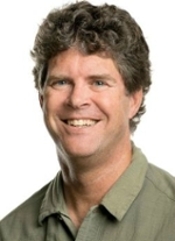
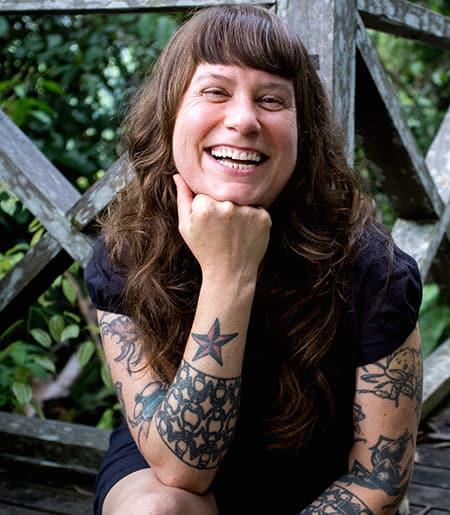
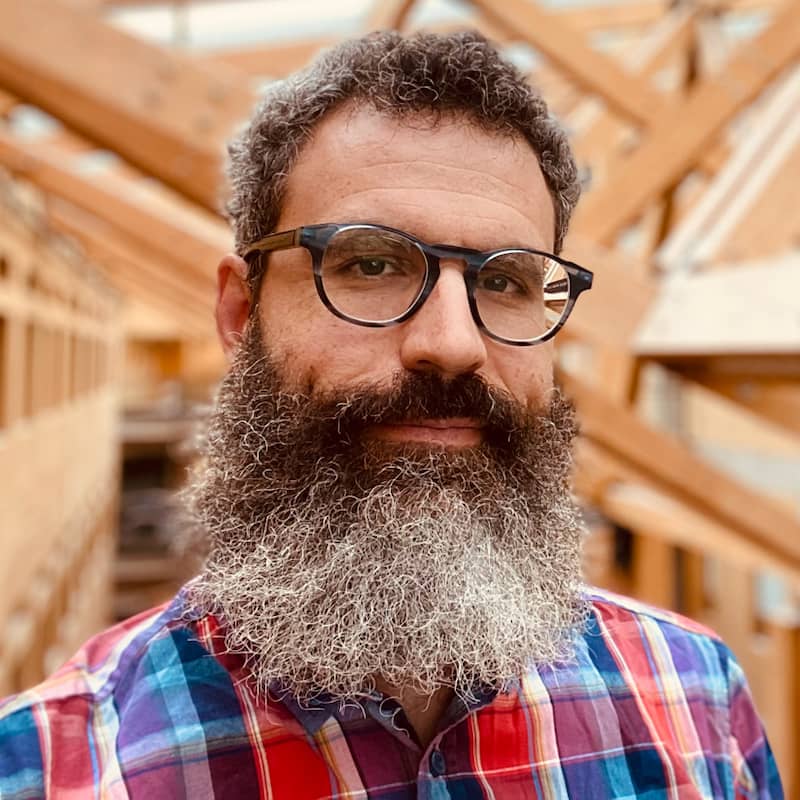
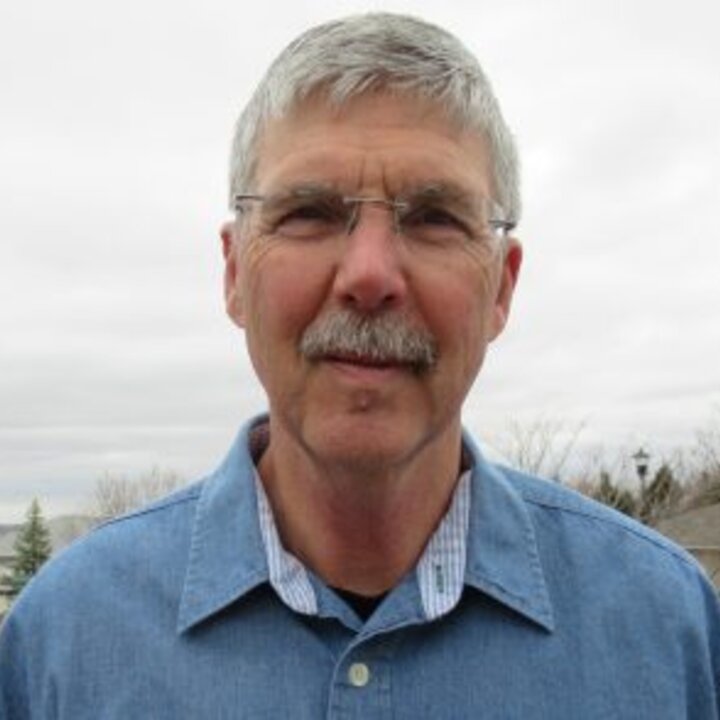
Mark Lewis is the Kennedy Chair in Mathematical Biology at the University of Victoria, holding joint appointments in the Departments of Mathematics and Statistics and Biology. His research focuses on spatial ecology and mathematical modeling, addressing ecological challenges such as animal movement, invasive species, and disease dynamics. Lewis earned his D.Phil. in Mathematical Biology from the University of Oxford and has been elected a Fellow of the Royal Society UK. His work integrates mathematical analysis, field studies, and interdisciplinary approaches to solve ecological problems. Current projects include modeling polar bear populations, cyanobacteria dynamics, and the impact of climate change on wildlife. Lewis supervises students across both UVic and his former University of Alberta lab. Education: D.Phil. in Mathematics (Mathematical Biology), University of Oxford Awards: Royal Society Fellowship, CRM-Fields-PIMS Prize, and Okubo Prize Key Research Areas: Animal movement modeling, aquatic ecology, wildlife disease, and invasive species management Publications highlight his contributions to understanding disease spread, parasite dynamics, and ecological responses to environmental changes. Lewis collaborates widely, applying mathematical tools to real-world conservation and health challenges.
Corrie Moreau is the Martha N. & John C. Moser Professor of Arthropod Biosystematics and Biodiversity at Cornell University, serving as Director & Curator of the Cornell University Insect Collection. She holds affiliations with the Department of Ecology and Evolutionary Biology and the College of Arts and Sciences. Her research focuses on symbiotic factors driving speciation, adaptation, and diversification in insects, particularly ants. Moreau’s work integrates molecular methods, next-generation sequencing, and field-based research to study biodiversity across scales. Education: Ph.D. in Organismic and Evolutionary Biology from Harvard University (2007), M.Sc. in Biology from San Francisco State University/California Academy of Sciences (2003), B.S. in Biology from San Francisco State University (2000). Research Interests: Evolutionary patterns/processes, organismal biology, plant-animal interactions, chemical ecology, sustainability, and microbiome dynamics. Her lab (Moreau Lab) investigates ant-microbe symbioses, host-microbe interactions, and the role of symbioses in macroevolutionary processes. Recent work includes studies on ant phylogenetics, gut microbiome evolution, and the impact of invasive species on native ecosystems. Publications highlight her contributions to understanding ant evolution, microbial symbiosis, and biogeography. Grants include NSF-funded projects on ant genomics and symbiosis. She advocates for natural history collections and their role in biodiversity research and education.
Ian Grettenberger is an Assistant Professor of Cooperative Extension in the Department of Entomology and Nematology at the University of California, Davis. He leads the Grettenberger Lab, focusing on applied entomology in agricultural ecosystems. His work emphasizes pest management strategies, biological control, and sustainable solutions for invasive species threatening California crops. Education: B.S. in Biology, Western Washington University Ph.D. in Entomology, Pennsylvania State University Research Interests: Grettenberger’s expertise spans pest management of field/vegetable crops, invasive species like the Bagrada bug and western striped cucumber beetle, and resistance management in pests such as the alfalfa weevil. He investigates biological control mechanisms, pesticide efficacy, and economic impacts of pest management policies. Key Contributions: Recent work includes studies on insecticide spray optimization, economic implications of pesticide regulations, and biological control of invasive species. His research bridges laboratory and field settings, addressing challenges in California’s agricultural landscapes. Labs/Teams: The Grettenberger Lab collaborates on applied entomology projects, advancing IPM practices and crop protection strategies.
Gregory Paradis is an Assistant Professor in the Department of Forest Resources Management at the University of British Columbia (UBC) Faculty of Forestry. His research focuses on sustainable forest management, integrating operations research, mathematical optimization, and systems modeling to address complex interactions between ecosystems, industries, and society. He works with the FRESH Lab and collaborates with the Integrated Remote Sensing Studio, emphasizing ecological and economic integration in forest planning. Sustainable Forest Management Operations Research Forest Economics Data Science Risk Assessment GIS-based Methods His research spans forest inventory optimization, climate change adaptation strategies, wildfire risk modeling, and decision support systems for invasive species. He develops computational frameworks to enhance wood supply planning, carbon management, and ecological resilience. Recent work includes machine learning applications for fire safety in timber structures and automated road planning tools for wildlife conservation. Paradis’s publications highlight trends in applying optimization methods to sustainable forestry, with a focus on biodiversity, climate adaptation, and value chain innovation. He advocates for interdisciplinary approaches that bridge silviculture, industrial engineering, and data science to tackle emerging challenges in forest ecosystems. As an educator, he seeks motivated students with quantitative and creative problem-solving skills. His lab collaborates on remote sensing integration, risk assessment models, and policy-relevant forest management strategies, ensuring plans account for uncertainties like insect infestations or windthrow events.
Dr. Albert Ruhi is Associate Professor in Environmental Science, Policy and Management at UC Berkeley. His research examines freshwater ecosystem responses to global change, with focus on hydrologic alteration and drought impacts across river networks. The Ruhi Lab integrates field experiments, time-series analysis, and hydrologic modeling to understand metacommunity dynamics and ecosystem resilience. Educational background: PhD in Ecology, University of Girona BS in Biology, University of Girona Research explores: Drought impacts on aquatic communities Climate change effects on stream metabolism Wetland restoration outcomes Metacommunity recovery pathways Ecohydrological feedbacks Recent publications address: Phenological shifts in estuarine food webs Flow alteration cascades in river networks Beaver-mediated drought resilience Groundwater-riparian interactions Awards and honors: NSF CAREER Award (2021) California Sea Grant Award (2021) Hellman Fellowship (2020) Winkler Scholar (2023) Research group includes 7 graduate students and postdocs studying: Urban river restoration Tidal marsh food webs Alpine stream thermal regimes Vernal pool seedbanks Field sites span Sierra Nevada streams, San Francisco Bay wetlands, and Mediterranean rivers.
Dr. Gary Brewer is a Professor in the Department of Entomology at the University of Nebraska-Lincoln, with a 60% research and 40% teaching appointment. He has served as department head at NDSU (1997-2006) and UNL (2006-2018). His research focuses on field crops entomology, IPM of pasture cattle flies, salt creek tiger beetle conservation, and pollinator health. He has pioneered a push-pull strategy using coconut oil-derived repellents and led curriculum design for Rwanda’s Conservation Agriculture program. Education: B.S. in Zoology, University of Nebraska-Lincoln (1974) M.S. in Entomology, University of Nebraska-Lincoln (1978) Ph.D. in Entomology, Kansas State University (1984) Research Interests: Brewer’s work spans insect ecology, pest management, and conservation. Key areas include stable fly and horn fly control, pollinator protection, and endangered species recovery (e.g., Salt Creek tiger beetle). His lab develops natural product-based pest repellents and evaluates biopesticides for sustainable agriculture. Grants & Contributions: $362,150 USDA grant for undergraduate research in beneficial insect protection (2018) $325,000 USDA grant for multi-tactic stable fly control (2017) NE Game and Parks funded salt creek tiger beetle reintroduction programs Labs & Teams: Brewer’s team collaborates with industry (e.g., Vestergaard Frandsen) and international partners to advance IPM strategies. His work bridges field research with applied solutions for farmers and conservationists.
Dr. Matthew Brookhouse is a Senior Lecturer at the Fenner School of Environment & Society, part of the Australian National University's Institute for Climate, Energy & Disaster Solutions. With a PhD in Dendroclimatology from ANU, he specializes in using forest structural complexity and tree-ring analysis to understand climate interactions and ecological responses in Australian subalpine environments. Research Focus: Sub-alpine ecology, Dendrochronology, CO2 responsiveness in eucalypt species Teaching: First-year research methods with emphasis on statistical application, advanced modeling and field botany Projects: Leading collaborative snow-gum dieback research and dendrochronological monitoring initiatives His publications span 2006-2025 with recent emphasis on machine learning applications for forest monitoring, tropical tree-ring chronologies for climate change, and climate sensitivity in Australian alpine ecosystems. Key collaborations include institutions like Australian Nuclear Science and Technology Organisation and University of Canberra researchers. Current projects focus on snow-gum woodland dieback mechanisms, high-resolution dendrometric monitoring, and integrating dendrochronology with environmental policy frameworks. He maintains active supervision of research students and contributes to both undergraduate and postgraduate curriculum development.
Dr. Jonathan Lenoir is a CNRS Researcher at the Ecology and Dynamics of Anthropized Systems (EDYSAN) laboratory, University of Picardie Jules Verne , France. His work bridges Ecology and Biostatistics , focusing on ecological dynamics under spatial and temporal global changes, particularly biotic responses to climate change. His research spans broad-scale biodiversity patterns, species distribution modeling, and microclimate ecology, with special attention to forest systems. Dr. Lenoir leads and contributes to multiple research projects including MaCCMic (Impact of forest Management and Climate Change on understory Microclimate) and IMPRINT (Impacts of Microclimatic Processes on forest Biodiversity redistribution under macroclimaTe warming). These projects utilize advanced technologies like LiDAR and microclimate sensors to model understory temperature dynamics and predict biodiversity responses to climate change. His recent publications analyze microclimate buffering in forests ( 2024 ), species thermophilization ( 2024 ), and the application of deep learning to habitat identification ( 2024 ). His work also explores interdisciplinary connections like eco-oncology , comparing invasion dynamics in ecology and medicine. Dr. Lenoir actively mentors researchers and supervises fieldwork campaigns, emphasizing rigorous data collection ( 180 monitoring plots across French forests ) and advanced statistical analyses in R . He collaborates with European institutions and participates in large-scale initiatives like ReSurveyEurope , a database of resurveyed vegetation plots.
Jenny Kao-Kniffin is a Professor in the Horticulture Section of the School of Integrative Plant Science at Cornell University. Her research focuses on the belowground ecology of horticultural landscapes, particularly the ecology and management of invasive plants and weeds in horticultural landscapes, wetlands, and urban ecosystems. She applies concepts from microbial ecology to understand how soil microorganisms impact plant populations both beneficially (aiding in plant growth and fitness) and negatively (keeping populations in check). Dr. Kao-Kniffin's research interests include: Weed science and ecological management of weeds Urban ecology and urban agriculture Rhizosphere biology and plant-microbe interactions Soil microbiome selection and manipulation Ecological approaches to sustainable agriculture Her work centers on three main research areas: selection of rhizosphere microbiomes that modulate plant traits, identifying functional roles of microbiomes that mediate plant growth, and assembly of plant-microbial communities that enhance ecosystem services. She has demonstrated that microbiomes can be manipulated to alter flowering time in plants and has developed ecological approaches for weed management through soil carbon amendments. Her recent publications reveal a strong focus on urban soil microbiomes, nitrogen cycling in agroecosystems, and the application of microbial ecology to sustainable agriculture. The research spans from fundamental plant-microbe interaction studies to practical applications in urban agriculture and weed management, with particular emphasis on how soil amendments and microbial communities can be leveraged for ecological management of plant systems. Notable scientific achievements include: The White House Presidential Early Career Award for Scientists and Engineers (PECASE), 2019 Weihenstephan Science Award, International Collaboration for Early Career Scientists 2017 Cornell University CALS Award for Excellence in Mentoring Undergraduate Students in Independent Research 2013 Dr. Kao-Kniffin actively mentors graduate students and has developed extension programs focused on assisting public and private audiences with methods to manage weedy and invasive plants in horticultural landscapes. Her lab has developed a web-based software program that allows users to select weed management methods based on conventional or organic preferences. She teaches PLSCI 4900: Reflection on Plant Sciences Experiential Learning and maintains an active research program with several ongoing projects in urban agriculture, particularly working with New York City farmers to construct clean soil from local materials.
Brian Leung is an Associate Professor at McGill University, jointly affiliated with the Department of Biology and the Bieler School of the Environment . He holds the prestigious UNESCO Chair for Dialogues on Sustainability and serves as Director of the McGill Neotropical Environment Option (NEO) , a collaborative program with the Smithsonian Tropical Research Institute. His work bridges ecological theory, computational modeling, and environmental policy. Dr. Leung earned his PhD in Biology from Carleton University and completed postdoctoral research at the University of Cambridge and the University of Notre Dame. His academic journey at McGill began in 2004 as an Assistant Professor, advancing to Associate Professor in 2010. His research centers on predictive ecology , particularly modeling biological invasions and sustainability challenges . He develops and applies mathematical, statistical, and computational models to understand invasion dynamics across terrestrial, aquatic, and marine systems. His recent work includes the Panama Research and Integrated Sustainability Model (PRISM) , a spatially explicit framework for sustainability science in the Global South. His research spans scales from local to global and integrates ecological, economic, and social factors. His recent publications show a strong focus on invasion risk assessment , species distribution modeling , economic costs of invasions , and ecological forecasting . He frequently publishes in top journals such as Nature , Ecology Letters , and Global Ecology and Biogeography , emphasizing data-driven decision-making and policy relevance. Dr. Leung has received significant recognition through invitations to contribute to major reports and has co-edited influential works on invasive species economics. While specific named awards are not listed, his leadership roles and publication record reflect high scientific esteem. He actively mentors a dynamic research group, supervising multiple Ph.D. and M.Sc. students on projects related to invasion modeling, mangrove conservation, forest pest dynamics, and urban ecology. His lab emphasizes quantitative skills and interdisciplinary collaboration. He has secured research funding to support these projects, though specific grants are not detailed in the text. He leads the Leung Lab , which focuses on predictive modeling in ecology and sustainability. The lab collaborates with institutions such as the Smithsonian Tropical Research Institute and environmental firms like Habitat. Current projects include multi-species connectivity modeling, mangrove ecosystem services, and forecasting forest pest outbreaks.
Teresa Bonacci is an Associate Professor in the Department of Biology, Ecology and Earth Sciences at the University of Calabria (UNICAL), where she conducts research and teaches in zoology with a focus on entomology. She is also the Scientific Director of the Zoology Museum within the university's museum system (SIMU). Her academic affiliations include membership in the PhD School of Life Science and Technology and leadership roles in degree program coordination. Laurea in Natural Sciences, University of Calabria PhD in Animal Biology, University of Calabria Socrates/Erasmus Scholarship, University of Kiel, Germany Research Grant (Assegno di ricerca), SSD BIO/05, University of Calabria National Scientific Qualification for Full Professor (I fascia) Her research spans applied and medico-veterinary entomology, forensic entomology, and conservation biology. She investigates saproxylic beetles (e.g., Cucujus spp.), pollinators (bees, flies, beetles), and insect behavior, especially in forensic contexts such as post-mortem interval estimation and myiasis. Her work integrates taxonomy, morphology, ecology, and chemical signaling, often in collaboration with chemists, legal experts, and conservation agencies. She has published extensively in high-impact journals, with over 80 scientific publications and strong citation metrics. The most recent articles reflect a multidisciplinary trend, combining taxonomy, forensic science, biodiversity monitoring, and veterinary entomology. Topics include the discovery of new insect species in Italy, the role of beetles in decomposition, insect damage in cultural heritage, and myiasis in domestic and wild animals. These works highlight her expertise in both fundamental zoological research and practical applications in forensics and conservation. Scientific Contributions: Over 80 scientific publications Scopus h-index: 15; Google Scholar h-index: 20 Key researcher in saproxylic beetle conservation Pioneer in forensic entomology studies in Southern Italy Active collaborator with legal and medical institutions She supervises numerous PhD and master's students and has directed over 90 theses. Her teaching responsibilities include courses in Zoology, Entomology, Forensic Entomology, and Medical-Veterinary Entomology. She is deeply involved in student mentorship, thesis supervision, and academic service, including examination boards and curriculum development. She also leads biodiversity monitoring projects in Calabrian national parks and has contributed to the development of machine learning tools for insect identification. Her research team collaborates with national and international institutions, including the CNR, University of Milan, and forensic pathology units. She leads projects on bioindicators, insect-plant interactions, and the impact of climate change on mountain species. The Zoology Museum under her direction supports both research and public outreach.
Ross Meentemeyer is a Professor and Director of the Center for Geospatial Analytics at North Carolina State University, affiliated with the Department of Forestry and Environmental Resources in the College of Natural Resources. He holds a Ph.D. in Geography from the University of North Carolina, Chapel Hill (2000) and a B.S. in Geography from the University of Georgia (1993). His research focuses on geospatial analytics, ecological forecasting, biological invasions, and forest health, with a strong emphasis on integrating geospatial data and modeling to address environmental challenges. Dr. Meentemeyer's work includes developing decision-support tools for pest management, climate adaptation, and land-use planning. Notable projects involve forecasting invasive species spread via international trade, creating open-source geospatial platforms, and modeling floodplain development risks. He collaborates extensively with federal agencies like USDA, DOI, and NPS to translate research into practical solutions. His grants include multi-million dollar NSF and USDA-funded initiatives addressing plant disease pandemics, agricultural pest threats, and geospatial infrastructure development. Key outcomes include the PAdb system for pandemic prediction and the FUTURES model for urbanization forecasting. He also leads efforts to enhance stakeholder engagement through participatory modeling tools like Tangible Landscape. Research contributions span 20+ years, with over 100 peer-reviewed articles on topics like viewscape modeling, river water dynamics, and wildfire-epidemic interactions. His work bridges ecological and social sciences, emphasizing actionable solutions for sustainable land management and climate resilience.
Søren Munch Kristiansen is an Associate Professor in the Department of Geoscience at Aarhus University, Faculty of Natural Sciences. His interdisciplinary research bridges geoscience and archaeology, focusing on the complex interactions between soil, water, and human societies across time. He is actively engaged in transdisciplinary projects involving geoarchaeology, groundwater, and public health. Research Interests: His work centers on how soil and groundwater have shaped human prehistory and continue to influence modern life. Key areas include safe drinking water from a lifelong perspective, geoarchaeological prospection, Viking Age settlements, and the application of geophysical and geochemical methods in archaeological contexts. He is particularly interested in novel, interdisciplinary methodologies. Recent Research Trends: His recent publications reveal a strong focus on integrating geophysical data (e.g., GPR, borehole databases) with archaeological interpretation, especially in 3D urban modeling and landscape change. Themes include Viking Age sites, interglacial deposits, and anthropogenic soil modifications. His work increasingly employs machine learning and large-scale data synthesis. Scientific Awards: No awards mentioned in the provided text. Advising and Grants: While specific students are not listed, he leads and participates in multiple funded research projects, indicating an active supervisory role. His grants span from 2016 to 2024, including projects like TITAN, SAGA, and 'Fingerprinting displaced molecular substances,' highlighting sustained funding and leadership in interdisciplinary geoscience-archaeology research. Labs and Teams: He is involved in collaborative networks such as the Soil Science & Archaeo-geophysics Alliance (SAGA), suggesting leadership in interdisciplinary research teams. His work often involves multi-proxy analyses and international collaborations, particularly in Scandinavian archaeological geophysics.
Prof. Dr. Susanne Foitzik is a Professor of Evolutionary Biology at Johannes Gutenberg University Mainz since 2010, where she leads the Evolution & Behavioral Ecology of Ants research group at the Institute of Organismic and Molecular Evolution (IOME). Previously, she was Professor in Behavioral Ecology at LMU Munich (2004-2010) and Assistant Professor in Zoology at the University of Regensburg (2000-2004). She earned her PhD in Biology from Julius Maximilian University, Würzburg in 1998. Her research integrates approaches from behavioral ecology through genomics to epigenetics, focusing on ants as model organisms to study complex social behaviors. Host-parasite coevolution and social parasitism in ants Molecular mechanisms underlying division of labor Reversal of the fecundity-longevity trade-off in social insects Gene regulation in phenotypic plasticity Evolution of chemical communication systems Analysis of her recent publications (2022-2025) reveals a strong focus on molecular mechanisms of social behavior, with particular emphasis on host-parasite interactions, epigenetic regulation of behavior, and genomic adaptations in social insects. Her work increasingly combines transcriptomic, proteomic, and functional genomic approaches to understand the molecular basis of social evolution. Among her notable scientific achievements: Speaker of Research Training Group 2626 GenEvo: Gene Regulation in Evolution (2019-present) Speaker of EES Master Program funded by VW foundation (2007-2010) DAAD Fellow at State University of New York (1992-93) Prof. Foitzik has supervised numerous PhD students and postdocs, including Maide Macit, Tom Sistermans, and Marcel Caminer. Her research is supported by multiple DFG-funded projects investigating host-parasite coevolution, the role of gene regulation in division of labor, and parasite interference in host gene expression. She serves as Handling Editor for Biology Letters and previously served on the editorial board of Insectes Sociaux. Her research group operates within the Institute of Organismic and Molecular Evolution (IOME) at Mainz, with laboratory facilities at the Biozentrum I. The group collaborates extensively with researchers across Germany and internationally, including partnerships with institutions in Frankfurt, Freiburg, Bristol, and Tel Aviv.
Zsofia Szendrei is a Professor in the Department of Entomology at Michigan State University (MSU), affiliated with the College of Agriculture & Natural Resources. Her work spans teaching (10%), research (40%), and extension (50%), focusing on vegetable production entomology. She leads the Szendrei Lab, which explores chemical ecology, biological control, and sustainable pest management. Her research emphasizes reducing reliance on synthetic pesticides through integrated approaches like habitat manipulation and molecular detection of trophic interactions. She collaborates closely with growers and extension educators to implement practical solutions for vegetable pest challenges. Education: M.Sc. in Horticulture (Hungary, 2001), Ph.D. in Entomology (MSU, 2005). Professional roles include Co-Editor-in-Chief of American Entomologist (2021–present) and leadership in MSU's Extension programs. She prioritizes student mentorship, fostering creativity and hands-on research in a collaborative lab environment. Key research themes include agroecology, pest-behavioral interactions, and pollinator conservation. Her extension efforts target reducing insecticide use while maintaining crop profitability. Recent work investigates heatwave impacts on crop-pest dynamics and pollinator protection. She has authored/co-authored over 50 peer-reviewed articles, with a focus on topics like cover crops, pathogen management, and invasive species. Her lab’s findings inform both academic discourse and real-world agricultural practices.