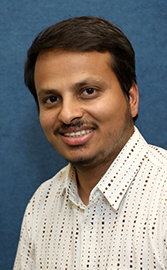
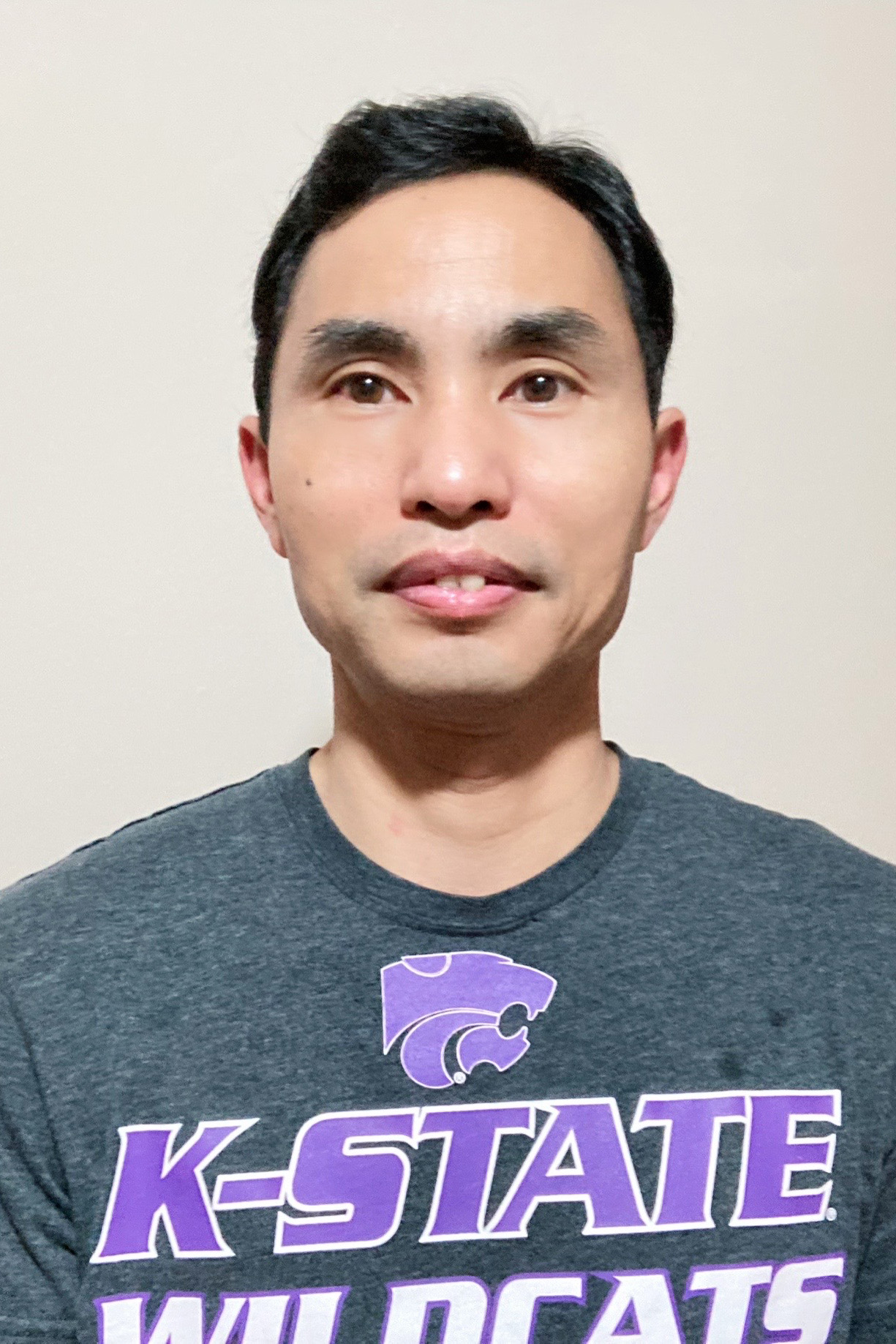
Zechuan Lin is a Lecturer at the Department of Neurology , Yale School of Medicine, and a member of the Adams Center for Parkinson's Disease Research . He previously held a postdoctoral research fellowship at Harvard Medical School/Brigham and Women's Hospital in 2023 and earned his PhD from Peking University, College of Life Sciences in 2019. His research bridges computational biology , genomics , and plant genetics , focusing on genetic improvement in crops like rice and maize. Key methodologies include heterosis analysis , transcriptomic profiling , and QTL mapping to dissect agronomic traits and environmental adaptation. Lin's publications highlight advancements in hybrid rice breeding , genome-wide selection , and computational tools for allelic imbalance and daylength-sensing models. His work integrates bioinformatics and genetic networks to address both fundamental and applied biological questions. He is affiliated with Scherzer's Lab , which employs interdisciplinary approaches to neurogenomics and personalized medicine for neurological disorders like Parkinson's disease. His contributions to big data analysis and cross-species genetic studies reflect a unique intersection of plant and neurogenomics.
Richard Crooijmans is an Associate Professor at Wageningen University & Research in the field of Animal Breeding and Genetics. With over 363 research outputs and 50 datasets, his work spans genomics, genetic divergence, and livestock breeding. Research interests include: Genomics and Whole Genome Sequencing Animal Genetics and Breeding Programs Genetic Variability and Marker-Assisted Selection Recent publications in 2025 focus on probiotic effects on broiler breeders, pig mutation rates, and genomic selection in Holstein cattle. His projects involve advising PhD candidates in areas like ethical egg industry development and milk composition genetics. Current advising : Fotowatikha Someeserai (PhD, ethical egg industry) Zhuang Z. (PhD, epigenomic regulatory elements) Gao J. (PhD, genomic data analysis) Media contributions include genetic research on Dutch chicken breeds and aurochs extinction.
Dr. Henry Streby is an Associate Professor of Ecology in the Department of Environmental Sciences at the University of Toledo, where he leads the Streby Lab. He also holds an appointment as Adjunct Assistant Professor and is recognized as a Fellow of the American Ornithological Society. Education: Ph.D. in Ecology from University of Minnesota Research Focus: Dr. Streby's research spans avian ecology , wildlife ecology , evolutionary biology , and quantitative science . His work particularly emphasizes organismal ecology with applications to conservation and management of migratory songbirds. Key research areas include: Migratory connectivity and seasonal interactions Conservation biology of declining songbird populations Behavioral ecology of breeding and migratory birds Quantitative methods in wildlife research Effects of environmental change on bird populations Research Impact: Dr. Streby's work has significantly advanced understanding of songbird migration, particularly in Vermivora warblers and golden-winged warblers. His 2015 Current Biology paper on tornado avoidance behavior in songbirds received extensive international media coverage and reached the 99th percentile of all articles tracked by Altmetric. His recent research continues to explore migratory connectivity, hybridization patterns, and conservation strategies for North American migratory birds. Awards and Recognition: 2021 President's Award for Excellence in Scholarly Activity (University of Toledo) Elected Fellow of the American Ornithological Society (2021) 2013 Cooper Ornithological Society Young Professional Award Multiple best presentation awards at professional conferences Student Mentorship and Lab: Dr. Streby has successfully mentored numerous graduate students who have gone on to prestigious positions. Notable former students include: Gunnar Kramer (PhD 2021) - now Assistant Professor at Iowa State University Silas Fischer - recipient of multiple awards and fellowships Sean Peterson - pursued PhD at UC Berkeley Kyle Pagel - Environmental Scientist with California Department of Fish and Wildlife Annie Lindsay - active in migration research The Streby Lab continues to be highly productive, with ongoing research on Gray Vireos, migration ecology, and conservation applications. The lab maintains active field sites and collaborates extensively with other institutions and agencies.
Irby Lovette serves as the Fuller Professor of Ornithology at Cornell University and directs the Fuller Evolutionary Biology Program, Cornell Museum of Vertebrates, and Cornell Lab’s Academic Affairs. His work integrates cutting-edge genomic approaches to explore avian biodiversity, evolution, and conservation. Dr. Lovette's research centers on deciphering the genetic basis of bird traits and evolutionary history through whole-genome analyses, which he describes as the "Hubble Telescope" for evolutionary biology. His expertise spans ornithology, evolutionary genomics, conservation genetics, speciation mechanisms, and climate-driven adaptations in avian populations, with emphasis on how genomic tools reveal biodiversity origins. His recent publications demonstrate a cohesive focus on genomic dissection of avian speciation, adaptation, and conservation challenges. Key themes include genetic structuring in endangered species, plumage evolution in raptors, hybrid zone dynamics, and climate-responsive genomic selection across diverse bird lineages from Australian finches to North American warblers and flycatchers. As an educator, Dr. Lovette actively mentors undergraduates, graduate students, and postdocs drawn to Cornell's ornithology programs. He leads The Lovette Lab, which cultivates collaborative research at the intersection of evolutionary biology, genomics, and bird conservation through hands-on student engagement and interdisciplinary partnerships.
Associate Professor Peng Zhang is affiliated with the School of Life and Environmental Sciences and the Plant Breeding Institute at the University of Sydney. She holds memberships in the China Studies Centre and Sydney Institute of Agriculture. Her educational background includes a BSc from Wageningen Agricultural University (Netherlands), MSc in Biotechnology (Wageningen), and PhD in Genetics from Kansas State University (USA). Her research focuses on molecular cytogenetics of wheat, introgression of rust resistance genes from wild relatives, and developing durable resistant germplasm. Key research interests include cereal crop improvement, rust pathogen resistance mechanisms, and genomic tools for plant breeding. Notable awards include the 2023 Sydney Research Accelerator (SOAR) Prize. Recent grants involve rust resistance mechanisms and hybrid wheat breeding programs in collaboration with international partners. Publications highlight work on resistance gene characterization, molecular mapping, and disease management strategies. Collaborative research with institutions like Kansas State University and international bodies underscores her global impact in agricultural science.
Shavannor M. Smith is an Associate Professor in the Department of Plant Pathology at the University of Georgia's College of Agricultural and Environmental Sciences . Smith's research focuses on plant-pathogen interactions , particularly the structure and evolution of disease resistance loci , and genetic improvement of crop plants for disease resistance . With appointments since 2007 and graduate program coordination from 2017-2022, Smith has established a multidisciplinary research program integrating genetics, genomics, and plant biology. Research interests include: Genetic basis of host plant resistance Evolution of resistance genes in crops Plant-pathogen co-evolution dynamics Application of genomic tools to crop protection Recent scholarly works emphasize: Rust resistance in switchgrass Quantitative trait loci mapping Host response signatures to fungal pathogens Genotype-by-environment interactions Awards and honors include: UGA Teaching Academy (2022) Dean's Award for Graduate Education (2022) D. W. Brooks Diversity Award (2021) Lilly Teaching Fellow (2010-2012) Smith's funding portfolio features grants from the USDA NIFA, National Corn Growers Association, and NSF for projects on: Next-generation maize biotechnology Rust resistance mechanisms Microbiome-pathogen interactions Genetic diversity analysis
Gregory L. Owens is an Assistant Professor in the Department of Biology at the University of Victoria. He leads the Owens Lab, which specializes in evolutionary genomics and conservation biology research focusing on sunflowers, kelp, and rockfish. His work integrates genomic approaches with ecological and evolutionary questions to understand adaptation and speciation processes. Dr. Owens completed his MSc in Biology at the University of Victoria studying opsin gene expression in the four-eyed fish Anableps anableps . He then earned a PhD in Botany from the University of British Columbia, where he used genomics to study hybridization in sunflowers. Following this, he received the prestigious Banting Postdoctoral Fellowship to work on structural variation in sunflowers at the University of California, Berkeley. His research spans several key areas of evolutionary genomics. In sunflower research, he investigates the genomic basis of adaptation and speciation, with particular interest in hybridization, introgression, and the role of chromosomal inversions in adaptation. His lab has demonstrated that introgression is common between multiple sunflower species and that inversions play a crucial role in adaptation. In marine systems, his lab works with the Kelp Rescue Initiative to build genomic resources for kelp conservation, including chromosome-scale genomes for Macrocystis and Nereocystis . Additionally, his lab develops genomic resources for rockfish species to explore population connectivity, adaptation across latitudinal gradients, and the genetic basis of extreme lifespans. Analysis of his recent publications reveals a strong focus on structural genomic variation, particularly inversions, and their role in adaptation across diverse systems. His work demonstrates how chromosomal rearrangements facilitate parallel evolution and adaptation to environmental challenges. His research spans both plant and marine systems, showing remarkable versatility in applying genomic approaches to fundamental evolutionary questions. His scientific accomplishments include the Banting Postdoctoral Fellowship. His publications appear in high-impact journals including Nature , Proceedings of the National Academy of Sciences , Molecular Biology and Evolution , and Current Biology . Dr. Owens actively mentors students at various levels. His current lab includes Martin Liu (MSc student studying population genomics of a rare endemic Lupine species) and Jordan Bemmels (Postdoctoral Researcher studying population genetic structure in British Columbia kelp species). His former students include Kaede Hirabayashi (now Research Associate at UBC), Nathan Sykes (MSc), Koa Planedin (Honours), and Sara Wuitchick (now Assistant Professor at Mount Royal University). He has also supervised numerous directed studies students and undergraduate research associates. The Owens Lab maintains active collaborations with the Rieseberg Lab at UBC and participates in the Kelp Rescue Initiative. His lab combines field work, genomic analyses, and computational approaches to address fundamental questions in evolutionary biology and conservation genomics.
Scott A. Jackson is the Georgia Research Alliance Eminent Scholar in Synthetic Biology at the University of Georgia's College of Agricultural and Environmental Sciences (CAES), Department of Crop & Soil Sciences. He holds adjunct professor roles in the Institute of Plant Breeding, Genetics and Genomics. His research focuses on genomic tools for crop improvement, particularly in legumes like peanut and soybean, with emphasis on genome structure-function relationships and synthetic biology applications. Education and career highlights include his tenure as GRA Eminent Scholar in Plant Functional Genomics (2011–2019) and leadership roles in the Plant Center and Center for Applied Genetic Technologies. After industry experience with Bayer Crop Science, he returned to UGA to establish genomic-driven crop improvement programs. He is an Associate Editor of The Plant Journal and Molecular Plant . Research interests span genome evolution, crop domestication, and translating genomic insights into agricultural practices. His work bridges academia and industry, emphasizing sustainable crop productivity and global food security. Awards include the NSF Young Investigator Award (2002) and AAAS Fellowship. Key initiatives include developing genomic resources for legumes, leveraging synthetic biology for crop innovation, and fostering interdisciplinary collaboration. His lab focuses on disease resistance, genomic assembly, and applying advanced modeling to agricultural systems. Awards: NSF Young Investigator Award, AAAS Fellow Labs/Teams: Center for Applied Genetic Technologies (CAGT), Institute of Plant Breeding, Genetics and Genomics (IPBGG) Grants/Funding: GRA Eminent Scholar Program, industry partnerships
Professor Vicki Friesen is a faculty member in the Department of Biology at Queen's University, part of the Faculty of Arts and Science. Her research focuses on evolutionary and conservation genetics, particularly in seabirds, aiming to understand mechanisms of biodiversity generation and conservation applications. She holds a cross-appointment in the School of Environmental Studies. Her research interests include evolutionary genetics, conservation genetics, biodiversity origins, and the impacts of climate change on seabird populations. She uses next-generation sequencing to study local adaptation and genetic diversity in species such as seabirds, passerines, and fish. Education: Though not explicitly detailed here, her academic roles suggest advanced training in biology or genetics. Labs/Teams: Leads the Friesen Lab, focusing on Arctic ecology and conservation genomics. Advising: Supervises numerous graduate and undergraduate students in topics like migratory mechanisms, conservation genomics, and immunology. Her work emphasizes the application of genetic tools to conservation challenges, such as delineating conservation units and understanding hybridization dynamics in threatened species.
Pradip Sapkota is a researcher at Texas A&M University's Department of Soil and Crop Sciences, affiliated with Texas A&M AgriLife Research. His work focuses on sorghum breeding and genetics, particularly genomic prediction for quality traits. He holds a Ph.D. in Plant Breeding and has conducted research in Nepal and the U.S., addressing crop improvement challenges in diverse agroecological contexts. Education: B.S. Agriculture, Tribhuvan University, 2015 M.S. Plant and Soil Science, Texas Tech University, 2020 Research Interests: Dr. Sapkota specializes in developing genomic tools for crop improvement, with emphasis on sorghum, guar, maize, and wheat. His work integrates genomic prediction models, phenotypic data analysis, and field trials to enhance crop resilience and productivity. He explores climate-smart agriculture solutions for rain-fed systems and smallholder farming contexts. Advising & Grants: Supervised by Prof. William Rooney, his research has addressed crop adaptation in Nepal and the U.S. Southwest. While specific grant details are not provided, his work aligns with AgriLife Research priorities in sustainable agriculture and genetic resource utilization. Labs/Teams: Part of Texas A&M AgriLife Research, collaborating with plant breeding teams focused on genomic technologies and field-based crop evaluation.
Hui Chen, PhD is a Research Assistant Professor at the Department of Agronomy at Kansas State University, affiliated with the USDA Central Small Grain Genotyping Lab in Kansas. His research focuses on understanding the molecular and genetic mechanisms of wheat resistance to Fusarium head blight (FHB), Leaf rust (Lr), Pre-harvest sprouting (PHS) and other diseases, as well as exploring novel genetic transformation and genome editing strategies in wheat. Dr. Chen received his B.S. in Tropical Agriculture and M.S. in Crop Genetics and Breeding at Hainan University (former South China University of Tropical Agriculture) in China. He then pursued his M.S. and Ph.D. in Plant Molecular Biology and Virology at Ehime University, Japan. Following his doctoral studies, he held a research position at Agriculture and Agri-Food Canada (AAFC) before joining Kansas State University in 2016. Dr. Chen's research program centers on wheat disease resistance mechanisms, particularly focusing on Fusarium head blight, a devastating disease affecting wheat production worldwide. His work integrates molecular biology, genetics, and advanced genome editing techniques to identify and characterize resistance genes and pathways. He has developed innovative approaches using Barley stripe mosaic virus-mediated gene editing systems and nanoparticle delivery for improving FHB resistance in wheat. His research on the TaHRC gene has revealed critical insights into how wheat susceptibility to FHB is regulated through calcium-mediated immune responses. Additionally, Dr. Chen has made significant contributions to understanding wheat resistance to leaf rust and pre-harvest sprouting. Analysis of Dr. Chen's recent publications (2020-2024) reveals a strong focus on applying cutting-edge genome editing technologies, particularly CRISPR/Cas systems, to enhance disease resistance in wheat. His work spans multiple approaches including transgene-free editing, virus-mediated delivery systems, and nanoparticle-based technologies. The research consistently targets Fusarium head blight resistance mechanisms while also addressing other important wheat diseases like leaf rust. A significant portion of his work involves characterizing specific genes and pathways (such as TaHRC and FHB1) that control disease susceptibility and resistance in wheat. Dr. Chen maintains an active research program focused on bridging fundamental molecular discoveries with practical applications for wheat breeding and disease management. His collaborative work with the USDA Central Small Grain Genotyping Lab provides critical resources for developing wheat varieties with improved resistance to major diseases affecting U.S. wheat production.
Prof. Korbinian Schneeberger is a full Professor of Computational Genetics and Genome Plasticity at the Ludwig Maximilian University of Munich , embedded within the Graduate School of Life Science Munich (LSM) . He leads a multidisciplinary team of bioinformaticians, biologists, and biotechnologists, all driven by a shared curiosity in genomic technologies and plant genome evolution. Contact: k.schneeberger@lmu.de . Research Focus: Genome plasticity and mutational dynamics across plant species Development and refinement of next-generation sequencing and assembly pipelines Comparative genomics, pan-genome construction, and structural variation Epigenetic regulation and transposon biology in plant genomes Meiotic recombination and crossover patterning in holocentric plants Application of single-cell and single-nucleus technologies to dissect gamete-level variation His laboratory develops widely-used bioinformatics tools—including SHOREmap , findGSE , SyRI , and plotsr —that enable the community to assemble, compare, and interpret plant genomes at unprecedented resolution. Recent work advances understanding of centromere evolution, adaptation to extreme soils, layer-specific somatic mutation patterns in fruit trees, and large-scale Arabidopsis population genomics. Scientific Output & Impact: Since 2015, Prof. Schneeberger has published more than 60 peer-reviewed articles, many appearing in top-tier journals such as Nature Genetics , Nature Plants , and Genome Biology . His 2025 studies already tackle the mutational landscape of Arabidopsis centromeres, scalable eQTL mapping in gametes, and the phased pan-genome of tetraploid potato, underscoring a trajectory at the forefront of plant genomic science. Funding & Collaborations: Research in the Schneeberger Lab is supported by multiple national and international grants, providing resources for high-throughput sequencing, computational infrastructure, and interdisciplinary training. The group actively collaborates with leading plant research centers worldwide, sharing data and tools to accelerate discoveries in crop improvement and evolutionary biology. Team & Environment: The lab operates as a vibrant, international environment with state-of-the-art wet-lab and computational facilities. Trainees and staff benefit from the rich ecosystem of LSM, including structured doctoral programs, career mentoring, and access to cutting-edge core facilities.
Dr. Reginal M. Harrell is a Professor in the Department of Environmental Science & Technology and Director of the Northeastern Regional Aquaculture Center at the University of Maryland, College Park. He holds concurrent roles as an ordained Southern Baptist minister and retired volunteer pastor, uniquely bridging science, theology, and ethics. His expertise spans fisheries and wildlife management, ecological ethics, and conservation biology with global field experience in Africa, Europe, and Asia. Education: B.S. Zoology (Clemson University, 1975), M.S. Wildlife Biology (Clemson, 1977), Ph.D. Biology (University of South Carolina, 1984), MBA (Salisbury University, 2005), and MDiv (Southeastern Baptist Seminary, 2011). Research focuses on ethical stewardship of natural resources, particularly endangered African vultures, and integrating cultural, religious, and scientific perspectives in conservation. His work emphasizes bioethical frameworks for aquaculture and wildlife management, including stress physiology studies in fish and hybridization impacts. Awards include Fellowships from the American Fisheries Society and Bush Center for Faith and Culture, and the 2021 Dean Gordon Cairns Award for Teaching and Creative Work. He has authored over 135 publications, led USDA-funded projects, and served in senior administrative roles including Associate Dean for Research. Teaching spans undergraduate/graduate courses on aquaculture, ethics, and environmental policy. Current projects involve One Health approaches to vulture conservation and ethical dimensions of marine biotechnology.
Will Nash is an Honorary Lecturer in the School of Biological Sciences at the University of East Anglia (UEA), where he teaches Vertebrate Biodiversity and Data Science & Bioinformatics. He is currently employed as a Bioinformatician at the Natural History Museum, London, working remotely with Prof Ian Barnes, and previously spent eight years as a Postdoctoral Researcher at the Earlham Institute. His academic journey includes a PhD in evolutionary biology from UEA, an MRes in Entomology from Imperial College London, and a BSc in Zoology from the University of Sheffield. PhD, University of East Anglia (2011–2015) MRes Entomology, Imperial College London (2010–2011) BSc Zoology, University of Sheffield (2006–2009) Will's research centers on evolutionary and comparative genomics, with a focus on insect biodiversity. His key interests include landscape genomics, the functional non-coding genome, and the use of museum DNA to study historical population trends. He is actively involved in large-scale genomics consortia such as the Darwin Tree of Life (DToL) and the European Reference Genome Atlas (ERGA), contributing to the assembly and analysis of reference genomes for non-model species. His recent work explores adaptive evolution in insects, particularly bumblebees, using cutting-edge bioinformatic methods to analyze genome-wide data from both modern and historical specimens. The analysis of his recent publications reveals a strong trend in conservation genomics and environmental adaptation. His studies span insect activity under climate stress, genome assembly of ecologically important species, DNA preservation in museum specimens, and genomic introgression in aquaculture. These works highlight his interdisciplinary approach, combining field ecology, genomics, and computational biology to address pressing questions in biodiversity and conservation. Will has extensive supervisory experience with PhD, MRes, and undergraduate students on bioinformatics and ecology projects. While no formal scientific awards are mentioned, his datasets have received broad attention in academic and public spheres, including coverage by numerous news outlets and engagement across social media platforms. He has also contributed to research with significant policy and conservation implications. At the Earlham Institute, Will served as Accessibility Champion on the DEI committee, where he led initiatives to improve physical accessibility and support neurodiverse researchers. He identifies as neurodivergent and is passionate about making STEM more inclusive. His work in IDEA (Inclusion, Diversity, Equity, and Accessibility) in STEM reflects a deep commitment to fostering equitable research environments.
Stephanie S. Coster is an Associate Professor of Biology at Randolph-Macon College , where she integrates genetic approaches with wildlife conservation and management. Her research spans diverse species such as black bears, spotted salamanders, rails, and elephant shrews, focusing on habitat preservation, invasive species detection, and ecological monitoring. Education: PhD in Environmental Studies (2013), MS in Natural Resources (2008) from the University of New Hampshire , and BS in Biology (2002) from Trinity University . Her work includes developing environmental DNA (eDNA) assays for invasive species like nutria and rusty crayfish, analyzing genetic connectivity in coastal birds, and leading vernal pool restoration studies. She has contributed to the SNAPSHOT USA national camera trap surveys and published extensively in journals such as Ecology and Evolution and Journal of Wildlife Diseases . Dr. Coster also emphasizes hands-on learning through courses like Conservation Genetics and Tropical Biodiversity, mentoring students in lab and fieldwork. Contact: stephaniecoster@rmc.edu