Deborah Frances Smith is a Professor affiliated with the Centre for Immunology and Infection. She has held former roles including Head Of Department, Biology Pro-Vice-Chancellor for Research, and Special Adviser to the Vice Chancellor in the Vice Chancellor's Office. She is also associated with CNAP (Cancer and Neuroscience Academic Programme) and the Jack Birch Unit. Her research focuses on leishmaniasis, parasite biology, and drug/vaccine development. Key projects include leading the 'C2D2 research 1a & 2b' (2012–2012) to establish sandfly colonies for leishmaniasis studies and co-investigating an integrated crystallization facility (2013–2018). She secured the Wolfson Research merit Award (2009–2010) from the Royal Society. Her work spans academic leadership, collaborative research, and translational medicine targeting neglected tropical diseases.
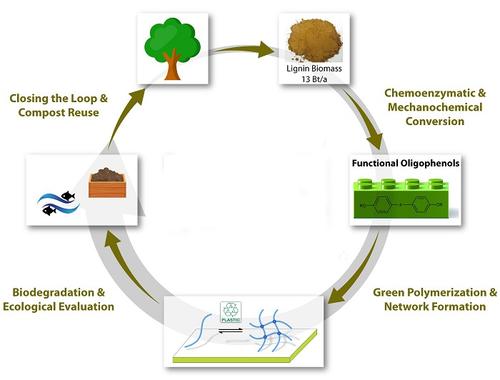
Rainer Haag is a Professor at the Department of Chemistry, Freie Universität Berlin, leading the Haag Group in the Institute of Chemistry and Biochemistry. His research focuses on biodegradable and sustainable materials, dynamic hydrogels, and polymeric nanosystems for biomedical applications. Department of Chemistry, Freie Universität Berlin Member of SFB 1449: Dynamic Hydrogels at Biointerfaces Collaborator in the StemGel startup project Co-founder of CSR|Berlin interdisciplinary research institute Research Interests: Development of stimuli-responsive polymers, multivalent virus inhibitors, and functional biointerfaces. Key projects include: Antiviral coatings using heteromultivalent polymers Thermoresponsive hydrogels for stem cell expansion Graphene derivatives for bacterial capture and disinfection Lignin upcycling for sustainable resin materials Supramolecular nanosystems for drug delivery Publication Trends highlight interdisciplinary work in polymer chemistry, nanotechnology, and biomedical applications. Recent articles focus on: 2D polyglycerols for virus interactions Redox-responsive nanogels Mucus-inspired adhesive hydrogels Tumor-targeting micelles Bacterial disinfection using graphene composites Labs & Collaborations include the Polymeric and Supramolecular Nanosystems subgroup, the Dynamic Hydrogels and Biointerfaces team, and partnerships with MIT in developing bioinspired adhesives. His group contributes to DFG-funded SFB 1449 and CSR|Berlin initiatives.
Andrew Spakowitz is a Professor of Chemical Engineering, Materials Science and Engineering, and by courtesy, Applied Physics and Chemistry at Stanford University. He currently serves as the Senior Associate Dean for Research and Faculty Affairs and holds the Tang Family Foundation Chair of the Department of Chemical Engineering. His academic career at Stanford spans from Assistant Professor (2006-2014) to Associate Professor (2014-2020) and now Professor since 2020. Dr. Spakowitz earned his PhD in 2004, MS in 2001 from the California Institute of Technology, and his BS in Chemical Engineering from the University of Wisconsin, Madison in 1999. He completed postdoctoral training in Molecular and Cell Biology and Biophysics at UC Berkeley from 2004-2006. His research focuses on theoretical and computational approaches to understanding biological processes and complex materials. The Spakowitz lab addresses fundamental chemical and physical phenomena through four main research themes: chromosomal organization and dynamics, protein self-assembly, polymer membranes, and charge transport in conducting polymers. His group employs diverse theoretical and computational methods including analytical theory of semiflexible polymers, polymer field theory, continuum elastic mechanics, Brownian dynamics simulation, equilibrium and dynamic Monte Carlo simulations, and reaction-diffusion modeling. Analysis of his recent publications reveals a strong emphasis on epigenetics and chromatin dynamics, with significant work on DNA methylation patterns, nucleosome clustering, and chromosome organization. His research also extends to polymer physics applications in biological systems, particularly in respiratory diseases, water purification membranes, and bacterial phage interactions with human mucus. Tang Family Foundation Chair of the Department of Chemical Engineering Professor Spakowitz mentors several graduate students and postdoctoral scholars in the Chemical Engineering and Materials Science departments. His lab members work on diverse projects spanning from chromatin dynamics to polymer membranes for water purification. He teaches multiple courses including CHEMENG 120B (Energy and Mass Transport), CHEMENG 340 (Molecular Thermodynamics), CHEMENG 466 (Polymer Physics), and CHEMENG 467 (Physics of Biomacromolecules). The Spakowitz lab operates from Clark S295 at Stanford University, conducting theoretical and computational research that bridges chemistry, physics, biology, and engineering disciplines to address complex problems across multiple length and time scales.
Prof. Waldemar Kolanus leads the Molecular Immunology and Cell Biology department at the University of Bonn's Life & Medical Sciences Institute (LIMES) . His research bridges immunoregulation , stem cell dynamics , and metabolic stress responses in immune cells. Unit 2 member at LIMES Principal investigator in SFB 704 and ImmunoSensation Cluster Leads a multidisciplinary lab with postdocs, PhD students, and technical staff His work focuses on intracellular signaling pathways connecting immune activation to tissue homeostasis, particularly through: Cytohesin proteins in integrin-mediated adhesion and migration TRIM71 in stem cell regulation and congenital hydrocephalus High-salt environments affecting macrophage function Publication trends show expertise in immune cell migration , genetic models , and chemical inhibition , with frequent use of mice and zebrafish for in vivo studies. Key articles explore: TRIM71's dual role in auditory development and germ cell maintenance Cytohesin family's Golgi regulation and insulin signaling Ruxolitinib's off-target migration inhibition of dendritic cells Contact details: Address: LIMES Institute, Carl-Troll-Straße 31, Bonn Email: kolanus.sekretariat@uni-bonn.de Phone: +49 228 73-62788
Dr. Michael Wilczek is Assistant Teaching Professor in Biotechnology/Bioinformatics at Northeastern University's Roux Institute. His research bridges virology, bioinformatics, and educational innovation, with particular focus on JC polyomavirus pathogenesis and graduate education reform. Key research domains include: Molecular mechanisms of viral infections Bioinformatic analysis of host-pathogen interactions Observational health and real-world evidence Evidence-based graduate education His publication record demonstrates: Expertise in JC polyomavirus cellular pathways Innovative applications of machine learning in virology High-throughput drug screening methodologies Health disparities research in aging populations
Masato Kato serves as Professor in the Department of Biochemistry at the University of Texas Southwestern Medical Center since 2020 and concurrently as Team Leader at Japan's National Institutes for Quantum and Radiological Science and Technology. His academic trajectory includes progressive appointments from Assistant Professor (2004-2014) to Associate Professor (2014-2020) at UT Southwestern, with prior postdoctoral training at Harvard Medical School and Nara Institute of Science and Technology. 2020-present: Professor, Department of Biochemistry, UT Southwestern 2020-present: Team Leader, National Institutes for Quantum and Radiological Science and Technology, Japan 2014-2020: Associate Professor, Department of Biochemistry, UT Southwestern 2010-2014: Assistant Professor, Department of Biochemistry and Internal Medicine, UT Southwestern 2004-2010: Assistant Professor, Department of Internal Medicine, UT Southwestern 1999-2004: Postdoctoral Fellow, Ellenberger Lab, Harvard Medical School 1998-1999: Postdoctoral Fellow, Hakoshima Lab, Nara Institute of Science and Technology Dr. Kato's research pioneers the biophysical characterization of protein phase separation, particularly focusing on low-complexity domains (LCDs) in neurodegenerative disease contexts. His work establishes fundamental mechanisms of biomolecular condensate formation, including hydrogel polymerization, liquid-solid transitions, and mutation-induced dysregulation in ALS/FTD. Key contributions demonstrate how C9orf72-encoded poly-dipeptides disrupt nucleocytoplasmic transport and how redox states regulate Ataxin-2 phase behavior, bridging structural biochemistry with pathological mechanisms. Analysis of his 22 publications reveals a cohesive research program centered on LCD-driven phase transitions. The most recent 15 articles (2012-2019) systematically investigate pathological aggregation in neurodegeneration, structural basis of condensate formation, and regulatory mechanisms like phosphorylation and oxidation. This body of work establishes LCDs as central players in both physiological RNA granule assembly and disease-associated solidification, with strong emphasis on C9orf72-related ALS/FTD mechanisms. Dr. Kato maintains active leadership within the McKnight Laboratory at UT Southwestern, where his team employs integrated approaches spanning structural biology, cell biology, and biophysics to dissect phase separation mechanisms. His collaborative network includes prominent neuroscience and biochemistry groups, with co-authorship on key studies in Cell, Science, and PNAS.
Matthew Lakin is an Associate Professor with tenure in the Department of Computer Science at the University of New Mexico, with a courtesy appointment in the Department of Chemical & Biological Engineering. He is affiliated with the UNM Center for Biomedical Engineering and the School of Engineering, and collaborates extensively with the UNM Health Sciences Center and external institutions. Education: Ph.D., Computer Science, University of Cambridge, 2010 M.A. (Cantab), University of Cambridge, 2009 B.A. (Hons), Computer Science, University of Cambridge, 2005 Dr. Lakin's research focuses on molecular computing, DNA nanotechnology, synthetic biology, and formal verification of biomolecular circuits. He develops computational models and experimental systems for programmable biological devices, especially using heterochiral DNA to enhance stability in living cells. His work spans software tools for biodesign and experimental validation in mammalian systems, with applications in nanomedicine and biosensing. The recent publications highlight a strong trend in engineering robust, intelligent biomolecular systems. His work integrates machine learning concepts into chemical reaction networks, advances geometric modeling of DNA systems, and pioneers L-DNA-based circuits for intracellular applications. The research spans theoretical foundations, software tools, and wet-lab experimentation, emphasizing interdisciplinary innovation. Scientific Awards: Presidential Early Career Award for Scientists and Engineers (PECASE), 2025 NSF CAREER Award, 2021 UNM School of Engineering Junior Faculty Research Excellence Award, 2021 Multiple student awards under his mentorship, including the Outstanding Graduate Student Award and DNA28 Best Student Presentation recognition Dr. Lakin has advised numerous graduate and undergraduate students, including Ph.D. graduates in Biomedical Engineering and Computer Science. He leads major funded projects such as the NSF CAREER grant on heterochiral molecular computing, an EPSCoR Research Fellowship, and a $3M NSF grant on heavy metal biosensing in collaboration with Native American communities. He is also PI on multiple NSF grants related to synthetic cells and nucleic acid technologies. He directs the Lakin Lab for Programmable Biology, which operates within the Department of Computer Science and collaborates with Chemical & Biological Engineering and the Center for Biomedical Engineering. The lab emphasizes both computational modeling and experimental molecular biology, and runs an NSF-funded biotechnology summer camp in partnership with ¡Explora! science museum to strengthen STEM education in New Mexico.
Dr. Michael Baym is an Associate Professor of Biomedical Informatics at Harvard Medical School with affiliate appointments in Microbiology and the Laboratory of Systems Pharmacology, and as an Associate Member of the Broad Institute. He leads the Baym Lab, which studies microbial evolutionary genomics and antibiotic resistance through a hybrid of experimental, computational, and theoretical approaches. His research focuses on: Antibiotic Resistance Evolution and practical interventions Mobile Genetic Elements (plasmids, phages, transposons) Computational Genomic Algorithms for big data analysis Synthetic Biology tools and technologies Key recent publications explore phage discovery systems , phylogenetic compression of microbial genomes, and RNA-guided gene drives in plasmids. His work is supported by multiple NIH/NIGMS and NSF grants including a MIRA award. Scientific honors include: Packard Fellowship (2018) Pew Biomedical Scholarship (2020) Sloan Research Fellowship (2020) A. Clifford Barger Excellence in Mentoring Award (2021) SSQBio Mentorship Award (2022) The lab actively trains PhD students and postdoctoral fellows with alumni occupying academic and industry positions globally. Current team members include researchers from interdisciplinary backgrounds working at the intersection of experiment, computation, and theory .
Professor Ali Gilles Tchenguise Miserez holds a joint appointment as Professor in the School of Materials Science and Engineering and the School of Biological Sciences at Nanyang Technological University (NTU) in Singapore. He is also the President's Chair in Materials Science and Engineering. His research group, the Biological and Biomimetic Materials Laboratory (BBML), is highly interdisciplinary, bringing together molecular biologists, chemists, bio-physicists, and materials scientists to study natural materials with unique properties not found in man-made materials. Prof. Miserez's research interests span multiple areas including bioelastomeric membranes & coiled-coil engineering, mechanisms of biofouling adhesion & anti-adhesive coatings, molecular biomimetics of non-mineralized hard tissues, biomineralized structures with graded properties, and liquid-liquid phase separation. His work focuses on understanding the molecular, physico-chemical, and structural principles of biological materials and translating these designs into novel biomimetic synthesis strategies. His laboratory emphasizes "green chemistry" approaches that mimic nature's energy-efficient synthesis methods under ambient conditions. Prof. Miserez's publication record demonstrates significant impact across multiple disciplines, with work appearing in top journals including Science, Nature Materials, Nature Biotechnology, Nature Chemical Biology, and Advanced Materials. His recent research has particularly focused on peptide coacervates for intracellular delivery of therapeutics, with applications in cancer treatment, mRNA delivery, and nucleic acid therapeutics. This work represents a convergence of materials science, biochemistry, and medicine with significant translational potential. Singapore National Research Foundation (NRF) Fellowship (2011) - $3 Million individual research grant for early career scientists Prof. Miserez has mentored numerous PhD students and postdoctoral researchers, many of whom have gone on to successful careers in academia and industry. His laboratory has developed strong international collaborations and has secured significant research funding. Current projects include developing peptide-based delivery systems for cancer therapeutics, understanding marine biofouling mechanisms, and creating biomimetic materials inspired by natural systems. The BBML laboratory is actively recruiting talented researchers interested in interdisciplinary work at the interface of biology and materials science.
Dr. Angelika Rambold is a Group Leader at the Max Planck Institute of Immunobiology and Epigenetics in Freiburg, Germany, heading the Laboratory for Metabolic Organelle Networks in Immunology within the Department of Developmental Immunology. Previously affiliated with the University of Münster's Center for Molecular Biology of Inflammation (ZMBE) and Institute of Medical Biochemistry until January 2025, she investigates how intracellular organelle networks regulate immune cell function during inflammation, infection, and metabolic stress. Her research centers on dynamic interactions between mitochondria, lysosomes, lipid droplets, and autophagosomes during cellular adaptation to nutrient deprivation and pathogen challenge. Key interests include organelle communication mechanisms in immune cell activation, metabolic reprogramming in T cells and macrophages, and how defects in organelle networks drive primary immunodeficiencies like Chediak-Higashi syndrome. She employs advanced live-cell microscopy, super-resolution imaging, metabolomics, and single-cell transcriptomics to dissect these processes in primary immune cells and human disease models. Analysis of her publication record reveals consistent focus on mitochondrial dynamics as a central regulator of immune cell metabolism and fate determination. Landmark studies demonstrate TFEB-mediated itaconate synthesis for bacterial control in macrophages and coordinated organelle network responses during starvation, establishing critical links between organelle communication, immunometabolism, and disease pathogenesis across multiple immune cell types. Dr. Rambold serves as a supervisor in the Cells in Motion International Max Planck Research School (CiM-IMPRS) Graduate Programme, mentoring PhD students in interdisciplinary research. Her laboratory maintains active collaboration with the Center for Chronic Immunodeficiency (CCI) at the University of Freiburg to translate basic findings on organelle-mediated immune defects into clinical insights for patient-oriented research.
Prof. Oliver Seitz leads the Bioorganic Synthesis research group at the Department of Chemistry, Faculty of Mathematics and Natural Sciences, Humboldt University of Berlin. His lab focuses on cutting-edge chemical biology approaches for protein/nucleic acid interrogation, with recent work advancing DNA/RNA-programmed assemblies for cellular imaging and therapeutic applications. Research spans chemical protein synthesis, glycoprotein/phosphoprotein engineering, and nucleic acid-templated reactions. Key innovations include Forced Intercalation (FIT) probes for wash-free RNA imaging, loss-of-affinity principles for catalytic efficiency, and peptide-PNA conjugates for targeted cellular delivery. The group actively develops tools for live-cell protein labeling and biomolecular spatial screening. Recent publications (2021-2024) emphasize fluorescence-based detection systems, catalytic templated reactions, and therapeutic peptide synthesis. Trends show increasing sophistication in multi-dye probes, glycan engineering, and RNA-triggered pro-drug activation. Scientific awards include: Max Bergmann Award (2019) Prof. Seitz actively advises doctoral students, with recent graduates Marvin Björn Stutz (2023, magna cum laude ), Dino Gluhacevic von Krüchten (2023, summa cum laude ), and Sophie Schöllkopf (2023, magna cum laude ). Current PhD candidates include Ekaterina Kazakova (glycoprotein synthesis), Alina Herfort (phosphoproteins), and Lina-Marie Beck (peptide-nucleic acid conjugates), with postdocs like Dr. Mandana Oloub (viscosity sensors). The Bioorganic Synthesis lab operates within Berlin's vibrant chemical research ecosystem, utilizing specialized techniques for chemical protein synthesis and nucleic acid detection. Recent team growth reflects ongoing projects in RNA imaging, catalytic templated reactions, and therapeutic conjugate development, supported by open positions for new researchers.
Professor Trevor Lithgow is a Research Professor in Microbiology at Monash University, affiliated with the Monash Biomedicine Discovery Institute. He holds a PhD from La Trobe University (1992) and has held fellowships including the ARC Federation Fellowship (2008) and ARC Laureate Fellowship (2014). His research focuses on bacterial cell biology, antimicrobial resistance (AMR), and phage therapies, leveraging nanoscale imaging techniques like cryo-EM and super-resolution microscopy. He leads the Monash Centre to Impact AMR, an interdisciplinary initiative addressing global AMR challenges through collaborations across engineering, social sciences, and clinical medicine. Key achievements include the HFSP Tenth Anniversary Award (1999), Lemberg Medal (2020), and Royal Society of Victoria Medal (2017). His work on bacterial outer membrane assembly, phage-bacteria interactions, and structural analysis of the mitochondrial TOM complex has advanced understanding of pathogen resilience and novel antimicrobial strategies. Current projects include developing phage therapies and cross-sectoral AMR surveillance frameworks. Education: PhD in Biochemistry (La Trobe University, 1992) Research Interests: Bacterial cell surface visualization, nanoscale imaging, phage biology, AMR mechanisms Leadership: Director of Monash Centre to Impact AMR since 2020 Awards: 10+ national/international honors, including ARC Fellowships Publications span over 250 articles on bacterial membrane biology, AMR dynamics, and phage applications, with recent focus on polymyxin dependence in Acinetobacter and phage-driven resistance resensitization.
Lieuwke Kranenburg is an Assistant Professor at the Faculty of Veterinary Medicine , Utrecht University , specializing in Equine Internal Medicine . She provides patient care at the University Equine Clinic and teaches Master's courses in equine digestion , infectious diseases , and skin problems . Research Focus: Equine internal medicine, digestive diseases, infectious pathogens, metabolic disorders Professional Certifications: EBVS® European Veterinary Specialist in Equine Internal Medicine International Collaboration: Trained Chinese veterinarians at Heilan Equestrian Centre Publications highlight her work on equine gastric disease management, diagnostic imaging, infectious disease epidemiology, and metabolic research. She contributes to equine clinical research through peer-reviewed journals and conference abstracts. Professional Involvement: Former board member of the Equine Medicine Group and current GGP representative for FEEVA, maintaining professional networks and advancing equine veterinary practice.
Dr. Alicia Fajardo Lubian serves as a Research Fellow at the Westmead Clinical School within the University of Sydney's Faculty of Medicine and Health. Her work bridges bacteriophage therapy, antimicrobial resistance, and gut microbiome dynamics, with a focus on translating research into clinical solutions for infectious diseases. Her research explores the interplay between bacteriophages and human immunity, antibiotic effects on microbial communities, and molecular mechanisms of pathogen evolution. She employs genomic and experimental approaches to investigate Klebsiella pneumoniae, Escherichia coli, and phage-based therapeutics. Publications spanning 2014-2025 demonstrate concentrated expertise in antimicrobial resistance surveillance (e.g., AGAR reports), phage-immune interactions, and microbiome disruption models. Over 85% of articles involve international collaborations, reflecting strong engagement with global health challenges. Awards: EMCR Emerging Star Funding (2022) Grant involvement includes the 2022 EMCR Emerging Star Funding from the Faculty of Medicine and Health, supporting innovative research in phage therapeutics.
Prof Jean Van Den Elsen is a Professor of Biochemistry at the University of Bath , affiliated with the Department of Life Sciences and several research centers including the Centre for Sustainable Chemical Technologies (CSCT) , Centre for Therapeutic Innovation , and Milner Centre for Evolution . They are actively accepting doctoral students and leading multidisciplinary projects at the intersection of structural biology and immunology. Education: Not explicitly mentioned Appointments: University of Bath (current), with collaborations across Chemistry, Biology & Biochemistry departments Research Focus: The laboratory investigates protein structural biology in two major areas: Complement System Interactions: Studying how pathogenic microbes like Staphylococcus aureus evade host immunity through complement system manipulation , with structural analysis of proteins such as C3d and C5 complexes. This work directly informs vaccine design and autoimmune disease treatment . Glycation Mechanisms: Developing diagnostic tools for detecting non-enzymatic sugar modifications linked to diabetes , Alzheimer's , and aging, with commercial partnerships like Abcam . Article Trends: Recent publications demonstrate: Structural analysis of complement evasion proteins (2022-2025) Engineering knob domains as miniature antibodies (2023) Evolutionary studies on cooperative behavior (2021-2025) Advancements in peptide synthesis platforms (2022-2023) Applications of AI protein folding (2020) Scientific Contributions: ORCID: 0000-0002-0367-1956 BBSRC Funding recipient (2023) 100+ citations across 76 research outputs Student Mentorship: Directly supervising 4 current PhD students and 1 postdoc, with a track record of mentoring 11 previous students including Daphne Jackson Fellows and MSCA researchers. Collaborations: Maintains active partnerships with Dr. Tony James (Chemistry), Dr. Rob Williams (Biochemistry), and industry partners UCB Celltech and Porton Biopharma Ltd. Their work contributes to UN Sustainable Development Goals 3 (Good Health), 12 (Responsible Consumption), and 13 (Climate Action).