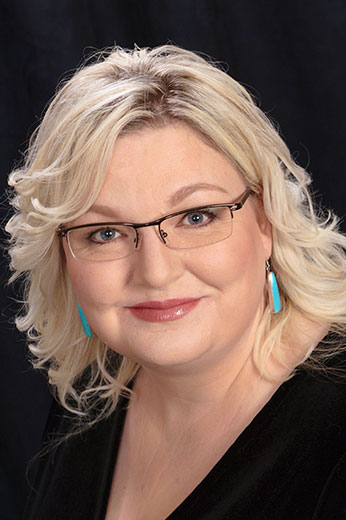
Tory Youngمشاهده پروفایل
دانشیار
Tory Young is an Associate Professor of English Literature at Anglia Ruskin University, within the School of Humanities and Social Sciences. She is Course Leader for the MA in English Literature and actively contributes to research, teaching, and public engagement in literature, narrative theory, and writing. Her research focuses on modernism, feminist and queer theories of narrative, life-writing, and writing and wellbeing. She has particular expertise in women modernists such as Nancy Cunard, Hope Mirrlees, and Jean Rhys, and has explored contemporary authors like Ali Smith and Colm Tóibín. Her work bridges academic scholarship with community outreach, including author interviews at Waterstones and the collaborative A Life Written project with older adults. Tory's recent publications reveal a consistent engagement with feminist and queer narratology, the politics of form, and intertextuality. Her work spans from modernist studies to digital-age narrative concerns, often focusing on visibility, identity, and power. She has contributed to edited collections, journals like Textual Practice and Journal of Modern Literature , and authored a widely used textbook. Senior Fellow of the Higher Education Academy (HEA) British Academy grant recipient (2013) for The Future of Feminist Narratology Editor of Queer and Feminist Theories of Narrative (Routledge, 2021) Tory has supervised eight PhD students to completion, including creative writing projects, and currently supervises a VC-funded PhD on Writing and Wellbeing. She co-directed the HEFCE-funded Speak-Write Project and has been instrumental in shaping academic literacies at the undergraduate level. Her collaborative research includes organizing major conferences on Nancy Cunard and Jean Rhys, and she is active in scholarly societies such as the Modernist Studies Association and the International Society for the Study of Narrative. She leads the A Life Written project in collaboration with the National Centre for Writing, fostering intergenerational dialogue through writing. ARU students have engaged with this initiative, responding creatively to the work of older participants.