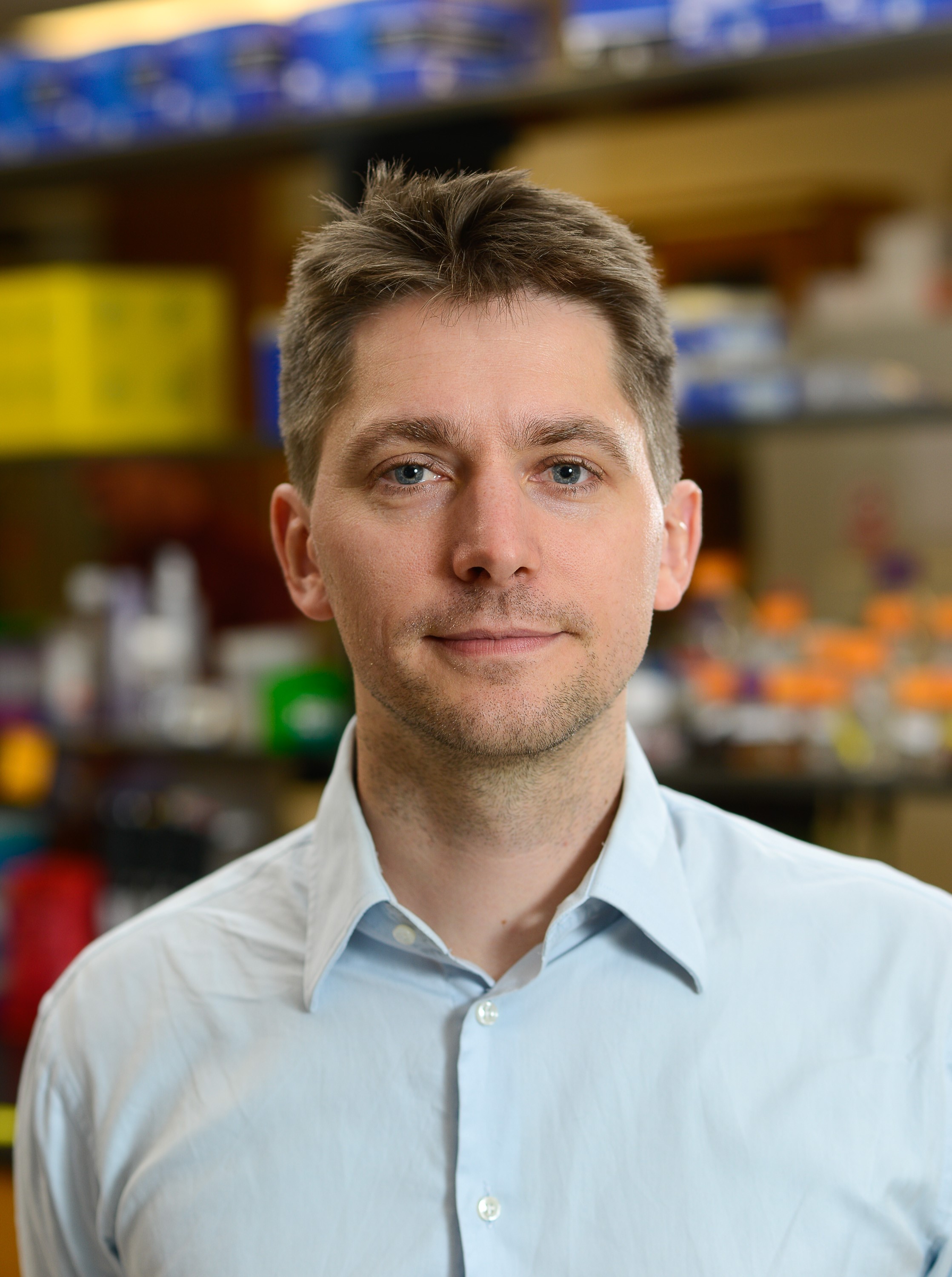
Hauke Smidt is a Personal Professor at Wageningen University & Research, affiliated with the Molecular Ecology group within the Faculty of Veterinary Medicine and Animal Sciences. His research focuses on microbial ecology, particularly gut microbiota dynamics, antibiotic resistance, environmental microbiology, and the One Health framework. Smidt has supervised over 50 PhD students and contributed to 519 publications, including studies on microbiome resilience, fermented food impacts, and bioremediation strategies. Education and affiliations include leadership roles in projects addressing antimicrobial resistance, pig health, and drinking water microbiology. His work spans collaborations across Europe and Asia, with notable contributions to understanding microbial community responses to environmental stressors and dietary interventions. Smidt is actively involved in public outreach, as seen in media contributions discussing microbiome research and health benefits. Key projects include aquifer treatment for drinking water, microbiome simulation models, and combating plant pathogens. His awards and recognition are not explicitly listed, but his extensive publication record and project leadership highlight significant academic impact.
Dr. Keith Alexander Sharkey is a Professor in the Department of Physiology and Pharmacology at the Cumming School of Medicine, University of Calgary. He is also a Full Member of both the Hotchkiss Brain Institute and The Calvin, Phoebe and Joan Snyder Institute for Chronic Diseases. Dr. Sharkey has been at the University of Calgary since his appointment as Assistant Professor in 1990, dedicating his career to understanding the neural control of the gastrointestinal tract. From 2005-2021, he held the Crohn's and Colitis Canada Chair in Inflammatory Bowel Disease Research, demonstrating his longstanding commitment to advancing knowledge in gastrointestinal sciences. Dr. Sharkey's educational journey began with a BSc (Hons) in Nutrition from the University of London in 1981, followed by a PhD in Physiology from the University of Liverpool in 1985. After completing postdoctoral training in Hungary, the UK, and Canada, he joined the University of Calgary faculty in 1990, where he has remained throughout his distinguished academic career. Dr. Sharkey's research program centers on understanding the physiology and pathophysiology of the neural control of the gastrointestinal tract and brain-gut interactions in health and disease. His laboratory investigates two main areas: the role of the endocannabinoid system in regulating GI motility and intestinal barrier function, and the physiology of the enteric nervous system in controlling motility and barrier function. His work employs state-of-the-art approaches including live cell imaging and molecular genetics. Recent publications show his expanding interest in connections between gut function and neurodegenerative conditions like ALS, with multiple 2024-2025 papers examining sexual dimorphism in disease processes and gut-brain axis mechanisms. Fellow, Royal Society of Canada (2024) Cumming School of Medicine's van de Sande Distinguished Achievement Award for Mentorship (2021) Distinguished Research Award, American Physiological Society (2021) Finkelstein Award for Excellence, Crohn's and Colitis Canada (2016) Fellow, Canadian Academy of Health Sciences (2015) Fellow, Canadian Association of Gastroenterology (2015) Killam Annual Professor Award, University of Calgary (2013) Dr. Sharkey has mentored numerous students throughout his career, as evidenced by his 2021 Mentorship Award. His research is supported by significant funding, including a CIHR Foundation grant exploring how enteric nerves and glia maintain intestinal homeostasis. He has also participated in university strategic initiatives focused on Brain and Mental Health (2015-2021) and Infections, Inflammations and Chronic Diseases (2015-2021), demonstrating his interdisciplinary approach. The Sharkey Lab provides a safe, inclusive, and diverse research environment that encourages open scientific exchange from diverse viewpoints. His laboratory is actively engaged in multiple collaborative projects, including investigations with UBC Okanagan on diet and probiotics targeting the gut-brain metabolic interactome, and with University of Calgary colleagues studying gut microbiota's role in ALS. Dr. Sharkey continues to advance our understanding of neural mechanisms controlling gastrointestinal function with upcoming courses scheduled for Fall 2024 and Winter 2025.
Jürgen König is a full professor at the Department of Nutritional Sciences , University of Vienna, leading the Research Professorship Specialized Human Nutrition . His work bridges psychological and physiological dimensions of eating behavior, with additional focus on population-level nutritional assessment in Austria. Academic Rank: Professor Department: Nutritional Sciences Research Focus: Hunger/satiety mechanisms, Public health nutrition, Food safety Key research themes include: Psychological drivers of eating behaviors (stress, food craving, sensory cues) Physiological regulation of nutrient homeostasis National nutrition surveys assessing dietary patterns Caloric restriction and metabolic adaptation Child and adolescent hydration/nutrition policies Recent publications highlight: Mechanistic studies on caloric restriction effects (2025) Pandemic impacts on school nutrition (2024) Global obesity/diabetes trends analysis (2024) Behavioral nudging in food selection (2024) Microbiota's role in dietary interventions (2023) Contact: juergen.koenig@univie.ac.at | Sekretariat: sekretariat.ew@univie.ac.at
Guoyao Wu is a Distinguished Professor of Animal Nutrition at Texas A&M University's College of Agriculture & Life Sciences, holding dual appointments in the Department of Animal Science and the Graduate Faculty of Nutrition. His expertise spans nutritional biochemistry, protein metabolism, and reproductive physiology. Dr. Wu earned his B.Sc. from South China Agricultural University, M.Sc. degrees from Beijing Agricultural University and the University of Alberta, and a Ph.D. from the University of Alberta, followed by postdoctoral training at McGill University and Memorial University of Newfoundland. His research focuses on amino acid and protein metabolism across molecular, cellular, and whole-animal levels, using models like cattle, pigs, and aquatic species. Key areas include placental nutrient transport, fetal programming, and the role of amino acids in mitigating conditions like sarcopenia and intrauterine growth restriction. He has pioneered studies on glycine, creatine, and citrulline supplementation in livestock and aquaculture. Dr. Wu has received over 15 prestigious awards from China, Canada, and the U.S., including the Thousand-People-Talent Award and Changjiang Scholar Award. He serves on editorial boards of journals like Amino Acids and Frontiers in Bioscience , and teaches graduate courses in protein metabolism. His work bridges basic science and applied nutrition, with implications for improving livestock productivity, human health, and aquaculture sustainability. Current projects address amino acid requirements of companion animals, microgravity effects on metabolism, and placental biology in ruminants.
Jethro Johnson is an Innovation Track Principal Investigator at the Kennedy Institute of Rheumatology and Deputy Director of the Oxford Centre for Microbiome Studies (OCMS) at the University of Oxford. His work integrates computational genomics and microbiome research to explore host-microbiome interactions in health and disease. PhD in Nutritional Ecology (University of Auckland, 2012) MRC Career Development Fellowship Former postdoctoral researcher at Jackson Laboratory for Genomic Medicine Research focuses on: Mechanistic understanding of gut microbiome impacts on metabolic diseases Multi-omic data integration for host-microbiome studies Computational approaches to microbiome analysis Methodological developments in 16S rRNA gene profiling Publications emphasize microbiome-disease associations, methodological innovations, and computational genomics applications across human and mouse models. Key themes include metabolic dysfunction, immune interactions, and microbial diversity analysis. Scientific recognition includes: MRC Career Development Fellowship in Computational Genomics As OCMS Deputy Director, he contributes to advancing microbiome research infrastructure and collaborative projects while leading his own computational genomics group at the Kennedy Institute.
Elin Org is a Professor of Microbiomics at the University of Tartu's Institute of Genomics, where she also serves as Head of the Estonian Genome Centre and Vice Director of the Institute. Her academic career spans over two decades with significant contributions to microbiome and genomic research. Education: PhD in Genetics, University of Tartu (2006) Master's Degree in Molecular Biotechnology and Biomedicine, University of Tartu (2000) Bachelor's Degree, University of Tartu (1997) Classical Singing, Heino Eller Tartu Music School (1996) Professor Org's research primarily focuses on the intricate relationships between host and gut microbiota and their influence on metabolism and common complex diseases. Her work bridges microbiomics, genomics, and complex disease research, with particular emphasis on understanding how gut microbiome composition affects human health. She has pioneered research connecting long-term antibiotic usage with microbiota-dependent effects and has made significant contributions to understanding the role of gut microbiome in conditions such as gestational diabetes, endometriosis, and polycystic ovary syndrome. Her approach integrates advanced computational methods with comprehensive health data to uncover causal relationships in microbiome research. Her recent publications demonstrate a strong trend toward integrating microbiome data with extensive digital health metrics, using machine learning approaches to identify microbial predictors of health outcomes. This work is increasingly focused on translating microbiome research into clinical applications for disease prediction and personalized medicine approaches, particularly in the context of the Estonian Biobank initiative. Major Scientific Recognition: 2025 National Science Award in medical and health sciences 2023 and 2022: Recognized among the world's top 1% most cited researchers by Clarivate Analytics 2020: Member of AcademiaNet, a portal for top female researchers 2017: EMBO Installation grant 2013: Marie Curie International Outgoing Fellowship Professor Org has secured substantial research funding as principal investigator for multiple significant projects, including 'DISCERN - Discovering the causes of three poorly understood cancers in Europe' (€245,466, European Commission) and 'Improving colorectal cancer screening and prediction using microbiome-based biomarkers' (€760,450, Estonian Research Council). She has served as an opponent for numerous PhD theses across European institutions, contributing to the development of emerging researchers in her field. As Head of the Estonian Genome Centre, Professor Org leads a multidisciplinary research team that plays a crucial role in Estonia's transition from biobanking to personalized medicine applications. She is actively involved in international collaborations through COST networks including INFOGUT (focused on in vitro colon models) and ML4Microbiome (statistical and machine learning techniques in human microbiome studies), positioning her at the forefront of global microbiome research initiatives.
John F. Brooks II is an Assistant Professor in the Department of Molecular Biology at Princeton University, where he leads the Brooks Lab. His research focuses on the circadian regulation of host-microbe dynamics, particularly how the circadian clock interfaces with the immune system to maintain gut microbiome harmony. Education: Ph.D., Northwestern University Feinberg School of Medicine, Walter S. and Lucienne Driskill Graduate Training Program in Life Sciences B.S., University of Michigan, Microbiology Research Interests: Dr. Brooks investigates how the circadian clock controls the rhythmic secretion of antimicrobial proteins (AMPs) in the small intestine and how persistent infections override these rhythms to sustain AMP production. His work integrates cell and molecular immunology, mouse genetics, and genomics to uncover mechanisms of circadian-immune crosstalk. This research has broad implications for disorders linked to circadian disruption, including obesity, diabetes, and chronic gut inflammation. Recent Publication Trends: His recent publications emphasize the coordination between microbial signals and host circadian rhythms in regulating innate immunity. Key themes include diurnal patterns in immune function, microbiota-driven immune modulation, and the physiological consequences of circadian misalignment in infection and disease. Scientific Awards: Pew Scholar in the Biomedical Sciences (2024) Advising and Grants: Dr. Brooks mentors graduate students and postdoctoral researchers, including Talia Akoh-Arrey and Urbashi Basu. His lab has received significant funding, notably the Pew Biomedical Scholars Award, supporting innovative research at the intersection of immunology, microbiology, and chronobiology. Labs and Teams: The Brooks Lab at Princeton employs interdisciplinary approaches to study host-microbe interactions. The team collaborates with experts in immunology and circadian biology, including Lora Hooper and Joseph Takahashi, to advance understanding of temporal regulation in immunity.
Istvan Albert is a Research Professor of Bioinformatics at Pennsylvania State University , affiliated with the Department of Biochemistry and Molecular Biology . He leads the Bioinformatics Consulting Center and teaches BMMB 852: Applied Bioinformatics . Research Interests: Specializing in bioinformatics, large-scale biological data analysis, microarray and sequence analysis, scientific programming, algorithm development, and database-driven web development. His work spans gene ontology visualization , RNA-Seq analysis , and coronavirus research . Software Development: Created GeneScape for gene function visualization and bio for bioinformatics workflows. Maintains the Biostar Handbook series and the Biostars Q&A Forum , a leading bioinformatics resource.
Professor Mirko Trajkovski leads the Laboratory of Metabolic Diseases at the Faculty of Medicine, University of Geneva. He completed his PhD at the International Max Planck School in Dresden (2005), followed by postdoctoral research at ETH Zurich, before establishing his lab at University College London (2012) and moving to Geneva (2013). His work focuses on adipose tissue plasticity , gut microbiota , and their roles in obesity , diabetes , and insulin resistance . Swiss National Science Foundation Professor (2014) ERC Starting Grant (2014) & Consolidator Grant (2019) Dr Walter Seipp Prize & Carl Gustav Carus Prize (2005) His lab investigates fat browning mechanisms , microbiota-host communication , and multi-tissue metabolic regulation using in vivo , in vitro , and human cohort approaches. Recent publications emphasize microbiome-based therapies , temperature effects on metabolism , and gut-bone-adipose crosstalk . Current advisees include PhD student Silas Kieser, with past members like Jing Xue, Salvatore Fabbiano, and Claire Chevalier contributing to immuno-metabolism and microbial engineering projects.
Dame Fiona Powrie is a Professor of Musculoskeletal Sciences at the University of Oxford and Director of the Kennedy Institute of Rheumatology . She leads the Mucosal Immunology Research Group and serves as Director of the Oxford Centre for Microbiome Studies (OCMS) and Cluster Lead in the MRC National Mouse Genetics Network Microbiome Cluster . Roles: Director of Kennedy Institute, Professor, Research Group Leader Relevant Affiliations: Wellcome Trust Governor (2018–present), Deputy Chair (2022), Royal Society Fellow (2011) Research Interests : Fiona specializes in the interplay between the intestinal microbiota and the host immune system, focusing on how dysregulation leads to inflammatory bowel disease (IBD) . Her work has elucidated the role of regulatory T cells in maintaining gut homeostasis and identified the IL-23 pathway as critical in chronic intestinal inflammation. Current efforts aim to translate these findings into clinical therapies for IBD patients. Scientific Awards and Fellowships : Ita Askonas Award (European Federation of Immunological Societies) Louis-Jeantet Prize for Medicine (2012) Honorary Lifetime Membership (British Society of Immunology, 2021) Fellow of the Royal Society (2011), EMBO (2013), Academy of Medical Sciences (2014) International Fellow of the National Academy of Sciences (2020) Advising and Leadership : Fiona leads the Mucosal Immunology group at the Kennedy Institute, mentors researchers, and contributes to national and international scientific governance. She has been instrumental in advancing microbiome and immunology research through leadership roles at the Oxford Centre for Microbiome Studies and the MRC National Mouse Genetics Network . Labs and Teams : Fiona's research group at the Kennedy Institute of Rheumatology investigates mucosal immunity and microbiome interactions, combining experimental and clinical approaches to address inflammatory diseases.
Mahima Swamy is a Principal Investigator and Wellcome Trust Sir Henry Dale Fellow at the MRC Protein Phosphorylation and Ubiquitylation Unit (PPU) at the University of Dundee. Her research focuses on understanding immune interactions at the intestinal epithelium, particularly the role of intraepithelial lymphocytes (IEL) in maintaining gut homeostasis and resisting infections. She leads a lab investigating IEL biology, including their regulation by PIM kinases and LRRK2 in inflammatory bowel diseases (IBD) and Crohn’s disease. Dr. Swamy earned her BSc in Biological Sciences from BITS Pilani and completed her PhD at the Max-Planck Institute in Freiburg, Germany. She held postdoctoral fellowships at CRUK London Research Institute and the University of Dundee before establishing her independent group in 2016. Her work combines proteomics, mouse models, and in vitro co-cultures to explore IEL signaling pathways and their dysregulation in diseases. Key research interests include: IEL-mediated protection against pathogens, metabolic adaptations of IEL to the gut environment, and the role of LRRK2 in intestinal immune function. Her lab collaborates with the Alessi lab to study LRRK2 inhibitors for IBD therapy. Education: BSc (BITS Pilani) → PhD (MPIIB, Germany) → Postdocs (CRUK, Dundee) Lab Members: Includes PhD students (Rebecca Pemberton, Srishti, Neema Skariah) and postdocs (Amanpreet Chawla, Purbasha Bhattacharya) Collaborations: Tayside Immunology Group, Society for Mucosal Immunology Scientific achievements include discoveries of PIM kinases in IEL function and LRRK2’s role in gut inflammation. Her group has pioneered tools like phospho-proteomic analyses and epithelial organoid:IEL co-cultures.
Dr. Rebecca Clark is an Associate Professor in the Department of Biosciences at Durham University. Her research focuses on understanding intestinal function in health and disease using the Drosophila model. She investigates how the intestinal epithelium balances barrier function, nutrient absorption, microbial symbiosis, and cell turnover, particularly during aging and disease states. Key research questions include mechanisms of intestinal barrier failure and the interplay between nutrition and intestinal homeostasis. Her work integrates genetic, microbiological, and physiological approaches to explore aging-related pathologies. Current projects aim to identify molecular pathways linking intestinal health to longevity. Supervised postgraduate students include Ale Acevedo Marcelin, Beñat Yanez, and Fanila Shahzad. Dr. Clark’s lab uses Drosophila as a model system due to its powerful genetic tools and evolutionary relevance. Research has implications for understanding human conditions such as inflammatory bowel disease and age-related metabolic disorders. Recent findings highlight microbiota-independent aging mechanisms and the role of tricellular junctions in stem cell regulation. No scientific awards are explicitly listed in the provided materials. Her research has been published in journals like Cell , Nature Cell Biology , and Proceedings of the National Academy of Sciences .
Frida Hållenius is an Associate Professor and Senior Lecturer in Molecular Nutrition at the Division of Food and Pharma, Faculty of Engineering (LTH), Lund University. She is a key member of the LTH Profile Area: Food and Bio and leads or actively participates in multiple research projects exploring the role of diet and gut microbiota in human health. Associate Professor in Molecular Nutrition Senior Lecturer, Division of Food and Pharma Faculty of Engineering (LTH), Lund University Principal Investigator, Gut Microbiome Laboratory (GML) Active researcher in 3 ongoing projects, including NeuroFood and ScanOats Her research is centered on host-microbiota interactions, particularly how dietary components, probiotics, and polyphenols influence gut health, inflammation, metabolic diseases, and neuroinflammation. Her work bridges nutrition, microbiology, and neuroscience, with a strong focus on preventive strategies for lifestyle-related diseases such as obesity, diabetes, and Alzheimer’s disease. She employs both animal models (e.g., C57BL/6, Apoe-/- mice) and human-relevant in vitro systems to study dietary interventions. The recent trends in her publications highlight a strong focus on the gut-brain axis, the impact of Nordic berries and legumes on microbiota and metabolic health, and the use of advanced models like 3D intestinal tissue. Her work often involves interdisciplinary collaboration and contributes to multiple UN Sustainable Development Goals, particularly those related to good health and well-being. Scientific Awards: No specific awards mentioned in the provided text. She has supervised several junior researchers and students, including research students and assistants, and is actively involved in grant-funded research projects from FORMAS and private foundations. She leads the Gut Microbiome Laboratory (GML), a collaborative research environment focused on understanding how diet shapes the gut microbiome and influences disease pathways. Her leadership in projects like NeuroFood and those targeting Alzheimer’s disease underscores her commitment to translational nutritional science.
Dr. Alison Holloway is a Professor at McMaster University's Faculty of Health Sciences, specializing in environmental toxicology and reproductive health. Her research focuses on the effects of environmental contaminants (e.g., oil sands pollutants, pesticides, endocrine disruptors) on maternal and child health, metabolic disorders, and developmental outcomes. She has conducted studies on naphthenic acids, synthetic food additives, and maternal exposure to pharmaceuticals like fluoxetine. Key research areas include: Environmental contaminants' impact on reproductive systems and placental function Metabolic disturbances caused by chemical exposures during critical developmental windows Neurobehavioral and gastrointestinal effects of prenatal drug exposure Assessment of urban air pollution on in vitro fertilization (IVF) success rates Her recent work highlights the role of the tryptophan-kynurenine pathway as a biomarker of environmental stress and the obesogenic effects of bisphenol analogs and food additives. Collaborations involve interdisciplinary teams addressing environmental health, with studies published in high-impact toxicology and public health journals. Dr. Holloway's research has informed policies on chemical safety and maternal health, emphasizing cross-species markers for organismal health and risk assessment of emerging contaminants like cannabis derivatives.
Manuel Kleiner is an Associate Professor in the Department of Plant and Microbial Biology at North Carolina State University. His research focuses on metabolic and physiological interactions in host-microbe systems, microbial ecology, and the application of metagenomics and high-resolution mass spectrometry to study complex microbiota-host relationships. Research Highlights: Development of metaproteomic techniques to quantify protein expression, analyze community structure via biomass contributions, and track isotope ratios to understand nutrient flow between hosts and microbiota. Creator of the "transductomics" approach to detect horizontal gene transfer via viral transduction in intestinal systems. Collaborates with researchers such as Theriot, Sartor, Sheikh, Ziegler, and Gonzalez. Recent Trends: His 2025 publications emphasize gut microbiome dynamics, maize root-microbe interactions, transplantation biology, and advancements in metaproteomic methodologies. Key themes include dietary impacts on microbiota, stable isotope probing, and synthetic microbial communities for plant and human health. Laboratory Tools: The Kleiner Lab utilizes quantitative metagenomics, high-resolution mass spectrometry, and computational modeling to dissect functional interactions in symbiotic systems across diverse environments, from marine organisms to agricultural crops.