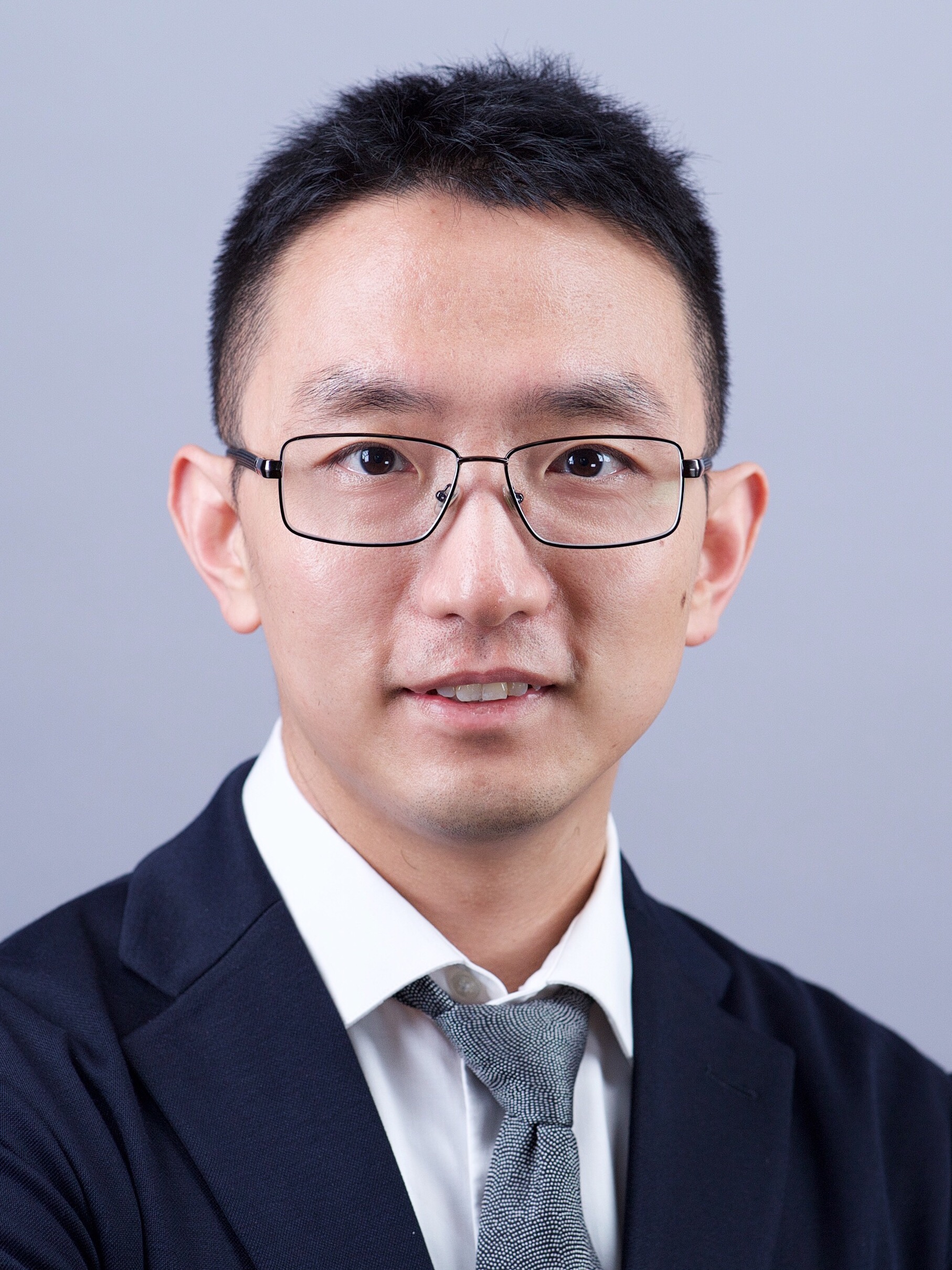
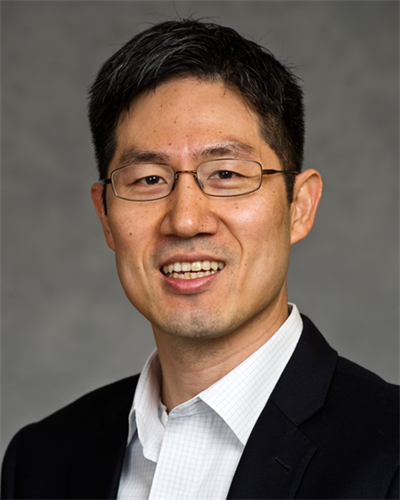
Professor Finn-Eirik Johansen is affiliated with the University of Oslo at the Department of Biosciences (IBV) . He previously served as head of department at IBV and held leadership roles at the Center for Immunoregulation (CIR), UiO:Life Sciences, and the Faculty of Mathematics and Natural Sciences. His research focuses on comparative immunology , particularly the unique immune system of Atlantic cod and its genetic adaptations. PhD in molecular biology from Columbia University Professor at UiO since 2013 Director of UiO:Life Sciences (2016-2017) Dean of research at the Faculty of Mathematics and Natural Sciences (2017-2019) His research spans mucosal immunity , secretory immunoglobulin systems , and teleost immunology . Recent work explores genetic deficiencies in immune receptors and their compensatory mechanisms in fish. Articles highlight IgA transport , CRISPR-based genome editing in cod , and mucosal lymphoid structures in zebrafish . Teaching includes immunology at master/PhD level and molecular/cell biology for undergraduates . He co-initiated the iGEM master’s course and Norway’s participation in the International Biology Olympiad . Current work integrates synthetic biology and marine immunology .
Alex Banks is an Assistant Professor at Harvard Medical School and Beth Israel Deaconess Medical Center (BIDMC), with a focus on metabolic disorders. As Director of the Energy Balance core facility at BIDMC, he employs indirect calorimetry to study energy expenditure, food intake, and thermogenesis in mice. His research bridges genetic, pharmacological, and environmental factors to enhance understanding of obesity and metabolic diseases, while developing open-source tools like CalR to standardize metabolic analysis for the broader scientific community. Role: Assistant Professor Affiliation: Harvard Medical School, BIDMC Facility: Energy Balance Core Director Research Interests: The Banks Lab investigates mechanisms of obesity and metabolic disorders, emphasizing energy balance regulation through: Indirect calorimetry and metabolic rate analysis Genetic and pharmacological modulation of PPARγ Gut microbiome interactions with host metabolism Neural circuits controlling thermogenesis and food-seeking behavior Development of computational tools (CalR) for metabolic data Scientific Trends: Recent work spans obesity-linked phosphorylation of PPARγ, thermogenesis regulation via thyroid hormone, microbiome-dependent metabolic control, and novel methods for calorimetry. Collaborative projects address translational applications in bariatric surgery and metabolic drug development. Collaborations: The lab serves as a hub for Harvard/Boston-area researchers and provides freely accessible analytical tools to maximize utility of animal and human studies in combating obesity.
Ian Carroll, PhD is an Associate Professor in the Department of Nutrition at the UNC Gillings School of Global Public Health, University of North Carolina at Chapel Hill. His research focuses on gastrointestinal biology and disease, with specific expertise in microbiome interactions. He directs the Carroll Lab and holds affiliations with the Center for Gastrointestinal Biology and Disease (CGIBD), where he serves as a Microbiome Focus Area investigator. Dr. Carroll's research centers on mechanisms through which intestinal microbiota and their metabolites influence gastrointestinal physiology, behavior, and weight regulation. His work spans microbiome dynamics in obesity, diabetes, and eating disorders , with particular emphasis on short-chain fatty acid physiology , gut-brain axis communication , and nutritional interventions . His laboratory has pioneered techniques for biological sample collection and bacterial DNA isolation from human fecal and mucosal samples. His publication trends reveal strong focus on Microbiome responses to dietary interventions (fiber, almonds, purified diets) Longitudinal biomarker discovery using interpretable machine learning Clinical applications in hypertension, bariatric surgery, and anorexia nervosa Cross-species validation through murine models Award Highlights: CGIBD Pilot and Feasibility Award (2012) Dr. Carroll maintains active collaborations across multiple disciplines including gastroenterology, immunology, and computational biology. His work integrates molecular techniques with clinical studies to develop nutritional therapies for gastrointestinal diseases. Current research examines microbial contributions to weight regulation post-bariatric surgery and mechanisms underlying microbiome-mediated blood pressure control. The Carroll Lab operates within the MBRB building facility, conducting translational research bridging basic microbial science with clinical applications in metabolic and gastrointestinal disorders.
Maria L. Marco is a Professor and Chair of the Food Science Graduate Group at the University of California, Davis. She holds a PhD in Microbial Biology (UC Berkeley, 1999) and a B.S. in Microbiology (Penn State, 1993). Her research focuses on microbial roles in fermented foods and gut health, emphasizing lactic acid bacteria's contributions to food production and human health. She teaches FST104 (Food Microbiology) and FST204 (Advanced Food Microbiology). Dr. Marco's work combines systems biology, genetics, and ecology to study microbiomes in food and intestinal systems. Her research has led to over 150 publications, including seminal studies on probiotic mechanisms, fermented food benefits, and gut-microbiota interactions. Notable awards include the American Society for Microbiology Distinguished Lecturer designation (2012–2014), World's Top 2% Scientists recognition (2021–2025), and the 2024 UC Davis Graduate Advising Award. She chairs the Gordon Research Conference on Lactic Acid Bacteria and co-authored the ISAPP consensus statement on fermented foods. Her research group explores topics like bacteriocin activity, microbiota-gut-brain interactions, and food safety innovations. Collaborative projects include studies on Indigenous fermentation practices and microbial electrochemical systems for pathogen detection.
Prof. Dunja Bruder is a university professor of infection immunology at the Institute of Medical Microbiology and Hospital Hygiene at Otto von Guericke University (OVGU) and Head of the Immune Regulation Research Group at the Helmholtz Center for Infection Research (HZI). She obtained her PhD in immunology from TU Braunschweig and completed postdoctoral training at Harvard Medical School and Yale University School of Medicine. Her research focuses on immune regulation in respiratory viral infections, chronic inflammatory lung diseases, and mucosal immunity. She leads two research groups and holds leadership roles in the Research Focus on Respiratory Viral Infections (HZI), the CRC 854, and the Otto-von-Guericke Graduate Academy. Her work integrates innate and adaptive immunity, with particular emphasis on T-cell responses, microbiota interactions, and vaccine development. She also contributes to teaching in master's programs and human medicine. Education Bachelor/Master: Biotechnology, Technical University of Braunschweig PhD (1996–1999): Immunodominance and T-cell responses to bacterial toxins, HZI Habilitation (2009): Immunology, Hannover Medical School Research Interests Bruder’s work examines immune responses to respiratory pathogens like influenza and SARS-CoV-2, the role of epithelial-T-cell interactions in asthma, and the modulation of immune defenses by microbiota. She investigates vaccine strategies using defective interfering particles and antigen-targeting approaches. Her studies also address antitumor immune training via viral infections and metabolic control of T-cell function in asthma endotypes. Key Contributions She pioneered the analysis of alveolar macrophage dysfunction in chronic lung diseases and demonstrated the protective role of IL-33 in microbiota-mediated antibacterial defenses. Her team developed predictive models for influenza infection using hematological data and identified CD47 as a critical regulator of antiviral macrophage activity. Labs/Teams Leads the Immune Regulation Group at HZI and collaborates with the Institute of Medical Microbiology at OVGU. Active in the HZI’s Respiratory Viral Infections Research Focus and the CRC 854.
Olayiwola Adeola is a Professor of Animal Sciences at Purdue University's College of Agriculture. With expertise in Swine and Poultry Nutrition , he focuses on nutrient digestibility, feed ingredients, and gut microbiome research. His work bridges practical animal feeding strategies with advanced biochemical analysis. B.S., University of Ife, Nigeria M.S. and Ph.D., University of Guelph, Canada His research explores: Heat treatment effects on feed protein quality Phytase enzyme applications for mineral absorption Gut microbiome modulation through dietary supplements Energy metabolism in swine and poultry diets Non-invasive bone health assessment methods Impact of dietary fiber and antinutritional factors Recent publications highlight collaborations with researchers like Dr. Kola Ajuwon, advancing understanding of: Branched-chain amino acid interactions Maternal yeast supplementation effects Black soldier fly larvae meal applications Calcium-phosphorus balance mechanisms Dr. Adeola teaches graduate courses: ANSC 52200 - Monogastric Nutrition ANSC 62000 - Proteins and Amino Acids in Nutrition Current lab members include graduate students Abidemi Adekoya, Yuechi Fu, and Tanner Wise, with administrative support from Lab Manager Pat Jaynes.
Chun-Jun (CJ) Guo is an Associate Professor at Weill Cornell Medicine's Jill Roberts Institute for Research in Inflammatory Bowel Disease, Department of Medicine. His research focuses on developing genetic tools for human microbiota and investigating molecular mechanisms of host-microbe interactions related to IBD and metabolic diseases. Education: B.Sc. in Pharmacy, Fudan University (2009) Ph.D. in Pharmacy, University of Southern California (2015) Research Interests: Dr. Guo's lab integrates bioinformatics, microbial genetics, metabolomics, and chemical biology to study how microbiota-derived molecules influence host immunity and disease. Key areas include CRISPR-based microbiota engineering, bile acid metabolism, and therapeutic reprogramming of host-microbe interactions. Publications: Recent work highlights microbiota-driven bile acid modifications in cancer, probiotic cross-feeding strategies for metabolic diseases, and serotonin's role in neonatal immune tolerance. His tools for genetic manipulation of nonmodel gut microbes enable mechanistic studies in vivo. Scientific Awards: 2023 Scialog Award 2022 Kenneth Rainin Foundation Innovator Award 2020 Noster & Science Microbiome Runner-Up Prize 2020 AGA-Allergan Pilot Award in IBD 2019 NIH New Innovator Award Labs & Teams: The Guo Group develops CRISPR-Cas9 systems for Clostridiales and other gut bacteria, investigates microbiota metabolites in preclinical mouse models, and collaborates on translational studies linking microbial genetics to immune/metabolic diseases.
Nadia Everaert is an associate professor at KU Leuven’s Department of Biosystems, affiliated with the Faculty of Bioscience Engineering and the Leuven One Health Institute. She leads the Nutrition and Animal-Microbiota EcoSystems (NAMES) Lab, focusing on microbiota-host interactions and gut health in poultry and pigs. Her research aims to improve animal resilience through nutritional manipulations. Education: BSc/MSc in Bioscience Engineering from KU Leuven (1999–2004), PhD in Avian Embryonic Development (2008). Postdoctoral work included molecular biology studies in France. She was a faculty member at Liège University (2013–2021) before returning to KU Leuven. Research Interests: Microbiota colonization, gut health, pre/probiotics, in vitro fermentation models, maternal programming, and sustainable livestock practices. The NAMES Lab investigates host-microbiota interactions to enhance animal performance and health via nutritional strategies. Recent projects include studies on earthworms in broiler diets, probiotics in piglets, and the impact of hatching methods on broiler gut health. Her work addresses antibiotic reduction and sustainable feed alternatives. Teaching: Courses on nutrition, animal welfare, poultry/pig farming, and functional biochemistry. Supervises PhD students and postdocs in her lab. Service: Member of the Animal Ethics Commission at KU Leuven and HUB-KAHO, Board Member of the Belgian WPSA, and expert for ANSES (France) on animal nutrition. Labs/Teams: NAMES Lab personnel include postdocs, PhD students, and lab technicians. Collaborations span institutions like INRAE (France) and Shandong Agricultural University (China).
Annette Brandt is a researcher affiliated with the Department of Nutritional Sciences within the Faculty of Life Sciences . Her work focuses on metabolic and liver diseases, with a particular emphasis on non-alcoholic fatty liver disease (NAFLD), metabolic dysfunction-associated steatotic liver disease (MASLD), and the role of intestinal barrier dysfunction in disease progression. She investigates mechanisms involving microbiota modulation, inflammatory pathways (e.g., TNFα, JNK), and dietary interventions (e.g., choline, beta-glucan, phosphatidylcholine) to mitigate liver damage. Her research also explores the interplay between aging, inflammation ('inflammaging'), and intestinal permeability. Brandt has contributed to over 38 peer-reviewed publications and 47 academic activities, including presentations at conferences. Her studies utilize mouse models to explore therapeutic strategies for liver diseases and metabolic disorders. Key collaborations involve investigating the effects of dietary components (e.g., fructose, soybean oil) and pharmacological agents (e.g., honokiol, 4-methylpyrazole) on liver health. She has also examined the role of toll-like receptors (TLR2/TLR4) in aging-related pathologies and cognitive decline. Her research aligns with UN Sustainable Development Goals related to good health and well-being (SDG 3) and sustainable cities and communities (SDG 11), emphasizing translational approaches to improve public health through dietary and pharmacological interventions.
Associate Professor Mohammad Katouli is an academic at the University of the Sunshine Coast (UniSC), Queensland, Australia, holding a position in the School of Science, Technology and Engineering and the Department of Microbial Ecology. He earned his PhD from the UK and a BSc from Tehran, Iran. His research spans medical microbiology, infectious disease pathogenesis, and microbial ecology, with a focus on E. coli, antibiotic resistance, and environmental health. He has supervised over 84 students (45 Honours, 39 PhD/Master's) and authored 169 peer-reviewed articles and 87 conference proceedings. Education: PhD in Medical Microbiology, United Kingdom BSc in Microbiology, Tehran, Iran Research Interests: Molecular pathogenesis of bacterial infections (e.g., E. coli sepsis, urinary tract infections) Probiotics' role in gut health and pathogen inhibition Microbial source tracking in surface waters Antibiotic resistance in clinical and environmental settings Host-microbe interactions in inflammatory diseases Notable Contributions: Developed a commercialized biochemical fingerprinting method for microbial epidemiology Established the Microbiology and Biotechnology program at UniSC Recipient of the 1st Prize for Best Original Article in Clinical Nutrition (2005) Advising and Grants: Supervised 45 Honours and 39 postgraduate students. Active in research grants related to microbial source tracking, probiotic efficacy, and hospital wastewater analysis. Labs and Collaborations: Member of the Centre for Bioinnovation at UniSC. Collaborates with national and international institutions on projects like microbial quality of surface waters and gut microbiota dynamics.
Kyongbum Lee is the Karol Family Professor and Dean of Engineering at Tufts University School of Engineering, where he also serves as Professor in the Department of Chemical and Biological Engineering. His research integrates metabolic engineering, tissue engineering, and systems biology to study cellular metabolism and develop technologies for biomedical applications. Dr. Lee directs a laboratory focused on host-microbe interactions, cell-based bioprocesses, and metabolic regulation in diseases like obesity. Education Ph.D., Massachusetts Institute of Technology, 2002 B.S., Stanford University, 1995 Research Focus Dr. Lee's group employs systems approaches combining experimental and computational methods to investigate how metabolites regulate cellular communication. Current projects examine gut microbiome interactions, metabolic flux in engineered tissues, and development of therapeutic strategies targeting metabolic disorders. The lab specializes in bioreactor systems, metabolomic profiling, and mechanistic studies of metabolite signaling pathways. Publication Trends Recent publications emphasize gut microbiota metabolism, microbial metabolite therapeutics, and engineered tissue models. Work consistently demonstrates translational focus—from computational prediction of metabolic pathways (e.g., flavonoid biotransformation algorithms) to preclinical validation of microbial metabolites in disease models (e.g., steatosis reduction via indole derivatives). Recurring themes include nuclear receptor modulation, HDAC/IFN-γ pathway regulation, and high-throughput screening platforms. Awards Karol Family Professorship (endowed position recognizing scholarly excellence) Research Operations The laboratory actively recruits postdoctoral researchers and graduate students through Tufts' Chemical and Biological Engineering program. Current projects are supported by specialized infrastructure for metabolomics, bioreactor systems, and 3D tissue culture. The team emphasizes interdisciplinary collaboration, particularly at the interface of engineering, microbiology, and translational medicine.
Dr. Mark Rawling is a Research Fellow in the School of Biological and Marine Sciences at the University of Plymouth, within the Faculty of Science and Engineering. He is part of the Fish Nutrition and Health Research Team, focusing on aquatic animal health and welfare, particularly in fish nutrition and probiotic applications. His work contributes to Sustainable Development Goal 14 (Life Below Water) and Goal 2 (Zero Hunger), emphasizing sustainable aquaculture practices. Mark's research interests include the application of probiotics and prebiotics in aquaculture, optimizing fish nutrition through alternative protein sources, and understanding the modulation of intestinal health and immune responses in fish species such as tilapia, rainbow trout, and Atlantic salmon. He explores how dietary supplements like yeast extracts and β-glucans influence gut microbiota, mucosal barriers, and overall fish health, with a focus on enhancing growth performance and disease resistance in aquaculture settings. His research outputs highlight a focus on dietary interventions to improve aquatic animal health, with studies examining probiotic efficacy, the structural impact of yeast cell wall components, and the role of β-glucans in modulating immune responses. Recent work emphasizes sustainable protein sources for tilapia and the application of postbiotics in zebrafish models. Mark actively contributes to doctoral supervision, currently serving as a second supervisor for two ongoing Ph.D. projects and having supported three completed Ph.D. studentships. His research has been applied in both academic and industry contexts, though specific grant details are not provided in the available text. He is affiliated with the Fish Nutrition and Health Research Team at the University of Plymouth, collaborating on projects related to aquatic animal health and sustainable aquaculture practices.
Geert Wiegertjes is a Full Professor at Wageningen University & Research, specializing in Aquaculture and Fisheries . With over 351 research outputs and 25 active or completed projects, his work focuses on fish immunology, disease resistance, and sustainable aquaculture practices. Key Research Areas: Immunology, fish physiology, teleost immune systems, and microbiome interactions. Notable Contributions: Discovery of behavioral fever's role in fish immunity, B cell dynamics in carp, and algal extract-based immune stimulation. Research Trends: His recent articles emphasize genomic and immunological approaches to understanding fish disease resistance (e.g., CyHV-3 infection), mucosal immunity, and sustainable aquaculture through microbiome modulation and parasite protocols. Scientific Awards: Mosaic 2.0 grant/NWO (2022) Supervision: Mentored 13 PhD students, including Lisette Bouwman, Mehwish Ahmed, and Laura Binch. Collaborations: Active in international networks, with recent collaborations spanning fish genomics, maternal immunity, and European Green Deal initiatives.
Laura Tipton is an Assistant Professor in the Department of Mathematics & Statistics at James Madison University (JMU), affiliated with the College of Science and Mathematics. Her research focuses on microbiome dynamics across diverse habitats such as human lungs, aerobiota, invertebrate guts, and fermented foods, emphasizing bacterial-fungal interactions and robust statistical methodologies. She integrates techniques from ecology, machine learning, and graph theory, with side projects in digital humanities, data visualization, and data feminism. Education: PhD in Computational Biology (2016), University of Pittsburgh/Carnegie Mellon University MS in Statistics (2011), George Washington University BA in Biostatistics (2007), University of Virginia Her research interests span microbiome analysis, microbial interactions, and interdisciplinary data science. Recent work includes studies on airborne fungal DNA dynamics, fungal contributions to neonatal lung diseases, and psychobiotic field developments. She emphasizes methodological innovation in microbiome studies and advocates for inclusive data practices. While no formal awards or grants are listed, her work reflects significant contributions to collaborative projects like the Global Spore Sampling Project and Pacific Innovations, Knowledge, and Opportunities (PIKO) Program. Laura’s advising focuses on mentoring students in interdisciplinary projects at the intersection of mathematics, biology, and computational science.
Marcelo B. Sztein, MD is a tenured Professor of Pediatrics at the University of Maryland School of Medicine (UMSOM). Since 1989 he has been a key leader within the Center for Vaccine Development (CVD) , serving as Chief of the Cellular Immunology and Flow Cytometry Section, founder of the CVD Immunology Group, and—since 2010— Associate Director for Immunologic Research . He holds secondary appointments in the Departments of Medicine and Microbiology & Immunology and directs the CVD Flow & Mass Cytometry Core that supports campus-wide cutting-edge single-cell analysis. Education & Training High School #4, Nicolás Avellaneda, Argentina — B.S., Biology, 1970 University of Buenos Aires School of Medicine — M.D., 1976 National Research Council, Argentina — Fellow, Immunology, 1976–1979 National Institutes of Health — Visiting Fellow, 1979–1982 George Washington University Medical Center — Research Fellow, Cancer Research Laboratories, 1982–1983 Research Focus Dr. Sztein is an internationally recognized authority on the immunology of infectious diseases , with emphasis on mucosal and systemic immunity elicited by vaccines. His work deciphers human host responses to Salmonella Typhi/Paratyphi, Shigella , ETEC, Plasmodium falciparum , dengue virus, Ebola virus, H. pylori , and influenza. Using controlled human infection models, non-human primates, and novel organotypic intestinal models, his laboratory identifies correlates of protection, dissects multifunctional T-cell subsets (CD4⁺, CD8⁺, MAIT, regulatory T cells), and explores how the gut microbiome modulates vaccine-induced immunity. Current projects under the NIH-funded Cooperative Center for Human Immunology (CCHI) integrate multi-omics , single-cell mass cytometry (CyTOF) , and high-dimensional flow cytometry to accelerate rational vaccine design. Recent Publication Trends Between 2014 and 2016 Dr. Sztein’s group published >25 high-impact papers that collectively advance three major themes: (1) elucidating multifunctional T- and B-cell signatures associated with protection following typhoid and Shigella vaccination; (2) applying controlled human infection models to rigorously benchmark new vaccines; and (3) pioneering 3-D organotypic intestinal cultures and mass cytometry panels to study mucosal responses at single-cell resolution. These studies are shaping the next generation of enteric vaccines for global health. Grants & Funding Leadership Principal Investigator, NIH U19-AI082655 “Mucosal and Systemic Immunity, Vaccines and Microbiota Interplay in Humans” (2014–2019) Principal Investigator, NIH R01-AI036525 “Immune Mechanisms of Protection in S. Typhi Vaccines” (2013–2018) PI Research Project 1, NIH U19-AI109776 “Immunoprophylactic Strategies to Control Emerging Enteric Infections” (2014–2019) PI of Immunology Core, NIH U19-AI110820 “Host, Pathogen, and the Microbiome” (2014–2019) Senior Immunologist, VTEU Contract HHSN2722013000221 (2013–2023) Laboratory PI, HHSN27200012 & HHSN27200010 cytokine/immune-phenotyping service contracts Co-Director of Immunology, T32-AI07524 Training Grant (2013–2018) Laboratory & Core Facilities Dr. Sztein directs the CVD Flow and Mass Cytometry Core , housing state-of-the-art BD LSR-II, Beckman-Coulter Astrios EQ cell sorter, Fluidigm CyTOF 1, and CyTOF Helios instruments. The core supports up to 19-parameter cell sorting and 35-plus-parameter mass cytometry, enabling investigators across UMSOM and collaborating institutions to perform advanced single-cell multi-omics studies under BSL-2/3 containment.