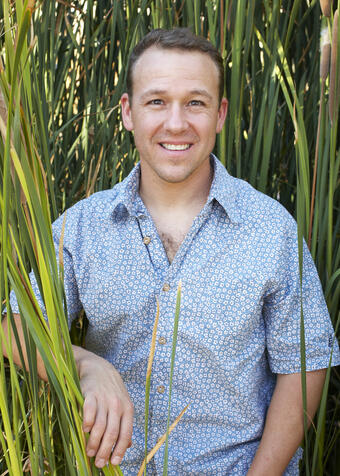
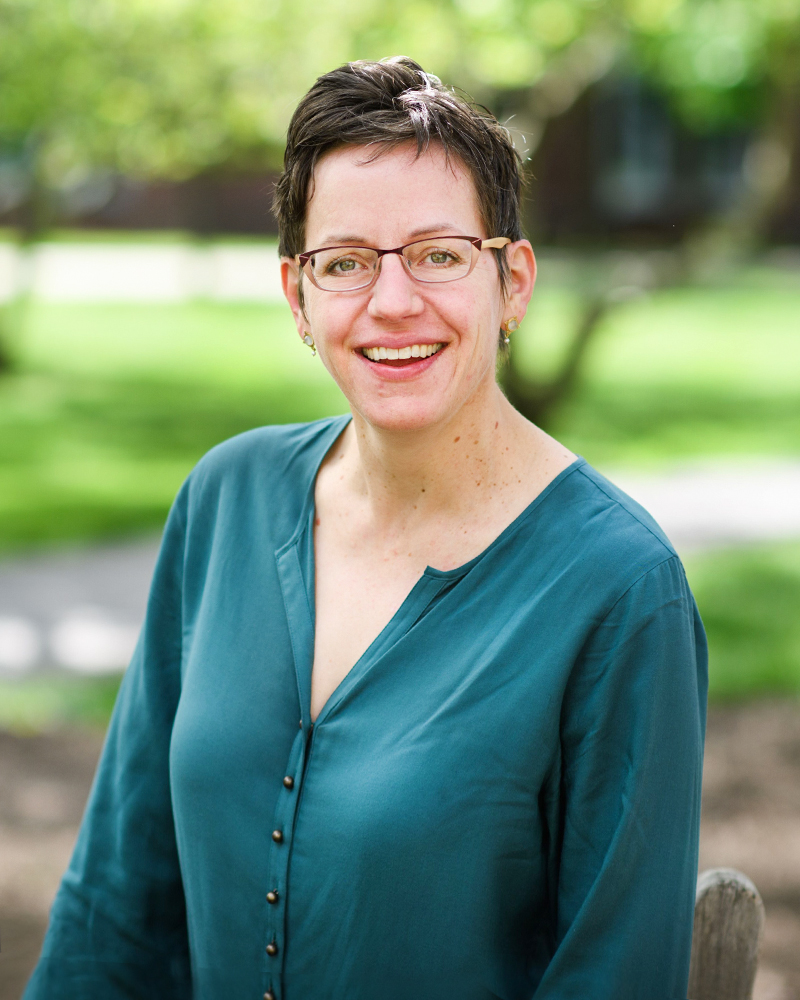
Hauke Smidt is a Personal Professor at Wageningen University & Research, affiliated with the Molecular Ecology group within the Faculty of Veterinary Medicine and Animal Sciences. His research focuses on microbial ecology, particularly gut microbiota dynamics, antibiotic resistance, environmental microbiology, and the One Health framework. Smidt has supervised over 50 PhD students and contributed to 519 publications, including studies on microbiome resilience, fermented food impacts, and bioremediation strategies. Education and affiliations include leadership roles in projects addressing antimicrobial resistance, pig health, and drinking water microbiology. His work spans collaborations across Europe and Asia, with notable contributions to understanding microbial community responses to environmental stressors and dietary interventions. Smidt is actively involved in public outreach, as seen in media contributions discussing microbiome research and health benefits. Key projects include aquifer treatment for drinking water, microbiome simulation models, and combating plant pathogens. His awards and recognition are not explicitly listed, but his extensive publication record and project leadership highlight significant academic impact.
Dr. Michael Baym is an Associate Professor of Biomedical Informatics at Harvard Medical School with affiliate appointments in Microbiology and the Laboratory of Systems Pharmacology, and as an Associate Member of the Broad Institute. He leads the Baym Lab, which studies microbial evolutionary genomics and antibiotic resistance through a hybrid of experimental, computational, and theoretical approaches. His research focuses on: Antibiotic Resistance Evolution and practical interventions Mobile Genetic Elements (plasmids, phages, transposons) Computational Genomic Algorithms for big data analysis Synthetic Biology tools and technologies Key recent publications explore phage discovery systems , phylogenetic compression of microbial genomes, and RNA-guided gene drives in plasmids. His work is supported by multiple NIH/NIGMS and NSF grants including a MIRA award. Scientific honors include: Packard Fellowship (2018) Pew Biomedical Scholarship (2020) Sloan Research Fellowship (2020) A. Clifford Barger Excellence in Mentoring Award (2021) SSQBio Mentorship Award (2022) The lab actively trains PhD students and postdoctoral fellows with alumni occupying academic and industry positions globally. Current team members include researchers from interdisciplinary backgrounds working at the intersection of experiment, computation, and theory .
Jethro Johnson is an Innovation Track Principal Investigator at the Kennedy Institute of Rheumatology and Deputy Director of the Oxford Centre for Microbiome Studies (OCMS) at the University of Oxford. His work integrates computational genomics and microbiome research to explore host-microbiome interactions in health and disease. PhD in Nutritional Ecology (University of Auckland, 2012) MRC Career Development Fellowship Former postdoctoral researcher at Jackson Laboratory for Genomic Medicine Research focuses on: Mechanistic understanding of gut microbiome impacts on metabolic diseases Multi-omic data integration for host-microbiome studies Computational approaches to microbiome analysis Methodological developments in 16S rRNA gene profiling Publications emphasize microbiome-disease associations, methodological innovations, and computational genomics applications across human and mouse models. Key themes include metabolic dysfunction, immune interactions, and microbial diversity analysis. Scientific recognition includes: MRC Career Development Fellowship in Computational Genomics As OCMS Deputy Director, he contributes to advancing microbiome research infrastructure and collaborative projects while leading his own computational genomics group at the Kennedy Institute.
Elin Org is a Professor of Microbiomics at the University of Tartu's Institute of Genomics, where she also serves as Head of the Estonian Genome Centre and Vice Director of the Institute. Her academic career spans over two decades with significant contributions to microbiome and genomic research. Education: PhD in Genetics, University of Tartu (2006) Master's Degree in Molecular Biotechnology and Biomedicine, University of Tartu (2000) Bachelor's Degree, University of Tartu (1997) Classical Singing, Heino Eller Tartu Music School (1996) Professor Org's research primarily focuses on the intricate relationships between host and gut microbiota and their influence on metabolism and common complex diseases. Her work bridges microbiomics, genomics, and complex disease research, with particular emphasis on understanding how gut microbiome composition affects human health. She has pioneered research connecting long-term antibiotic usage with microbiota-dependent effects and has made significant contributions to understanding the role of gut microbiome in conditions such as gestational diabetes, endometriosis, and polycystic ovary syndrome. Her approach integrates advanced computational methods with comprehensive health data to uncover causal relationships in microbiome research. Her recent publications demonstrate a strong trend toward integrating microbiome data with extensive digital health metrics, using machine learning approaches to identify microbial predictors of health outcomes. This work is increasingly focused on translating microbiome research into clinical applications for disease prediction and personalized medicine approaches, particularly in the context of the Estonian Biobank initiative. Major Scientific Recognition: 2025 National Science Award in medical and health sciences 2023 and 2022: Recognized among the world's top 1% most cited researchers by Clarivate Analytics 2020: Member of AcademiaNet, a portal for top female researchers 2017: EMBO Installation grant 2013: Marie Curie International Outgoing Fellowship Professor Org has secured substantial research funding as principal investigator for multiple significant projects, including 'DISCERN - Discovering the causes of three poorly understood cancers in Europe' (€245,466, European Commission) and 'Improving colorectal cancer screening and prediction using microbiome-based biomarkers' (€760,450, Estonian Research Council). She has served as an opponent for numerous PhD theses across European institutions, contributing to the development of emerging researchers in her field. As Head of the Estonian Genome Centre, Professor Org leads a multidisciplinary research team that plays a crucial role in Estonia's transition from biobanking to personalized medicine applications. She is actively involved in international collaborations through COST networks including INFOGUT (focused on in vitro colon models) and ML4Microbiome (statistical and machine learning techniques in human microbiome studies), positioning her at the forefront of global microbiome research initiatives.
John F. Brooks II is an Assistant Professor in the Department of Molecular Biology at Princeton University, where he leads the Brooks Lab. His research focuses on the circadian regulation of host-microbe dynamics, particularly how the circadian clock interfaces with the immune system to maintain gut microbiome harmony. Education: Ph.D., Northwestern University Feinberg School of Medicine, Walter S. and Lucienne Driskill Graduate Training Program in Life Sciences B.S., University of Michigan, Microbiology Research Interests: Dr. Brooks investigates how the circadian clock controls the rhythmic secretion of antimicrobial proteins (AMPs) in the small intestine and how persistent infections override these rhythms to sustain AMP production. His work integrates cell and molecular immunology, mouse genetics, and genomics to uncover mechanisms of circadian-immune crosstalk. This research has broad implications for disorders linked to circadian disruption, including obesity, diabetes, and chronic gut inflammation. Recent Publication Trends: His recent publications emphasize the coordination between microbial signals and host circadian rhythms in regulating innate immunity. Key themes include diurnal patterns in immune function, microbiota-driven immune modulation, and the physiological consequences of circadian misalignment in infection and disease. Scientific Awards: Pew Scholar in the Biomedical Sciences (2024) Advising and Grants: Dr. Brooks mentors graduate students and postdoctoral researchers, including Talia Akoh-Arrey and Urbashi Basu. His lab has received significant funding, notably the Pew Biomedical Scholars Award, supporting innovative research at the intersection of immunology, microbiology, and chronobiology. Labs and Teams: The Brooks Lab at Princeton employs interdisciplinary approaches to study host-microbe interactions. The team collaborates with experts in immunology and circadian biology, including Lora Hooper and Joseph Takahashi, to advance understanding of temporal regulation in immunity.
Dr. Rebecca Clark is an Associate Professor in the Department of Biosciences at Durham University. Her research focuses on understanding intestinal function in health and disease using the Drosophila model. She investigates how the intestinal epithelium balances barrier function, nutrient absorption, microbial symbiosis, and cell turnover, particularly during aging and disease states. Key research questions include mechanisms of intestinal barrier failure and the interplay between nutrition and intestinal homeostasis. Her work integrates genetic, microbiological, and physiological approaches to explore aging-related pathologies. Current projects aim to identify molecular pathways linking intestinal health to longevity. Supervised postgraduate students include Ale Acevedo Marcelin, Beñat Yanez, and Fanila Shahzad. Dr. Clark’s lab uses Drosophila as a model system due to its powerful genetic tools and evolutionary relevance. Research has implications for understanding human conditions such as inflammatory bowel disease and age-related metabolic disorders. Recent findings highlight microbiota-independent aging mechanisms and the role of tricellular junctions in stem cell regulation. No scientific awards are explicitly listed in the provided materials. Her research has been published in journals like Cell , Nature Cell Biology , and Proceedings of the National Academy of Sciences .
Manuel Kleiner is an Associate Professor in the Department of Plant and Microbial Biology at North Carolina State University. His research focuses on metabolic and physiological interactions in host-microbe systems, microbial ecology, and the application of metagenomics and high-resolution mass spectrometry to study complex microbiota-host relationships. Research Highlights: Development of metaproteomic techniques to quantify protein expression, analyze community structure via biomass contributions, and track isotope ratios to understand nutrient flow between hosts and microbiota. Creator of the "transductomics" approach to detect horizontal gene transfer via viral transduction in intestinal systems. Collaborates with researchers such as Theriot, Sartor, Sheikh, Ziegler, and Gonzalez. Recent Trends: His 2025 publications emphasize gut microbiome dynamics, maize root-microbe interactions, transplantation biology, and advancements in metaproteomic methodologies. Key themes include dietary impacts on microbiota, stable isotope probing, and synthetic microbial communities for plant and human health. Laboratory Tools: The Kleiner Lab utilizes quantitative metagenomics, high-resolution mass spectrometry, and computational modeling to dissect functional interactions in symbiotic systems across diverse environments, from marine organisms to agricultural crops.
Professor Mark Morrison is an Affiliate Professor at the School of Chemistry and Molecular Biosciences, University of Queensland, and holds roles as Chair & Group Leader of Metagenomics at the Frazer Institute within the Faculty of Health, Medicine and Behavioural Sciences. His research focuses on clinical microbiology, gastroenterology, and the microbiome’s role in diseases like inflammatory bowel disease (IBD) and diabetes. He has extensive academic qualifications, including a Bachelor of Science from the University of New South Wales, a Master’s from James Cook University, and a PhD from the University of Illinois. Education : Bachelor of Science, University of New South Wales Masters (Research) of Science, James Cook University Doctor of Philosophy, University of Illinois His research interests span microbiome-driven health and disease mechanisms, particularly in gut-brain interactions, mucosal microbiota dynamics, and translational therapies. Over 390 works include studies on dietary FODMAP effects, microbiome-based IBD diagnostics, and SCFA therapy for diabetes. He leads interdisciplinary grants on microbiome manipulation and has advised numerous PhD students on topics like Crohn’s disease, archaeal biodiversity, and immune modulation. His recent articles highlight microbiota roles in SIBO, anastomotic leaks, and probiotic efficacy. While no explicit awards are cited, his contributions to gut microbiome science are recognized through active research collaborations and funding. He actively supervises students and chairs teams advancing metagenomics and clinical applications.
Karl-Heinz Wagner is Full Professor of Nutrition and Food Quality at the University of Vienna, Faculty of Life Sciences, Department of Nutritional Sciences. He directs an experimental research group investigating how lifestyle factors—diet, specific food components, phytochemicals, physical activity and bioactive non-food compounds—modulate oxidative stress and DNA stability in humans, with emphasis on aging and sarcopenia. He initiated the university-wide “Active Ageing” research platform and coordinates EU projects such as SHIFT2HEALTH. Education & Affiliations: University of Vienna, Faculty of Life Sciences, Department of Nutritional Sciences – Professor and Chair of Nutrition and Food Quality Principal investigator of the Emerging Field “Oxidative Stress and DNA Stability” Head of the “Active Ageing” research platform activeageing.univie.ac.at Research Focus: Prof. Wagner’s group applies state-of-the-art biochemical and molecular techniques to quantify antioxidant compounds, ROS-induced DNA and chromosomal damage, DNA repair capacity and transcriptional regulation of antioxidant defenses. Human intervention trials, cross-sectional cohorts and in-vitro models are used to examine: Impact of plant-based vs. animal-based diets on multimorbidity risk Nitrate-rich beetroot juice effects on microbiome, vascular function and oxidative stress Bilirubin biology and metabolic health in Gilbert’s syndrome High-protein nutrition and resistance training on DNA damage and muscle quality in older adults Microbiota-derived metabolites that enhance CD8 T-cell antitumor immunity after exercise Publication Trends 2023-2025: Recent output demonstrates a strategic shift toward multi-omics integration (metabolomics, lipidomics, proteomics) to dissect diet–microbiome–immune crosstalk and to identify predictive biomarkers of healthy ageing. Papers consistently appear in top-tier journals (Cell, Lancet Healthy Longev, Redox Biol, Mol Nutr Food Res) and embrace large multinational cohorts, randomized controlled trials and mechanistic animal/cellular work. Funding & Networks: Research is mainly funded by the Austrian Science Fund (FWF), National Bank, European Commission (Horizon 2020, Horizon Europe), EU Cross-Border Co-operation and the University of Vienna. A dense national and international partner network ensures continuous biomarker development and knowledge transfer. Student Training & Citizen Science: Prof. Wagner actively involves MSc/PhD students and post-docs in externally funded projects and advertises internships via ERASMUS+. Study participant recruitment portals for projects like SHIFT2HEALTH, NUTRIAGING and bilirubin clinical studies are maintained to engage the public and foster translational impact.
Brian Hedlund is a Professor in the Department of Life Sciences at the University of Nevada, Las Vegas (UNLV). His research focuses on microbial ecology and genomics, particularly in extremophilic environments such as geothermal springs. He leads studies exploring microbial biodiversity, including 'dark' lineages of bacteria that remain underexplored. Hedlund employs advanced techniques like single-cell genomics, metagenomics, and stable isotope analysis to understand microbial roles in ecological processes. His work bridges fundamental research with applied biotechnology, including biofuels development and disease diagnostics. Hedlund’s research is funded by major agencies like NSF, NASA, DOE, and NIH. He co-authored the SeqCode, a nomenclatural system for naming uncultivated prokaryotes based on genomic data, and serves on grant review panels for national funding bodies. Education: Ph.D., Microbiology, University of Washington B.S., Biology, University of Illinois Research Interests: Microbial biodiversity in extreme environments Functional genomics of uncultivated microorganisms Applications in astrobiology and biotechnology International collaborations, particularly with China Grants & Funding: Major support from NSF, NASA, DOE, and NIH SeqCode development and microbial naming initiatives Labs & Teams: Hedlund collaborates with industrial and academic partners on projects ranging from biofuels to human microbiome studies, emphasizing interdisciplinary approaches.
Andrea Graham is a Professor in the Department of Ecology and Evolutionary Biology at Princeton University and an HMEI Associated Faculty member. Her research integrates immunology, ecology, parasitology, and evolutionary biology to explore immune heterogeneity, host-parasite dynamics, and disease transmission. Her work emphasizes evolutionary immunology , focusing on how immune system behavior emerges from cellular interactions, particularly cytokines and antibodies. She investigates how natural selection shapes immune strategies, parasite virulence, and the ecological impacts of immune responses. The 15 most recent articles highlight her interdisciplinary approach, with themes spanning host defense mechanisms , parasite transmission , rewilded mouse models , and serological data analysis . These publications address critical questions in public health , zoonotic diseases , and immune system modeling . Andrea was honored with the Phi Beta Kappa Award for Excellence in Undergraduate Teaching in 2025, reflecting her dedication to mentoring. Her lab includes a dynamic team of undergraduate researchers, graduate students, and technical staff, contributing to studies on topics like malaria-helminth co-infections and environmental microbiota effects . The Graham Group collaborates extensively through networks like the EEB Disease Group , Princeton Global Health Program , and the Infectious Disease Evolution Across Scales RCN . They hosted the 2019 Ecology & Evolution of Infectious Diseases (EEID) conference , despite unexpected challenges like a norovirus outbreak.
David A Williams holds the Campbell Endowed Chair position and serves as Professor of Veterinary Clinical Medicine at the University of Illinois College of Veterinary Medicine, with additional affiliation in Pathobiology. His academic career demonstrates deep expertise in companion animal medicine with a focus on canine and feline health conditions. Dr. Williams' research interests center on veterinary gastroenterology, particularly focusing on microbiome interactions , pancreatic disorders , and gastrointestinal diseases in companion animals. His work bridges clinical practice with fundamental research, investigating conditions such as exocrine pancreatic insufficiency, inflammatory bowel disease, and the role of gut microbiota in diabetes management. His fingerprint analysis reveals strong emphasis on canine medicine (100%), feline medicine (39%), and specific conditions like exocrine pancreatic insufficiency (35%) and pancreatitis (22%). Analysis of his recent publications shows a clear trajectory toward translational research connecting microbial ecology with clinical outcomes in companion animals. His work increasingly focuses on microbiome-based interventions , particularly fecal microbiota transplantation techniques and their impact on metabolic conditions in dogs. The research demonstrates methodological sophistication with growing use of metabolomics and advanced microbiome analysis techniques applied to veterinary clinical questions. Dr. Williams maintains active research collaborations across multiple institutions, as evidenced by the network visualization of his scholarly work. His research outputs have garnered attention across academic and professional platforms, with multiple publications referenced in Wikipedia, covered by news outlets, and discussed on social media. His laboratory work appears to focus on gastrointestinal physiology and microbiome research in companion animals, with particular emphasis on developing diagnostic and therapeutic approaches for pancreatic and metabolic conditions in dogs and cats. Current research directions include optimizing fecal microbiota transplantation protocols and understanding metabolic changes in various disease states.
Dr. Margaret Alexander is an Assistant Professor in the Department of Medical Microbiology and Immunology at the University of Wisconsin-Madison, where she leads a research laboratory focused on the interactions between diet, the gut microbiota, and the immune system in autoimmune diseases. She began her independent career at UW-Madison in January 2024 after completing postdoctoral training at UCSF. Her educational background includes: B.S. in Biology from Carleton College Ph.D. from the University of Utah under Dr. Ryan O'Connell, studying immune cell communication Postdoctoral work at UCSF with Dr. Peter Turnbaugh on microbiota-immune interactions in autoimmunity Dr. Alexander's research centers on decoding mechanistic interactions between diet, microbiota, and immune responses using mouse models, gnotobiotics, anaerobic microbiology, and sequencing . Her lab investigates how dietary components shape microbial metabolism and immune function, with particular focus on Th17 cell regulation, microbial enzyme activity, and metabolite-mediated host responses in conditions like inflammatory bowel disease and rheumatoid arthritis. This work bridges fundamental microbiology with translational applications for autoimmune disease treatment. Analysis of her recent publications reveals three dominant trends: (1) Identification of specific microbial metabolites (e.g., lactate, polyphenol derivatives) that modulate immune pathways; (2) Development of precision tools for microbiome manipulation including phage-delivered CRISPR; and (3) Investigation of dietary interventions (ketogenic diets, prebiotics) as therapeutic strategies. Her work consistently connects microbial metabolic capabilities to host immune outcomes in autoimmunity. Her scientific contributions have been recognized through prestigious awards: T32 fellowship F32 fellowship K99/R00 career development award Dr. Alexander mentors a diverse research team using a philosophy emphasizing collaboration, creativity, and clear communication . She currently advises two Ph.D. students (Wenxuan Dong and Gillian Hughes) and supervises postdoctoral scholars, with structured mentoring through weekly 1:1 meetings and annual planning sessions. Her lab has secured significant grant funding including NIH K99/R00 support for her diet-microbiome-immune axis research. The Alexander Lab operates within the Microbial Sciences Building at UW-Madison as a dynamic interdisciplinary team comprising postdoctoral scholars, graduate students, a research specialist, and undergraduate researchers. They employ integrated approaches spanning microbial ecology, immunology, and systems biology to unravel complex host-microbe-diet interactions, with ongoing projects focused on microbial enzyme characterization, therapeutic dietary strategies, and microbiome-based biomarkers for autoimmune disease progression.
Birgitte Zeuner is an Associate Professor at the Department of Biotechnology and Biomedicine , Technical University of Denmark, specializing in Protein Chemistry and Enzyme Technology . Her research focuses on Enzymatic Synthesis Technology with particular emphasis on carbohydrate-active enzymes. Active supervisor in Engineering alkenal reductase reversibility (2025-2028) Main supervisor in Regioselectivity in enzymatic carbohydrate synthesis (2024-2027) Supervisor in Enzymatic xyloglucan modification (2018-2022) Recent 54 publications highlight her work on glycosylation, human milk oligosaccharides, and transglycosylation. She has received significant attention in Mendeley readership and peer review platforms. Current projects explore: Enzyme engineering for biomass upgrading Sustainable biocatalytic processes using ionic liquids Gut microbiome interactions with plant-derived carbohydrates Her research aligns with UN Sustainable Development Goals for biocatalytic applications in health and sustainability.
Daniela Machado is a researcher at the Centre for Biotechnology and Fine Chemistry (CBQF) within the Escola Superior de Biotecnologia (ESB-UCP) at Universidade Católica Portuguesa. Holding a PhD in Chemical and Biological Engineering from Universidade do Minho (2017) funded by an FCT grant, she specializes in probiotics, intestinal microbiota, and encapsulation technologies. Her work bridges microbiology with food science, focusing on delivery systems for probiotics in food matrices, biological validation, and antimicrobial activity research. Education : PhD in Chemical and Biological Engineering (Universidade do Minho, 2017) Research Trends : Recent publications highlight innovations in probiotic encapsulation, functional food development, and bacterial vaginosis treatment. Her work with Akkermansia muciniphila and Faecalibacterium species demonstrates expertise in gut microbiota modulation. Scientific Awards : Individual Call to Scientific Employment Stimulus (2017) CBQF Annual Incentives (2021–2025) Advising & Leadership : She supervises biotechnology internships and co-organizes scientific outreach events like the International Microorganism Day and Open Week at ESB. Her editorial role at MDPI underscores her academic engagement.