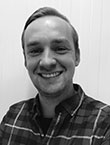
Thomas Winkler is an Associate Professor at the Division of Micro and Nanosystems, KTH Royal Institute of Technology, Sweden, and collaborates with TU Braunschweig, Germany. His research focuses on solving life science challenges using microsystems tools, particularly in neuropsychiatric disorders like schizophrenia. He develops organ-on-chip models, engineered microfluidic platforms, and biosensors for point-of-care diagnostics. Winkler leads an interdisciplinary ERC-funded team addressing metabolic coupling in neurovascular units and oxidative stress biomarkers. Key achievements include the ERC Starting Grant (2023) and work on electrochemical sensors for clozapine monitoring. He teaches courses such as Microsystem Technology (EK2350) and supervises PhD and postdoctoral researchers. Current projects include machine learning-guided robotic organoid maturation and electrochemical technology development for the CHIPzophrenia initiative. His lab actively seeks talent through open positions in Stockholm and Braunschweig. Scientific awards include the ERC Starting Grant and Marie Skłodowska-Curie Actions Fellowship. Research spans sensor development, microfabrication, and biomaterials, with a focus on translating lab technologies to clinical applications. Collaborations bridge engineering and life sciences, emphasizing personalized mental healthcare solutions.
Björn Schröder is an Associate Professor at Umeå University, affiliated with the Department of Molecular Biology and the Laboratory for Molecular Infection Medicine Sweden (MIMS). His research examines how diet, gut microbiota, and mucosal barrier function interact to influence intestinal health, with a focus on Western-style diets, antimicrobial peptides, and protection against infections and inflammation. Current projects include analyzing dietary fiber's role in mucus integrity and linking specific bacteria to barrier function. Primary Affiliation: Department of Molecular Biology, Umeå University Secondary Affiliation: MIMS (Molecular Infection Medicine Sweden) Research interests span gut microbiota, mucosal immunity, antimicrobial peptides, and diet-related pathologies like inflammatory bowel disease and metabolic syndromes. His work combines microbiome analysis with physiological studies in murine models to dissect mechanisms of barrier protection. Recent publications highlight the impact of dietary fiber and probiotics on mucus health, antibiotic effects on barrier integrity, and microbial networks in diseases like colorectal cancer. Themes include diet-microbiota crosstalk, redox regulation of antimicrobial peptides, and microbiota-independent versus dependent mechanisms of mucus damage. Scientific recognition: Fernström Research Prize (2025) Grants: Persson Millions for intestinal research His lab maintains a website at www.mucubacter.org and collaborates with international teams on topics ranging from enteric pathogens to metabolic disease models.
Malin Johansson is a Professor at the University of Gothenburg , affiliated with the Department of Medical Biochemistry and Cell Biology . Her research focuses on the molecular mechanisms of intestinal mucus barrier formation, mucin biochemistry, and interactions between gut microbiota and host physiology. Email: malin.johansson@medkem.gu.se Address: Medicinaregatan 9 A-B, 41390 Göteborg Her research has significantly advanced understanding of mucin structure (e.g., MUC2 and FCGBP proteins), disulfide bond stabilization, and the role of goblet cells in maintaining intestinal homeostasis. She has explored how dietary components like human milk oligosaccharides and fiber influence mucus integrity and metabolic health. Recent publications highlight her work on transglutaminase-mediated mucin crosslinking , nociceptor neuron-goblet cell signaling , and long-term effects of radiation on intestinal inflammation . Collaborative studies with Gunnar C. Hansson's group dominate her publication record.
Markus Sjöblom is a Senior Lecturer at Uppsala University's Department of Medical Cell Biology within the Faculty of Medicine. He holds a PhD and Associate Professor qualifications, with research primarily focused on gastrointestinal physiology and drug effects on intestinal function. His work spans molecular mechanisms of mucosal barrier function, duodenal bicarbonate secretion, and chemotherapy-induced intestinal damage. Dr. Sjöblom's research interests center on gastrointestinal physiology, particularly intestinal mucosal barrier function and duodenal bicarbonate secretion. His work investigates how various drugs, including melatonin, affect intestinal permeability and protect against chemotherapy-induced damage. He has made significant contributions to understanding the physiological mechanisms behind drug absorption and intestinal toxicity, with applications for improving cancer treatment side effects. His recent publications demonstrate a clear research trajectory focusing on chemotherapy-induced mucositis, intestinal permeability changes, and protective mechanisms. The work spans from basic physiological investigations of duodenal function to translational studies examining drug effects in rat models and developing therapeutic approaches for gastrointestinal side effects of cancer treatments. Much of his recent work focuses on melatonin's protective effects against chemotherapy-induced intestinal damage. Accepted as an excellent teacher at the scientific domain of medicine and pharmacy in 2020 Dr. Sjöblom leads his own research group (21.6.6 Research group Markus Sjöblom) within the Department of Medical Cell Biology. His work receives substantial attention, with multiple publications highlighted across academic platforms and referenced in patents. His research on intestinal physiology has established important connections between mucosal barrier function, drug absorption, and chemotherapy side effects, contributing significantly to gastrointestinal pharmacology.
Sara K. Lindén is a Professor at the Department of Medical Biochemistry and Cell Biology, University of Gothenburg. Her research spans multiple biological systems, focusing on mucin biochemistry, host-pathogen interactions, and glycosylation patterns across human respiratory and gastrointestinal systems, as well as fish mucosal surfaces. Key methodologies include mass spectrometry, histochemical staining, and in vitro infection models. University of Gothenburg, Department of Medical Biochemistry and Cell Biology Research Interests: Mucin structure and function in host defense Glycosylation patterns in human and fish mucosal tissues Pathogen binding mechanisms (Helicobacter pylori, Aeromonas salmonicida, Brachyspira hyodysenteriae) Impact of smoking and inflammation on airway mucin composition Quorum sensing inhibition by host mucins Article Trends: Recent work emphasizes comparative mucin biology across species (human, pig, fish), with applications in infectious disease prevention, COPD pathology, and aquaculture health management. Studies integrate glycomics, proteomics, and functional assays to elucidate molecular interactions. Collaborations: Active in interdisciplinary research involving immunology, microbiology, and veterinary science. Collaborators include teams studying respiratory diseases (COPD), fish pathogens (Aeromonas, Moraxella), and porcine dysentery.
Olena Prykhodko is a Senior Lecturer and active Researcher at Lund University's Faculty of Engineering (LTH), specifically within the Division of Food and Pharma. Her work focuses on the intersection of nutrition, gut microbiome, and metabolic health, with significant contributions to understanding how dietary interventions affect human physiology and cognitive function. Dr. Prykhodko's research expertise spans multiple disciplines including Nutrition and Dietetics, Immunology, Microbiology, and Cell and Molecular Biology. Her work particularly emphasizes gut microbiome dynamics, dietary impacts on metabolic health, and the development of 3D tissue models for studying intestinal function. She has established herself as a leading researcher in understanding how specific dietary components like Nordic berries, enzymes from tropical fruits, and various supplements affect gut health and cognitive outcomes across different populations. Her recent publications demonstrate a strong focus on translational research connecting laboratory findings with clinical applications. The work spans from basic science using mouse models to human clinical studies, particularly examining bariatric surgery outcomes, gut permeability, and neuroinflammation pathways. A notable trend in her research is the interdisciplinary approach combining nutritional science with advanced tissue engineering techniques to model human intestinal function. Dr. Prykhodko leads and participates in multiple significant research projects including the ongoing Gut Microbiome Laboratory (GML) established in 2016, and several funded projects such as the 2024 study on 'Dietary prevention of non-communicative diseases' using 3D-tissue human intestine models. She has served as Principal Investigator for multiple studies examining the role of digestive enzymes in regulating intestinal microbiota and preventing neuro-inflammation, with funding from Dir Albert Påhlssons stiftelse för forskning och välgörenhet. As an educator, Dr. Prykhodko contributes to pedagogical development at LTH, as evidenced by her co-authorship of 'Tips for creating inclusive classrooms at LTH' presented at the 12th Pedagogical Inspiration Conference. She supervises research students and has mentored doctoral students on projects related to intestinal and brain barrier functions in metabolic disorders, demonstrating her commitment to both research excellence and educational development.
Maria Genander is a Principal Researcher at the Department of Cell and Molecular Biology, Karolinska Institutet, Stockholm. Her research focuses on epithelial stem cell regulation during development and disease, particularly cancer progression. 2009: PhD in Cell and Molecular Biology, Karolinska Institutet 2022–present: Principal Researcher, Department of Cell and Molecular Biology, Karolinska Institutet Research interests include: Transcriptional networks in epidermal stem and cancer stem cells Posttranslational protein modifications (e.g., citrullination) in hair follicle progenitors Progenitor cell heterogeneity in the esophagus and its role in cancer Publication trends show expertise in: Stem cell biology and cancer signaling Epigenetic and posttranslational regulation Mouse models for lineage tracing and tissue analysis Scientific awards : ERC Starting Grant (2019) Advising and lab : Advising: Kylie Hin-Man Mak (PhD student) Lab members: Evelien Eenjes (Post Doc), Wei Yang (Post Doc), Kim Vikhe Patil (Post Doc), Li Lei (Post Doc)
Ignacio Rangel is a Senior Lecturer at the Department of Medical Sciences, School of Medical Sciences, Örebro University. His research focuses on microbial ecology in health and disease, specifically investigating gut microbiota interactions in gastrointestinal conditions like irritable bowel syndrome (IBS) and inflammatory bowel diseases (IBD). He works within the Life Science Centre and Responsive Nutrition Research Centre environments. Research Interests: Mechanisms of probiotics (traditional and next-generation), functional roles of gut microbiota, diet-microbe interactions, inflammation modulation, and gut-brain axis dynamics. Funding: Supported by Lantmännen, Knowledge Foundation, Valio, and Örebro University. Collaborations: Active in inflammatory bowel disease research, cognitive medicine biomarkers, and nutrition-gut-brain axis teams. Recent Research Trends: 2025 publications examine Pleurotus eryngii fermentation effects on intestinal barrier integrity. Earlier works explore chicory root microbiota modulation (2024), Akkermansia muciniphila's therapeutic potential (2022), and butyrate's neuroprotective roles (2021).
Olof Sandström is an Associate Professor and senior consultant pediatrician at the Department of Clinical Sciences, Pediatrics, Umeå University. He serves as Head of Unit and focuses clinically on gastrointestinal diseases, liver disorders, and nutrition. His research centers on celiac disease prevention, obesity treatment, and epidemiological studies, particularly through large-scale cohort analyses like the NorthPop study. He coordinates the Pediatric Association’s celiac disease working group and evaluates digital interventions for obesity (e.g., the 'Ung och viktig!' study). Key research interests include celiac disease pathogenesis, environmental risk factors, and health economics of screening programs. His work bridges clinical practice with population health, emphasizing preventive strategies. Notable projects include establishing a celiac disease quality registry and studying the impact of dietary changes on disease prevalence. Publications highlight his focus on celiac disease diagnostics, obesity interventions, and epidemiological trends. He collaborates in research groups like the N4 Research Group and leads the NorthPop project investigating child health in Västerbotten, Sweden. His work spans clinical trials, long-term cohort studies, and policy-relevant economic analyses.
Stefanie Prast-Nielsen is an Associate Professor (Docent) in Medical Microbiology and Senior Research Specialist in Multiomics, Machine Learning and Data Integration at the Centre for Translational Microbiome Research (CTMR), MTC, Karolinska Institutet. She is part of the Department of Clinical Neuroscience, Division of Neuro Neuroepidemiology, working within Kyla McKay and Katarina Fink's research group. Dr. Prast-Nielsen earned her PhD in Medical Biochemistry from the Department of Medical Biochemistry and Biophysics (MBB), Karolinska Institutet in 2009. She subsequently completed postdoctoral training in Bioinformatics at both the Department of Cell and Molecular Biology (CMB) and Karolinska University Hospital. In 2023, she was awarded Docent status at Karolinska Institutet, equivalent to Associate Professor. Her research focuses on the gut microbiota in various diseases with emphasis on dietary interventions and the microbiota-gut-brain axis. She has extensive experience in next generation sequencing and bioinformatics analysis using LINUX/UNIX, R, Python, Biostatistics, Machine Learning and Multiomics Data Integration. Her main research project involves analyzing how the intestinal microbiota composition and function changes after three months of ketogenic diet treatment in children with severe, drug-resistant epilepsy using whole metagenomic sequencing. By combining this data with inflammation proteomics, her team has identified specific signatures of gut microbes and the immune system that may guide novel microbiota-targeted treatment strategies for epilepsy. Dr. Prast-Nielsen's recent publications demonstrate a strong interdisciplinary approach combining microbiome research with neurology, gastroenterology, and psychiatry. Her work consistently applies advanced computational methods to integrate multiomics data, revealing novel insights into microbiome-host interactions across various disease states including epilepsy, inflammatory bowel disease, schizophrenia, and atopic dermatitis. Her research has been supported by multiple funding sources: Swedish Brain Foundation Margarethahemmet Society Sunnerdahls Handikappfond Jerringfonden Linnea and Josef Carlssons Foundation Karolinska Institutets Research Funds ALF Medicin As an educator, Dr. Prast-Nielsen is co-organizer of the PhD course "Biomedical Ecology - The microbiota in health and disease" and teaches in several other courses including "Translational Physiology and Pharmacology" (International Master program), "DSM2" (Medical Program), and courses on Cellular and Molecular Infection and Infection and immunity at the bachelor level. She previously taught seminars in Biochemistry for the Medical and Biomedical Program at KI (2005-2010). Dr. Prast-Nielsen is a key member of the Centre for Translational Microbiome Research at Karolinska Institutet, where she leads data analysis for multiple projects focused on the gut microbiota in various disease contexts. Her team applies advanced computational approaches to integrate multiomics data and uncover novel insights into microbiome-host interactions, with particular emphasis on neurological conditions and gastrointestinal disorders.
Frida Hållenius is an Associate Professor and Senior Lecturer at Lund University’s Division of Food and Pharma, part of the LTH Profile Area: Food and Bio. Her work focuses on molecular nutrition and host-microbiota interactions in gut, brain, and metabolic health. She investigates how dietary components and probiotics influence gut microbiota and their effects on lifestyle-related diseases. Her research explores diet-microbiota interactions, inflammation, and their implications for metabolic and neurodegenerative disorders. Recent work includes studies on high-fat diets, probiotic effects, and berry supplementation in animal models. She leads projects like NeuroFood (2022–2025) and the Gut Microbiome Laboratory (GML), collaborating on dietary interventions to modulate gut microbiota. Key projects include neuroinflammation prevention via dietary factors and using Nordic berries to combat dysbiosis in Alzheimer’s disease models. Her work aligns with UN SDGs related to health and sustainable food systems.
George M. H. Birchenough is a Senior Lecturer at the Department of Medical Biochemistry and Cell Biology, University of Gothenburg. His research focuses on intestinal mucus barrier function, host-microbiota interactions, and mucin glycosylation dynamics. Key research themes include Pathogen-mucus interactions (E. coli, Ureaplasma) Dietary and microbial modulation of mucosal barriers Developmental biology of intestinal goblet cells Evolutionary conservation of mucosal defenses Recent publication trends reveal expertise in Transkingdom signaling between protozoa and host Genetic models of mucin crosslinking Environmental impacts on intestinal barrier integrity Comparative mucosal immunity across species
Staffan Svärd is a Professor at the Department of Cell and Molecular Biology, Uppsala University, specializing in Microbiology and Immunology. His research focuses on the molecular mechanisms of parasitic protozoa, particularly Giardia intestinalis and related diplomonads. Investigates host-pathogen interactions at cellular and molecular levels Develops genomic and proteomic tools for studying parasite biology Explores drug resistance mechanisms in intestinal parasites His work bridges evolutionary biology and clinical parasitology, with significant contributions to understanding anaerobic eukaryotic cell biology and parasite virulence factors.
Richard Forsgård is a Researcher at the School of Medical Sciences , Örebro University, affiliated with the Department of Medical Sciences and the Nutrition-Gut-Brain Interactions Research Centre (NGBI) . His work focuses on intestinal permeability , gut microbiota , and inflammation , particularly in relation to dietary fibers and chemotherapy-induced gastrointestinal toxicity. Research Interests: Forsgård investigates how stressors, drugs, and dietary interventions affect gut barrier function. His studies span gut-immune interactions , exercise-induced gastrointestinal symptoms , and microbiome adaptation . Current projects examine fermentable dietary fibers in microscopic colitis , while past work includes probiotic effects on SARS-CoV-2 immunity . Scientific Awards: Marie Curie Fellowship (2021) Publications Trends: Forsgård's research bridges biomedicine , pharmacology , and metabolomics . He employs animal models and clinical trials to explore gut health , microbiome dynamics , and nutritional interventions . His work often integrates metabolite profiling and immune marker analysis .
Julia Rode is an Assistant Professor in physiology at Örebro University's School of Medical Sciences and Department of Medical Sciences. She is affiliated with the Nutrition-Gut-Brain Interactions Research Centre (NGBI) and the Responsive Nutrition Research Centre. Her research focuses on the gut-brain axis using functional MRI and microbiome analysis. Education: BSc in Nutritional Science from Technical University of Munich MSc in Molecular Biotechnology from Technical University of Munich PhD on 'gut microbiota, its modifications and the gut-brain axis' from Örebro University (2021) Dr. Rode's research is highly interdisciplinary, focusing on the physiological processes of gut-brain interactions. She investigates how to modulate the gut-brain axis through interventions like fecal microbiota transfer and probiotics. Her work also involves finding biomarkers for psychiatric diseases, particularly ADHD. She employs functional MRI extensively to examine brain responses to various interventions and stimuli, with a special interest in how probiotics affect brain morphology and function. Her publication record shows a strong focus on the gut-brain axis, with recent work examining probiotic effects on brain function, gut microbiota composition, and the development of biomarkers for conditions like IBS and ADHD. The research spans from clinical trials to mechanistic in vitro studies, with increasing emphasis on translational applications. Scientific Awards: Best PhD Thesis Award 2021 by Nutrients ESPEN Research Fellowship 2020 Strategic research funding from Faculty of Medicine and Health at Örebro University 2023 Funding from Dr P Håkansson Foundation 2023 Pedagogical pilot project funding 2024 Dr. Rode serves as co-supervisor for two PhD students and regularly supervises Bachelor's, Master's, and Medical students. She has secured multiple research grants totaling over 1 million SEK, including projects on probiotics, gut-brain biomarkers, and developing a standardized gut-brain axis model. She is also involved in the Rosetta@ORU project as associate leader of one work package. Her teaching responsibilities span multiple programs, including the international Master's in Experimental Medicine and various health science programs. Dr. Rode leads research in the Clinical and Experimental Psychophysiology & Psychopharmacology group and the Nutrition-Gut-Brain Axis group. She collaborates nationally with researchers from Örebro University Hospital, Linnaeus University, and Karolinska Institute, and internationally with institutions in Germany, USA, and others. Her research also involves industry partnerships with companies including GSK Consumer Healthcare, Haleon, BioGaia, AnaBio, and GE.