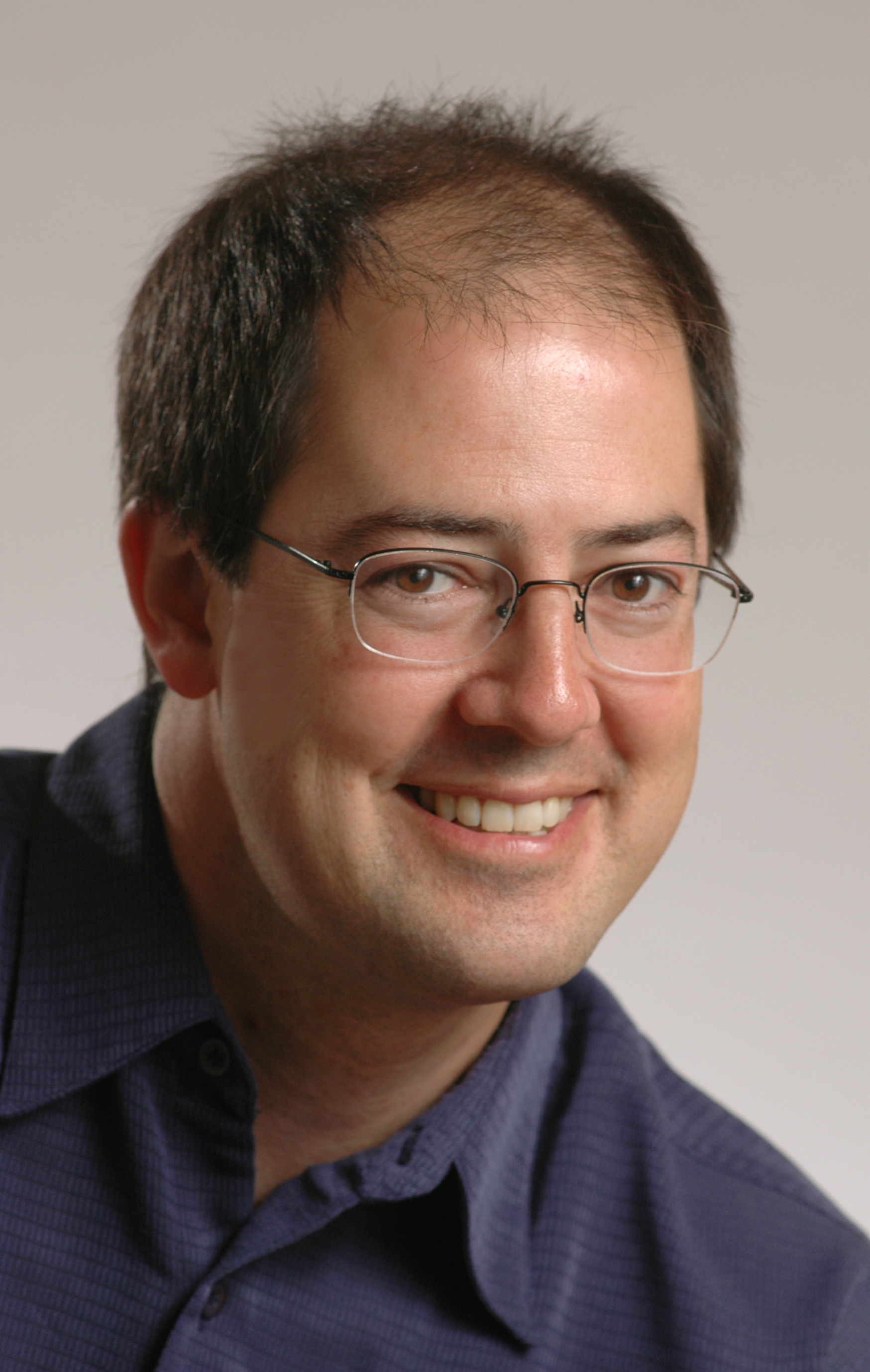
Kristofer Pister is a Professor in the Department of Electrical Engineering and Computer Sciences at the University of California, Berkeley. He co-directs the Berkeley Sensor and Actuator Center (BSAC) and the Ubiquitous Swarm Lab. His career spans groundbreaking innovations in Micro/Nano Electro Mechanical Systems (MEMS), Control Systems, and Low-Power Circuits, with a focus on Smart Dust and synthetic insects. Education: Ph.D. and M.S. in EECS from UC Berkeley (1992, 1989); B.A. in Applied Physics from UC San Diego (1986). His research areas include MEMS , Control Systems , Robotics , and Integrated Circuits , with recent work on self-powered micro-sensors, crystal-free radios, and interplanetary swarm networks. Key awards include the ISA Albert F. Sperry Founder Award (2009) , Alexander Schwarzkopf Prize (2006) , and the NSF CAREER Award (1996) . He has authored numerous influential publications in wireless sensor networks and microrobotics. His lab, Ubiquitous Swarm Lab , explores distributed robotics and swarm intelligence. Pister emphasizes open collaboration in research, ethical conduct in academia, and efficient resource utilization for graduate students.
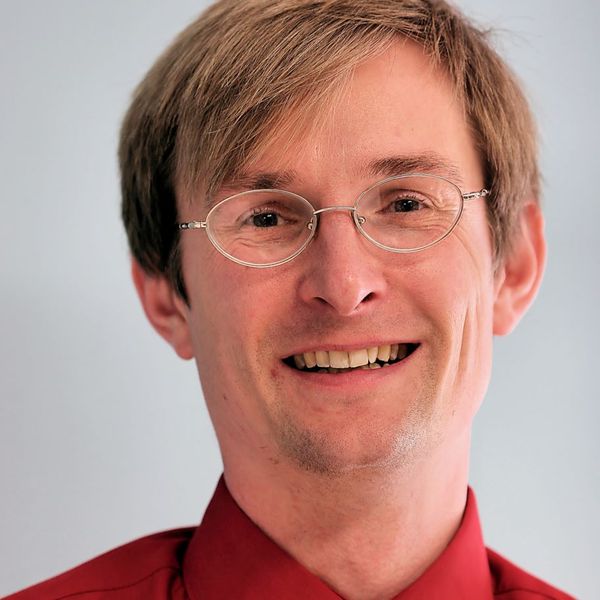
Paul Withers is a Professor and Chair of the Department of Astronomy at Boston University. He leads research on planetary atmospheres and ionospheres, with a focus on Mars and Venus, and serves as Principal Investigator on multiple NASA-funded research projects. Education: B.A. in Physics, 1998, Queens' College, Cambridge University M.S. in Physics, 1998, Queens' College, Cambridge University M.A., 2001, Queens' College, Cambridge University Ph.D. in Planetary Science, 2003, University of Arizona Professor Withers' research focuses on the upper atmospheres and ionospheres of terrestrial planets, particularly Mars and Venus. His work involves analyzing spacecraft data and developing theoretical models to understand how solar flux, neutral atmospheres, magnetic fields, and ionospheres interact under unique planetary conditions. He has made significant contributions to understanding the response of the Martian ionosphere to solar flares, the structure of the Venus ionosphere, and meteoric plasma layers in planetary ionospheres. His research often involves multi-instrument campaigns and coordinated observations across different spacecraft missions including Mars Express, MAVEN, and Venus Express. Analysis of Professor Withers' recent publications reveals a strong emphasis on Martian ionospheric dynamics, particularly its response to solar activity and its variability under different conditions. His work frequently combines data from multiple missions to create comprehensive models of planetary upper atmospheres. He has developed important methods for analyzing radio occultation data and reconstructing atmospheric properties from entry, descent, and landing measurements. Major Funded Projects: "Characterizing the topside bulge in the ionosphere of Mars" (NASA Mars Data Analysis Program, 2014, $144K) "Integration of MAVEN neutral and plasma observations" (NASA MAVEN Participating Scientist Program, 2013, $284K) "Radio occultation studies at Mars" (NASA Early Career Fellowship Program, 2013, $99K) "EDL reconstruction for MSL" (NASA, JPL contract, 2012, $199K) "Meteoric plasma layers on Venus and Mars" (NASA Planetary Atmospheres Program, 2012, $232K) Professor Withers has been actively involved in mentoring students and collaborating with international researchers. He serves as a key member of the Mars Upper Atmosphere Network (MUAN) and has contributed to community white papers for planetary science decadal surveys. His work supports future Mars landers through atmospheric modeling and surface pressure prediction, with direct applications to mission planning and execution. He has presented his research at numerous international conferences including the American Geophysical Union meetings, Division for Planetary Sciences meetings, and European Planetary Science Congress. His work has important implications for understanding planetary climate evolution, space weather effects on technological systems, and the search for habitable environments beyond Earth.
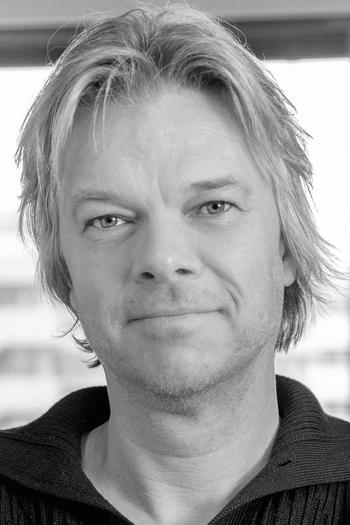
Marina Galand is a Professor in Planetary Science at Imperial College London's Department of Physics within the Faculty of Natural Sciences. Her research focuses on energy deposition mechanisms in planetary atmospheres, auroral emissions, and plasma interactions with solar system bodies such as Earth, Jupiter's moon Ganymede, and comet 67P/Churyumov-Gerasimenko. She is deeply involved with international space missions including Cassini, Rosetta, and upcoming missions like JUICE (Jupiter Icy Moons Explorer) and Comet Interceptor. Her work analyzes plasma environments using data from instruments like the Rosetta Plasma Consortium and the upcoming JUICE RPWI. Key research areas include ionospheric modeling, diamagnetic cavity dynamics, and solar wind interactions with cometary atmospheres. She has pioneered studies of far-ultraviolet auroras on comets, demonstrating these phenomena occur beyond planetary bodies. Galand's contributions bridge observational data with theoretical models, advancing understanding of atmospheric evolution and energy transfer processes. She collaborates on mission designs for future exploration of icy moons and pristine comets, emphasizing instrumentation development for plasma and dust diagnostics.
Ingrid Mann is a Professor in Space Physics at the UiT The Arctic University of Norway , Department of Physics and Technology. She leads and participates in multiple externally funded research initiatives including the Cosmic dust injection into the upper Earth atmosphere , MXD 2 rocket project to study the mesosphere , and EISCAT Research infrastructure project . ORCID: 0000-0002-2805-3265 Member of research group Space Physics Member of projects: Intermittent fluctuations in physical systems , Maxidusty-2 , CASCADE , Codia , Boosting Space Business , and Forskningsparken 1 A216 Her research spans space and atmospheric physics , focusing on dusty plasmas , cosmic dust dynamics , and polar atmosphere interactions . She employs spacecraft observations , EISCAT radar , rocket experiments , and machine learning for data analysis. Recent publications highlight cosmic dust detection with Parker Solar Probe and Solar Orbiter , PMSE multilayer properties , and dust impact signal modeling . Her work integrates radar , optical , and spacecraft data to understand polar atmospheric systems. She teaches FYS-2000 Kvantemekanikk , FYS-2019 Sun, Planets, and Space , and supervises G-Chaser student rocket projects . Her research group contributes to EISCAT_3D infrastructure and interplanetary dust modeling . Co-edited books: Nanodust in the Solar System (2012) Small Bodies in Planetary Systems (2008) Modern Meteor Science (2005)
Professor Andreas Baas is a leading academic in aeolian geomorphology, holding a Professorship at King's College London's Department of Geography within the School of Global Affairs. His research focuses on dune dynamics on Earth and Mars, aeolian sand transport, and climate change impacts. He earned BSc/MSc from the University of Amsterdam and a PhD from the University of Southern California, supported by an NSF Research Award. Previously, he was an Adjunct Professor at California State University San Bernardino. Research interests include desert dune hazards, microplastics transport, and Martian dune bedforms. He has published 40+ peer-reviewed articles, 10+ book chapters, and his work has been cited over 3,500 times. His grants include funding from the Leverhulme Trust, Nuffield Foundation, and UK NERC. He supervises PhD students on topics like barchan swarms and Mars dune dynamics. His lab work includes developing tools like PyShoreVolume for shoreline change analysis. He is an associate editor for Earth Surface Dynamics and a member of the NERC Peer-Review College.
Lucy Ziurys is a Regents' Professor of Chemistry and Biochemistry & Astronomy at the University of Arizona, affiliated with Steward Observatory and the Arizona Radio Observatory. Her research focuses on astrochemistry, particularly phosphorus and iron chemistry in the interstellar medium (ISM), molecular life cycles in evolved stars, and prebiotic chemistry. She combines high-resolution laboratory spectroscopy with observational studies of red supergiants like VY Canis Majoris and planetary nebulae. Dr. Ziurys leads instrumentation projects at the Arizona Radio Observatory and has received the prestigious LAD Career Prize for her work bridging laboratory and astrophysical spectroscopy. Her studies employ cutting-edge techniques such as millimeter-wave spectroscopy and ALMA imaging to explore molecular complexity in stellar outflows, isotopic ratios, and the origins of biogenic elements. Key contributions include detecting novel interstellar molecules like FeC and elucidating phosphorus pathways in cosmic environments. The Ziurys Group designs custom instruments to measure unstable astrophysical species, advancing our understanding of Galactic chemical evolution and the chemistry of life's building blocks. Awards: LAD Career Prize (2019) Labs/Teams: Ziurys Research Group, Arizona Radio Observatory Instrumentation: Millimeter-wave spectroscopy, ALMA receivers
Prof. Frank Postberg is a University Professor for Planetary Sciences at Freie Universität Berlin, leading the Planetary Sciences and Remote Sensing group. He specializes in astrobiology and the exploration of icy ocean worlds such as Enceladus and Europa, using data from missions like Cassini-Huygens and Europa Clipper. Education: PhD (2007) in Physics from Heidelberg University, followed by postdoctoral research at the Max Planck Institute and University of Stuttgart. He habilitated in cosmochemistry (2012) and received a Heisenberg Fellowship (2014). Research focuses on the composition of plumes and subsurface oceans of icy moons, with projects like Habitat-OASIS exploring habitability. He co-leads experiments on interstellar dust (Destiny+ mission) and serves on ESA’s strategic mission teams. Awards include the ERC Consolidator Grant (2017) for studying ocean world habitability. His lab develops advanced instrumentation like SUDA for compositional analysis of planetary materials.
Dr. Pablo Machuca Varela is an Assistant Professor in the Department of Aerospace Engineering at San Diego State University (SDSU), affiliated with the College of Engineering. His primary research focuses on deep-space exploration, astrodynamics, trajectory design, and autonomous guidance systems for spacecraft. He holds a Ph.D. from Cranfield University (UK), an M.S. from Purdue University (USA), and a Bachelor’s from Universidad Carlos III de Madrid (Spain). Research Interests: Cislunar space exploration (Earth-Moon region) Asteroid/comet fly-by mission design Autonomous navigation and attitude control systems Small-spacecraft mission analysis Space debris modeling and mitigation His recent publications emphasize cost-effective CubeSat missions for asteroid exploration, comet interceptor mission design, and advanced trajectory optimization techniques. He is actively engaged in advising students interested in space systems design and maintains an office in Building A, Room 101.
Dr. Jenny Feige is a Researcher at the Museum of Natural History Leibniz Institute for Evolution and Biodiversity Research in Berlin, Germany. She serves as the project leader of the ERC Starting Grant NoSHADE (2023-2028), which focuses on novel perspectives on our Solar System history recorded in the Atacama Desert. Her research interests center on the origin of cosmic dust on Earth, including interstellar dust from nearby stellar explosions through the detection of radioactive supernova isotopes, and interplanetary dust found on Earth's surface as micrometeorites. Her work bridges astrophysics, geochemistry, and planetary science, with a particular focus on understanding supernova activity and its signatures in terrestrial archives. Analysis of her publication record from 2012-2024 reveals a strong focus on supernova-produced radionuclides (particularly 60Fe and 244Pu), cosmic dust transport mechanisms, and the application of advanced analytical techniques like Accelerator Mass Spectrometry. Her research spans multiple disciplines including astrophysics, geochemistry, planetary science, and nuclear physics, with publications appearing in high-impact journals such as Nature, PNAS, and Astronomy & Astrophysics. Scientific Awards: ERC Starting Grant NoSHADE (2023-2028) Dr. Feige's research program involves extensive international collaboration across multiple institutions and disciplines. Her work on supernova-produced radionuclides in deep-sea sediments and meteoritic material has significantly contributed to our understanding of recent stellar activity near our solar system and the transport mechanisms of extraterrestrial material to Earth. She employs cutting-edge analytical techniques including Accelerator Mass Spectrometry to detect minute quantities of cosmogenic and supernova-ejected radionuclides.
Martin Airey is a Researcher at the Department of Meteorology, University of Reading , specializing in planetary atmospheres, atmospheric electricity, and meteorological instrumentation. He leads projects such as the VENI program (studying Venusian electricity) and the UAE Rain Enhancement Program , with fieldwork involving volcanic lightning and Arctic cloud measurements. Research Focus : Airey investigates electrical phenomena in planetary atmospheres (including Venus and Earth), volcanic plume electrification, and advanced sensor development for atmospheric monitoring. His work bridges geophysics, climatology, and engineering, emphasizing in-situ measurements and novel instrumentation. Publications : Recent studies highlight electrification in volcanic plumes, droplet behavior under electric fields, and environmental applications of atmospheric sensors. His research spans desert precipitation analysis , Arctic cloud dynamics , and planetary scale volcanism . Education : DPhil in Earth Sciences (University of Oxford, 2015) MRes in Science of the Environment (Lancaster University, 2010) BSc (Hons) in Geosciences (Open University, 2007) Supervision : Mentored students including Blair McGinness (PhD, 2020/24) and Treve Nicol (UG, 2016/17), focusing on atmospheric electricity and instrumentation.
Christoph Lhotka is an Assistant Professor in the Department of MATHEMATICS FOR ECONOMICS AND FINANCE at the University of Rome Tor Vergata. His academic career includes teaching Calculus and Mathematics courses across Bachelor’s programs. His research focuses on celestial mechanics, orbital dynamics, and space plasma physics, with particular emphasis on charged dust behavior, interplanetary magnetic fields, and resonance phenomena in planetary systems. Key research areas include the analysis of Lagrange points, tidal effects on planetary systems, and solar wind interactions with dust particles. He has contributed to studies using spacecraft data from missions like BepiColombo and MMS to explore Mercury’s environment and solar wind turbulence. Recent work highlights include investigations into co-orbital dust dynamics near Venus and Jupiter, stability of resonant systems, and the role of electromagnetic transport in heliospheric environments. His publications often bridge theoretical models with observational data, addressing fundamental questions in astrophysics and dynamical systems. No scientific awards or grants are explicitly mentioned in the provided texts. He has not listed advisees or students, though his teaching roles suggest involvement in academic mentorship.
Andrea Capannolo is an Assistant Professor in the School of Aeronautics and Astronautics at Purdue University, specializing in asteroid exploration and planetary defense. His work focuses on missions like NASA's DART and the Italian LICIACube, analyzing impact dynamics, orbital mechanics, and small satellite technology. He investigates the Didymos binary asteroid system to understand planetary defense strategies and spacecraft trajectory design. Research interests include asteroid geology, ejecta plume modeling, and guidance systems for proximity operations. He has contributed to CubeSat missions for deep-space exploration, emphasizing mission autonomy and data exploitation. Notable projects include LICIACube's role as a 'witness' to the DART impact, providing critical imaging of the event. His publications explore ejecta dynamics, spectral characterization of asteroids, and formation flying strategies. He has designed control systems for spacecraft in multibody environments, advancing technologies for future Mars and asteroid missions. Current efforts aim to enhance understanding of rubble-pile asteroid behavior and improve planetary defense mechanisms.
Danielle Wood is an Associate Professor at MIT, holding joint appointments in the Media Arts and Sciences and Aeronautics & Astronautics. She leads the Space Enabled Research Group, focusing on leveraging space technology for sustainable Earth systems and promoting equity in technology access. Her work spans satellite applications for environmental justice, space policy, and interdisciplinary systems design. Education: PhD in Engineering Systems, SM in Aeronautics & Astronautics, SM in Technology Policy, SB in Aerospace Engineering (MIT). Research Interests: Space sustainability, environmental justice, satellite remote sensing for development, and anticolonial approaches to space exploration. Her projects include the Space Sustainability Rating (SSR) initiative and decision support systems for climate resilience. Publications: Over 50 peer-reviewed articles on topics like Earth observation for SDGs, space debris governance, and inclusive technology design. Recent work emphasizes integrating socioeconomic data with environmental metrics. Awards: 2019 Faculty Ambassador Award (MIT), NSF CAREER Award, Bloomberg New Economy Catalyst, and induction into the International Academy of Astronautics. Recognized for advancing African and African Diaspora studies at MIT. Grants & Advising: Leads NASA-funded research on water resource management and collaborates with global agencies. Advises students on space policy, systems engineering, and equity-focused technology. Labs & Teams: Director of Space Enabled, which hosts initiatives like Zero Robotics and the EVDT framework for environmental decision-making. Collaborates with international partners on projects like the Space Sustainability Rating.
Karen Dannemiller is an Assistant Professor in the Department of Civil, Environmental, and Geodetic Engineering at The Ohio State University. Her research focuses on understanding microbial communities in indoor environments, particularly their impacts on human health. She explores fungal diversity in residential and space habitats, allergen exposure in asthmatic populations, and environmental pathogen surveillance systems. Her work integrates molecular biology, engineering, and public health methodologies. Key research areas include: Indoor microbiome dynamics and asthma correlations Environmental monitoring technologies (smartphone sensors, dust-based surveillance) Space microbiology and closed-system ecology Fungal allergen production and mitigation strategies Dr. Dannemiller has contributed to initiatives like the CAREER grant-funded 'Microbial indicators Of Latent Dampness (MOLD)' project. Her lab develops novel tools for assessing indoor air quality and has published extensively on fungal biodiversity in built environments.
Kenneth A. Farley is the W.M. Keck Foundation Professor of Geochemistry at the California Institute of Technology (Caltech), affiliated with the Division of Geological and Planetary Sciences. He joined Caltech in 1993 as an Assistant Professor, advancing to Professor in 1998 and holding the Keck Foundation Professorship since 2003. He served as Director of the Tectonic Observatory (2003–2004) and Chair of the Division of Geological and Planetary Sciences (2004–2014). Education: B.S., Yale University, 1986 Ph.D., University of California, San Diego, 1991 Research Interests: Farley specializes in noble gas isotope geochemistry, applying these techniques to study Earth's mantle and atmosphere, oceanic lava petrogenesis, geochronology, and low-temperature thermochronology. His work also includes analyzing interplanetary dust flux via deep-sea sediments and cosmogenic surface exposure dating methods. He is deeply involved in Martian geochemistry and geochronology, serving as a participating scientist on NASA’s Curiosity Mars rover mission and Project Scientist for the Mars 2020 mission (landing 2021). Professional Roles: Project Scientist for NASA’s Mars 2020 mission Leading expert in extraterrestrial geochemistry and planetary science Labs & Collaborations: His research integrates with the Tectonic Observatory and Mars mission teams, focusing on interdisciplinary planetary science and geochemical methodologies.